

Sanofi's Monthly siRNA Therapy Fitusiran for Hemophilia Receives NMPA Filing Acceptance, Poised for Potential First Approval in China

Sanofi
Pharmaceutical R&D Developer

Welcome to follow Asymchem Pharma News
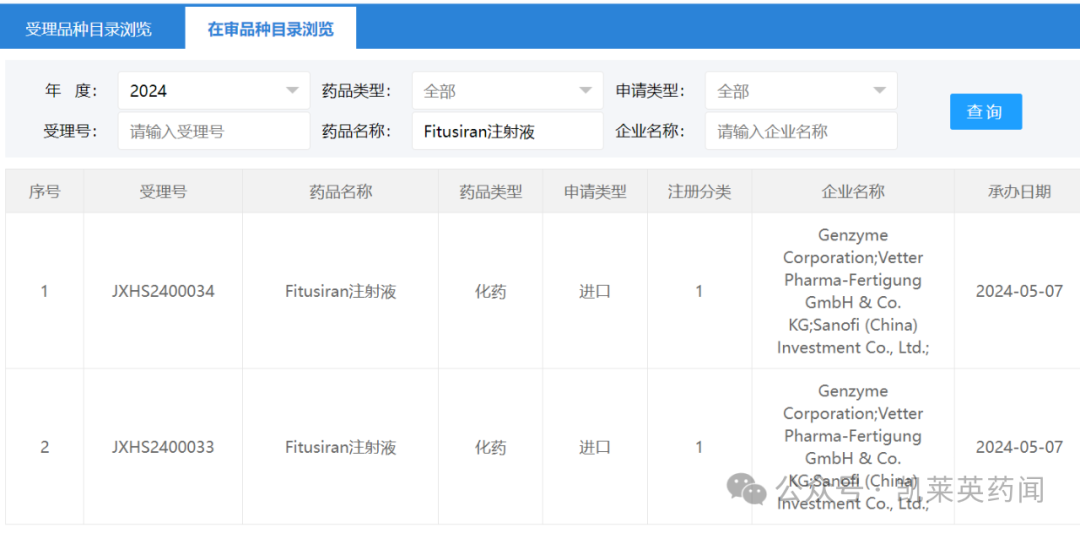
On May 7, 2024, information released on the official website of the Center for Drug Evaluation (CDE) of the National Medical Products Administration (NMPA) showed,Sanofi's Fitusiran Injection Marketing Application Accepted; This drug can treat patients with hemophilia A and B., regardless of whether they express inhibitors against exogenous clotting factors in their bodies.
About Fitusiran
Fitusiran is an siRNA targeting antithrombin jointly developed by Sanofi and Alnylam. By binding to RNA expressing antithrombin, it reduces the production of antithrombin, thereby restoring the balance between clotting factors and anticoagulant factors, achieving the effect of reducing bleeding events in hemophilia patients. This innovative therapyOnly requires one subcutaneous injection per month,Compared with conventional preventive coagulation factor injections, it provides patients with much convenience in controlling the risk of bleeding.
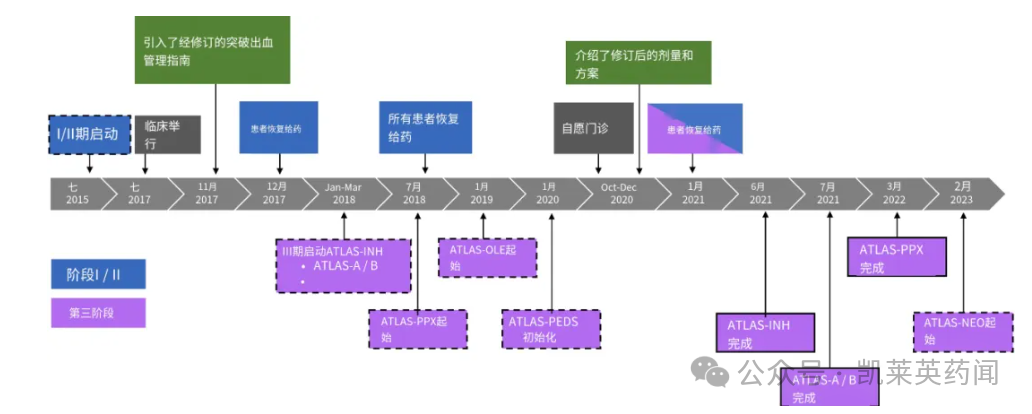
As the only siRNA innovative drug currently used for the treatment of hemophilia, fitusiran has been shelved multiple times due to safety reasons:As early as 2017, during the Phase 2 study, a patient with hemophilia A died from a thrombotic event or blood clot, prompting the FDA to halt the development of fitusiran. Alnylam suspended patient dosing during the trial and devised a strategy to improve safety monitoring and reduce the risk of fatal blood clots affecting more patients. By mid-December 2017, the FDA allowed the restart of clinical studies of fitusiran in hemophilia patients, including the Phase 2 open-label extension study and the Phase 3 ATLAS program. However, in November 2022, the ill-fated fitusiran encountered safety issues again just as it was nearing success in its research. After "discovering new adverse events," Sanofi voluntarily put the global study on hold due to newly identified side effects in clinical trials, though details of the adverse events have not been disclosed. In February 2023, the global study resumed, and the ATLAS-NEO trial began.
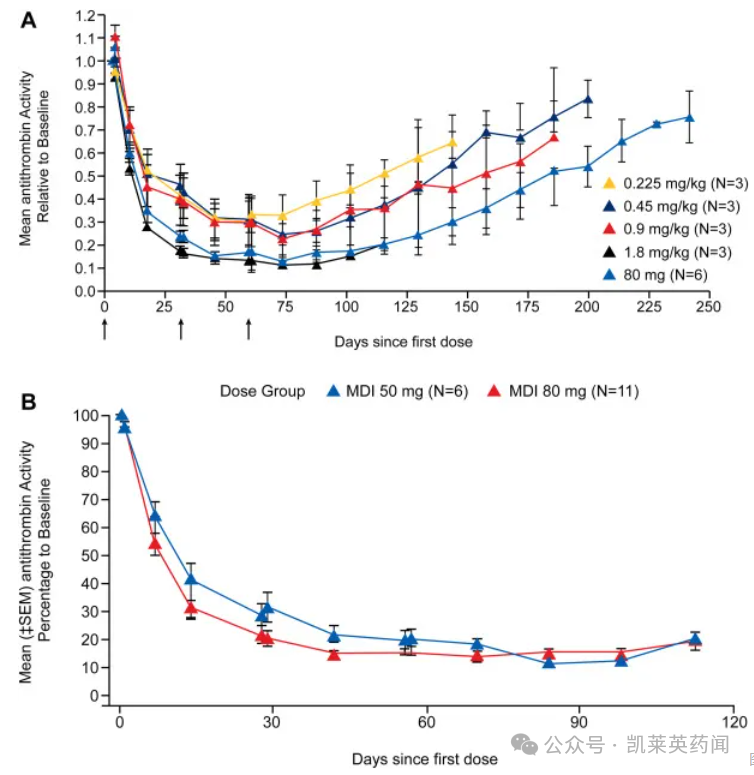
Phase 1 clinical trials indicated that, without inhibitors, fitusiran can reduce antithrombin (AT) levels and increase thrombin (coagulation enzyme) generation in patients with hemophilia A and B; Phase 2 clinical studies further showed that during co-administration with replacement factors or bypassing agents, the safety and tolerability data of fitusiran were equally encouraging, and no thromboembolic events occurred.
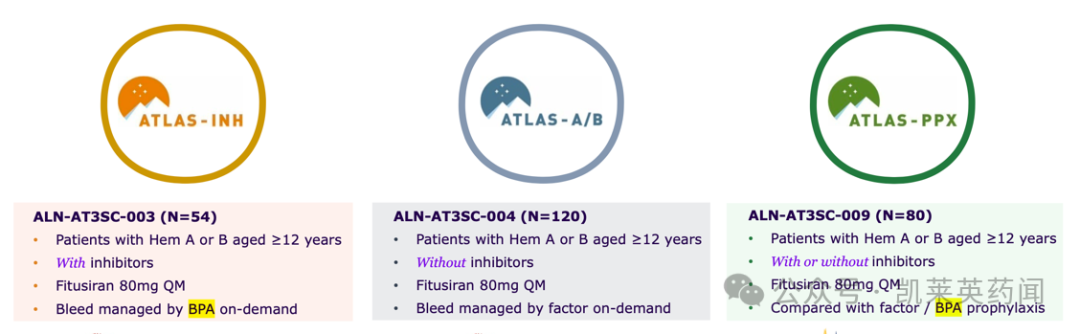
In the three completed Phase III clinical trials of fitusiran for adults and adolescents aged ≥12 years, ALNAT3SC-003 enrolled patients who produced inhibitors and thus required bypassing agent (BPA) management for bleeding; ALN-AT3SC-004 included patients who did not produce inhibitors and managed bleeding with clotting factor concentrates; ALN-AT3SC-009 targeted all patients, including both those who produced inhibitors and those who did not. The treatment dose in each group was 80mg per month.
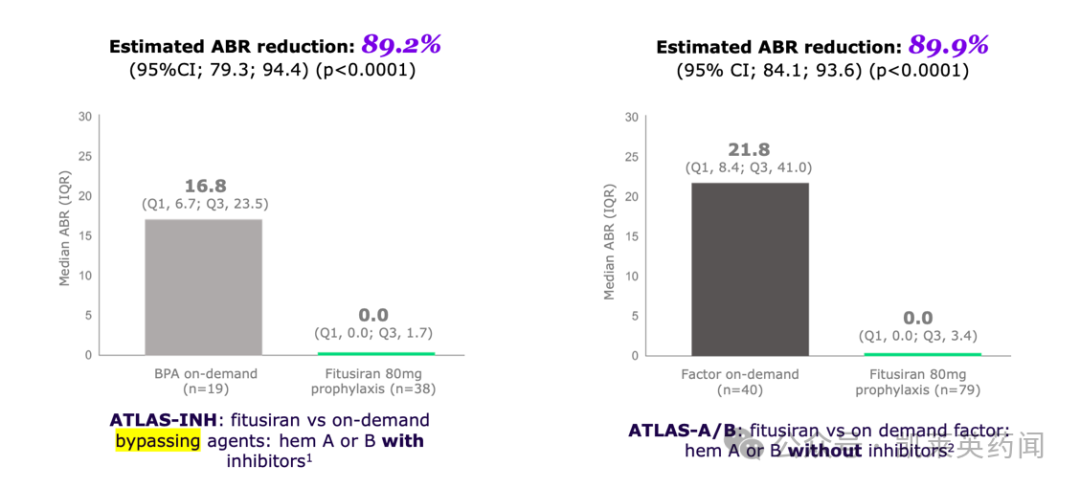
Studies show that fitusiran demonstrated good activity and showed statistically significant efficacy in reducing bleeding. In the ALN-AT3SC-003 trial, compared with patients requiring bypassing agents, the annualized bleeding rate (ABR) decreased by approximately 89.2% in patients using fitusiran; in the ALN-AT3SC-004 trial, compared with patients requiring concentrated clotting factors, the ABR decreased by about 89.9% in patients using fitusiran. The results of both trials showed that the median ABR was 0 in the subgroup using fitusiran.
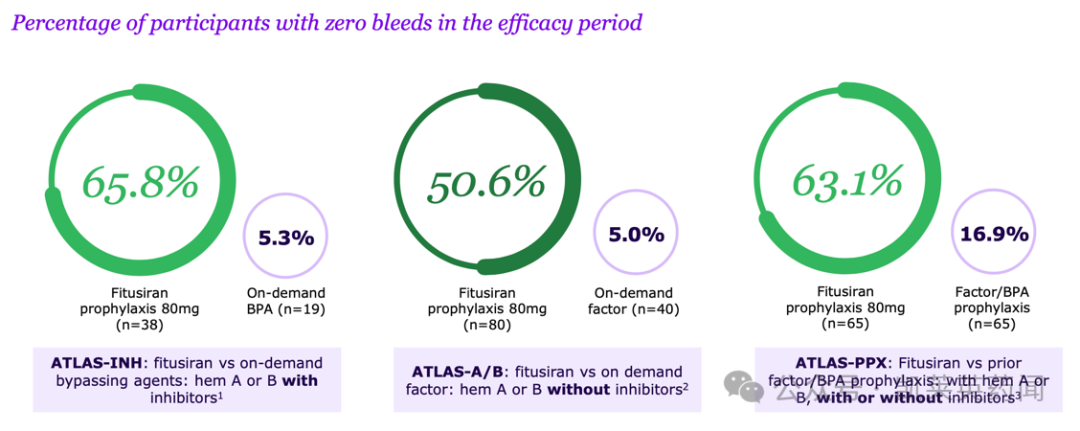
In the ALN-AT3SC-003, ALN-AT3SC-004, and ALN-AT3SC-009 studies, the percentages of patients treated with fitusiran who did not experience bleeding events during the drug efficacy phase were 65.8%, 50.6%, and 63.1%, respectively.
About Hemophilia
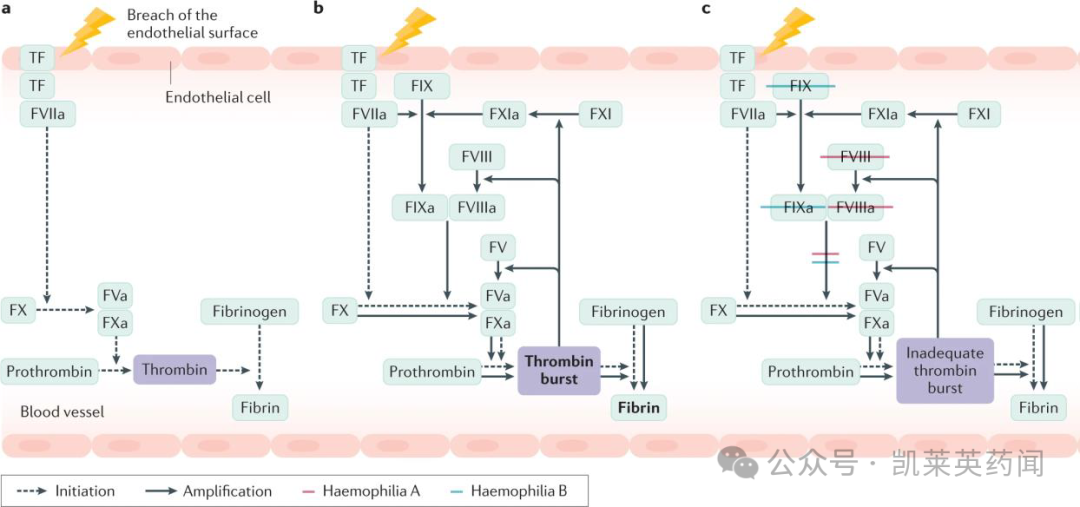
Hemophilia is an X chromosome-linked recessive hereditary bleeding disorder. Based on the deficient coagulation factor, it can be divided into two types: Hemophilia A and Hemophilia B. Hemophilia A involves a deficiency of coagulation Factor VIII, accounting for 85%, while Hemophilia B involves a deficiency of coagulation Factor IX, accounting for 15%. The former is caused by low or absent levels of Factor VIII in patients, and the latter is due to a deficiency of Factor IX, leading to coagulation dysfunction.
The vast majority of hemophilia patients are male, and clinically, they mainly present with spontaneous or difficult-to-stop bleeding in joints, muscles, internal organs, and deep tissues after minor trauma. As a chronic disease, long-term or lifelong medication is the norm for hemophilia patients, and early diagnosis and continuous care are crucial for reducing mortality. According to the U.S. CDC, the incidence of hemophilia A is 1 in 5,000 male newborns, of which 2/3 are severe cases. Approximately 400 infants are born with hemophilia A each year, and up to 33,000 males in the U.S. are affected by the disease. The incidence of hemophilia B is 1 in 30,000 male newborns, of which 1/2 are severe cases. In 2020, China had a total of 142,000 hemophilia patients, of which approximately 121,000 were type A and 21,000 were type B.
The treatment of hemophilia includes replacement therapy and prophylactic therapy. Replacement therapy primarily uses recombinant or plasma-derived clotting factors, mainly administered when patients experience significant bleeding or undergo surgery or other invasive procedures, with the aim of promptly stopping bleeding and preventing excessive blood loss due to insufficient coagulation function. Prophylactic therapy is the regular administration of replacement therapy to prevent bleeding and maintain normal joint and muscle function.
In response to the risks posed by alternative therapies and traditional treatment drugs, a series of innovative drugs and therapies with better efficacy and safety have emerged in recent years, offering the potential to improve existing treatment models. Among them, Roche's bispecific antibody drug Emicizumab was approved by the FDA for marketing in November 2017, becoming the world’s first non-factor drug for treating Hemophilia A, reducing dosing frequency to once a week and enhancing patient compliance. Gene therapy is also an emerging long-term treatment approach that has proven effective for hemophilia.BioMarin's AAV gene therapy Roctavian™ (Valoctocogene Roxaparvovec) was approved by the EU in August 2022 for the treatment of severe Hemophilia A patients without a history of Factor VIII inhibitors and without detectable antibodies to AAV5.
In addition, multiple new hemophilia drugs globally are in Phase III clinical trials and marketing application stages, with drug types covering recombinant coagulation factors, gene therapies, siRNA, bispecific antibodies, and monoclonal antibodies.
New drugs for hemophilia Phase III and above

About Sanofi's Layout in Rare Diseases
Sanofi has always been a pioneer and leader in the field of rare diseases. In recent years, the company's rare disease business segment in China has achieved excellent development. According to Yu Lei, head of Sanofi (China)'s rare disease and rare blood disorder business, in terms of patient numbers, in 2018, Sanofi only served 75 patients with rare diseases, but now more than 600 patients have benefited from the company’s drugs. The sales revenue of the rare disease business has also increased from tens of millions of yuan to four to five billion yuan (as of March 2024).
In November 2023, Sanofi attended the CIIE for the sixth time, showcasing its innovative pipeline and several first-in-class breakthrough products in areas such as immunology, including the aforementioned monthly siRNA therapy for hemophilia, fitusiran. According to incomplete statistics,Sanofi's rare disease portfolio in China currently covers lysosomal storage disorders such as Gaucher disease, Pompe disease, Fabry disease, and Mucopolysaccharidosis Type I, as well as neurological conditions like multiple sclerosis and amyotrophic lateral sclerosis.。
References
1. Company Official Website
2. Industrial Securities, Huachuang Securities, Pacific Securities
3、Care ofHemophilia、Daily Economic News、China.com




"Views"Click once