

Will Digital Transformation Trigger a New Drug R&D Boom? Insights from the Pharma Digital R&D Forum

AstraZeneca
Biopharmaceutical Manufacturer

Sanofi
Pharmaceutical R&D Developer

SunNovo
Drug Research and Development Service Provider

InSilico Medicine
Intelligent Drug Development Platform and New Drug Research and Development Provider

CarbonSilicon AI
Artificial Intelligence Infrastructure and Service Provider

AliveX Biotech
Precision Medicine Solution Provider
As is known to all, the high risk, long cycle, and high cost of new drug development are among the biggest pain points for pharmaceutical companies. However, the emergence of digital technology has the potential to break this "double ten rule." By leveraging digital technology, pharmaceutical companies can not only change the traditional methods of collecting patient data but also transform how the pharmaceutical industry gathers data from clinical trial participants. Additionally, through wearable devices, medical equipment, sensors, and mobile applications, pharmaceutical companies and Contract Research Organizations (CROs) can remotely collect participants' clinical data, activity data, and key biomarkers. As a result, the process of new drug development is being restructured, efficiency is improved, costs are reduced, and risks are mitigated.
On May 8, at the Pharma Digital R&D Forum held during the 8th Future Healthcare Ecosystem Exhibition, Wang Yue, Vice President of AstraZeneca Global R&D China Center and Head of the Digital Healthcare Innovation Department; Gu Chengming, Vice President of Sanofi Greater China; Liu Yujing, General Manager of SunNovo; Ren Feng, Co-CEO and Chief Scientific Officer of Insilico Medicine; Deng Yafeng, Founder and CEO of CarbonSilicon AI; Wen Wen, Founder and CEO of AliveX Biotech; Cheng Hao, Partner at Shengshan Capital; Luo Huan, Deputy General Manager of SunNovo; and He Qi, Co-founder and CEO of TBM Therapeutics, jointly shared and discussed how digitalization leads innovation, improves efficiency, and empowers collaboration in drug R&D.Probe Capital Investment Manager Li XinyiServe as the forum moderator.
Vice President of AstraZeneca Global R&D China Center and Head of Digital Healthcare Innovation Department, Yue WangShared with everyone the theme of"Digital Empowerment: Upgrading Pharmaceutical R&D Innovation"'s brilliant speech. She believes that the core of the pharmaceutical industry lies in product innovation and quality leadership, with innovation being the key driver of industry development. The development of new drugs requires long-term clinical trials, which are costly, necessitating continuous innovation by companies to address industry pressures. The digitization of clinical trials is a crucial direction for industry development. To this end, AstraZeneca has established a new division dedicated to the digitization of clinical trials. By employing digital tools, the division aims to increase the frequency and quality of data collection and utilize AI technology to optimize clinical trial processes, enhance research quality, and achieve cost reduction and efficiency improvement. In the future, this division will focus on designing patient-centered clinical trials, leveraging AI technology to open new pathways for drug development, and linking drug research with patient value.
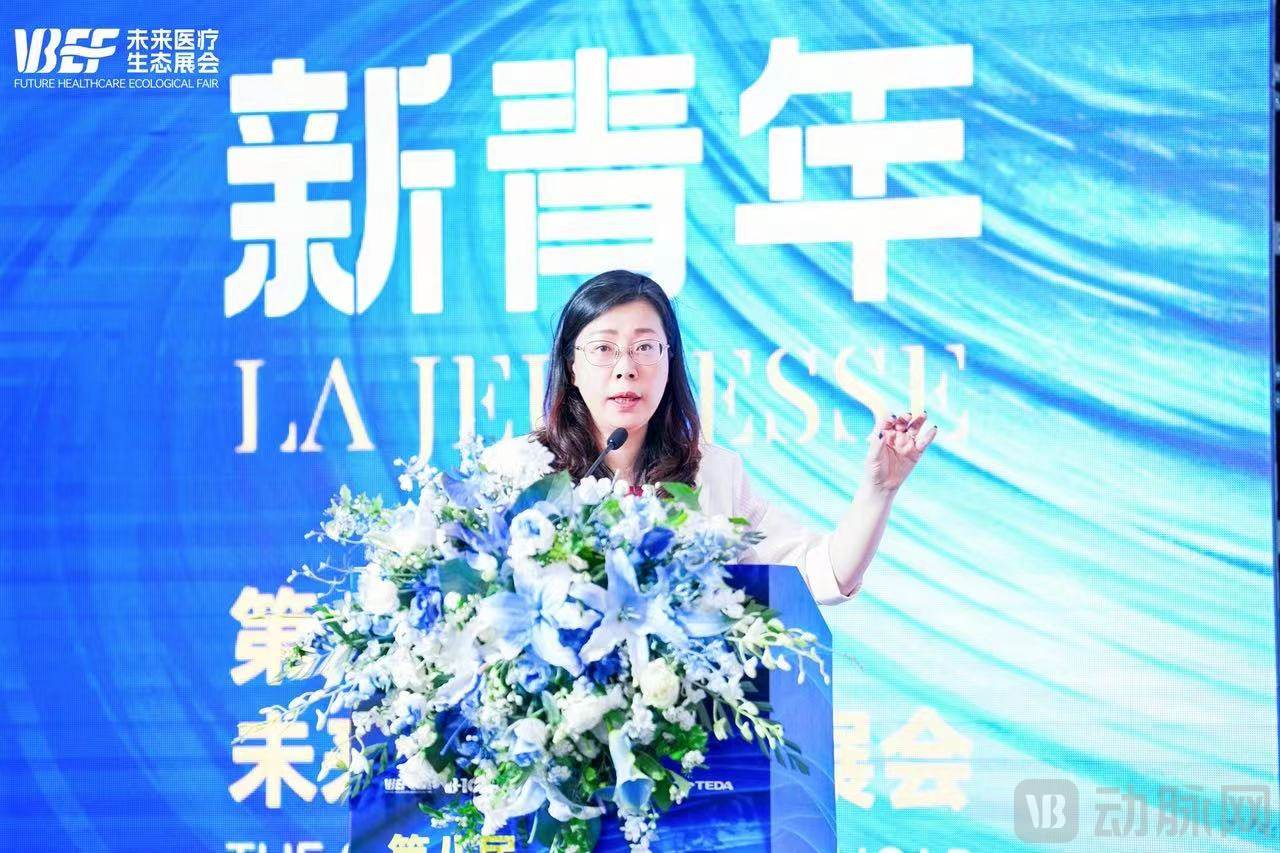
Wang Yue, Vice President of AstraZeneca Global R&D China Center and Head of Digital Healthcare Innovation Department
Vice President of Sanofi Greater China, Gu ChengmingAround"Drug Development - Data as the Root, Intelligence as the Soul"Made an excellent sharing. He emphasized the advantages of big data and AI in drug development, patient selection, and clinical research, especially in predictive modeling, decentralized trials, and rare disease recruitment. He stated that digitalization and AI will streamline clinical research processes, improve efficiency, making decentralized trials a future trend, and expressed hope that this change will provide more patients with opportunities to participate in clinical research. Additionally, he discussed the important role of RWE in new drug development and envisioned the application prospects of digital twin technology in clinical research. He believes that digitalization not only simplifies the drug development process but also enhances efficiency, providing strong support for innovation and development in the pharmaceutical industry.
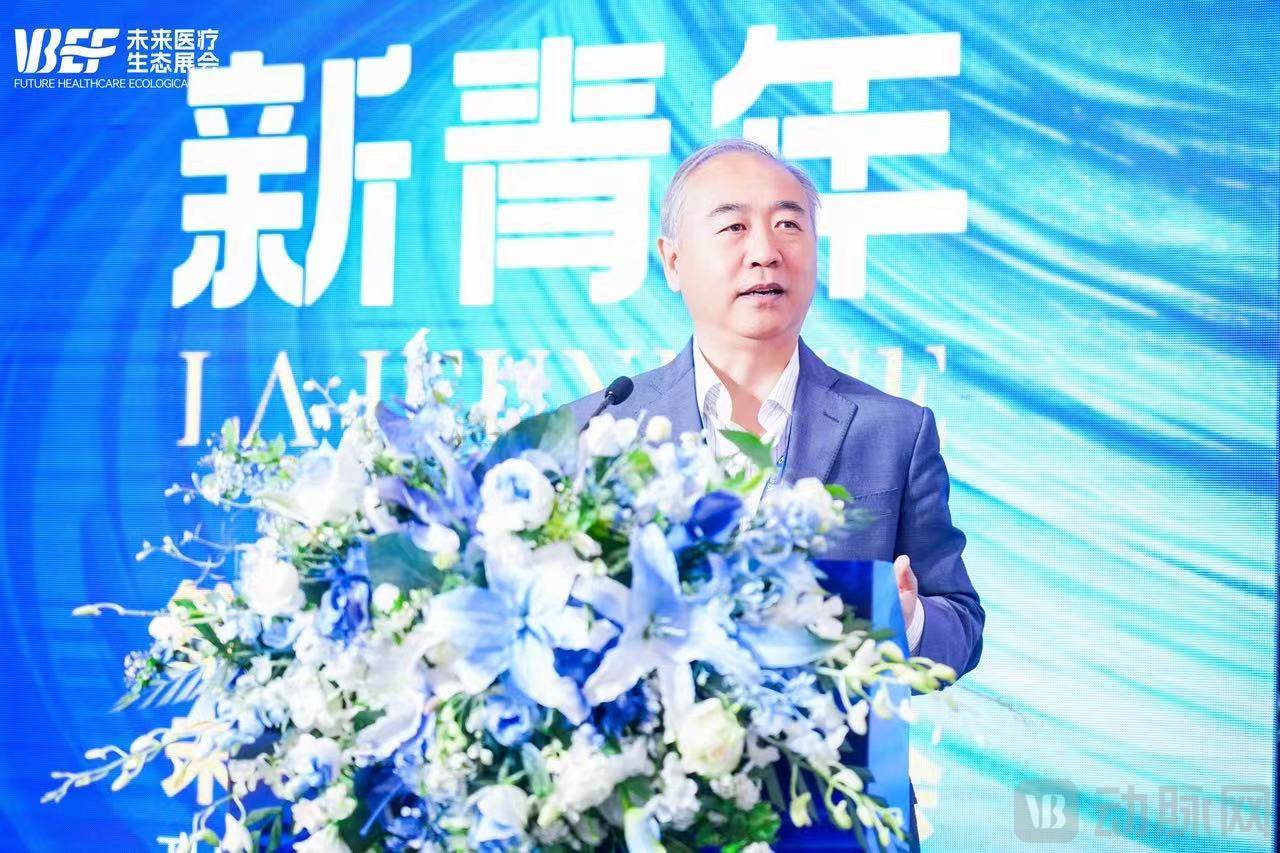
Vice President of Sanofi Greater China, Gu Chengming
Liu Yujing, General Manager of SunNovoIn"**Differentiated Innovation and Practice of China-based CROs**"He shared his insights and thoughts on the development of China's local CRO industry. He believes that the strength of local CROs lies in their deep understanding of the needs and challenges of China's pharmaceutical market, as well as their close ties with Chinese pharmaceutical companies, which provides strong support for their future provision of R&D products and solutions. Under the centralized procurement policy, CROs need to redefine R&D products, based on the vast Chinese pharmaceutical market and the unified market of billions of people, to create products that meet local needs. At the same time, they should expand overseas, using China-developed products as a carrier to build their own discourse system and expand capabilities in the global pharmaceutical market. He suggests that local CRO companies should adapt to changes in policies and regulations with a more proactive attitude, while serving target customers in a more pragmatic and efficient manner.
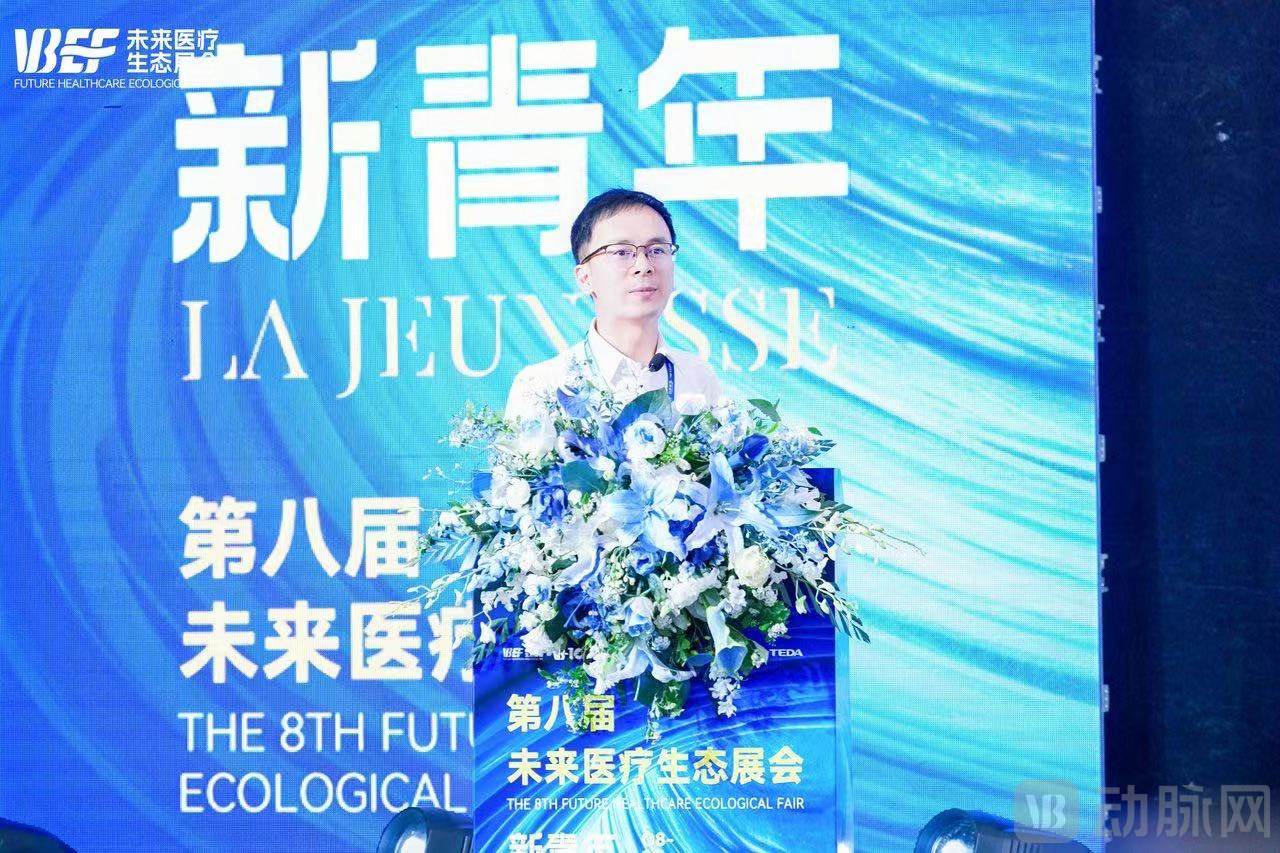
SunNovo General Manager Liu Yujing
Ren Feng, Co-CEO and Chief Scientific Officer of Insilico MedicineIn"Generative Artificial Intelligence and Robotics Empower Drug Development"In the keynote speech, the PandaOmics engine from Insilico Medicine was introduced, which can systematically analyze disease-related gene differences, predict, and recommend targets closely associated with diseases. At the same time, the Chemistry42 engine under the Pharma.AI platform can generate molecular structures that bind to specific targets, greatly improving the efficiency of new drug development. He mentioned that currently, AI-driven drug discovery has made significant progress, especially in target discovery and molecule generation, with some drugs already entering Phase III clinical trials. As technology continues to advance and data accumulates, the potential of AI-driven drug discovery will be further unleashed, injecting new vitality into the pharmaceutical industry’s development. Meanwhile, local CROs in China are also actively exploring the application of AI in drug discovery, hoping to promote the upgrading and development of China's pharmaceutical industry through AI technology.
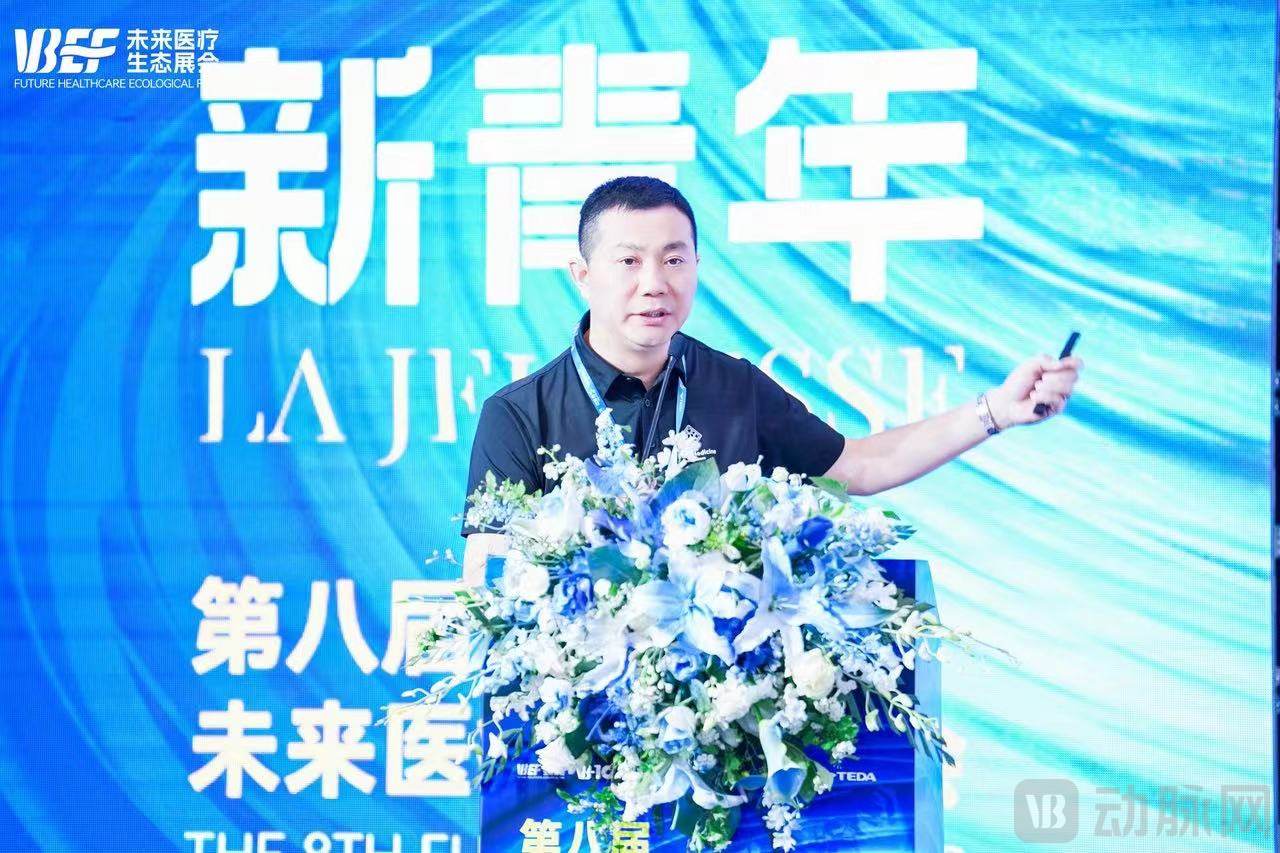
Ren Feng, Co-CEO and Chief Scientific Officer of Insilico Medicine
Deng Yafeng, Founder and CEO of CarbonSilicon AIMade a post on the forum"Sora in the Field of Molecular Design Based on Generative AI and Pre-trained Large Models"Keynote Speech. He introduced the application of CarbonSilicon AI's AI system in drug discovery, including molecular generation, activity prediction, and drug-likeness prediction. He concluded: The application of AI in drug discovery is rapidly evolving, especially in the areas of molecule discovery and optimization. Through AI platforms, human experts can screen and optimize drug molecules more efficiently, while integrating closed-loop processes such as automated synthesis and in vitro testing to form a complete drug discovery system. Looking ahead, he believes that an ideal AI system should support multimodal inputs and controls, and be able to generate and optimize drug molecules based on the intentions and conditions provided by human experts.
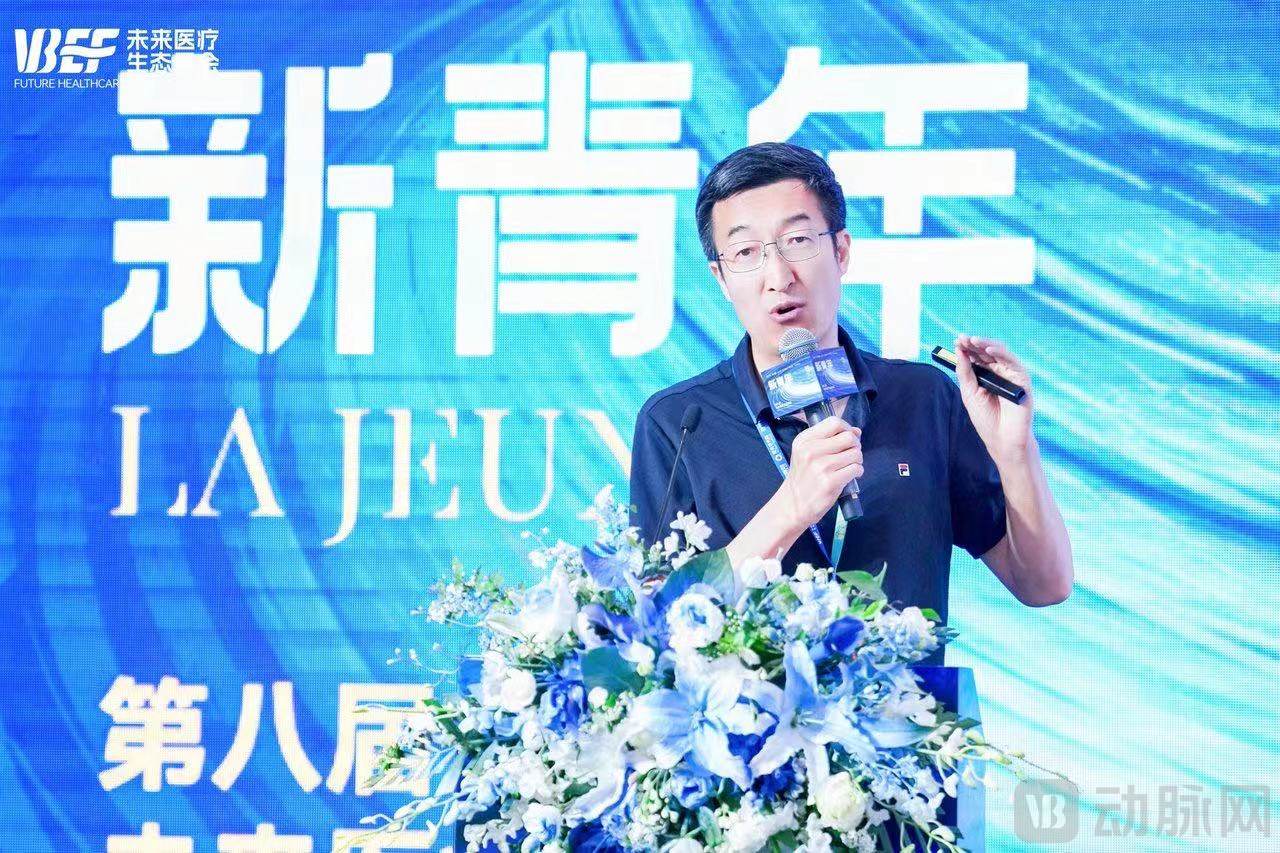
Deng Yafeng, Founder and CEO of CarbonSilicon AI
Founder and CEO of AliveX Biotech, Wen WenIn"AI Multi-Omics + Mechanism Modeling to Enhance R&D Efficiency"It was mentioned in the thematic sharing: Despite continuous technological advancements in the field of drug research and development, the failure rate of clinical trials continues to rise, especially for new modalities with complex mechanisms of action. The main reasons are the lack of understanding of complex diseases and drug mechanisms, as well as safety issues. However, systematically analyzing complex disease mechanisms and individual differences among patients remains a pain point in the drug development process. In response to this challenge, the FDA and EMA are encouraging the use of mechanistic models to deepen the understanding of drugs and disease mechanisms, but many problems still need to be resolved. AliveX Biotech adopts a closed-loop model combining dry and wet experiments, integrating multi-omics data with AI/ML technology to build high-quality models to guide drug development. Using a tripartite-driven model of data-driven, knowledge-driven, and model-driven approaches, AliveX Biotech has built an interpretable multimodal AI platform through seamless integration of data, knowledge, and models. This addresses the pain point of insufficient explainability in traditional AI, improves R&D efficiency, shortens the cycle, and increases success rates.
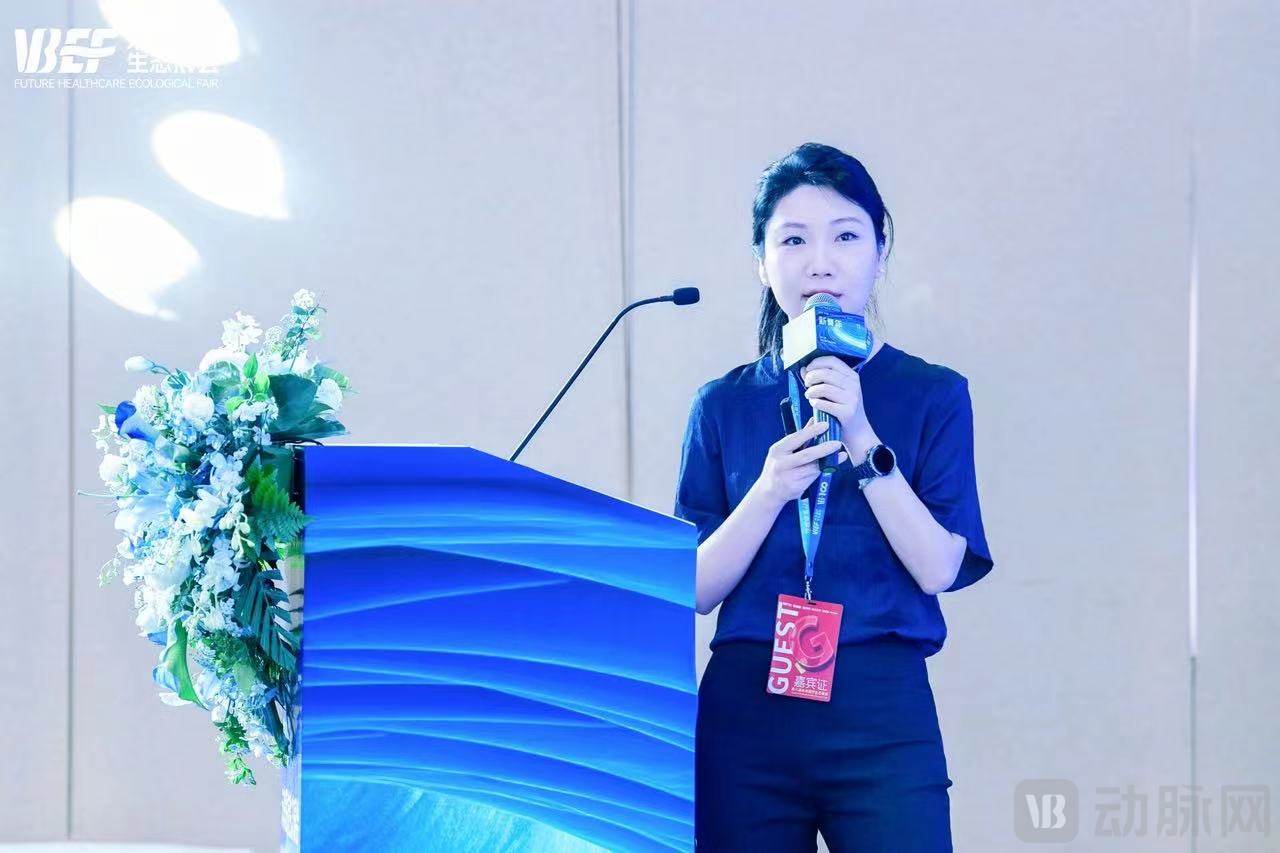
Founder and CEO of AliveX Biotech, Wen Wen
Roundtable Discussion Session, inCheng Hao, Partner of Shengshan CapitalUnder the moderation of [name], Luo Huan, Vice General Manager of SunNovo, Gu Chengming, Vice President of Greater China at Sanofi, Wang Yue, Vice President of AstraZeneca's Global R&D China Center and Head of the Digital Healthcare Innovation Department, Wen Wen, Founder and CEO of AliveX Biotech, and He Qi, Co-founder and CEO of CarbonSilicon AI, shared and discussed the topic "Digital Innovation is in Its Infancy: What Challenges Does It Face in the Field of Clinical Drug Development?"
TargetingApplication and Integration of Large Models in the Drug Development Process,He QiIt is believed that the current bottleneck of AI mainly lies in data scarcity. He is optimistic about the future breakthrough of the data bottleneck through the combination of high-throughput synthetic data generated by refining physical models and actual data, which will lead to a revolutionary change in the drug development process.WenwenIt was mentioned that large language models can help generate hypotheses in batches and determine research priorities through data analysis, thereby increasing the success rate of experimental design. Although large language models currently cannot directly provide precise therapeutic targets, their application value in experimental design and generation is still significant. RegardingThe Impact of the U.S. Biosecurity Act on China's CRO Biomedical IndustryThis hot topic,Gu ChengmingMentioning data sensitivity and the increase in asset value is a trend. Although there are challenges, China, with its strong capabilities and diligence, still has significant opportunities. He emphasized the importance of compliance and believes that as long as the regulations are clear, China has the ability to take the lead.Wang YueThe pharmaceuticals industry is considered a livelihood sector and will ultimately grow. The key lies in new drug development. Despite political and environmental pressures, as long as China can continue to innovate, there are still opportunities to address the challenges.Luo HuanIt is suggested that, against the backdrop of global win-win cooperation, enterprises can only achieve long-term cooperation by doing their own jobs well and complying with the regulatory policies of various countries.
Where Will China's Drug Research and Development or Innovative Drug Development Head in the Next Decade Amid the Impact of the Capital Winter?Luo HuanBelieves that the pharmaceutical industry must be a long-term cycle development, and he is optimistic about the direction of new drugs that solve existing clinical problems.Gu ChengmingHe said that the cold winter is also particularly important, as it can filter out companies truly capable of producing good products, while those "copying homework" or seeking short-term gains have no future.Wang YueShe indicated that the next 10 to 20 years will be very interesting, with new models emerging in the global pharmaceutical industry. On a personal level, she will also focus on the development of health management and the application of AI in the medical industry.WenwenObserved in the capital winter, Chinese companies need to transform and become self-sustaining, leveraging clinical and data advantages to seek original breakthroughs. She is optimistic about new modalities such as cell therapy or gene therapy fields.He QiIt was pointed out that the current investment bubble has blocked exit channels, and new drug development is facing financing difficulties. However, he remains optimistic about the future development of innovative drugs. He believes that China's innovation level is significantly improving, and the exit channels will open up in the future.
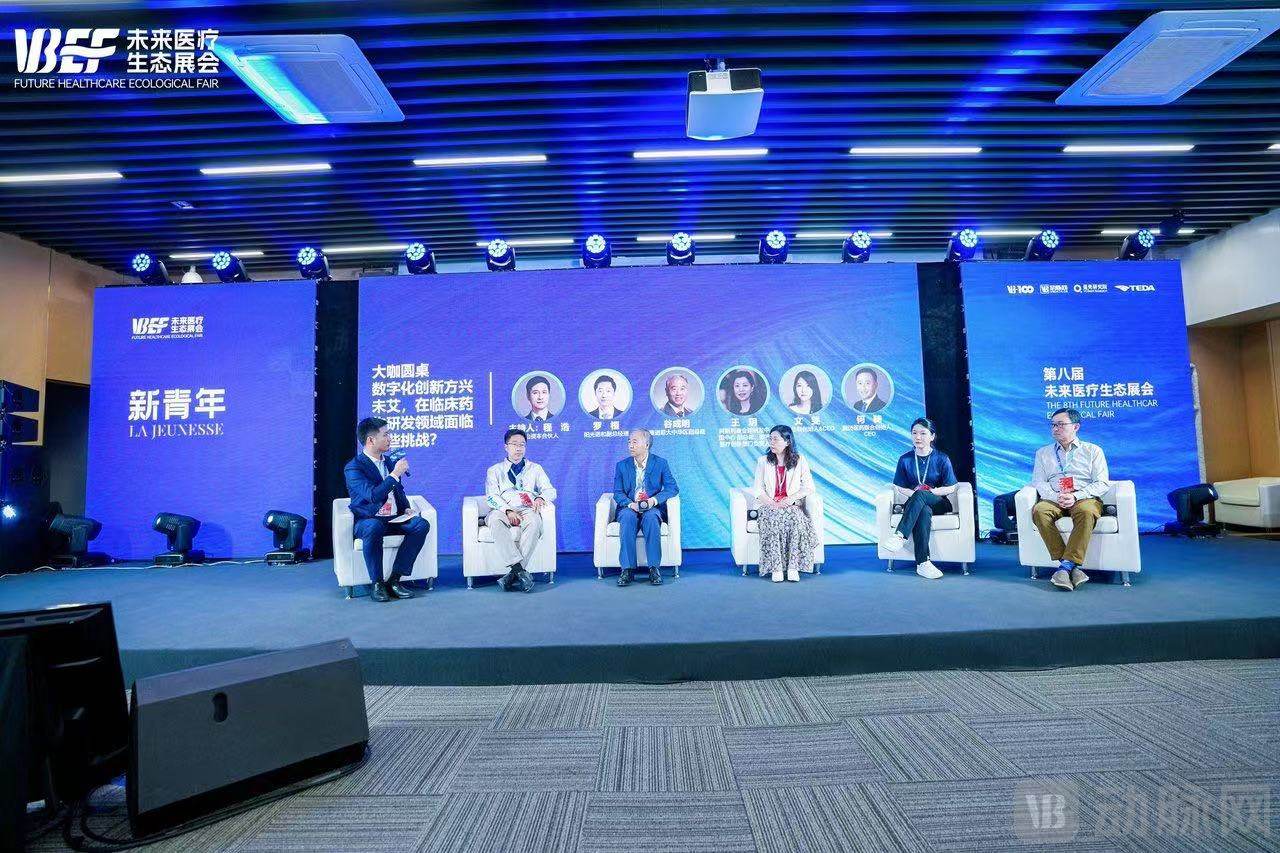
From left to right: Cheng Hao (Moderator), Partner of Shengshan Capital; Luo Huan, Vice General Manager of SunNovo; Gu Chengming, Vice President of Greater China Region, Sanofi; Wang Yue, Vice President of AstraZeneca Global R&D China Center and Head of Digital Healthcare Innovation Department; Wen Wen, Founder and CEO of AliveX Biotech; He Qi, Co-founder and CEO of CarbonSilicon AI.