

Ruishenan Medical Hosts Seminar on High-Frequency (10kHz) and Low-Frequency Spinal Cord Stimulation for Diabetic Peripheral Neuropathy

Rishena Medical
Implantable Medical Device R&D and Production Manufacturer

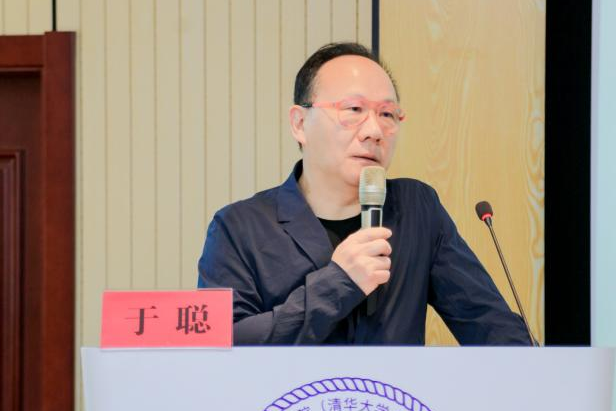
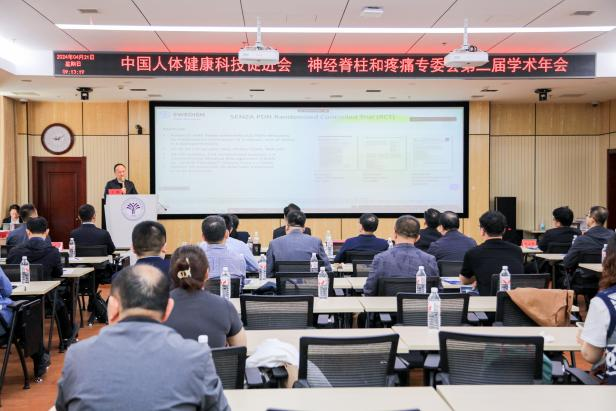
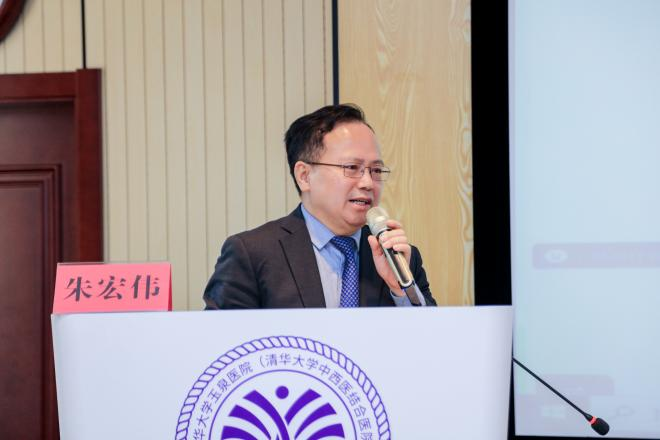
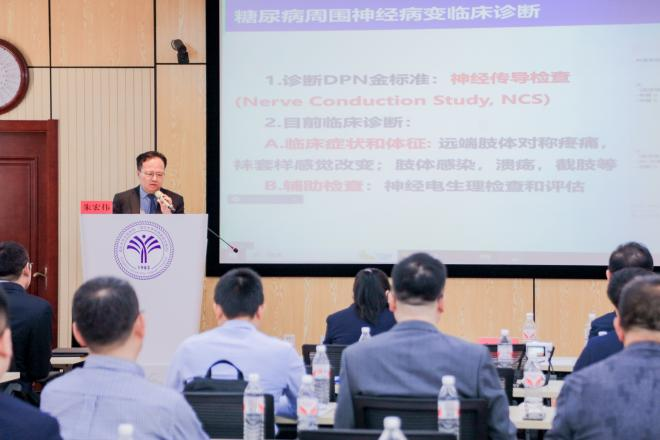
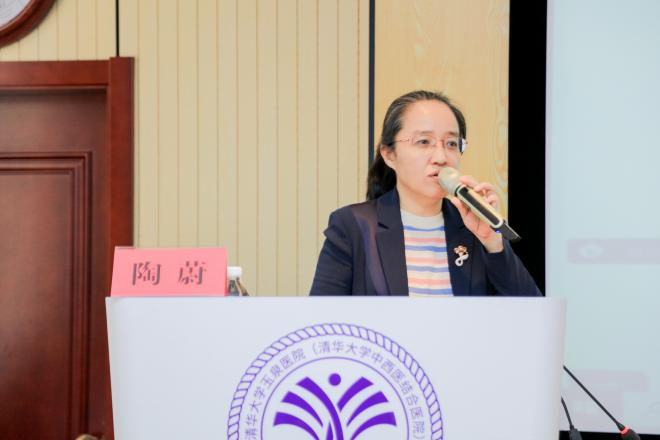
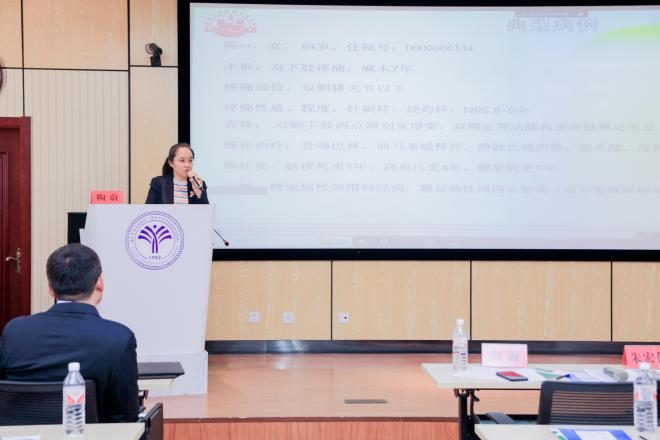
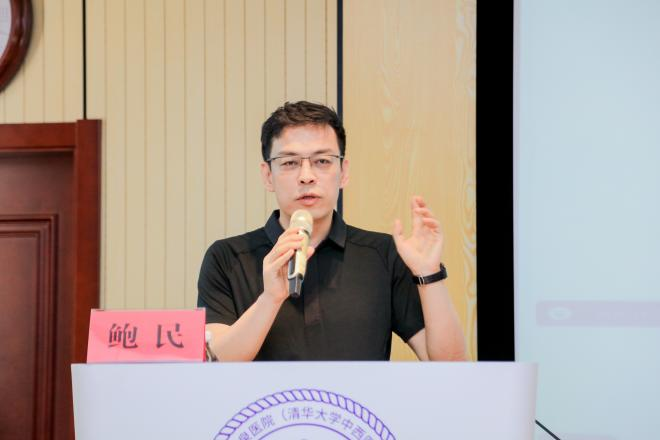
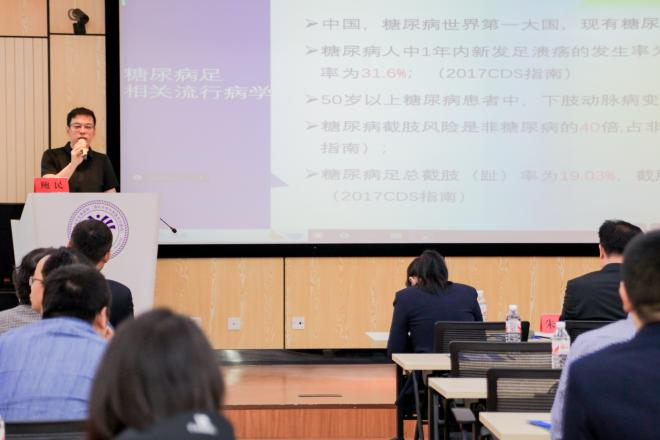
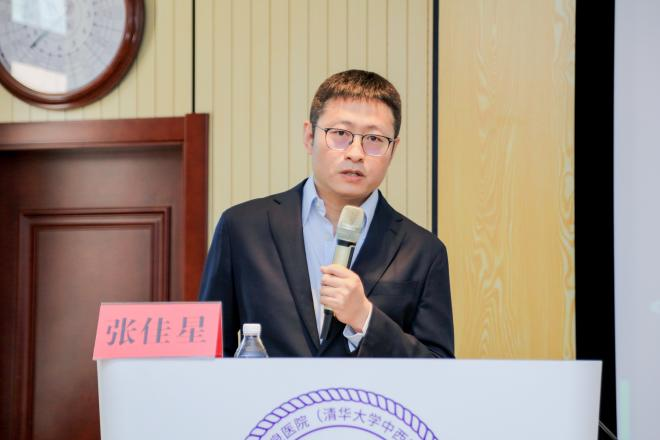
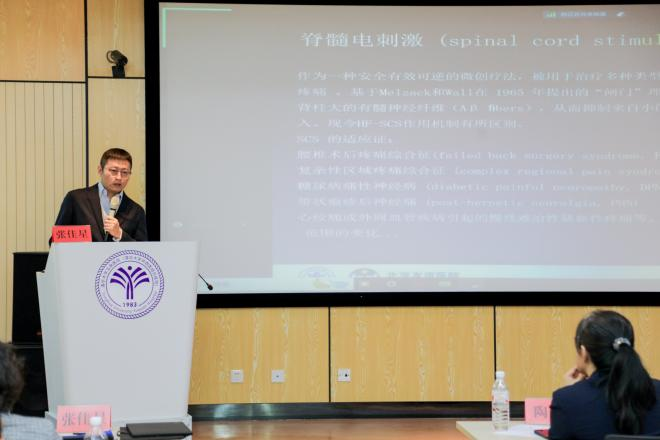
Recently,"High-Frequency/Low-Frequency Spinal Cord Stimulation for the Treatment of Diabetic Peripheral Neuropathy Symposium" Successfully Held in Beijing, Rishena Medical specially invited the Swedish Medical Center in Seattle, USAYu CongDoctor, Xuanwu Hospital of Capital Medical UniversityZhu HongweiProfessor, South China Hospital Affiliated to Shenzhen UniversityTao WeiProfessor, Shengjing Hospital of China Medical UniversityBao MinProfessor, Beijing Friendship HospitalZhang JiaxinDirector Discusses "Clinical Application Progress of High-Frequency/Low-Frequency Spinal Cord Stimulation in the Treatment of Diabetic Peripheral Neuropathy in China and Abroad". The symposium was broadcast online and offline simultaneously, with nearly a thousand physicians from all over China participating in this conference.

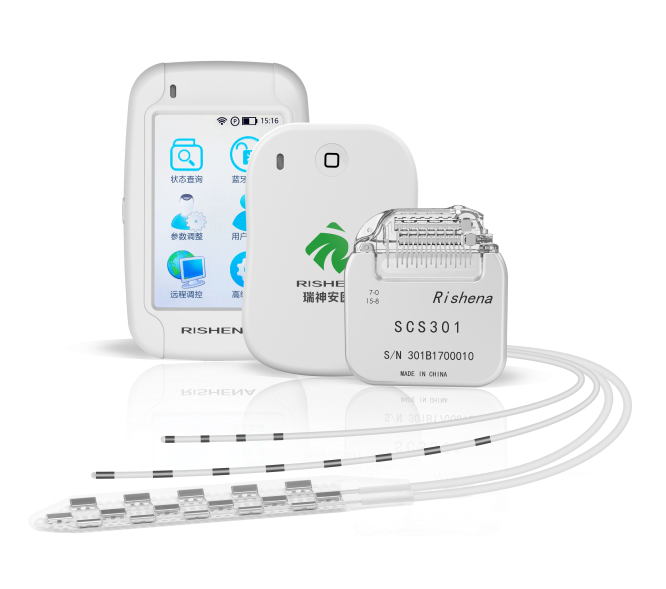

What is 10kHz Ultra-High Frequency Spinal Cord Stimulation Therapy?
Traditional SCS devices are capable of transmitting pulse frequencies ranging from 2-1200Hz, with typical applications around 40-60Hz. These relatively low-frequency SCS systems modulate neuronal activity to induce paresthesia, which is usually perceived as a tingling sensation that overlaps with the existing pain distribution, aiming to mask the perception of pain. Some patients may find the paresthesia induced by SCS uncomfortable; furthermore, changes in body position and physical movement can increase the variability of paresthesia to an uncomfortable level or, in some cases, reduce it to below therapeutic levels. Therefore, traditional SCS therapy may have certain limitations.
10kHz Ultra-High Frequency Spinal Cord Stimulation Therapy is a treatment method without paresthesia, providing spinal cord stimulation with an ultra-high frequency of 10,000Hz and a lower amplitude waveform. Compared with traditional SCS therapy, it has superior efficacy. For patients who do not respond to traditional SCS, this therapy may also be a viable salvage option.


10kHz SCS Electrode Placement
Traditional SCS requires doctors to spend time adjusting the electrode position during surgery and conducting intraoperative tests with the help of technicians, engaging in verbal communication with patients to discuss sensations, ensuring that the stimulation from the electrodes covers the patient’s pain area. In contrast, with 10kHz therapy, electrode implantation is anatomy-based. After placing the electrodes, impedance is checked to ensure the integrity of the stimulation system, and it is only necessary to verify that the electrodes are located in the epidural space before completing the surgery. There is no need to check paresthesia coverage during the operation, allowing the patient to remain continuously sedated, improving the surgical process and increasing patient comfort.
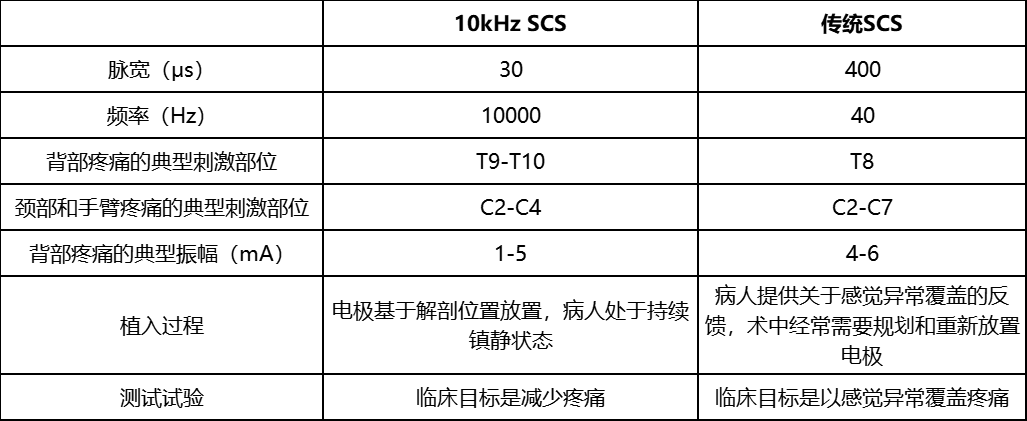
10kHz Therapy: For lower back or leg pain, electrodes are typically placed from T8 to T11, with the anatomical target position located at the T9/10 intervertebral disc. Russo[1]According to experience, for patients with lower back and leg pain, the first contact of one electrode is usually placed at the top of the T8 vertebra, and the last contact of the second electrode is placed at the bottom of the T11 vertebra, with some overlap of the electrode leads at the T9/T10 intervertebral disc. For neck and arm pain, the C2/3 intervertebral disc and C3-C4 vertebrae are selected based on the clinician’s experience.

10kHz SCS Parameter Settings
Patients using 10kHz therapy have a pulse frequency of 10,000 Hz and a pulse width of 30 μs. A treatment plan usually lasts for 24 hours, and if the efficacy is poor, another plan is adopted (the main adjustment of the plan involves electrode contact). If pain relief exceeds 50% during the 10kHz therapy trial period, implantation of a permanent pulse generator can be considered.
Comparison Table of 10kHz SCS and Traditional SCS[1]

10kHz SCS Effectively Treats Painful Diabetic Neuropathy
In 2022, Petersen[2]Reported that in the study conducted by their research team on 10kHz spinal cord stimulation therapy for treating PDN, compared with conventional medical management (CMM), 10kHz treatment provided significant and sustained pain relief for PDN patients. Key findings at 12 months: 85% responder rate, 74% average pain reduction, 66% neurological improvement, and 92% of patients were very satisfied or satisfied with the therapy among those receiving 10kHz spinal cord stimulation therapy (including crossover arm). Additionally, 10kHz SCS treatment significantly improved patients' overall health-related quality of life (HRQoL).
In August 2023, the research team reported the results of the SENZA-PDN study after 24 months of 10kHz SCS treatment.[3]Further Discussion on the Long-term Safety and Efficacy of 10kHz SCS in Treating PDN. At the 24-month follow-up, compared with baseline, 10kHz SCS treatment reduced pain by an average of 79.9% in PDN patients, with 90.1% of patients experiencing pain relief ≥50%. Significant improvements were observed in HRQoL scores and sleep (P<0.001), and 65.7% of patients showed clinically meaningful improvements in neurological function.

10kHz SCS Effectively Relieves Leg and Back Pain
The First Clinical Study of 10kHz SCS[4]A feasibility study was conducted on 24 patients with chronic back pain at five centers in the United States, who were candidates for traditional SCS. After undergoing a 4-day trial of traditional SCS, the patients then underwent a 4-day trial of 10kHz SCS. Compared to baseline, patients in this study who received 10kHz SCS showed significant improvements in VAS pain scores (8.68-2.03 [P<0.001]) and back pain scores (8.12-1.88 [P<0.001]). 87.5% (21 patients) preferred 10kHz SCS treatment over conventional treatment.
Kapural[5]The pivotal RCT on 10kHz spinal cord stimulation (SCS) for treating low back and leg pain conducted by et al. demonstrated that 10kHz SCS outperformed traditional SCS in both the number of responsive patients and treatment efficacy. Its success rate in treating back pain was nearly double that of conventional SCS, and its success rate for leg pain was 1.5 times higher. Moreover, all patients in the trial had previously failed conventional medical management over an average of 8 years. After receiving 10kHz SCS treatment for 12 months post-implantation, they experienced significant improvements in pain, disability, and quality of life.

10kHz SCS for the Treatment of Chronic Upper Limb and Neck Pain
Amirdelfan[6]A prospective multicenter study on 10kHz high-frequency spinal cord stimulation for the treatment of neck and arm pain was conducted. 86.7% of the subjects achieved the primary endpoint (≥50% pain relief at 3 months). Compared with baseline, the average VAS scores for neck pain (7.6±0.2 cm vs 1.5±0.3 cm) and upper limb pain (7.1±0.3 cm vs 1.0±0.2 cm) were significantly reduced at the 12-month evaluation (P<0.001). At the 12-month assessment, 89.2% of patients with neck pain and 95.0% of patients with upper limb pain experienced ≥50% pain relief from baseline, 95.0% reported being "satisfied/very satisfied," and 30.0% of patients discontinued or reduced their opioid usage.
Russo[7]A retrospective study reviewed 256 patients treated with 10kHz SCS for chronic intractable pain of various etiologies. Pain distributions included back + leg, back, head ± neck, and neck ± arm/shoulder. Approximately 30% of the patients had previously used conventional low-frequency stimulation but failed. Among the 256 patients, 73% underwent permanent implantation, and patients with back + leg pain showed the highest success rate (81%) after receiving 10kHz SCS treatment. In patients with available data, 50% experienced pain reduction at 6 months post-surgery. Sixty-eight percent of patients who had failed traditional SCS reported a response, with an average pain relief of 49% at 6 months (P<0.001). After 6 months, the ODI decreased by 8.6 points (21%), improving tolerance for sitting, standing, and walking.

10kHz SCS for the Treatment of Chronic Pelvic Pain (CPP)
[1]DOI:10.1111/pme.12617
[2]DOI:10.1016/j.mayocpiqo.2022.05.003
[3]DOI:10.1016/j.diabres.2023.110865
[4]DOI:10.1111/ner.12032
[5]DOI:10.1097/ALN.0000000000000774
[6]DOI:10.1093/neuros/nyz495
[7]Pain Physician.2016 05; 19 (4), 267-80.
[8]DOI:10.1111/papr.12932
About Rishena Medical
Rishena Medical Co., Ltd. is an innovative high-tech enterprise focusing on the research, production, and sales of active implantable medical devices.
The company originated from the industrial-academic-research transformation of the implantable neural stimulator project by a team from Tsinghua University's Microelectronics Institute. It settled in the national-level development zone in Changzhou, Jiangsu in 2013. The founding team graduated from Tsinghua University and was co-founded with the participation of Tsinghua Venture Capital and listed companies.
The company has a high-level R&D, production, quality control, clinical and marketing team, owns more than 100 patents, and has received support from national key R&D programs, brain projects, provincial innovation and entrepreneurship teams, and other government projects multiple times. It has also been successfully selected as one of the "2023 Jiangsu Province Potential Unicorn Enterprises".
For many years, Rishena Medical has been actively involved in key areas of brain science research, providing comprehensive solutions for disease treatment. The company's self-developed implantable vagus nerve stimulator (VNS), single-use intracranial electroencephalogram electrodes (SEEG), rechargeable implantable spinal cord stimulator (SCS), and transcutaneous auricular vagus nerve stimulator (t-VNS) have been approved and launched in the market. The implantable closed-loop neurostimulator (CNS) is about to be launched, and the intrathecal drug delivery system (IDDS) is awaiting entry into the clinical trial stage. In the future, more innovative products that effectively address clinical needs will be introduced.
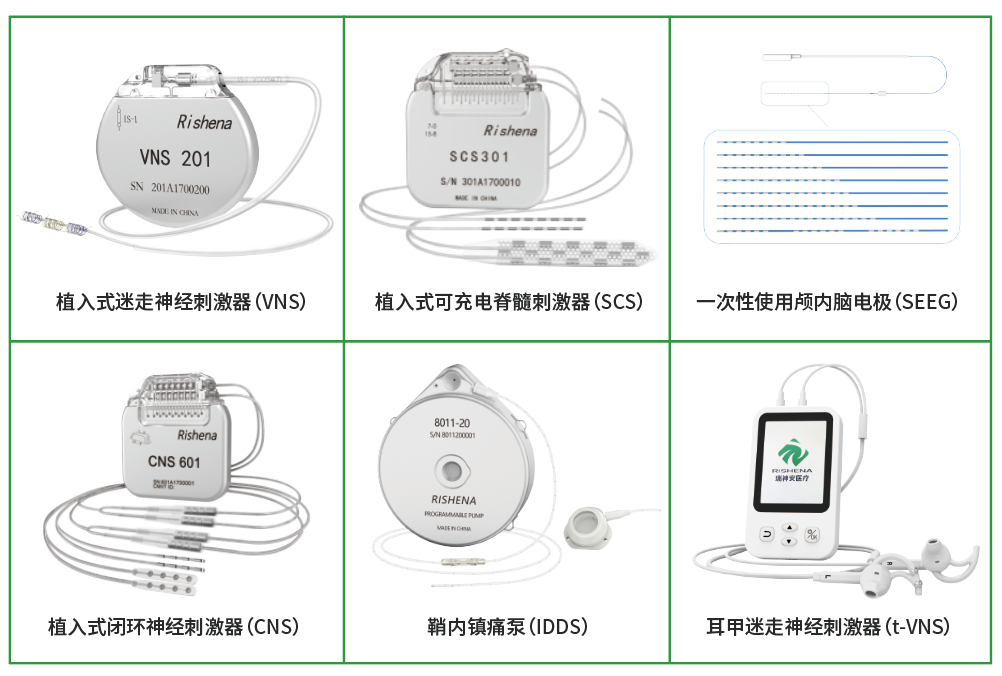
Rishena Medical always adheres to the quality policy of "Valuing quality is caring for life," placing product quality as the top priority, constantly refining product quality, with the goal of becoming China's most outstanding active implantable medical device company.
Statement: The intellectual property rights of the content published by Neuromedical Hub, including Neurosurgery Information, Neurointervention Information, Neuromedical Consultation, and AiBrain, belong to Neuromedical Hub, the organizers, original authors, and other relevant right holders. Without permission, reproduction, excerpting, copying, cropping, recording, etc., are prohibited. Even with authorized use, the source must be credited. Forwarding and sharing are welcome.
For submission/conference release, please contact 400-888-2526 ext. 3


Share

Favorite

Like

Like