Deking Medical's DKutting™ High-Pressure Scoring Balloon Successfully Applied in First-Time AVG Venous Outflow Stenosis: A Case Demonstration by Professor Zhang Haojie’s Team

DK Medtech
Vascular Interventional Balloon Product Developer

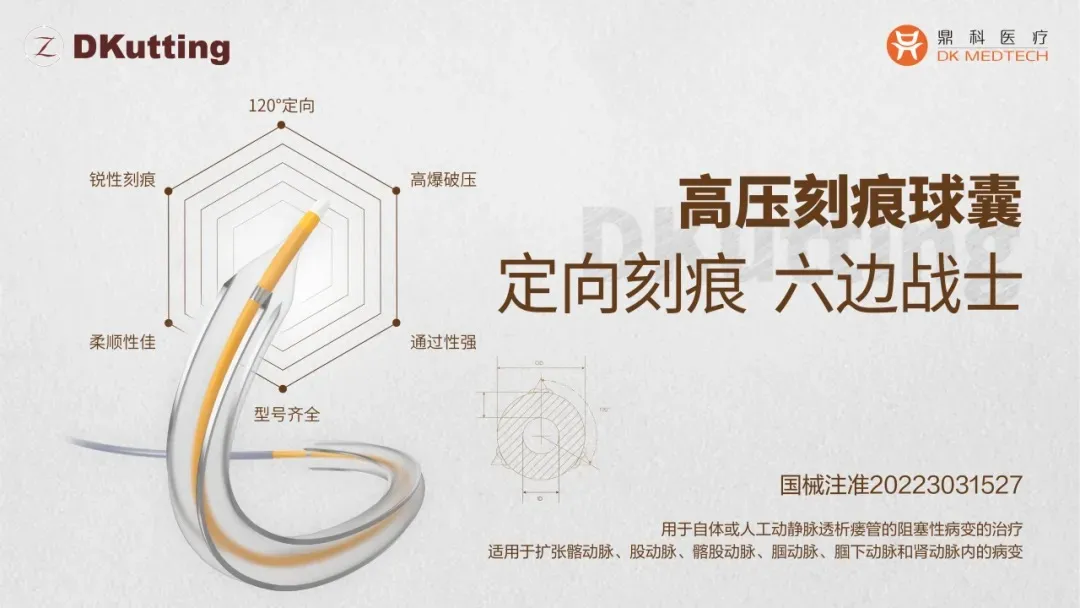
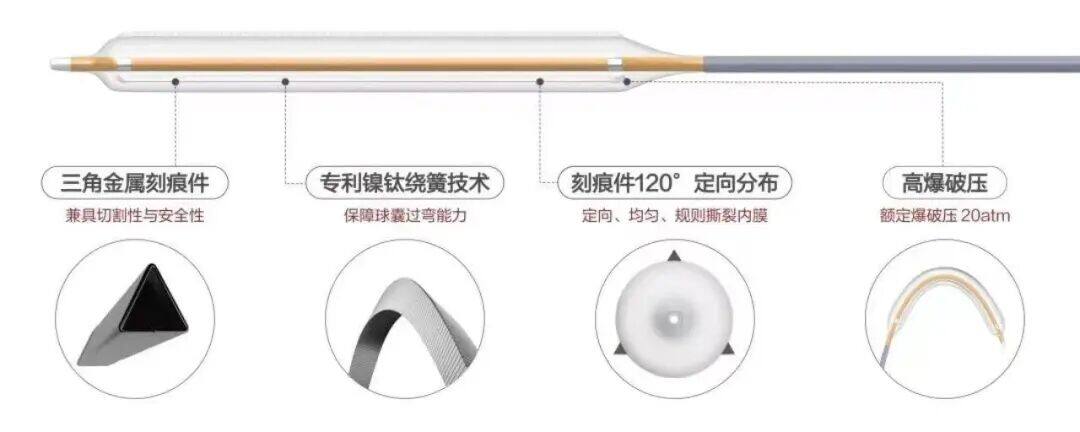
With the vigorous development of China's peripheral vascular intervention market, common balloons tend to cause complications such as excessive vascular injury, flow-limiting dissections, and hematomas when dealing with the increasing number of highly resistant stenotic lesions.Pressure-focused balloons, utilizing cutting/notching components between the vessel wall and the balloon's outer diameter during expansion, enhance localized pressure and enable efficient directional expansion, thereby reducing vascular elastic recoil, representing a new direction in the development of vascular interventional balloons.
DK Medtech's independently developed DKutting™ High-Pressure Scoring Balloon, featuring an exclusive patented design (CN201810478242.X), boasts numerous advantages such as excellent trackability, uniform expansion, and high burst pressure. In terms of overall product performance, it can be described as a "hexagonal warrior," marking a significant breakthrough for local enterprises in innovating to surpass top-tier imported products.
DK Medtech Special Release[Professor Zhang Haojie's Team: Application of Scoring Balloon in the First Stenosis of AVG Venous Outflow Tract] Case Presentation, demonstrating the meticulous operation of each case and the clinical application of advanced equipment and instruments. From the formulation of treatment strategies for different cases, standardized intraoperative procedures and technical applications, complication prevention, to perioperative management, etc., the aim is to promote the standardization of diagnosis and treatment for vascular stenosis and occlusive diseases, strengthen technical exchanges and experience sharing among doctors, with the hope of providing new ideas and methods for future diagnosis and treatment, benefiting more clinical patients.

Scored Balloon Applied in the First Stenosis of AVG Venous Outflow Tract
Zhang Haojie, Zhang Jiale, Li Huili Hospital, Ningbo Medical Center

Patient Information
Basic Information:The patient is a 65-year-old female.
Chief Complaint:Maintenance hemodialysis for more than 5 months, with prolonged compression time at venipuncture sites for 1 week.
History of Present Illness:More than 5 months ago, the patient was diagnosed with "Stage 5 Chronic Kidney Disease" and underwent a "right upper limb arteriovenous fistula formation with transplanted vessel" under brachial plexus anesthesia at our hospital on 2023-10-12. One month later, after the fistula matured, maintenance hemodialysis treatment was initiated, performed 3 times per week. One week prior, the patient noticed prolonged compression time at the venous puncture site after dialysis, without swelling or pain in the limb on the side without the fistula. The pump blood flow rate was 220 ml/min.
Past Medical History:History of polycystic kidney disease for over 30 years. History of type 2 diabetes for over 20 years.
Physical Examination:The general condition is good. A "U"-shaped loop of subcutaneous artificial vessel (brachial artery-basilic vein) is visible from the right forearm to the inner upper arm. The entire artificial vessel can be palpated with pulsation, and a thrill can be felt in the autologous vein near the venous anastomosis. A high-pitched murmur can be heard at the venous anastomosis.
Admission Diagnosis:
Stenosis of arteriovenous fistula in the transplanted vessel of the right upper limb;
Chronic Kidney Disease Stage 5, Polycystic Kidney Disease
Hemodialysis
Type 2 Diabetes
Previous interventional treatment
Time | Main Treatment Process |
October 12, 2023 | Right Forearm Brachial Artery-Basilic Vein AVG |
November 9, 2023 | Start maintenance hemodialysis after AVG matures |
April 1, 2024 | Prolonged compression time, increased venous pressure |
Preoperative Analysis
Preoperative Analysis:Combined with vascular ultrasound assessment, AVG reflux vein stenosis is considered, mainly caused by intimal hyperplasia. Planning to perform balloon angioplasty of the right upper limb arteriovenous graft under ultrasound guidance.
Surgical Objective:
Main Objectives:Relieve venous stenosis in the outflow tract of artificial blood vessels;
Secondary Objectives:Using a scored balloon to evenly tear the hyperplastic intima and media, reducing the occurrence of refractory stenosis in the later stage and improving the patency rate of the fistula.
Surgical Strategy/Plan:Under ultrasound guidance, puncture the venous end of the artificial arteriovenous fistula, insert a 6F vascular sheath, and pass a 0.035 guidewire through the stenotic segment of the venous outflow tract. First, attempt to dilate the stenotic vessel with a standard balloon; if the dilation effect is unsatisfactory, switch to a scoring balloon to begin expanding the stenotic vessel segment.
Surgical Procedure
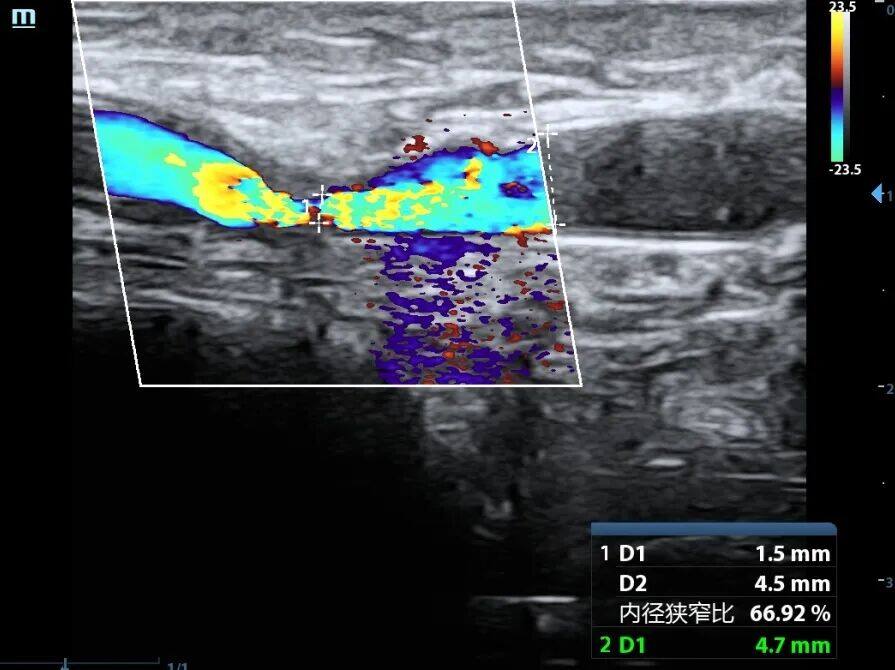
Preoperative ultrasound evaluation suggested stenosis in the venous outflow tract of the arteriovenous graft, with the narrowest diameter approximately 1.5mm, indicating about 67% stenosis compared to the surrounding normal vessel diameter.
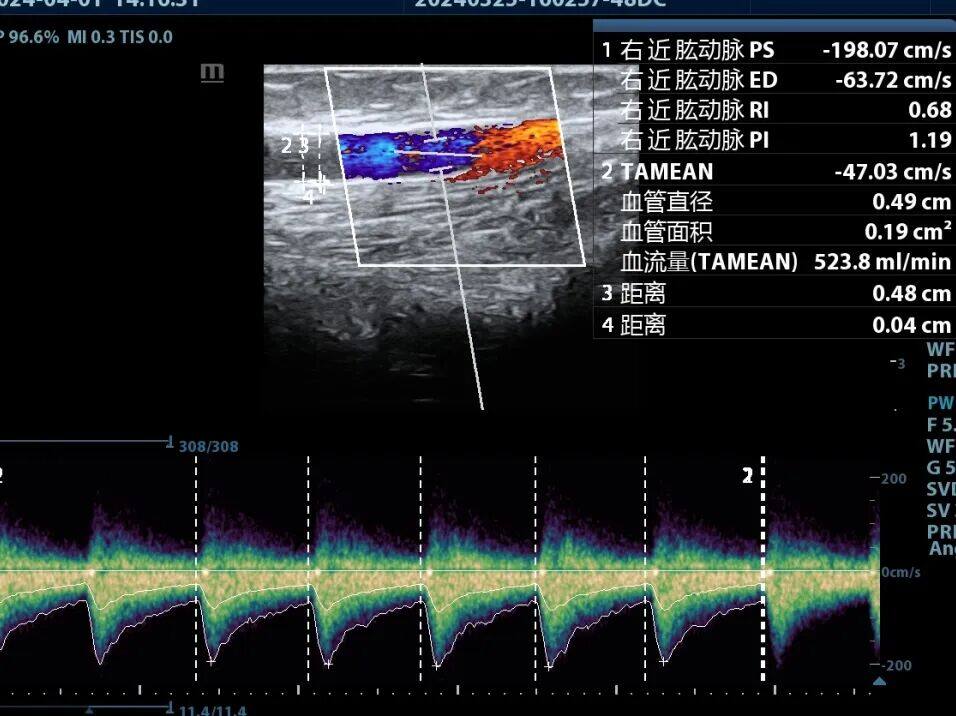
Preoperative measurement of brachial artery blood flow: 523.8 ml/min
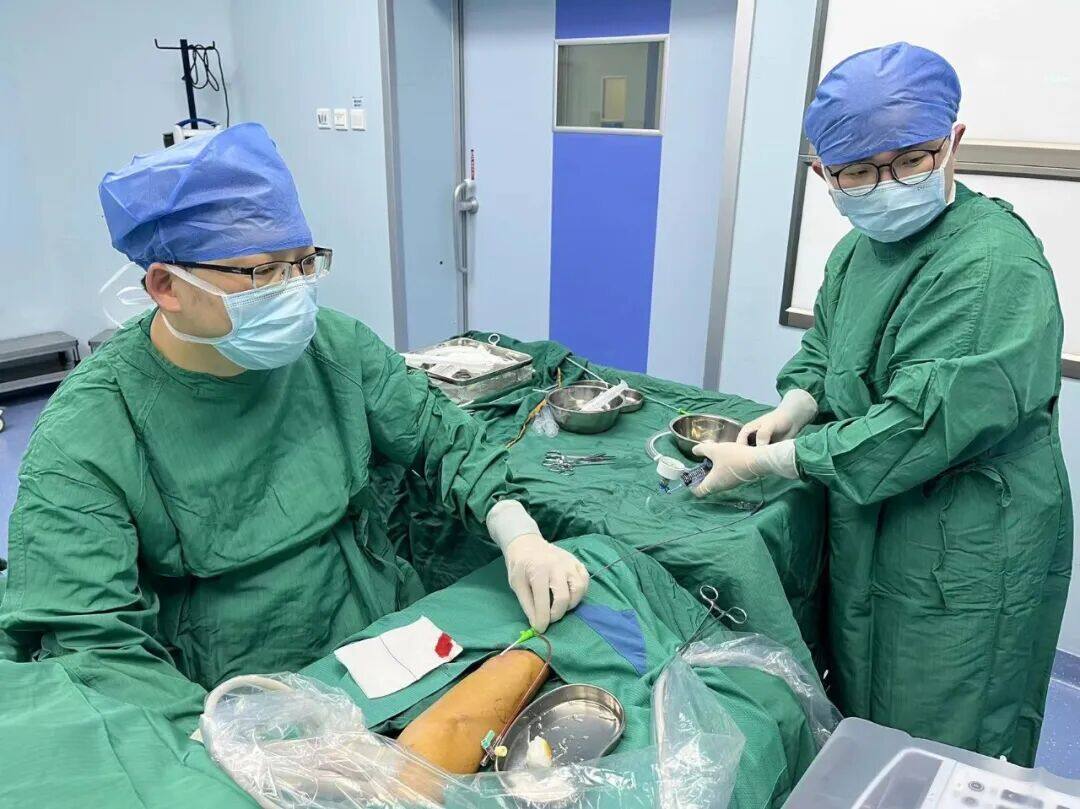
Under ultrasound guidance, a 6F sheath was inserted into the venous end of the artificial vessel via puncture. A .35 guidewire passed through the stenosis of the AVG venous outflow tract.
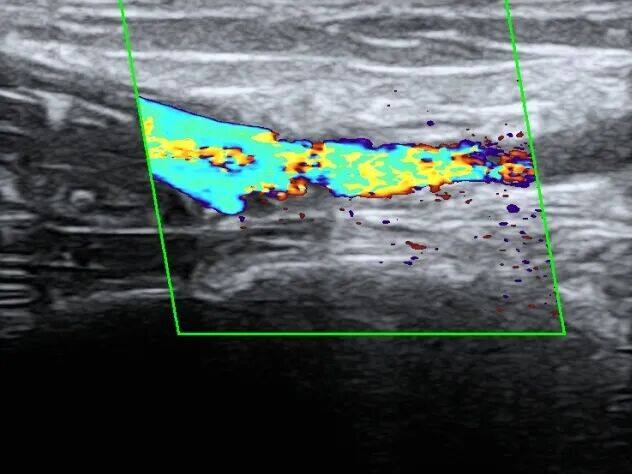
Abbott ordinary high-pressure balloon (6mm*40mm) pre-dilation of the stenotic segment, with unsatisfactory results.
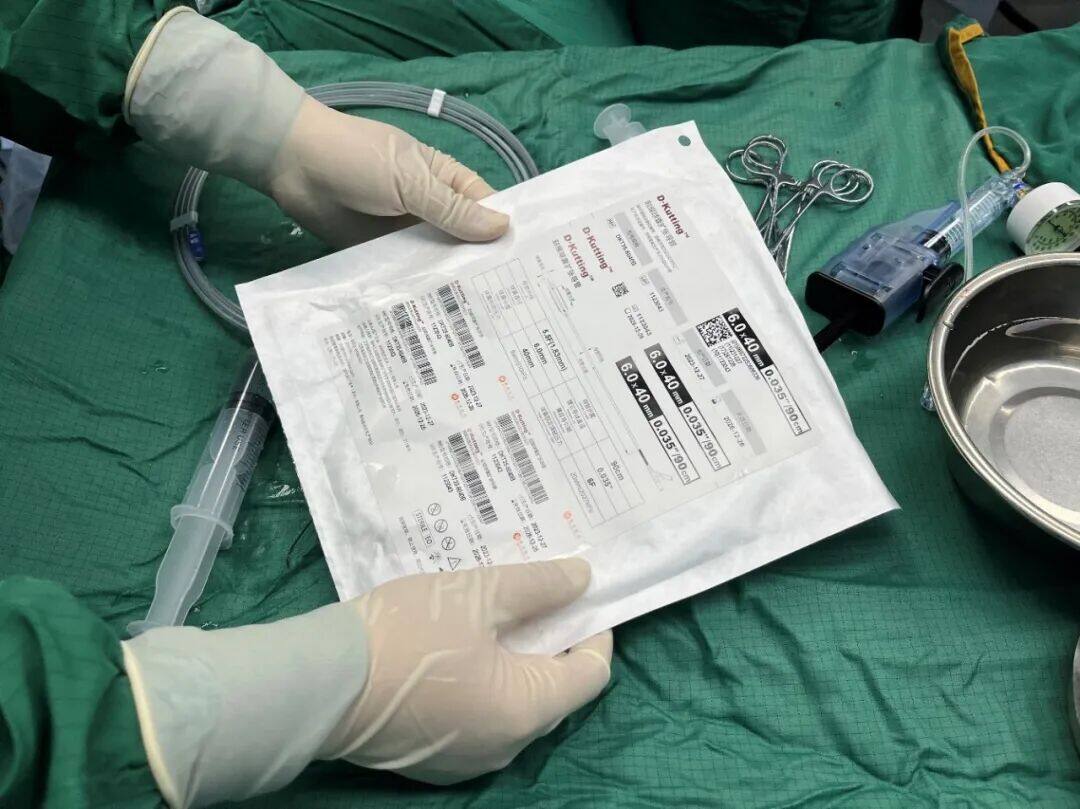
To compare the treatment effects of a 7mm standard balloon and a 6mm scored balloon, the DKutting™ high-pressure scored balloon (6mm*40mm) from DK Medtech was selected.
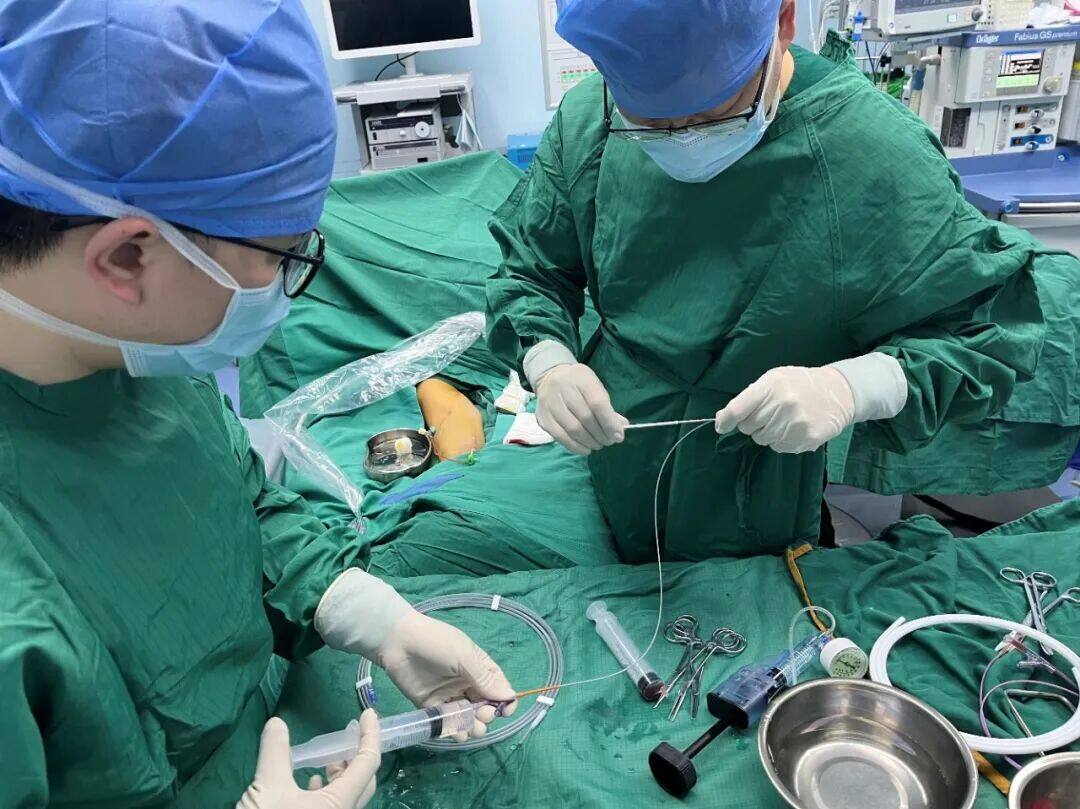
Heparin Saline Pre-filled Balloon and Guidewire
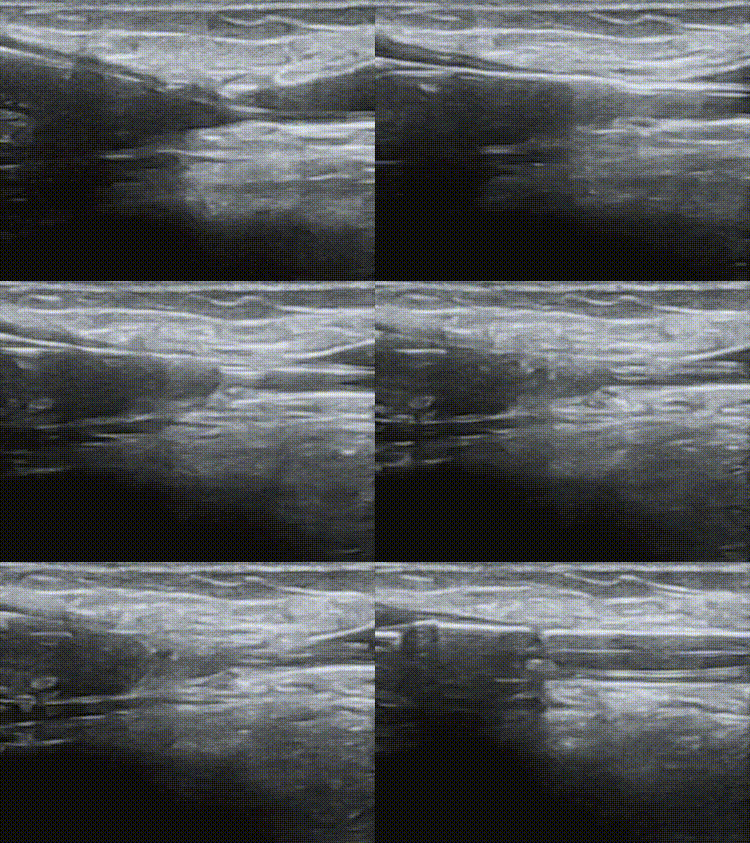
The guidewire passed through the stenotic segment, a 6mm scoring balloon was placed, dilated at 20atm, and maintained for 60 seconds.
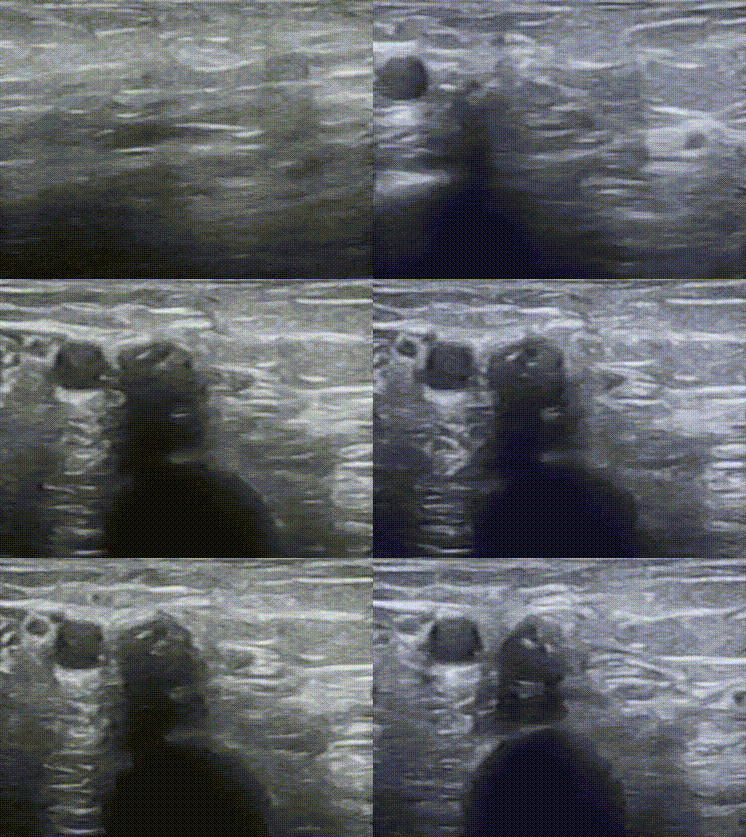
After releasing the pressure, rotate the balloon 60°.
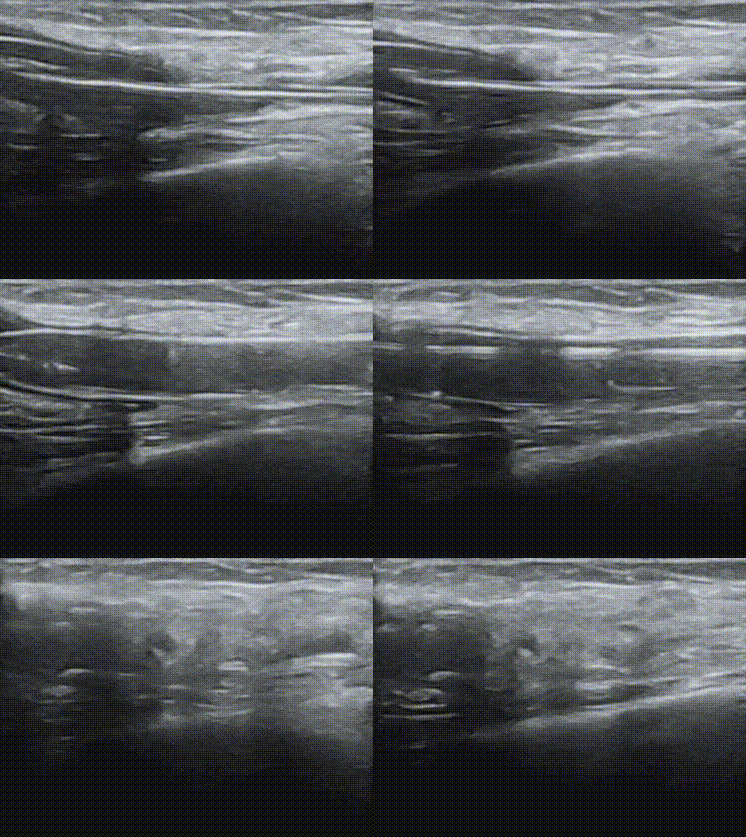
Re-expand at 20 atm for 60 seconds.
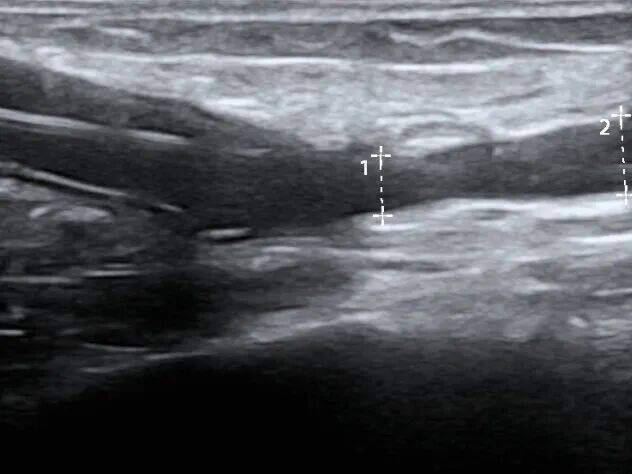
After dilation, the diameter of the stenotic venous segment was expanded to 3.6mm, with residual stenosis <30%.
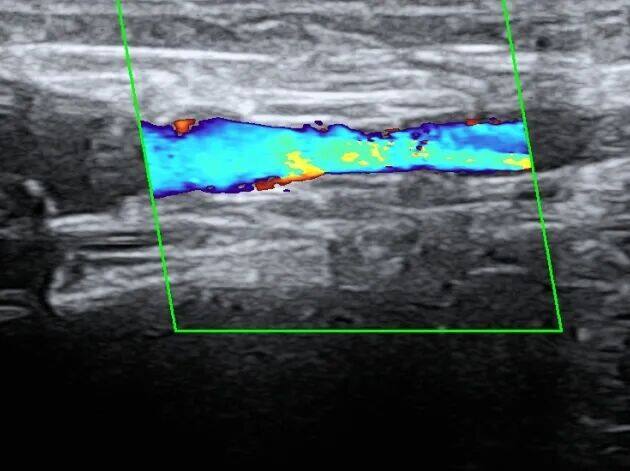
Postoperative blood flow signal significantly improved compared to preoperative.
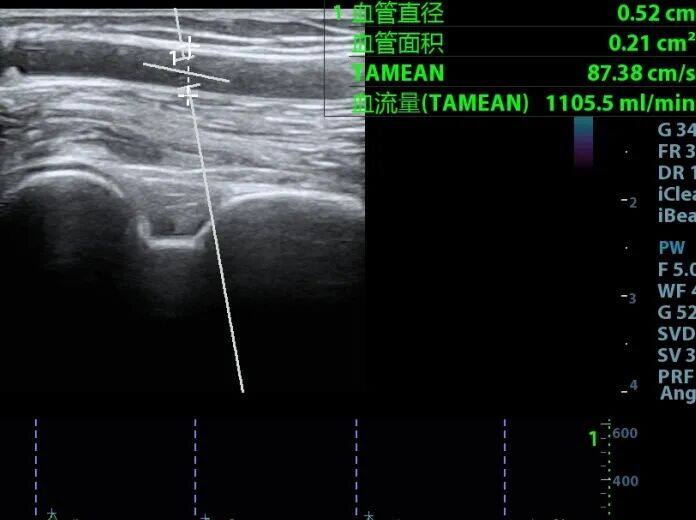
Postoperative measurement of brachial artery blood flow: 1105 ml/min
Follow-up
Discharge Status:
Postoperative thrill of the internal fistula was good, pulsation increased, venous pressure decreased, and the patient's dialysis pump blood flow was 250ml/min the next day.
Pre-discharge education on access care, with instructions to follow up at the dialysis access clinic three months post-operation.
Case Summary
Case Characteristics:For the first stenosis of the venous outflow tract in an artificial arteriovenous fistula, treatment with a 6mm scoring balloon dilation not only easily relieves the stenosis but also avoids irregular intimal tearing, reducing the occurrence of refractory stenosis in the later stage compared to a standard 7mm balloon.
Preoperative Assessment Key Points:For the first stenosis of the venous outflow tract in an arteriovenous graft, treatment with a 6mm scoring balloon dilation not only easily relieves the stenosis but also avoids irregular tearing of the vascular intima, reducing the occurrence of refractory stenosis in the later stage compared to a regular 7mm balloon.
Surgical Strategy/Technical Key Points:Under ultrasound guidance, the sheath was inserted near the venous puncture site of the artificial vessel and advanced towards the proximal end. A .35 guidewire was directed to the lesion site, followed by balloon dilation. The dilation was performed twice; before the second dilation, the balloon was rotated 60°. Each dilation was maintained for no less than 60 seconds.
Features/Usage Tips of the Device:Under ultrasound guidance, the sheath was skillfully inserted to avoid repeated puncture damage to the artificial blood vessel. Before starting dilation, ensure that the balloon covers the lesion site, and pay constant attention to whether the balloon shifts after inflation. The dilation should be maintained for 60 seconds to allow the scoring elements to fully and evenly tear.

Introduction of Experts

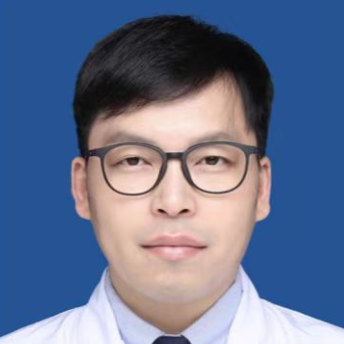
Zhang Haojie, Associate Chief Physician
Surgeon of This Case
Associate Chief Physician,Deputy Director of the Hemodialysis Center at Li Huili Hospital;Deputy Director of the Kidney Transplant Center at Li Huili Hospital;Member of the Vascular Access Group, Nephrology Branch, Zhejiang Rehabilitation Medical Association;Member of the Nephrology Branch of the Zhejiang Mathematical Medicine Association.
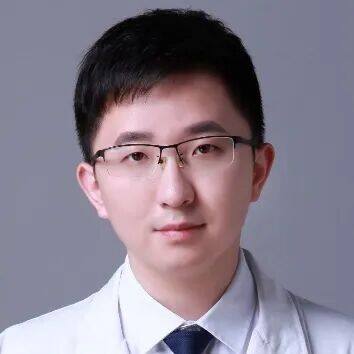
Zhang Jiale, Attending Physician
The Surgeon of This Case
Master of Medicine,Nephrology Department, Li Huili Hospital, Ningbo Medical Center, Attending Physician, Youth Committee Member of the Nephrology Branch of Ningbo Medical Association.Awarded the First Prize in the 2022 Ningbo Vascular Access Skills Competition.

Department Introduction

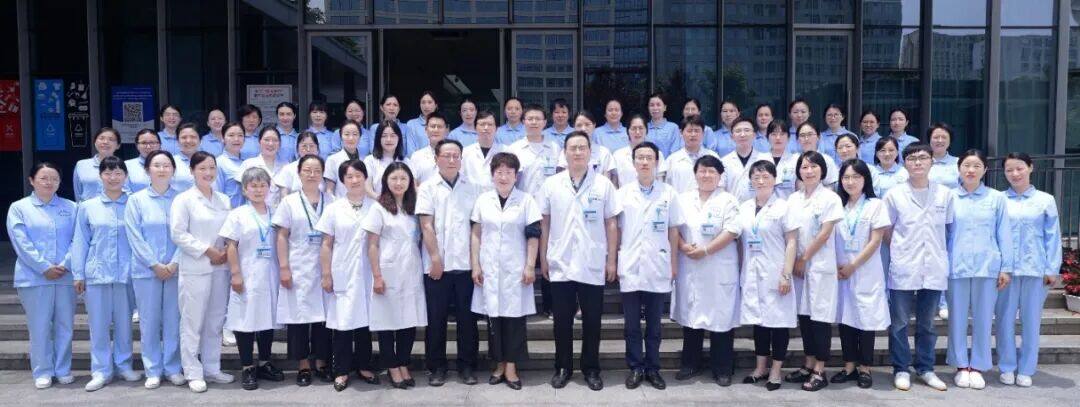
The Department of Nephrology at Li Huili Hospital, Ningbo Medical Center, was established in 1995. In the same year, the Blood Purification Center was also founded. It has now developed into a large, modern kidney disease diagnosis and treatment center integrating clinical practice and research in nephrology, renal pathology, blood purification, peritoneal dialysis, and kidney transplantation. The center holds an important position in the field of nephrology in Ningbo City and enjoys a high reputation for integrated kidney disease treatment within Zhejiang Province.
Currently distributed across two campuses, the Eastern and Xingning, with a total of 80 authorized beds and over 80 medical staff. The facilities are equipped with 102 hemodialysis machines, 2 blood perfusion machines, and 3 bedside hemodialysis machines. Notably, the Xingning campus has introduced Japan's most advanced JMS ultra-pure fully automatic central dialysis system, ushering in a new era of ultra-pure automated dialysis.
The center offers various blood purification technologies (such as hemodialysis, hemodiafiltration, hemoperfusion, plasma exchange, bilirubin adsorption, immunoadsorption, CRRT) and personalized blood purification techniques (such as isolated ultrafiltration dialysis, hemodialysis + hemoperfusion, adjustable sodium dialysis, citrate anticoagulation dialysis, etc.).
Since 1995, we have been performing arteriovenous fistula formation, catheter placement with polyester cuffs, and catheter replacement. In 2009, we introduced the PTFE artificial vessel arteriovenous fistula procedure. To address complications related to vascular access, we pioneered thrombolysis and thrombectomy for arteriovenous fistulas, aneurysm resection + repair of the fistula; in 2015, we were the first in the city to perform ultrasound-guided balloon angioplasty for arteriovenous fistulas, ushering in a new era for the maintenance of vascular access in uremic patients, extending the lifespan of the access. In 2017, we successfully completed DSA-guided vascular stent implantation, resolving the risk of access abandonment due to central venous stenosis or access stenosis. Currently, we have established a vascular access team and outpatient clinic, with an annual surgical volume of over 300 cases, of which about 40% are Class III surgeries. In recent years, both the surgical volume and the proportion of complex surgeries have been gradually increasing. We hold a leading position among municipal hospitals in Ningbo City.
Copyright Statement: This platform aims to help healthcare professionals better understand the latest developments in relevant disease areas. The information published on this platform does not imply agreement with its descriptions or viewpoints; it is solely for providing more information. If there are any copyright issues, we kindly request the rights holders to contact us, and we will address them as soon as possible. This information is intended for healthcare professionals to stay informed and should not replace professional medical guidance in any way, nor should it be considered as medical advice. If such information is used for purposes other than staying informed, this platform and its authors assume no responsibility.Contact email for cooperation:vascular@edoctor.work。