Source of the article: Heart Future; Editor: Bai Xiaofei
Reprint Requirements: If the source of the article is indicated at the beginning of the text, it can be reprinted directly.Recently,MedtronicMedtronic(NYSE:MDT)All-New GenerationIN.PACT™ Admiral™ XL Drug-Coated Balloon(Long Balloon: 200mm and 250mm)Approved for marketing in China by the National Medical Products Administration (NMPA)。The ProductForDual-Lumen Drug-Coated Peripheral Balloon Dilation CatheterApplicable to the superficial femoral artery (SFA) and proximal popliteal artery (PPA)Peripheral Arterial Occlusive DiseasePercutaneous Transluminal Angioplasty (PTA) Treatment。 The 200mm and 250mm drug-coated balloon IN.PACT Admiral received FDA approval in May 2018.It is the first DCB to receive FDA approval in the United States., used for treating in-stent restenosis and lesions up to 360 millimeters in length, andReceived CE approval in 2021。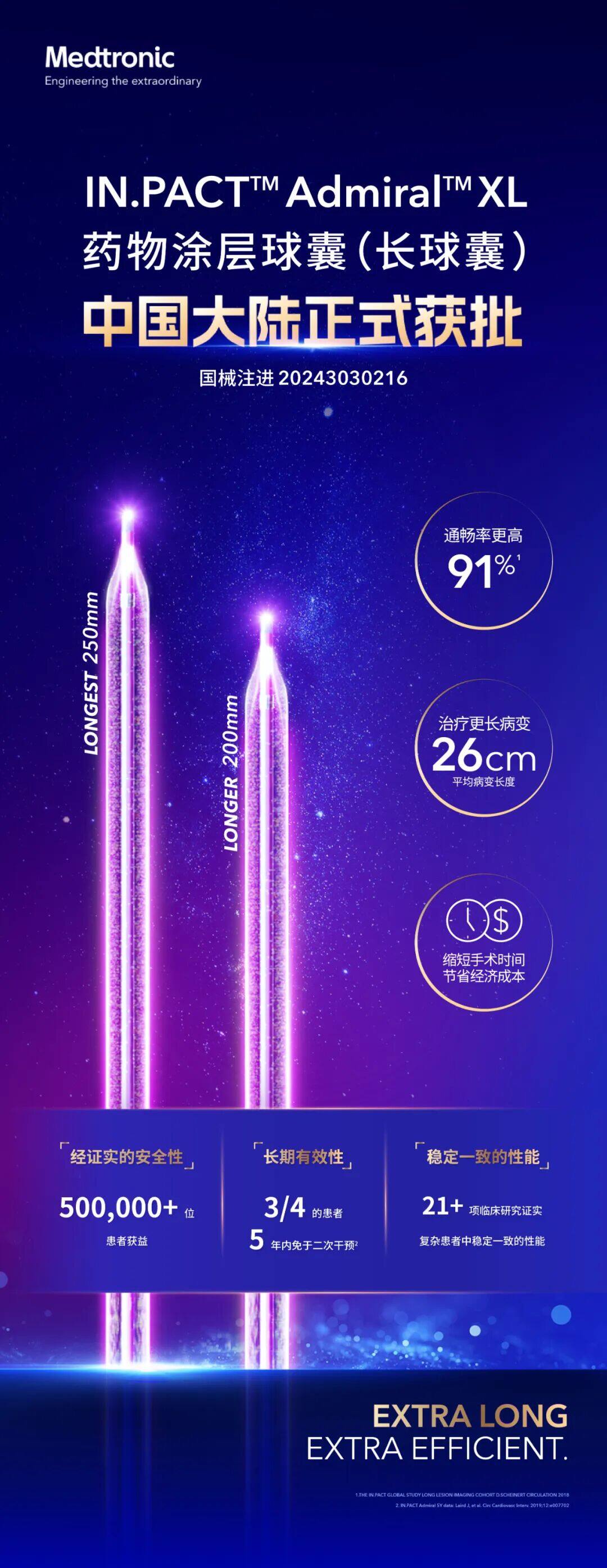
# IN.PACT Admiral Drug-Coated Balloon
▲Source:Company Official Website
IN.PACT Admiral For the treatment of peripheral arterial occlusive disease with percutaneous transluminal angioplasty (PTA), including in-stent restenosis (ISR), as well as obstructive lesions in native or arteriovenous dialysis fistulas.IN.PACT Admiral hasUp to 7 different balloon lengths(From 40mm to 250mm), making it suitable for different types of peripheral arterial occlusive diseases.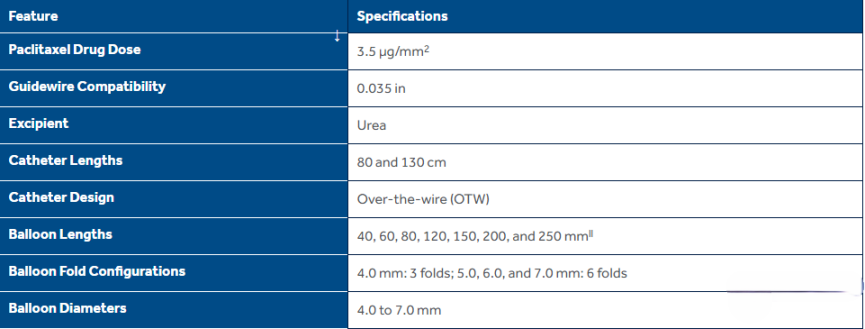
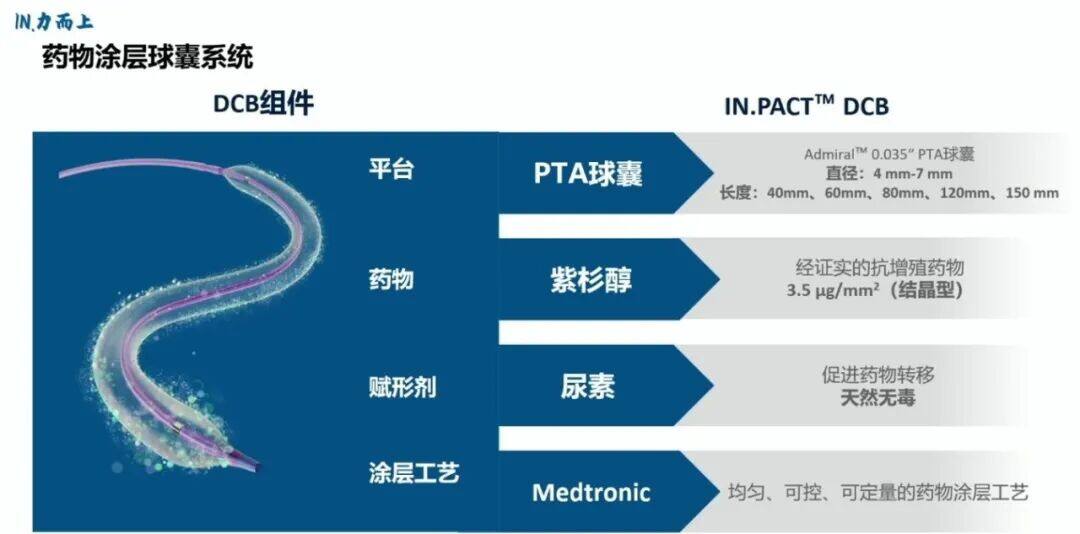
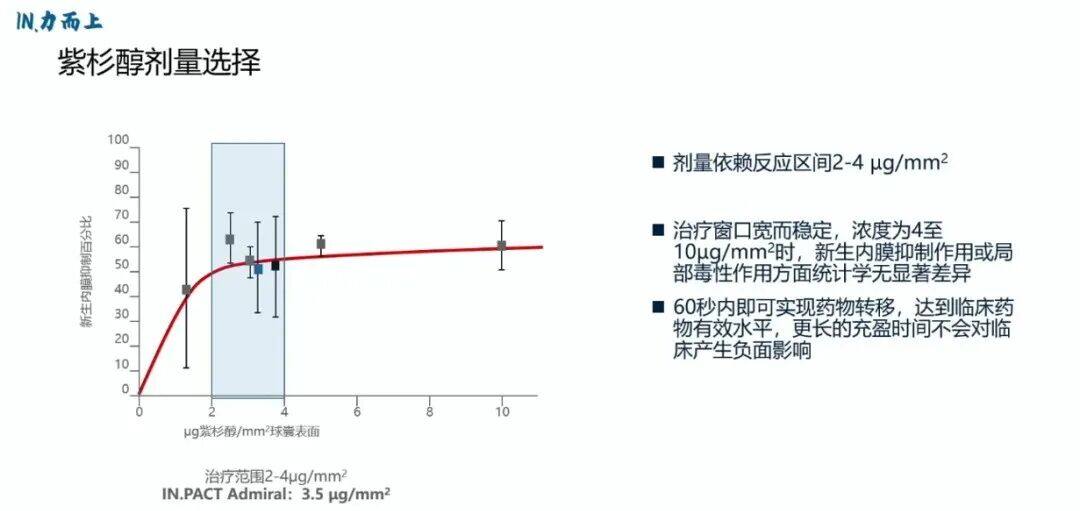
The reason why IN.PACT Admira has a drug delivery technology that is ahead of its competitors is due toIt uses the Admiral 0.035 PTA Balloon as the platform.,Crystalline paclitaxel with a drug concentration of 3.5ug/mm², and the excipient is hydrophilic urea., the coating process is Medtronic's uniform, controllable, and quantifiable drug coating process.Paclitaxel can inhibit the proliferation, migration, and phenotypic conversion of vascular smooth muscle cells. Generally, the larger the dosage, the more significant the inhibitory effect on intimal hyperplasia. However, animal experiments have shown that,The inhibitory effect of paclitaxel on intimal hyperplasia is most ideal at concentrations of 2-4 ug/mm²., the therapeutic effect is not significant at too low concentrations; when the concentration exceeds 4ug/mm², the effect of inhibiting intimal hyperplasia is no different from that at 2-4ug/mm². Therefore,Medtronic Determines Paclitaxel Concentration at 3.5ug/mm² Through Scientific Methods。IN.PACT Admira Uses Urea as an Excipient, Providing Multiple Advantages:(1) Urea is hydrophilic,Facilitates drug release in the affected area, with higher tissue concentrations than hydrophobic excipients;(2) Urea has a lower loss rate during delivery compared to other hydrophilic coatings.Higher transport efficiency in tissues;(3) Urea is a natural molecule in the human body.Low toxicity, no allergic reactions, and the maximum urea dose on the balloon surface is only 1/20000 of the amount produced by the human body in a day, which is an extremely small dose, thusEnsures IN.PACT Admiral drug release for up to 180 days。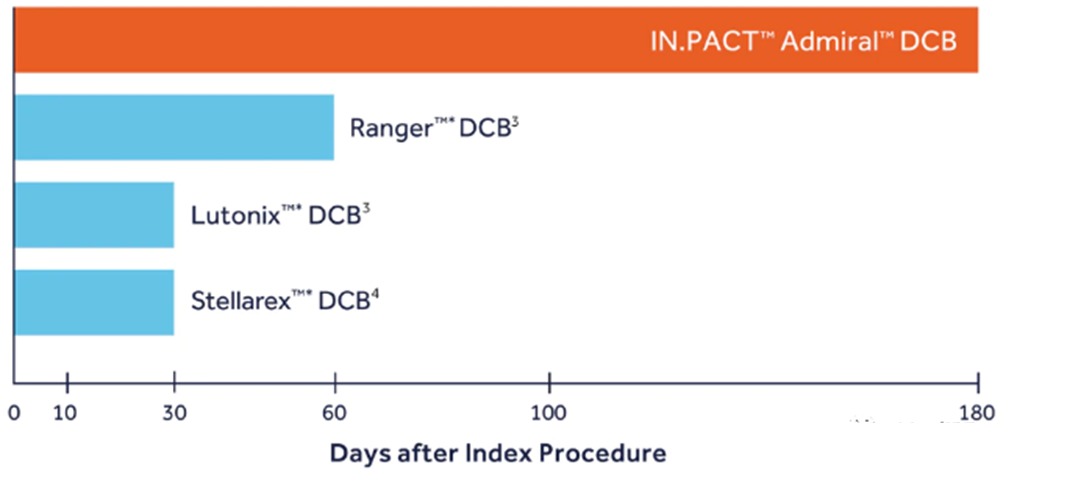
IN.PACT Admiral has been involved in multiple clinical studiesProve its long-term patency and safety in maintaining blood vessels.More than 3,500 patients participated in 21 clinical studies,Treated more than 500,000 patients worldwide。In the IN.PACT SFA study (a prospective, randomized, single-blind study from multiple centers in Europe and the United States),Continue the follow-up of subjects for up to 5 years to obtain the actual safety and efficacy of DCB.DCB Group and PTA Group,The 3-year primary patency rates were69.5% And 45.1%, 5 years noTarget Lesion Revascularization (CD-TLR) were respectively74.5%And 65.3%, the number of days for the first CD-TLR were 807.5±433.9 Tianhe 474.9±484.3 days.The advantage of the DCB group in terms of efficacy is evident.。In terms of safety,No significant differences were found between the two groups in terms of all-cause mortality, thrombosis formation, and major amputations of the target limb.。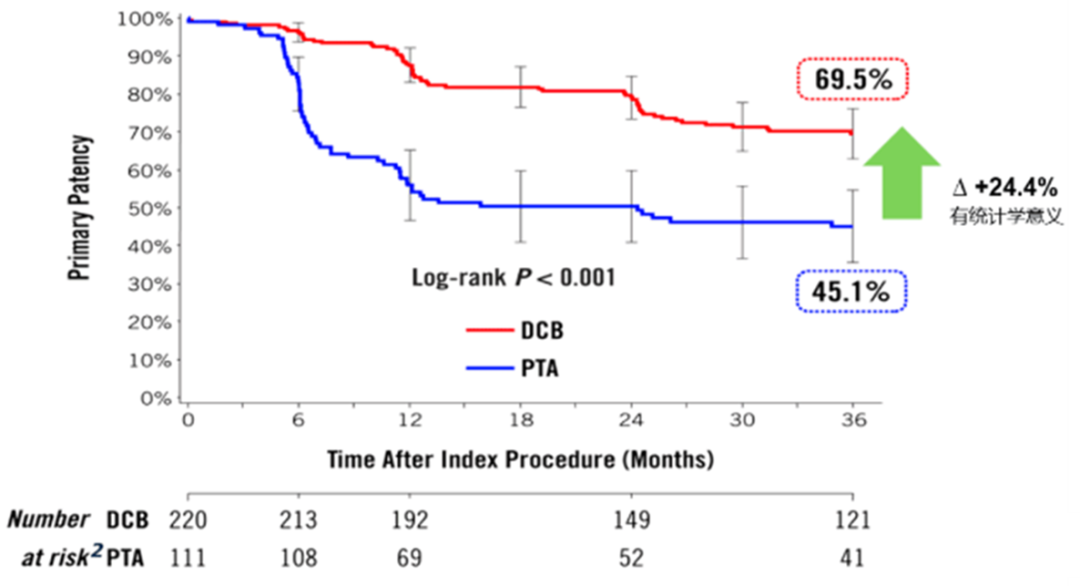 ▲Three-Year Primary Patency Rate
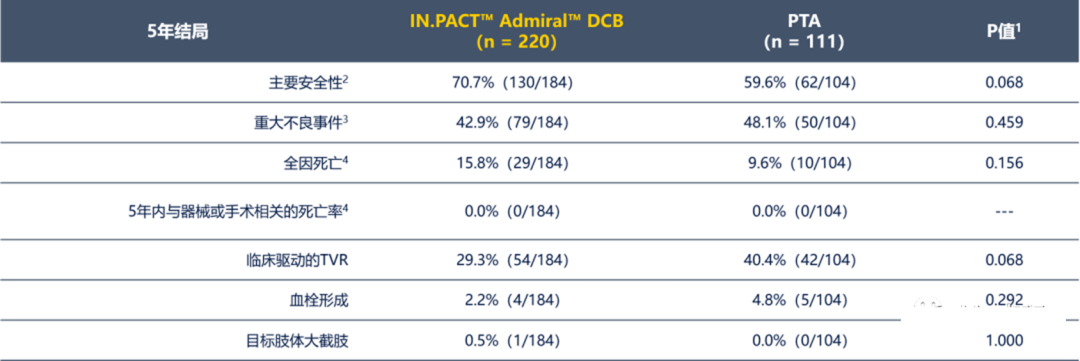 ▲5-Year Safety Outcomes
# Overview of the Drug-Coated Balloon MarketThe emergence of Bare Metal Stents (BMS) has, to a certain extent, addressed issues such as vascular wall dissection, acute vessel occlusion, and vascular elastic recoil that may occur after balloon dilation. However, it has introduced another serious challenge: in-stent restenosis. The persistent irritation of the vascular intima by metal stents can lead to excessive intimal hyperplasia.Causing in-stent restenosis (ISR),The incidence rate can reach 30%.。Drug-Coated Balloon AngioplastyTo make the drug act on the inner wall of the blood vessel, which can maintain better vascular patency without leaving any foreign objects inside.Significant advantages in ISR, small vessels, and bifurcation lesions., the expansion of the primary lesion is also continuously explored and verified.
With the promotion of the concept of "intervention without implant" in recent years, the usage of drug-coated balloons has increased rapidly. According to Frost & Sullivan's forecast data, after drug-coated balloons were first approved for the treatment of coronary artery disease in China, the usage surged from 7,500 units in 2016 to 290,000 units in 2021.The market size is expected to further increase to 1,000,000 units by 2025 and reach 2,042,000 units by 2030.。
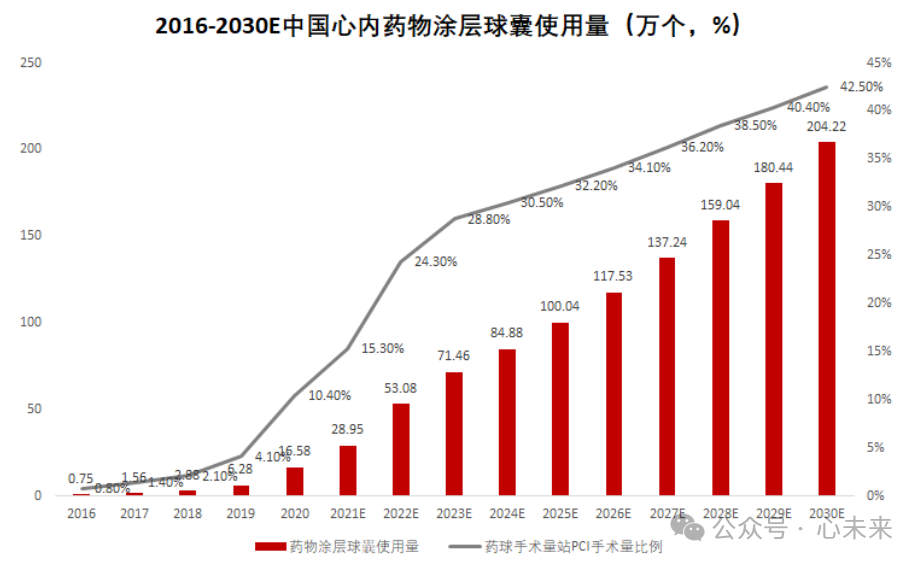 ▲ Originated fromFrost & Sullivan
According to Frost & Sullivan forecast data, the market size of coronary drug-coated balloons in China surged from RMB 1.35 billion in 2016 to RMB 20.09 billion in 2021.The market size is expected to further increase to 4.386 billion yuan by 2025 and reach 5.933 billion yuan by 2030.。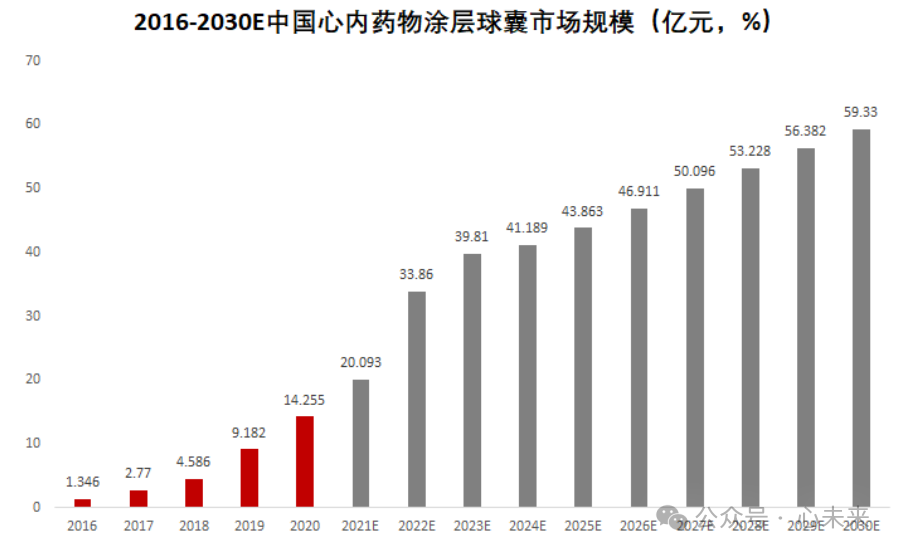
▲ Originated fromFrost & Sullivan
Coronary drug-coated balloons are high-end Class III medical devices, characterized by highly precise technology and significant entry barriers. The development of China's drug balloon industry started relatively late, with a shorter period of growth.The domestic market is dominated by several companies and still has significant room for improvement.。SeQuent Please by German B. Braun is the earliest drug-coated balloon to be marketed in China, with an indication for the treatment of restenosis within coronary artery stents.Yinyi Bio's Light Boat® Drug-Eluting BalloonIn 2017, it was granted priority approval for marketing by the former China Food and Drug Administration (CFDA).The First InternationalProducts applicable to primary coronary bifurcation lesions are alsoThe First in ChinaProducts that have obtained registration certificates。As clinical application research gradually unfolds, participants have successively obtained product registration certificates for coronary drug-coated balloons, such asShanghai Shenqi,Lepu Medical, Cardinovo (Grand Pharmaceutical), Winlife Medical, Biotarget Medical, Dingkang Medical。In the future, as more competitors and competing products enter the market, market competition will intensify. However, the entry of competing products will also further enhance domestic market education in China and promote an increase in product market penetration.Among them, Yinzhi Bio's Light Boat® Drug-Eluting Balloon has excellent deliverability and trackability, as well as superior drug coating quality. It has been clinically applied in many well-known cardiovascular hospitals and over a thousand hospitals in China. After its launch, sales grew rapidly, breaking the market monopoly previously held by B. Braun of Germany.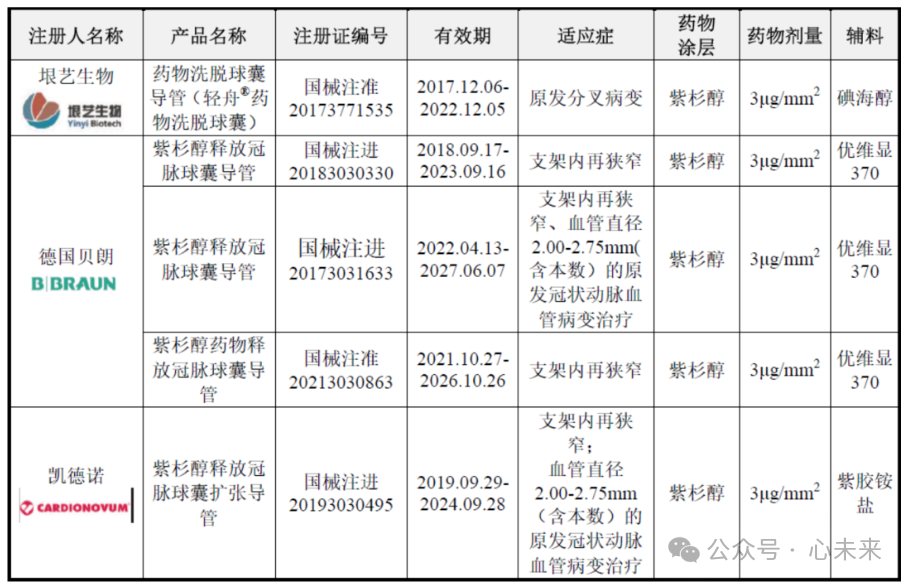
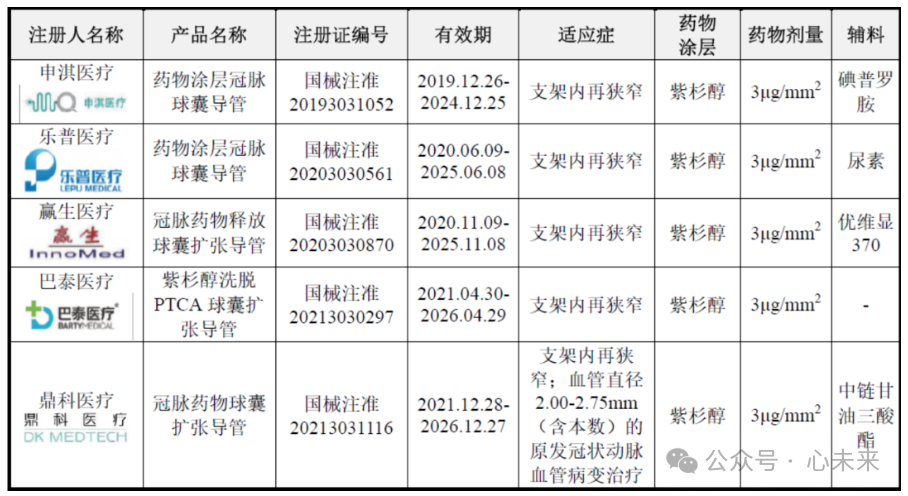 ▲Comparison of Coronary Drug-Coated Balloon Competitors (Originated fromYinyi Bio Prospectus
Medtronic (Medtronic, NYSE: MDT) was founded in 1949, with its headquarters in Minneapolis, Minnesota, USA. It is a global leading medical technology company, employing over 95,000 people.
Medtronic's innovative solutions have expanded to more than 70 key disease areas, committing to provide lifelong treatment options for patients with chronic conditions. Every second, two patients worldwide benefit from Medtronic's medical technologies or therapies.Medtronic's main businesses includeCardiovascular, Medical Surgery, Neuroscience, and DiabetesFour business segments, includingThe highest proportion is cardiovascular.。What Does Medtronic Sell? A Comprehensive Overview of the Cardiovascular Product Line
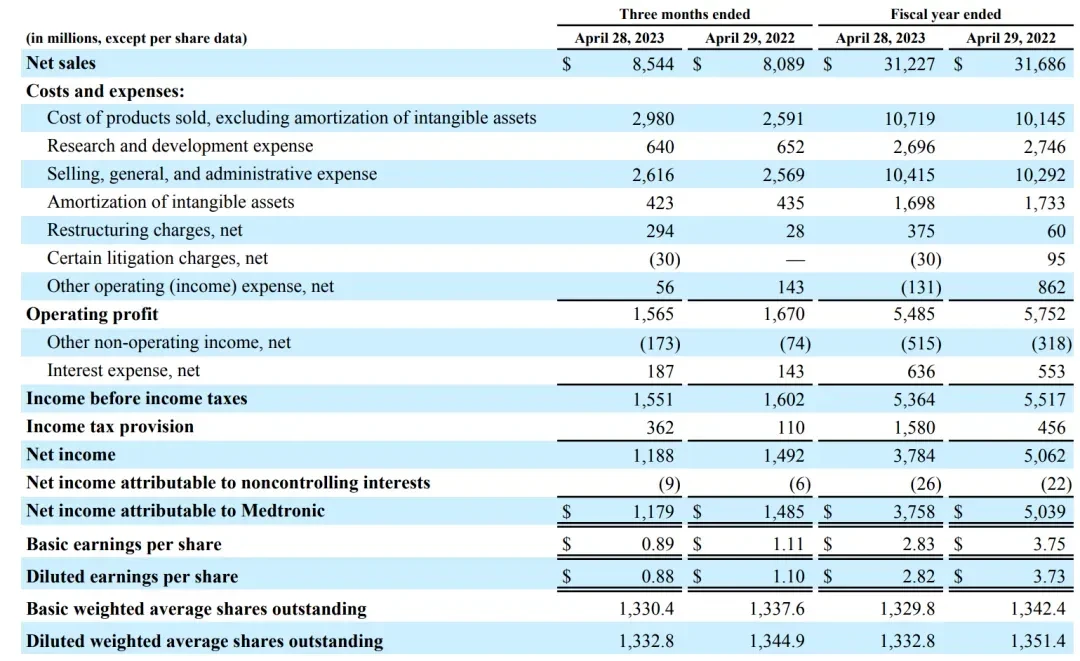
Taking the 2023 financial report as an example, the company's total revenue was $31.227 billion, ranking first in revenue among global medical device companies. Revenue from the cardiovascular business was $11.573 billion, accounting for 37.06%, includingCardiac Rhythm and Heart Failure (CRHF), Structural Heart and Aorta (SHA), and Coronary and Peripheral Vascular (CPV)Three departments.
▲2023 Annual Report (Source: Company Official Website)