

AstraZeneca Reports Discovery of Novel NSD2-PWWP1 Ligands Through Integrated Computational and Structure-Based Drug Design

AstraZeneca
Biopharmaceutical Manufacturer
NSD2 is a multi-domain protein involved in epigenetics and is also a potential anti-cancer target. PWWP1 is one of its domains, and there are reports that targeting this domain has regulatory effects.Function of NSD2Possible。
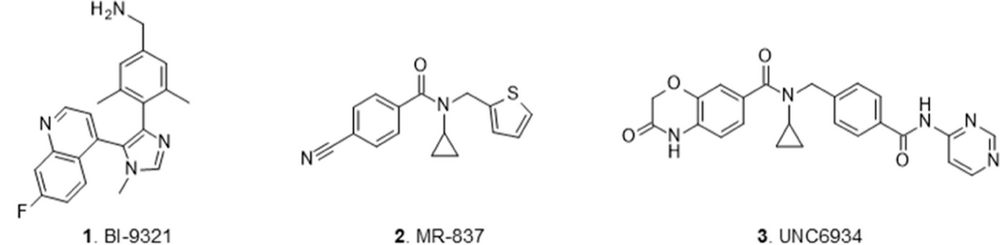
Previously, there were some molecular reports, as shown in the figure below.
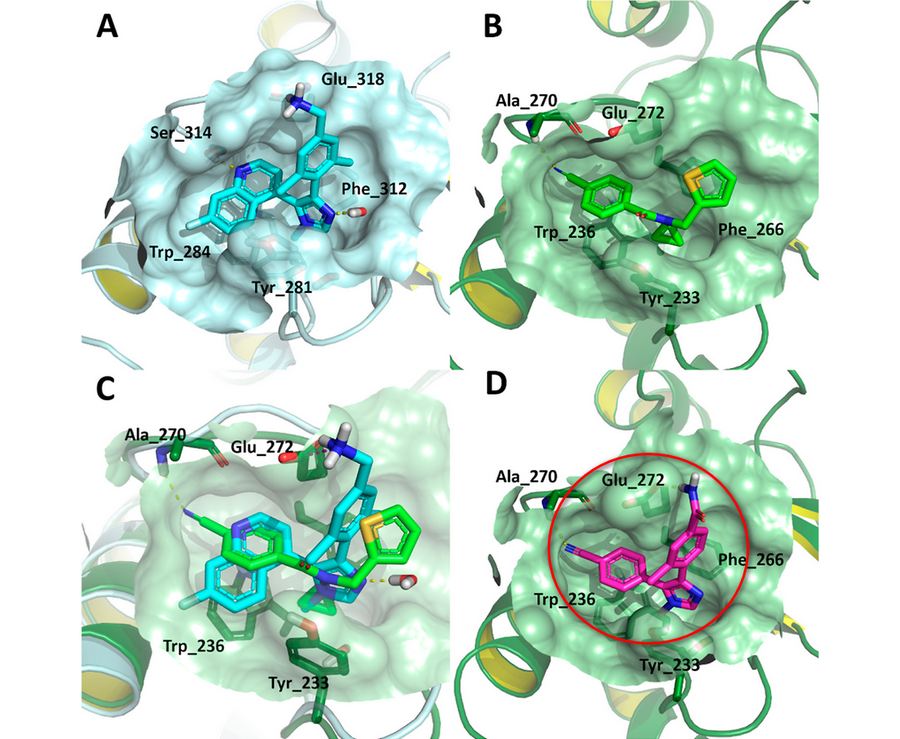
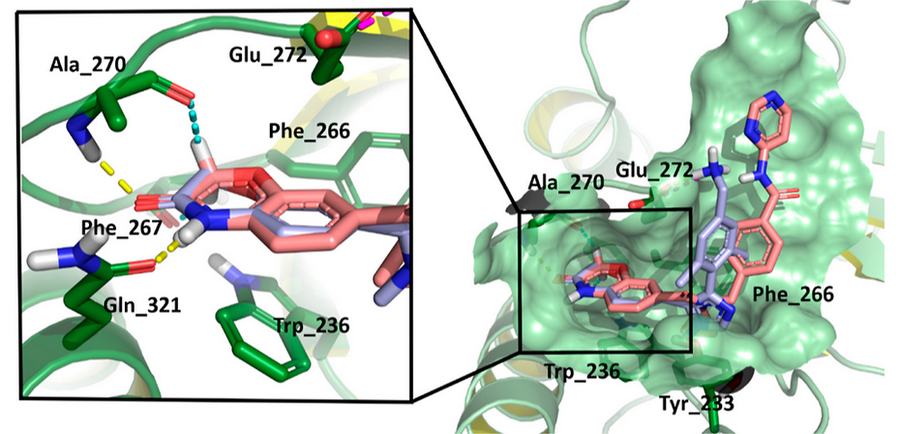
AstraZeneca researchers first obtained molecule 4 based on the co-crystal binding modes of reporter molecules 1 and 2 through hybridization design, as shown in the red circle of the docking model.
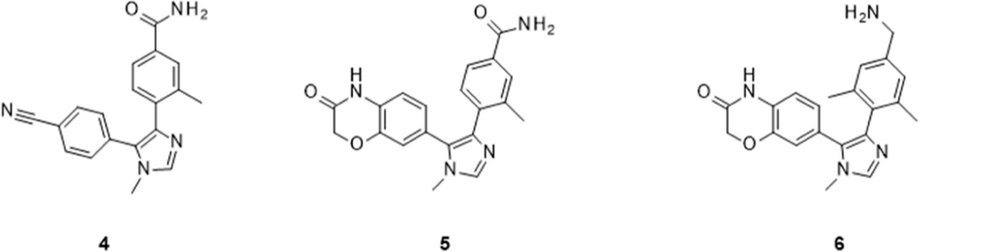
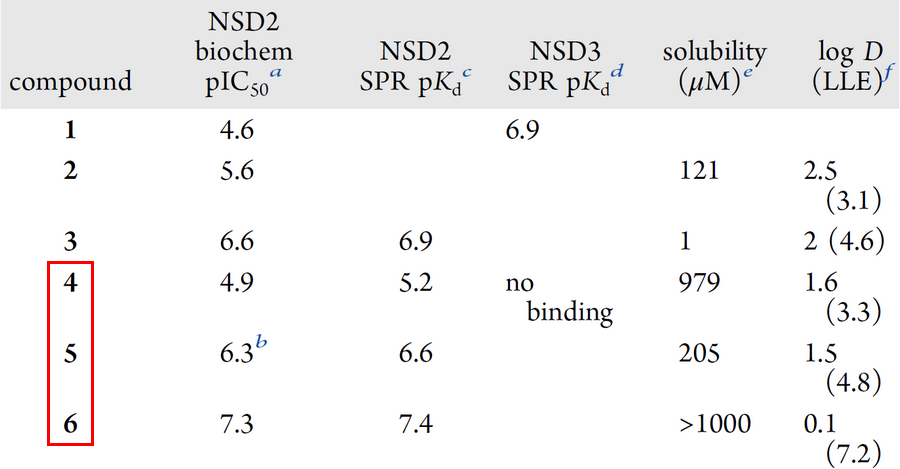
Molecule 4 showed moderate activity. Drawing inspiration from the reported fragment of molecule 3, molecules 5 and 6 were obtained, with significantly improved activity.
From the co-crystal of molecule 3, the referenced fragment participates in forming multiple hydrogen bonds.
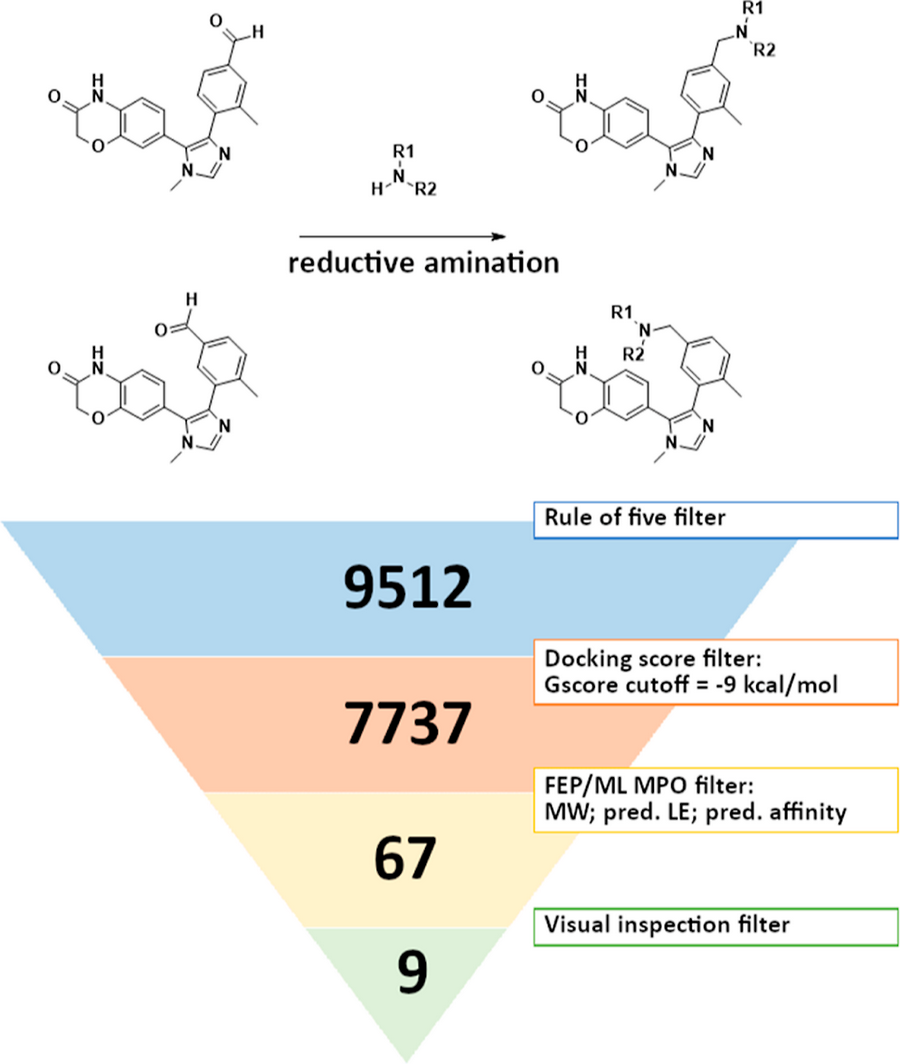
To systematically explore the parts extending into the solvent region, a virtual library was constructed using internal building blocks. After filtering through the Rule of Five, a total of 9,512 molecules remained; Glide docking retained 7,737; FEP/ML screening left 79; full-map FEP further narrowed it down to 67. Finally, nine molecules were selected by human expertise for synthesis and testing, among which six exhibited better activity and LLE than the reference.
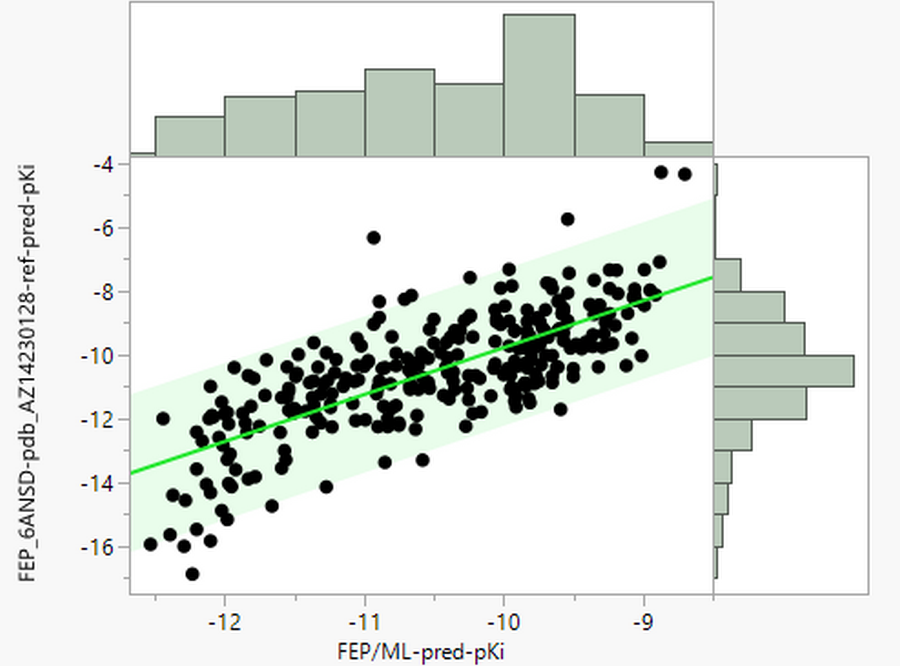
The figure below shows the performance of machine learning in learning FEP results (300 FEP data points were calculated).
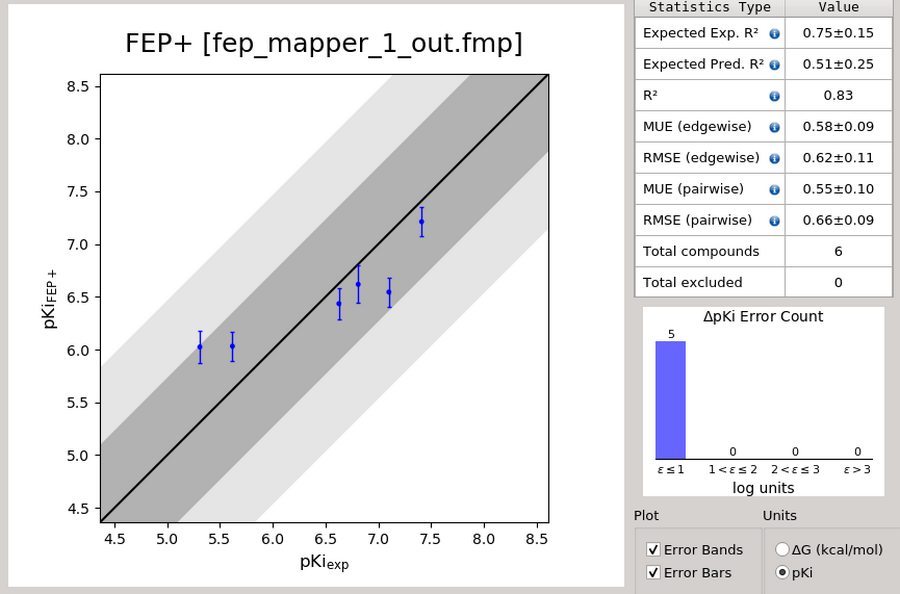
The figure below shows the correlation between the experimental and predicted values of the six reference molecules added during the full map FEP calculation.
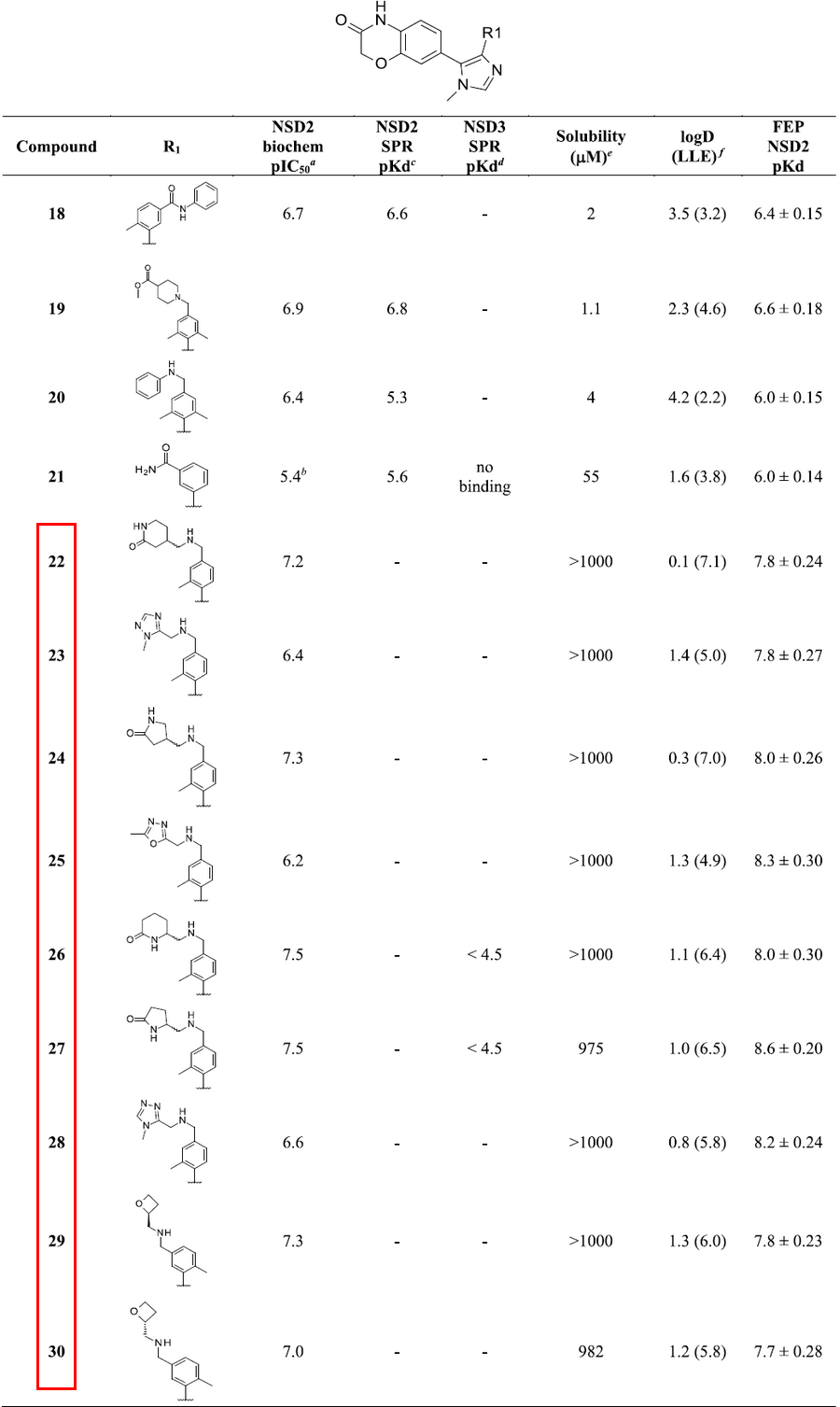
The last column of the chart below shows the FEP calculation results, where molecules 22-30 are the 9 molecules selected based on FEP and human visual experience, i.e., prospective results.
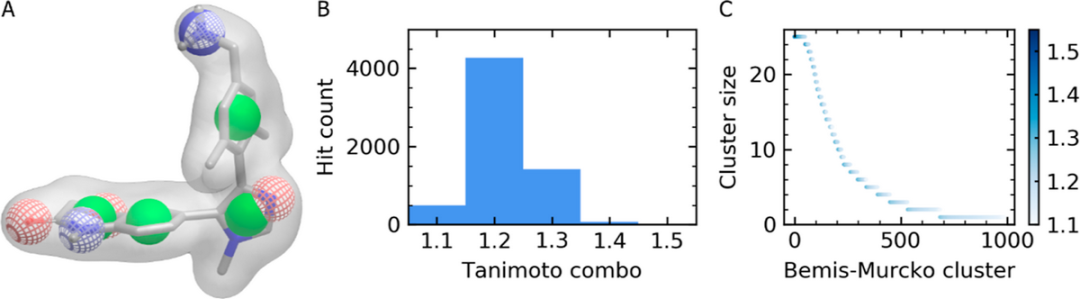
Subsequently, to explore the core, namely the methylimidazole moiety, a pharmacophore virtual screening was performed on the Enamine REAL database. After clustering, docking, MM-GBSA calculations, and visual inspection, 15 compounds were selected for custom synthesis, among which 11 compounds exhibited activity.
Although the activity is not good (approximately 10-fold decrease), this is partly because the other parts of the screened molecules are not optimal. Replacing the core of the relatively better molecules with advantageous fragments, the SAR is shown in the table below. The isoxazole core is more advantageous than the previous imidazole, and molecule 34 is reported to be the most active molecule.
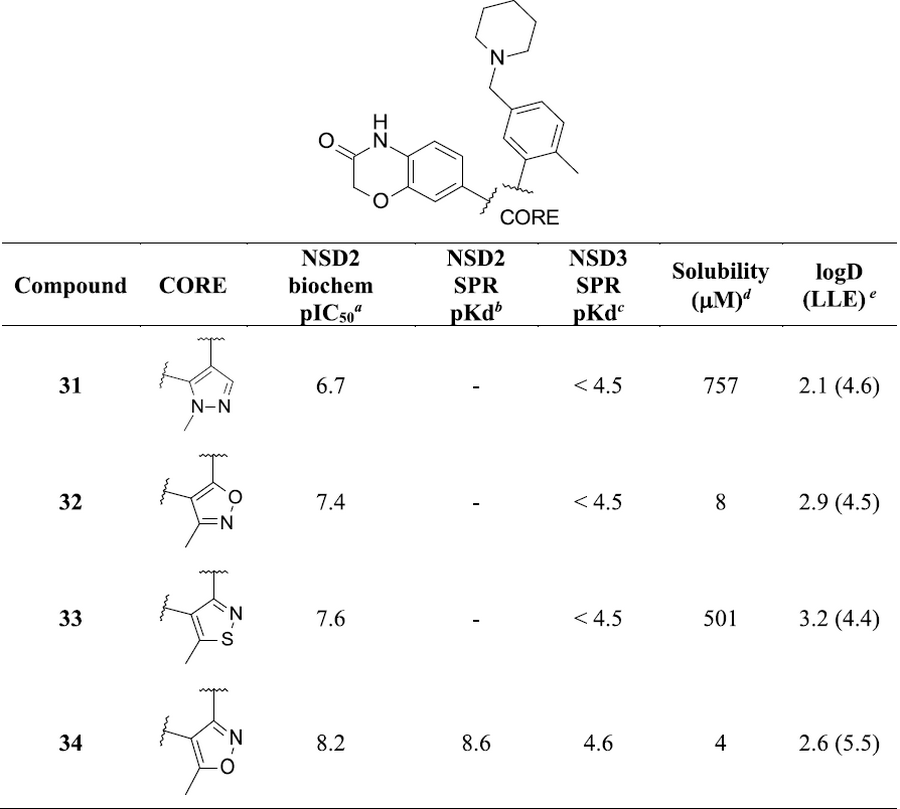
Although, from the results, the core replacements in Xiu's work seem not to have required virtual screening, a larger chemical space was explored nonetheless, even though it ultimately did not yield more novel structures.
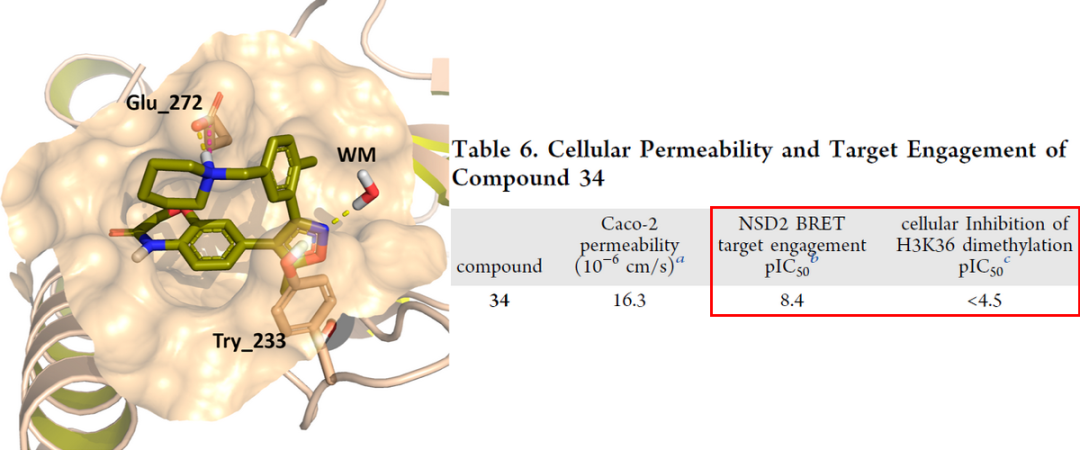
According to the article, molecule 34 is the most potent NSD2-PWWP1 ligand to date, with no issues of membrane permeability, and its target engagement has been validated. However, it is regrettable that it did not demonstrate any regulation of cellular function.
The molecular activity can be further optimized, such as introducing more advantageous fragments extending to the solvent region based on FEP findings from compound 34. However, it is also possible that the issue lies in the mechanism; this structural domain of the target may not be able to regulate function.
In any case, it reported an interesting example of combining computational optimization ligands for us.In fact, the involvement of computation/modeling in the drug discovery process has become a "commonplace" matter, so much so that it is not usually highlighted separately. Whether it plays a critical role or provides routine support depends on the specific project and people.
Previously discussed NovartisYAP-TEAD PPI Inhibitor IAG933、KRAS G12C Inhibitor JDQ443, andShionogi's 3CLpro Inhibitor Ensitrelvir, the role of computation/modeling in it is much more critical, and they have all entered clinical practice.
In contrastCalculate inThe role it plays here may not be so impressive. Conventional medchem plus modeling might also lead to the discovery of similar molecules (although more experiments might be required). AstraZeneca, by performing more computations here, reduces the number of molecules that need to be synthesized and tested, likely still considering it more cost-effective and efficient.