At 10 a.m. today, the highly anticipatedThe Extension Procurement of Artificial Joint Centralized Bulk Purchase Agreement Expires and Officially Opens Bidding in Tianjin, marking a new phase in China's centralized bulk procurement of high-value medical consumables. The procurement cycle has been extended to three years, aiming to provide medical institutions with more stable supply assurance while creating longer-term market expectations for enterprises.
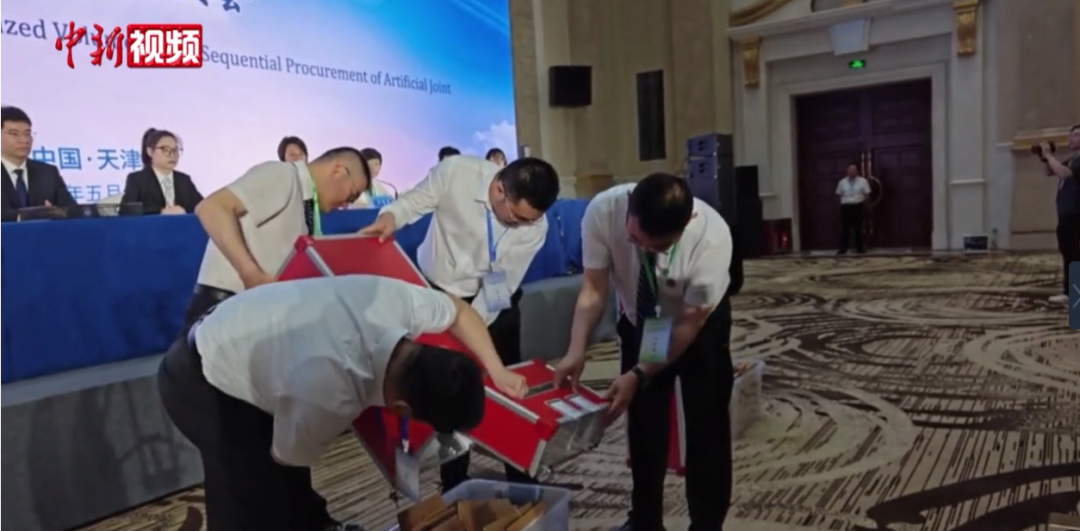
(Image captured from China News Video)
Three Years to Sharpen a "Knee": The Procurement of Artificial Joints Unveils Once Again
The procurement cycle for this continuation is 3 years.,Calculated from the actual implementation date of the selected results in each region of the alliance. During the procurement cycle, medical institutions should complete the current year's agreed procurement volume each year. For the portion exceeding the agreed procurement volume, the selected enterprises are still required to supply at the selected price until the procurement cycle ends.The products for this artificial joint centralized volume-based procurement agreement expiration renewal procurement (hereinafter referred to as "this renewal procurement") are primary total hip replacement prostheses (hereinafter referred to as "hip joints"), primary total knee replacement prostheses (hereinafter referred to as "knee joints"), including products manufactured using additive manufacturing technology (i.e., 3D printing). Customized additive manufacturing technology products may voluntarily participate.
The hip joint system consists of one femoral stem, one femoral head, one acetabular liner, one acetabular cup, and two acetabular screws. The materials for the femoral stem and acetabular cup include cobalt-chromium-molybdenum alloy, cobalt-chromium alloy, titanium alloy (including pure titanium), and tantalum metal. The fixation methods for the femoral stem and acetabular cup implants in the body are categorized into two types: biological coating fixation and cemented fixation. The hip joint product systems are divided into the following three categories based on the combination of materials used for the femoral head and acetabular liner for procurement purposes.(1) Ceramic-on-ceramic hip joint product systems require both the femoral head and the acetabular liner to be made of zirconia-toughened high-purity alumina matrix composite material.(2) Ceramic-polyethylene hip joint product system, requiring the femoral head material to be zirconia-toughened high-purity alumina matrix composite material: The acetabular liner material is polyethylene, including highly cross-linked polyethylene, highly cross-linked polyethylene (containing antioxidants), and ultra-high molecular weight polyethylene.(3) Alloy-Polyethylene Hip Joint Product System: The femoral head material must include cobalt-chromium-molybdenum alloy and zirconium-niobium alloy (products made of zirconium-niobium alloy with surface oxidation treatment may voluntarily participate); the acetabular liner material is polyethylene, including highly cross-linked polyethylene, highly cross-linked polyethylene (containing antioxidants), and ultra-high molecular weight polyethylene.The knee joint product system consists of one piece each of the tibial plateau, tibial insert, femoral condyle, and patellar component. The materials for the femoral condyle and tibial plateau include chromium alloys (containing cobalt-chromium-molybdenum alloy, cobalt-chromium alloy), titanium alloys (containing pure titanium), zirconium-niobium alloy, and metal; the tibial insert is made of polyethylene, including highly cross-linked polyethylene, highly cross-linked polyethylene (containing antioxidants), and ultra-high molecular weight polyethylene. The knee joint is categorized as a product system for procurement continuation.
2. Purchase Demand Quantity
The annual procurement demand for each product system category is calculated by summing up the procurement demand reported by each medical institution participating in this follow-up procurement.Total581,600 setsAmong them, the annual procurement demand for hip joint product systems285,995 units(Ceramic-Ceramic Hip Joint Product System Annual Procurement Demand Volume102264IndividualCeramic-polyethylene hip joint product system annual procurement demand173,303Annual procurement demand for alloy-polyethylene hip joint product systems10,428 units), Annual procurement demand for knee joint product systems295,567 units.(Click "Read More" below to obtain the summary of annual procurement demand for each product system category of medical institutions.)
New Rules, Added Resurrection Mechanism
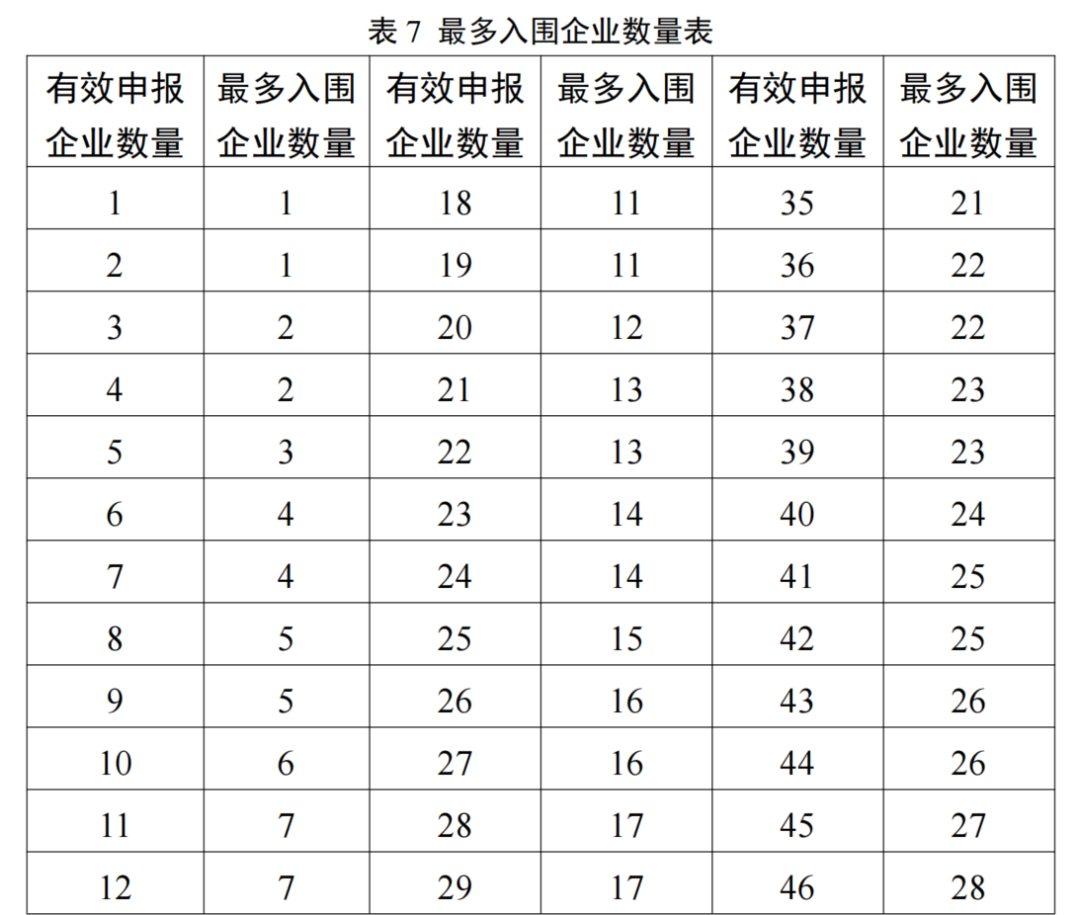
Determine the shortlisted enterprises. Within the A and B bidding units, enterprises are ranked from low to high, and the shortlisted enterprises are determined accordingly. The bidding comparison price of the shortlisted enterprises shall not exceed the highest valid bid price for each product system category. To further create a fair competitive market environment and prevent unfair competition, the maximum number of shortlisted enterprises has been adjusted based on the Artificial Joint Centralized Volume Purchase Agreement Expiration Continuation Procurement Announcement (No. 1). For details, see the table below. Within the same bidding unit, if enterprises with related relationships are consecutively ranked and separately belong to the intended shortlisted and non-shortlisted enterprises according to Table 7, the last-ranked intended shortlisted enterprise will be considered as non-shortlisted.
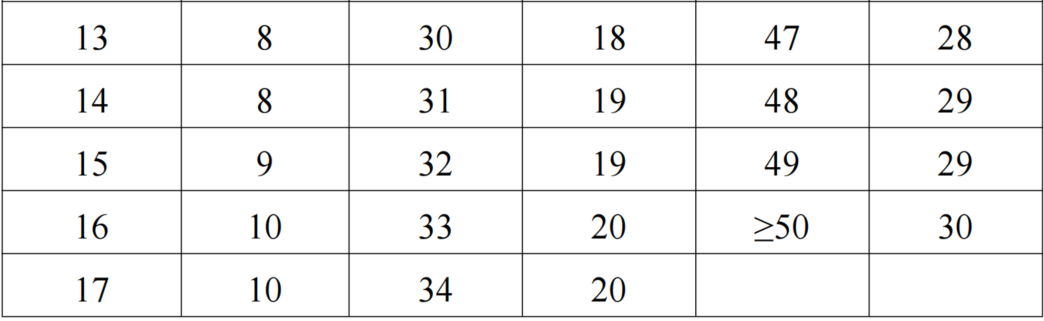
Winning the bidding. Enterprises that meet one of the following conditions will obtain the qualification for winning the bidding.
a. Bid Comparison Price (1.2 times the lowest bid comparison price in the same bid unit)
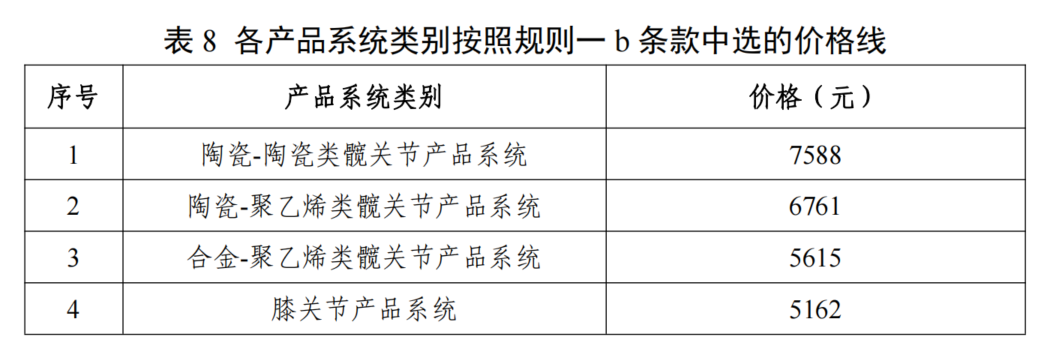
b. Bid comparison price > 1.2 times the lowest bid comparison price in the same bid unit, but the bid comparison price does not exceed the price listed in Table 8.
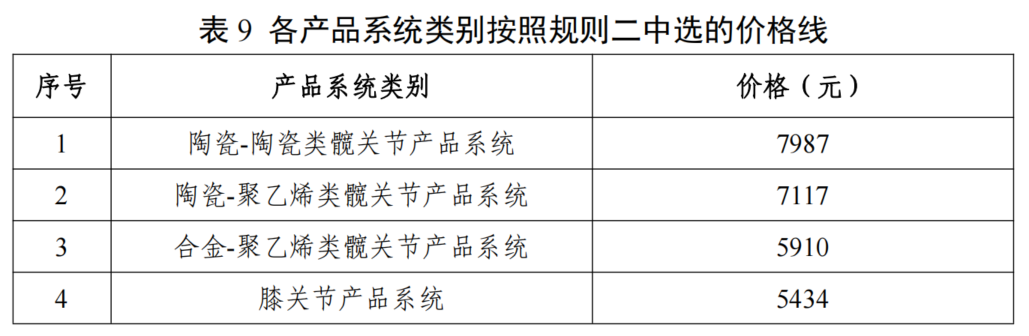
Resurrection Selection.Valid bidding enterprises that did not obtain the selection qualification according to Rule One, if the competitive bidding price is no higher than the price listed in Table 9,The enterprise has obtained the qualification for resurrection selection and is not subject to the restriction of Rule One.
Chinese Enterprises Start to Gain Momentum, Market Welcomes New "Knee" Hope
An artificial joint is an orthopedic prosthesis used in orthopedic surgery to replace joint surfaces affected by arthritis or dysfunction when less invasive treatments fail to alleviate severe joint pain or dysfunction.
With the aging population, the rising incidence of orthopedic diseases, continuous advancements in material technology, and other factors, the global artificial joint market is expanding. According to QYResearch's "Global Artificial Joint Market Report 2023-2029",The global artificial joint market size is expected to reach 27.25 billion US dollars by 2029, with a compound annual growth rate (CAGR) of 6.9% in the coming years.。
Since the implementation of the election results in April 2022, artificial joints have been collected for two years.1.1162 million sets, calculated based on the pre-centralized procurement prices to save procurement costsRMB 32.891 billion, reducing the burden of medical treatment for patients.
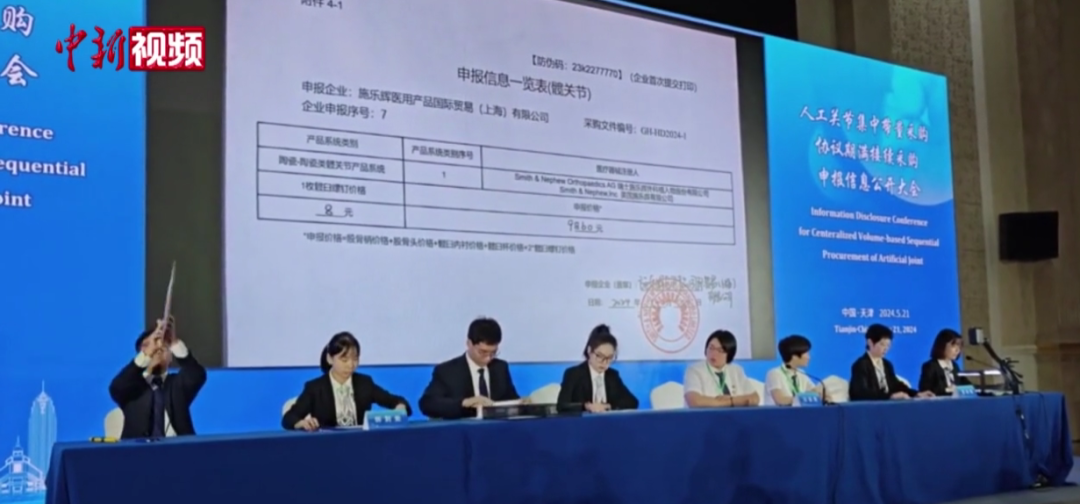
(Image captured from China News Video)
It is reported that this continuation procurement is carried out nationwide in China.6,281 medical institutionsFilling in the procurement demand for artificial joints581,600 sets, compared with the volume of the first round of centralized procurement agreements two years ago,Increased by 7.42%, involving a total of61 Companies Participate in On-site BiddingAccording to statistics, among the 54 companies proposed for selection, 47 companies have further applied for price reductions on their products. Compared with the first national procurement, the procurement volume share of the four major imported manufacturers—Zimmer, Johnson & Johnson, Smith & Nephew, and Stryker—has gradually decreased, while among domestic manufacturers...Zhengtian MedicalThe procurement volume has the highest market share, reaching 16%.; followed byAikon Medical 15%;Chunli Medical 8%The annual intended procurement volume of imported manufacturers is gradually declining, presenting significant growth opportunities for domestically produced manufacturers. At the same time, renewal prices across various categories remain relatively moderate, with some companies having room for price increases. Future prospects are optimistic for leading domestic joint category manufacturers.
On this basis, the procurement cycle for this follow-up centralized procurement has been changed from the originalExtended from 2 years to 3 yearsMultiple industry insiders believe that this change can further guide the market to form long-term stable expectations for the centralized procurement of orthopedic consumables. For enterprises, this provides a more stable market expectation, which is conducive to forming a long-term stable supply mechanism.
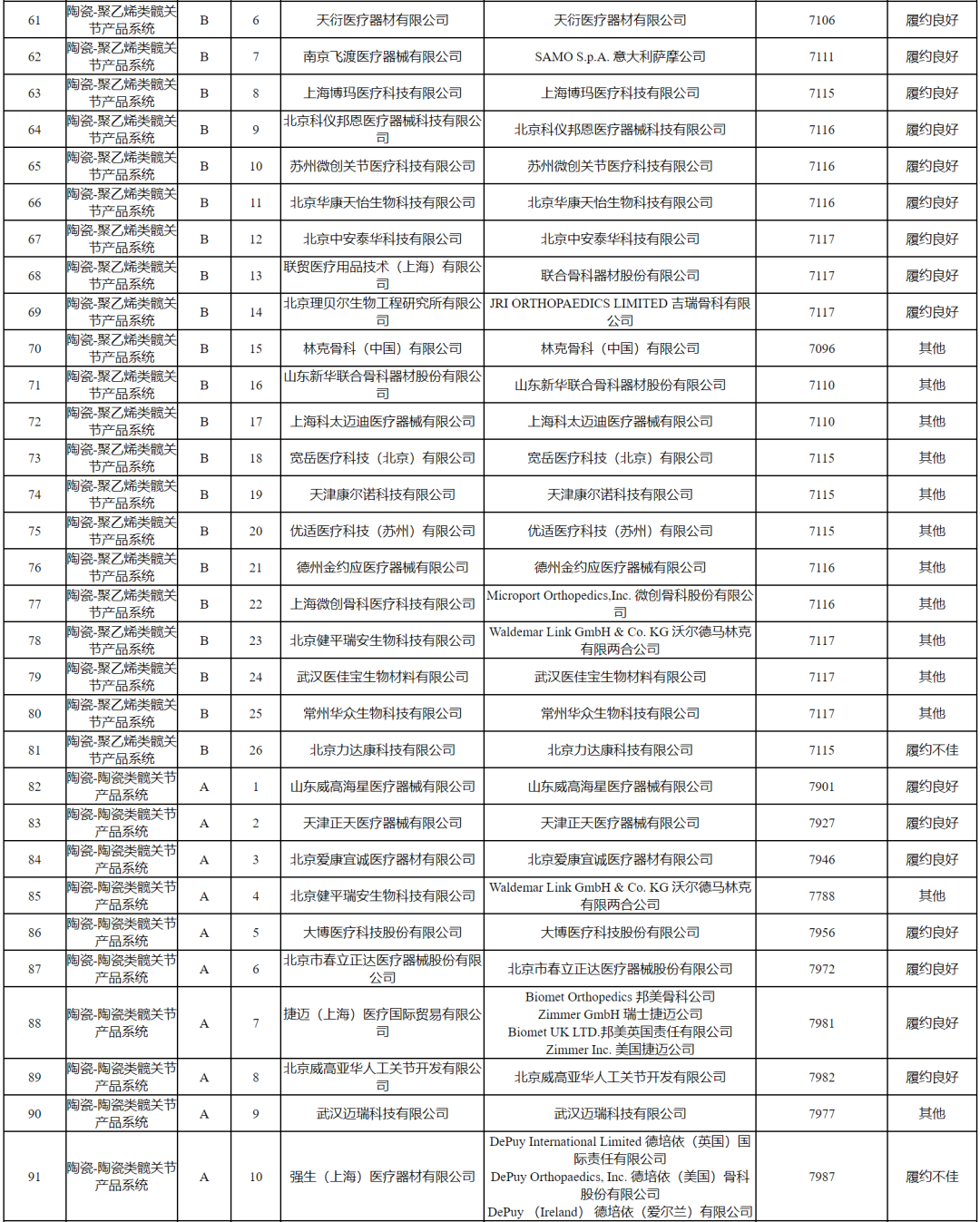
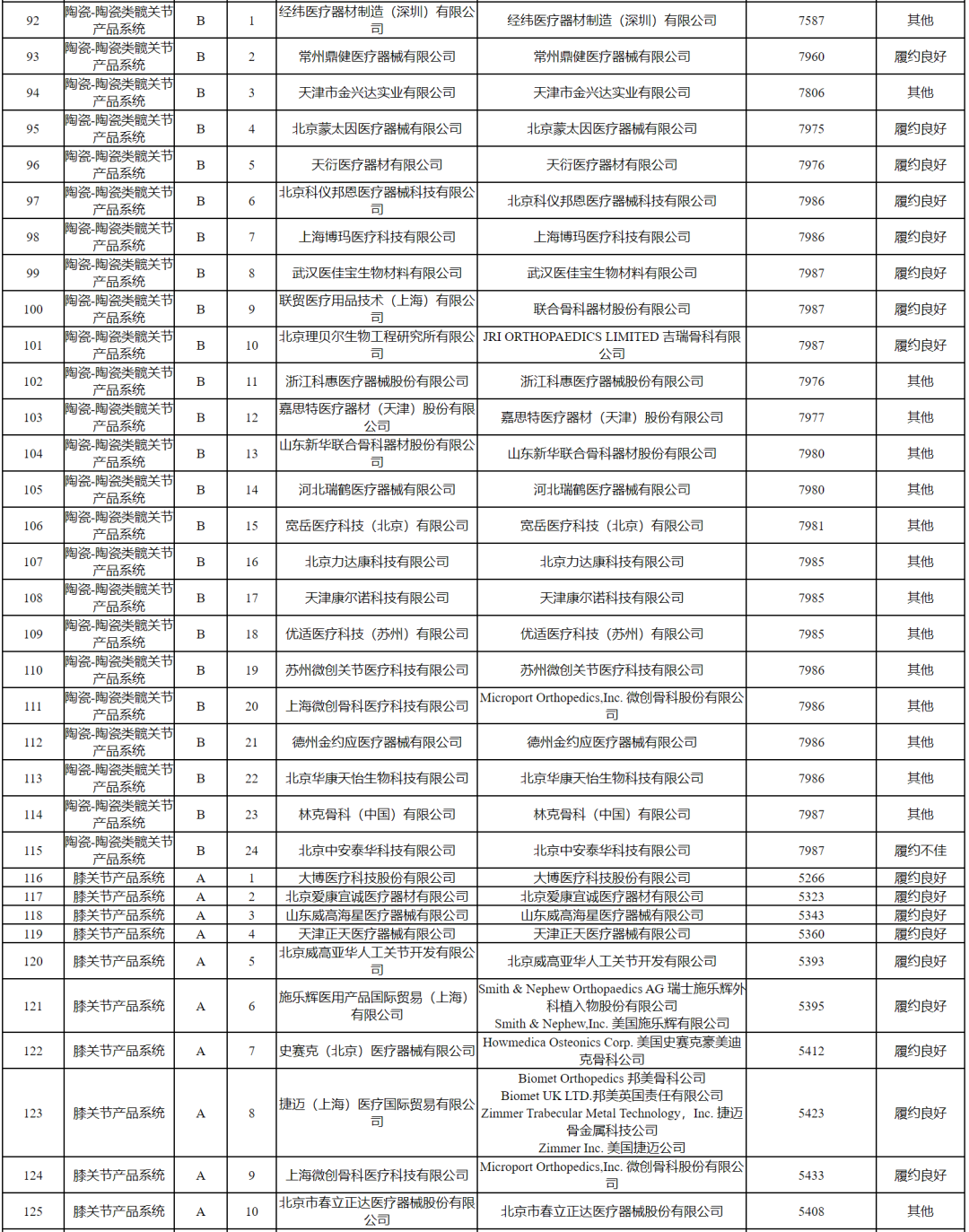
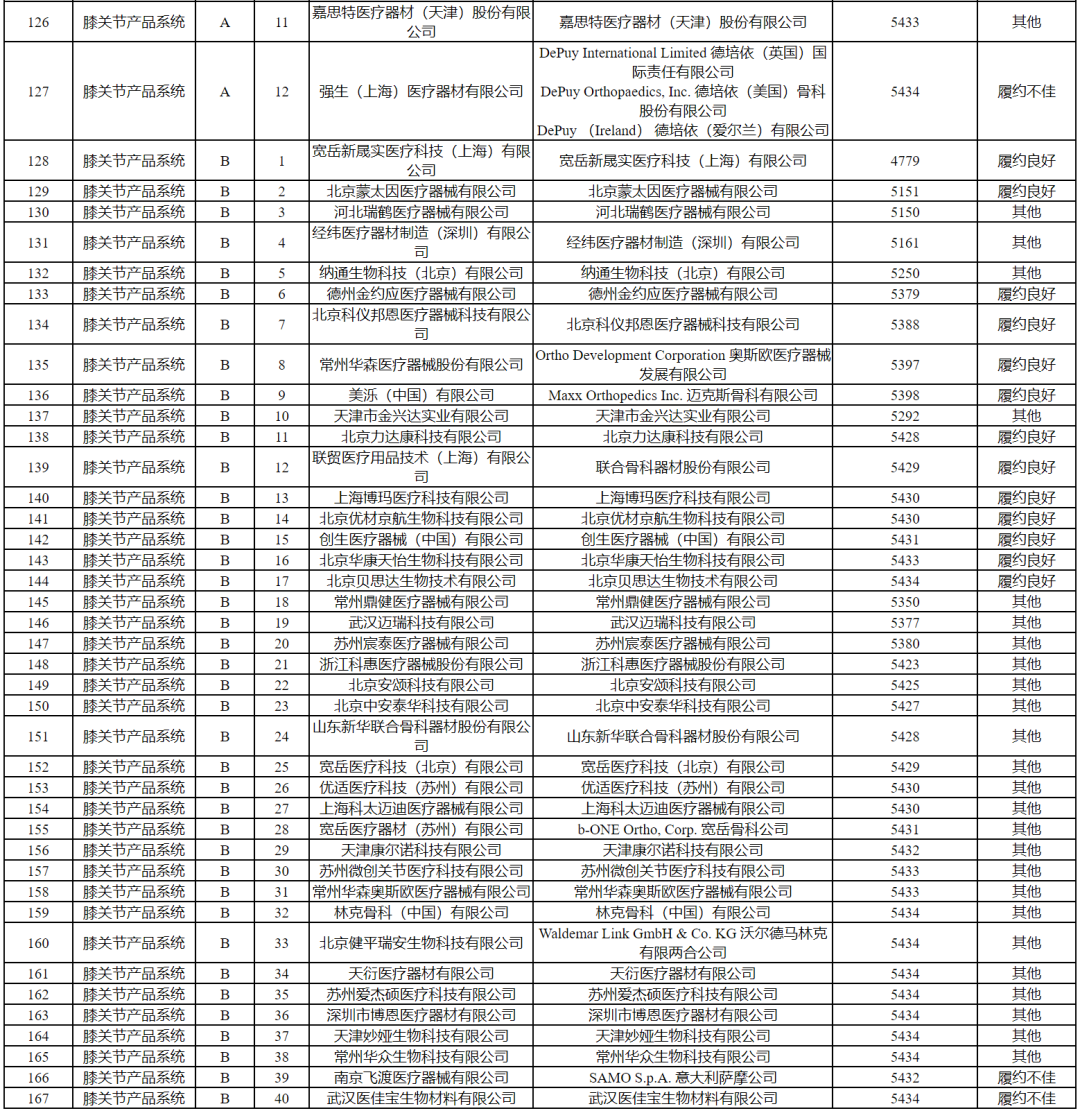
Secondly,The change in bidding rules is also a key point.。The new bidding rules clearly state that the performance of the winning enterprises in the first round of centralized procurement will be comprehensively considered, and enterprises with good performance will be given appropriate preference in the bidding price comparison. This means that even if the bid is higher, those enterprises that performed well in the first round of centralized procurement may have an advantage in the winning ranking. This adjustment of the rules emphasizes the importance of product quality, clinical recognition, enterprise supply guarantee capability, and enterprise credit.
Overall, the decision to extend the procurement agreement for artificial joints after its expiration provides related enterprises with a longer procurement cycle and more stable expectations. At the same time, adjustments to the bidding rules also encourage companies to focus more on product quality and supply assurance. The increase in market demand and the optimization of bidding rules have also created more market opportunities for enterprises capable of providing high-quality products and services.
Therefore, today's opening of bids not only marks the beginning of a new procurement cycle but also signals that the industry is moving towards a more standardized, efficient, and sustainable development path. All parties involved should take this opportunity to jointly promote the healthy development of the high-value medical consumables industry, better serving the health needs of the public.
"The continuation of the artificial joint procurement this time focuses on the goals of stabilizing price levels, stabilizing clinical use, and stabilizing production supply. Factors related to the performance of the first round of contract fulfillment are introduced in the selection ranking and volume allocation." According to Gao Xue, Deputy Director of the National High-value Medical Consumables Joint Procurement Office and Director of the Tianjin Medical Procurement Center, based on procurement data from July to December 2023, companies with good performance in the first round will receive appropriate rewards in the selection ranking, gaining an additional 5% base volume; while companies with poor performance will face corresponding penalties in their rankings. This aims to encourage companies to provide higher quality services to medical institutions and ensure better supply.
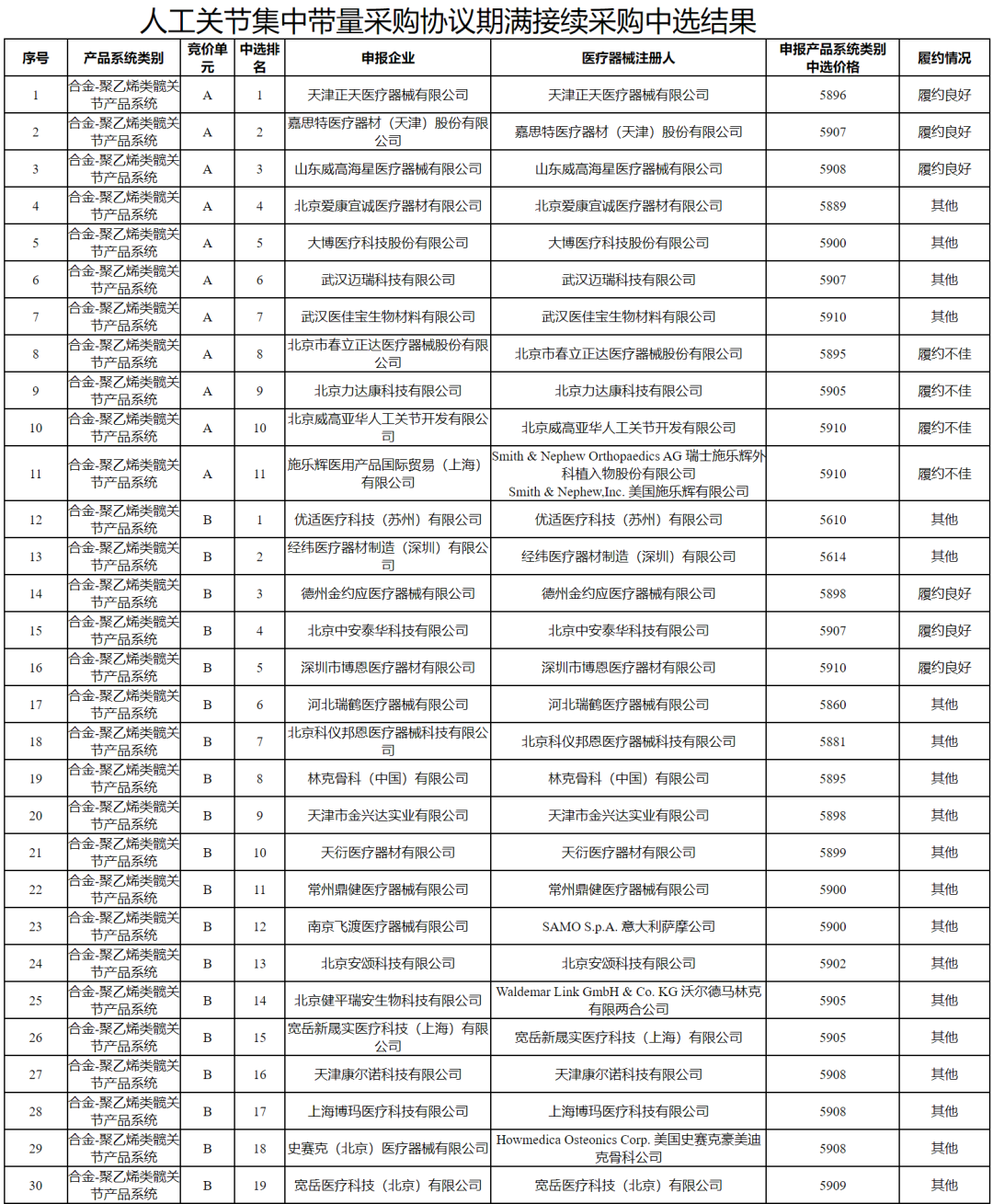
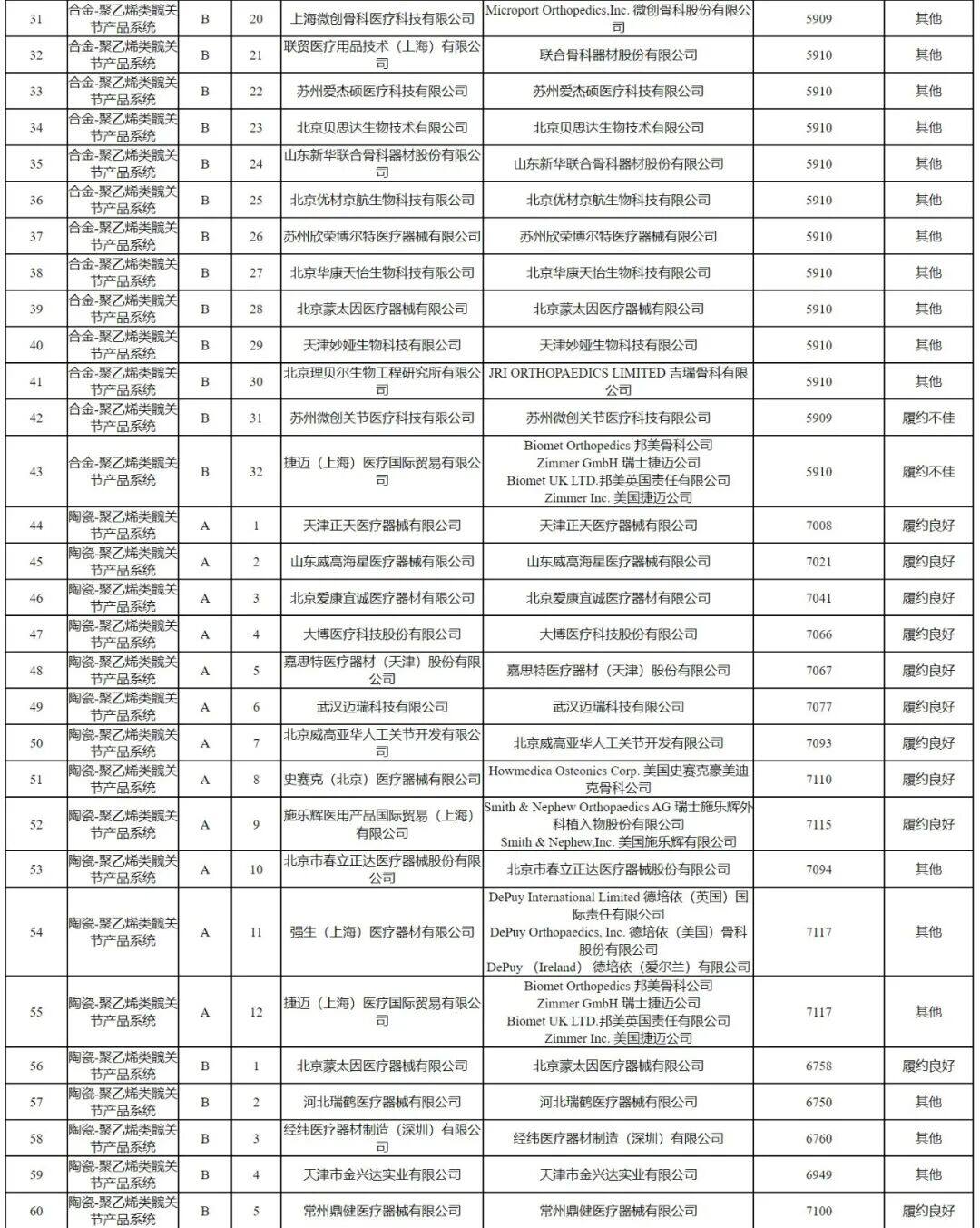
▲ Source of the article: Medical Device Innovation Network, some data from The Paper▲Please indicate the source above when reprintingDisclaimer: This article is intended solely for the purpose of information transmission and is for reference only. It does not constitute any advice on investment or treatment; please carefully verify. If it involves issues related to the content, copyright, or other aspects of the work, to ensure the rights and interests of both parties, please contact us and we will handle it immediately. If this article is reprinted by any platform, the platform shall be responsible for the content of the article itself. The Medical Device Innovation Network is not responsible for any secondary dissemination caused by reprints.

Click to read the full text and get more