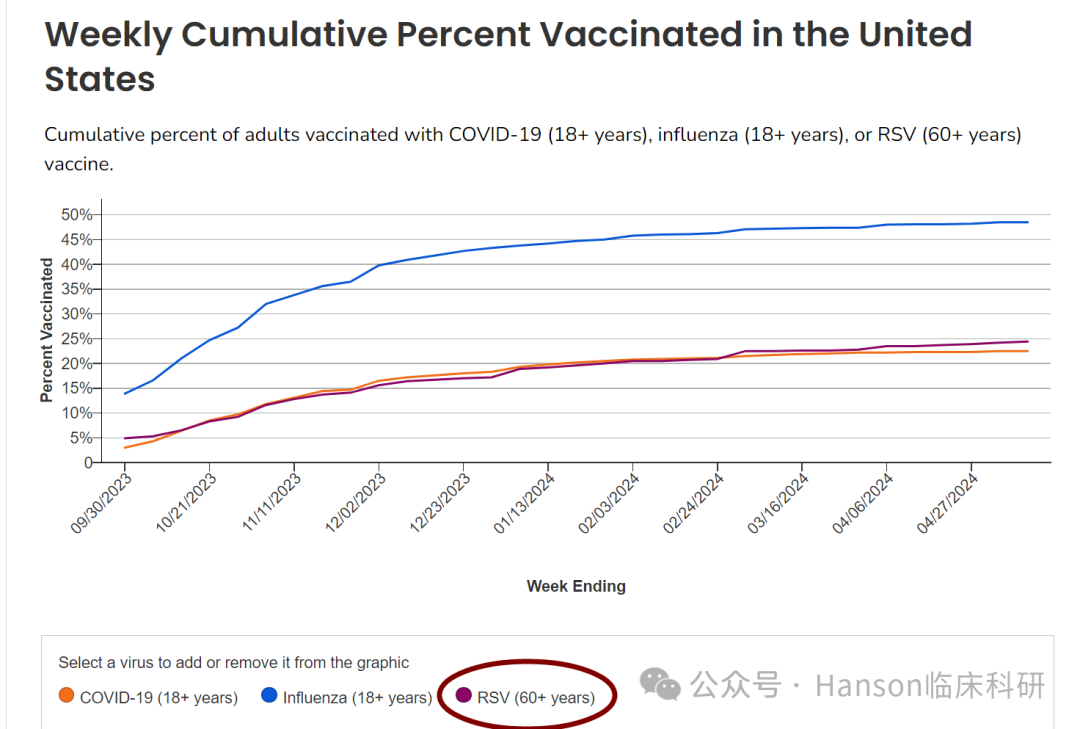
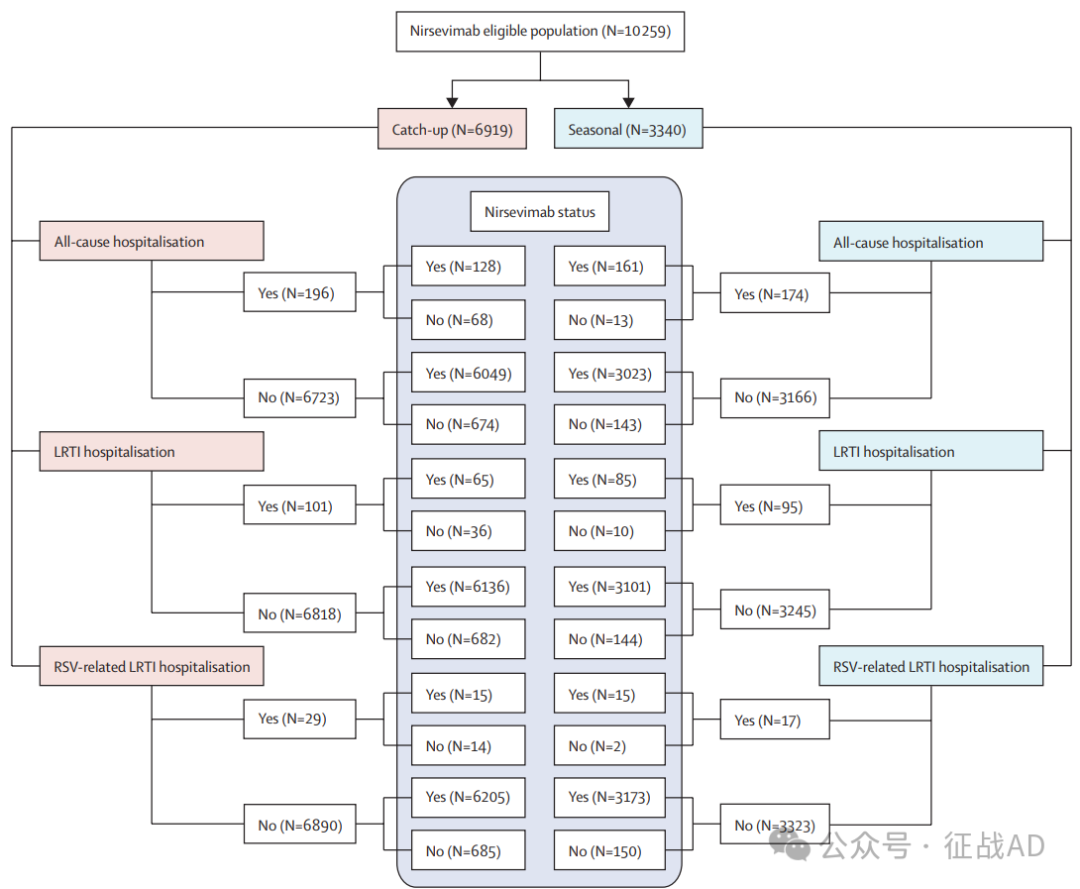
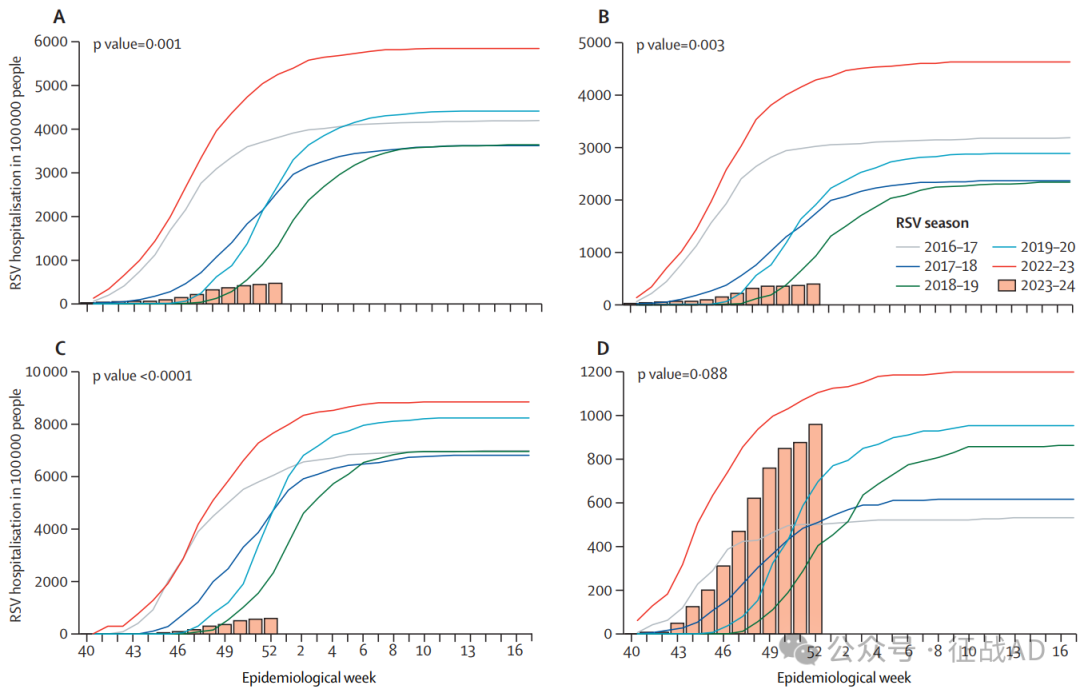
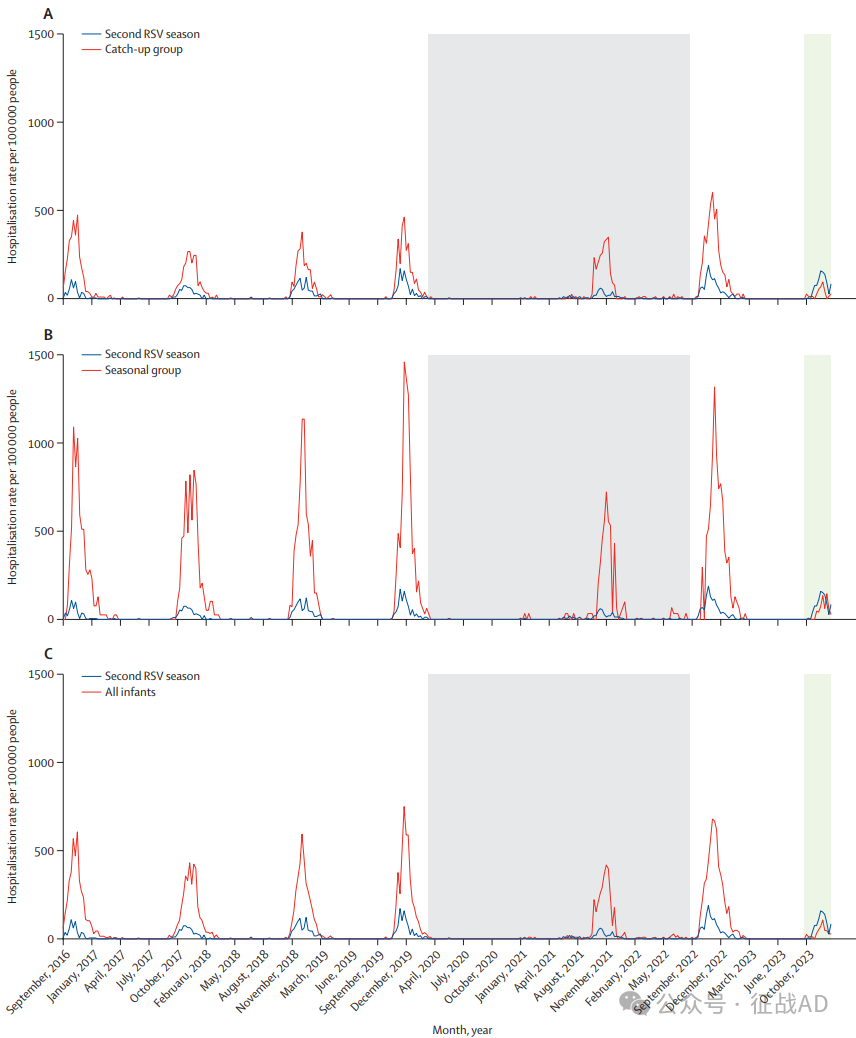
In our regular updates on the COVID-19 pandemic and vaccination progress, there is a chart showing the vaccination rates of three vaccines. Many people are familiar with the COVID-19 and influenza vaccines, but fewer are aware of the RVC vaccine. Respiratory Syncytial Virus (RSV)It is a common, highly contagious seasonal virus, the most common cause of lower respiratory tract infections (LRTI) in infants, and also one of the leading causes of hospitalization for both infants and the elderly, posing a significant threat to the health of these vulnerable populations.Data from the Chinese Center for Disease Control and Prevention shows that RSV is one of the main viral pathogens causing acute respiratory infections (ALRI) in children under 5 years old in China. Particularly during winter and spring, the incidence and hospitalization rates of RSV infections rise significantly.Moreover, infants with severe RSV infections are highly likely to suffer from impaired lung function, manifesting as recurrent wheezing or asthma, which may have long-term effects on the child’s health. In addition to vaccine prevention of RSV infection, doctor-scientists are also exploring the possibility of using monoclonal antibodies to prevent RSV infection and hospitalization. Nirsevimab Injection (Chinese trade name: Levechu)Is a long-acting RSV monoclonal antibody jointly developed by Sanofi and AstraZeneca. It was approved by the EU in October 2022 for the prevention of lower respiratory tract diseases caused by RSV in newborns and infants during their first RSV season. It subsequently received FDA approval in July 2023.In China, nirsevimab is expected to be launched during the 2024-2025 RSV infection season for the prevention of LRTI caused by RSV in newborns and infants. How effective is this vaccine? April 30, 2024Lancet Infect DisThe article titled "Effectiveness and impact of universal prophylaxis with nirsevimab in infants against hospitalisation for respiratory syncytial virus in Galicia, Spain: initial results of a population-based longitudinal study" was published in the journal, showcasing the interim results of the ongoing NIRSE-GAL study.Compared with infants who did not receive intervention, the hospitalization rate due to lower respiratory tract infections caused by RSV was reduced by 82% in infants under 6 months who received Nirsevimab injection.。This study is consistent with the results of multiple key clinical trials, jointly confirming the high and consistent protective efficacy of Nirsevimab against lower respiratory tract infections caused by RSV.NIRSE-GAL Study DesignNIRSE-GALIs a population-based,For a period of 3 yearsA large follow-up study to evaluate the preventive effectiveness of Nirsevimab (Beyfortus®) after its inclusion in the immunization program of Galicia, Spain.This study aims to measure the preventive effects of Nirsevimab on RSV-related lower respiratory tract infections and hospitalization rates in infants, covering infants born during the infection season, infants under 6 months at the start of the infection season, and children aged 6-24 months who are susceptible to severe RSV-induced diseases.The immunization program for 2023-2024 was implemented from September 25, 2023, to March 31, 2024.Figure 1. Flowchart of infant inclusion, exposure, and outcome classification in the Nirse-Gal studyMain Results? Vaccination Rate:Among 10,259 eligible infants,Vaccination coverage rate reaches 91.7%。 ? Effectiveness:Among infants who received Nirsevimab, 30 cases (0.3%) were hospitalized for RSV-related LRTI, compared to 16 cases (1.9%) among the 851 infants who did not receive the vaccination.The effectiveness of RSV-related LRTI hospitalization is 82.0%.; In addition,Efficacy of Nirsevimab Reaches 86.9% in Severe RSV-Related LRTI Requiring Oxygen Support。 ? All-cause LRTI hospitalization and all-cause hospitalization rates:Nirsevimab also demonstrated 69.2% and 66.2% efficacy for all-cause LRTI hospitalizations and all-cause hospitalizations, respectively. ? Safety:No serious adverse events related to Nirsevimab were observed in the 9,408 doses administered. Figure 2. Cumulative RSV hospitalization rates (per 100,000) among infants in the Galicia region during the 2016-2023 RSV seasonsFigure 3. Weekly RSV hospitalization rates among infants in the Galicia region during the 2016-2023 RSV seasonsEditor's Note:Research Prospects:? Long-term Effect Evaluation:Further research is needed on the long-term health effects of Nirsevimab on infants and young children, including whether it can reduce long-term complications after RSV infection. ? Impact on Specific Populations:Further research on the impact of Nirsevimab on high-risk groups (such as children with chronic lung disease or compromised immune systems) and whether specially tailored prevention strategies are needed. Through these studies, we can better understand the role of Nirsevimab in RSV prevention and provide a scientific basis for developing effective public health strategies.Original link:https://doi.org/10.1016/S1473-3099(24)00215-9Scan the WeChat QR code to add.Medicine Space-TimeEditor Please indicate: Name + Research Direction!