

$4.5M CPRIT Grant Supports Indapta’s g-NK Therapy IDP-023, Demonstrating Over 99% Tumor Reduction in Combination with Monoclonal Antibodies

Indapta Therapeutics
Allogeneic Cell Therapy Developer


May 24, 2024
eMedClub News
Recently, Indapta TherapeuticsAnnouncing the Texas Cancer Prevention and Research Institute (CPRIT) awarded the company a competitive product development research grant, with a prize of450Million US dollars, the bonus will be used to support the company's candidate productsIDP-023for the clinical development, intended for the treatment of advanced non-Hodgkin lymphoma and multiple myeloma.

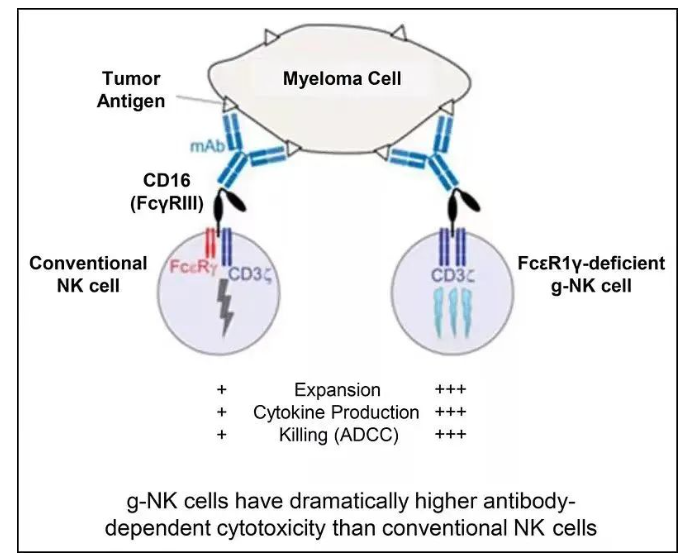
IDP-023 is an allogeneic differentiated g-NK (FcRγ-deficient NK) cell therapy, is generated based on Indapta Therapeutics' allogeneic g-NK cell therapy platform. g-NK cells consist of a powerful subset of natural NK cells, found in individuals infected with cytomegalovirus, which have undergone epigenetic changes.Due to natural epigenetic variations leading to the absence of the FcRγ chain, which can effectively enhance the activity of antibody-dependent cell-mediated cytotoxicity (ADCC) after cross-linking with CD16.
June 14-15
IBI EXPO
Recommended Thematic Forums

Scan the code
Limited Time Offer
Free Tickets


Hotline for Cooperation

18701871600 (Manager Wang)
15572286596 (Manager Yuan)
To generate IDP-023, Indapta prioritizes the expansion of g-NK cells from healthy donors, with low variability between donors. Moreover, IDP-023 possesses several distinct mechanisms for killing target cells without genetic engineering modifications, including ADCC, inherent cytotoxic activity of g-NK cells, and more. Compared to conventional NK cells, Indapta's g-NK cells can release a higher amount of immune-activating cytokines and cytotoxic compounds. In preclinical studies, when compared to traditional NK cells,IDP-023 Combined with Cancer-Targeting Monoclonal Antibodies Can Reduce Tumors by More Than 99%It is worth mentioning that it is also a cryopreservation product with low variability.
In February 2022, Indapta Therapeutics announced the completion of a $50 million Series A financing round led by Bayer’s "Leaps by Bayer" initiative. In January 2024, Indapta Therapeutics announced that the first patients had been dosed with IDP-023 in a Phase 1 clinical trial for the treatment of multiple myeloma and non-Hodgkin lymphoma. The first patient received a single dose of IDP-023, while the second patient received the first of three planned doses. Subsequent patient cohorts will receive three doses of IDP-023 with or without IL-2. Once the safety of multi-dose IDP-023 in combination with IL-2 is established, patient cohorts with lymphoma and multiple myeloma will receive IDP-023 in combination with the monoclonal antibodies rituximab or daratumumab, respectively. To date, patients participating in the Phase 1 clinical trial have received up to three planned doses of IDP-023.
In addition, based on the protective role of endogenous g-NK cells in the development of multiple sclerosis, Indapta Therapeutics plans to submit an IND in the third quarter of this year to initiate clinical trials of g-NK cells in patients with multiple sclerosis.
As the Phase 1 clinical trial proceeds smoothly and future exploration in more disease areas such as multiple sclerosis unfolds, Indapta Therapeutics' g-NK cell therapy has demonstrated tremendous potential and broad application prospects. Meanwhile, this also highlights the powerful potential of certain "special" subsets of NK cell therapies, warranting further in-depth exploration.


Dian Dian "Share”、“Like" and "In view",Give me a little recharge~"