Owkin Unveils First AI-Driven Drug Pipeline After Seven Years of Stealth Development
Owkin
Provider of Artificial Intelligence Technology in Medicine

On May 23, AI pharmaceutical unicornOwkinPublicly announced its AI drug pipeline for the first time.
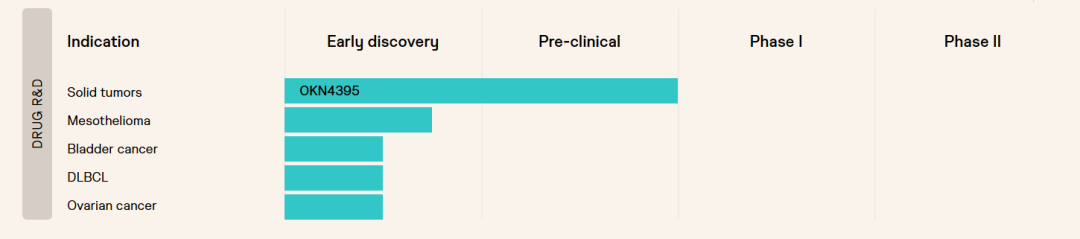
This seven-year-old AI pharmaceutical company focuses onOncology and Immunology Fields, includingFour early-stage de novo drug discovery programs and one patented licensed drug.
Among them, OKN4395 is licensed from the Swiss pharmaceutical company Idorsia. It is a best-in-class dual inhibitor of prostaglandin receptors EP2 and EP4 and will enter Phase 1 clinical trials in early 2025.
Four de novo drug molecules have only disclosed their indications, targeting respectively: mesothelioma, bladder cancer, diffuse large B-cell lymphoma, and ovarian cancer.
As veteran AI pharmaceutical companies are cutting staff, restructuring, and reducing expenses, Owkin has boldly announced, "We are ready to face the most critical challenges."
This is less than two years since it announced the establishment of an internal drug pipeline. What preparations has this company made "beneath the surface"?

Luring Away Sanofi VP to Build the World's LargestDataset
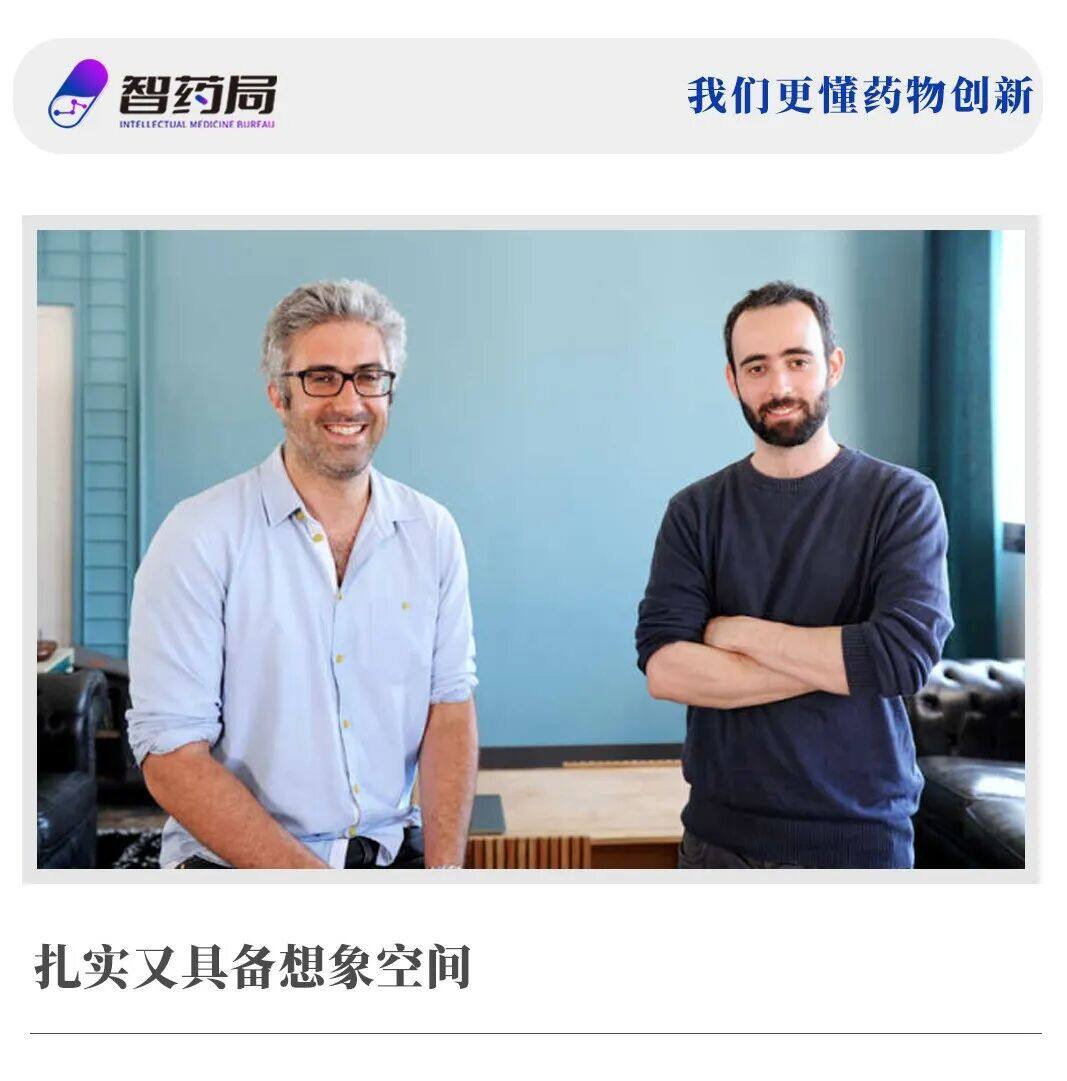
Owkin, Inc. was founded in Paris, France in 2016 as an AI-driven precision medicine company by a clinical physician.Thomas ClozelPh.D. & Pioneer in Biological Artificial IntelligenceGilles WainribCo-founded by Dr.
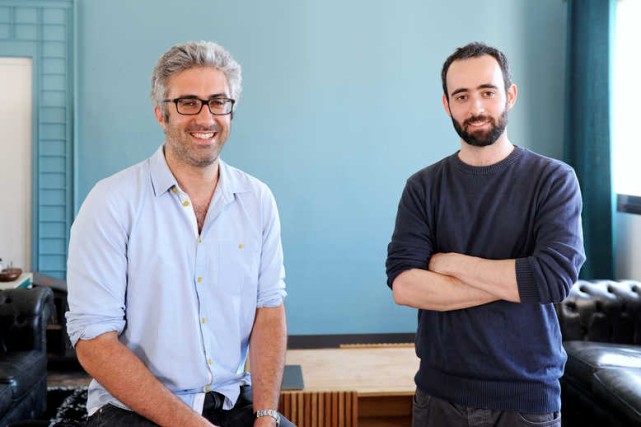
Dr. Thomas Clozel (left) andDr. Gilles Wainrib(Figure right)
Its core technology is a machine learning framework that combines machine learning with biology to build AI disease models for the development of biomarkers and the identification of new drug targets.
The initial business model mainly focused on providing technical services to cancer treatment centers, hospitals, and pharmaceutical companies.Building a Global Research Network Using Federated Learning Technology to Create a Research Platform with Data Security and Privacy Protection。
Until 2022, Senior Vice President at Sanofi with six years of serviceAlban de La SablièreJoins Owkin as Chief Business Officer to Plan the Expansion of Internal Drug and Diagnostic Product Lines.

Alban de La Sablière
In the following two years, Owkin's diagnostic product line made rapid progress.
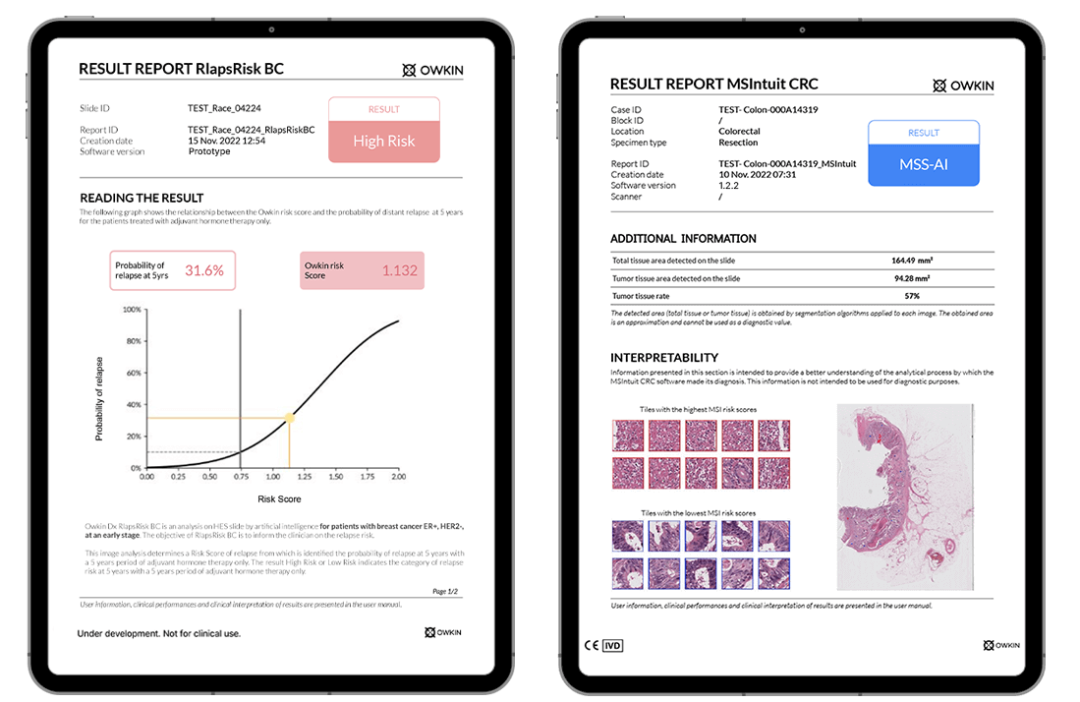
Two AI-based cancer diagnostic methods have been launched to date.RlapsRisk® BCAndMSIntuit® CRC, respectively for breast cancer and colorectal cancer, both have received EU approval.
There have been no major moves in the pharmaceuticals sector, but insteadIn June 2023, a project named Cancer Multi-Omics Spatial Atlas (MOSAIC) project, costing up to 50 million US dollars.
This project will collect datasets from 7,000 patients worldwide through cancer centers, hospitals, and spatial biology enterprises, targeting seven difficult-to-treat cancers, making it over 100 times larger than any existing spatial omics dataset.
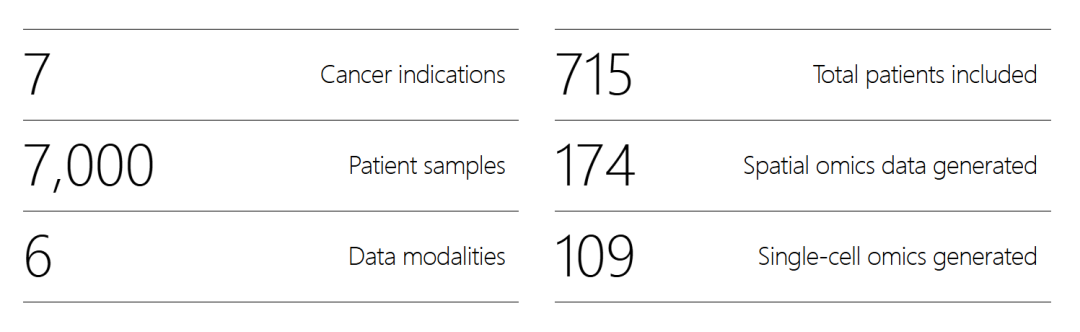
ThisThe World's Largest Multi-Omics Dataset in Oncology Space, becoming a solid backing for Owkin's self-developed pipeline.
At the same time,Owkin is also continuously refining its internal AI engine and developingThe team has successively published 57 related papers.。

OKN4395Is the result of Idorsia and external collaborators' 10 years of drug discovery, and is aPotential Best-in-Class EP2/EP4 Dual-Target Inhibitor。
The company has high hopes for this and stated that this asset has the potential to become a first-class dual inhibitor for the highly challenging EP2 and EP4 targets, a feat that generative AI has yet to achieve.
How Owkin's proud AI engine will play a role in clinical research is the main content of the report and also the focus of attention in the industry.

IncludingBiomarker Engine:Using multimodal patient data, combined with histological and molecular profiles, a detailed characterization of EP2/EP4 biology has been created, which can provide support for indication selection and clinical trial development.
AndAI Drug Positioning Engine, the engine has screened more than 30 cancer indications for OKN4395 and ranked them according to their relevance to the EP2/EP4 pathway.
In order to further expand its product line, Owkin also plans to leverage itsArtificial Intelligence Engine, to supplement internal drug discovery through licensed assets in oncology, immunology, and inflammation.
Finally, to reduce the risks of clinical trials, Owkin will apply artificial intelligence to establish a Phase 1B clinical trial.External Control Group。
This group will use multimodal patient data to select the optimal inclusion/exclusion criteria and prognostic covariates, strengthening the treatment signal in a data-driven manner.
MOSAICCausal biomarkers in patient data also play a role during this period, enabling tailored treatment plans for specific patient subgroups.
This data-driven AI drug discovery process, validated by medical experts, identifies the most promising therapeutic combinations for clinical trial success, complementing traditional expert-driven approaches.