

Novo Nordisk and Eli Lilly Clash in the New Weekly Insulin Arena
Novo Nordisk
Insulin Developer and Manufacturer
Eli Lilly
Global Pharmaceutical R&D and Production Company

As the GLP-1 R&D market in China is booming, the competition between giants has quietly escalated.
On May 24, Novo Nordisk announced: The European Medicines Agency approved itsOnce-Weekly Basal Insulin Icodec (Icodec) Launched, used to treat adult diabetes.This is the world's first insulin weekly formulation approved for marketing in the EU.
Globally, several GLP-1 weekly formulations for blood sugar reduction have been approved and launched, but insulin remains the primary choice for diabetes treatment, with an irreplaceable position. Last year, the U.S. Inflation Reduction Act brought the insulin market into an era of below $35; in China, the price of insulin had already been significantly reduced a few years ago through bulk procurement.This has spurred competition among the world's insulin giants in the updating and iteration of their products.
In the once-weekly insulin race, Novo Nordisk has once again taken the lead. Icodec insulin is the first time that Novo Nordisk has completed clinical trials in China, the EU, and the US simultaneously and submitted a new drug application concurrently. Novo Nordisk told the Health Insight Bureau:Currently, the EU has approved insulin icodec for people with type 1 and type 2 diabetes, and the official review opinion from the US FDA is also expected to be released in the second half of this year.
Eli Lilly also responded with countermeasures, announcing on May 16: Positive data were obtained from two Phase III studies, QWINT-2 and QWINT-4, of its once-weekly insulin efsitora for the treatment of type 2 diabetes.
The era of "weekly insulin preparations" is about to begin. What kind of performance will the two major domestic giants, Gan&Lee Pharmaceuticals and Tonghua Dongbao, have?

Novo Nordisk Leads the Way
GLP-1 drugs are currently a hot category, showing comprehensive benefits in blood sugar reduction, weight loss, and cardiovascular diseases. Why are the giants still conducting research on insulin, which has been on the market for over 100 years?
In terms of lowering blood sugar alone, the overall effectiveness of GLP-1 is inferior to that of insulin.Especially for Type 1 diabetic patients who cannot secrete insulin normally and some severe Type 2 diabetic patients,Insulin remains the first choice of medication。
After several rounds of innovation, insulin has reached its third generation, which allows for once-daily injection, but the medication burden on patients remains significant. Statistics show that concerns over the injection burden have led to...Up to half of patients with type 2 diabetes who require insulin therapy delay starting insulin for more than 2 years.
The weekly formulation is much more convenient, requiring only 52 injections per year, which can significantly improve patient compliance.
Novo Nordisk Takes the Lead Again in the Development of Weekly Insulin. According to information on Novo Nordisk's official website, the company has conducted six Phase III clinical trials on Icodec insulin. Among them, ONWARDS 1-5 included patients with type 2 diabetes, while ONWARDS 6 only included patients with type 1 diabetes. The results showed that the blood sugar-lowering effect of Icodec insulin is comparable to marketed varieties such as Degludec and Glargine insulin.
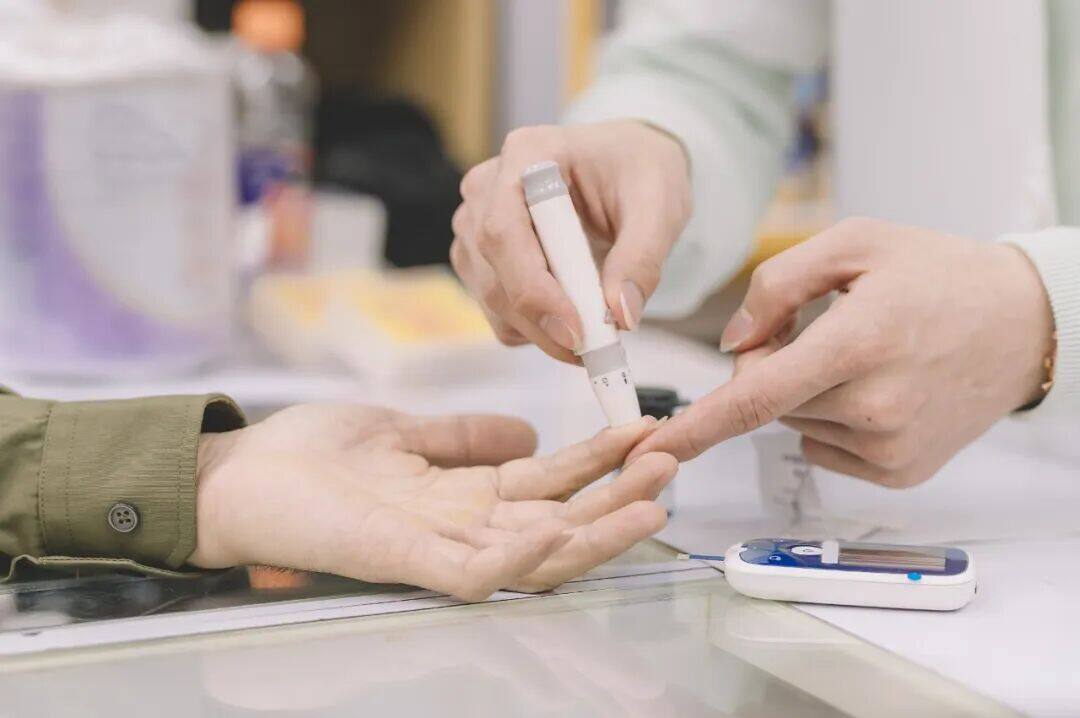
Currently, Insulin Icodec has been approved in the EU, Switzerland, Canada, Australia, and other countries and regions for patients with type 1 and type 2 diabetes.
However, on May 24, the FDA Endocrinology and Metabolism Drugs Advisory Committee held a review meeting,Ultimately, with a 7:4 vote, insulin icodec was not recommended for patients with type 1 diabetes.The FDA's concerns mainly focus on safety aspects.
In response, Novo Nordisk told Jian Shi Ju that the recommendations given at the meeting were only related to the treatment of type 1 diabetes. The FDA did not seek the committee's opinion on the use of once-weekly insulin icodec for adult type 2 diabetes during this meeting. Meanwhile,This recommendation is not the final conclusion.The U.S. FDA will officially decide whether to approve the once-weekly insulin icodec for the treatment of type 1 and type 2 diabetes by the review deadline set under the Prescription Drug User Fee Act in the second half of 2024.
The market believes that, overall, the hope for FDA approval of insulin icodec is very high. Huachuang Securities estimates,Insulin glargine sales worldwide are expected to reach the $10 billion mark.

Strong Hands Duel
In the new battleground of weekly insulin formulations, Eli Lilly and Company is no less competitive.
On May 16, Eli Lilly announced that both Phase III studies, QWINT-2 and QWINT-4, targeting patients with type 2 diabetes, met their primary endpoints.The blood glucose-lowering effect shown by efsitora is consistent with commonly used daily insulin formulations.; In terms of safety, the incidence rates of hypoglycemic events in the two trials were slightly higher than those in the control group, at 0.58 vs. 0.45 and 6.6 vs. 5.9, respectively.
In the global insulin market, Novo Nordisk, Eli Lilly, and Sanofi once formed a triopoly, occupying over 90% of the insulin market. Now, in the race for weekly insulin formulations, Sanofi has fallen behind, leaving Novo Nordisk and Eli Lilly as the two major competitors.
Novo Nordisk and Eli Lilly are strategically competing to develop weekly insulin products. Research has found,GLP-1 drugs used in combination with insulin can achieve "mechanistic complementarity" and "enhanced efficacy with reduced side effects."A win-win collaboration that yields more than the sum of its parts—naturally, the two GLP-1 giants, Eli Lilly and Novo Nordisk, wouldn’t miss out on this opportunity.
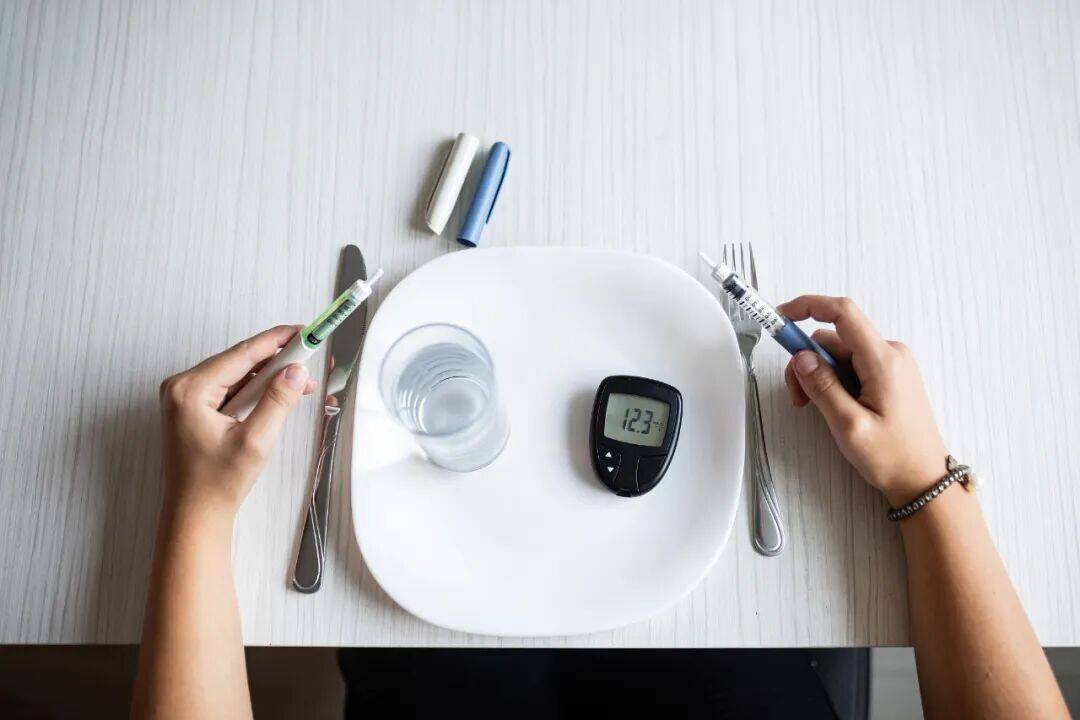
Novo Nordisk is currently advancing clinical trials of a compound formulation of Icodec insulin and semaglutide, aiming to maximize the efficacy of GLP-1 and weekly insulin.
The progress of Chinese companies in developing weekly insulin formulations is not slow either.Gan&Lee Pharmaceuticals' research variety GZR4 has currently progressed to the Phase 2 clinical stage.And completed the first subject dosing in September last year. In addition, the clinical trial of GZR4 injection in the United States is also proceeding.Tonghua Dongbao's weekly formulation product is still in the project initiation stage.
In recent years, the insulin market in China has undergone a transition from second-generation to third-generation products. Prior to the national bulk procurement program, the high price of third-generation basal insulin led to a relatively slow promotion process. During the national insulin bulk procurement initiative, Gan & Lee Pharmaceuticals adopted an aggressive price-cutting strategy, accepting short-term financial pain in exchange for winning this battle of insulin iteration.The next battle may occur in the substitution of weekly insulin formulations for third-generation insulin.
Author | Li Ao
Editor | Jiang Yan, Jia Ting
Operation | Valley
Illustration | Visual China
Statement: Original content by Jian Shi Ju, please do not reprint without permission.



Largest Investment in Eli Lilly's History! $9 Billion to Build Own Factory for Producing Tirzepatide
Zero delivery volume after winning the centralized procurement, nearly 2,000 companies back out?
Scan to add me: Join the group for communication, informed exposure, and reprint authorization
If there are any issues with the content, please contact us by email:
jianshiju@boyamedia.com
For business cooperation, please contact: 13288688512