CADD Computer-Aided Drug Design


AI Drug Developer
May 8, 2024, GoogleDeepMindandIsomorphic LabsJointly Released on *Nature*: The Latest AI Model AlphaFold 3 in the Protein Field! This model can accurately predict the structures of proteins, DNA, RNA, and ligands, as well as their interaction patterns.
This is another major breakthrough following AlphaFold 2 in the prediction of drug-like interactions. AlphaFold 3 has achieved unprecedented accuracy, including the binding of proteins with ligands and the binding of antibodies with their target proteins. In the PoseBusters benchmark, AlphaFold 3's accuracy is 50% higher than the best existing traditional methods, and it requires no structural information input, making it the first artificial intelligence system to surpass traditional physics-based prediction tools. The ability to predict antibody-protein binding is crucial for understanding various aspects of human immune responses and designing new antibodies.
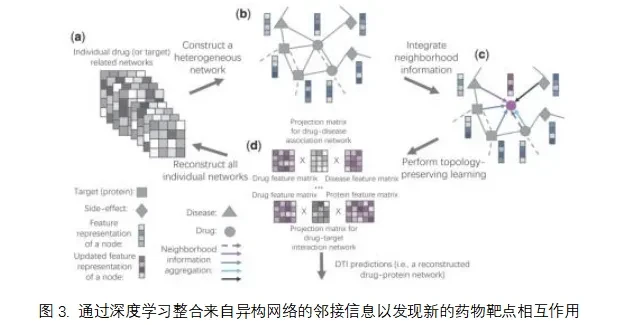
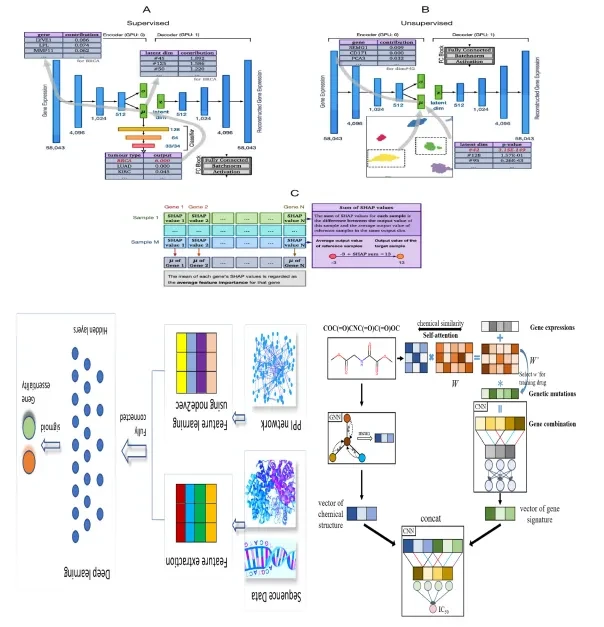
In recent years, innovations in biotechnology have led to the accumulation of omics data at an astonishing rate, ushering in the "big data" era. Extracting inherent valuable knowledge from various types of omics data remains a daunting challenge in bioinformatics. Better solutions often require more innovative approaches for efficient processing and effective outcomes. Recent advances in the integrative analysis of multi-omics data and computational modeling have helped address these needs in an increasingly harmonious manner. The development and application of machine learning have significantly advanced our understanding of biology and biomedicine, greatly facilitating the development of therapeutic strategies, particularly in precision medicine. Here, we propose a comprehensive investigation and discussion of what has happened, what is happening, and what will happen when machine learning meets omics. Specifically, we describe how artificial intelligence is applied in omics research and review the latest advances at the interface between machine learning and the broadest range of omics, including genomics, transcriptomics, proteomics, metabolomics, radiomics, and single-cell omics.

CADD Computer-Aided Drug Design
AIDD Artificial Intelligence Drug Discovery and Design
Deep Learning Protein Design
Deep Learning Genomics
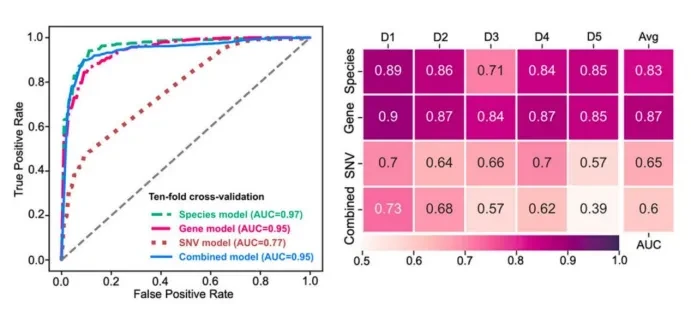
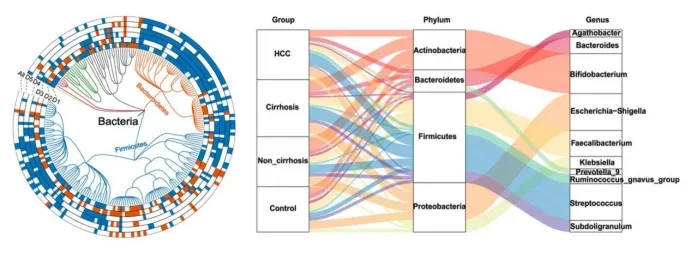
Machine Learning Microbiomics
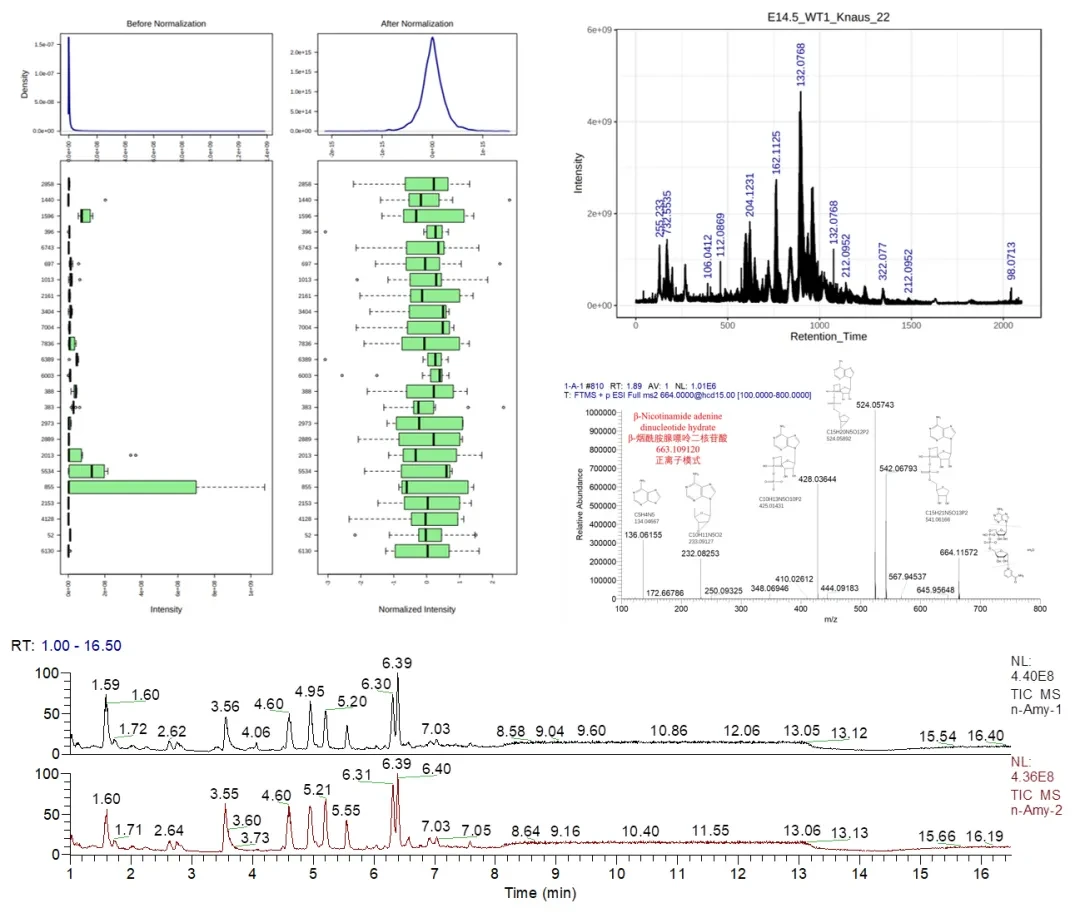
Machine Learning Metabolomics
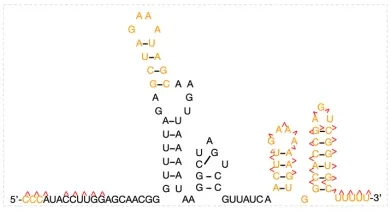
CRISPR-Cas9 Gene Editing Technology
Single-cell Sequencing and Spatial Multi-omics

The following is a content introduction

WORK OVERVIEW
CADD Computer-Aided Drug Design
AIDD Artificial Intelligence Drug Discovery and Design

Deep Learning Protein Design

Deep Learning Genomics

Machine Learning Bioomics

Machine Learning Metabolomics

CRISPR-Cas9 Gene Editing

Single-cell Sequencing and Spatial Multi-omics


Deep Learning Protein Design
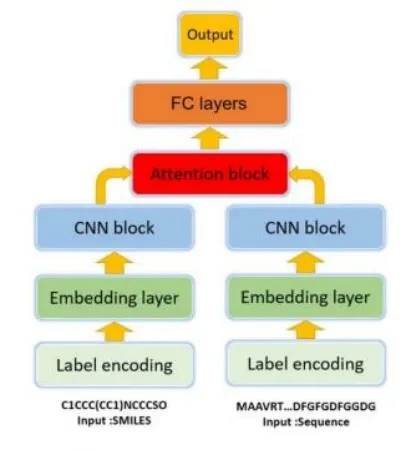
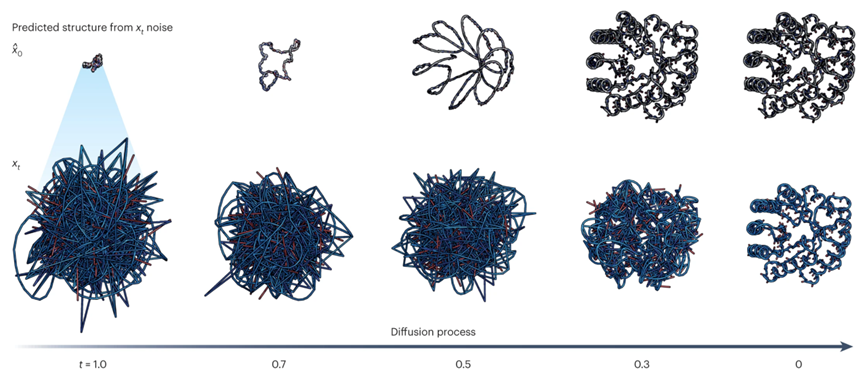
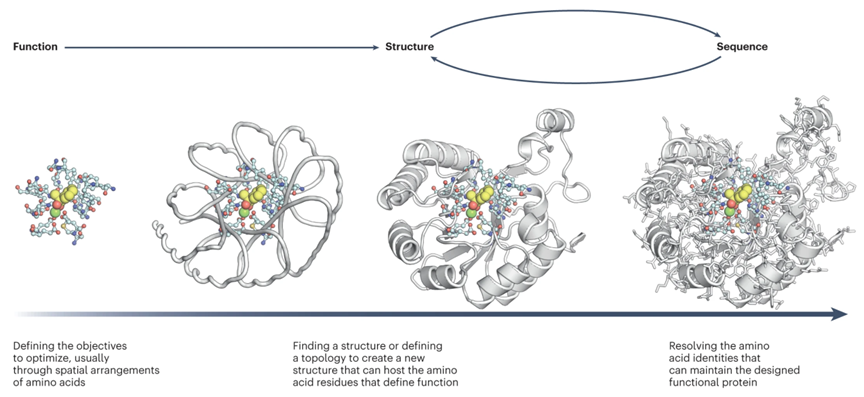
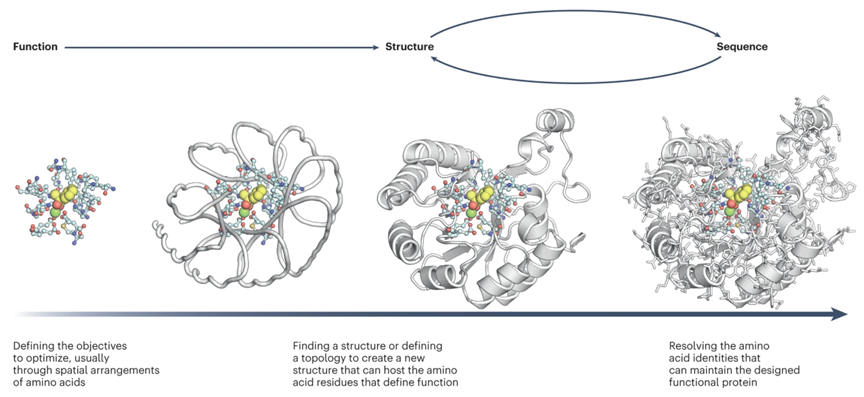
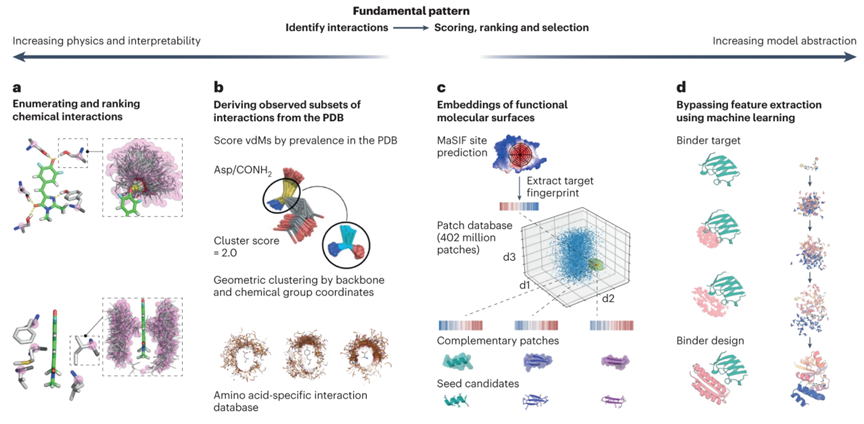
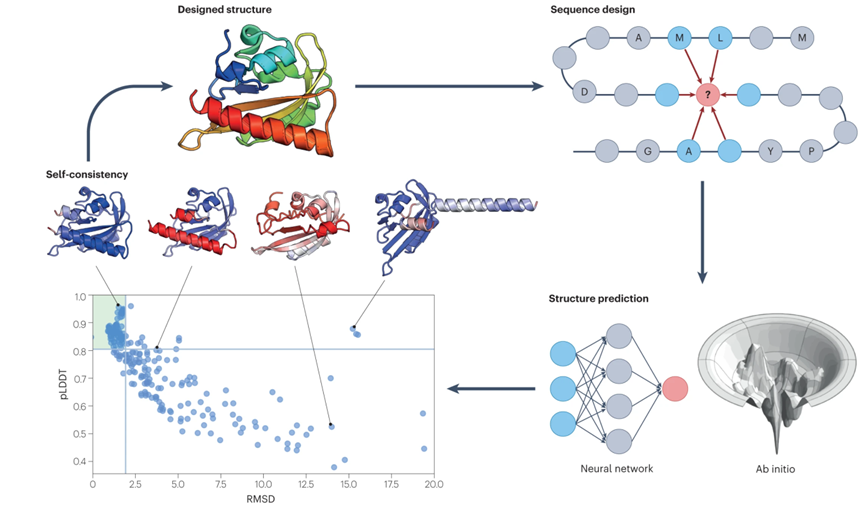
This course aims to provide students with comprehensive knowledge in the fields of deep learning and protein design. By teaching the fundamental concepts and cutting-edge technologies of deep learning, students will understand its specific applications in bioinformatics, particularly in protein design. Students will learn how to use the mainstream deep learning framework PyTorch for model construction and optimization, and through hands-on practice, they will master key techniques such as protein structure prediction, protein function prediction, and molecular docking. The course will introduce advanced models like AlphaFold and explore their significance in drug discovery. Additionally, through specialized topics such as peptide design and the reverse central dogma, students will gain a thorough understanding of strategies for deriving structure from function and designing proteins from scratch.

CADD Computer-Aided Drug Design
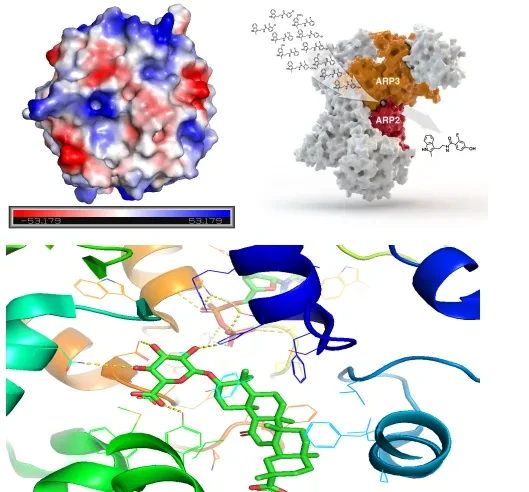
Mastering including PDB database, target protein, protein-ligand, protein-ligand small molecule, protein-ligand structure, introduction and usage of notepad, molecular docking, protein-ligand docking, virtual screening, protein-protein docking, protein-polysaccharide molecular docking, protein-hydration docking, Linux installation, gromacs molecular dynamics full operation, solvated molecular dynamics simulation

AIDD Artificial Intelligence Drug Discovery and Design
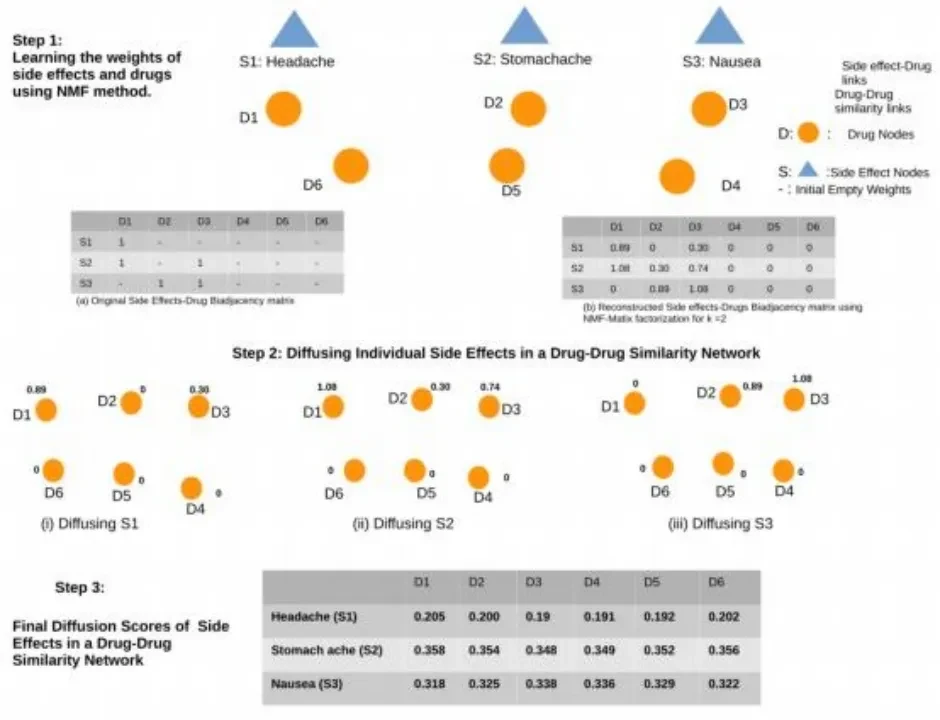
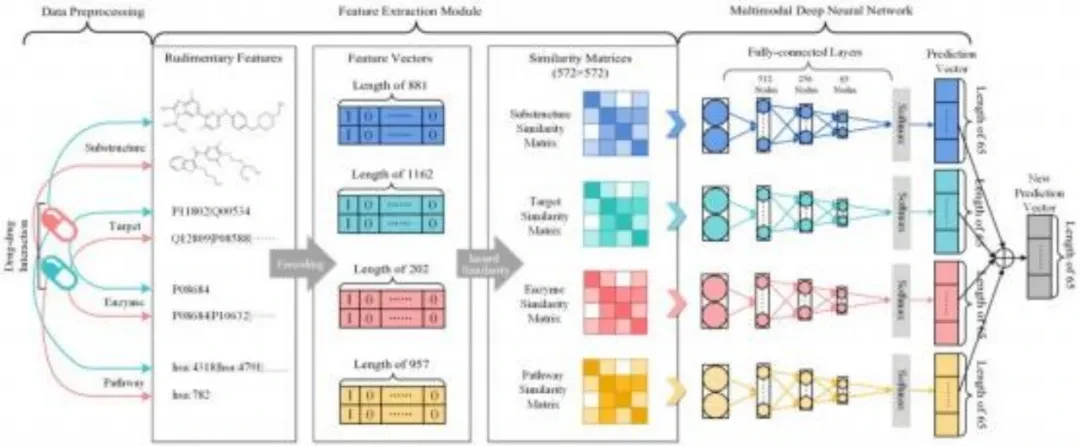
This course enables students to understand the frontier background of drug discovery, learn various common algorithms in the field of artificial intelligence, become familiar with the installation and use of toolkits, acquire certain algorithm programming skills, and be able to apply computational methods to study drug-related issues. Through extensive case studies and hands-on practice, students will develop the ability to construct AIDD models and perform data analysis.

Deep Learning Genomics
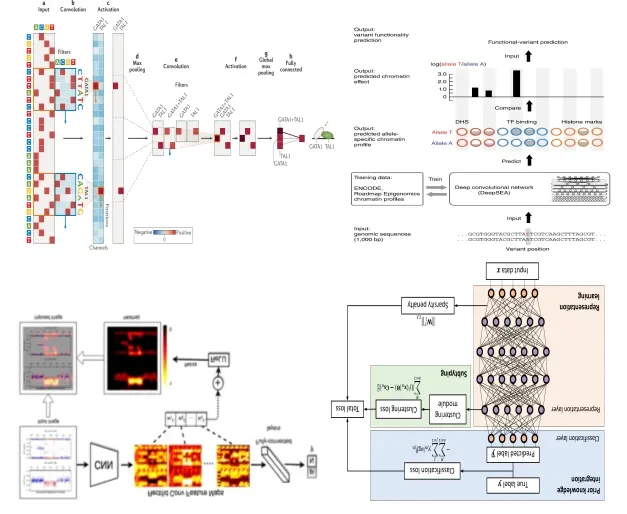
Deeply study and understand the basic framework and logic of deep learning, while mastering the use of fundamental bioinformatics software (such as Linux, R, Python, etc.), enabling learners to better handle genomic data and uncover new knowledge beyond existing information. Constructing robust deep learning models to explore new research ideas and identify potential biological mechanisms, further supporting one's own scientific research and exploration process.

Machine Learning Metabolomics
Familiar with metabolomics and machine learning related hardware and software; familiar with the entire process of metabolomics from sample processing to data analysis; able to reproduce at least 1 figure from a CNS or sub-journal level metabolomics article.

Machine Learning Microbiomics
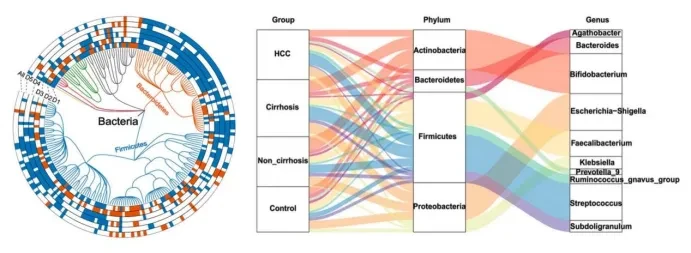
Through the systematic explanation of multiple cases in this training, the participants will learn the machine learning process in microbiome data analysis and be able to quickly apply it to their own research projects and topics.

CRISPR-Cas9 Gene Editing
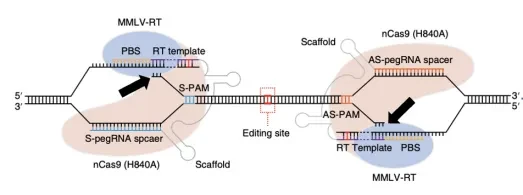
The course starts from a global perspective and goes from shallow to deep. Through the method of basic introduction + practical application case exercises, it covers the initial principle explanation to the final application practice. After completing this course, you will master the relevant principles and applications of gene editing technology. In addition, you can learn optimization strategies for gene editing systems and how to operate commonly used biological software, which can be quickly applied to your own research projects and topics.

Single-cell Sequencing and Spatial Multi-omics
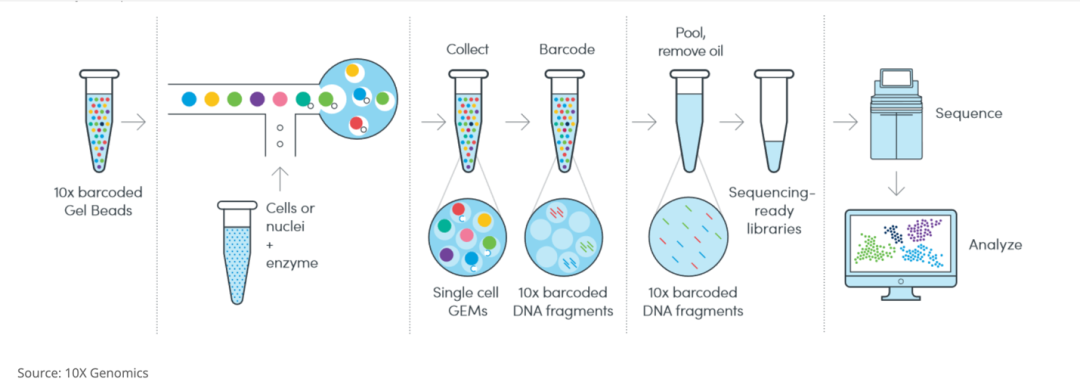
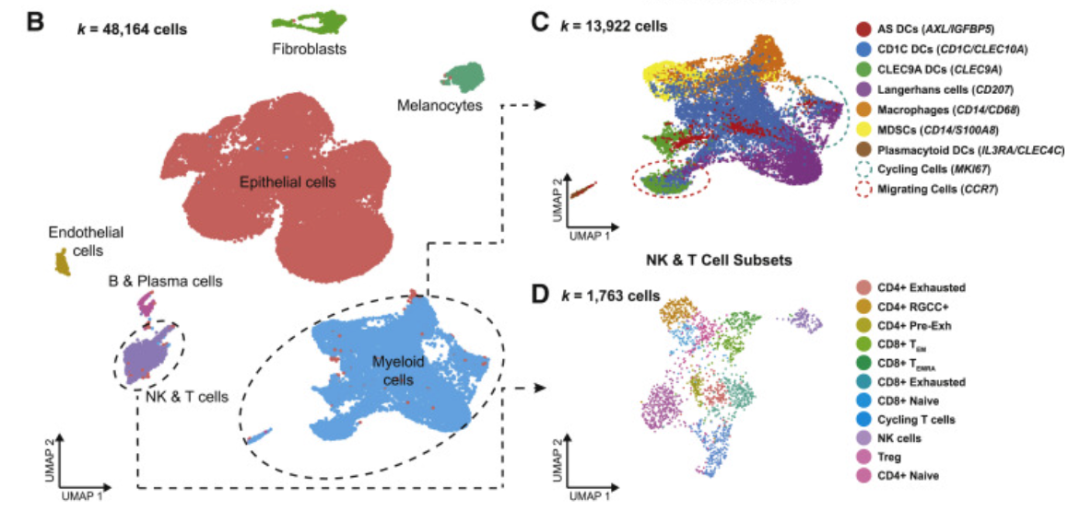
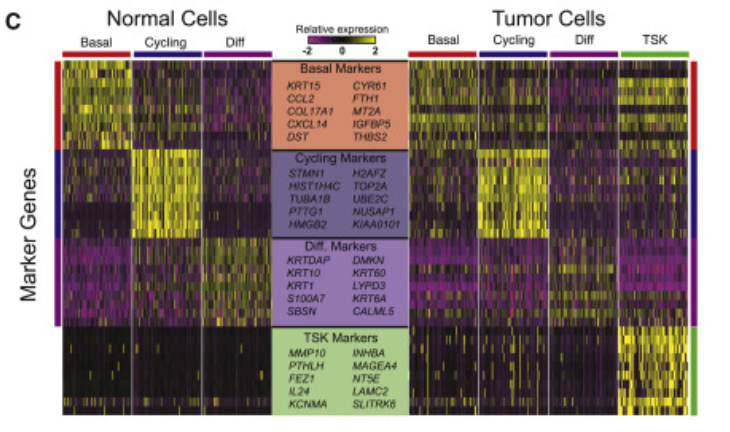
This course focuses on single-cell sequencing technology, using 10x as an example, to explain the principles and applications of single-cell sequencing technology, the generation of this technology, quality control, and data analysis. Through case studies, students will gain an in-depth understanding of basic bioinformatics tools, interpretation and analysis of common data formats in the bioinformatics field, and analysis and visualization of single-cell sequencing data. After completing this course, students will be able to independently analyze any type of single-cell data and apply the results to publish academic papers and guide practical clinical research.

Introduction of the Lecturer

Deep Learning Protein Design
The instructor is from Tsinghua University, and their research focuses on computational biology and bioinformatics. They primarily concentrate on the application of deep learning methods (especially large models) in biomedicine. In addition to their research work at Tsinghua University, they have conducted research on deep learning prediction of protein-DNA binding at Stanford University and participated in large model-related research on protein-ligand interactions at Microsoft Research. They have published several research papers as the first author or co-first author in SCI journals and have served as a reviewer for internationally renowned journals such as PLOS Computational Biology.

CADD Computer-Aided Drug Design
The lecturers are from universities and institutions in China, such as the Chinese Academy of Sciences. They specialize in research areas including deep learning, machine learning, virtual drug screening, computer-aided drug design, AI-driven drug discovery, molecular docking, and molecular dynamics.

AIDD Artificial Intelligence Drug Discovery and Design
The instructor, Mr. Yu, has over a decade of experience in computer algorithm research and program design. His research areas include bioinformatics, deep learning, drug target identification, and adverse drug reactions. He has participated in two projects funded by the National Natural Science Foundation of China and led three provincial-level scientific research projects. As the first author, he has published several SCI papers in well-known journals such as BMC Bioinformatics, Journal of Biomedical Informatics, and International Journal of Molecular Sciences.

Deep Learning Genomics
Lecturer Mr. Liu, Principal Investigator (PI) in Bioinformatics, has over a decade of experience in sequencing data analysis. His research areas include artificial intelligence, natural language processing, functional genomics, transcriptomics, miRNA and target gene network analysis, single-cell sequencing data analysis, time-series analysis of gene regulatory networks, protein-protein interaction network analysis, multi-omics integrative analysis, etc. He has led four projects, including the Provincial Natural Science Foundation, and published 23 SCI papers and one monograph.

Machine Learning Metabolomics
The lecturer is a neuroscience Ph.D. from a 985 university, primarily utilizing technologies such as metabolomics, transcriptomics, and molecular biology to research the pathogenesis and biomarkers of chronic neurological diseases. Skilled in non-targeted and targeted metabolomics research using liquid chromatography-mass spectrometry (LC-MS) technology across the entire process from sample preparation to data analysis, as well as bioinformatics integration analysis of multi-omics big data. Within the past five years, publications have appeared in J Clin Invest,EBioMedicine, Cell Death Dis, Cell Death Discov, Nanotoxicology and other journals have published 10 SCI papers.

Machine Learning Microbiomics
The main speaker is a core executive from a biotechnology company, having previously worked at institutions such as MIT and UCSF, with research published in journals like Cell and PNAS over the past five years.

CRISPR-Cas9 Gene Editing Technology
The lecturer holds a Ph.D. in Biomedical Engineering from the University of California, has conducted gene-editing research at MIT and Harvard University, and has worked on gene delivery at Yale University. Their articles have been published in journals such as Nature Biomedical Engineering and Nature Communications. They have also worked at a venture capital firm, primarily investing in startups in areas like gene editing, single-cell sequencing, and AI-driven drug discovery.

Single-cell Sequencing and Spatial Multi-omics
The lecturer, Teacher Chen, holds a Ph.D. in Bioinformatics from the University of California, Davis, and completed a postdoctoral fellowship in Bioinformatics at the University of California, San Francisco. Currently working in a renowned biotech company on bioinformatics analysis. With years of experience in whole microbial genome analysis, microbial genetic disease resistance analysis, tumor genetic variation analysis (somatic mutations and germline mutations), single-cell and spatial transcriptomics data analysis, and has developed methods for detecting CNVs in tumor samples. Published as the first or co-author in prestigious journals such as Genome Biology and Cell.


Time and Place of Instruction


Deep Learning Protein Design

2024.07.13-2024.07.14All-day teaching (morning9:00-11:30Afternoon13:30-17:00)2024.07.15-2024.07.16Evening Class (Evening19:00—Night22:00)2024,07.20-2024.07.20-2024.07.21All-day teaching (morning9:00-11:30Afternoon13:30-17:00)
Tencent Meeting Live Streaming Format

CADD Computer-Aided Drug Design

2024.07.20-2024.07.21All-day teaching (morning9:00-11:30Afternoon13:30-17:00)2024.07.23-2024.07.26Evening Class (Evening19:00—Evening22:00)
2024.07.27-2024.07.28All-day teaching (morning9:00-11:30Afternoon13:30-17:00)
2024.07.29-2024.07.30Evening Class (Evening19:00—Evening22:00)
Tencent Meeting Live Streaming Format

AIDD Artificial Intelligence Drug Discovery and Design

2024.07.13-2024.07.14All-day teaching (morning9:00-11:30Afternoon13:30-17:00)2024.07.15-2024.07.16Evening Classes (19:00—Night22:00)2024,07.20-2024.07.20-2024.07.21All-day teaching (morning9:00-11:30Afternoon13:30-17:00)
TengLive broadcast format of teleconference

Deep Learning Genomics

2024.07.20-2024.07.21All-day teaching (morning9:00-11:30Afternoon13:30-17:00)2024,07.27-2024.07.28All-day teaching (morning9:00-11:30Afternoon13:30-17:00)2024,08.03-2024.08.04All-day teaching (morning9:00-11:30Afternoon13:30-17:00)
TengLive broadcast format of teleconference

Machine Learning Metabolomics

2024.07.20-2024.07.21All-day teaching (morning9:00-11:30Afternoon13:30-17:00)2024.07.23-2024.07.24Evening Classes (Evening19:00—Evening22:00)
2024.07.27-2024.07.28All-day teaching (morning9:00-11:30Afternoon13:30-17:00)
TengLive Streaming Format for Video Conferencing

Machine Learning Microbiomics

2024.07.13-2024.07.14All-day teaching (morning9:00-11:30Afternoon13:30-17:00)2024.07.15-2024.07.16Evening Classes (Evening19:00—Night22:00)2024,07.20-2024.07.20-2024.07.21All-day teaching (morning9:00-11:30Afternoon13:30-17:00)
TengLive broadcast format of teleconference

CRISPR-Cas9 Gene Editing

2024.07.13-2024.07.14All-day teaching (morning9:00-11:30Afternoon13:30-17:00)2024,07.20-2024.07.21All-day teaching (morning9:00-11:30Afternoon13:30-17:00)2024,07.27All-day teaching (morning9:00-11:30Afternoon13:30-17:00)
TengLive broadcast format of teleconference

Single-cell Sequencing and Spatial Multi-omics

2024.07.20-2024.07.21All-day teaching (morning9:00-11:30Afternoon13:30-17:00)2024,07.27-2024.07.28All-day teaching (morning9:00-11:30Afternoon13:30-17:00)2024,08.03All-day teaching (morning9:00-11:30Afternoon13:30-17:00)
TengLive broadcast format of teleconference

Course Fee
Deep Learning Protein Design
Public fee per person per class: 6380 yuan
Self-paid price per person per class: 5880 yuan
CADD Computer-Aided Drug Design; AIDD Artificial Intelligence Drug Discovery; Deep Learning Genomics; Machine Learning Metabolomics; Machine Learning Microbiome; CRISPR-Cas9 Gene Editing; Single-Cell Sequencing and Spatial Multi-Omics
Public fee per person per shift: 5880
Self-paid price per person per class: 5480

Registration Benefits
Offer 1: Buy Two Get One Free for 10,880 RMB (Original Price: 17,140 RMB, any three courses can be selected)
Offer Two: Buy Four, Get Two Free for 18,880 RMB (Original Price: 35,280 RMB, Choose Any Six Courses to Study)
Special Offer: Full registration for 25,880 yuan (Free access to any courses offered by our company within two years, unlimited times)
Early Bird Benefit: Forward to Moments or a group chat with over 50 people to receive a 300 RMB cash red packet (limited to the first 15 participants).
(The registration fee can provide a formal reimbursement invoice and relevant payment proof, invitation letter. The reimbursement invoice and documents can be issued in advance for reimbursement.)
After registration and payment, you will receive the full set of preparatory materials for pre-class preparation.
Certificate of Completion: Trainees who participate in the training and pass the examination can obtain the "Shang Gong Action for Enhancing Quality and Literacy in the Construction of an Industrial Power" competency assessment certificate issued by the Industrial Culture Development Center of the Ministry of Industry and Information Technology. This certificate can be verified on the center's official website and serves as an important reference for competency evaluation, assessment, and appointment. Certificate inquiry URL: www.miit-icdc.org (Voluntary application, with an additional examination fee of 500 RMB per person).


SIMPLICITY
Official Contact

Contact: Teacher Liu
Registration consultation telephone: 13140025873



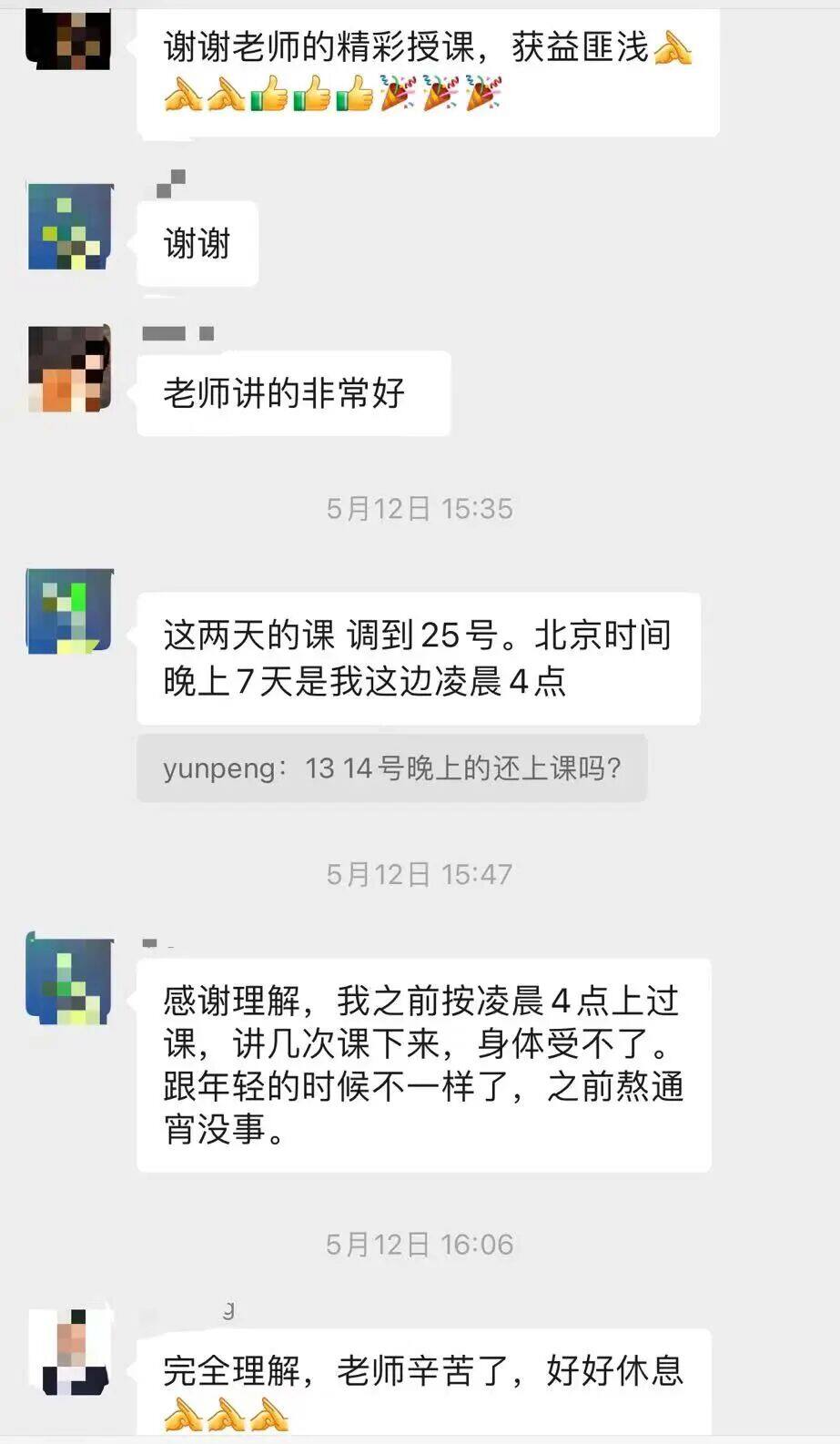
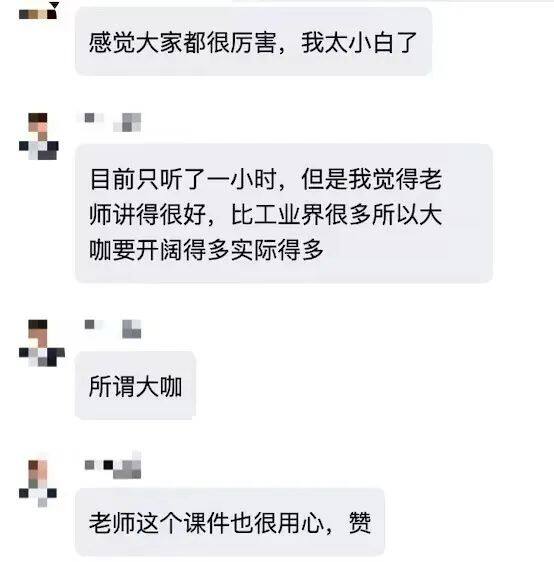
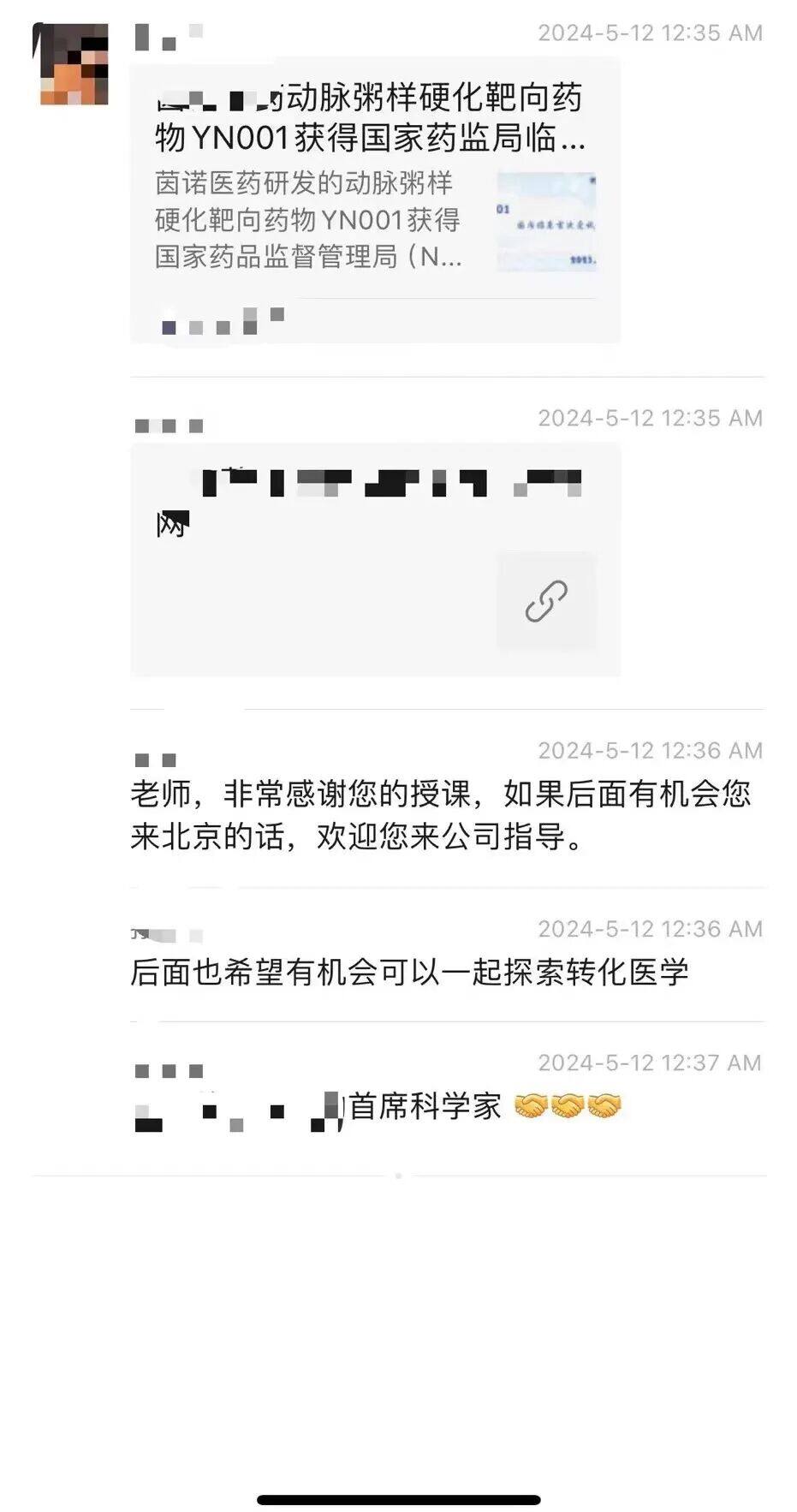
Positive Reviews from Previous Students

|
|
|
|