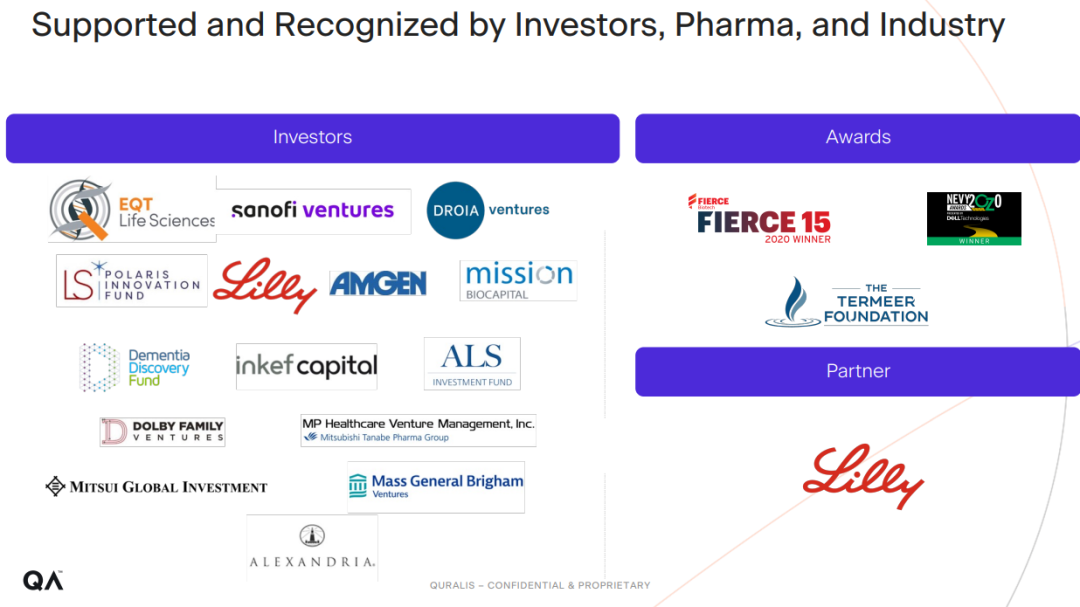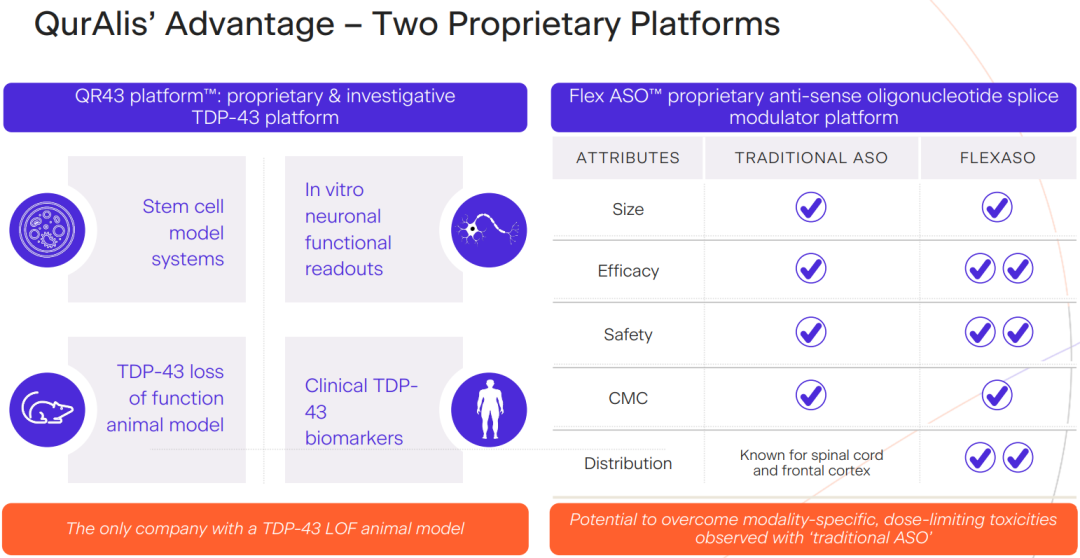
On June 3, in Cambridge, Massachusetts, QurAlis announced that it had entered into an exclusive licensing agreement with Eli Lilly and Company. Under the agreement, QurAlis will grant Lilly global rights to develop and commercialize QRL-204, a potential best-in-class splicing-modulating antisense oligonucleotide (ASO) designed to restore UNC13A function in amyotrophic lateral sclerosis (ALS), frontotemporal dementia (FTD), and other neurodegenerative diseases.Sanofi and Amgen Bet Big! $88 Million Financing to Tackle ALS Disease)Under the terms of the agreement, QurAlis granted Lilly an exclusive license to develop and commercialize QRL-204 and other UNC13A-targeted compounds worldwide.Lilly Pay$45 million upfront payment, plus additional equity investment. QurAlis is also eligible to receive future milestone payments of up to $577 million and tiered royalties on net sales.The agreement includes a research and development collaboration utilizing QurAlis' proprietary FlexASO™.Splice ModulatorPlatform, identify and develop other candidate products targeting UNC13A. Develop QurAlis FlexASO.Splice ModulatorThe platform is designed to generate splice-switching ASOs with improved activity and an increased therapeutic index. QurAlis' ASO corrects UNC13A mis-splicing, restores the production of UNC13A protein, and reduces cryptic exons that may contribute to disease progression.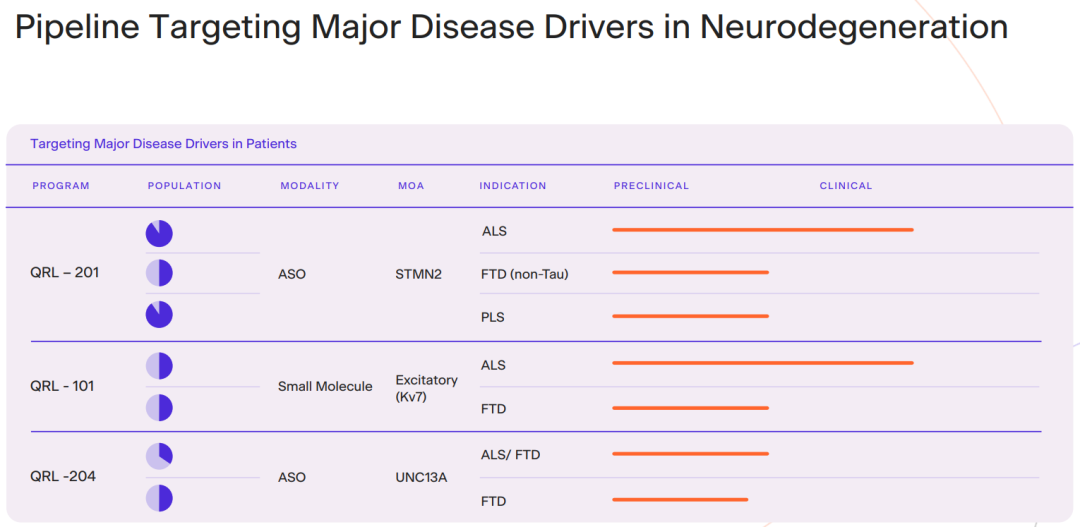 Andrew Adams, Senior Vice President and Director of Neurodegeneration Research at Eli Lilly's Gene Medicine Institute, stated:"We are determined to discover the next great idea, the next collaboration, and the next technological advancement at Eli Lilly that will drive meaningful treatments for patients with ALS and FTD. It is all for one reason – to make life better for more people. Gene precision medicines, such as QRL-204, which target specific causal components of disease pathology, hold promise for making meaningful progress in combating neurodegenerative diseases like ALS and FTD. We look forward to collaborating with QurAlis to identify and develop more next-generation candidate drugs targeting UNC13A."
 CEO and Co-founder of QurAlisKasper RoetIndicates:"We are thrilled to collaborate with Eli Lilly and Company on behalf of the entire QurAlis team. Lilly is an innovation-driven company committed to advancing transformative medicines that help people around the world live better lives. At QurAlis, we are dedicated to exploring the deepest layers of human neurology to find treatments that patients urgently need. This partnership allows QRL-204 to move rapidly into clinical trials while we continue to advance our other leading programs. We look forward to combining our complementary strengths to discover more candidate drugs targeting UNC13A, which have the potential to change the treatment landscape for neurodegenerative diseases such as ALS and FTD."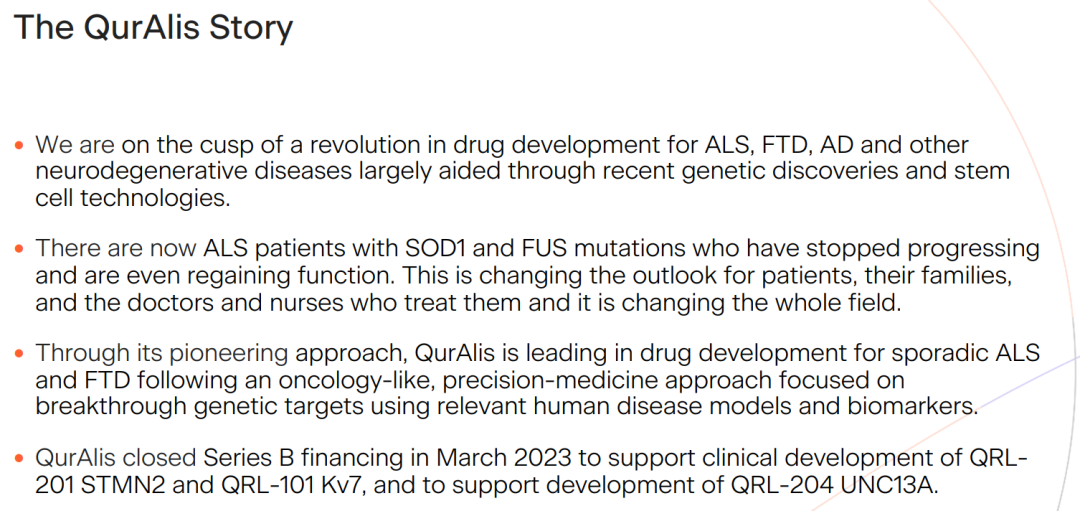
Amyotrophic lateral sclerosis is a progressive neurodegenerative disease characterized by the loss of neurons in the spinal cord, brainstem, and brain. SporadicA defining feature of sexual and familial diseases is the cytoplasmic mislocalization of TAR-DNA binding protein-43 (TDP-43). TDP-43 pathology is associated with 90% of ALS cases and approximately 50% of FTD cases.
UNC13A is an important regulator of synaptic neurotransmitter release and also one of several factors that are misspliced due to the loss of nuclear TDP-43 in disease.pre-mRNAsOne. Up to 63% of ALS patients and up to one-third of FTD patients carry a single nucleotide polymorphism in the UNC13A gene or exhibit TDP-43 pathology, which significantly exacerbates UNC13A splicing errors, leading to the loss of UNC13A protein function.
Follow the official account below to see the world!