Medical Device Media Reporting Pioneer
Share Professional Medical Device Knowledge
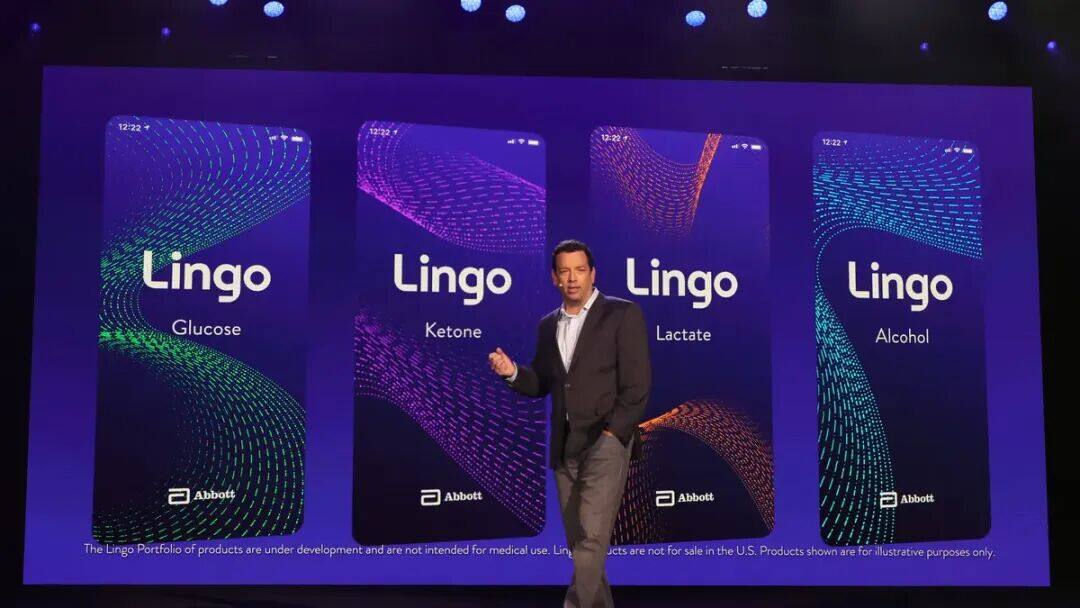
Recently,Global CGM giant Abbott (NYSE: ABT) announced that its Lingo over-the-counter glucose monitoring biowearable device has received FDA 510(k) clearance and is set to enter the U.S. market.Lingo is exclusively designed forDesigned for Non-Diabetic Patients, used to monitor blood glucose fluctuations, targets ordinary people who are concerned about their blood glucose health. Lingo can inform users of their blood glucose peaks and how their bodies respond to food, sleep, and exercise, aiming to help users achieve a healthier lifestyle.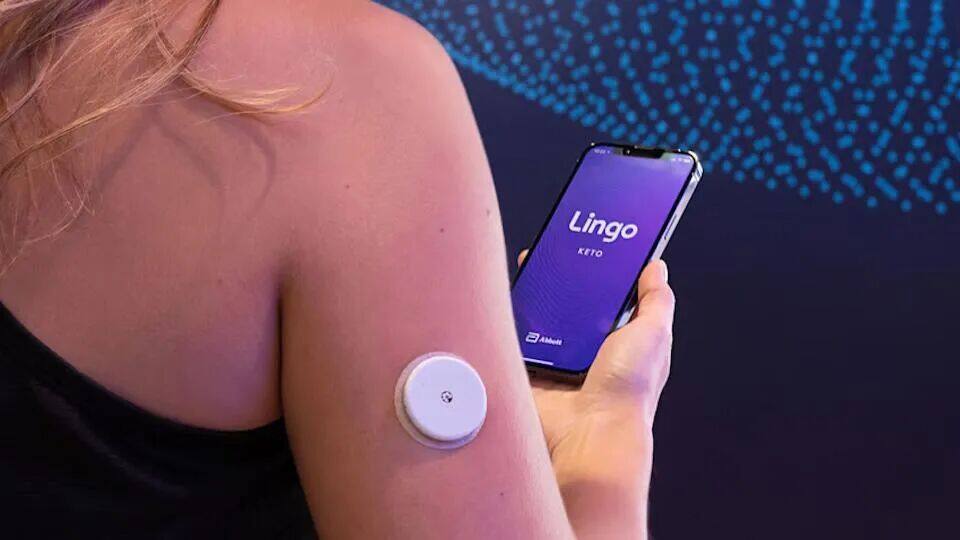
Following the FDA's approval, Abbott will compete with Dexcom in the emerging over-the-counter (OTC) blood glucose monitoring device market.In March this year, Dexcom's continuous glucose monitor "Stelo" received FDA approval, becoming the first approved OTC continuous glucose monitoring device.Abbott's Lingo was first launched in the UK last year, but its FDA approval came two months later than Dexcom's.However, neither of the two companies' products are currently listed in the U.S.,Dexcom Plans to Officially Launch This Summer, while Abbott has not yet disclosed the specific launch time.
Core Technology Based on 5 Million PeopleLingo is equipped with a biosensor based on Abbott's continuous glucose monitoring technology, which is used by 5 million people worldwide.The biosensor features a small circular design, adheres to the back of the upper arm, and can be worn continuously for up to 14 days without charging.The sensor, dedicated app, and unique glucose fluctuation detection algorithm work together to transform the user's daily glucose patterns into an easy-to-understand Lingo technology system, setting daily goals.Lingo can not only monitor blood glucose fluctuations but also help users better understand their health conditions through real-time feedback and personalized guidance.Whether it's eating different foods or engaging in various activities, Lingo quickly responds to provide users with practical health advice, helping them adjust their diet and lifestyle to maintain stable blood sugar levels.Abbott hopes that through this innovative product, it can help more users achieve their health goals and enjoy a better quality of life.Now users can purchase the device through the Lingo official website. Medical inquiries have found that the device is currently sold in two package options:- 2-week version: £89 (approximately 823 RMB),Including 1 continuous glucose monitor and access to the Lingo application.
- February Edition: £300 (approximately RMB 2,775),Including 4 continuous glucose monitors and access to the Lingo app.
Competitors Are About to LaunchWhat are the differences between the two products?
Earlier this year,Dexcom's first over-the-counter CGM device, Stelo, has also received FDA approval.Dexcom plans to officially launch this summer.The biggest highlight of Stelo is that it is specifically designed for type 2 diabetes patients who do not require insulin injections.It can be purchased and used without a prescription, further facilitating the majority of Type 2 diabetes patients on non-insulin injection therapy to access leading CGM technology.Particularly suitable for individuals who do not use insulin, such as patients managing diabetes with oral medications, or those without diabetes but interested in understanding the effects of diet and exercise on blood glucose levels.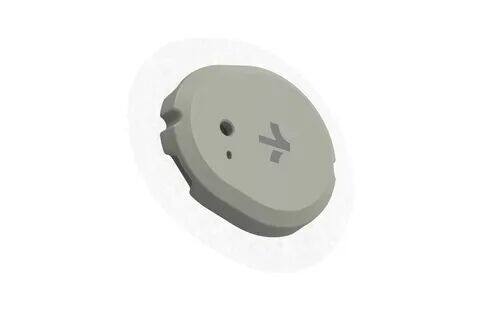
Stelo Continuous Glucose Monitor
According to the introduction,STelo, based on Dexcom's existing G7 CGM platform, allows each sensor to be worn continuously for approximately 15 days, which is longer than the company's main products, the G6 and G7 sensors.The latter made its commercial debut last year. The core of Stelo is not centered around hypoglycemia alerts but rather provides insights into real-time readings in a more "health-focused" manner. In other words, this is not a life-saving device but a blood glucose management product designed to improve quality of life.
In terms of pricing, Dexcom's CGM series is the most covered and reimbursed CGM in the U.S. market, with one-third of commercially insured patients paying $0 out-of-pocket, and some patients paying less than $40 per month; among patients paying $0, Dexcom has more than three times the share of other CGM competitors.But if not covered by insurance, the monthly cost of Dexcom CGM is approximately $173.
--
It is estimated thatApproximately 25 million people in the United States with type 2 diabetes do not use insulin therapy,These individuals can benefit from CGM technology. HoweverIn the United States, blood glucose monitors are prescription devices that require a doctor's approval.If they control their blood glucose levels through oral medications rather than insulin injections, they will not be able to access CGM devices.
The launch of Lingo and Stelo truly benefits this group of people. They can be purchased and used without a prescription, further facilitating the vast majority of Type 2 diabetes patients who are on non-insulin injection therapy to access leading CGM technology. At the same time, it can also help non-diabetic users achieve their health goals and enjoy a better quality of life.
Since the two companies launched over-the-counter CGM, nearly 300,000 new non-insulin CGM users have been added, surpassing the previous expectation of 200,000. Analysts predict that this growth could push the U.S. CGM market to exceed $7.8 billion by 2025 and reach $10.3 billion by 2027.
With the continuous advancement of technology and the increase in consumer health awareness, this market will attract more and more participants and investors.It is worth noting that,Companies that have received approval must meet the stringent requirements of integrated CGM, ensuring the accuracy of device readings is sufficient for automated insulin delivery, which sets a high technical threshold for potential competitors.In contrast, medical device companies like Abbott and Dexcom, which specialize in the R&D of CGM, will establish strong competitive barriers in the market due to their current first-mover advantage, also securing greater market space for themselves.So, what will these two companies do in the future?What Sparks Will the OTC CGM Market Ignite? Who Will Capture the US $10 Billion Market? Yiqian Will Keep a Close Watch.
More exciting content
Welcome to follow WeChat Video Channel

BusinessBusiness cooperation email: qxzj@landianyiliao.com