
Venmedtech
Peripheral Vascular Field Product R&D and Manufacturer

”

Suzhou Venmed Technology Co., Ltd. is a high-tech enterprise dedicated to intravenous treatment, adhering to the aim of providing one-stop solutions for venous diseases.【V-FAMILY】Full Solution Product Suite, including Venastent iliac vein stent, Vencatcher endovascular foreign body retrieval device, Venavoy venous balloon, Venhammer high-pressure balloon, Venfree great saphenous vein stripping catheter, V-Axe thrombectomy catheter, Venaccess thrombus aspiration catheter, Venligne infusion catheter and other products.
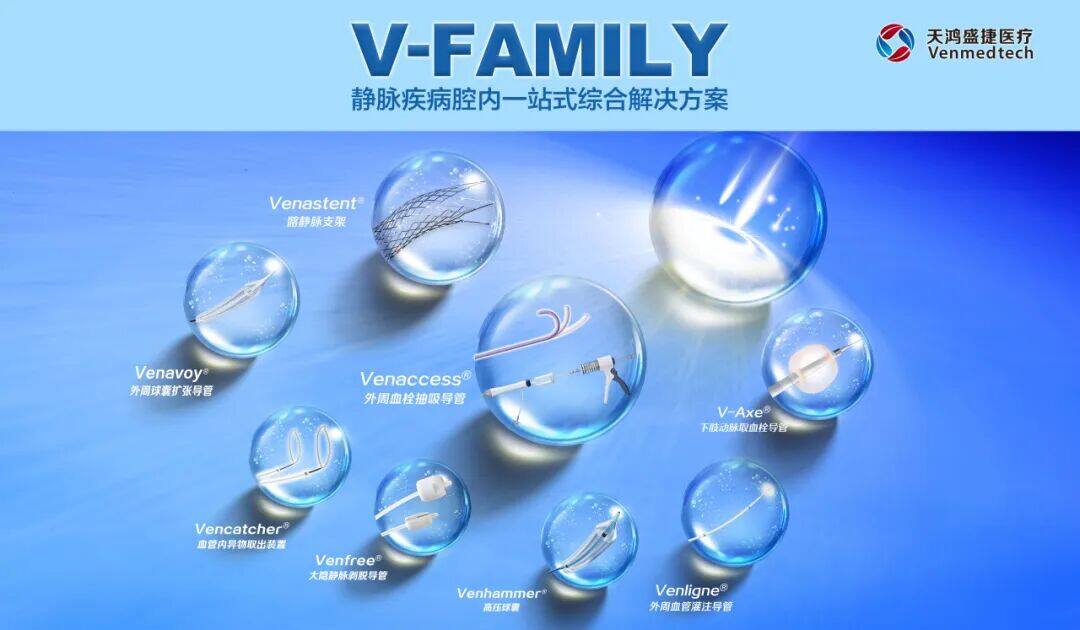
Today, we bring you Shanghai Tenth People's HospitalProfessor Lian Weishuai's TeamVenaccess®First Application of Thrombectomy Catheter in Iliofemoral Venous Thrombosis.
”
Case Brief
”

Patient:Female, 82 years old
Chief Complaint:Swelling of the left lower limb for more than 2 days
History of Present Illness:The patient began to experience swelling in the left lower leg two days ago, extending from the calf to the groin. There is no tenderness, skin temperature is normal, and there is no cyanosis, desquamation, eczema, abnormal pigmentation, or ulcer formation on the lower limb skin.
Upon further inquiry, the family reported that the patient underwent arthroscopic bilateral meniscus repair surgery under general anesthesia on May 21, 2024, and had long-term immobilization of both lower limbs post-surgery.
Past Medical History:History of hypertension, treated with oral Norvasc.
Auxiliary Examination:Ultrasound of the lower limb veins showed: incomplete thrombosis in the left iliac vein; thrombosis in the left femoral vein-popliteal vein; thrombosis in some muscular veins of the left calf; the remaining deep venous blood flow in both lower limbs was unobstructed. Currently, no obvious abnormalities were observed in the right iliac vein, with smooth blood flow, and no obvious abnormalities were seen in the inferior vena cava.
Clinical Diagnosis:
Deep Vein Thrombosis (Left Lower Limb)
Meniscus Degeneration (Postoperative)
”
Treatment Strategy
”

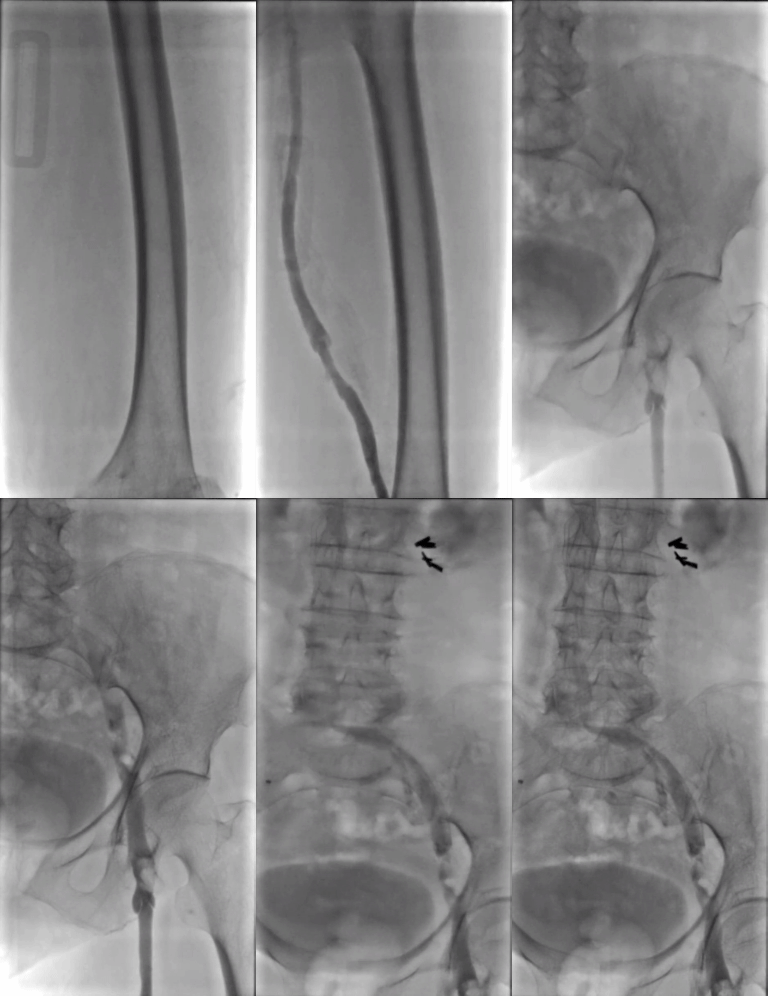
Venography of the patient's lower extremity showed:No visualization of the entire left popliteal vein, femoral vein, and iliac vein, thrombosis formed.
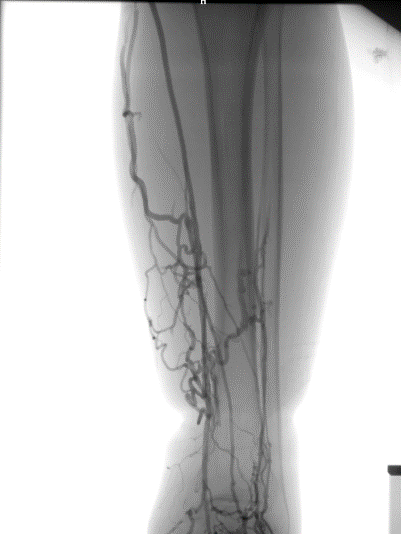
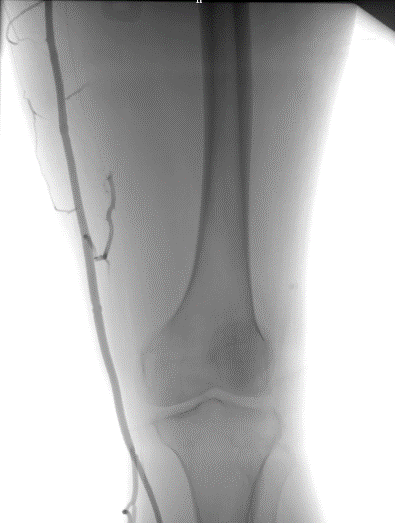
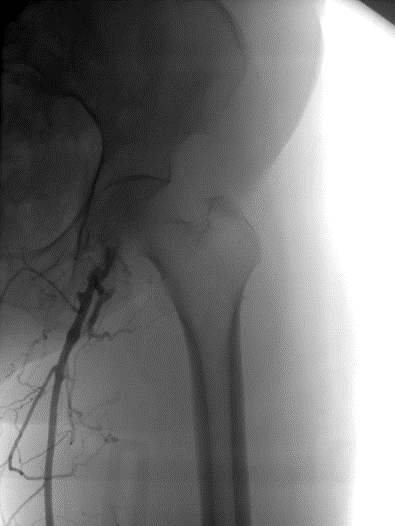
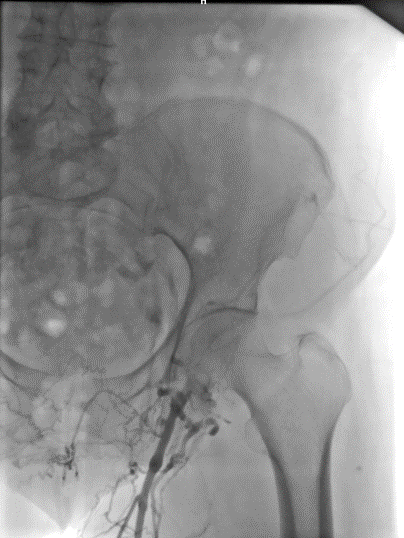
Inferior vena cava filter placement was performed first, followed by thrombectomy of the left lower extremity vein. If there is concurrent iliac compression, stent placement may be considered.
”
Surgical Procedure
”

The patient was placed in a supine position, routinely disinfected and draped. Local anesthesia with 1% lidocaine was administered in the right inguinal region. The right femoral vein was punctured using the Seldinger technique, and a 6F vascular sheath was inserted. A guidewire was used to advance a single-curve catheter to the distal end of the inferior vena cava. Angiography through the vascular sheath showed that the inferior vena cava was patent without evidence of thrombosis.
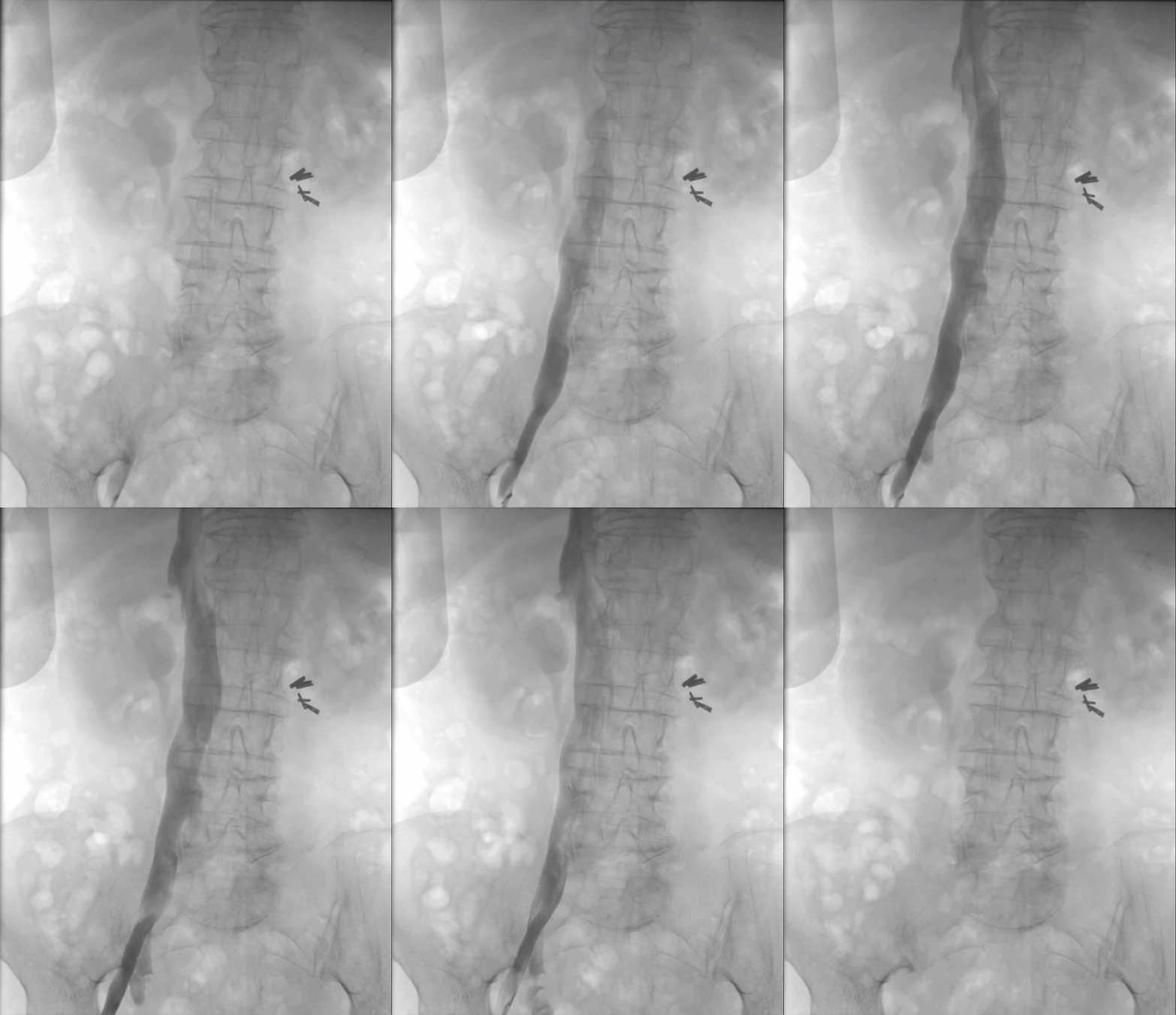
The guidewire was exchanged for a long sheath, through which a retrievable filter was delivered into the vena cava. Under roadmap mode, the filter was positioned at the lower edge of the renal vein and deployed.
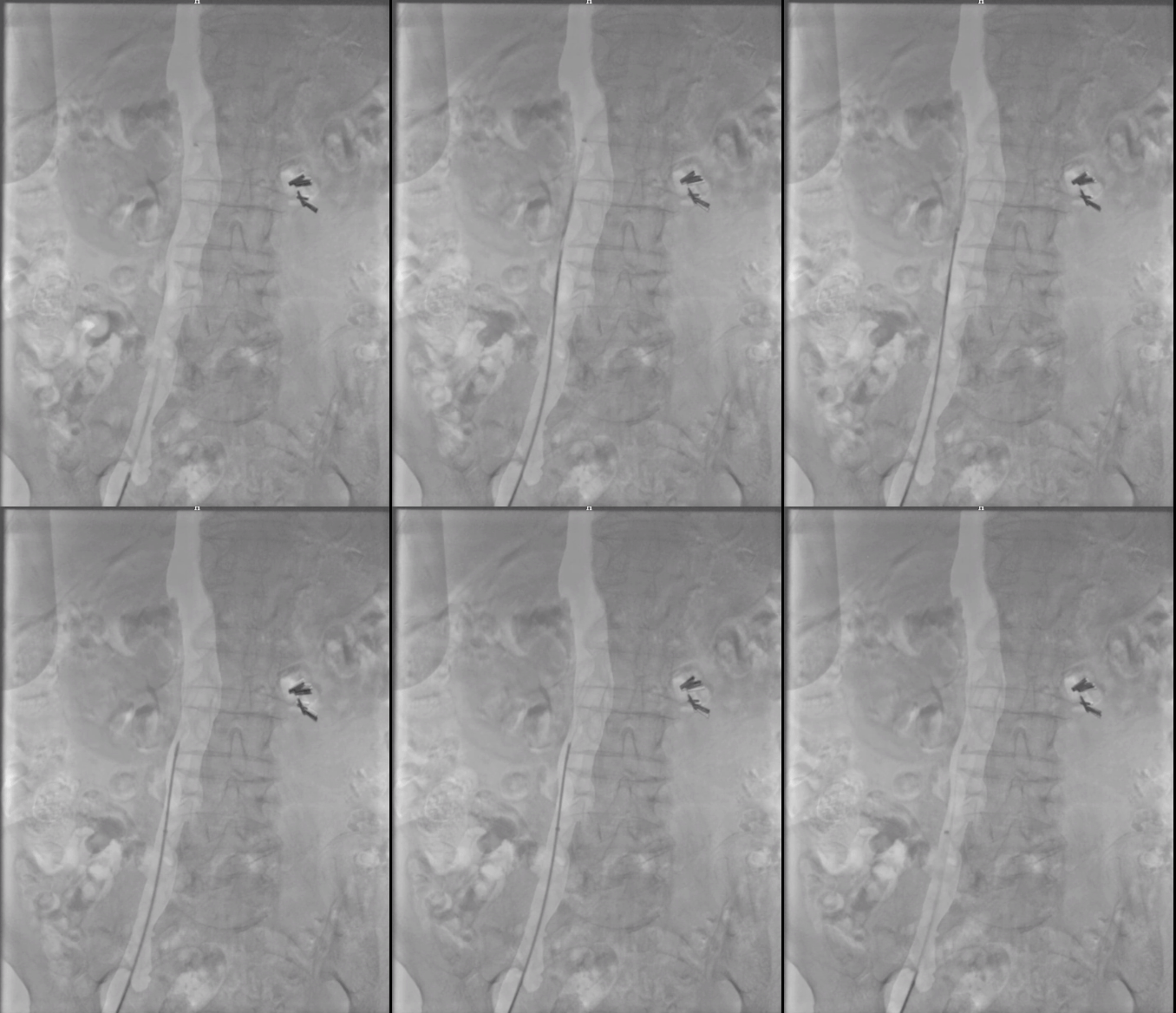
Repeat angiography showed satisfactory filter shape and position.
Successful puncture of the left popliteal vein under ultrasound guidance, placement of a 10F catheter sheath, and repeated attempts to reach the inferior vena cava via the sheath using a malleable guidewire and a single-curve catheter.
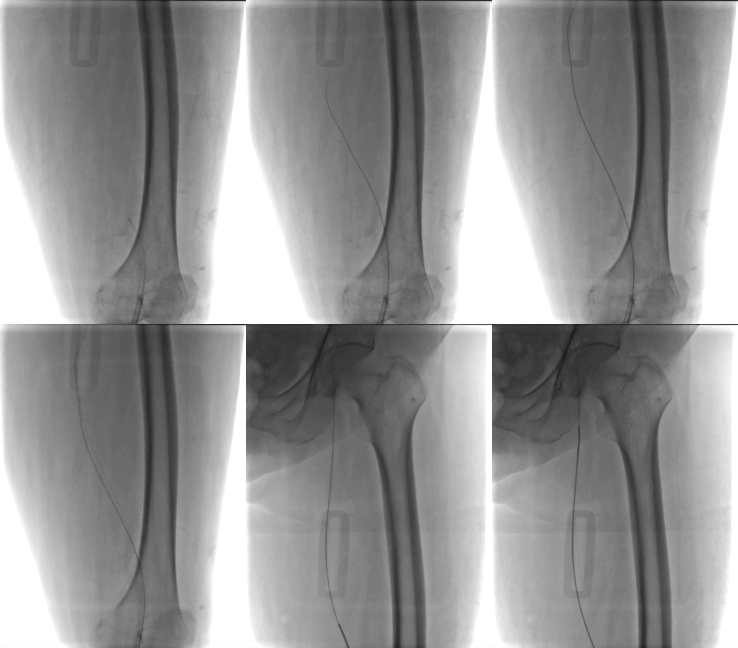
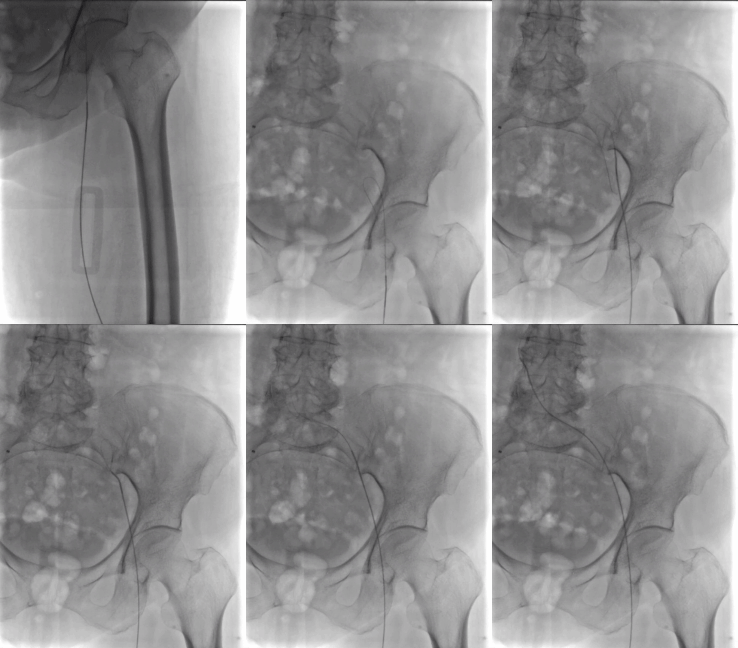
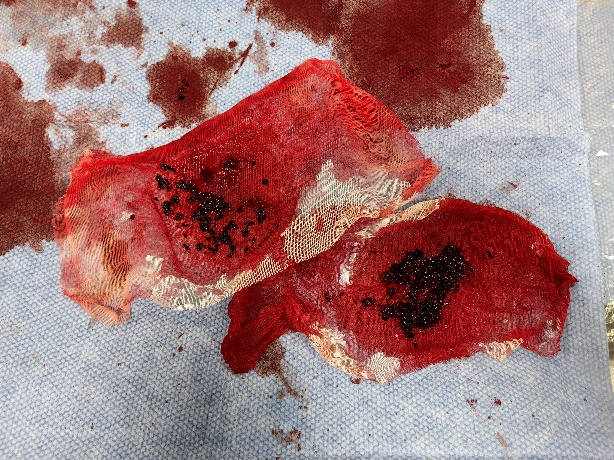
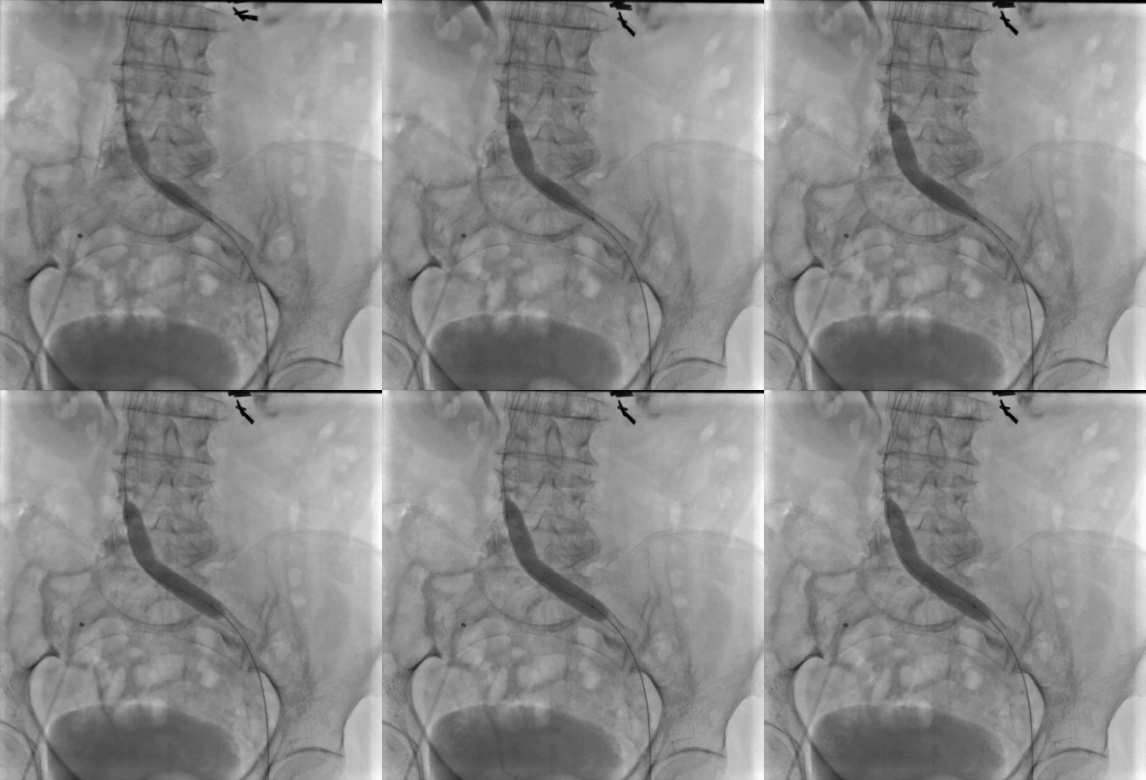
Import 10F Venmedtech Venaccess®Thrombectomy catheter, repeatedly suctioning thrombus through the popliteal vein to the common iliac vein, continuously adjusting the curvature of the catheter during the procedure to remove mural thrombus as completely as possible.
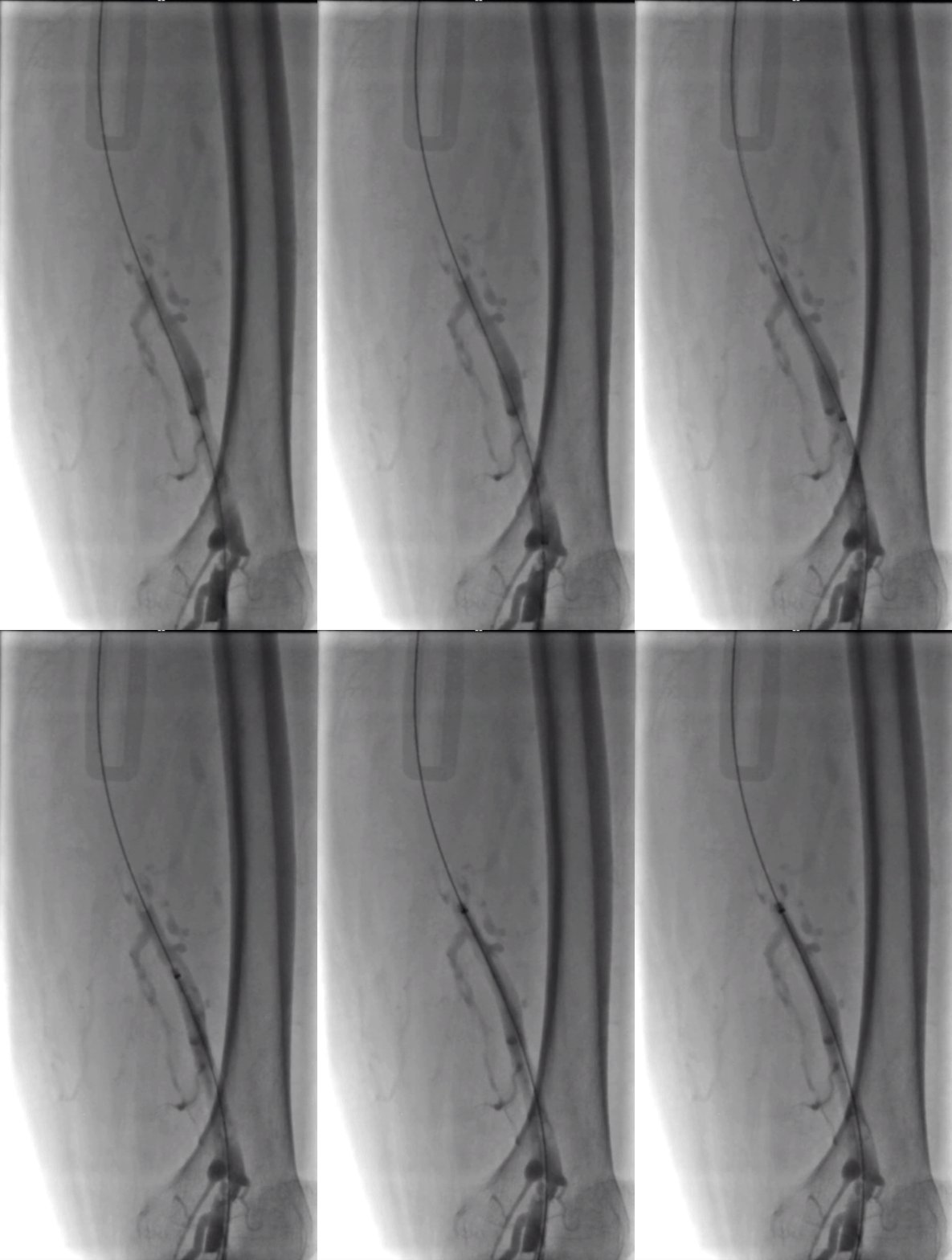
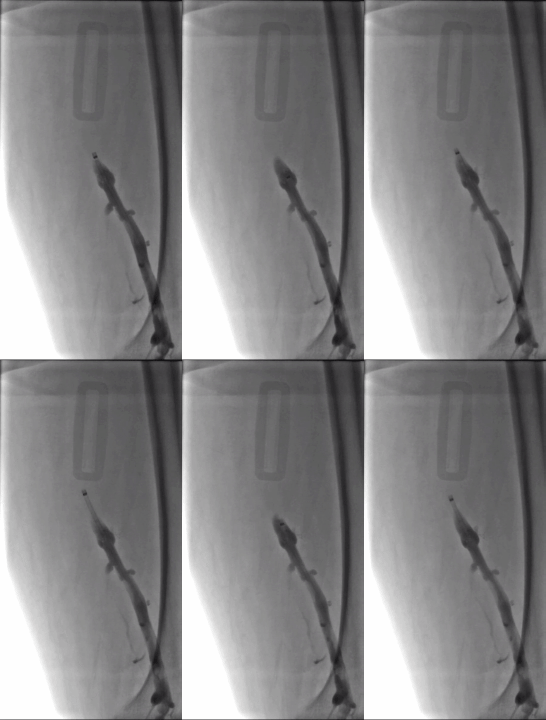
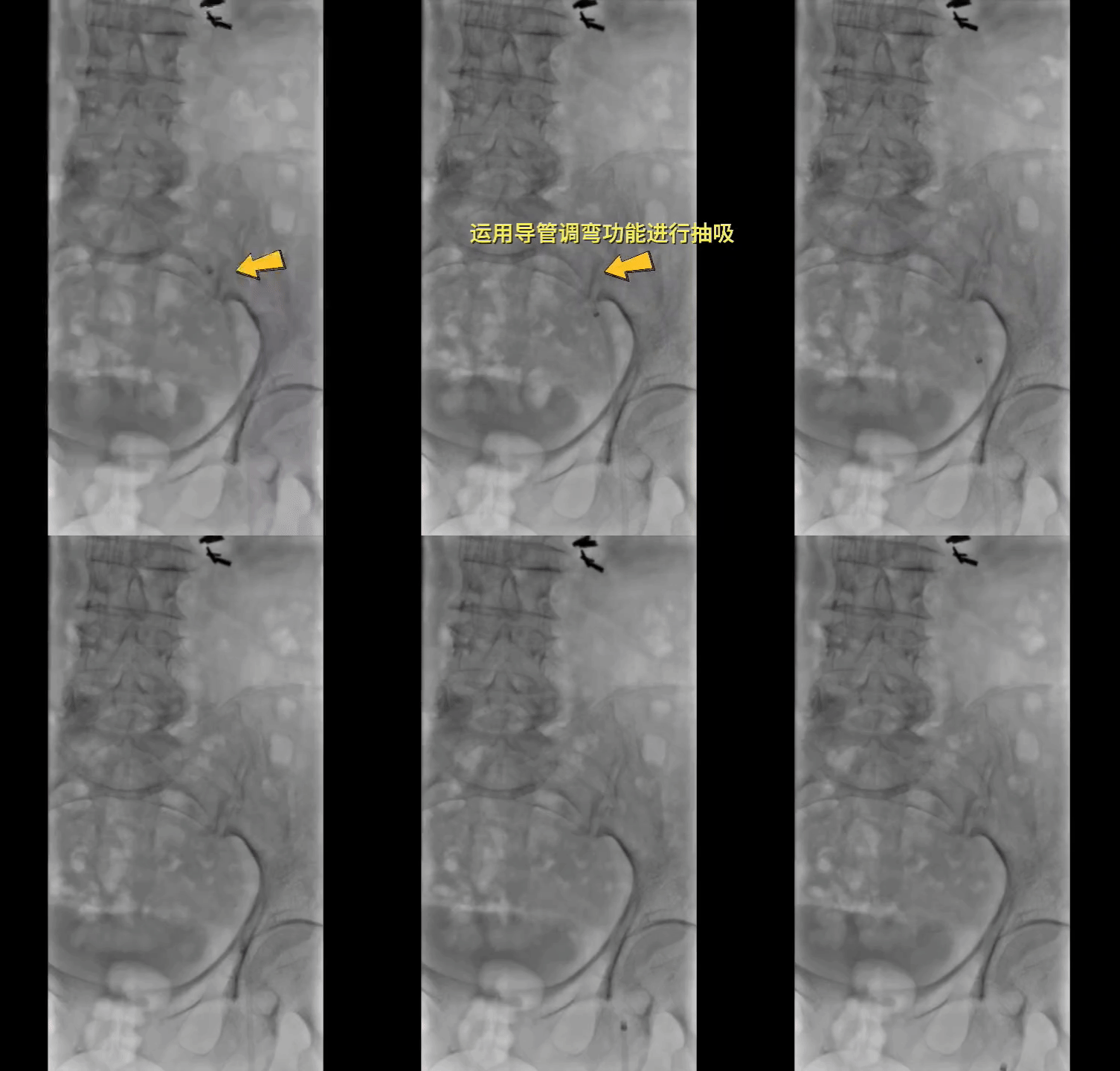
A large amount of thrombus was aspirated during the surgery.
Angiography showed that the thrombus in the femoral vein was basically cleared, and there was residual thrombus in the left iliac vein.
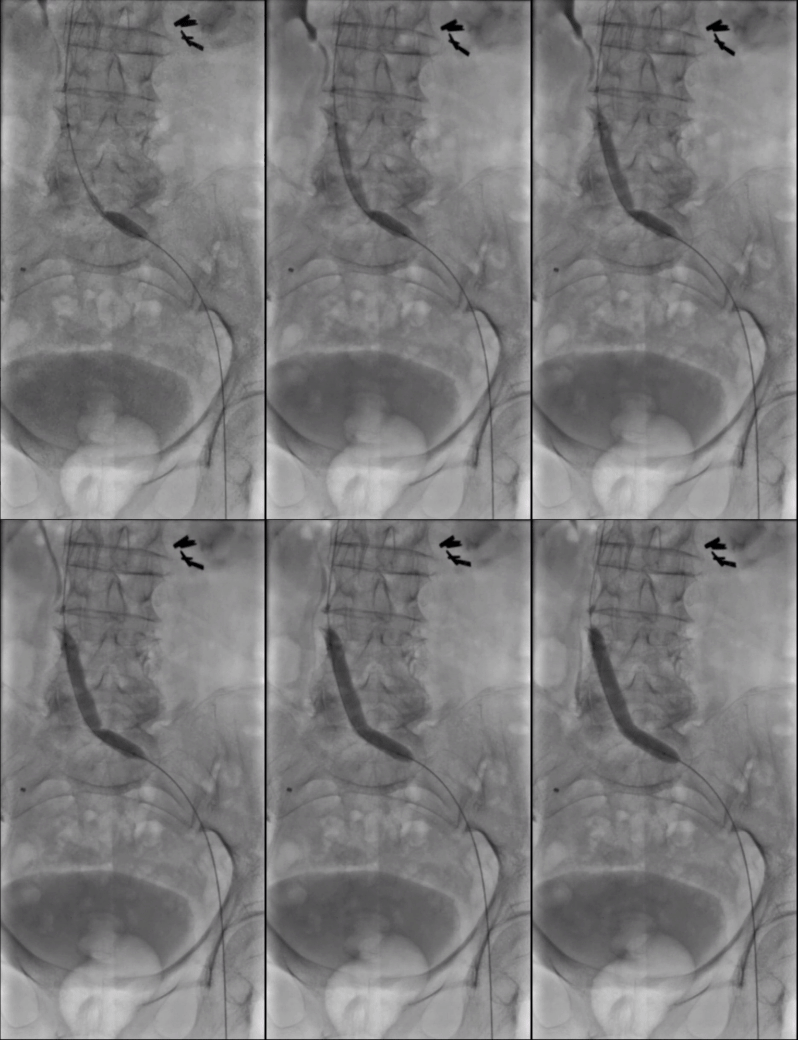
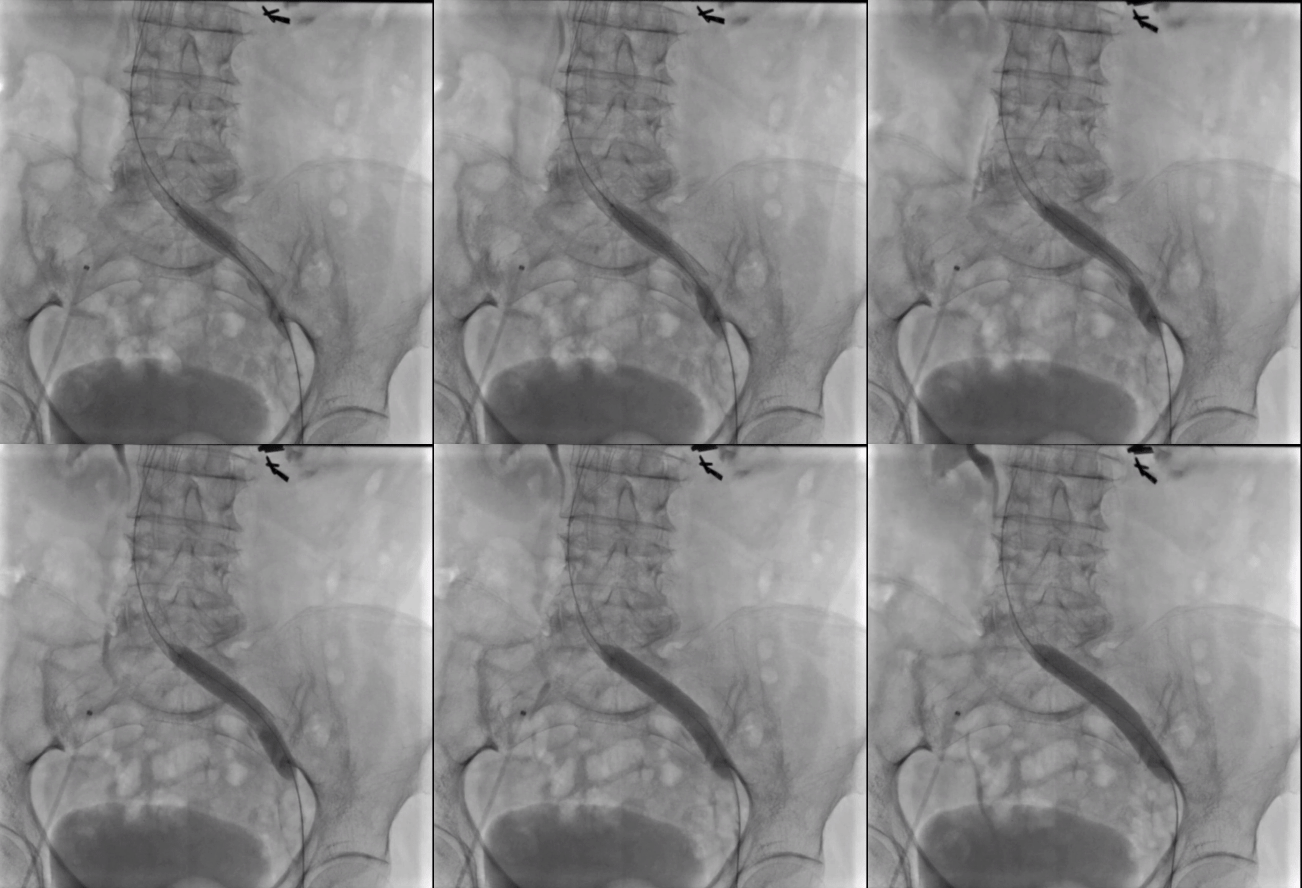
A 10*80mm balloon was introduced to dilate the iliac and femoral veins, with a significant waist observed during balloon dilation.
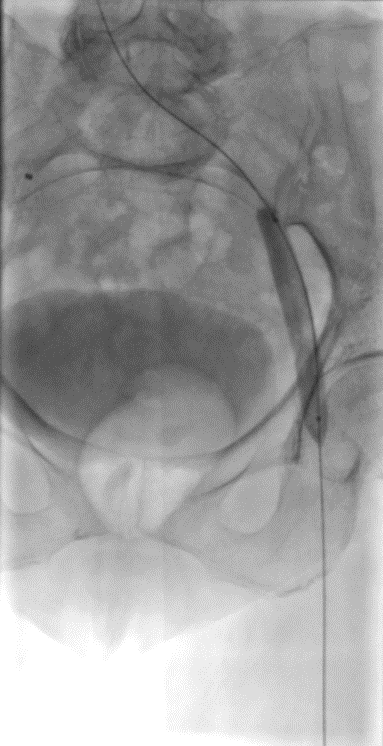
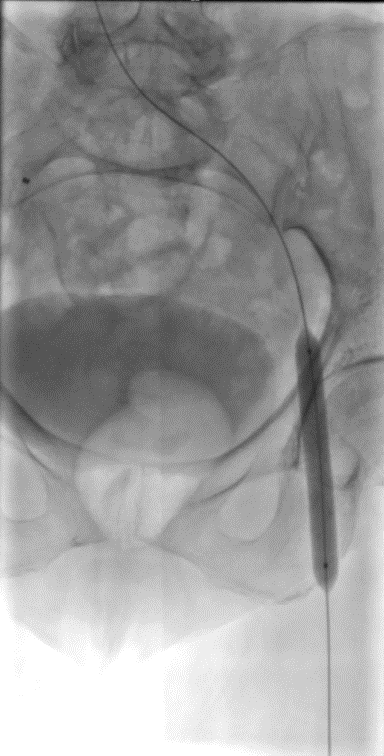
Contrast angiography of the iliac vein was not visible, suggesting the presence of iliac compression.
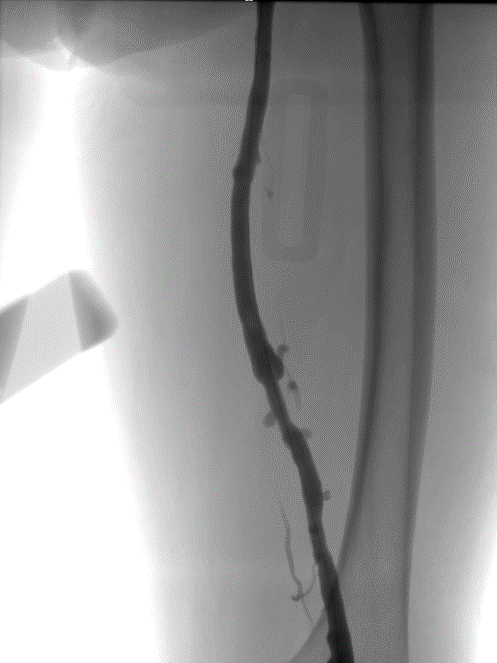
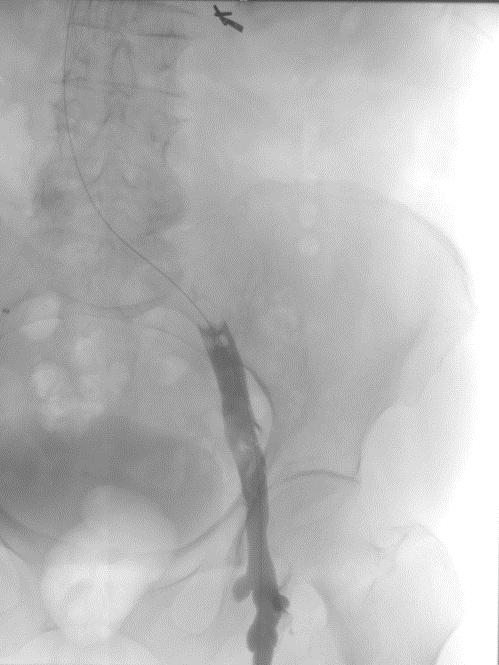
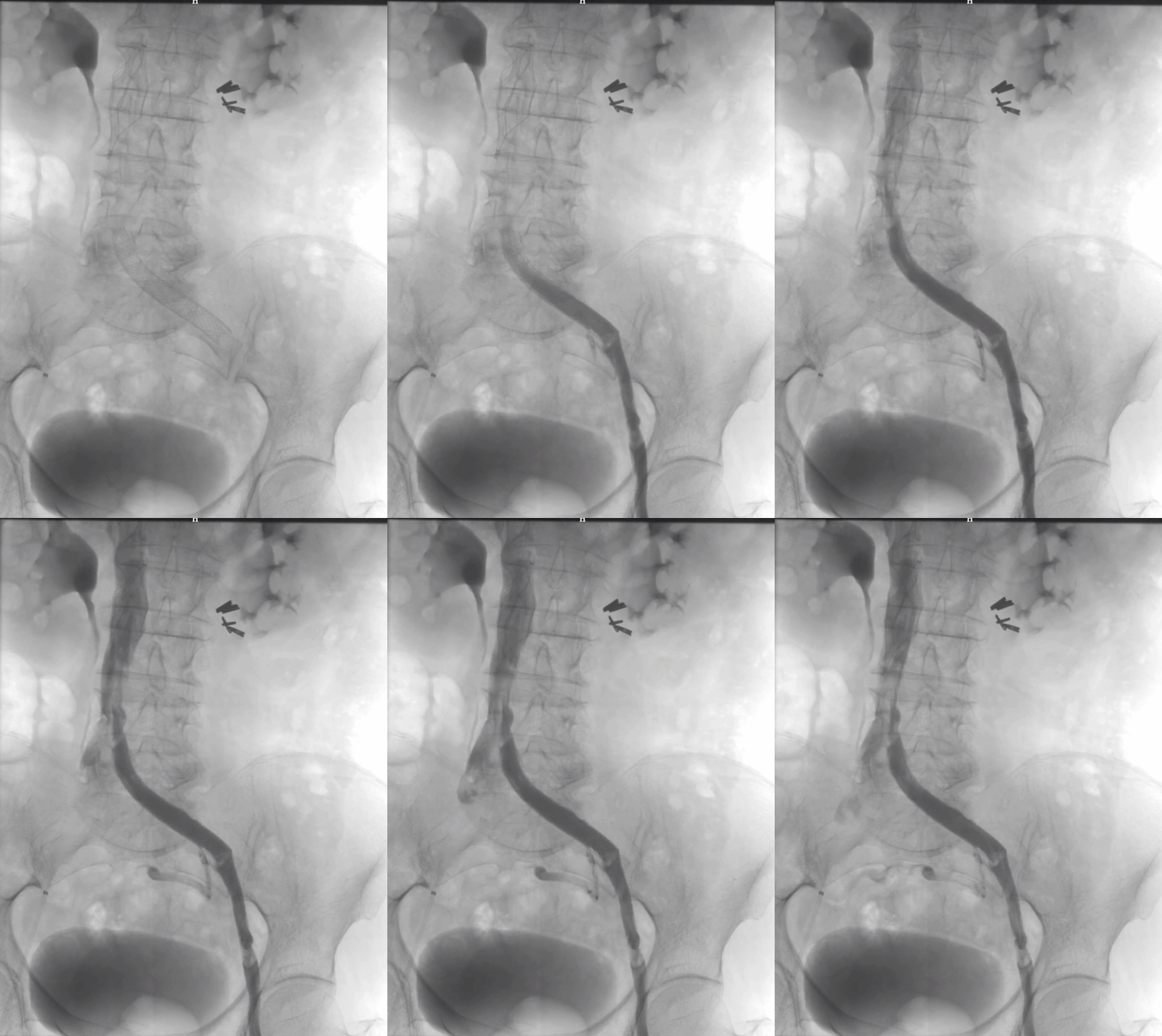
Import a 16*60mm stent to cover the iliac vein.
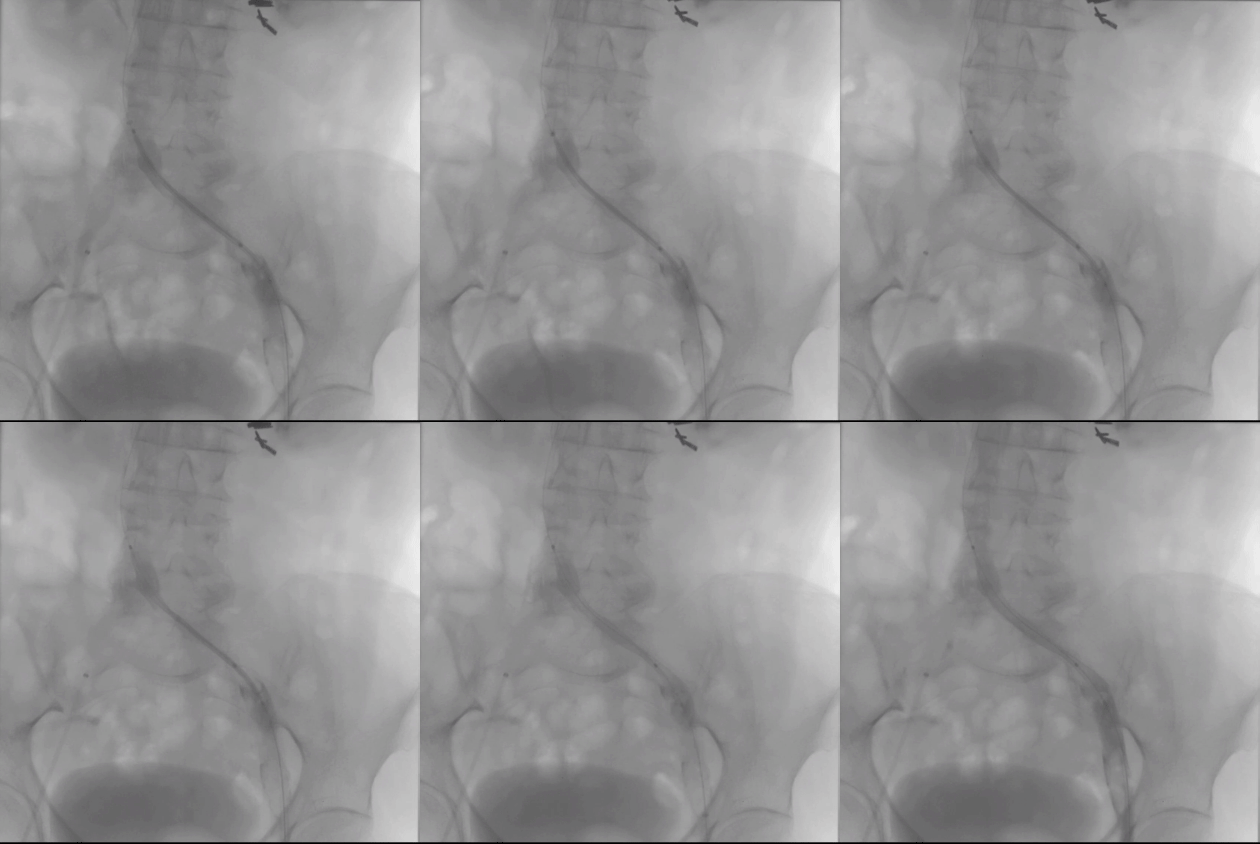
12*80mm balloon post-dilation.
Repeat angiography showed: The entire iliac-femoral-popliteal vein was patent.
The catheter and catheter sheath were removed, with intraoperative bleeding of approximately 300ml, and the patient was safely returned to the ward post-operation.
”
Postoperative Follow-up
”

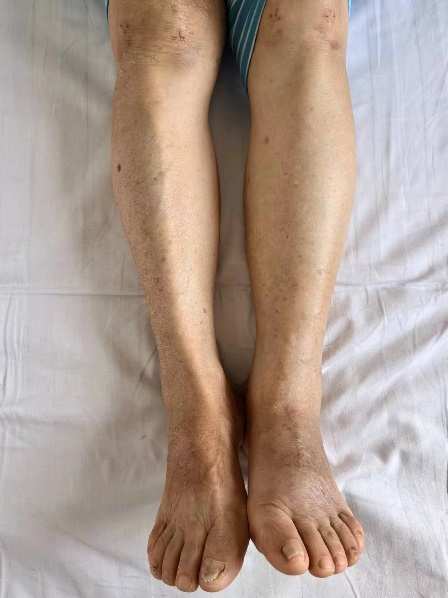
On the fourth day after surgery, during the ward round, the patient's left lower limb had already subsided in swelling.
”
Operator Feedback
”

1. The tip of the aspiration catheter is steerable, allowing for flexible adjustment of the angle during the procedure, multi-angle thrombus aspiration, and high clearing efficiency.
2. Press the handle to generate negative pressure, which can be adjusted in real time according to the blood flow velocity in the suction pathway, reducing blood loss.
”
Product Features
”

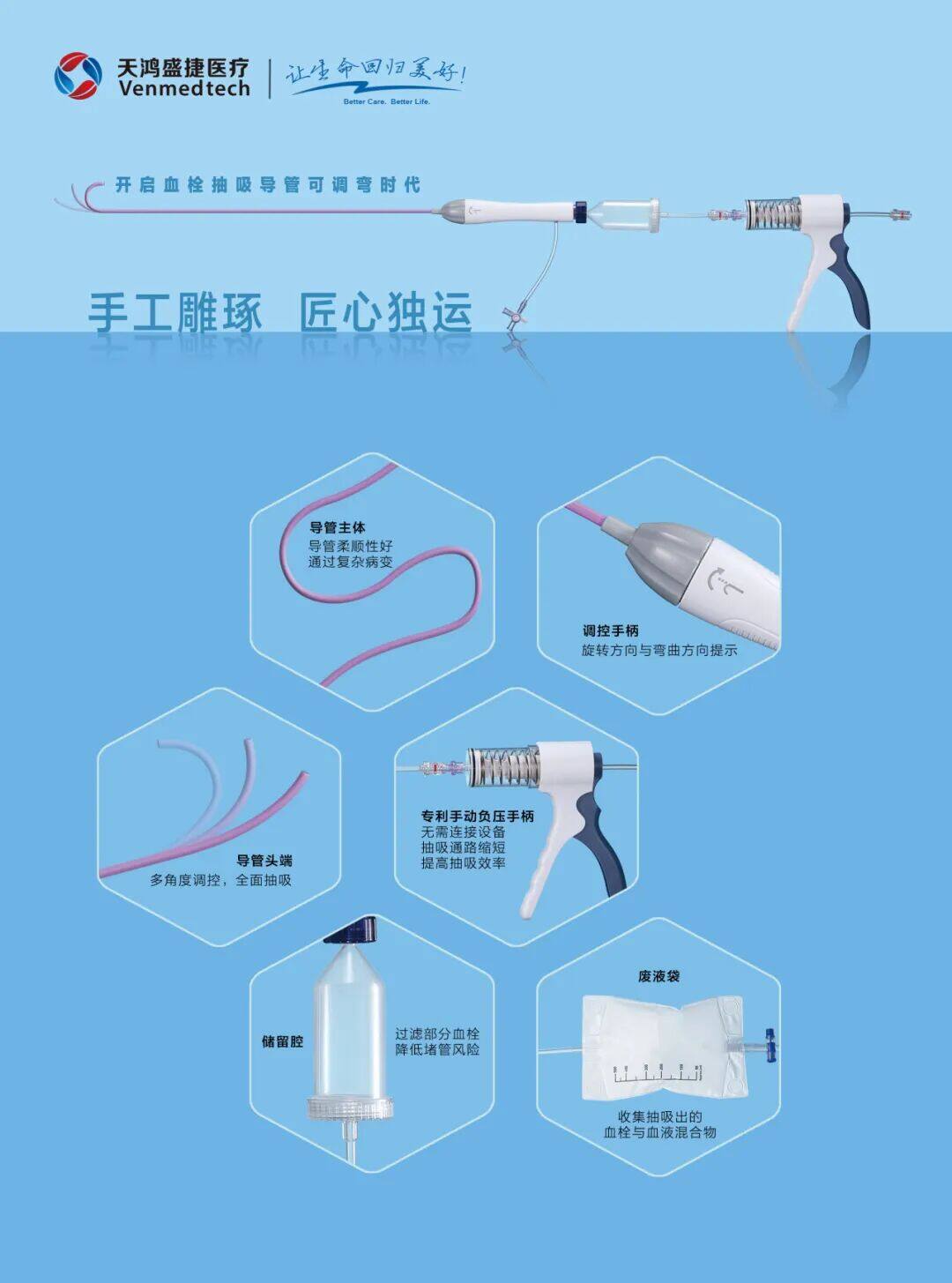
The tip of the aspiration catheter isAdjustable BendDesign, capable of multi-angle regulation, achievingComprehensive and Precise Aspiration of ThrombusThe catheter body has high compliance, allowing it to better navigate through complex lesions.
Storage CavityThe innovative design can filter out most of the suctioned thrombus, effectivelyReduce the Risk of Suction Pathway Blockage, while reducing the number of operations to troubleshoot catheter blockages during surgery, saving operation time.
Manual Negative Pressure HandleErgonomically designed, compact and portable,Convenient for the operator to use one hand, which can eliminate the steps of repeatedly installing and separating traditional syringes for suctioning, whileNo need to connect to active devicesCan be generated immediatelyContinuous negative pressure of -95KPa,Shorten the suction path to improve suction efficiency.
During the aspiration process, adjustments can be made based on the thrombus condition.Real-timeVia the handleControl Negative Pressure,Reduce intraoperative blood loss.
”
Introduction of Experts
Professor Lian Weishuai
Shanghai Tenth People's Hospital

Deputy Chief Physician of the Department of Interventional Vascular Surgery at Shanghai Tenth People's Hospital, Ph.D. in Vascular Surgery from Fudan University. Currently serves as a member of the Vascular Surgery Physicians Branch of the Shanghai Physicians Association, Secretary of the China Diabetic Foot Intervention and Cell Therapy Alliance, and Youth Committee Member of the Diabetic Foot Special Committee of the China Human Health Science and Technology Promotion Association. Specializes in minimally invasive treatments for varicose veins of the lower extremities, arteriosclerosis obliterans of the lower extremities, arterial embolism of the lower extremities, diabetic foot, abdominal aortic aneurysm, aortic dissection, and deep vein thrombosis of the lower extremities. Has led 3 research projects, participated in 3 general projects of the National Natural Science Foundation of China, obtained 1 authorized patent, and published 18 SCI articles as the first or corresponding author, with the highest single-article impact factor of 16.7.
Professor Wang Shuqing
Shanghai Tenth People's Hospital

Doctor of Surgery graduate from Shanghai Jiao Tong University School of Medicine, attending physician in the Department of Interventional Vascular Surgery at Shanghai Tenth People's Hospital. With over five years of clinical experience in vascular surgery, specializes in the diagnosis and treatment of vascular surgical diseases such as varicose veins of the lower extremities, arteriosclerosis obliterans of the lower extremities, deep venous thrombosis of the lower extremities, and abdominal aortic aneurysms. To date, has participated in two national-level research projects, one provincial/municipal-level project, and published five related research papers.
Copyright Statement: This platform aims to help healthcare professionals better understand the latest developments in relevant disease areas. The information published on this platform does not imply agreement with its descriptions or viewpoints; it is solely for providing more information. If there are any copyright issues, we kindly request the rights holders to contact us, and we will address them as soon as possible. The information is intended for healthcare professionals to use as a reference, and such information cannot replace professional medical guidance in any way, nor should it be considered as medical advice. If such information is used for purposes other than understanding the updates, this platform and the authors shall not bear any related responsibility.Contact Email for Cooperation:vascular@edoctor.work。