June 8, 2024
eMedClub News
On June 6 local time, GlaxoSmithKline (GSK) announced that it would pay up to$50 millionAcquisition of U.S. Biotech Company Elsie Biotechnologies, Inc.Elsie's discovery platform adopts a leadingUltra-High Throughput Proprietary Process, enabling a comprehensive evaluation of the oligonucleotide chemical space. By applying proprietary coding technology to oligonucleotide candidate therapeutics, Elsie can assess all possible sequences or chemical modification patterns toEnhance activity, reduce toxicity, and improve delivery. In addition, Elsie has adopted an innovative chemical technology called P(V), which includes a newly developed set of reagents and processes that can precisely control the synthesis of various oligonucleotide therapies.
This acquisition not only enables GSK to integrate Elsie’s advanced technologies in oligonucleotide discovery, synthesis, and delivery to enhance its own R&D capabilities but also perfectly combines GSK’s extensive experience in DNA-encoded library technology with Elsie’s drug discovery platform. This move is expected to enrich GSK’s oligonucleotide product pipeline. The acquisition aligns with GSK’s approach of combining science and technology, aiming to accelerate the drug development process by promoting novel platform technologies, ultimately delivering innovative medicines to patients faster and more effectively.
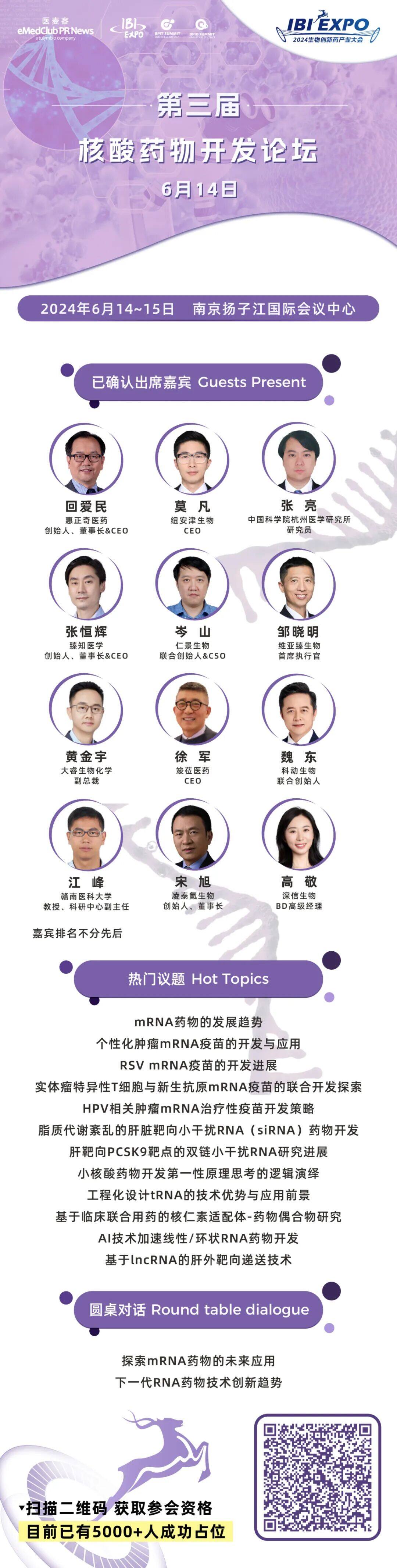
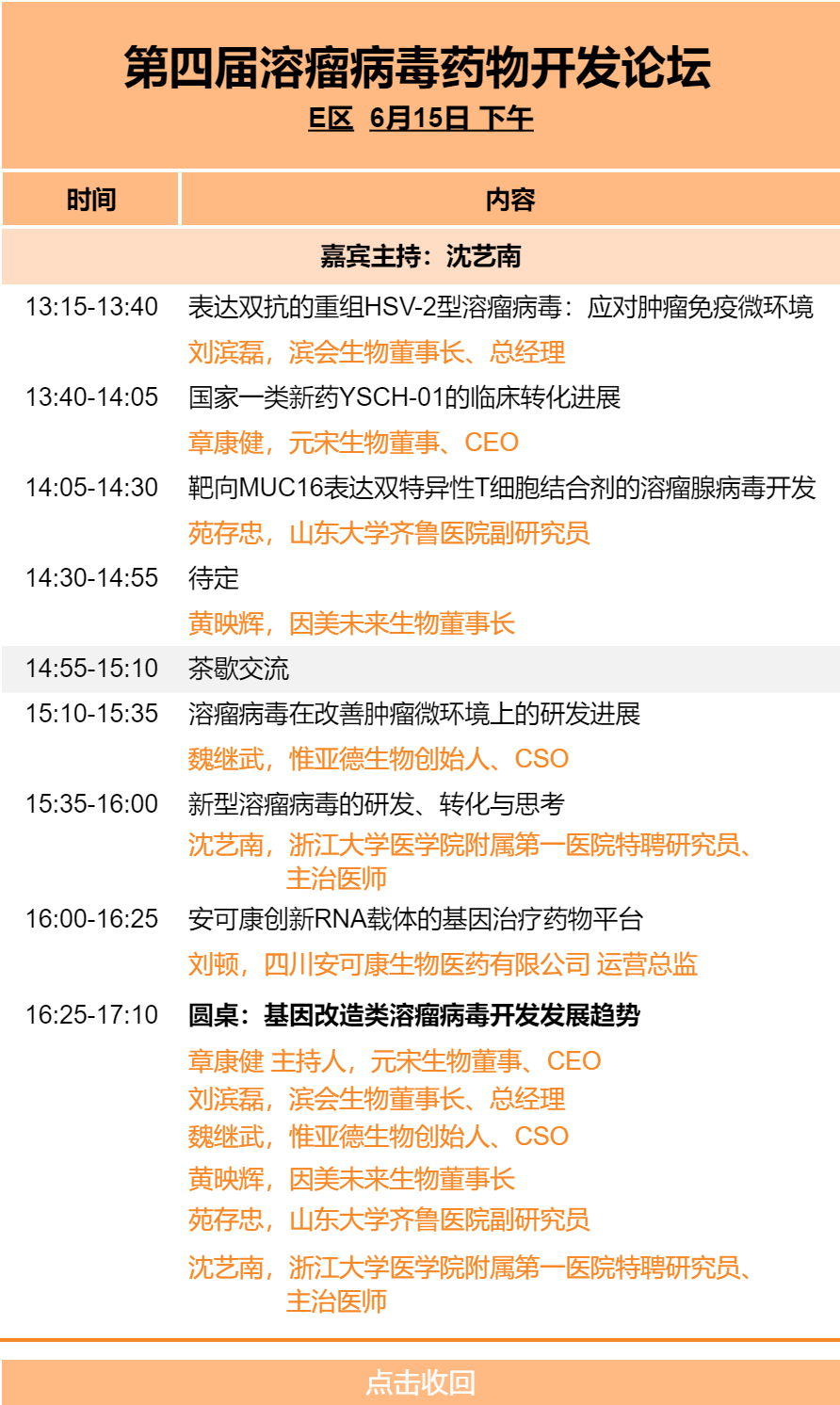
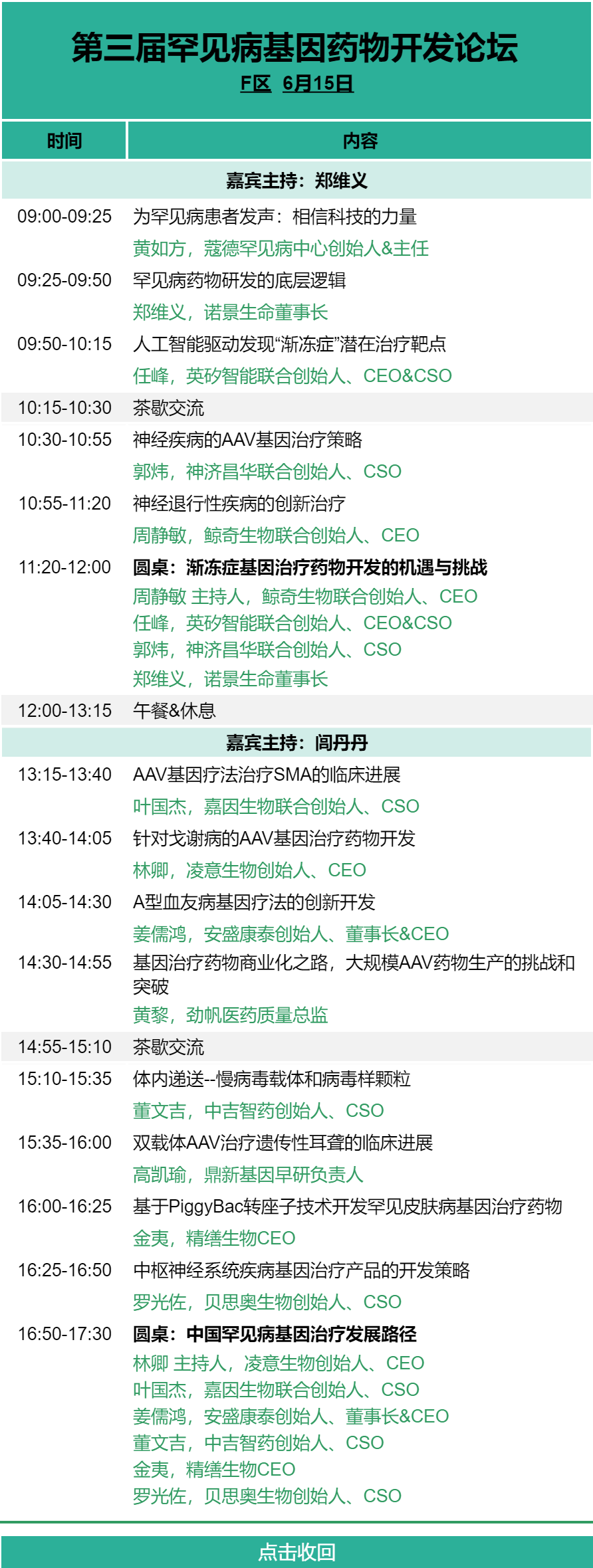
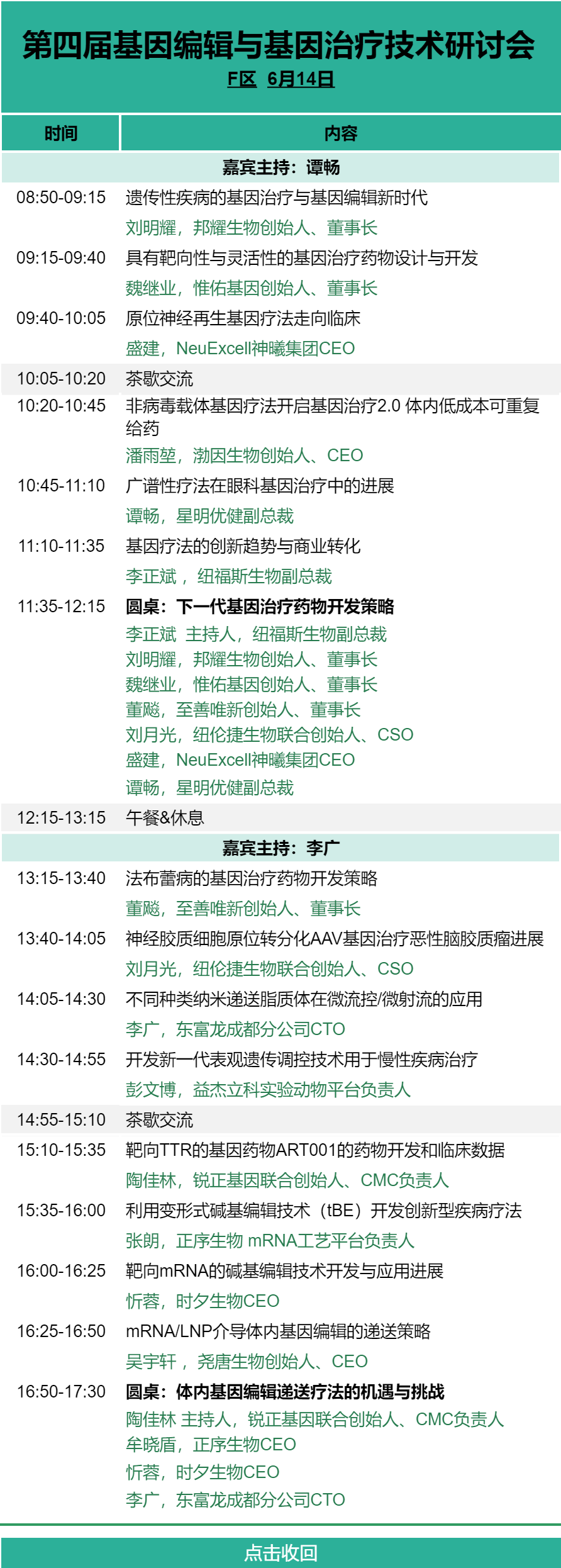
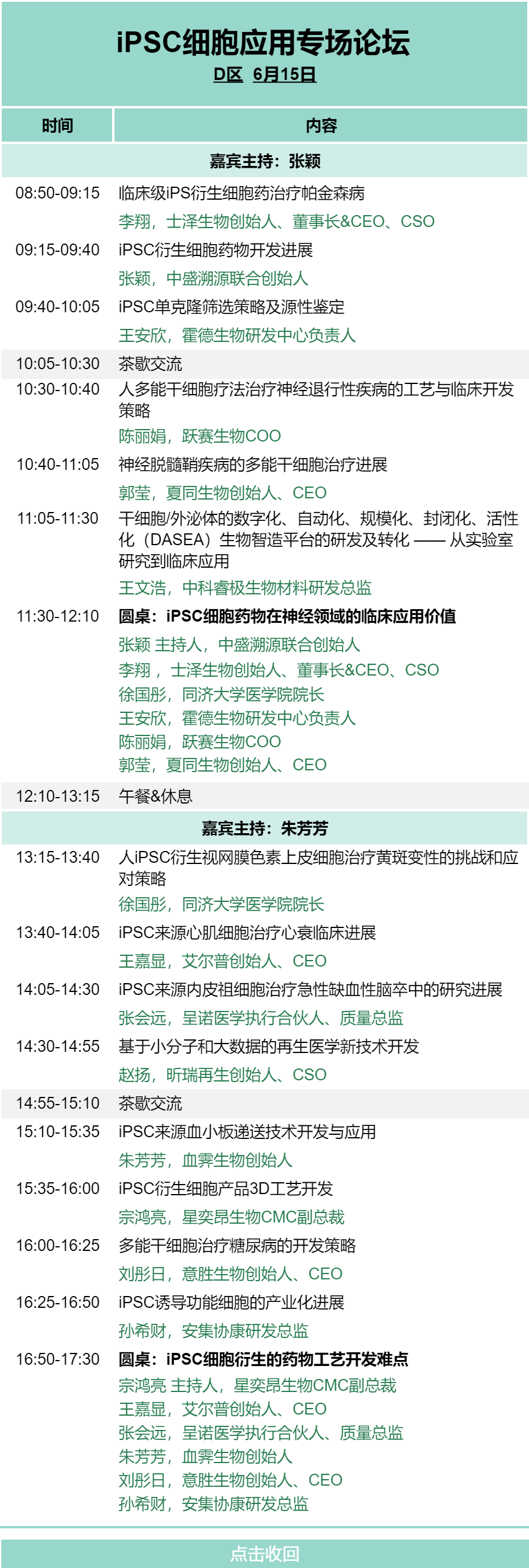
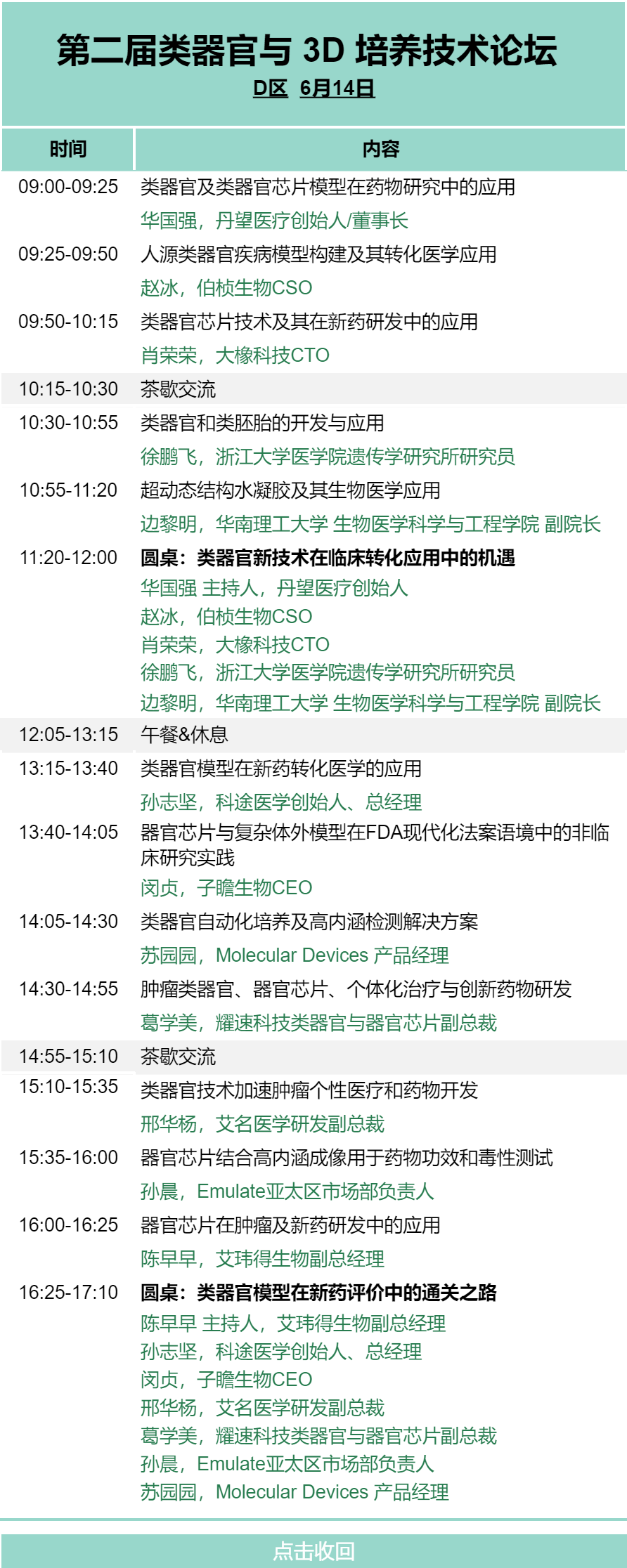
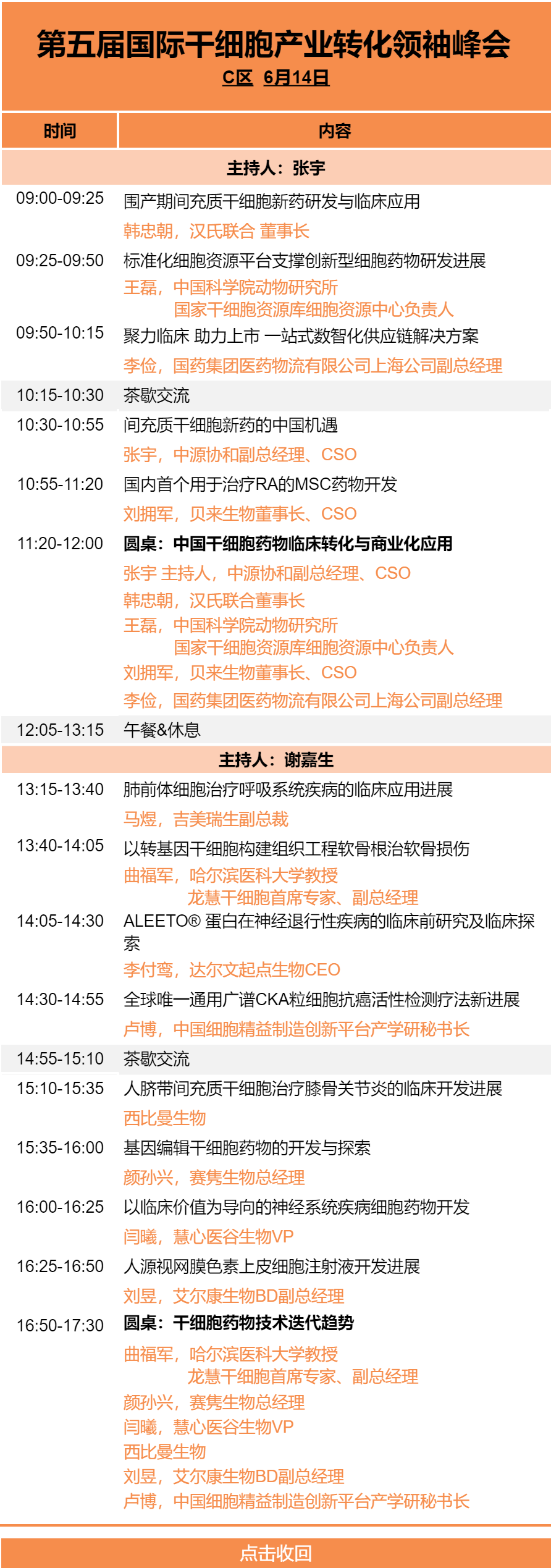
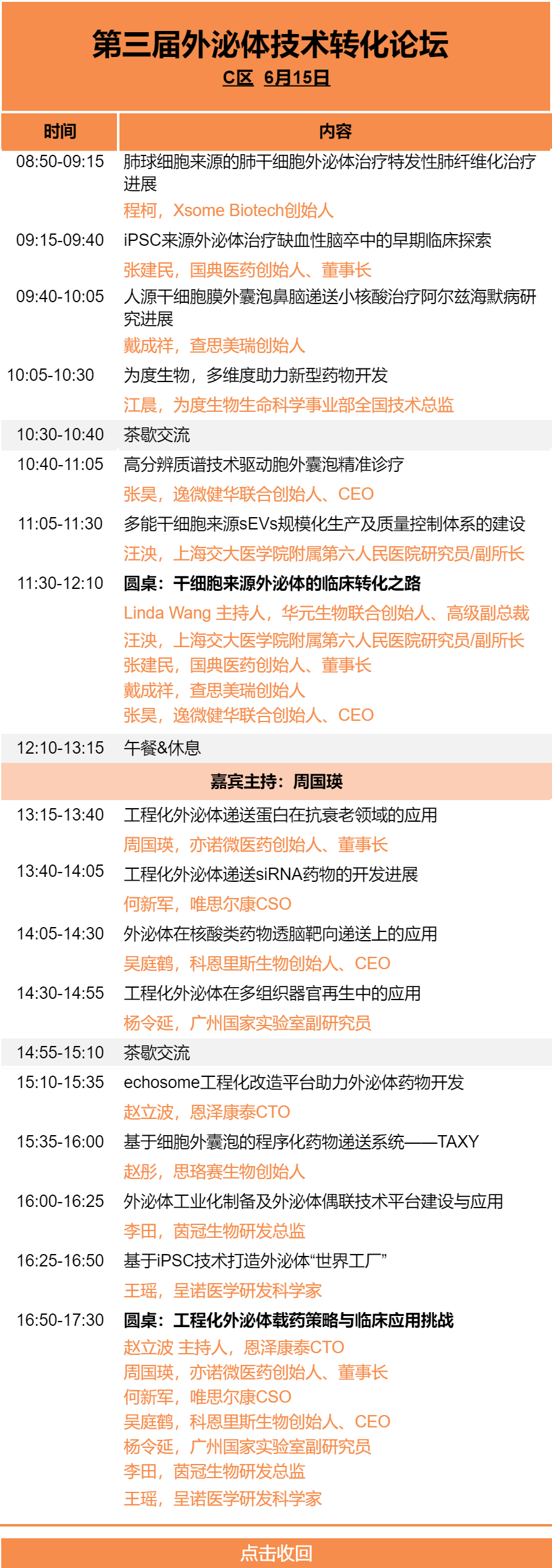
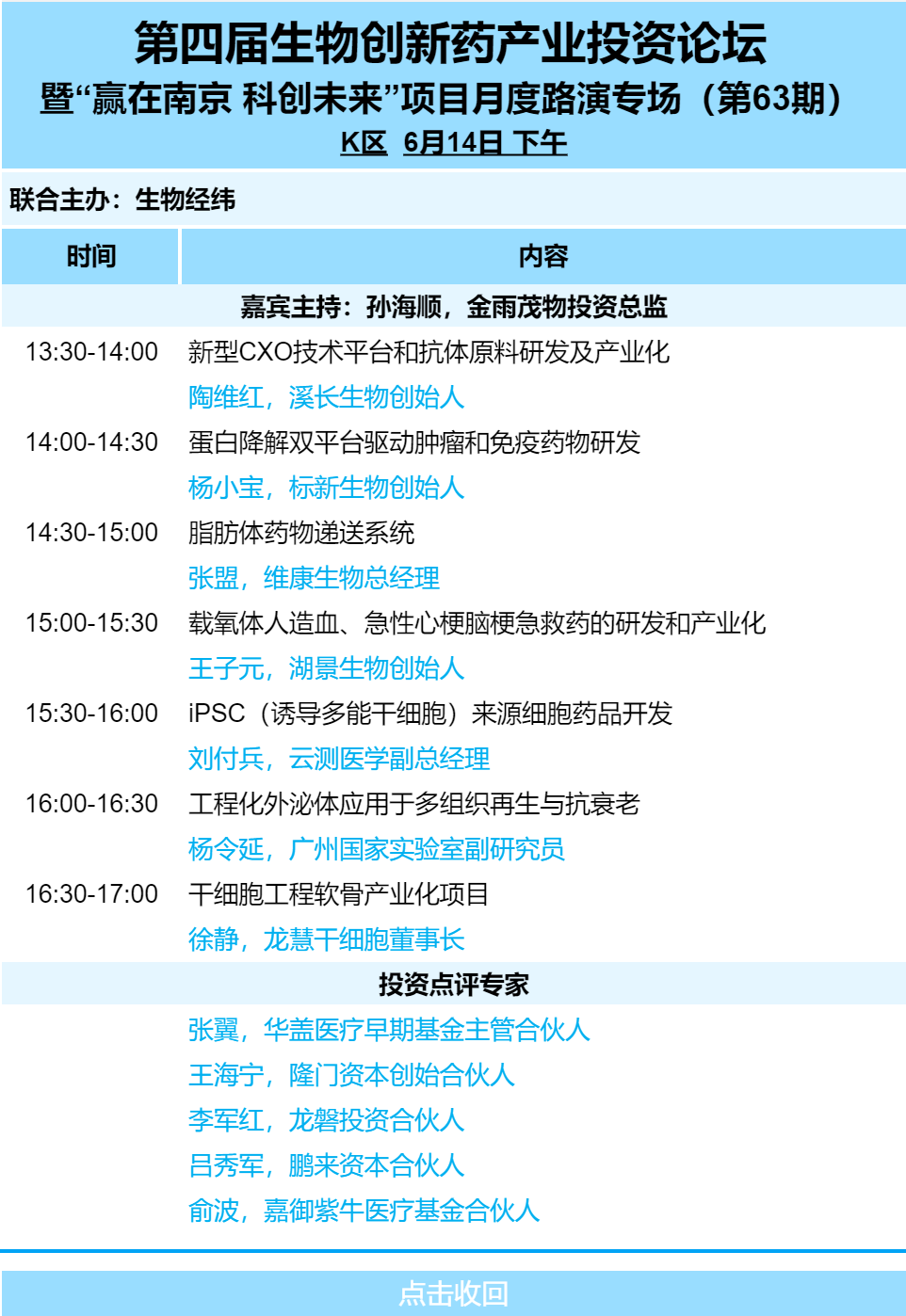
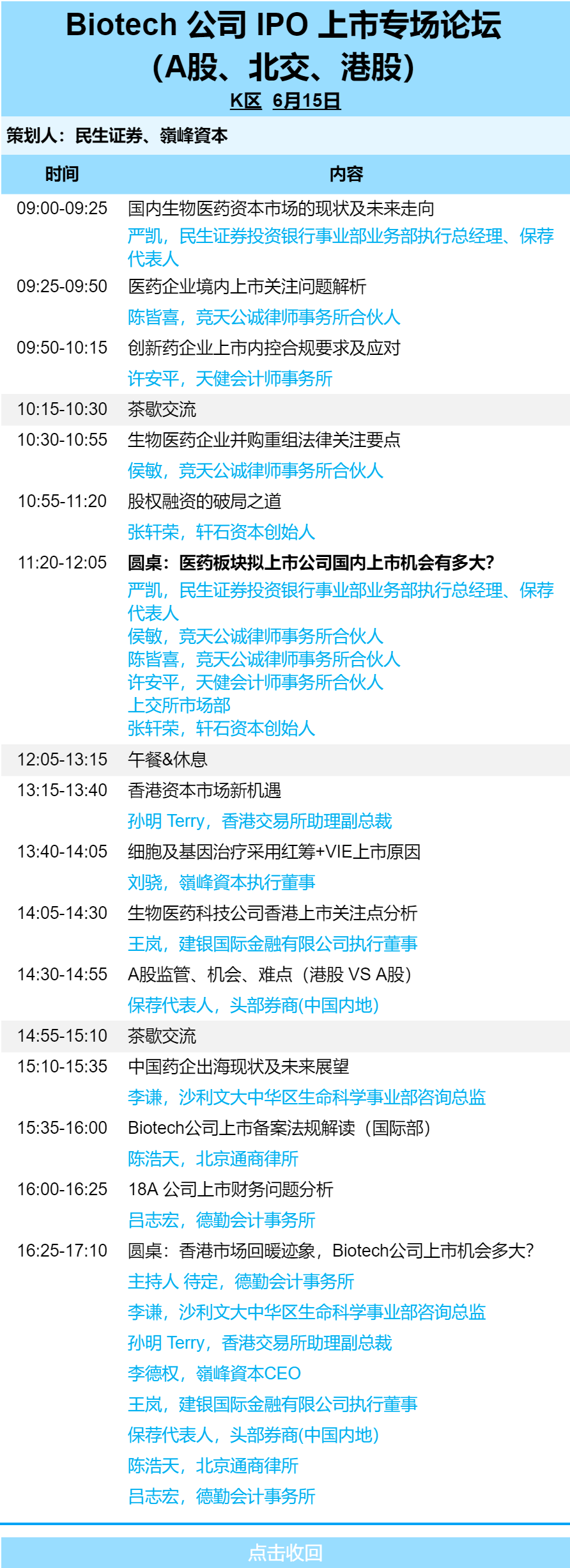
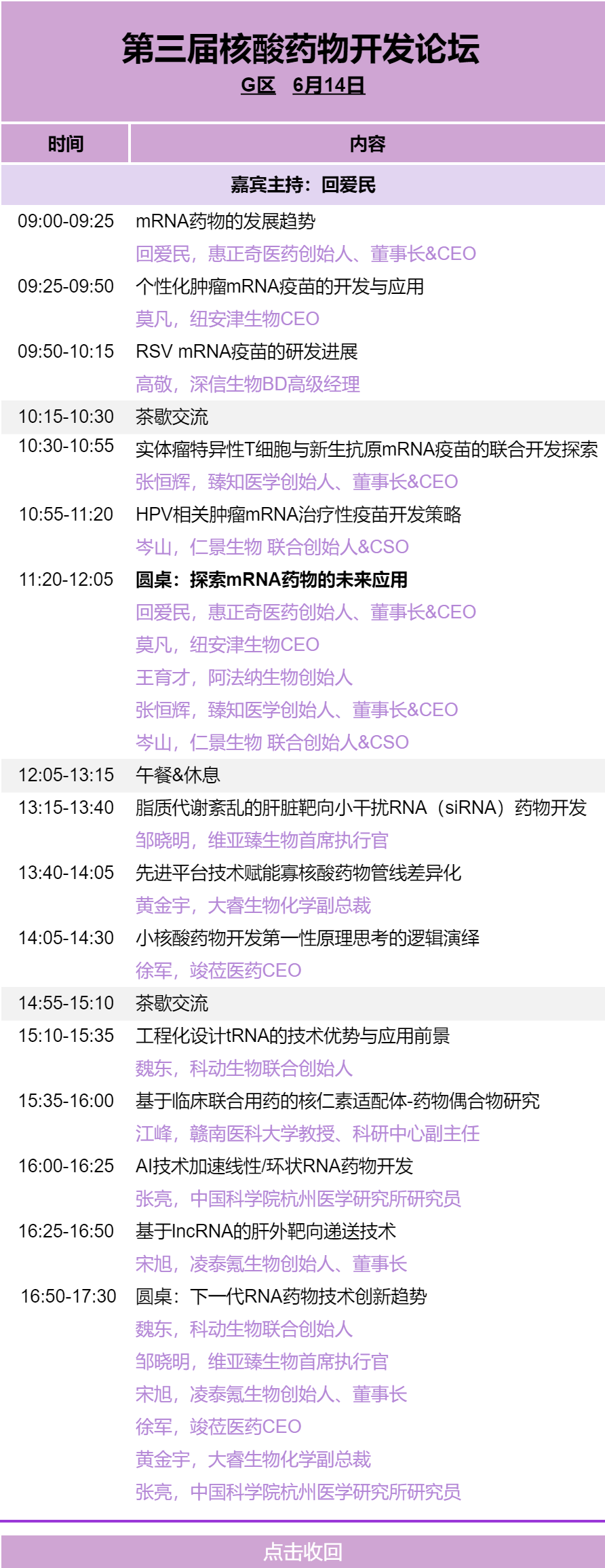
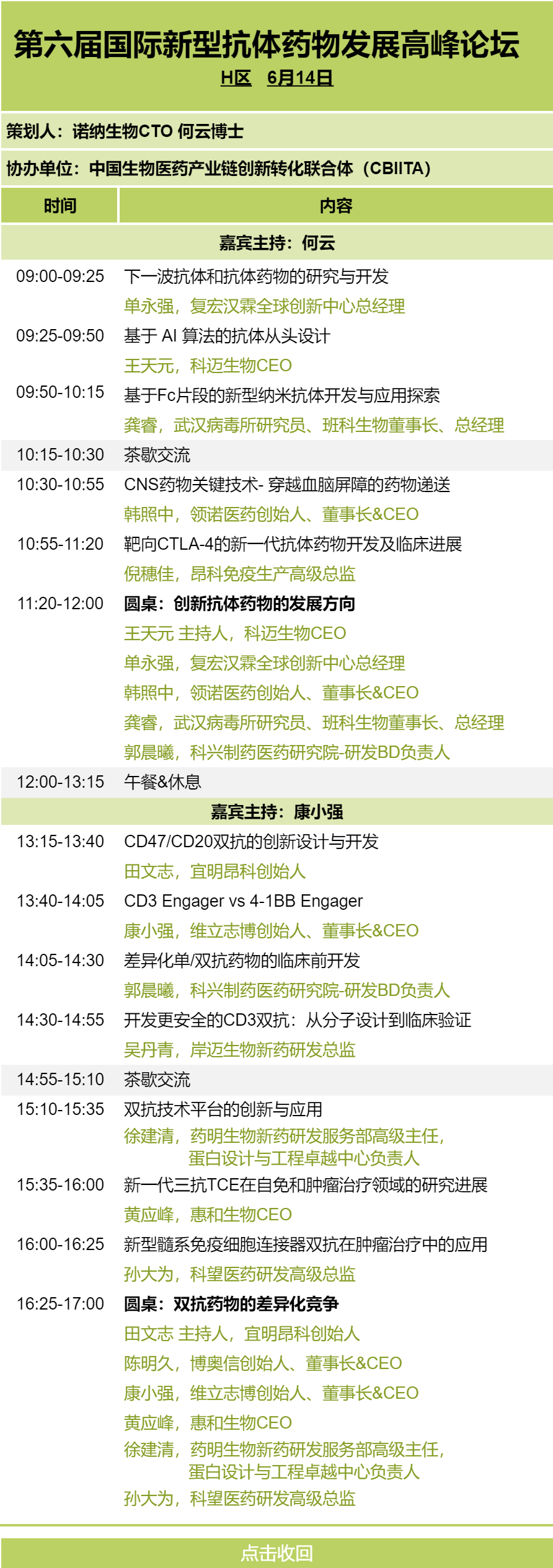
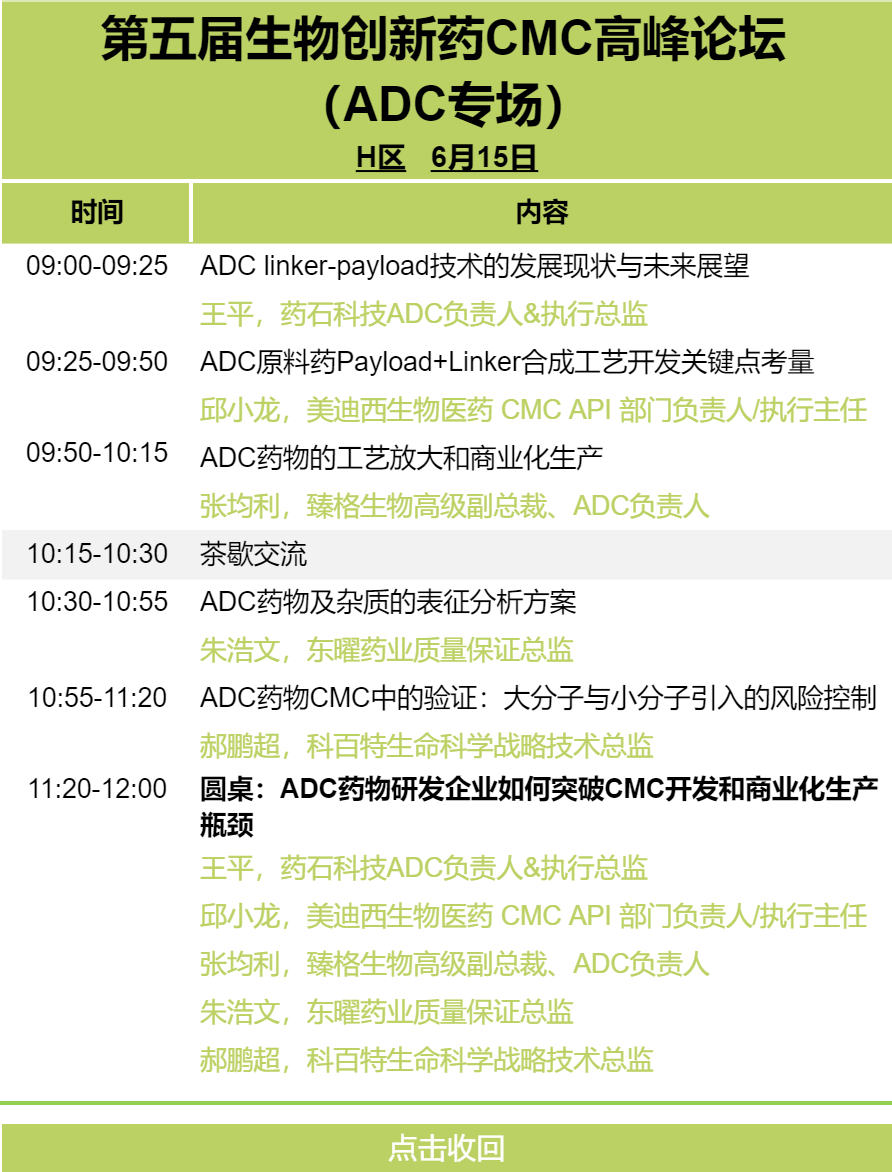
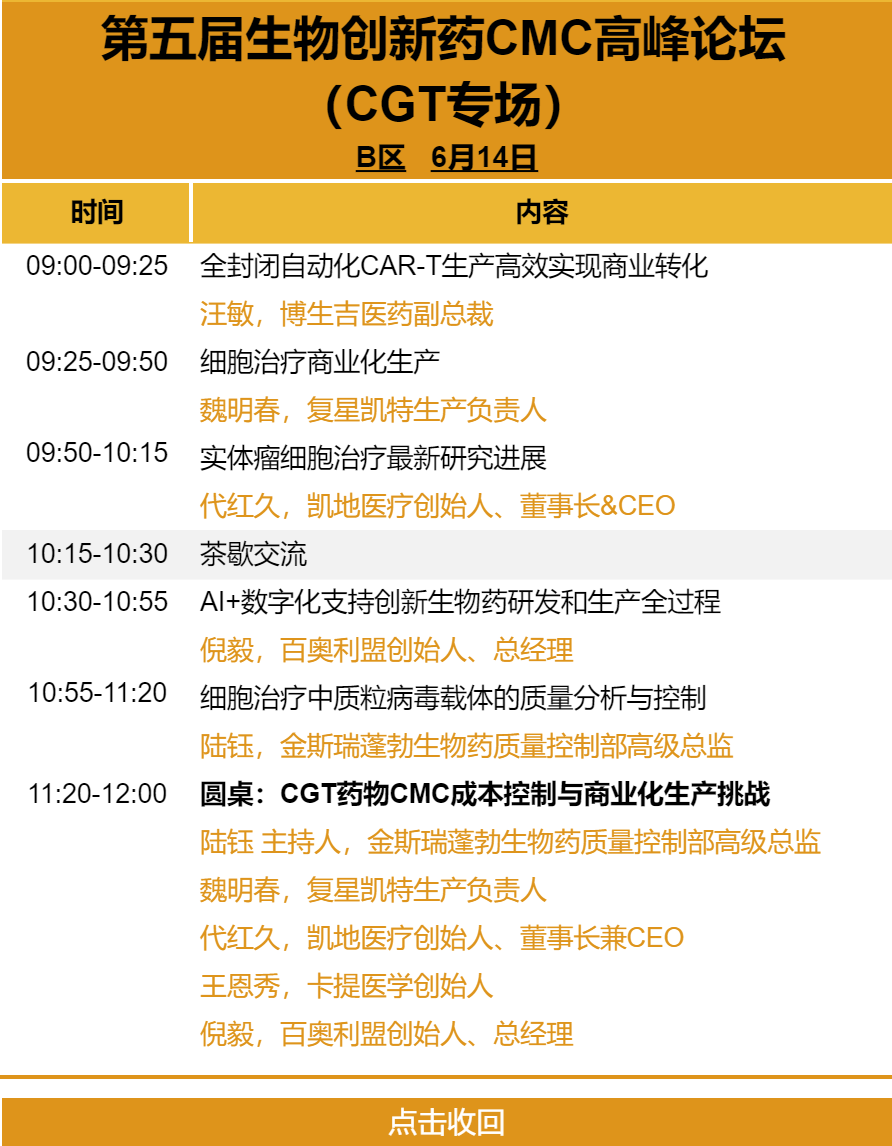
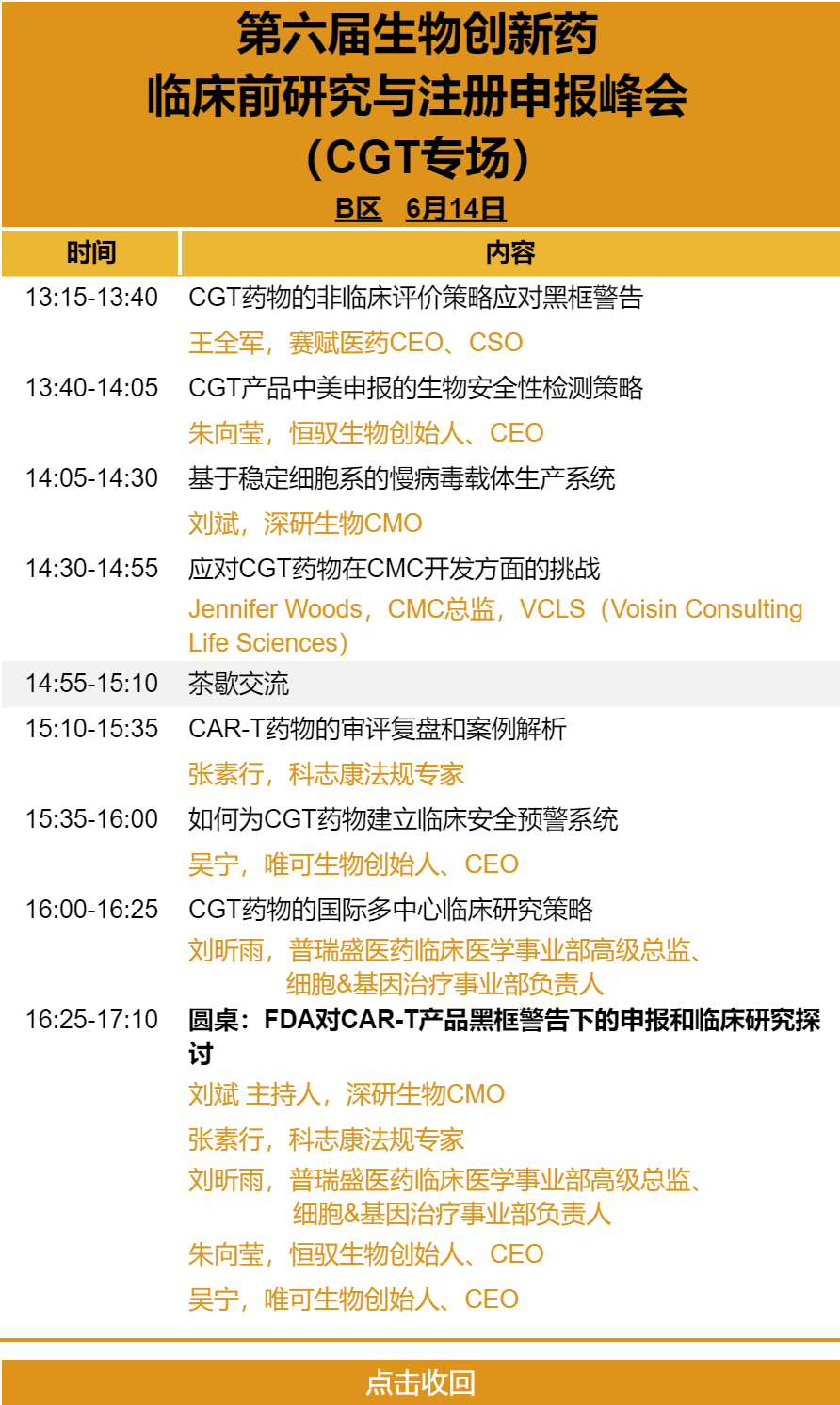
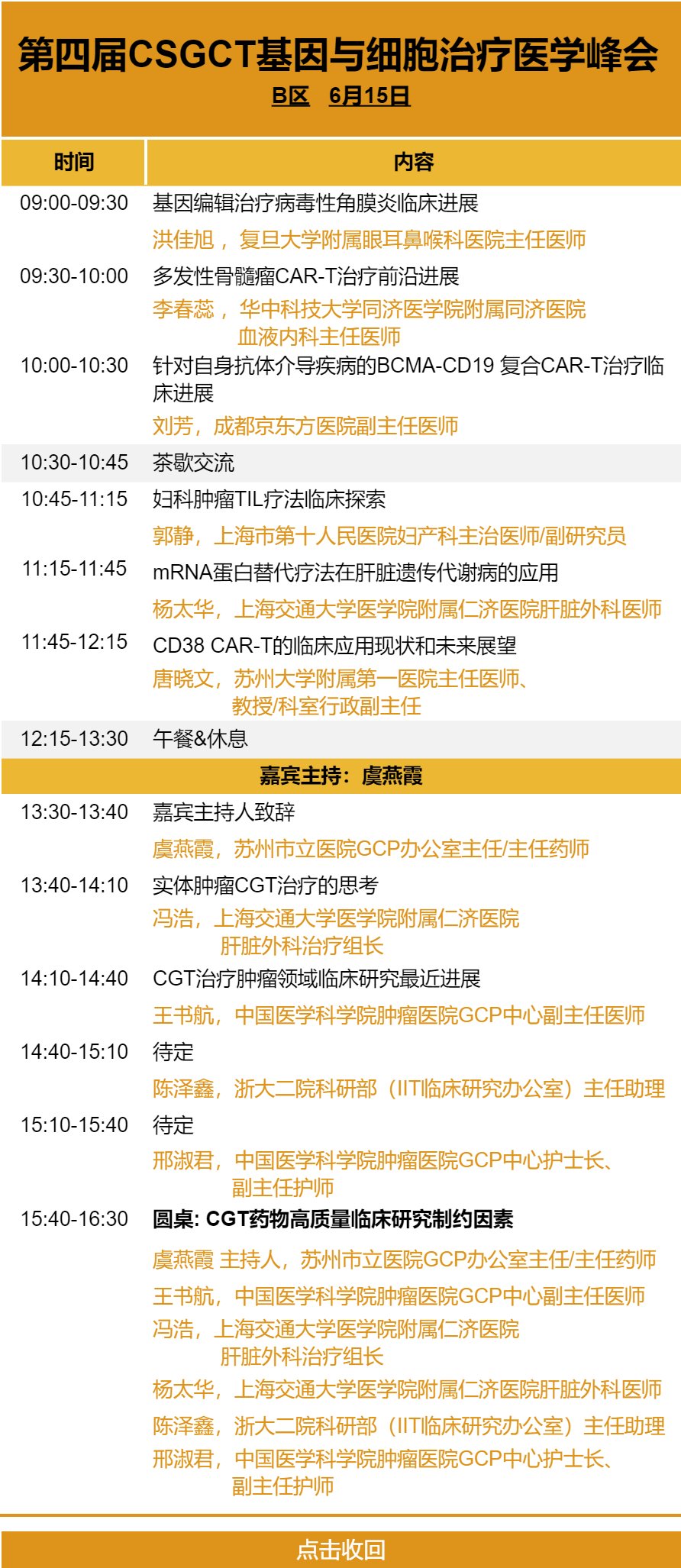
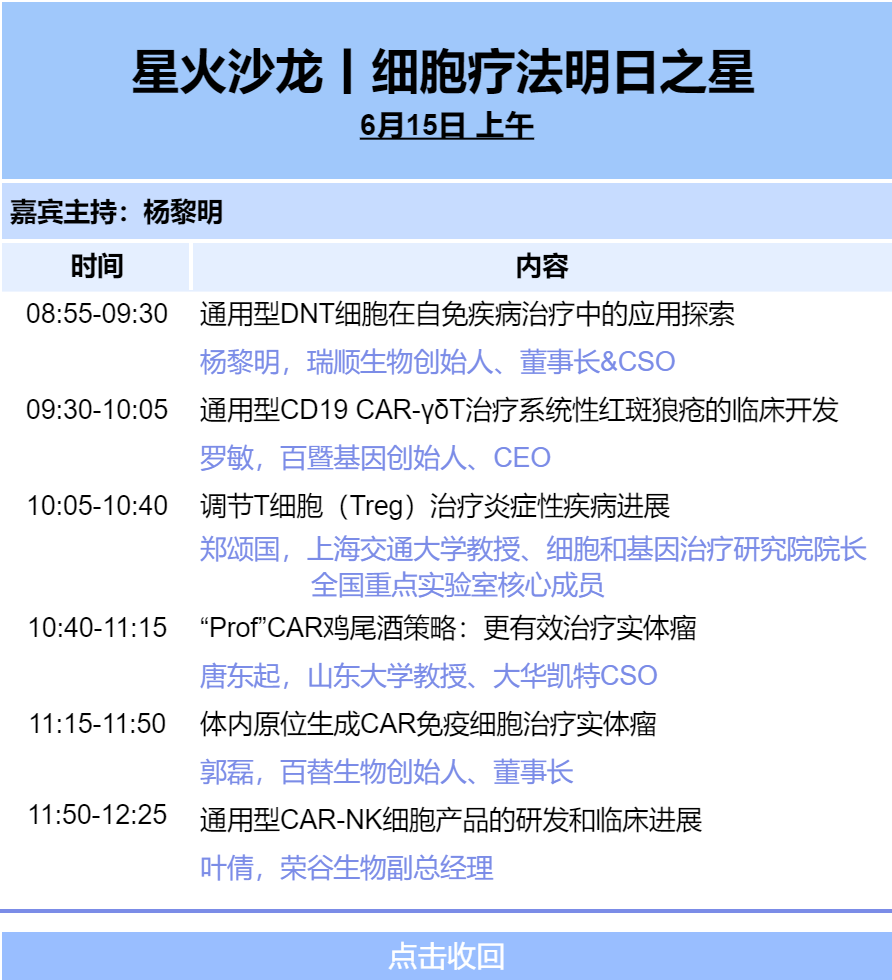
In recent years, GSK has continuously increased its investment in the small nucleic acid business sector, actively expanding its development space. Since starting to explore RNAi technology in 2006, GSK has been ambitious, aiming for a comprehensive and far-reaching layout in the small nucleic acid field. To date, GSK not only fully covers the liver disease area but is also steadily advancing into extrahepatic disease fields. Next, let us...ReviewImportant Milestones in GSK's Development of Small Nucleic Acid Business.Recommended Thematic Forums
Swipe up and down to view more
Limited Time Offer
Free Tickets
Three Small Nucleic Acid Drugs Lead the Way in Liver Disease Treatment
Functional Cure for Hepatitis B
As early as 2010, GSK had reached a collaboration with small nucleic acid drug giant Ionis Pharmaceuticals for up to six antisense oligonucleotide (ASO) therapies. In August 2019, after the drug achieved positive Phase II clinical results, GSK opted for the development and promotion rights of two hepatitis B ASO therapies—Ionis-HBVRx and IONIS-HBV-LRx.IONIS-HBVRx (later renamed Bepirovirsen) isThe most advanced progress so farPotential "Functional Cure" Drugs for Hepatitis B Virus Infection, which can inhibit HBV replication while promoting the body's own immune clearance of HBV. Currently, Bepirovirsen is undergoing twoPhase Ⅲ TrialThe published clinical study results show that bepirovirsen can sustainably clear HBsAg and HBV-DNA, therefore it has received the FDA's Fast Track designation. Meanwhile, IONIS-HBV-LRx has been temporarily shelved due to unsatisfactory Phase II clinical data.In November 2023, GSK officially announced that it had successfully acquired the global rights to the hepatitis B siRNA drug JNJ-3989 from Janssen Pharmaceuticals, a subsidiary of Johnson & Johnson. JNJ-3989 was originally licensed by Janssen Xi'an in 2018 from Arrowhead.JNJ-3989 contains a specific N-galactosamine-conjugated siRNA trigger and two siRNA molecules, which can degrade various HBV RNAs produced by free cccDNA and HBV DNA integrated into the host genome, inhibiting the production of all HBV proteins. In July 2021, the drug was included by CDE.Breakthrough Therapy Drug. Currently,JNJ-3989 is currently in Phase II clinical trials.GSK plans to start combining JNJ-3989 with bepirovirsen from 2024.Phase II Sequential Treatment Trial, further strengthening GSK's late-stage specialized drug pipeline.This move is expected to enable GSK to take the leading position in the hepatitis B treatment field through a novel sequential therapy.With these two small nucleic acid products, GSK may not only achieve a comprehensive leading position in the hepatitis B indication but also potentially disrupt the existing treatment landscape for hepatitis B. If successful, its impact could be no less significant than when Gilead launched its functional cure for hepatitis C, propelling it to become a globally leading pharmaceutical enterprise.Non-alcoholic fatty liver disease
On November 22, 2021, GSK reached a cooperation agreement with Arrowhead, one of the "three giants of small nucleic acids," to introduce the latter's RNAi therapy ARO-HSD for the treatment of non-alcoholic steatohepatitis (NASH), with a total transaction value of approximately$1 billion`, including a $120 million upfront payment.`ARO-HSD is an siRNA drug composed of synthetic double-stranded oligonucleotides, designed to selectively target hydroxysteroid 17β-dehydrogenase 13 (HSD17β13) mRNA in hepatocytes. HSD17β13 is involved in the metabolism of hormones, fatty acids, and bile acids, and its loss-of-function mutations can prevent the development of alcoholic and non-alcoholic liver diseases. ARO-HSD treatment is expected to reduce the generation of HSD17β13 protein in hepatocytes, potentially offering protective and/or therapeutic effects for patients with NASH. Currently, ARO-HSD is undergoing Phase II clinical trials.Actively Layout Extrahepatic Targeting, Accelerate R&D Progress
In addition to its deep cultivation in the field of liver disease treatment, GSK is also actively expanding the application of small nucleic acid drugs in other therapeutic areas. GSK aims to leverage the unique advantages of small nucleic acid drugs to provide new solutions for the treatment of more diseases.In December 2022, GSK reached a cooperation agreement with Singapore-based technology company Wave Life Sciences, with a total value exceeding 4 billion US dollars. Wave Life Sciences' self-developed PRISM platform isOnlyProvideOligonucleotide Platform Targeting Three RNA Modalities (Editing, Splicing, and Silencing, Including siRNA and Antisense)GSK has high hopes for the PRISM platform technology and plans to utilize the platform.Accelerate the Process of New Drug Development.With the support of PRISM technology, GSK plans to advance8A preclinical research project, and Wave will also initiate three additional preclinical research projects based on targets designated by GSK. WVE-006 is currently the most advanced project: On September 5, 2023, a clinical trial application for WVE-006 was submitted for the treatment of alpha-1 antitrypsin deficiency.BecomeThe World's First RNA Editing Project to Declare Clinical TrialsWVE-006 is a synthetic RNA molecule that recruits an enzyme called adenosine deaminase (ADAR) to edit RNA, thereby correcting errors that cause protein dysfunction.Moreover, Wave’s delivery technology can target organs and tissues beyond the liver (e.g., kidneys and lungs), showing promise.Solve the Current Challenge of Extrahepatic TargetingAt the same time, Wave has a diversified nucleic acid therapy product pipeline aimed at treating rare genetic diseases related to the central nervous system, muscles, eyes, liver, and skin. GSK believes that these strengths are also key factors attracting Wave to cooperate, which is expected to help GSK achieve a broader layout in the field of extrahepatic small nucleic acid drugs.Up to GSK's product portfolio70%Products are all built on a solid foundation of human genetics, with absolute habituality."Technical Strengths in the Field of Genetics"In theory, those targets validated by genetic evidence are at least twice as likely to be successfully translated into drugs compared to non-genetically-validated targets. While this may sound straightforward, in practice, not all large pharmaceutical companies are willing to place significant bets on genetically-validated targets. This is because half of the newly discovered potential targets cannot be effectively targeted using small molecules or antibodies.And this is where oligonucleotide technology comes into play. Oligonucleotides, or short synthetic strands of DNA or RNA, can reduce, restore, or modulate RNA through various mechanisms, offering new avenues for drug development.GSK's布局in the small nucleic acid field is both comprehensive and in-depth, covering not only common and rare diseases but also involving various mechanisms of RNA. In addition, while introducing external projects, GSK is actively leveraging its own DNA-encoded library technology advantages to engage in technical collaborations for oligonucleotide development, further strengthening its R&D capabilities in this cutting-edge field. We have reason to believe that GSK will continue to fulfill its strategic commitment to "fully embrace small nucleic acids," expanding the application of small nucleic acid drugs to a wider range of disease treatments.1. Publicly Available Information on the InternetStatement:This article aims to convey industry development information and explore the cutting-edge progress in biopharmaceuticals.The content of the article represents the author's views and does not represent the position of EBC Pharma, nor does it constitute any value judgment, investment advice, or medical guidance. If needed, please consult a professional for investment or visit a正规 hospital for medical advice.