Lilly's Donanemab Receives Unanimous FDA Advisory Committee Support with 11:0 Vote Affirming Benefit-Risk Profile for Early Symptomatic Alzheimer’s Disease

Eli Lilly
Global Pharmaceutical R&D and Production Company

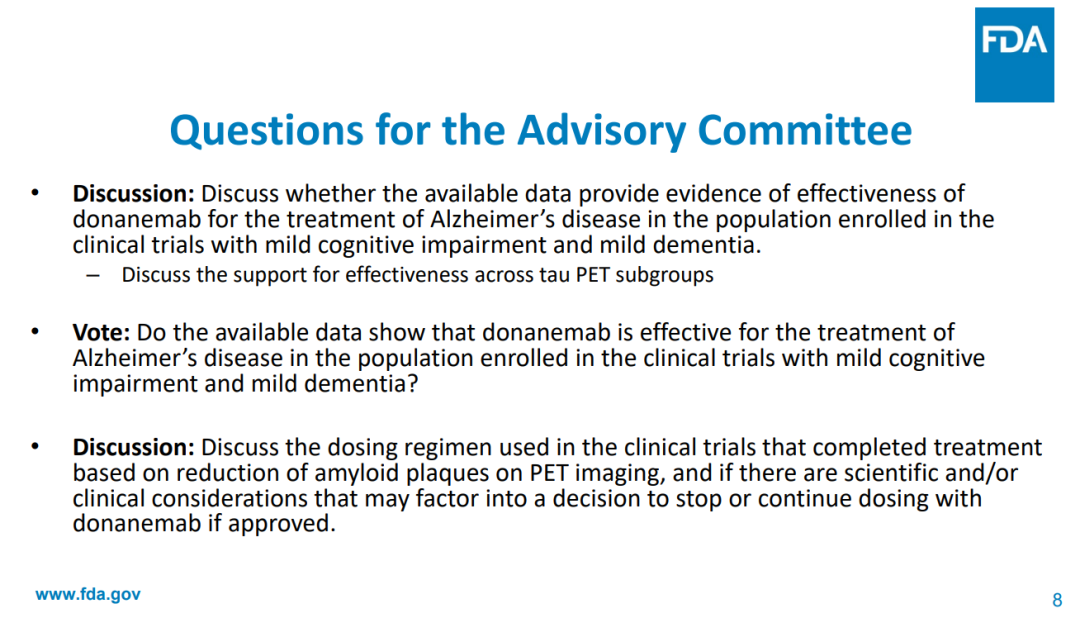
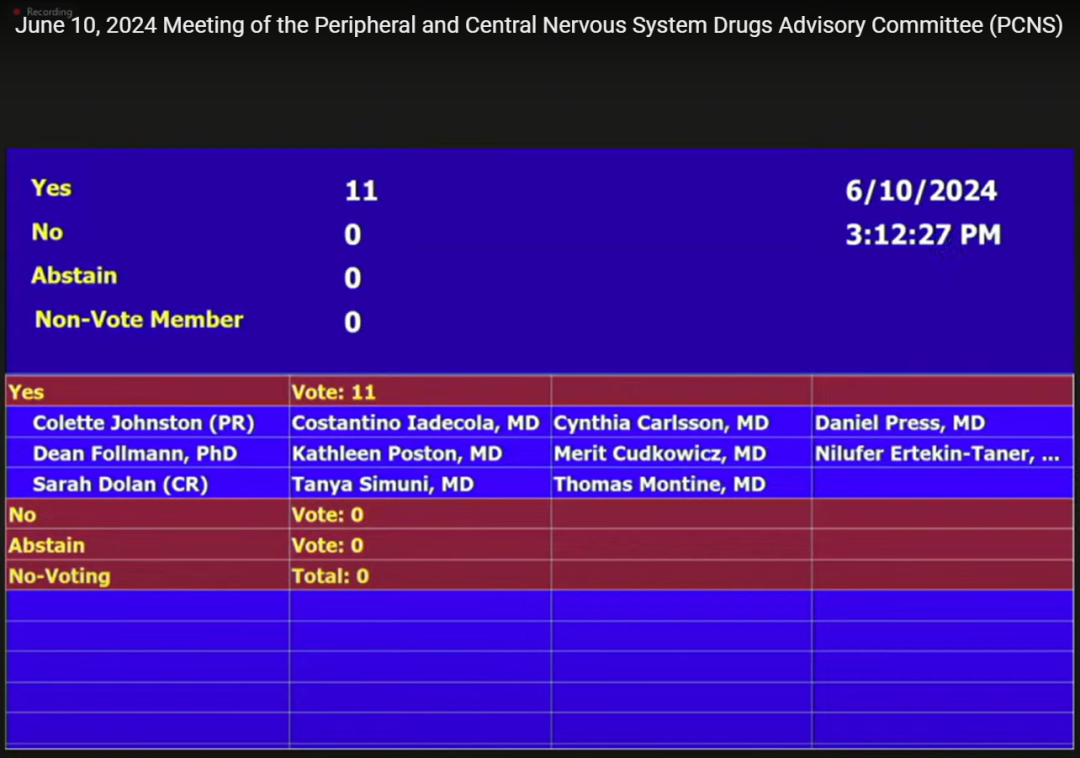
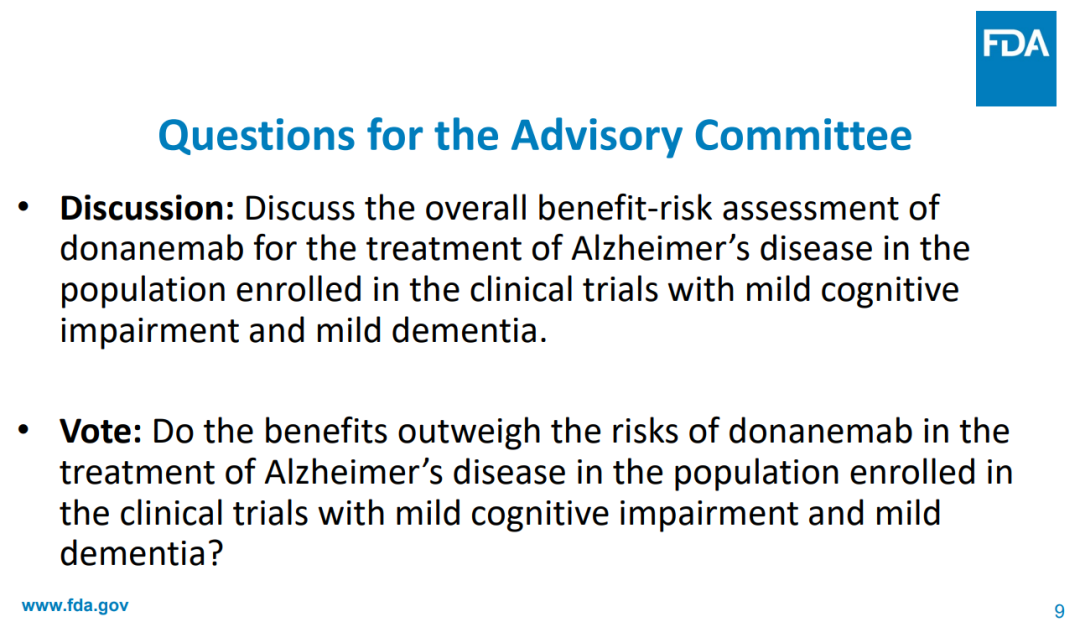
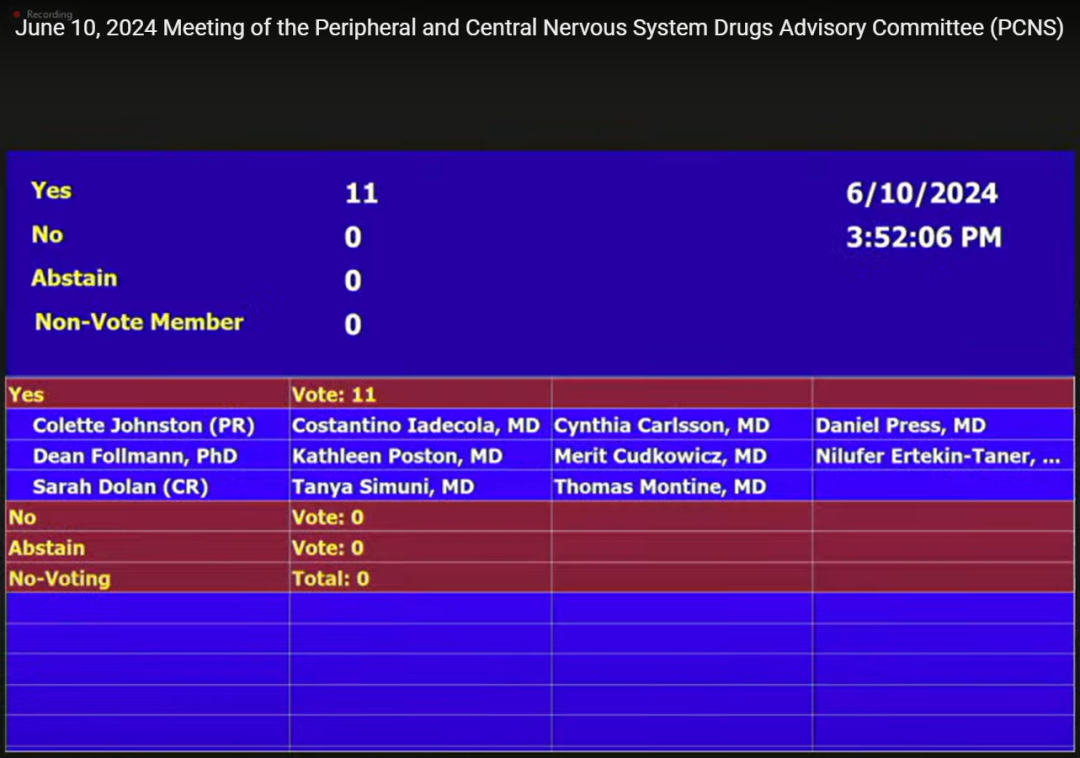
June 10, FDAPeripheral and Central Nervous System Drugs Advisory Committee (PCNS)As forDonanemabFor the treatment of early symptomatic Alzheimer's disease(AD)The results of the meeting on the Biologics License Application (BLA) have been announced. The committee unanimously supported the drug's efficacy with an 11:0 vote and agreed that its benefits outweigh the risks.
Donanemab is a new generation product developed by Eli Lilly and CompanyAβ monoclonal antibody,Can bind to the β-amyloid subtype N3pG, thereby promoting the clearance of amyloid plaques in the patient's brain.
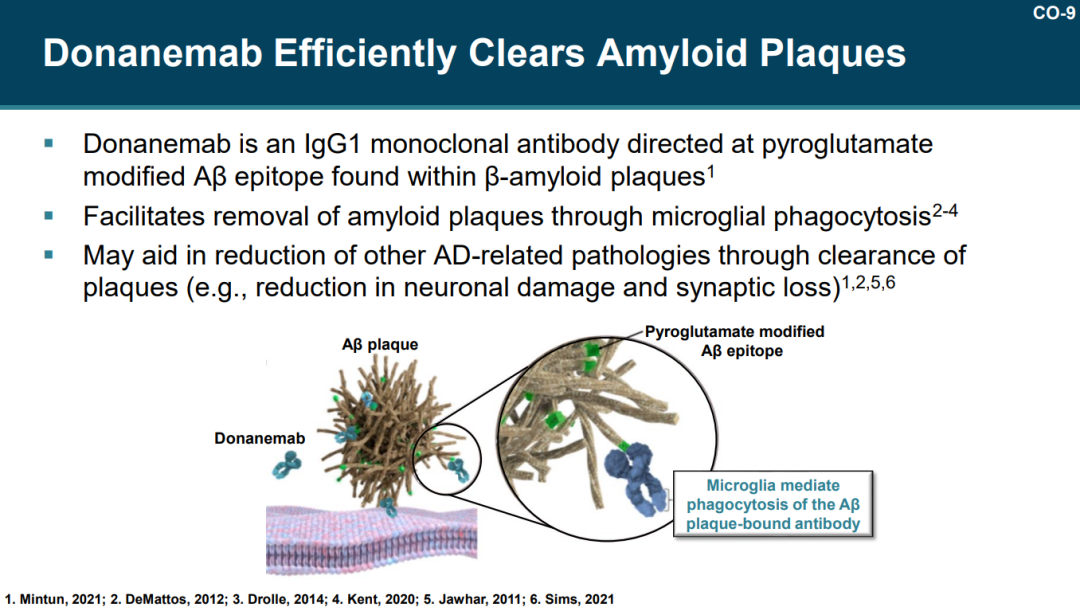
Source:PCNS ConferenceEli Lilly PPT
Eli Lilly had submitted the drug's marketing application in October 2021 based on data from the Phase II TRAILBLAZER-ALZ study, but the application was rejected by the FDA in January 2023. Four months later, after successfully completing Phase III...After the TRAILBLAZER-ALZ 2 study, Eli Lilly and Company submitted again to the FDAThe marketing application for Donanemab. The FDA was expected to review it in the first quarter of this year.The application was approved, but it was decided to hold a committee meeting for discussion.Several key issues with Donanemab have delayed the approval process.
▌TRAILBLAZER-ALZ 2 StudyTherapyEffective Data
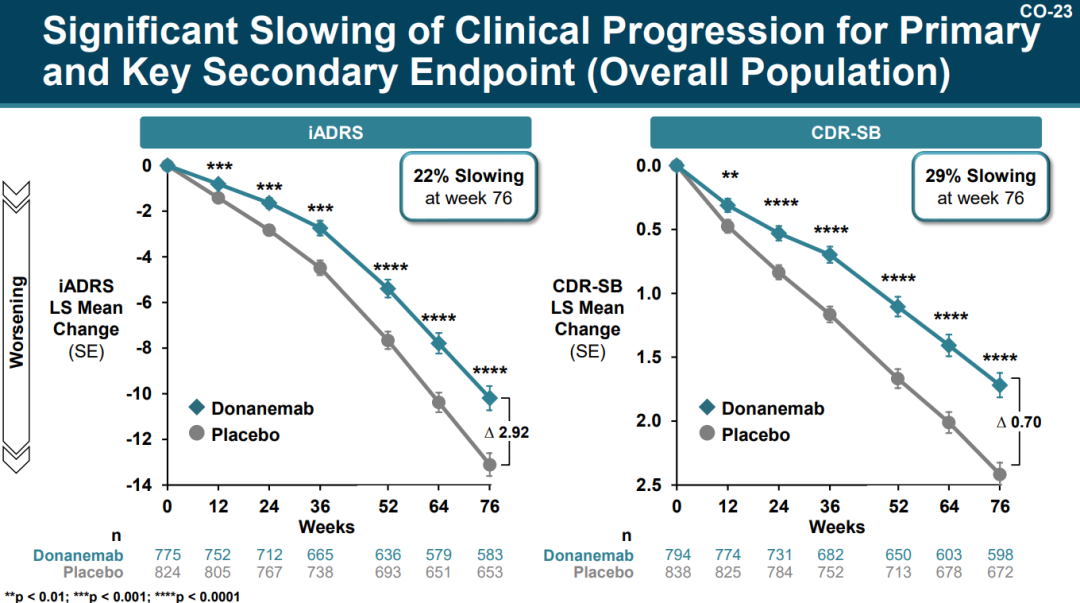
Specifically, in the overall population (n=1736), compared with the placebo group, the ADAS-Cog scores of patients in the Donanemab group(iADRS, assesses patients' cognitive abilities and self-care capabilities)Scoring and Clinical Dementia Rating Scale(CDR-SB, assesses the patient's cognitive ability)The rate of score decline slowed down respectively.22%And29%。
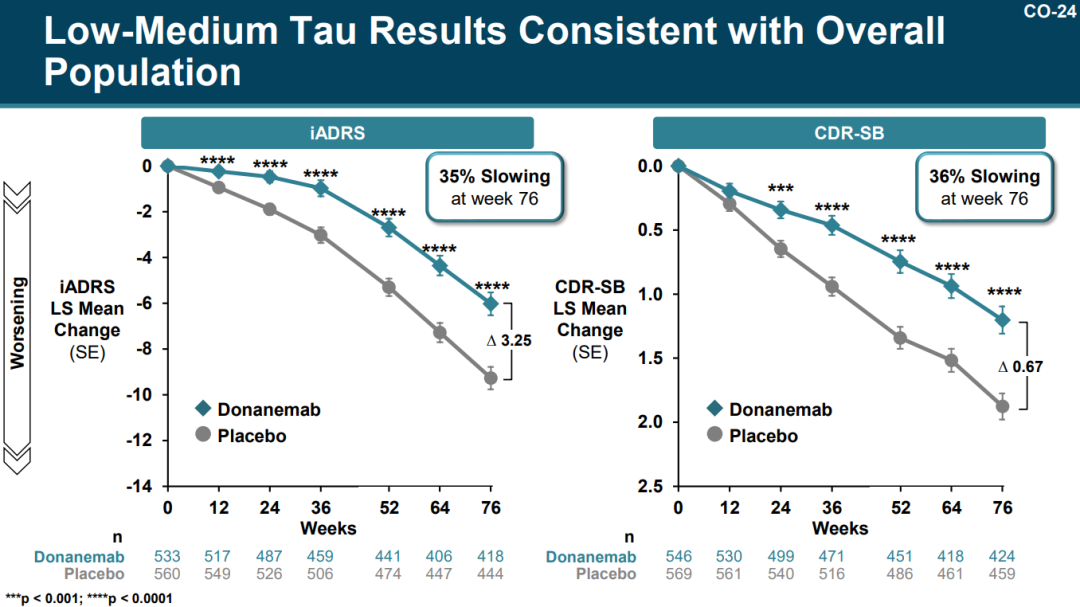
InMain analysis population (Low/Medium tau protein levels,n=1182),iADRS scores of patients in the Donanemab group andCDR-SB ScoreThe rate of decline slowed down respectively.35%And36%; andNearly half of the subjects (47%) No disease progression within 1 year(Defined as no decline in CDR-SB score), while the proportion in the placebo group was 29%.
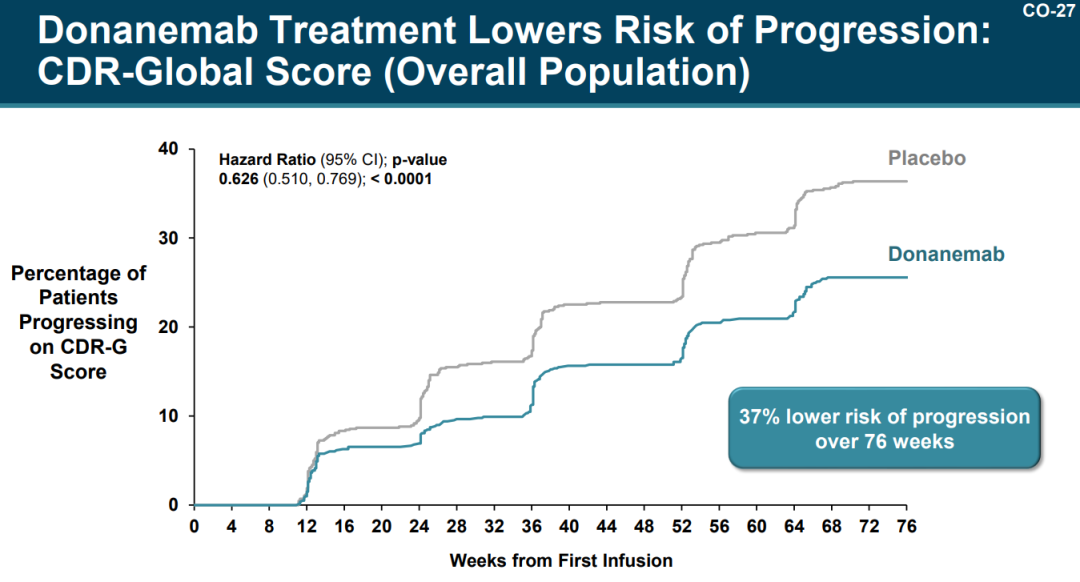
Moreover, Donanemab reduced the risk of patients progressing to the next stage of the disease.37%(HR=0.626; p<0.0001)。
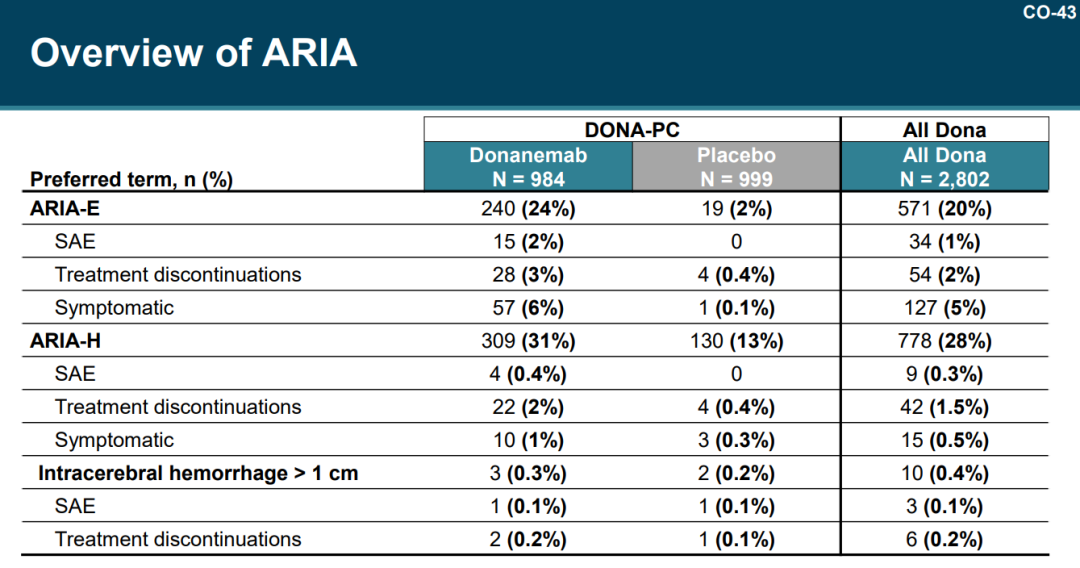
In terms of safety, 24% of patients in the Donanemab group experienced amyloid-related imaging abnormalities-edema (ARIA-E) confirmed by MRI, with 6% experiencing symptomatic ARIA-E; 31.4% of patients in the Donanemab group had cerebral microhemorrhages and superficial siderosis (ARIA-H), compared to 13.6% in the placebo group. The majority of ARIA cases were mild to moderate in severity, with a serious ARIA incidence rate of 1.6%, including two patients who developed ARIA and severe ARIA.And Dieof patients; 8.7% of patients experienced infusion-related reactions, most of which were mild to moderate.
▌Key Issues and Voting Results
References:
Copyright © 2024 PHARMCUBE. All Rights Reserved.
Welcome to forward, share, and reasonably cite. When citing, please clearly indicate the source of the article in a prominent position;For reprint, please leave a message or send a message to the WeChat Official Account backend, and indicate the name and ID of the official account.