

FDA Approves First-in-Class Small Molecule Iqirvo (Elafibranor) for Primary Biliary Cholangitis
Ipsen
Biopharmaceutical Manufacturer
▎WuXiEdited by Kant Content Team

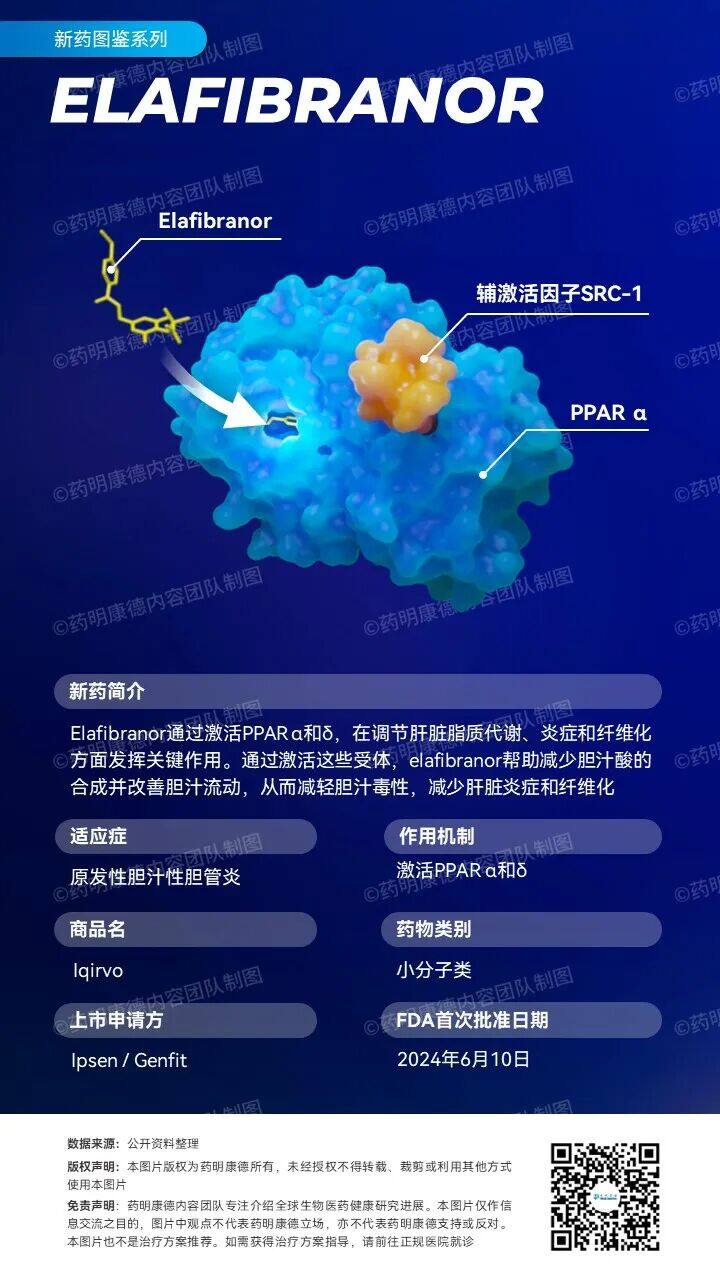
Ipsen today announced that the U.S. FDA has granted accelerated approval to Iqirvo (elafibranor) 80 mg tablets for use in combination with ursodeoxycholic acid (UDCA) to treat adults with primary biliary cholangitis (PBC) who have an inadequate response to UDCA, or as a monotherapy for patients who are intolerant to UDCA.According to the press release, Iqirvo is the first treatment approved for the rare liver disease primary biliary cholangitis in nearly a decade.CholangitisNew drug.IpsenRegulatory submissions have been made to the European Medicines Agency (EMA) and the UK's Medicines and Healthcare products Regulatory Agency (MHRA), with final regulatory decisions expected from both in the second half of 2024.

PBC is a serious chronic liver disease. Patients experience a decline in the liver's ability to clear toxins from the body due to chronic damage to the bile ducts, leading to cirrhosis and liver failure. Currently, about 50% of PBC patients either respond poorly to existing therapies or cannot tolerate the toxic side effects of these treatments. There remains a significant unmet need in this area.
The approval of this therapy is mainly based on the positive results of the pivotal Phase 3 ELATIVE trial. The analysis showed that the primary composite endpoint achieved significant therapeutic benefit.The analysis shows,The difference in biochemical response between the 80 mg elafibranor group (51%) and the placebo group (4%) was 47% (P<0.001).In the trial, biochemical response was defined as alkaline phosphatase (ALP) <1.67× upper limit of normal (ULN) at week 52, with a reduction in ALP ≥15% and total bilirubin (TB) ≤ULN. ALP and bilirubin are important predictors of PBC disease progression. Reductions in both levels may indicate alleviation of cholestatic injury and improvement in liver function.
In addition,Only patients treated with elafibranor reached normal ALP levels at week 52, including 15% of the medication group (P=0.002), which was a key secondary endpoint of the trial.Elafibranor also showed a significant biochemical effect with a rapid reduction in ALP levels from baseline. A decrease in ALP levels was observed as early as week 4 in patients taking elafibranor and continued through week 52, with a 41% greater reduction compared to the placebo group.

Image Source: 123RF
Elafibranor was well tolerated, with a safety profile consistent with previous trials.
Elafibranor is a once-daily, oral, "first-in-class" dual peroxisome proliferator-activated receptor (PPAR) α/δ agonist, currently under investigation for the treatment ofRare AutoimmunePBC patients.Simultaneous targeting and activation of PPAR α/δ can potentially treat inflammation, cholestasis, and fibrosis in PBC. In 2019, the U.S. FDA granted elafibranor Breakthrough Therapy designation for the treatment of adult PBC patients with an inadequate response to UDCA.
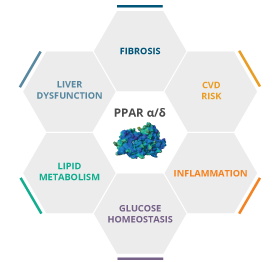
Image Source: Genfit Official Website
Except forElafibranor, therapies currently under development for the treatment of PBC also includeGilead Sciences' investigational therapy seladelpar. Announced earlier this monthPhase 3 StudyAnalysisShow,Moderate to Severe Patients Treated with SeladelparPBCIn adult patients, patient-reported itching rapidly and persistently decreased.Subgroup analysis of subjects with compensated cirrhosis indicated clinically meaningful improvements in markers of cholestasis and liver injury in these patients.The U.S. FDA has accepted the new drug application for seladelpar for the treatment of PBC patients and granted it priority review status.Including those for the treatment of pruritus symptoms and adult patients with non-cirrhotic or compensated cirrhotic conditions who have an inadequate response to or are intolerant of UDCA.The FDA is expected to announce the review results by August 14, 2024.
Learn More About FDA-Approved New Drugs
Please click the image below to access our mini program



▲To learn more about the application of cutting-edge technologies in the biopharmaceutical industry, please long-press and scan the QR code above to access "WuXi AppTec Live Studio" and watch live discussions and exciting replays on related topics.


Share,PointLike,In view, Focusing on Global Biomedical Health Innovation