

AusperBio Discloses Latest Clinical Progress of AHB-137, a Potential Best-in-Class ASO Candidate for Functional Cure of Chronic Hepatitis B

AusperBio
Biological Vaccine and Nucleic Acid Drug Developer

Welcome to follow Asymchem Pharma News

Recently, AusperBio disclosed at the 2024 European Association for the Study of the Liver (2024 EASL) annual meetingLatest Research Progress on Antisense Oligonucleotide (ASO) Drug AHB-137These are the Phase I/IIa clinical trial (AB-10-8002) conducted for subjects in mainland China and the international multicenter Phase I clinical trial (AB-10-8001).
Currently, the AB-10-8001 trial is still blinded, while the AB-10-8002 trial has been unblinded.
About AB-10-8002
AB-10-8002 is a Phase I/IIa clinical study conducted in healthy volunteers (HV) and chronic hepatitis B (CHB) subjects. For HVs, the study includes four single ascending dose groups (SAD, 6:2, up to a maximum dose of 450mg) and one multiple-dose group (MD, 6:2, 300mg administered on Days 1, 4, 8, 15, and 22 for a total of five doses). For hepatitis B e-antigen (HBeAg)-negative CHB subjects receiving stable nucleoside analog (NA) therapy, they received up to six subcutaneous injections of AHB-137 at doses of 150mg or 300mg within four weeks and have completed at least the D29 visit.
Results:
In CHB subjects with baseline HBsAg ≤1,000 IU/mL: (1) In the 150 mg group, 38% (3/8) of subjects had an HBsAg decline ≥1 log10 IU/mL, and 12% (1/8) had an HBsAg decline ≥2 log10 IU/mL. (2) In the 300 mg group, 50% (10/20) of subjects had an HBsAg decline ≥1 log10 IU/mL, and 30% (6/20) had an HBsAg decline ≥2 log10 IU/mL. (3) 30% of subjects had an HBsAg decline exceeding 2 log10 IU/mL.
In CHB subjects with baseline HBsAg levels between 1,000 IU/mL and 10,000 IU/mL: (1) In the 300 mg group, 50% (6/12) of subjects had an HBsAg decline ≥1 log10 IU/mL, and 33% (4/12) of subjects had an HBsAg decline ≥2 log10 IU/mL. (2) More than 30% of subjects had an HBsAg decline exceeding 2 log10 IU/mL.
During theAfter 4 weeks of AHB-137 treatment, 12% (5/40) of CHB subjects achieved sustained HBsAg seroclearance (HBsAg below the lower limit of quantification of 0.05 IU/mL).Among them, 2 cases showed seroconversion, and the maximum decrease in HBsAg occurred between Day 29 and Day 50.
In terms of safety, no serious adverse events (SAEs) related to the drug occurred, and no adverse events (AEs) led to dose termination, dose reduction, early withdrawal of participants from the study, or death. Treatment-related adverse events (TRAEs) were reported by 72.5% (29/40) of HVs and 78.6% (11/14) of CHB participants. The common TRAEs were injection site reactions, headache, nausea, fever, and myalgia.
About AB-10-8001
AB-10-8001 is a Phase I clinical trial conducted in HVs subjects, primarily aimed at evaluating the safety and pharmacokinetic (PK) data of AHB-137; 52 Chinese HVs were enrolled into four placebo-controlled SAD groups (6:2), with doses of 75mg, 150mg, 300mg, and 450mg respectively; as well as two multiple ascending dose (MAD, 8:2) groups, with doses of 150mg and 300mg.Results show:
PK Profile: (1) A single dose of AHB-137 is well absorbed (Tmax 3.5 - 5.0 hours), rapidly distributed to peripheral tissues, and slowly eliminated (t1/2 approximately 85.2 - 106 hours). (2) Plasma exposure increases with dose escalation (from 75 mg to 450 mg). (3) No accumulation was observed in the multiple-dose groups.
Efficacy:After 4 weeks of treatment, AHB-137 showed a dose-dependent reduction in HBsAg.。
Safety: Single dose up to 450mg, multiple doses up to 300mg; generally well-tolerated, most TRAEs were mild or moderate. Common TRAEs included injection site reactions, dizziness, nausea, elevated alanine aminotransferase (ALT), elevated aspartate aminotransferase (AST), elevated gamma-glutamyl transferase (GGT), and transient fever, decreased lymphocyte count, and increased neutrophil count occurring after the first dose.
About AHB-137
AHB-137 is the first innovative drug from AusperBio's self-developed platform Med-Oligo™ to enter clinical trials. It demonstrated best-in-class capability in reducing hepatitis B surface antigen in preclinical studies, while also showing excellent safety.According to the data disclosed by EASL in 2023:
(1) In the serum of mice and monkeys, the same dose of AHB-137 and bepirovirsen showed comparable concentration-time curves; in HDI HBV mice, three doses of AHB-137 (40 mg/kg each) reduced serum HBsAg by >3 log10 (IU/ml) to below the LLOQ, while the same dose of bepirovirsen only reduced HBsAg by 1.8 log10 (IU/ml).
(2) AHB-137 has a serum half-life of approximately 3-4 hours 24 hours after administration, with serum Cmax and AUC being dose-proportional; no accumulation was observed after six repeated doses within 29 days compared to the first dose in mice or monkeys.
(3) In mice and monkeys, GLP repeated dosing for 4 weeks was well tolerated.
About Hepatitis B
Hepatitis B is a type of infectious hepatitis induced by the Hepatitis B Virus (HBV) and can be transmitted through mother-to-child transmission, sexual contact, bodily fluids, and other routes. According to the Primary Medical Care Guidelines for Chronic Hepatitis B, chronic Hepatitis B virus infection refers to being positive for the Hepatitis B surface antigen (HBsAg and/or HBV DNA) for more than 6 months.Chronic Hepatitis B (CHB) refers to a chronic liver inflammatory disease caused by persistent HBV infection for more than 6 months.
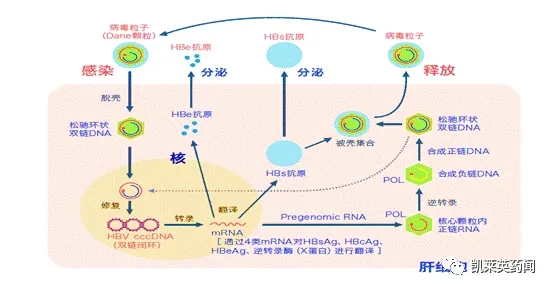
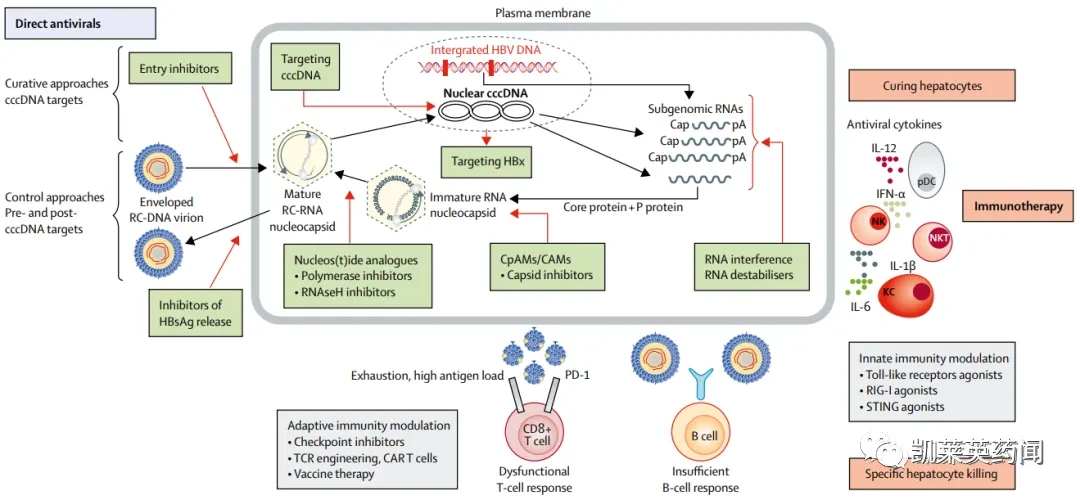
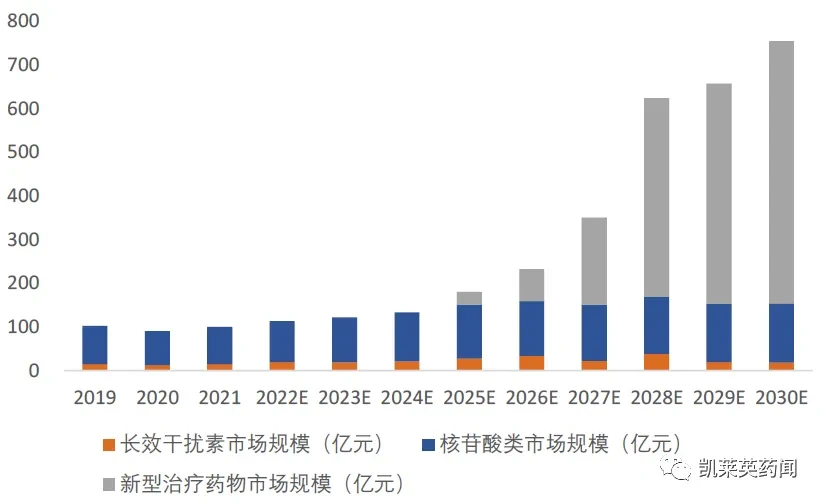
Source of the image: Xiangcai Securities Research Institute, Frost & Sullivan
Current Status of Small Nucleic Acids Functionally Curing Hepatitis B
The types of CHB cure mainly include complete cure (also known as virological cure) and clinical cure (also known as functional cure or immunological cure). Complete cure means that serum HBsAg is undetectable, intrahepatic and serum HBV DNA is cleared (including intrahepatic cccDNA and integrated HBV DNA), serum anti-HBc remains persistently positive, with or without the presence of anti-HBs. Due to the persistent and stable existence of cccDNA and the current lack of specific targeted drugs for cccDNA, complete cure is difficult to achieve.
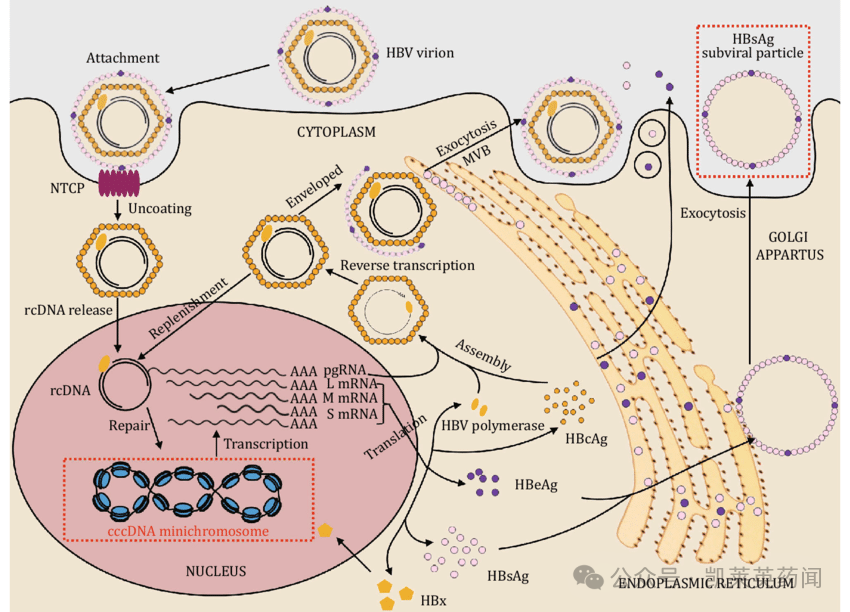
Functional cure refers to the sustained absence of serum HBsAg and HBV DNA after completing a limited course of treatment, with HBeAg seroconversion (with or without HBsAg seroconversion). Residual cccDNA may persist, but liver inflammation is alleviated, liver histopathology is improved, and the incidence of end-stage liver disease is significantly reduced. Clinical cure is similar to the state of spontaneous viral clearance after acute HBV infection, indicating durable immunological control of CHB, which is currently the ideal therapeutic goal recommended by guidelines both in China and internationally.
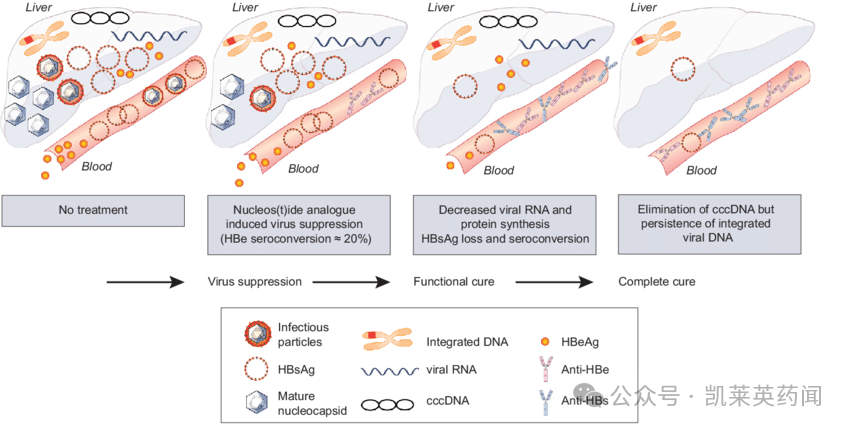
The undetectable level of HBsAg in serum (defined as HBsAg < 0.05 IU/mL) is an important criterion for the functional cure of hepatitis B. Small nucleic acid drugs can directly target HBV RNA. According to clinical trial data from some investigational small nucleic acid drugs, bepirovirsen, as a representative, can rapidly reduce HBsAg levels in patients with chronic hepatitis B.
Among them, the most advanced product is bepirovirsen (GSK3228836), discovered by Ionis and co-developed with GSK, which is currently in Phase III clinical trials.Expected to become the first approved drug for the functional cure of hepatitis B.According to the phase 2b clinical trial (B-Clear) data, during the first 12 weeks after initiating treatment, HBsAg levels in chronic hepatitis B patients (Arm 1-3) using bepirovirsen decreased rapidly compared to the placebo control group (Arm 4) during the same period; a similar rapid reduction in hepatitis B surface antigen levels was observed in Arm 4 patients after they began using bepirovirsen in the subsequent 12 weeks.In the first 12 weeks of using bepirovirsen, the HBsAg levels of the four patient groups decreased by 2.1, 2.2, 1.6, and 2.6 log10 IU/ml, respectively., and a total of 68% of patients achieved HBsAg levels below 100 IU/ml after bepirovirsen treatment ended. Among NA-experienced patients who underwent continuous bepirovirsen treatment for 24 weeks, 26% achieved HBsAg levels below the detection limit; however, after treatment cessation, the overall HBsAg levels gradually increased, and by week 24 post-treatment,Only 12% of NA-treated patients maintained HBsAg levels below the detection limit, and most patients who had previously achieved HBsAg clearance relapsed after discontinuation of treatment.
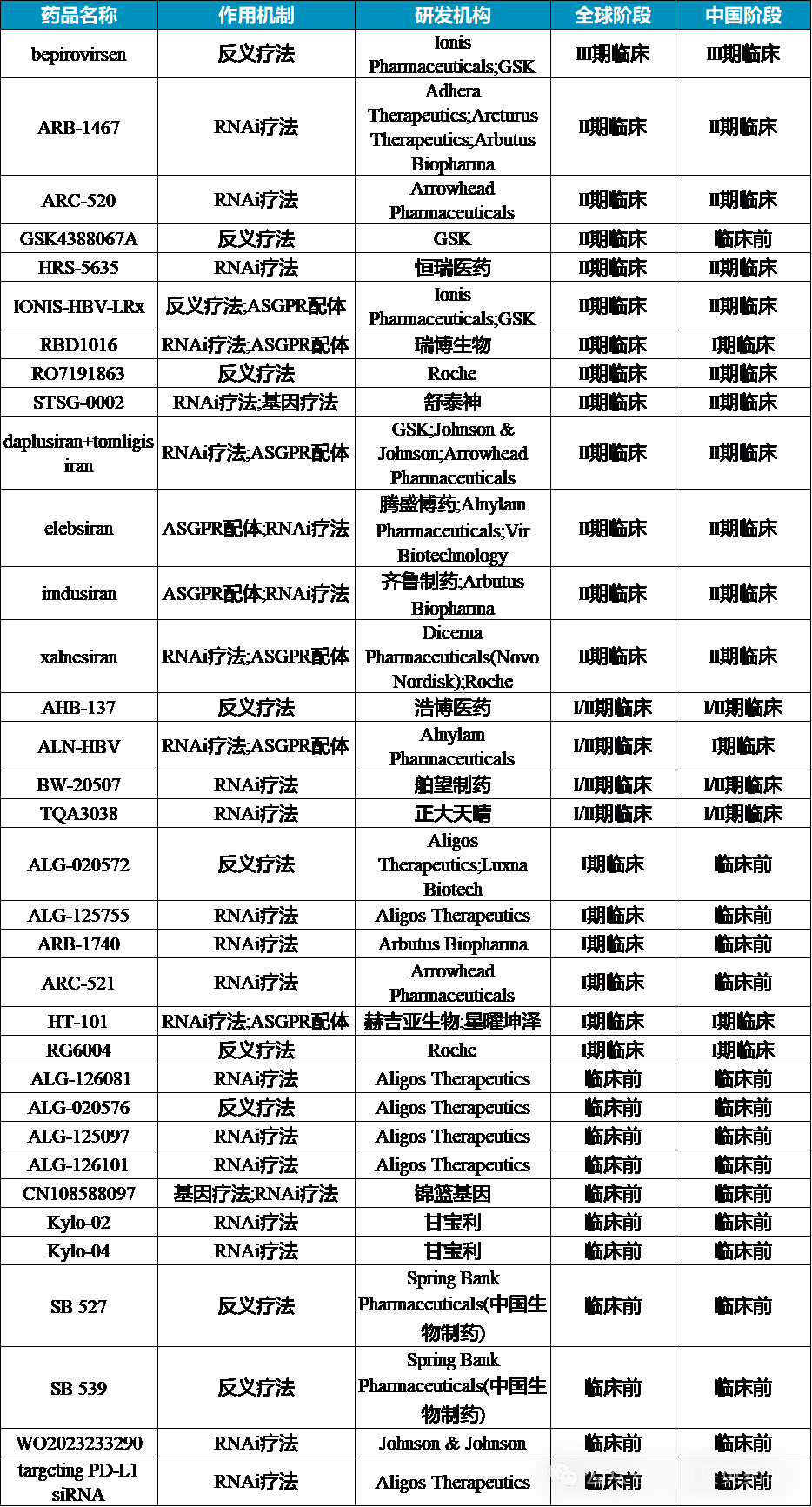
In addition to AHB-137 and bepirovirsen, other globally leading small nucleic acid drugs for hepatitis B include Arbutus' ARB-1467, Arrowhead's ARC-520, etc. Besides, companies in ChinaHengrui, Staidson, Brii Biosciences, Qilu, Bowang, CTTQ, StarRise KunzeThe relevant products have also entered the clinical development stage.



"Views"Click once