AstraZeneca Showcases Comprehensive Oncology Pipeline with Practice-Changing Data from LAURA, ADRIATIC, and DESTINY-Breast06 Studies at 2024 ASCO Annual Meeting

AstraZeneca
Biopharmaceutical Manufacturer

//
As one of the most anticipated annual events in oncology, the 2024 American Society of Clinical Oncology (ASCO) Annual Meeting concluded successfully on June 4th in Chicago. During this five-day ASCO conference, AstraZeneca presented over a hundred research reports, among which were notable studies such as...LAURA、ADRIATICAndDESTINY-Breast06Several heavyweight studies appear to be leading a new wave of transformation in global anti-tumor treatment. Next, the editor will take you through the key heavyweight studies worth focusing on from this conference.
Learning from one instance and applying it to others, new progress in the clinical diagnosis and treatment of unresectable LC
With the continuous advancement in the research and development of anti-tumor therapeutic drugs, targeted therapy drugs represented by Osimertinib and immunotherapy drugs represented by Durvalumab have gradually become key players in the clinical treatment of lung cancer (LC). Previously, the PACIFIC study pioneered and demonstrated the significant value of the treatment model "concurrent chemoradiotherapy combined with immune consolidation therapy" in the clinical treatment of patients with stage III unresectable non-small cell lung cancer (NSCLC). This time, the study was presented in an oral report format at the ASCO Plenary Session.LAURA StudyAndADRIATIC StudyFurther expanded the more possibilities of this model in clinical practice.
Abstract:LBA4
LAURA StudyA double-blind, placebo-controlled, global multi-center Phase III clinical trial evaluating the efficacy and safety of osimertinib as consolidation therapy after radical chemoradiotherapy in patients with stage III unresectable NSCLC harboring EGFR sensitizing mutations.[1]。
The results published at this conference showed that consolidation therapy with osimertinib after radical chemoradiotherapy significantly improved progression-free survival (PFS) in patients. The median PFS assessed by blinded independent central review (BICR) reached 39.1 months (95% CI: 31.5-NC) in the osimertinib group, compared to only 5.6 months (95% CI: 3.7-7.4) in the placebo group, reducing the risk of disease progression or death by 84% (HR=0.16, 95% CI: 0.10-0.24; P<0.001). Moreover, although the overall survival (OS) data from the LAURA study is not yet mature (20% maturity), and 81% of patients in the placebo group received osimertinib treatment after disease progression, the osimertinib group still demonstrated a trend towards OS benefit (HR=0.81, 95% CI: 0.42-1.56; P=0.530).
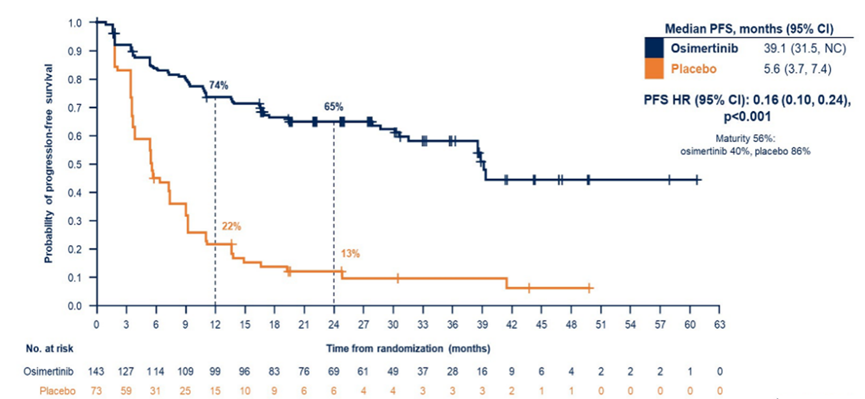
Figure 1. PFS assessed by BICR in the LAURA study
We believe that the data results from the LAURA study will not only bring a new treatment option for patients with EGFR-sensitive mutations in unresectable stage III NSCLC, but will also undoubtedly stimulate further clinical exploration of "radical chemoradiotherapy followed by targeted consolidation therapy" in the clinical diagnosis and treatment of driver gene-positive locally advanced unresectable NSCLC in the future.
Abstract:LBA5
Unlike the LAURA study,ADRIATIC StudyExploration of the efficacy and safety of Durvalumab with or without Tremelimumab as consolidation therapy for limited-stage small cell lung cancer (LS-SCLC) patients without disease progression after concurrent chemoradiotherapy[2]。
The study results showed that, compared with the placebo group, both PFS (HR=0.76, 95%CI: 0.61-0.95; P=0.0161) and OS (HR=0.73, 95%CI: 0.57–0.93; P=0.0104) were significantly improved in the durvalumab group. The median PFS and median OS in the durvalumab group were 16.6 months (95%CI: 10.2-28.2) and 55.9 months (95%CI: 37.3-NE), respectively, while those in the placebo group were 9.2 months (95% CI: 7.4-12.9) and 33.4 months (95%CI: 25.5-39.9), respectively.
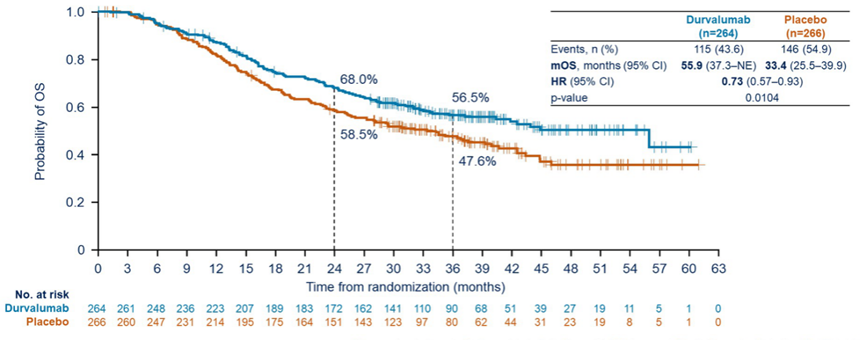
Figure 2. OS Data of Patients in the ADRIATIC Study
With the success of the ADRIATIC study, durvalumab has now fully covered both LS-SCLC and ES-SCLC. Not only that, but it has also benefited various types of patients in the NSCLC field. It is believed that durvalumab will continue to lead the clinical diagnosis and treatment of LC in the future.
Full Power Ahead: A New Era of Precision Treatment for Breast Cancer
In the field of breast cancer treatment, multiple drugs such as Trastuzumab Deruxtecan, Dato-DXd, and Capivasertib have continuously achieved breakthrough research results, bringing new preferred treatment options to clinical practice. At this year's ASCO conference, Trastuzumab DeruxtecanDESTINY-Breast06 StudyEven more, it has made its debut announcement, gaining popularity and breaking through circles with its strength.
Abstract:LBA1000
DESTINY-Breast06Is a global, randomized, open-label Phase III clinical trial designed to evaluate the efficacy and safety of trastuzumab deruxtecan compared with investigator's choice of chemotherapy (TPC) in patients with hormone receptor-positive (HR+), human epidermal growth factor receptor 2 (HER2) low or HER2-ultralow advanced or metastatic breast cancer. Patients enrolled in the study had not previously received chemotherapy in the advanced setting, had received ≥2 lines of endocrine therapy in the advanced setting, or had received one line of endocrine therapy in the advanced setting (if they progressed within ≤24 months of adjuvant endocrine therapy or progressed within ≤6 months after first-line endocrine + CDK4/6i therapy in the advanced setting).[3]。
The data, first disclosed at ASCO, showed that in the HER2-low population, the trastuzumab deruxtecan group demonstrated a statistically significant and clinically meaningful improvement in PFS (BICR) compared to the TPC group (13.2 months vs 8.1 months). Significant PFS (BICR) benefits were also observed in both the ITT population and the HER2-ultralow population. In terms of confirmed ORR, regardless of whether patients were HER2-low or HER2-ultralow, the trastuzumab deruxtecan group showed higher response rates than the TPC group (ITT population: 57.3% vs 31.2%; HER2-low population: 56.5% vs 32.2%; HER2-ultralow population: 61.8% vs 26.3%). The safety profile of trastuzumab deruxtecan was consistent with previous studies, with no new safety signals identified. Based on these results, trastuzumab deruxtecan has the potential to become a new treatment option for HR+/HER2-low and HER2-ultralow advanced breast cancer patients who have progressed after ≥1 line of standard endocrine therapy.
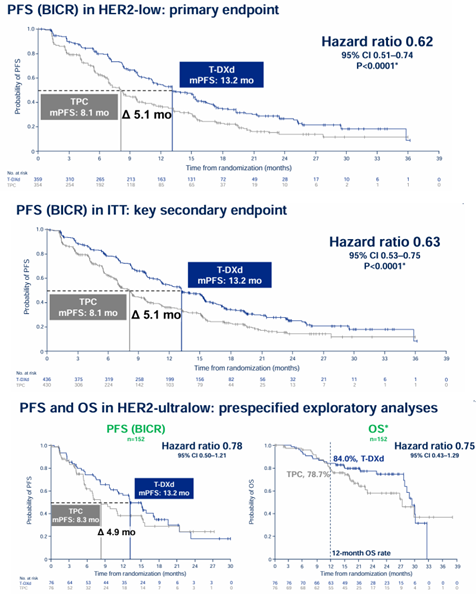
Figure 3 DESTINY-Breast06 Study HER2-Low, ITT Population PFS Analysis (BICR) and HER2-Ultralow Population PFS (BICR) and OS Analysis
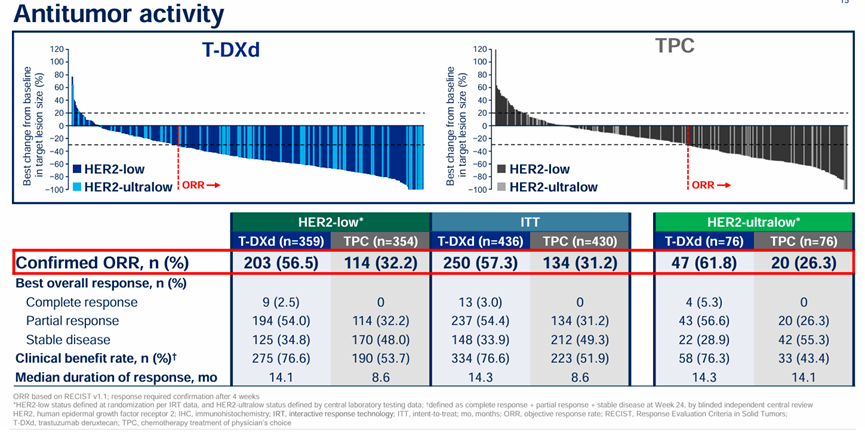
Figure 4 DESTINY-Breast06 Study Antitumor Activity Results
Abstract:1025
DESTINY-Breast03(NCT03529110) is a multicenter, randomized, open-label Phase III clinical trial designed to evaluate the efficacy and safety of Trastuzumab Deruxtecan (T-DXd) versus Trastuzumab Emtansine (T-DM1) in HER2-positive advanced breast cancer patients previously treated with ≥1 line of anti-HER2 therapy. The DESTINY-Breast03 study had already met its primary endpoint, demonstrating that T-DXd significantly improved PFS compared to T-DM1 (28.8 months vs 6.8 months; HR=0.33, 95% CI 0.26-0.43, P<0.001).[4]The latest OS data from the DESTINY-Breast03 study, with a median follow-up of 41 months, was announced at this year's ASCO conference.[5]As of November 20, 2023, trastuzumab deruxtecan significantly extended the median OS of patients to a historic 52.6 months (95% CI 48.7-NE) compared with T-DM1, reducing the risk of death by 27% (95% CI 0.56-0.94). Previously, based on the breakthrough 28.8-month improvement in PFS from the DESTINY-Breast03 study, trastuzumab deruxtecan had become the standard second-line treatment for HER2-positive advanced breast cancer. This OS data update not only set a new record for OS in second-line treatment of HER2-positive advanced breast cancer but also further solidified the status of trastuzumab deruxtecan as the standard second-line treatment, bringing longer survival hope to patients with HER2-positive advanced breast cancer.
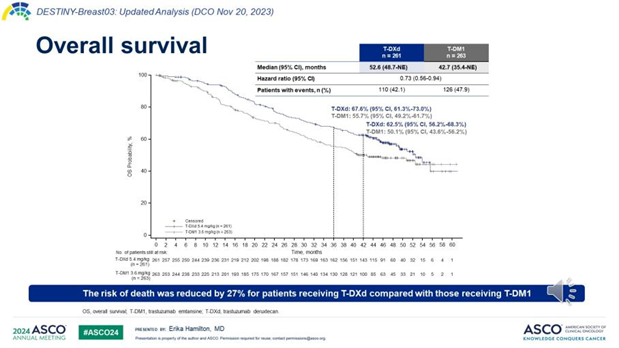
Figure 5 OS Analysis of DESTINY-Breast03 Study
Clinical Research Widely Layout, Multi-dimensional Support for Gastrointestinal Tumor Field to Reach New Heights
In the field of gastrointestinal tumors, multiple clinical studies presented at this year's ASCO conference have achieved remarkable results. These include immunotherapy drugs such as Durvalumab, Tremelimumab, Volrustomig, and Rilvegostomig; targeted therapy drugs like Trastuzumab Deruxtecan for the HER2 target and AZD0901 for the Claudin 18.2 target; as well as innovative CAR-T therapies like C-CAR031. These studies not only point to new directions in the treatment of gastrointestinal tumors but also bring new hope to a wide range of patients with these conditions.
Abstract 4122
The primary endpoint of the global Phase III EMERALD-1 study has been reached. In patients with unresectable hepatocellular carcinoma (uHCC) suitable for embolization, compared with placebo combined with transarterial chemoembolization (TACE), durvalumab combined with bevacizumab and TACE (D+B+TACE) significantly improved PFS (15.0 months vs 8.2 months; HR=0.77; 95% CI: 0.61-0.98; P=0.032) and demonstrated manageable safety.[6]。
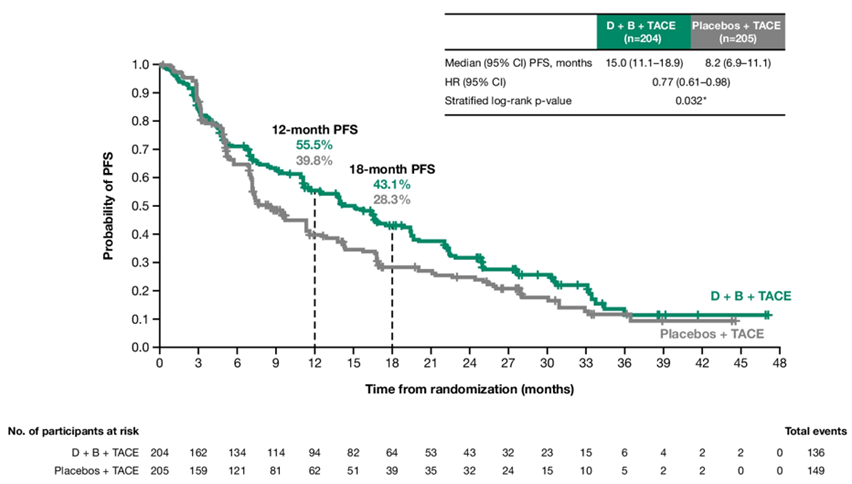
Figure 6 EMERALD-1PFS
This ASCO conference announced the safety analysis results of each treatment phase in the EMERALD-1 study.
EMERALD-1 Exploratory Analysis Aims to Evaluate the Safety of Two Treatment Phases [D-TACE (D-T) and D-B] in the Study. Subjects were randomized in a 1:1:1 ratio to receive D+TACE, D+B+TACE, or placebo+TACE. The AE profiles of subjects who were randomized to receive any study treatment were assessed during the D-T and D-B treatment phases until the end of follow-up.
The results showed that the incidence rates of adverse events (AEs) during the D-T treatment phase were 74.6%, 72.0%, and 74.0% in the D+TACE, D+B+TACE, and placebo+TACE groups, respectively, while the incidence rates during the D-B treatment phase were 68.9%, 76.2%, and 66.0%. The incidence rates of AEs potentially related to the study treatment during the D-T treatment phase were 30.6%, 29.0%, and 20.5% in the three groups, respectively, and during the D-B treatment phase were 39.4%, 59.1%, and 34.5%. The incidence rates of AEs caused by TACE during the D-T treatment phase were 37.3%, 46.6%, and 42.5% in the three groups, respectively, and during the D-B treatment phase were 8.3%, 9.3%, and 10.5%.
Table 1 Summary of Exposure Duration and Safety
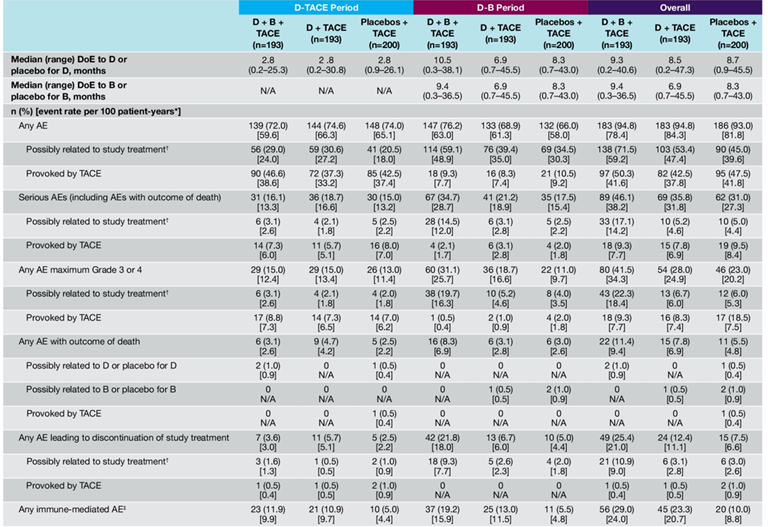
As can be seen from the exploratory analysis of the EMERALD-1 study,D+B+TACE Demonstrates Manageable Safety in D-T and D-B Treatment Phases。These data support D+B+TACE as a potential standard treatment for uHCC patients suitable for embolization therapy.。
Targeted-Immune Synergy: A New Chapter in Precision Treatment for Gynecological Tumors
In the field of gynecological oncology, drugs such as Olaparib and Durvalumab have shown great potential and promise in the treatment of ovarian cancer and endometrial cancer. Both monotherapy and combination treatment strategies are continuously being explored and optimized, offering effective and tolerable precision treatment options for patients with different BRCA and homologous recombination repair deficiency (HRD) statuses.
Abstract:5559
L-MOCA Study First Confirms the Efficacy and Tolerability of Olaparib as Maintenance Monotherapy for Asian Patients with Platinum-Sensitive Relapsed Ovarian Cancer (PSROC), with a Reported Median PFS of 16.1 Months[7]At this year's ASCO meeting, L-MOCA researchers reported the results of the interim OS analysis.[8]。
In the full analysis set (FAS), the median OS of patients reached 54.4 months., where the median OS in the BRCA-mutated subgroup has not been reached yet, and the median OS in the BRCA wild-type subgroup is 44.3 months. The median OS in HRD-positive patients is 59.1 months, with the median OS in HRD-positive BRCA wild-type patients being 54.6 months; in the homologous recombination proficient (HRP) subgroup, the median OS is 37.2 months.
This result indicates that,Regardless of BRCA mutation and HRD status, Olaparib has demonstrated promising OS benefits in Asian PSROC patients with good tolerance.。
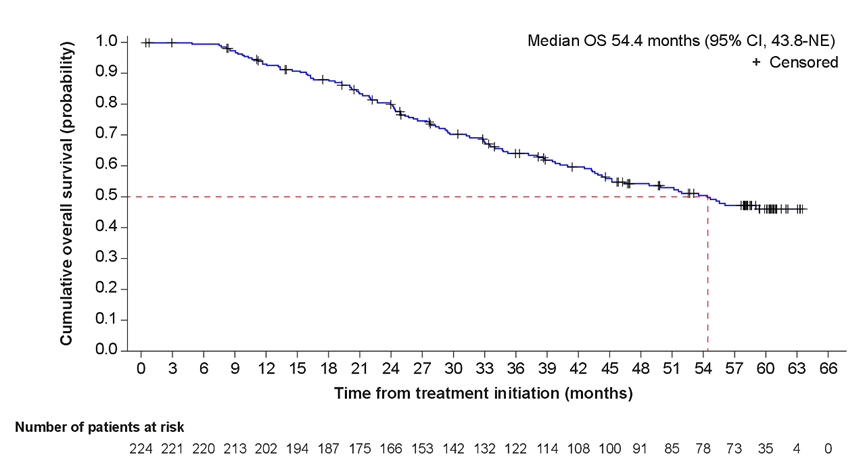
Figure 7 OS Survival Curve in the Full Analysis Set
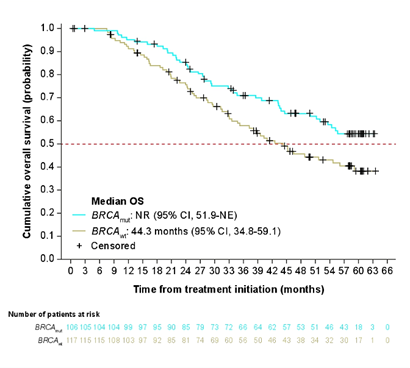
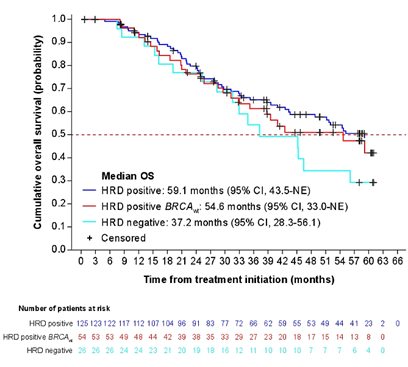
Figure 8 OS Survival Curves by Different BRCA and HRD Status
Abstract:5595,5599
DUO-E Study is the world's first Phase III study to evaluate the efficacy of immunotherapy combined with PARP inhibitors as a first-line treatment for advanced or recurrent endometrial cancer. It assesses first-line carboplatin + paclitaxel (CP) combined with durvalumab, followed by maintenance therapy with durvalumab alone or in combination with olaparib for patients with newly diagnosed advanced or recurrent endometrial cancer.[9]。
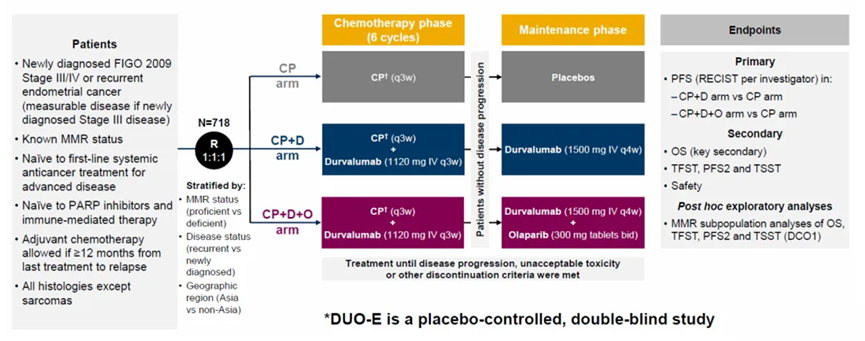
Figure 9 DUO-E Study Design
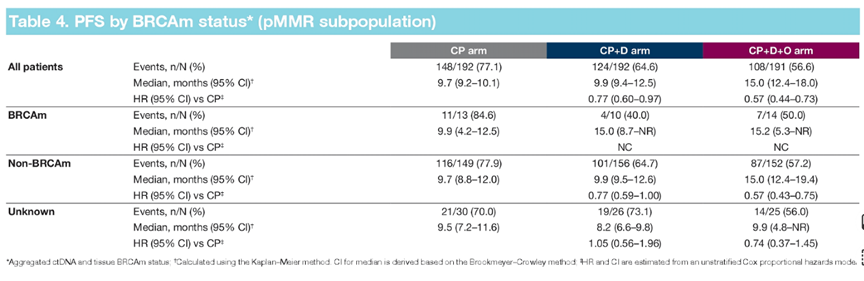
Previously published data indicated that compared with CP alone, the regimen of durvalumab + CP as first-line treatment followed by maintenance therapy with durvalumab monotherapy or in combination with olaparib significantly improved PFS in patients. Subgroup analysis showed consistent PFS benefits across mismatch repair-deficient (dMMR), mismatch repair-proficient (pMMR), and PD-L1 positive populations. At this ASCO meeting, the DUO-E study further updated exploratory analyses of PFS in BRCA-mutated and BRCA wild-type patients and focused on common adverse reactions in the overall population.[10,11]。
The results showed that inIn the intention-to-treat (ITT) and pMMR populations, regardless of BRCA mutation status, CP plus durvalumab and olaparib showed clinical benefit over CP alone., Due to the low prevalence of BRCA mutations and the small sample size, a descriptive analysis method was used for the BRCA mutation subgroup analysis.
Table 2 PFS of ITT Population with Different BRCA Status
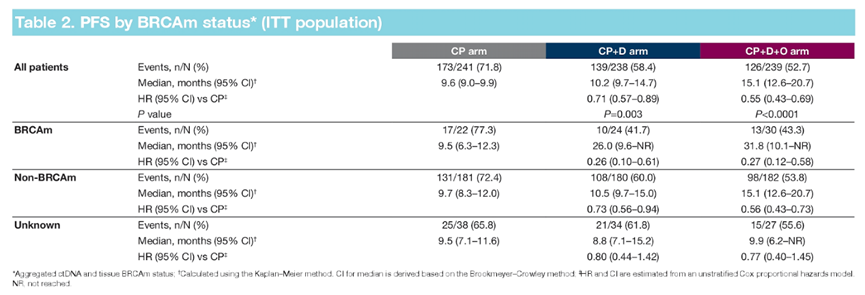
Table 3 PFS of dMMR Population with Different BRCA Status
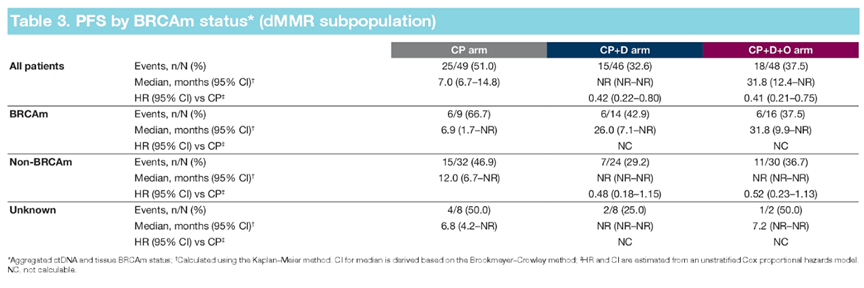
Table 4 PFS of pMMR Population with Different BRCA Status
In terms of safety, the findings from the DUO-E study were generally consistent with the previously known safety profiles of CP, durvalumab, and olaparib.Treatment-related AEs were mostly low-grade, with few cases leading to dose adjustment, interruption, or discontinuation, indicating an overall manageable and controllable safety profile.。
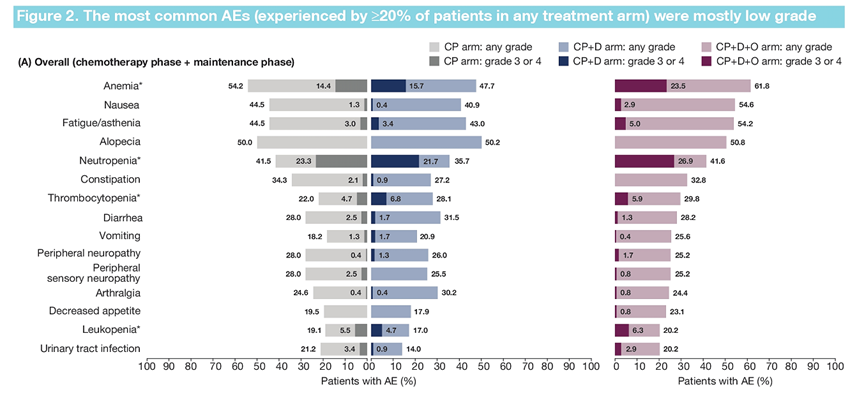
Figure 10 Common AEs in CP Group vs CP + Durvalumab Group vs CP + Durvalumab + Olaparib Group
Embodying the All-Round Warrior, Strengthening Leadership in the Urological Oncology Field
In the field of urological tumors, several star drugs such as Goserelin Acetate Sustained-Release Implant, Bicalutamide, and Olaparib have become classic regimens for the clinical treatment of prostate cancer, significantly improving patient survival benefits and quality of life. At this year's ASCO conference, significant progress has been made in the research of urological tumors, providing new strategies for the treatment of prostate cancer, bladder cancer, etc. Among them, multiple studies on drugs such as Trastuzumab Deruxtecan, Saruparib, and Olaparib have shown great clinical application value. Notably, once the results of the PROact study were announced, the impact value of its data on clinical practice received widespread attention and discussion from experts and scholars worldwide.
Abstract : 5082
The PROact study is a single-center, single-arm, prospective study exploring the efficacy and safety of olaparib combined with abiraterone acetate + prednisone in subjects with metastatic hormone-sensitive prostate cancer (mHSPC) carrying homologous recombination repair (HRR) gene mutations.The interim analysis results of the PROact study were reported at this year's ASCO conference.[12]。
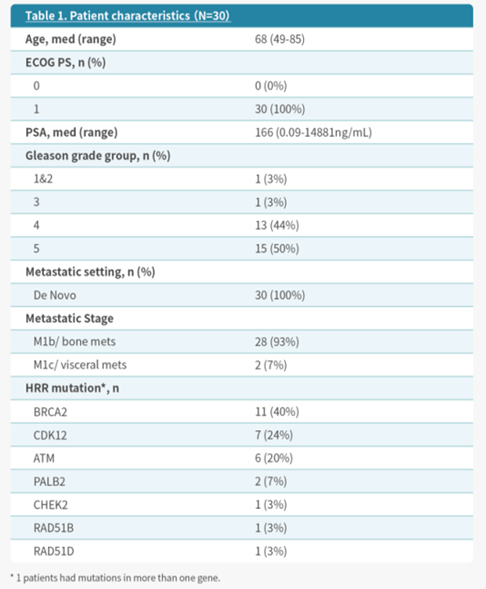
The PROact study enrolled mHSPC patients who were found to have at least one HRR gene mutation (BRCA1, BRCA2, ATM, BARD1, BRIP1, CDK12, CHEK1, CHEK2, FANCL, PALB2, RAD51B, RAD51C, RAD51D, and RAD54L) through tissue NGS testing. From May 19, 2022, to December 8, 2023, a total of 30 patients were enrolled and received combination therapy. All patients were newly diagnosed with mHSPC, with a median age of 68 years and a median PSA of 166 ng/mL. A total of seven types of HRR mutations were identified, including BRCA2, CDK12, ATM, PALB2, CHEK2, RAD51B, and RAD51D.
Table 5. Baseline Characteristics of Patients
As of April 30, 2024, the median follow-up time reached 9.5 months.Among 30 evaluable patients for PSA response, the PSA50 response rate reached 100% (30/30), and the PSA90 response rate was 96.7% (29/30).Among the 13 patients evaluated by RECIST, the ORR was 92.3% (12/13).Among them, 2 cases achieved CR, and 10 cases achieved PR. In terms of safety, the combination of olaparib and abiraterone was well tolerated. Seven patients (23.3%) experienced ≥ Grade 3 TRAEs, with anemia being the most common TRAE; all patients recovered after symptomatic treatment and were able to continue therapy. Additionally, no fatal or other SAEs occurred with this combination regimen, and no patients discontinued or interrupted treatment due to SAEs.
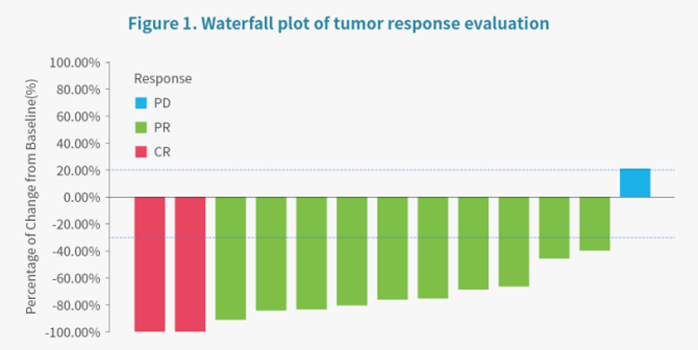
Figure 11 Waterfall Plot of Tumor Response Rate Assessment
PROact is the first study to demonstrate the efficacy and tolerability of olaparib in combination with abiraterone and prednisone in patients with HRR-mutated mHSPC. The primary endpoint data for 1-year rPFS will be reported subsequently, and it is hoped that the results of this study will bring new treatment options to more patients with prostate cancer.
Abstract :TPS5123
Currently, the application of first-generation poly (ADP-ribose) polymerase inhibitors (PARPi) in the field of urological oncology has become increasingly mature, showing promising therapeutic effects. With the continuous advancement of precision oncology, research on second-generation PARPi is proceeding vigorously. Compared with first-generation PARPi, second-generation PARPi improve solubility, selectivity, and avoid drug interactions through ingenious optimization of pharmaceutical chemical structures, thus offering better safety. For instance, Saruparib, a second-generation PARP1-specific inhibitor, selectively inhibits and traps PARP1 with minimal impact on PARP2. Therefore, it may provide a better therapeutic window compared to currently approved non-selective PARPi. At this year's ASCO Annual Meeting, the EvoPAR-Prostate01 study officially disclosed its study design.[13]This is a global, multicenter, two-cohort, two-arm, randomized, double-blind, placebo-controlled Phase III study aimed at comprehensively evaluating the efficacy and safety of Saruparib combined with physician’s choice of NHA (abiraterone/darolutamide/enzalutamide) compared to placebo combined with physician’s choice of NHA in patients with mHSPC.
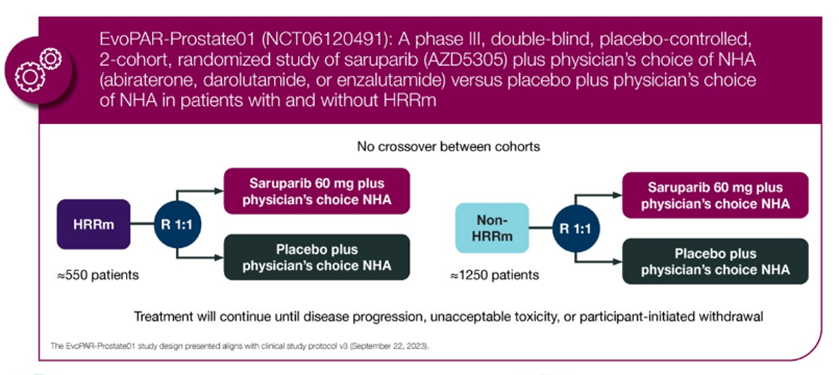
Figure 12 EvoPAR-Prostate01 Study Design
The key inclusion criteria for this study are: age ≥18 years, histologically confirmed mHSPC (newly diagnosed or recurrent, low tumor burden or high tumor burden), ECOG PS score 0-1, and confirmed, prospectively defined HRR gene mutation status (defined as the presence/absence of pathogenic/likely pathogenic mutations in ≥1 of the following genes: BRCA1, BRCA2, ATM, CDK12, PALB2, RAD51B, RAD51C, RAD51D, and BARD1). Participants must receive ADT treatment throughout the study period or have undergone bilateral orchiectomy and be suitable for NHA treatment. Participants are assigned to the HRRm cohort or non-HRRm cohort based on prospective testing results of tumor tissue and ctDNA. Participants are randomized 1:1 to receive Saruparib+NHA or placebo+NHA, with treatment continuing until disease progression, unacceptable toxicity, or participant withdrawal. The primary endpoint is rPFS, and the key secondary endpoint is OS. This study is currently ongoing, and further results are awaited.
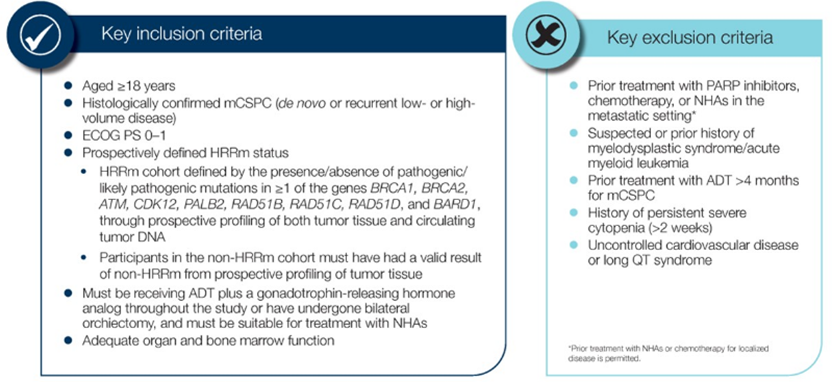
Figure 13 EvoPAR-Prostate01 Study Inclusion and Exclusion Criteria
Summary
The relevant studies brought by AstraZeneca at this conference go far beyond this. Research on multiple novel drugs such as AZD0901 and C-CAR031 is equally noteworthy. It is believed that with the joint efforts of numerous clinical oncology professionals, more cancer patients will see the hope of achieving long-term survival or even a "cure" in the future.

Editor: Leon
Reviewed by: Leon
Typesetting: KIKI
Execution: Babel
This platform aims to convey more medical information to healthcare professionals. The content published on this platform cannot replace professional medical guidance in any way and should not be regarded as diagnostic or treatment advice. If such information is used for purposes other than understanding medical information, this platform assumes no related responsibility. The platform does not endorse the descriptions and opinions of the content it publishes. If there are any copyright issues, we kindly request the rights holder to contact us, and we will address the matter as soon as possible.