

Peptide Therapeutics Portfolio of the World's Top 10 Biopharmaceutical Companies (with Structural Illustrations)

Johnson & Johnson
Medical Device R&D and Manufacturer
|Edited by the Content Team of Zhong Peptide Biochemical
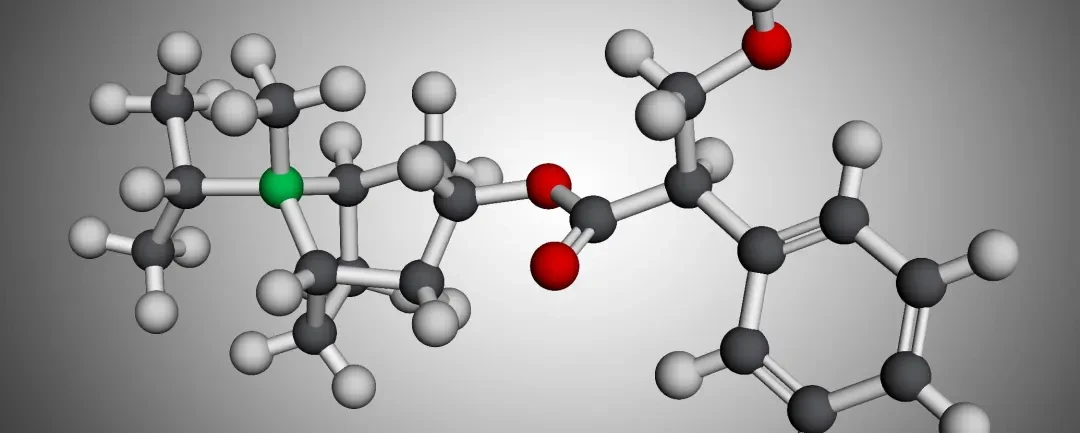
According to the market value ranking on April 15, 2024, the peptide/pseudo-peptide assets owned by the top ten biopharmaceutical companies globally are as follows:
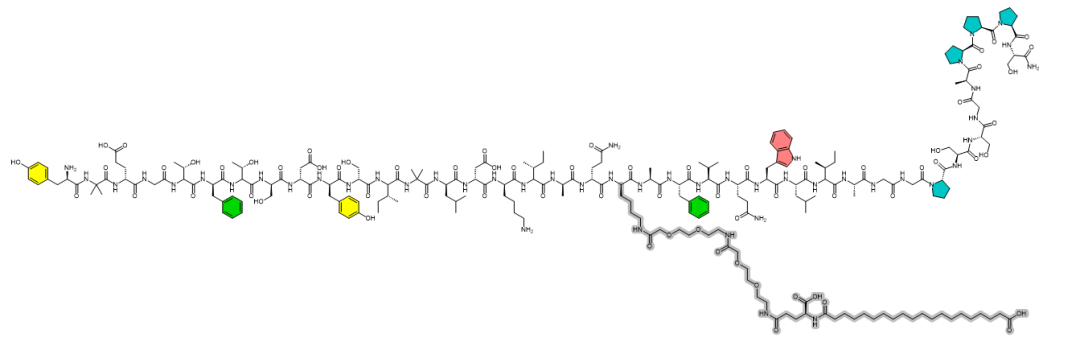



Liraglutide
No listed polypeptide assets
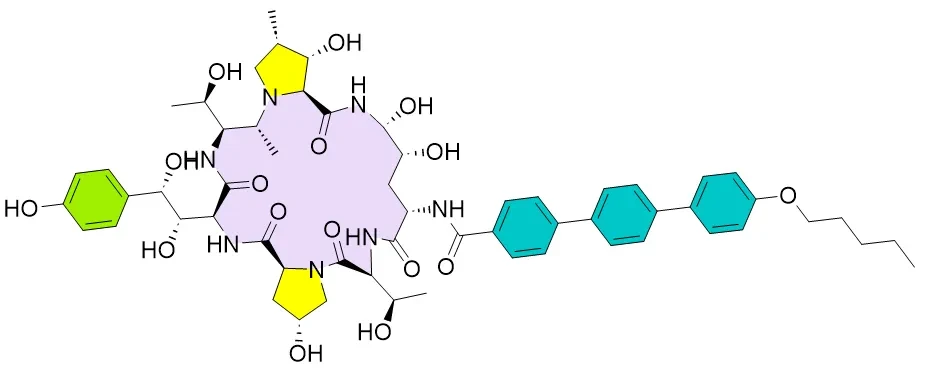
· CANCIDAS® (caspofungin acetate, cyclic peptide):Echinocandin antifungal drug, approved on January 26, 2001, for adult patients with invasive aspergillosis who are refractory to or intolerant of other antifungal drugs.
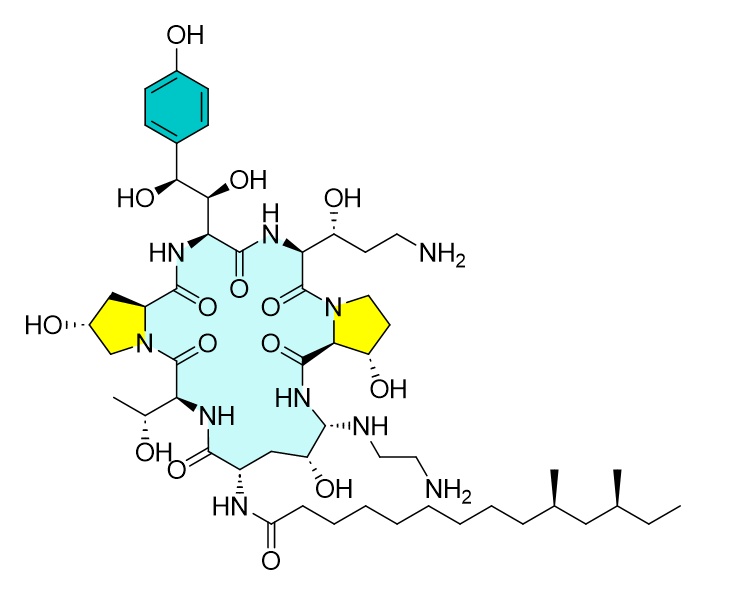
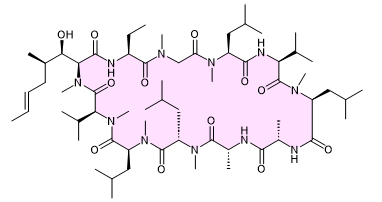
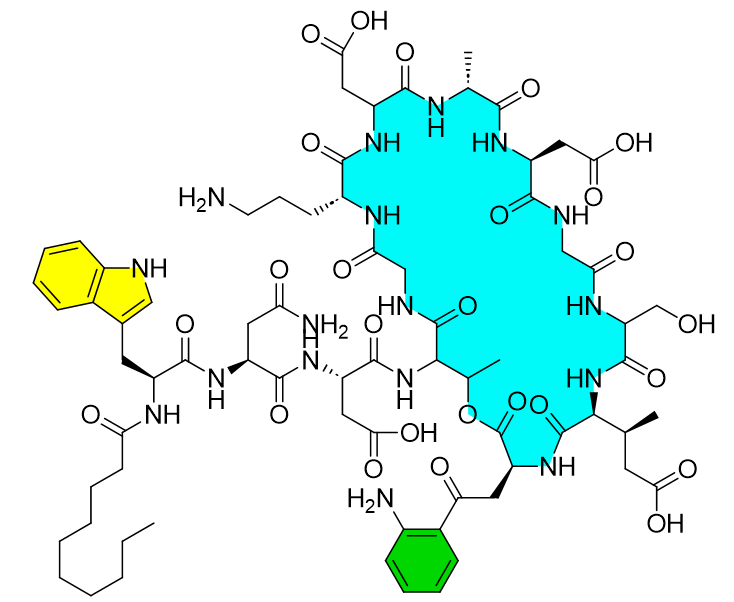
· CUBICIN® (daptomycin for injection, cyclic peptide):Lipopeptide Antibiotics, Used for Treating Systemic and Life-Threatening Infections Caused by Gram-Positive Bacteria, Approved on September 12, 2023.
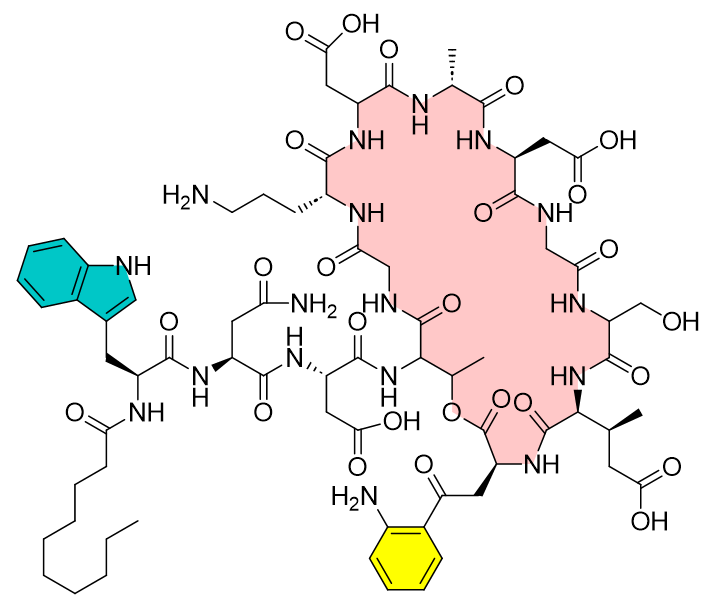
Daptomycin
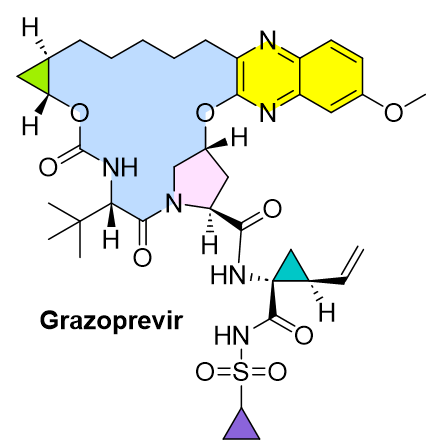
· ZEPATIER (Grazoprevir + Elbasvir):Hepatitis C, Second-Generation Hepatitis C Virus Protease Inhibitor, Approved on January 28, 2016.
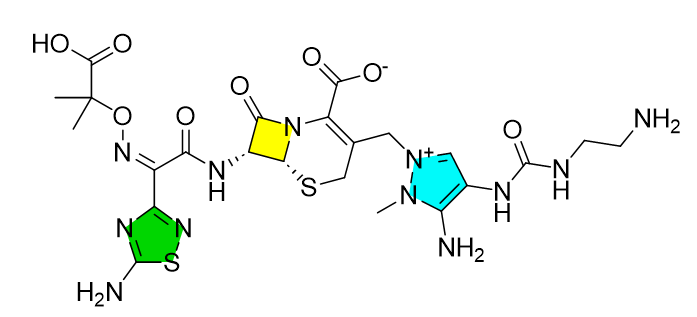
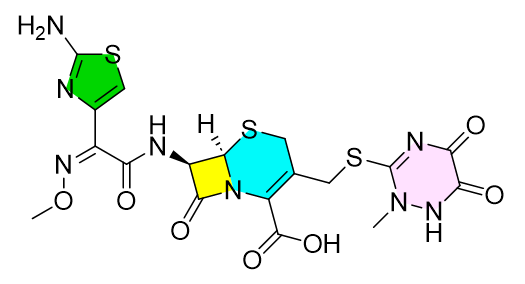
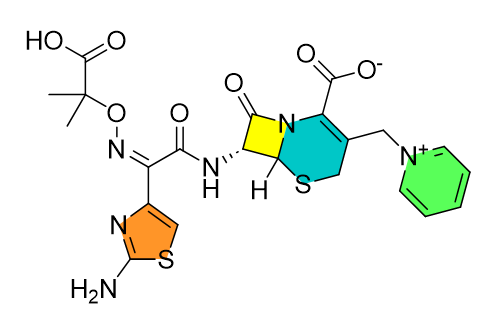
· ZERBAXA (ceftolozane and tazobactam):A compound antibiotic drug used to treat complicated urinary tract infections and complicated intra-abdominal infections in adults. Ceftolozane is a cephalosporin antibiotic (β-lactam class) developed for the treatment of Gram-negative bacterial infections resistant to conventional antibiotics. Approved on December 19, 2014.
No peptide drugs on the market
· Zoladex (goserelin acetate implant): A drug used to suppress the production of sex hormones (testosterone and estrogen) for the treatment of breast cancer and prostate cancer. It is an injectable gonadotropin-releasing hormone agonist (GnRH agonist). Approved on December 29, 1989.
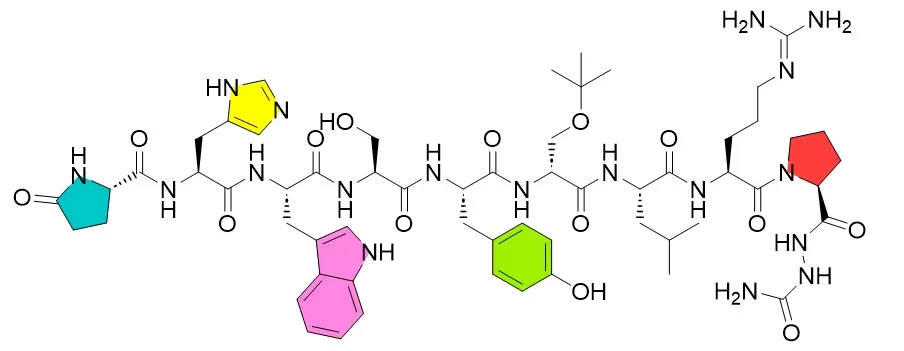
Goserelin
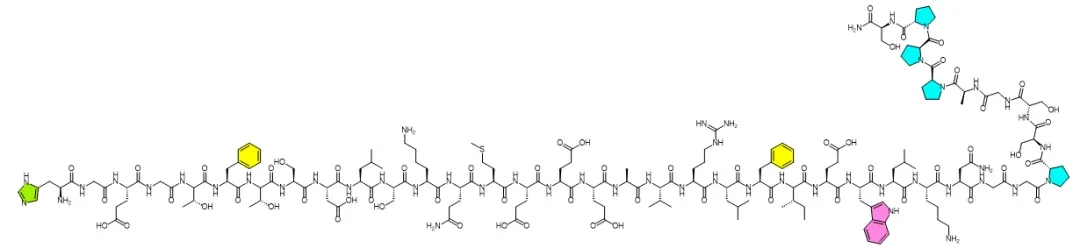
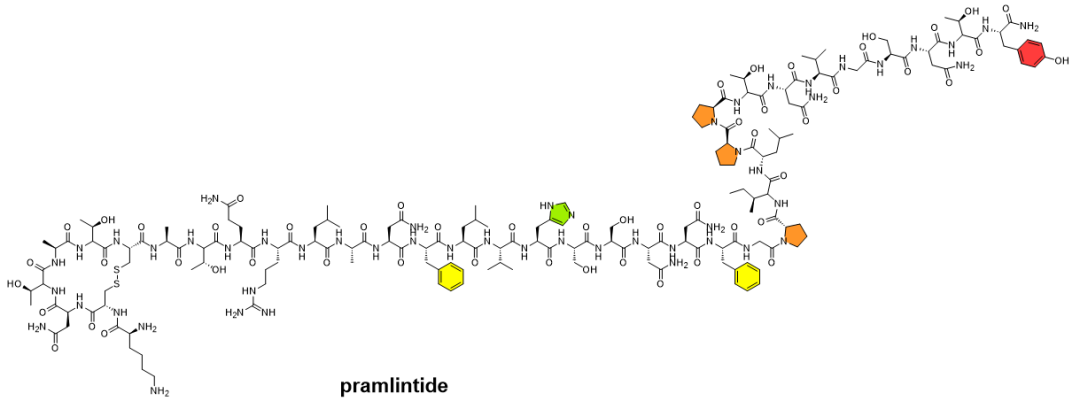
· Symlin (pramlintide acetate):An injectable amylin analog drug used to treat diabetes (type 1 and type 2). Approved on March 16, 2005.
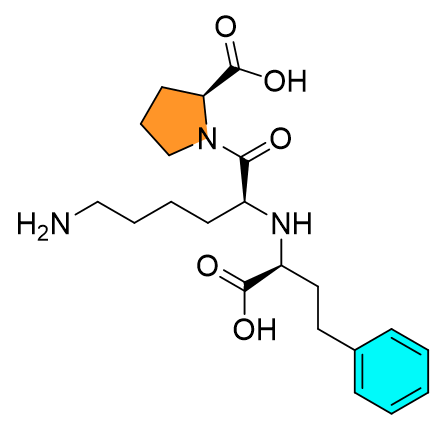
· Zestril (lisinopril dihydrate): Angiotensin-converting enzyme inhibitors (ACE inhibitors), used to treat hypertension, heart failure, and myocardial infarction. Approved on January 7, 2003.
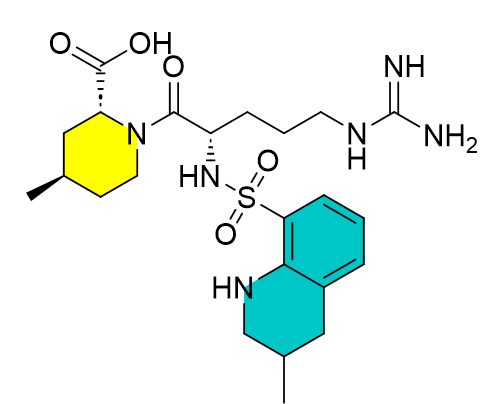
· ARGATROBAN (argatroban injection, solution): Direct thrombin inhibitor, used for the prevention or treatment of thrombosis in patients with heparin-induced thrombocytopenia (HIT). Approved on June 30, 2000.
No peptide drugs on the market
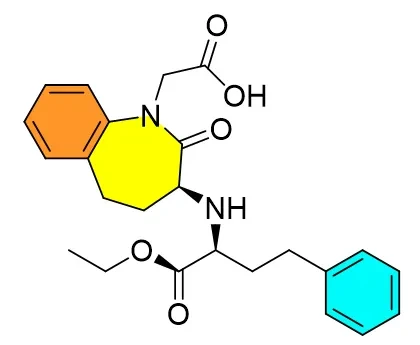
· Cibacen® (benazepril hydrochloride): For the treatment of hypertension, heart failure, and diabetic nephropathy, approved on June 16, 1999.
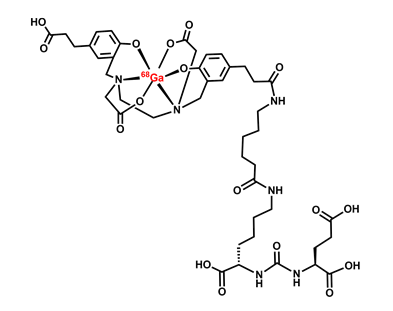
· Locametz (gallium Ga 68 gozetotide):A radiopharmaceutical made from 68Ga conjugated with the prostate-specific membrane antigen (PSMA) targeting ligand Glu-Urea-Lys(Ahx)-HBED-CC, used for imaging prostate cancer through positron emission tomography (PET). Approved on March 23, 2022.
· Lutathera (lutetium Lu 177 dotatate, cyclic peptide):Lutetium Radioisotope Chelate Complex with DOTA-TATE, for Peptide Receptor Radionuclide Therapy (PRRT). Used to treat adult patients with gastroenteropancreatic neuroendocrine tumors (GEP-NETs) that are positive for somatostatin hormone receptors. Approved on January 26, 2018.
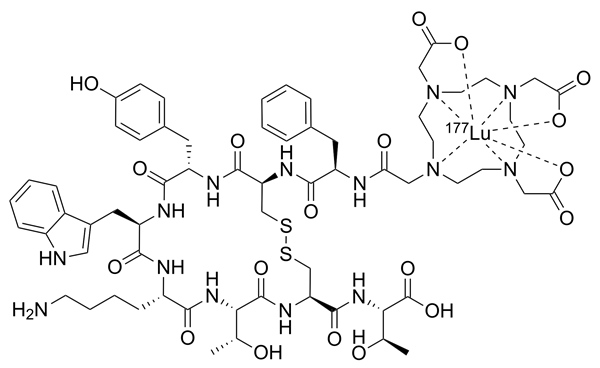
· NETSPOT (gallium Ga 68 dotatate injection):Ga 68 dotatate Injection, when used with PET scan (Positron Emission Tomography), can locate somatostatin receptor-positive neuroendocrine tumors (NET) in adults and children.
· Pluvicto (lutetium Lu 177 vipivotide tetraxetan):For adult patients with metastatic castration-resistant prostate cancer (mCRPC) that is positive for prostate-specific membrane antigen (PSMA), who have received androgen receptor (AR) pathway inhibition and taxane-based chemotherapy.
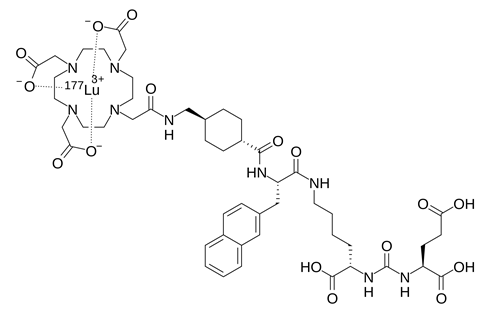
lutetium Lu 177 vipivotide tetraxetan(Image Source: Wikipedia)
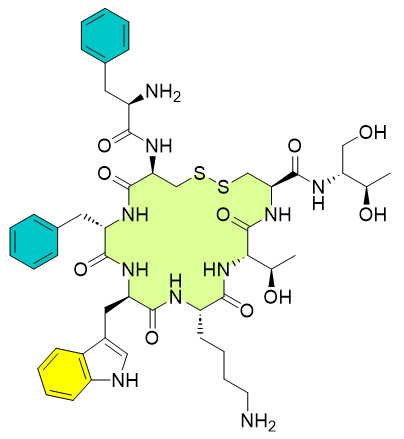
· Sandostatin (octreotide acetate): Used to treat tumors that produce growth hormone (e.g., acromegaly and gigantism). Approved on November 25, 1998.
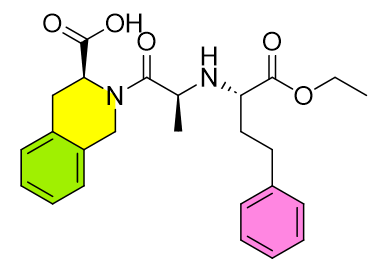
· ACCUPRIL (quinapril HCI)
· ACCURETIC® (quinapril HCl/hydrochlorothiazide):Quinapril is used to treat hypertension, heart failure, and diabetic nephropathy. It is a first-line treatment for hypertension.
· ALTACE (ramipril):Ramipril is an ACE inhibitor used to treat hypertension, heart failure, and diabetic nephropathy. It can also be used as a preventive medication for patients over 55 years old to reduce the risk of heart attack, stroke, or cardiovascular death in high-risk patients (such as some diabetics and those with vascular diseases).
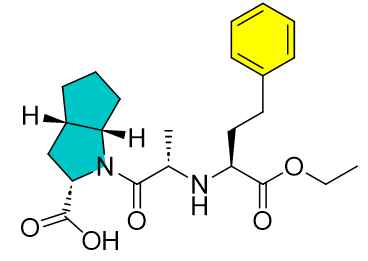
Ramipril
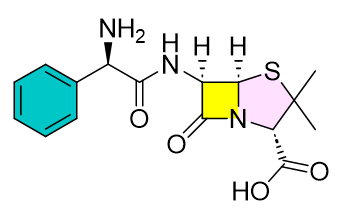
· AMPICILLIN FOR INJECTION (Ampicillin Sodium):Ampicillin is an antibiotic that belongs to the aminopenicillin class of the penicillin family. It is used to prevent and treat a variety of bacterial infections, such as respiratory tract infections, urinary tract infections, meningitis, salmonellosis, and endocarditis. It can also be used to prevent Group B streptococcal infection in newborns. It can be administered orally, via intramuscular injection, or intravenously.
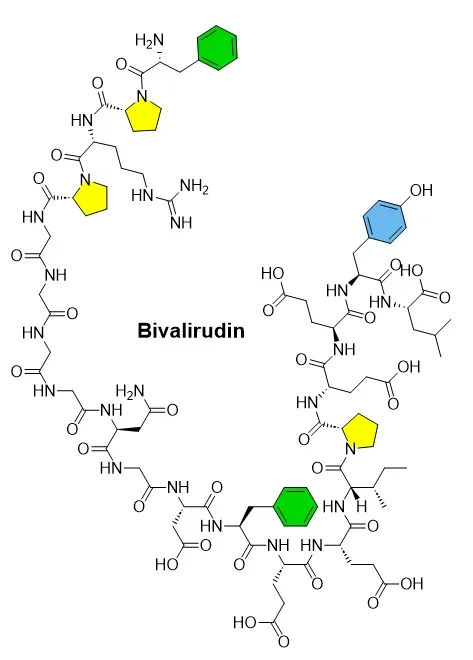
· BIVALIRUDIN (bivalirudin):Bivalirudin is a specific, reversible direct thrombin inhibitor (DTI). It is a synthetic homologue of the natural drug hirudin, which is found in the saliva of medicinal leeches. It is a short peptide and a potent, highly specific thrombin inhibitor that inhibits both circulating thrombin and clot-bound thrombin, as well as thrombin-mediated platelet activation and aggregation. It is used to treat heparin-induced thrombocytopenia and to prevent thrombosis during percutaneous coronary intervention.
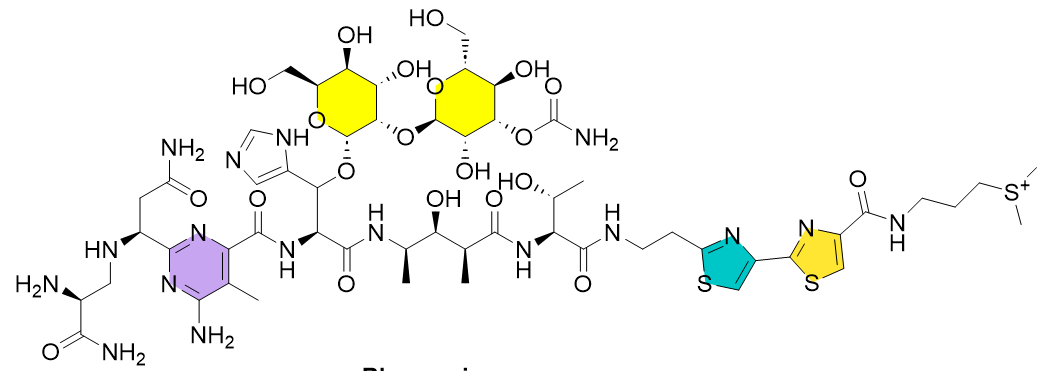
· BLEOMYCIN:Bleomycin is a glycopeptide antibiotic complex derived from Streptomyces verticillus. Indications include Hodgkin's lymphoma, non-Hodgkin's lymphoma, testicular cancer, ovarian cancer, and cervical cancer, among others. It is typically used in combination with other anticancer drugs and administered via intramuscular injection, subcutaneous injection, or intravenous injection. Bleomycin inhibits DNA metabolism and serves as an antineoplastic agent, particularly effective against solid tumors.
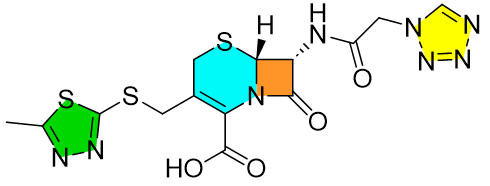
· CEFAZOLIN (cefazolin):Cefazolin is an antibacterial drug used to treat a variety of pathogenic bacteria, particularly for diseases such as cellulitis, urinary tract infections, pneumonia, endocarditis, septic arthritis, and biliary tract inflammation. It can also be used to prevent Group B streptococcal infection before or during surgery.
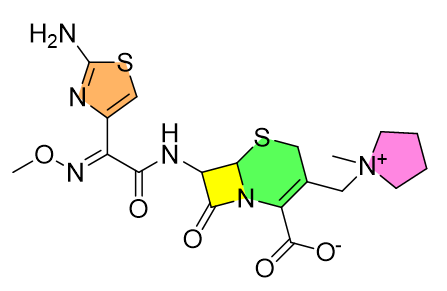
· CEFEPIME (Cefepime)
· MAXIPIME (cefepime hydrochloride):Cefepime (Cefepime) is a fourth-generation cephalosporin antibiotic. Cefepime has a broader spectrum of activity against both Gram-positive and Gram-negative bacteria, and is more active against these two types of organisms than third-generation drugs.
· CEFOBID (cefoperazone sodium):Cefoperazone (cefoperazone) is a third-generation cephalosporin antibiotic. It is one of the few cephalosporin antibiotics effective in treating Pseudomonas infections that are resistant to these antibiotics.
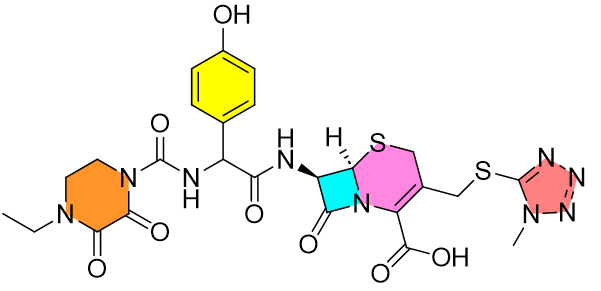
· CEFTRIAXONE (ceftriaxone):Ceftriaxone is a third-generation cephalosporin antibiotic used to treat a variety of bacterial infections, including middle ear infections, endocarditis, meningitis, pneumonia, bone and joint infections, intra-abdominal infections, skin infections, urinary tract infections, gonorrhea, and pelvic inflammatory disease.
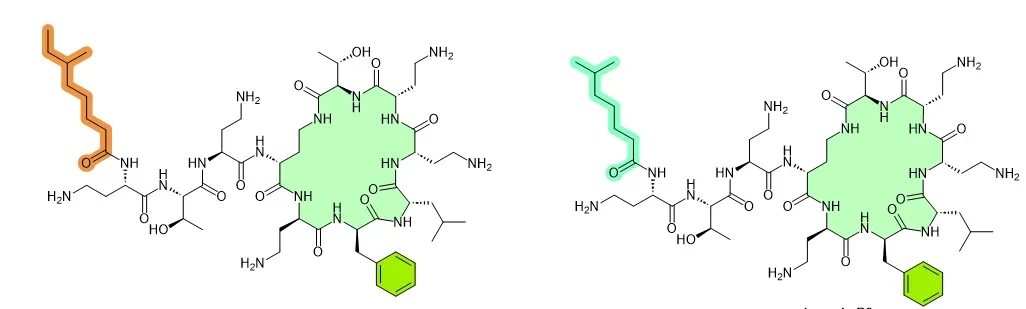
· CORTISPORIN (neomycin and polymyxin B sulfates, and hydrocortisone acetate):Neomycin/Polymyxin B/Hydrocortisone, sold under the brand name Otosporin, is a medication used to treat otitis externa and certain eye conditions.
Polymyxin B (Polymyxin B, Cyclic Peptide) can be sold individually under brand names such as Poly-Rx and is an antibiotic used to treat meningitis, pneumonia, sepsis, and urinary tract infections. Although it is effective against many Gram-negative infections, it is not useful for Gram-positive infections. Polymyxin B consists of two cyclic peptides, Polymyxin B1 and B2.
· NEOSPORIN G.U. Irrigant (neomycin sulfate – polymyxin B sulfate)
· NEOSPORIN Ophthalmic Solution (neomycin and polymyxin B sulfates, and gramicidin):Neosporin Eye Drops, composed of Neomycin/Polymyxin B/Bacitracin, are suitable for the topical treatment of superficial infections of the external eye and its appendages caused by susceptible bacteria. These infections include conjunctivitis, keratitis, keratoconjunctivitis, blepharitis, and blepharoconjunctivitis.
Gramicidin, also known as gramicidin D, is a mixture of ionophore antibiotics gramicidin A, B, and C, accounting for 80%, 5%, and 15% of the mixture, respectively. Each has 2 isomers, resulting in 6 different types of gramicidin molecules in the mixture. They can be extracted from the soil bacterium Bacillus brevis. Gramicidin is a linear peptide containing 15 amino acids, distinct from the unrelated gramicidin S, which is a cyclic peptide.
· DAPTOMYCIN (daptomycin, cyclic peptide):Daptomycin is a lipopeptide antibiotic used to treat systemic and life-threatening infections caused by Gram-positive bacteria.
· ENALAPRILAT (enalaprilat):Enalaprilat (Enalaprilat) is the active metabolite of enalapril (Enalapril). It is an ACE inhibitor, a type of antihypertensive medication, used to treat hypertension when oral therapy is not feasible.

· ERAXIS (anidulafungin, cyclic peptide):Anidulafungin (阿尼芬净) is a semi-synthetic echinocandin used as an antifungal drug. When combined with voriconazole, it may also be used to treat invasive aspergillosis. It is a member of the echinocandin class of antifungal drugs. Its mechanism of action involves inhibiting (1→3)-β-D-glucan synthase, an enzyme crucial for fungal cell wall synthesis.
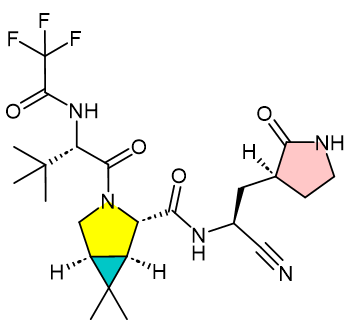
· PAXLOVID (nirmatrelvir and ritonavir):Paxlovid is an oral medication composed of two components, nirmatrelvir and ritonavir, used against the SARS-CoV-2 virus. Nirmatrelvir is the active ingredient, a peptidomimetic molecule and a 3C-like protease inhibitor.
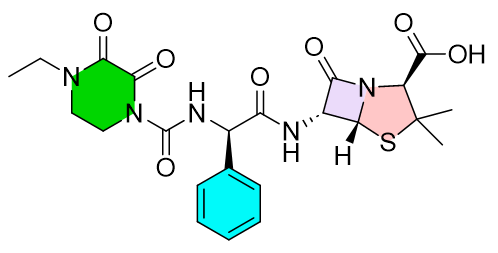
· PIPERACILLIN AND TAZOBACTAM (piperacillin and tazobactam):Piperacillin (Piperacillin) and tazobactam (Tazobactam) combination therapy is used to treat bacterial infections in many different parts of the body (such as the stomach or intestines, lungs, skin, and female reproductive organs).
Piperacillin and tazobactam combination is an antibiotic that belongs to the penicillin and β-lactamase inhibitor drug group.
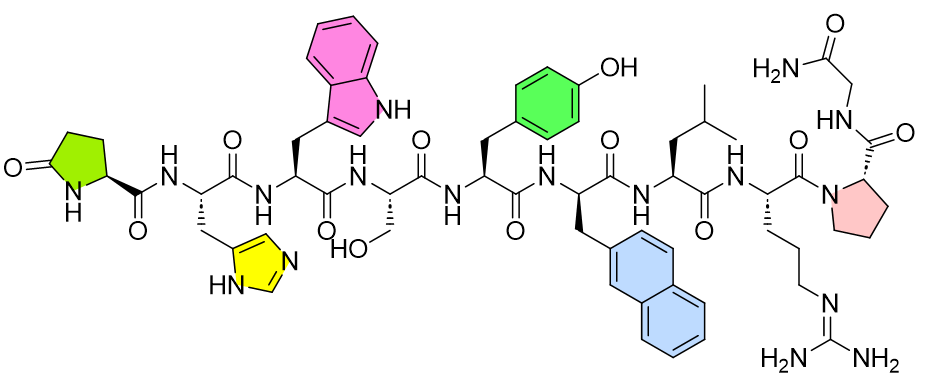
· SYNAREL (nafarelin acetate):Nafarelin is a gonadotropin-releasing hormone agonist (GnRH agonist) medication used to treat endometriosis and early puberty. It is also used to treat uterine fibroids, control ovarian stimulation in in vitro fertilization (IVF), and as part of gender hormone therapy.
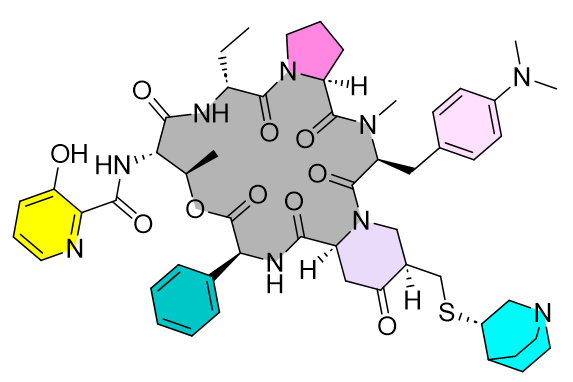
· SYNERCID I.V. (quinupristin cyclic peptide/dalfopristin):Synercid I.V. (Quinupristin and Dalfopristin) is a combination antibiotic used to treat serious infections of the blood and other body systems.
· TAZICEF (ceftazidime):Ceftazidime is a third-generation cephalosporin antibiotic.
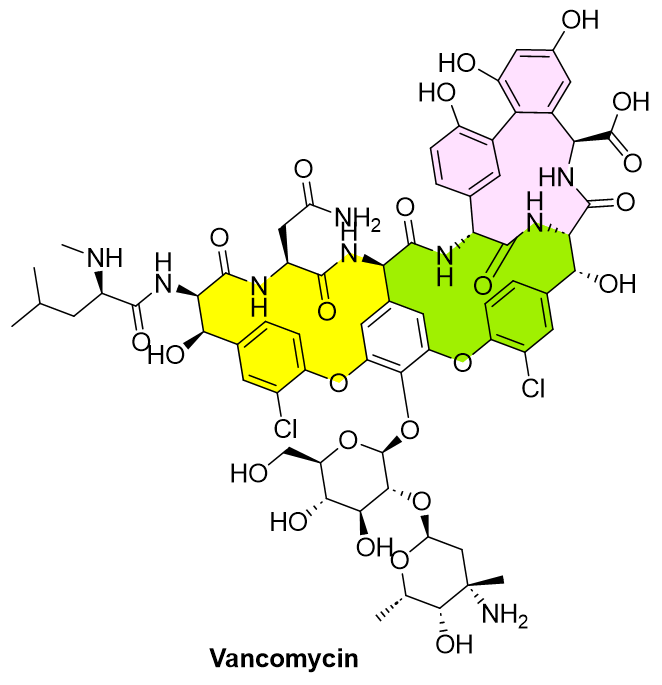
· Vancomycin Hydrochloride:Vancomycin Hydrochloride is an antibacterial prescription drug used to treat certain bacterial infections, such as those caused by Clostridium difficile and Staphylococcus aureus.
Clostridioides difficile and Staphylococcus aureus are bacteria that can cause HIV-related opportunistic infections (OIs). OIs are infections that occur more frequently or severely in individuals with weakened immune systems, such as those infected with HIV, compared to people with healthy immune systems.
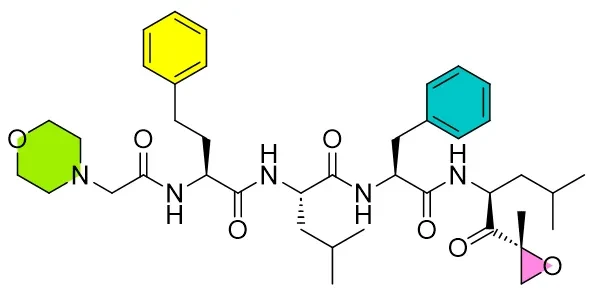
· Kyprolis (carfilzomib):Carfilzomib is an anticancer drug that belongs to selective proteasome inhibitors.
· Parsabiv (Etelcalcetide):Etelcalcetide is a calcimimetic agent used to treat secondary hyperparathyroidism in patients undergoing hemodialysis. Etelcalcetide works by binding to and activating the calcium-sensing receptor in the parathyroid gland.
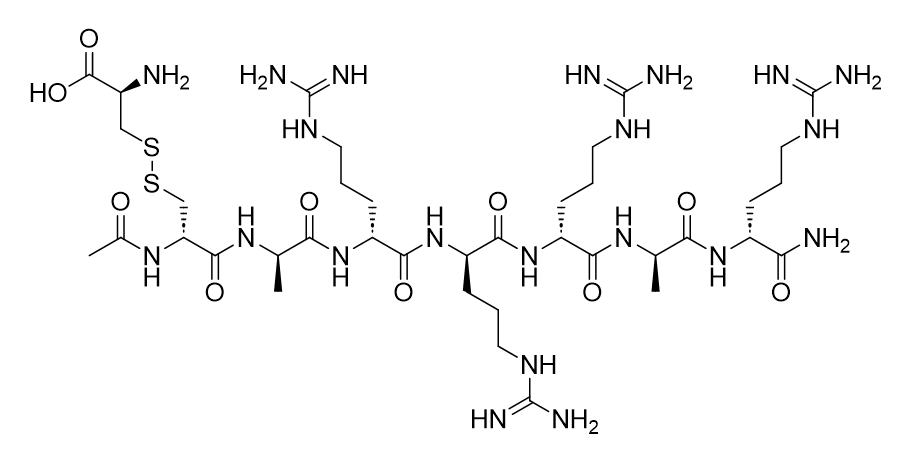
Etelcalcetide