China's First Extracorporeal Fully Magnetically Levitated Ventricular Assist Device MoyoAssist® Officially Launched

magAssist
Developer of Extracorporeal Artificial Heart Devices
Heart Future
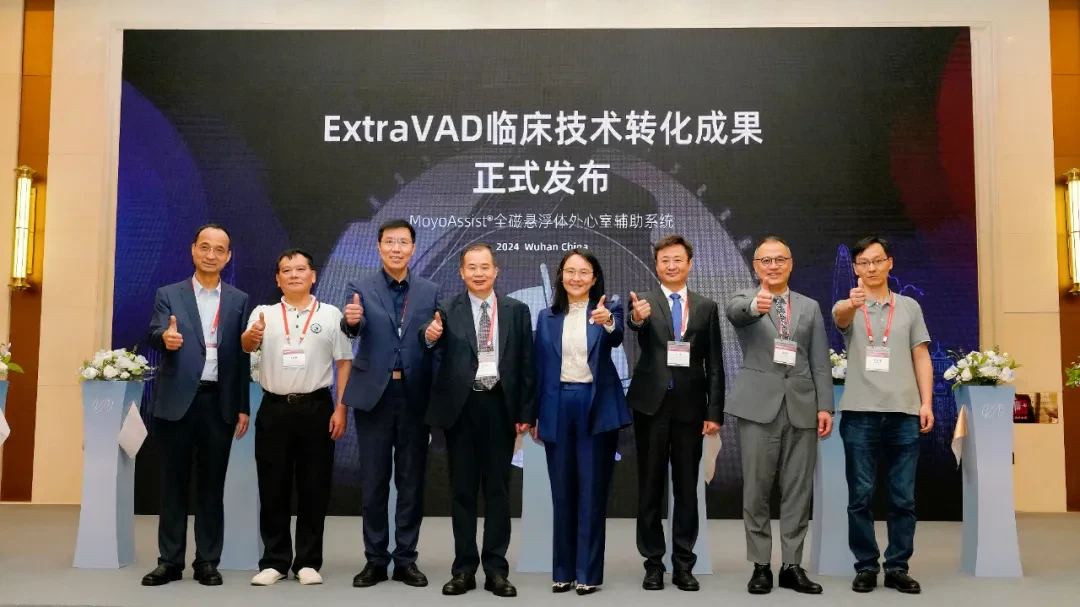
▲Source: Official WeChat Account of the Company
At the press conference, Union Hospital, Tongji Medical College, Huazhong University of Science and TechnologyProfessor Dong Nianguo, Guangdong Provincial People's HospitalProfessor Huang JinsongThe Second Affiliated Hospital of Army Medical UniversityProfessor Ma Ruiyan, Nanjing First HospitalProfessor Chen Xin, Shanxi Cardiovascular HospitalProfessor Jicheng Xi, Beijing Anzhen Hospital, Capital Medical UniversityProfessor Gong Ming, Second Xiangya Hospital of Central South UniversityProfessor Jianming Li`, and the founder and CEO of magAssist`Professor Xu BoshenJointly Participate in the Release of Extra-VAD Clinical Technology Transformation Achievements.
Professor Dong NianguoTo Deliver a Speech at the Launch Meeting"At present, the commonly used IABP and ECMO in clinical practice have their own obvious advantages and disadvantages. The Extra-VAD technology provides a new supplement for extracorporeal life support in patients with cardiogenic shock."MoyoAssist® Extra-VAD, independently developed in China by magAssist,The First in China to Possess Full Magnetic Levitation TechnologyExternal Ventricular Assist Device, its approval also marks a further step in aligning with global standards in the treatment of cardiogenic shock, and represents a significant milestone in the development of Extra-VAD technology in China.
Participation of 7 hospitals in ChinaThe Development of This Device,Therefore, MoyoAssist®Extra-VAD also carries the expectations and hopes of many physicians in China. Approval is just the starting point, and there is still much work to be done in the future. We hope to collaborate with more experts moving forward, achieving high-quality clinical outcomes and abundant technological innovations.Promote the Development of Short-term Ventricular Assist Technology in China"Higher, bigger, better, and stronger!"
# High-barrier Fully Magnetic Levitation Technology Market
From the development of mainstream technologies in artificial hearts, early artificial hearts used a rubber sac to mimic the contraction and relaxation movements of the heart, referred to asPulsatile Artificial Heart. The modern artificial heart has revolutionarily changed the design concept, no longer imitating the movement of the heart, but instead directly pursuing the function of the heart's blood pumping, thereby giving rise toRotary Artificial Heart。
The mainstream technologies of rotary artificial hearts that have emerged so far can be divided into three categories according to the rotor support method: sliding bearings, hydrodynamic suspension (also known as "magnetic-liquid suspension"), and full magnetic suspension.Fully magnetic levitation artificial hearts are currently the dominant technology.. Its core competitiveness mainly focuses onBlood Compatibility, Implant Invasiveness(The degree of miniaturization of the blood pump),Anti-infection, Reliability, Portabilityand other aspects, which also constitutes the technical barriers of artificial hearts.
In the decades-long development of the industry, only a handful of companies worldwide have advanced new products to clinical trials or market sales. To date, the U.S. FDA has successively approved three rotary durable VADs for market sale: HeartMate II, HVAD, and HeartMate 3.
The First Rotational Blood Pump Successfully Launched and Sold in the United StatesIncluding Abbott's HeartMate II (sliding bearing type) and Medtronic's HVAD (hydrodynamic suspension type, also known as "magnetic-liquid suspension"), these two products, although based on different core technologies, both offer excellent durability and safety, allowing patients to live at home long-term with a VAD and most to achieve a normal quality of life. However,This generation of VAD products is still limited by the lack of core technology, resulting in a relatively high incidence of complications such as pump thrombosis, stroke, and abnormal bleeding.These complications may not only seriously affect the quality of life of patients but also impose limitations on long-term survival rates.
And a large number of clinical studies have shown that,Represented by Abbott's Heartmate 3Full magnetic levitation VADs have basically eliminated thrombosis within the pump and can significantly reduce the occurrence of stroke.Previously published real-world data studies have also concluded that the survival rate of Heartmate 3 patients is significantly higher than that of HVAD patients.
Following the FDA's approval of HeartMate 3 for medium- and short-term use in August 2017 and for long-term use in October 2018, Abbott's older generation product, HeartMate II, naturally phased out. Additionally, due to its inability to compete with HeartMate 3, Medtronic announced the discontinuation of HVAD sales in June 2021. Consequently, the global VAD market has been largely monopolized by HeartMate 3.
In 2021, magAssistImplantable Ventricular Assist Device SystemThe approval of CH-VAD,Means that the domestically produced fully magnetically levitated artificial heart technology has broken the monopoly of HeartMate 3., kicking off the commercialization process and seizing a significant first-mover advantage in the Chinese market.
# MoyoAssist Extracorporeal Magnetic Levitation Artificial Heart
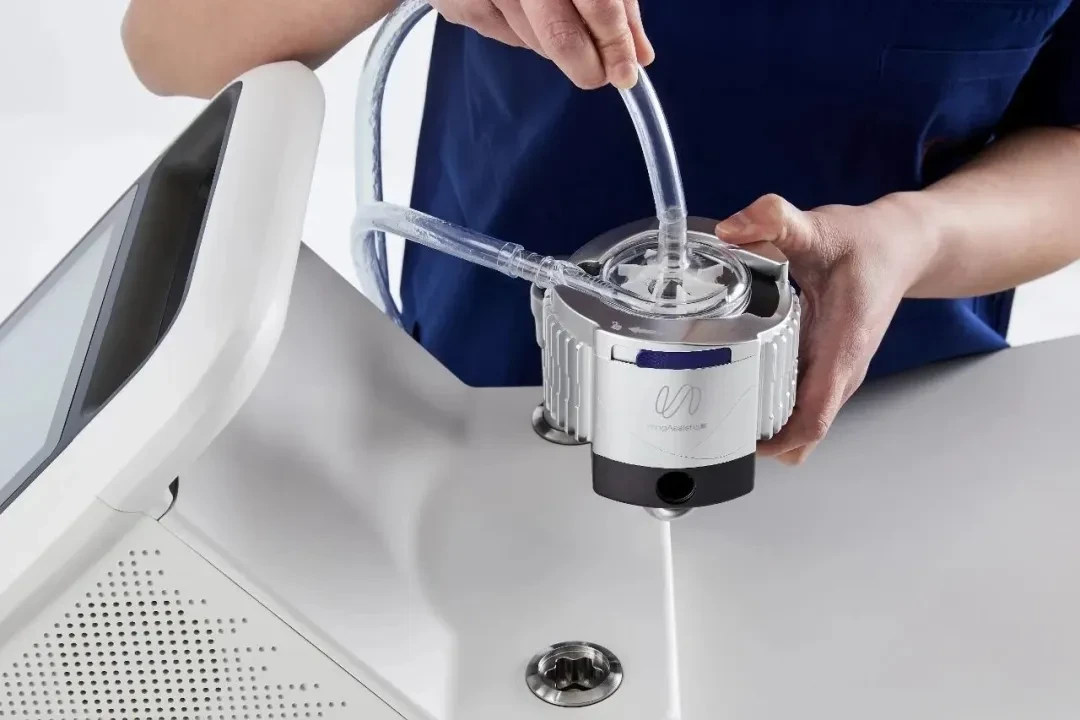
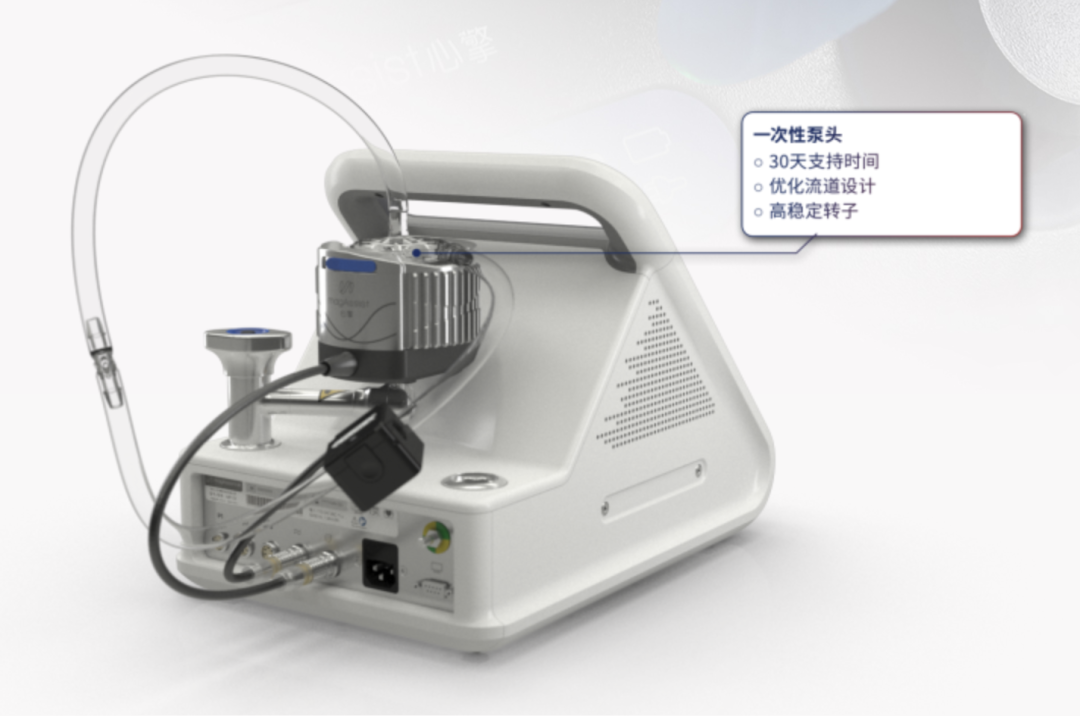
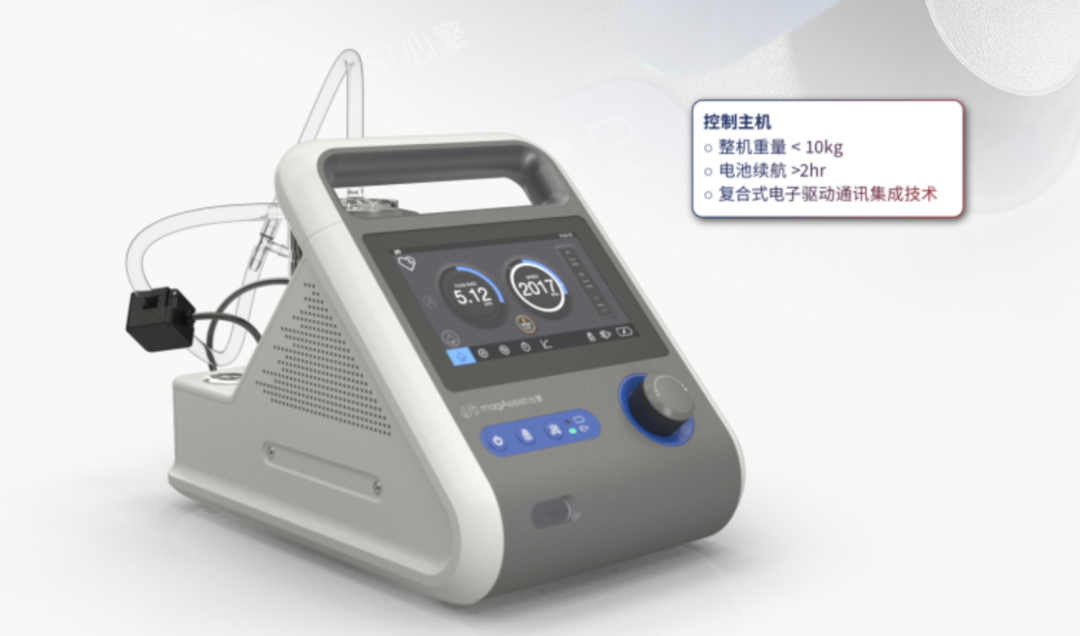
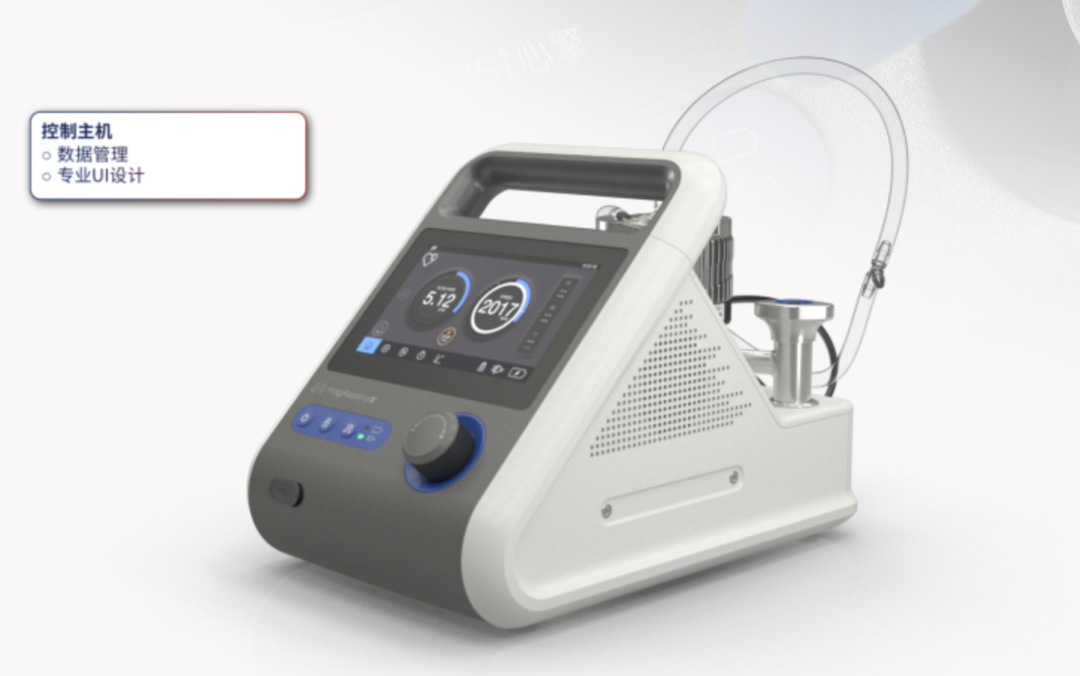
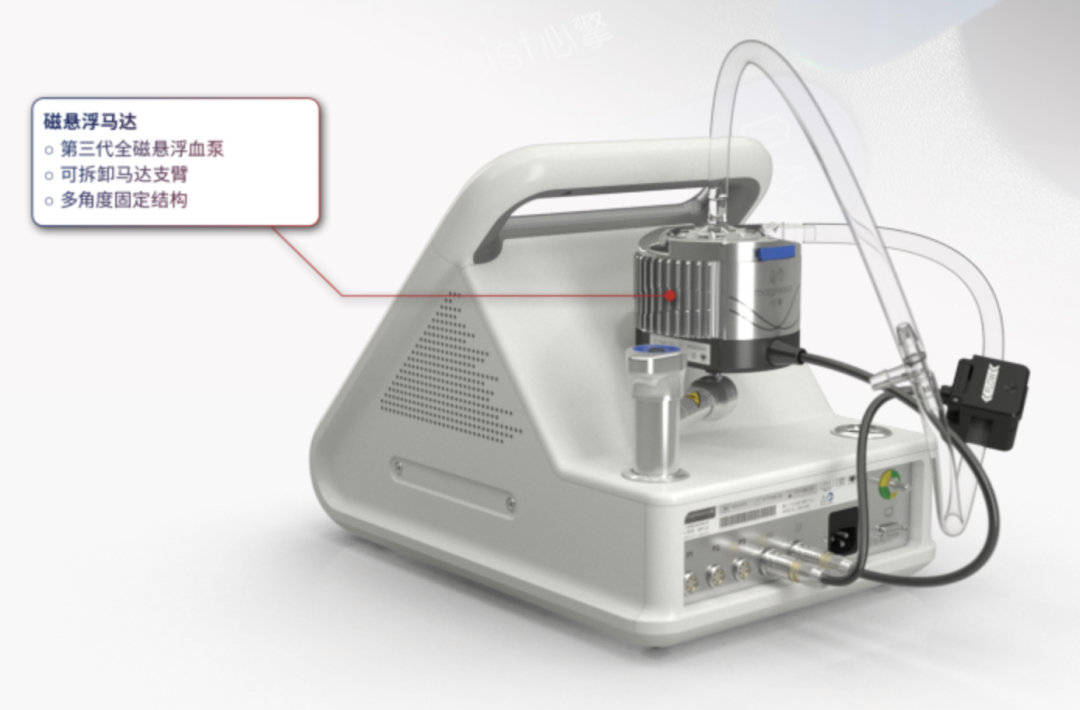
Clinical Trial of MoyoAssist®Led by Professor Nian-Guo Dong, the director of the Department of Cardiac and Great Vessel Surgery and the Organ Transplantation Center at Union Hospital, Tongji Medical College, Huazhong University of Science and Technology, serving as the PI (Principal Investigator), with participation from multiple clinical centers across China,Successfully completed all clinical trials and received the "Innovative Medical Device" approval from the National Medical Products Administration (NMPA) in early 2023.。
# First Clinical Application
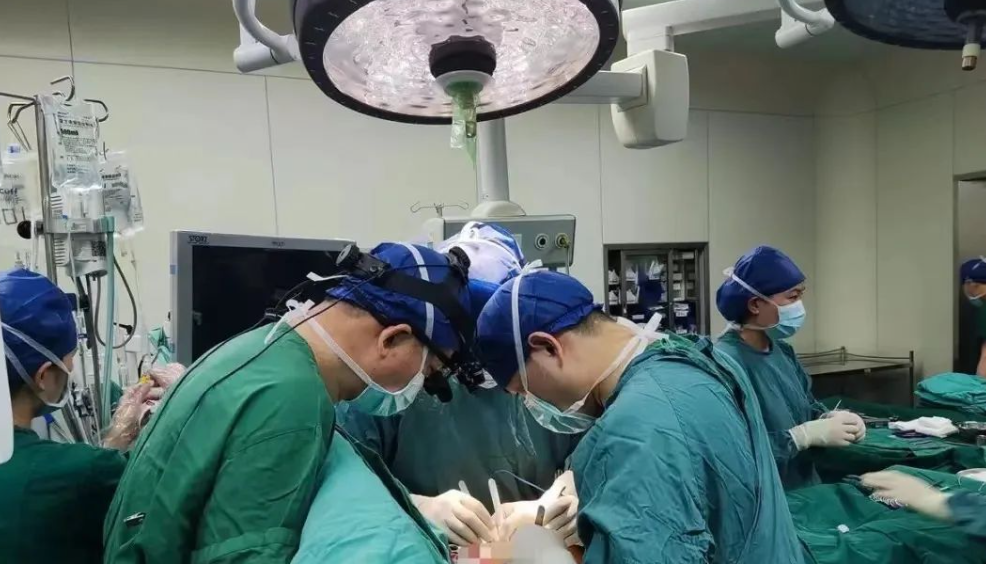
▲Source:Union Hospital, Tongji Medical College, Huazhong University of Science and Technology
# magAssist

magAssist (Suzhou) Co., Ltd. (referred to as: "magAssistFounded in 2017 by a member of the National Talent Program, the first Chinese committee member of the International Society of Mechanical Circulatory Support (ISMCS), and a Distinguished Professor at Soochow University.Led by Dr. Xu Boshen, co-founded with a top expert team at home and abroad who have been engaged in the development of artificial organs for a long time.
magAssist is committed to buildingA New Generation Life Support Platform for Emergency and Critical Care Scenarios, now has4 Heavyweight Product Lines:The world's smallest interventional artificial heart, China's first extracorporeal fully magnetically levitated artificial heart, a new generation of portable ECMO system, and a warm blood organ transport platform.Since its establishment, magAssist has grown intoOne of the companies with the most comprehensive product lines and the fastest R&D progress in the field of life support in China.A moat of independent research and development has been preliminarily built in the field of advanced life support.
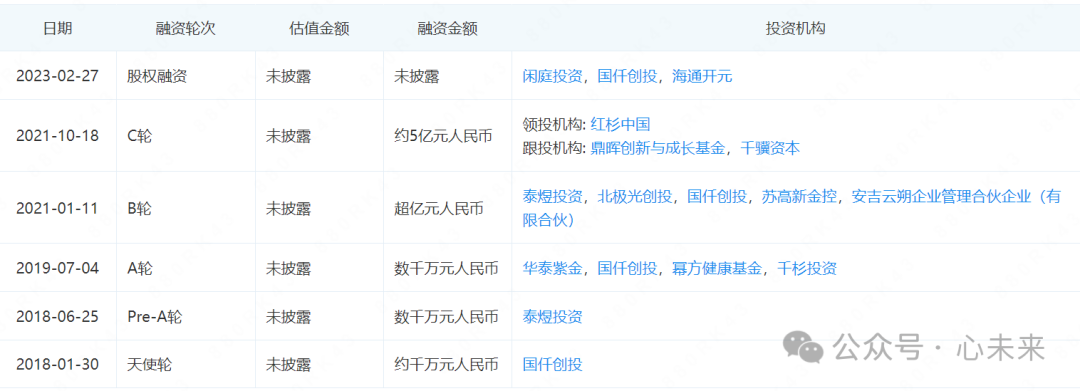
As of the date of publication,magAssist has completed 6 rounds of financing, with a total amount of up to hundreds of millions of yuan., wherein the Series A round raised nearly RMB 10 million, Series B exceeded RMB 100 million, and Series C was approximately RMB 500 million. The company not only attracted continuous investments from Guoqian Venture Capital and Taiyu Investment but also secured a leading investment from top-tier capital firm Sequoia China. Below is the company’s financing history:
Medtronic|J&J MedTech|Boston ScientificBoston Scientific|
Edwards Lifesciences | AbbottAbbott|
# Cardiovascular Device Companies Listed in China
magAssist (NyokAssist Interventional Ventricular Assist System)
NorthX Bio (Cardiac Pulsed Field Ablation)
Hanling Medical (Transcatheter Aortic Valve)
# Other Unlisted/Start-up Cardiovascular Companies
Artivion| HVR Cardio | CardiacSense | Lydus Medical | Volta Medical |Cardiac Dimensions