

Synerk Therapeutics Files for IPO: Building Global Competitiveness of Chinese siRNA Biotech in a $10B+ BD Goldmine
Synerk
Small Nucleic Acid Drug Developer
In 1978, Zamecnik and Stephenson first demonstrated the ability of antisense oligonucleotides (ASOs) to inhibit viral replication. In 1998, the first ASO drug, Fomivirsen, was approved. In the same year, the mechanism of RNA interference (RNAi) was revealed, and 20 years later, the first RNAi drug, Patisiran, was approved for marketing. Over these 20 years, we have witnessed the journey of a technology from discovery to successfully treating patients, enabling us to extend the regulation of life to the RNA level.
This has also led to nucleic acid drugs being considered as the third major category of drugs following small-molecule chemical drugs and antibody drugs. It has already attracted multinational pharmaceutical companies such as Novartis, Novo Nordisk, and GSK to increase their investments, driving a frequent number of related transactions.According to incomplete statistics, since 2024, BD projects in the nucleic acid drug field globally have reached over 7 billion US dollars in transactions, with BD transactions of small nucleic acid enterprises in China alone exceeding 6 billion US dollars.
According to publicly available statistics, a total of 15 small nucleic acid drugs have been approved for marketing so far. In 2023, the development of small nucleic acid drugs saw a major surge, with four drugs receiving approval. As pharmaceutical companies expand their presence and technological platforms advance, the indications for small nucleic acid drugs are expanding from early-stage rare diseases to a broader range of chronic conditions, including cardiovascular diseases, hepatitis B, liver diseases, metabolic disorders, and others, accelerating the expansion of the market scale.
However, following the "double ten rule" of innovative drug development, the development of small nucleic acid drugs is no easy task. What are the key points and difficulties in the development of small nucleic acid drugs? How to improve the drugability of small nucleic acid drugs? What are the key elements needed for the future development of small nucleic acid drugs? How to build the core competitiveness and differentiation advantages of biotech through technical differences and pipeline layout? How do Chinese small nucleic acid drug companies respond to the BD wave? … With questions about the development, technical pain points, and market opportunities of small nucleic acid drugs, VCBeat had the honor to interview Dr. Lan Tao, co-founder and CEO of Synerk, and Dr. Jiang Weiwen, co-founder and scientific research leader of Synerk.
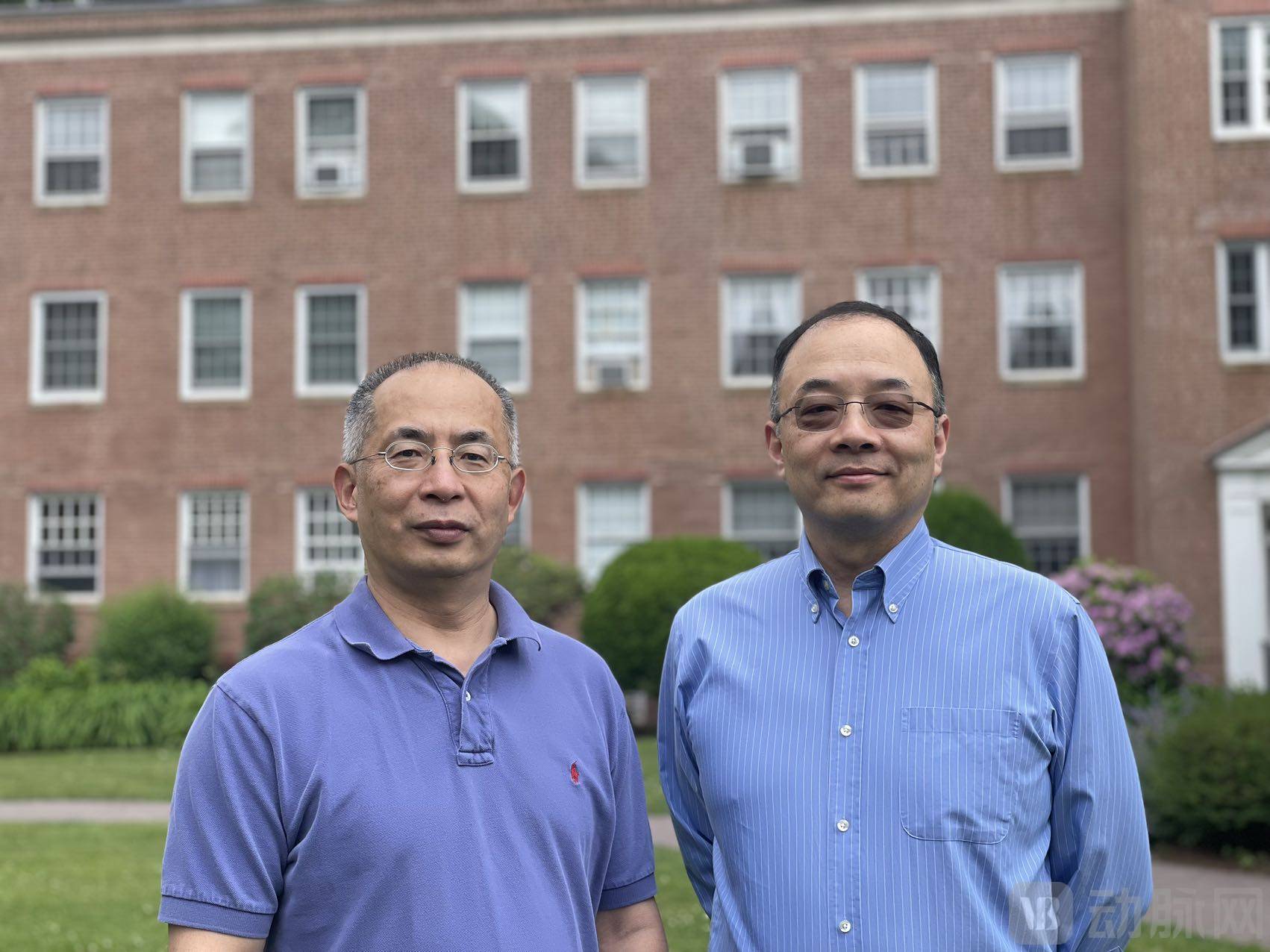
Group photo of Synerk founders (Left: Dr. Lan Tao;Right: Dr. Jiang Weiwen)
Synerk, founded in 2018, has built the only founding team in China with complete successful development experience in siRNA drugs. Since its establishment, Synerk has efficiently advanced its BIC/FIC small nucleic acid pipeline by constructing a fully self-developed liver-targeting platform, an extrahepatic delivery platform, and a chemical modification technology platform, all with full intellectual property rights. The fastest-progressing pipeline has entered Phase I clinical trials and has become the first domestically produced siRNA candidate drug targeting this specific site to reach the stage of clinical dosing in subjects in China. Currently, Synerk has gained the favor of several well-known investment institutions and began collaborating with industry partners in its early stages, showing an unstoppable momentum of development.
Led the CMC of RNAi drug to market, built a full-chain development team for siRNA drugs
VCBeat: Could you share how you embarked on the research and development path of small nucleic acid drugs?
Dr. Lan TaoAround 2001, at the time when siRNA drug research was just beginning, I entered the industry and started working on the research and development of nucleic acid drugs. At Ambion Inc., my first company located in Texas, USA, I continued my doctoral research projects from campus by synthesizing hundreds of thousands of siRNAs for studies on nucleic acid sequence design, chemical modifications, and other related areas.
Later, I joined Hybridon Inc., co-founded by Dr. Zamecnik. Hybridon was the first in the world to safely inject nucleic acid drugs into animals and completed the world's first clinical trial based on modified nucleic acids, creating the second-generation ASO platform. At Hybridon, I initially led the development of the RNA technology platform and successfully developed three world-first RNA platform technologies. By chance, I shifted to the CMC direction of nucleic acid drugs, entering the later stages of drug development, where I co-led the design and implementation of clinical protocols, completing multiple global clinical trials from Phase I to Phase III. Through this, I gained extensive experience in the entire process of nucleic acid drug development.
After joining Alnylam, I served as the overall CMC leader for vutrisiran, the fifth RNAi drug to be marketed globally, and led its global Phase 3 clinical trials, NDA, and market launch. This was Alnylam's first non-breakthrough therapy drug, requiring comprehensive solutions to the CMC issues of siRNA drugs. It also coincided with regulatory changes for drug-device combination products, necessitating solutions aligned with the new policies. At the time, it posed significant challenges.
In addition, at Alnylam, as a core member of the TTR business unit’s management team, I co-led various efforts in product strategy, R&D, clinical development, regulatory submissions, manufacturing, and partnerships. Together with my previous experience, I have essentially covered the entire chain of processes in the development of small nucleic acid drugs.
As one of the earliest participants in the development of nucleic acid drugs, I have witnessed the tortuous development trajectory of small nucleic acid drugs, understood the difficulties and pain points in their development, and drawn many lessons from both successes and failures. Currently, we have already seensiRNA drugs can address issues that other technologies, such as small molecules and antibodies, cannot solve. They are capable of targeting "undruggable" targets, with effects lasting several months to a year, and have the potential to become a new platform technology producing a large number of products, much like antibodies.
Dr. Jiang Weiwen: Since the 1990s, when I was pursuing my Ph.D., I began engaging in research related to nucleic acid drugs. After the discovery of the RNAi phenomenon, I started utilizing siRNA to explore the mechanisms of new targets and continued my research on nucleic acids into my postdoctoral stage.
In 2007, I joined Hybridon and entered the small nucleic acid pharmaceutical field, becoming a colleague of Dr. Lan Tao. Target selection, sequence screening, efficacy evaluation, safety assessment, and advancing pipelines to clinical trials are key aspects of the early development of small nucleic acid drugs, and they were also my main tasks at Hybridon.
From 2000 to 2018, although some nucleic acid drugs made significant progress, many more failed in clinical trials due to safety issues or lack of significant efficacy. During the same period, breakthroughs in delivery technologies and chemical modification techniques were continuously achieved, and the preclinical and clinical data from pipelines utilizing these new technologies have begun to make us realize,The glorious moment for small nucleic acid drugs is about to arrive.
In 2018, I co-founded Synerk with several colleagues and friends, hoping to leverage our experience to build a first-class targeted RNA therapeutic platform. It was also in this year that the first siRNA drug, Onpattro, was approved for marketing, indicating that the technical barriers of siRNA therapy had been overcome. Currently,Six siRNA drugs have been approved globally, and more siRNA new drugs have entered clinical trials, with several advancing to the later stages of clinical development, expanding into various disease areas. We have also witnessed numerous large BD transactions in this field, and its present and future are undoubtedly boundless.
VCBeat: How did Synerk establish its global differentiated competitive advantage?
Dr. Jiang Weiwen: Although Alnylam has successfully launched five small nucleic acid drugs so far, with a clinical success rate of around 60%, the success rate of siRNA projects from other companies is only about 1%. In the R&D process involving sequence design and determination of small nucleic acid drugs, chemical modification, delivery, CMC process development, etc., there are many "pitfalls" to avoid. This requires the technical team to possess deep biological understanding, core hands-on experience in CMC, efficient and safe delivery technology, and expertise in chemical modification in order to achieve high drugability of siRNA.
Therefore,Synerk has built the only technical team in China that possesses the full-chain capability of siRNA drug design, research and development, production, and quality control., launched the first domestically produced siRNA candidate drug targeting PCSK9 to enter the clinical dosing treatment phase for subjects in China, and is actively advancing other pipeline candidates.
In determining the pipeline layout, Synerk examines each pipeline from a global perspective to ensure it possesses differentiated technological advantages and internationally leading competitiveness. This is also part of our strategy based in China while targeting overseas markets. Currently, Synerk has research and development centers and offices in Suzhou, Beijing, and Boston. Building on the founders' overseas research experience, we aim to maximize the regional advantages in both R&D and market positioning.

Synerk Pharmaceutical Technology (Suzhou) Co., Ltd. Headquarters
Layout Delivery + Chemical Modification: Two Major Technology Platforms Achieve Nearly 100% Liver Delivery
VCBeat: What are the current technical challenges faced in the development of small nucleic acid drugs?
Dr. Lan Tao: The technical challenges currently facing the development of small nucleic acid drugs are mainly concentrated in two aspects. First, delivery technology remains a significant challenge. Nucleic acids, as biological macromolecules carrying a negative charge, have difficulty passing through cell membranes and are easily degraded in vivo, making it hard for small nucleic acid drugs to reach the interior of cells and exert their effects. Although technologies like GalNAc can address the delivery issues targeting hepatocytes, we observe substantial differences among various GalNAc platforms regarding in vivo stability, delivery specificity, and in vivo activity. For instance, Synerk's GalNAc platform ensures that the same siRNA achieves several times higher bioavailability and silencing effect in vivo compared to other benchmarked GalNAc platforms. Therefore, the inclusion of GalNAc in a delivery platform does not necessarily mean that the hepatocyte delivery problem is solved; the overall molecular design of the platform still has a decisive impact on the clinical success of small nucleic acid drugs. Additionally,Delivery to other organs or cell types remains a significant challenge. Breakthroughs in delivery technology for other organs will also open up new "battlefields" for the development of small nucleic acid drugs.
Finally,The improvement of the chemical modification platform is also crucial.From the currently approved small nucleic acid drugs, a relatively high dose is usually required to achieve the expected therapeutic effect, and maintaining long-term efficacy remains a challenge.By continuously upgrading the chemical modification platform, Synerk aims to enhance the stability, safety, and effective molecular activity of siRNA to improve therapeutic efficacy, reduce dosage, and minimize toxicity as its chosen technical solution pathway.
It must be emphasized that,To bring emerging technologies like siRNA drugs to a broader market, reducing drug prices is a key factor.。Therefore, it is particularly important to control the dosage of medication.Currently, Synerk has the potential to reduce dosing frequency and dosage by enhancing molecular activity, which can improve patient compliance and expand the user base of the drug. On the other hand,Dual approaches of chemical modification technology and delivery platform enhance molecular activity, enabling more efficient development of drugs that meet clinical needs.
VCBeat: What are the technical advantages of Synerk?
Dr. Lan Tao: At the outset, we determinedTwo platform technologies are developing in parallel — delivery technology platform and chemical modification platform, building a matrix of R&D pipelines based on core technology platforms.
Based on the deficiencies of the existing GalNAc delivery technology platform, during our research and development process, we strategically selected appropriate linkers, circumvented patent barriers, and created a more stable, highly liver-targeted, higher-activity, proprietary delivery platform technology. Animal comparative experimental data shows that Synerk's liver-targeting delivery technology not only improves in vivo stability compared to the current internationally leading technologies,The amount of siRNA entering non-target organs has also decreased by 5-10 times, basically achieving nearly 100% liver delivery, while the efficacy of siRNA has increased by 2-3 times.In the CNS field, Synerk has adopted a unique technical route and invented a highly effective delivery platform technology capable of delivering to various regions of the brain. After coupling this platform technology with siRNA, it can precisely and effectively knock down target genes over the long term.
At the same time, in terms of other extrahepatic deliveries, we are continuously striving to develop various delivery technologies to target siRNA to other organs. Currently, we have observed positive data, and the progress of the first extrahepatic CNS-targeted project is proceeding smoothly, with clinical applications soon to be filed. Together with other ongoing projects, we will further expand the indications for small nucleic acid drugs.
For the chemical modification platform, Synerk is continuously conducting iterative upgrades. Head-to-head experiments have shown that siRNA molecules developed using Synerk's new chemical modification platform exhibit significantly improved bioactivity, somewhat enhanced PK, and a notably prolonged duration of in vivo efficacy compared to earlier chemical modification technologies. This allows us to leverage the advantages of our own platform technology to generate best-in-class molecules globally, giving our products strong international competitiveness.
VCBeat: What pipelines has Synerk currently laid out?
Dr. Jiang Weiwen: We considered multiple factors such as market size, unmet clinical needs, global competitive landscape, and our own strengths to layout the pipeline. Specifically, we focus on whether Synerk's pipeline can leverage the advantages of siRNA or the platform advantages of Synerk to address clinical needs that existing technologies, including other siRNA, cannot solve. Based on these considerations, we screen suitable products for clinical stage through in vivo and in vitro experiments.
Currently, Synerk has laid out multiple candidate pipelines in two major directions: liver and extrahepatic organs. Most of these are either global first-in-class or have the potential to be the best-in-class globally. One of Synerk's pipelines has entered Phase I clinical trials and has successfully completed dosing for dozens of subjects. Another pipeline will enter the clinical trial stage this year, and it is expected that several more pipelines will enter clinical trials by the end of 2025.
VCBeat: What are the challenges in CMC process development for small nucleic acid drugs?
Dr. Lan Tao:CMC processes have a decisive impact on product quality, clinical speed, and drug costs. Large-scale production of oligonucleotides was achieved more than two decades ago, but ensuring stable drug quality and compliance with regulatory requirements remains a significant challenge for the development of small nucleic acids. Statistics show that nearly half of FDA NDA review rejections are due to CMC deficiencies.
Globally, there is a lack of clear guidelines for the CMC processes of small nucleic acid drugs. The quality control of small nucleic acid products is highly complex, with significant variations and even potential contradictions in regulatory requirements across different countries. Therefore, accumulating experience in CMC is crucial for the smooth development of small nucleic acid drugs, as there have been numerous past instances where CMC issues hindered their progress.
Synerk's experience in CMC for small nucleic acid drugs has demonstrated advantages in several projects, effectively ensuring the speed of clinical advancement and reducing costs. These advantages will have a positive impact on future competition and cooperation.
In the vast battlefield, actively embrace the global BD "heatwave"
VCBeat: How much potential does the future development of small nucleic acid drugs have?
Dr. Jiang Weiwen: At present, although several small nucleic acid drugs have been successively approved and achieved good market performance, this is still only the tip of the iceberg in terms of the potential of small nucleic acid drugs. In the future, with the advancement of delivery technology, small nucleic acid drugs are expected to surpass existing small molecule and antibody drugs in the field of disease treatment, opening up a huge market. For example, Synerk's first CNS project is expected to enter the clinical stage in 2025. Once the platform is validated, we will advance more CNS pipelines to the clinical stage, at which point we will be able to use siRNA technology to treat more CNS diseases.
VCBeat: Does Synerk have BD intentions?
Dr. Lan TaoIn recent years, Chinese biopharmaceutical companies have frequently reached BD collaborations with MNCs in the ADC field, and encouraging BD progress has also begun to emerge in the small nucleic acid field. This also reveals that Chinese biotech has achieved significant breakthroughs and international recognition in innovative technologies.
Since its inception, Synerk has been developing differentiated products for the global market, starting from the project initiation phase.BDIt's within our consideration.The clinical products we have selected possess sufficient differentiation, potentially complementing the pipelines of MNCs or other pharmaceutical companies, thereby achieving a win-win outcome through collaboration. We maintain an open attitude towards BD, and the modes of cooperation can include, but are not limited to, out-licensing pipelines, collaborations at the technology platform level, and co-development. Synerk hopes that through BD, it can bring more products to market faster, helping patients improve their quality of life.
Of course,To compete in the international market, it is essential to first lay a solid technical "foundation.", gradually moving from improving platform technology to laying out pipelines with international competitiveness, while grasping the development trends of the international market, coordinating business growth, increasing return on investment, and addressing real clinical issues.
Conclusion
Unlike the longer design and screening cycles of antibodies and small molecule drugs, small nucleic acid drugs can quickly identify suitable molecules after locking onto disease-causing genes. Therefore, the early-stage research and development speed and application scenarios of small nucleic acid drugs far exceed those of other drugs.
In conversations with Dr. Lan Tao and Dr. Jiang Weiwen, we found that chemical modification and innovation in delivery systems have become the bottleneck that small nucleic acid companies urgently need to break through, as well as the future direction of technological development— the former determines the efficacy and safety of small nucleic acid drugs, while the delivery system plays a key role in the selection of clinical indications. The revolutionary mechanism of action and broad indications of small nucleic acid drugs also indicate vast potential for future development. VCBeat looks forward to more small nucleic acid biotechs like Synerk making breakthrough progress in technology, bringing more effective treatment options to patients, and securing a place in the international market.