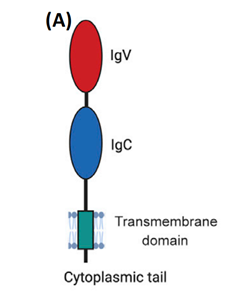
B7-H4 is one of the important members of the B7 family, also known as B7S1 or VTCN1. It is a type I transmembrane protein containing 282 amino acids, consisting of a signal peptide region, an extracellular region composed of IgV and IgC domains, a transmembrane region, and an intracellular region.
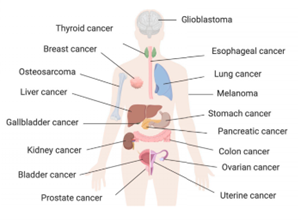
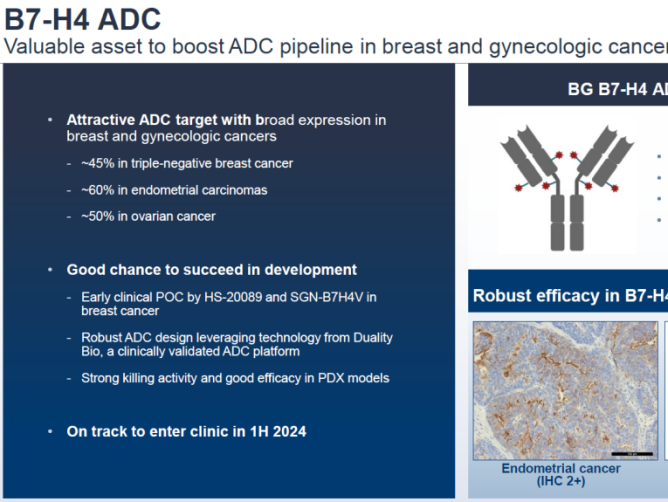
Figure 1 Schematic diagram of human B7-H4 structureHuman B7-H4 mRNA is widely expressed in normal tissues, but the expression of B7-H4 protein is strictly controlled. So far, the receptor for B7-H4 remains unknown. Multiple studies have confirmed that B7-H4 is overexpressed in various tumor cells (especially ovarian cancer, cholangiocarcinoma, breast cancer, endometrial cancer), antigen-presenting cells, and tumor-associated macrophages, acting as a negative co-stimulatory molecule and playing a significant role in cancer development and immunity. B7-H4 can enhance the proliferation, invasion, metastasis, and anti-apoptotic abilities of tumor cells by participating in multiple cell signaling pathways, thereby promoting tumor progression.Figure 2 B7-H4 Expression in Various Types of Cancer
In addition, studies have shown that abnormal expression of B7-H4 can be detected in individuals with inflammation, autoimmune diseases, viral infections, or pregnancy.Inhibit T cell proliferation, inhibit T cell activation, suppress humoral immune response, modulate innate immune sensing, participate in inflammatory response- Promote the occurrence and development of tumors
Promote the proliferation and differentiation of tumor cells, promote the invasion and metastasis of tumor cells, inhibit tumor apoptosis, and promote tumor angiogenesis.- Inhibition of T-cell responses to β-cells, thereby preventing β-cell destruction
- Other Biological Functions
Prevention of Immune Diseases During Pregnancy; Soluble Serum B7-H4 Levels Correlate with Tumor Staging, Poor Prognosis, and Pathological Types, etc.Currently, there are many drugs being developed globally targeting the B7-H4 checkpoint, including monoclonal antibodies, bispecific antibodies, ADCs, etc., but no B7-H4-targeted treatments or drugs have been approved by the FDA for marketing. The fastest progress so far is in Phase 2 clinical trials.Hansoh Pharma & GSK HS-20089
HS-20089 is a novel DAR-6 antibody-drug conjugate (ADC) targeting B7-H4, with a topoisomerase inhibitor (TOPOi) as its payload.
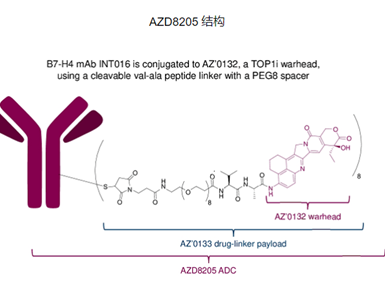
On October 20, 2023, GlaxoSmithKline (GSK) acquired the rights to HS-20089, a B7-H4 ADC drug developed by Hansoh Pharma, for markets outside Greater China, in a deal worth up to $1.535 billion, including an upfront payment of $85 million and milestone payments totaling $1.485 billion. Preclinical studies have shown that HS-20089 can inhibit the growth of tumor cells expressing B7-H4 both in vitro and in vivo. Early clinical trial data indicate that this ADC drug demonstrates good tolerability and anti-tumor activity in patients with advanced solid tumors. The drug is being studied for indications including fallopian tube cancer, primary peritoneal cancer, endometrial cancer, ovarian cancer, advanced malignant solid tumors, female reproductive organ tumors, and solid tumors. As a strong contender in the antibody-drug conjugate (ADC) field, HS-20089 is expected to deliver promising results in the near future.AZD-8205 is a B7-H4-targeted ADC carrying a novel topoisomerase I inhibitor (TOP1i) payload from AstraZeneca.
The main indications under research for this drug are also solid tumors such as biliary tract cancer, breast cancer, and cholangiocarcinoma, with clinical trials being conducted simultaneously in China and the United States. It can be used alone or in combination with the PARP1 selective inhibitor AZD5305. In preclinical studies, AZD8205 demonstrated promising anti-tumor activity and an acceptable toxicity profile across various patient-derived xenograft models. AZD-8205 and HS-20089 are sure to be strong competitors, and we will have to wait and see which one comes out on top.NextCure and Five Prime Therapeutics (an Amgen subsidiary) NC762
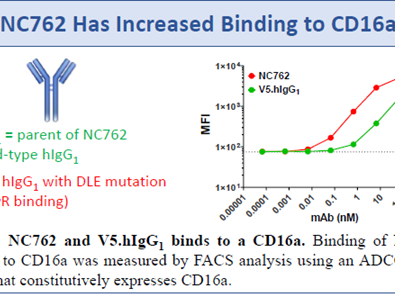
NC762 is a B7-H4 monoclonal antibody jointly developed by NextCure and Five Prime Therapeutics.
NC762 is an ADCC-enhanced B7-H4 antibody with DLE mutations (S239D/A330L/I332E). In July 2021, a Phase 1/2 clinical trial was initiated in patients with lung cancer, HER2+ breast cancer, ovarian cancer, or other potential tumor types. It demonstrated dose-dependent anti-tumor activity in in vivo studies.BeiGene & DualityBio
BG-C9074
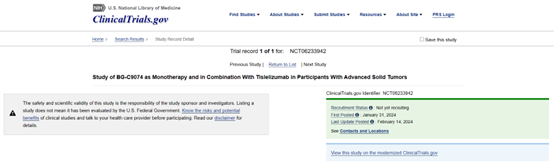
On July 10, 2023, BeiGene and DualityBio reached a collaboration to jointly advance the development and commercialization of BG-C9074. On January 31, 2024, BeiGene registered a Phase I clinical trial for BG-C9074 in the United States on Clinicaltrials.gov.
According to the registration information, BG-C9074 is a new B7H4-targeted ADC drug. This Phase I clinical trial plans to enroll 150 patients with advanced solid tumors. According to public information from BeiGene, its B7H4 ADC utilizes a clinically validated linker, strong bystander killing effect, and DAR6 design.References:
1.https://doi.org/10.1016/j.tips.2019.09.008
2.https://doi.org/10.1016/j.cellimm.2019.104008
Reprinted from: Jiman BiotechScan the WeChat QR code to add the editor of Antibody Circle.Those who meet the requirements can join the Antibody Circle WeChat group!Please indicate: Name + Research Direction!All articles reprinted by this official account are intended to convey more information, with the source and author clearly stated. Media or individuals who do not wish to be reprinted can contact us (cbplib@163.com), and we will immediately delete the content. All articles represent the views of the author and do not represent the position of this website.