Walvax Biotech Optimizes Vaccine Innovation Portfolio and Restructures Organizational Framework
Walvax
Human Vaccine Research and Development, Manufacturer

Abogen
Nucleic Acid Drug Developer
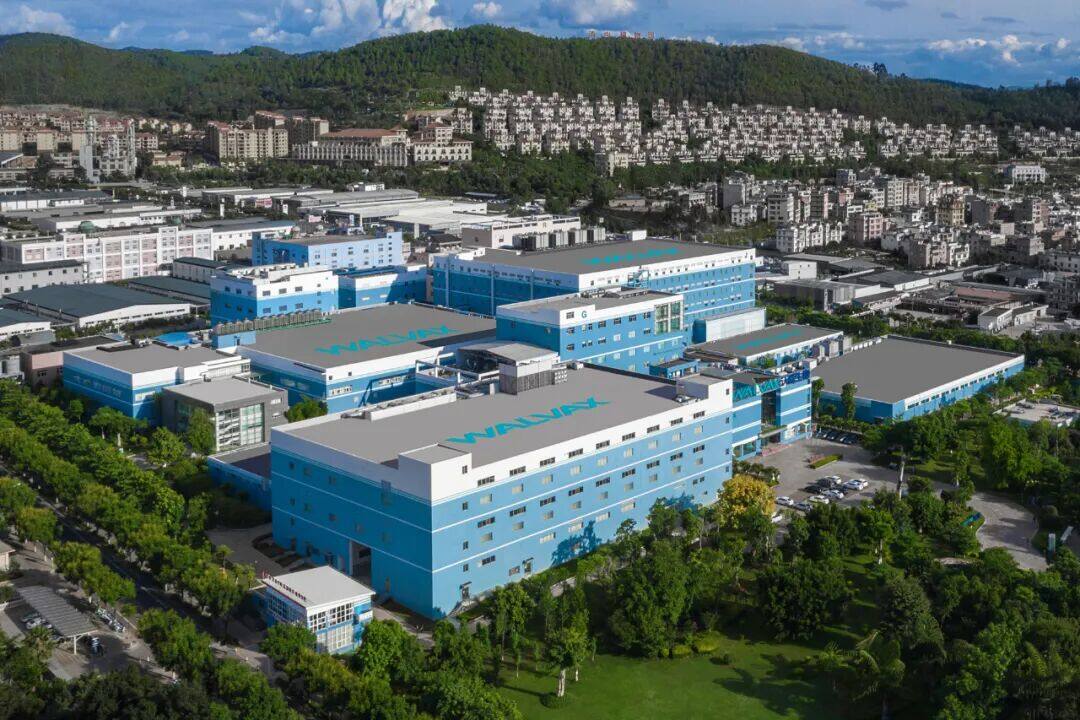
Based on the optimization of the vaccine technology innovation landscape, on the evening of June 25, Walvax Biotechnology Co., Ltd. announced that it had decided to terminate the technical development cooperation with Abogen Biosciences regarding the COVID-19 mRNA vaccine and the shingles mRNA vaccine.

Clear up legacy issues,Focus on Heavyweight Products

The outbreak of the COVID-19 pandemic has increased public awareness of vaccines, giving rise to and accelerating the emergence of a group of China-produced vaccine companies. Numerous pharmaceutical enterprises in China have entered the field of COVID-19 mRNA vaccine research and development. According to incomplete statistics, there are at least 55 companies in China working in this area, making the competition in the innovative vaccine technology sector unprecedentedly fierce.
Currently, Walvax, through joint efforts with its partners, has gradually built an independently controlled and rapidly iterative mRNA technology platform. Meanwhile, the company has established mature and stable bacterial vaccine and recombinant protein vaccine technology platforms, and has collaborated with partners to construct a recombinant adenovirus vaccine technology platform. The vaccine preparation principles and production processes of the four technology platforms are different, and the corresponding standards for the professional background and skill requirements of the R&D personnel vary. There are also differences in R&D focus, production, and quality control.
Public information shows that in Walvax’s organizational structure before the adjustment, the R&D division and the marketing division were independent of each other and not further subdivided. With the increase in the company's R&D projects, the expansion of personnel, and the high demand for comprehensive knowledge across the entire business chain, the centralized and unified "line-staff system" could lead to poor communication between business departments and a decline in work efficiency, restricting the company’s further development.

The recent adjustment to a "Business Unit (BU)" organizational structure has integrated the R&D and marketing sectors into a unified business platform, further dividing the marketing sector into the domestic market and international market. Relevant representatives stated that in recent years, the proportion of Walvax’s international market sales in overall revenue has been continuously increasing. The business models, market environments, and personnel requirements for domestic and international sales vary significantly. Through this internal structural adjustment and segmentation, the company is better positioned to select and appoint professional marketing talents and management for both the international and domestic markets. This allows specialized managers to lead expert teams in precisely targeting market positioning. Additionally, it facilitates the differentiation of performance evaluation goals for internal staff.
At the same time, Walvax innovatively divides the four major technology platforms into independent small business units, granting them full authority under the company’s macro leadership to enhance management efficiency. This approach fully leverages the expertise of professionals in their respective fields, improves work quality, reduces risks and errors, and ensures that each small business unit has complete operational autonomy with independent management and accounting. It breaks down information asymmetry barriers between research and development, production, and sales, achieving integrated management. This allows for a more agile understanding of and response to the market, aligning with the new consumer trend where demand drives supply.In addition, Walvax has matched its business platform with capability and management platforms to alleviate inter-departmental collaboration pressures. Subsequently, it can also address the specific characteristics of each small business unit in a targeted manner.ChinaFormulate a reasonable assessment mechanism.
After this adjustment, Walvax's basic organizational structure will gradually form a two-dimensional structure divided into strategic business units with streamlined and optimized headquarters functions, marking an important step for Walvax to align with China's top enterprises.
According to public information, as ofToBy the end of the first quarter of 2024, Walvax achieved a revenue of 600 million yuan, a year-on-year decrease of 28.02%. The net profit attributable to shareholders of the listed company, excluding non-recurring gains and losses, was 84.03 million yuan, a year-on-year decrease of 37.37%. The company's operating performance is under pressure.However, with the gradual resolution of historical legacy issues, the company's R&D expenses in the first quarter have decreased by 91.8876 million yuan compared to the same period last year, and sales expenses have decreased by 94.5787 million yuan. It is expected that subsequent expenses will be further reduced.
On the other hand, Walvax's consolidated balance sheet at the end of the first quarter showed 4.112 billion yuan in cash and cash equivalents, with a debt-to-asset ratio of only 25.69%. With relatively abundant cash reserves and holding the platform for launching three major blockbuster vaccines—PCV13, HPV2, and a COVID-19 variant mRNA vaccine—the company’s market valuation is currently around 18 billion yuan, increasingly highlighting its investment value.
This article is for reference only and does not constitute investment advice.