The amount of R&D investment is directly related to a company's future growth potential. Provided that the wrong technological path isn't chosen, the more a company invests in R&D, the greater its potential for future growth. In fields such as telecommunications and the automotive industry, we can see the remarkable achievements made by companies that have made substantial R&D investments.
Like BYD in the automotive industry, which has transformed from once being called "the shame of Chinese products" to now being the pride of Chinese products. This is because BYD has consistently invested over the past decade, allowing it to continuously accumulate technology. Last year, BYD's R&D investment even reached as high as 40 billion yuan.
In the field of communications, Huawei has demonstrated the resilience of the Chinese people, enduring immense pressure from the entire United States. Beyond the determination of Huawei's workforce, the key factor is Huawei's willingness to invest heavily. Last year, their R&D investment reached 164.7 billion yuan, accounting for 23.4% of their sales revenue. Such a high level of R&D investment is beyond what any medical device company can bear. Even industry giants like Johnson & Johnson and Medtronic fall short, let alone most domestic medical device companies in China.
China's Leading Medical Device Company Invested 3.779 Billion in R&D Last Year, Accounting for 10.82% of Sales. In the First Quarter of This Year, Mindray’s R&D Investment Continued to Increase Steadily, Reaching 10.99% of Sales. High R&D Investment Has Also Led to a Steady Rise in Global Rankings, Climbing to 27th Globally Last Year, and It Is Expected to Further Improve by the End of This Year, with the Top Twenty Within Reach.For domestically produced medical devices to become global leaders like automobiles and telecommunications, more companies like Mindray that are willing to invest heavily are needed. It is expected that in the next 5 to 10 years, domestic device companies will also break into the global top ten and take the lead in advancing the development of global medical devices.To become stronger, you need to find a reference point. The world's top medical device companies are undoubtedly the best benchmarks and goals for Chinese enterprises. Let’s take a look at how these top companies invest heavily in R&D.
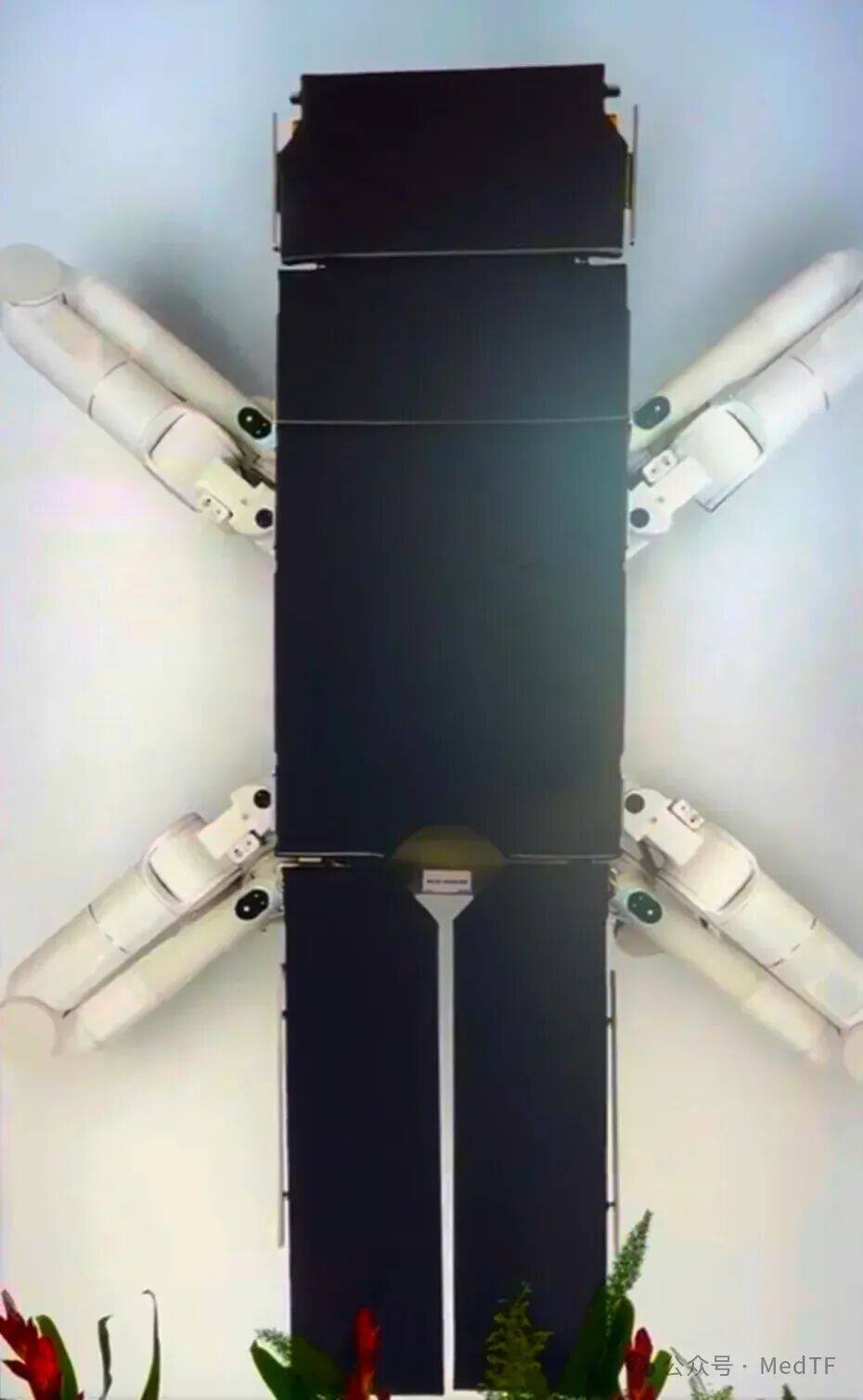
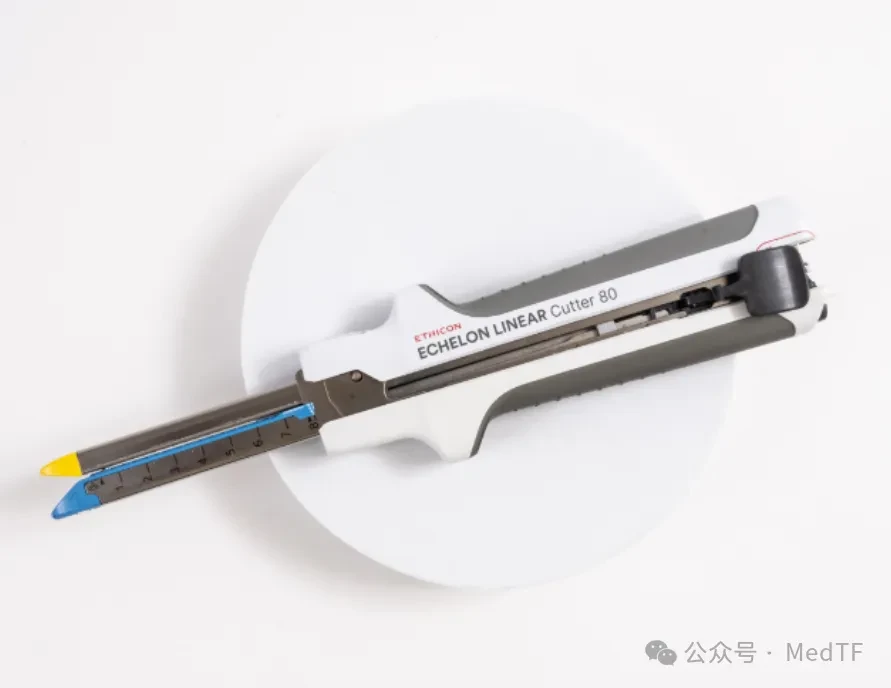
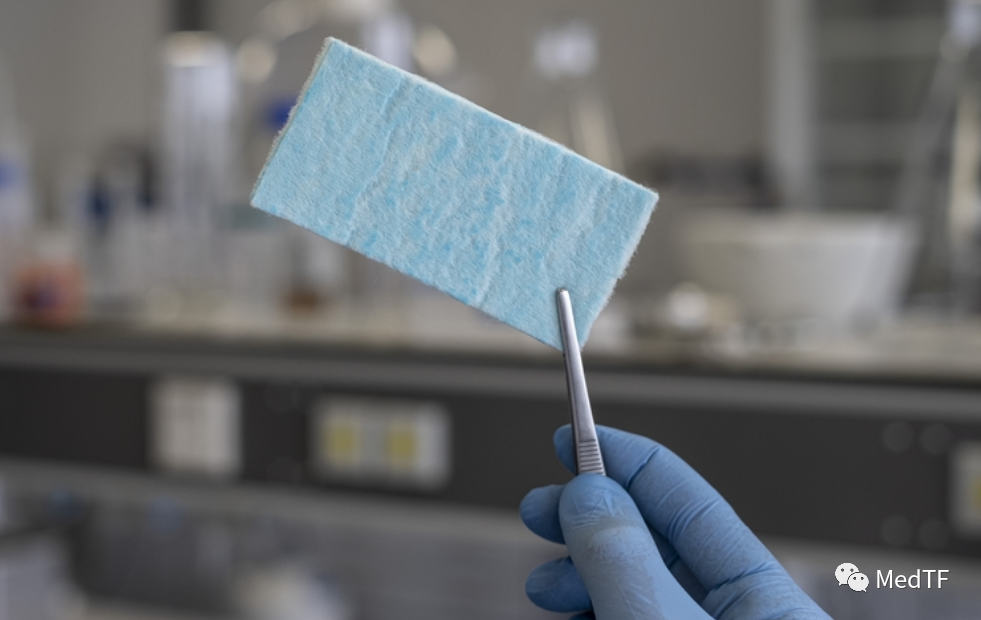
R&D Investment: 3.12 billion USDYuan, accounting for 10.2% of salesSince being dethroned by Medtronic in 2015, Johnson & Johnson has consistently held the second place. However, for a former top medical device company, nine years of enduring humiliation is enough, and it's time to reclaim the throne.In 2021, Johnson & Johnson replaced its CEO, with Joaquin Duato taking office. The new CEO immediately spun off the consumer health business, focusing on pharmaceuticals and medical devices, increasing investment in medical devices, particularly in the cardiovascular field. Starting from 2022, Johnson & Johnson successively spentAcquisition of More Than $16 BillionAbiomed、$13.1 billionAcquisition of Shockwave, $400 million acquisition of Laminar, etc.Heavy investment also led to a significant increase in Johnson & Johnson's medical device revenue, narrowing the gap with Medtronic to just $800 million. Additionally, with this year’s acquisitions...Shockwave Sales: Johnson & Johnson Could Overtake Medtronic Next Year to Reclaim the Top Spot.Besides spending heavily on acquisitions, Johnson & Johnson has also been increasing its R&D investment, raising it from less than 8% to over 10%, which is 1.5% higher than Medtronic. The substantial R&D investment has also enabled Johnson & Johnson to bear fruit in three major areas.In the field of surgery, there has always been a difficult deliveryOttava Finally Has New Updates: IDE Application to Be Submitted to FDA This Year, Clinical Research to Begin SoonAlso launched the new generation linear cutter Echelon Linear, which is able toThe incidence of anastomotic leakage decreased by 47%.ETHIZIA, the world's only double-sided hemostatic patch, has also received FDA approval and can be used as an auxiliary hemostatic agent for visceral destructive bleeding, except for cardiovascular and nervous system bleeding.ETHIZIA can achieve hemostasis within 30 seconds, on average 6 times faster than the leading fibrin sealant.
Orthopedic RobotVELYSFDA-approved for clinical use in unicompartmental knee arthroplasty (UKA)。
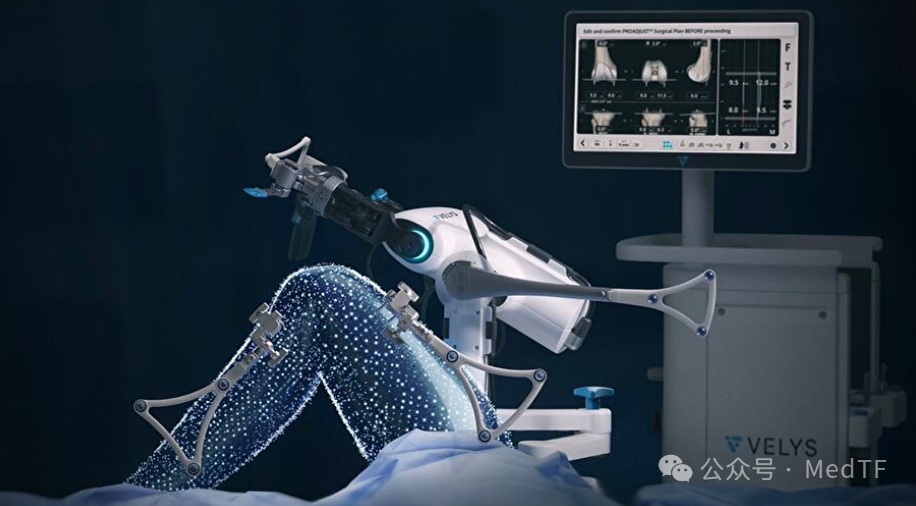
This is a key focus area for Johnson & Johnson, and also where Johnson & Johnson has the mostPreferred Platform (Each platform has annual sales of at least US$1 billion. In addition to acquisitions, Johnson & Johnson has also launched multiple innovative products through self-research.
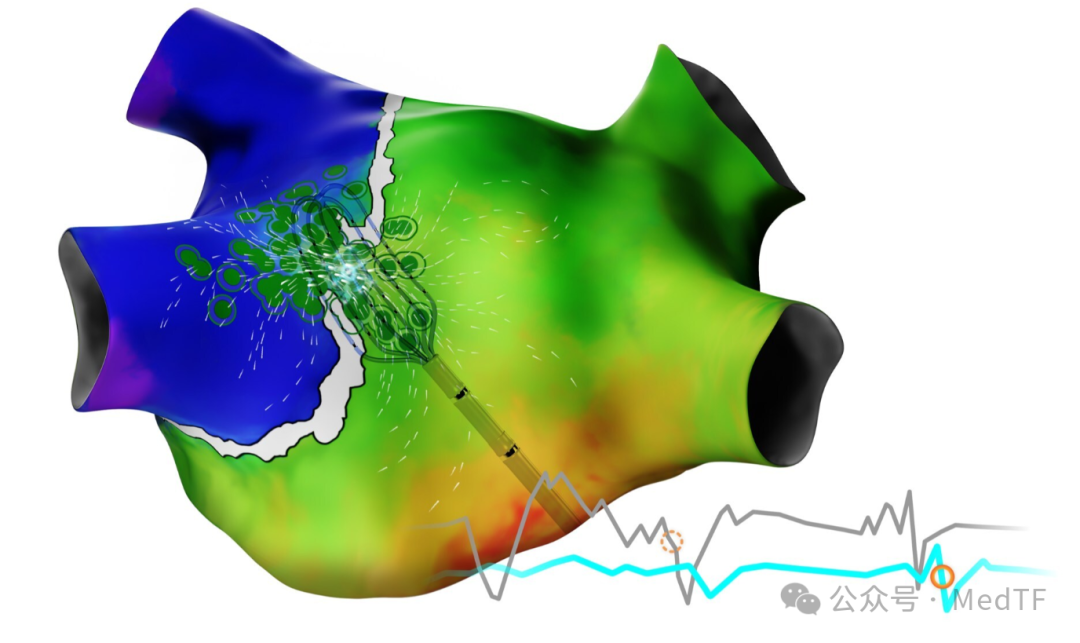
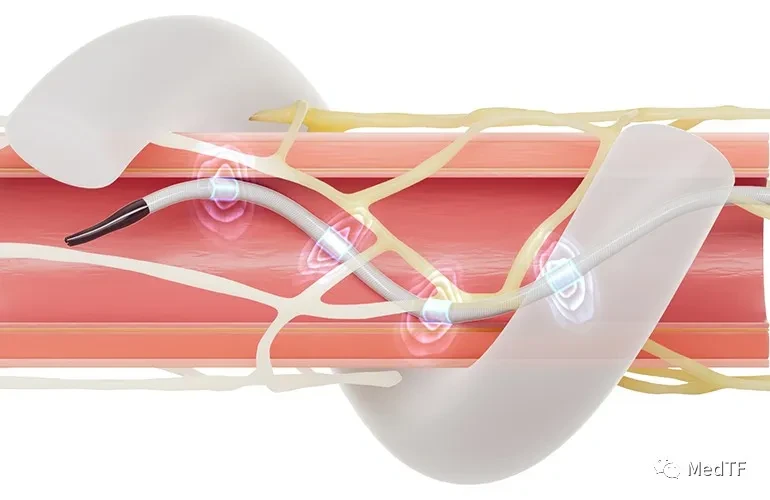
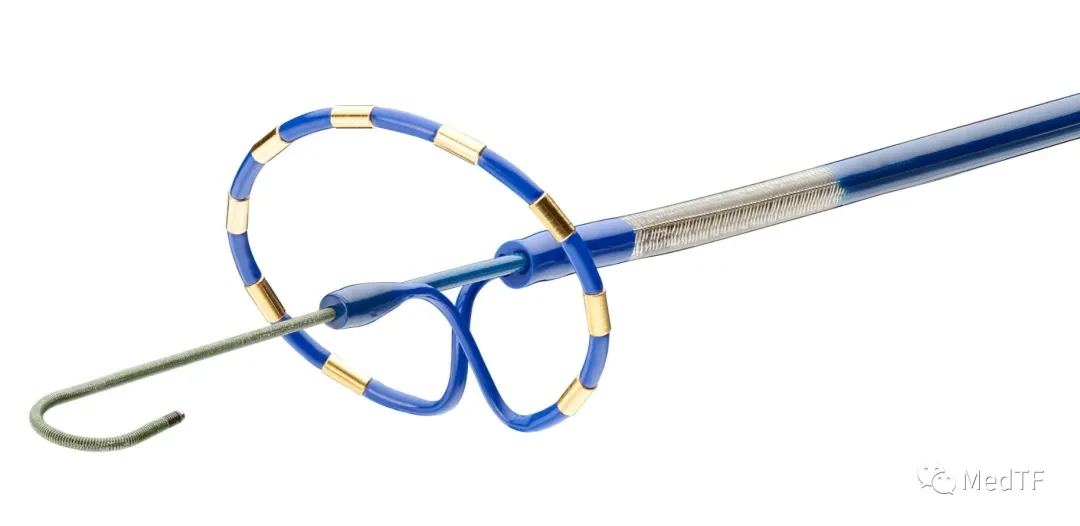
Its firstPFA Product VARIPULSE Approved for Marketing in the EU and Japan, Expected to Receive FDA Approval This Year
In addition, a new generation of 4D ICE was launched:NUVISION NAV, Next-Generation Artificial Intelligence CARTO 3,OPTRELL TRUEref High-Density Mapping Catheter and Cerepak Detachable Coil.The intelligent CARTO 3 is the cornerstone of Johnson & Johnson's electrophysiology field, and also the guarantee to maintain its technological advantage over Boston Scientific, Medtronic, and Abbott.
R&D Investment: 2.74 billion USDYuan, accounting for 10.2% of salesAs the pandemic ends, Abbott has also temporarily withdrawn from the top-spot race. Its medical device-related business in 2023 lags significantly behind Medtronic and Johnson & Johnson, and catching up to the top two would require greater investment.Compared to Johnson & Johnson, Abbott in mergers and acquisitionsFangThe investment in the surface is not large, which is also the reason for the gap with Johnson & Johnson.HoweverAhIn terms of R&D investment, it is no less impressive than Johnson & Johnson, with both companies investing more than 10% of their sales revenue.
Due to substantial R&D investment, it has achieved remarkable performance in product innovation.
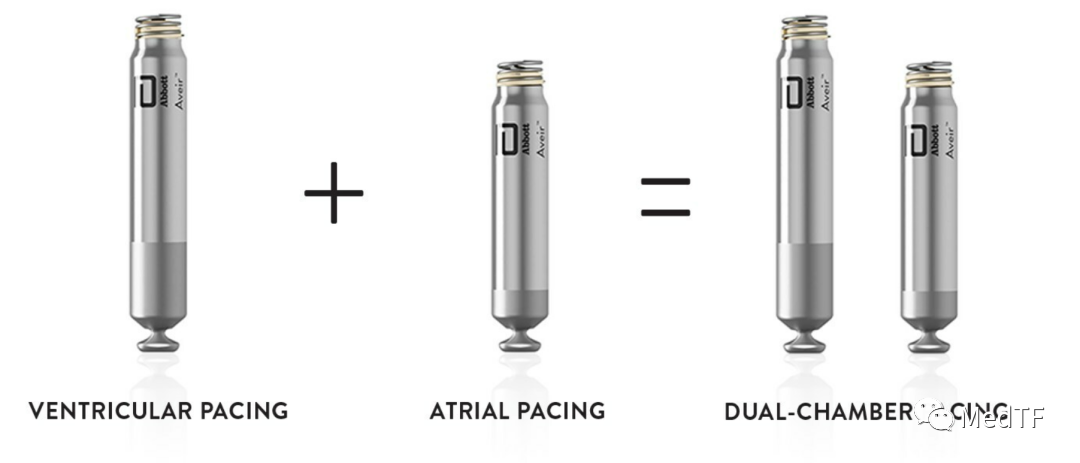
World's First Dual-Chamber Leadless Pacemaker AVEIR DR Receives FDA Approval, Offering New Treatment Option for Patients with Bradycardia.
TriClip, this star product, has also received FDA approval for marketing, providing treatment options for tricuspid regurgitation (TR) or tricuspid leakage in the United States. The launch of TriClip ensures Abbott's leading position in the field of structural heart disease.
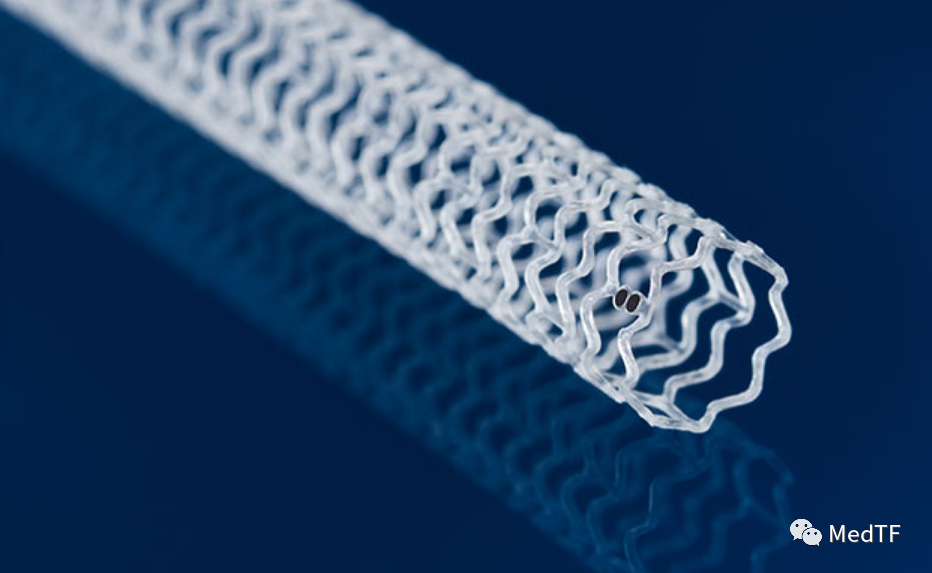
The absorbable stent Esprit BTK has also received FDA approval, although Esprit BTK is only suitable for patients with chronic limb-threatening ischemia (CLTI). However, for Abbott, this is still of great significance. It confirms the safety and reliability of absorbable stent technology seven years after the failure of Absorb BVS, giving hope to a large number of coronary heart disease patients for future implantation of absorbable stents.
In the field of electrophysiology, Abbott's response has been a bit slow. It wasn't until the end of last year that they gradually unveiled their first PFA product, Volt. However, better late than never.Volt still has design features.
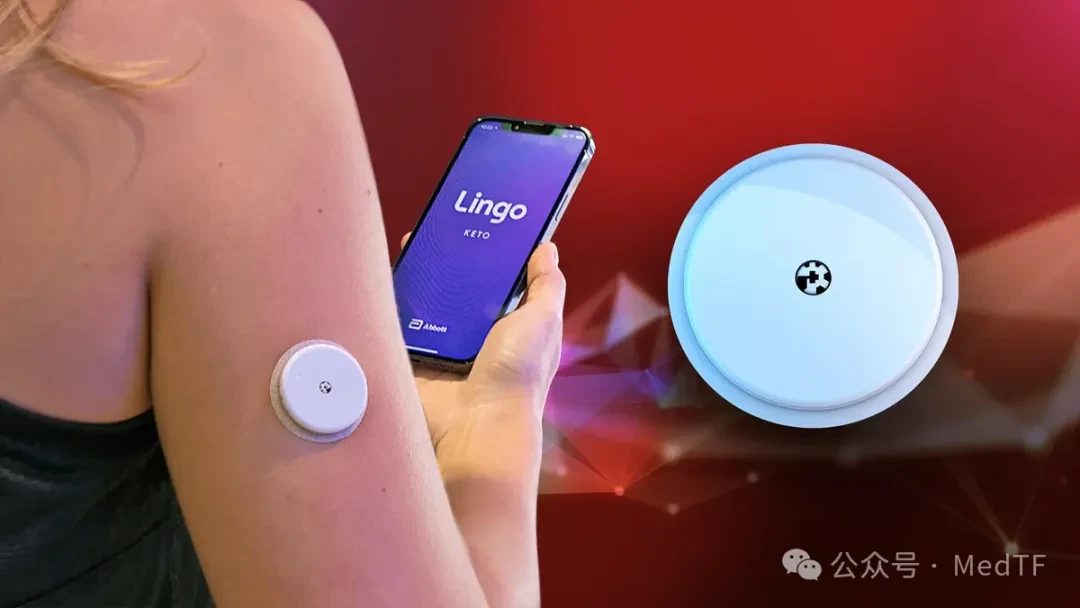
Abbott's latest CGM product, Lingo, has received FDA approval for market release, marking the second over-the-counter CGM product. Not only does it provide Abbott with a competitive edge against Dexcom products, but Lingo also offers a broader potential range of applications (capable of monitoring ketones, lactate, and ethanol).
Abbott's Next-Generation Laboratory Automation System Track (GLP Systems TrackTM) Receives FDA Approval to Enhance Laboratory Performance and Safety, Meeting Growing Testing Demands.
R&D Investment: 2.70 billion USDYuan, accounting for 8.6% of salesThe pandemic plus the change of leadership has caused Medtronic to lose its former edge. The most news about the "big brother" in the past two years has been layoffs and recalls. There were no aggressive acquisitions like before the pandemic. At the same time, Medtronic's market value has been a mess (hovering around 100 billion US dollars, without showing the value it should have as the "big brother"), and the leader even cashed out first (which shows how little confidence he has in his own company).Although Yiguo's development has been less than expected in the past two years, its investment in R&D remains commendable. This is also why it maintains a leading position in several fields.After 14 years of persistence, the hypertension treatment product Symplicity Spyral has finally received FDA approval, ushering in a new treatment option for resistant hypertension. This is the most significant product in Medtronic's cardiovascular portfolio, and Medtronic has high hopes for it.Symplicity Spyral brings huge commercial value).Medtronic is a latecomer in the electrophysiology field but has risen to prominence, not only possessing a star product that turned Medtronic's fortunes around in the electrophysiology sector.Arctic Front. And in electrophysiology, a major changeIn the era of innovation, it still outperforms Boston Scientific to take the lead, with its PFA product.PulseSelect First to Receive FDA Approval for Market Launch.
In addition to PulseSelect, Medtronic's left atrial appendage closure device, Penditure, has received FDA approval for market release, further enhancing Medtronic's atrial fibrillation solutions.
In the TAVR field, Medtronic has not only launched its latest generation TAVR product---Evolut FX+, but alsoSapien Head-to-Head Researcher,Evolut Series Demonstrates Superior Clinical Outcomes.
In the diabetes sector, Medtronic is facing increasing external challenges and pressures. It had hoped to narrow the gap with its competitors through acquisitions, but unfortunately, things did not go as planned. The potential acquisition target had serious intellectual property issues, forcing Medtronic to abandon the deal.
In the field of surgery,Pin High HopesHugo, commercial progress in Europe is below expectations.But in the U.S., where clinical trials are not yet completed, it has to face its strongest competitor.Intuitive Launches a Product That Crushes All CompetitorsDa Vinci 5。
R&D Investment: 2.05 Billion USDYuan, accounting for 10.5% of salesThese two years for PhilipsFor Philips, it has been an unlucky year as its products have continuously fallen into the abyss of recalls, including ventilators, MRIs, CT scanners, and X-ray machines, among others. The ventilators have been the most severe, not only with the highest number of Class I recalls but also facing massive compensation and fines. Just in...U.S. Ventilator-Related Personal Injury Cases Result in $11 Billion Settlement Agreement.
Despite the previous development product quality issues, Philips' investment in R&D has never decreased. It is also expected that Philips' tremendous investment can not only introduce innovative products but also improve product quality.
New Optical Guidance SystemLumiGuide Receives FDA Approval, Advancing Cardiovascular InterventionsA Step Forward in Non-Radiation Interventional Imaging.
Venous StentDuo venous stentReceived FDA approval for the treatment ofHasSymptomatic Venous Outflow ObstructionChronic Venous Insufficiency (CVI)。
R&D Investment: 2.04 Billion USDYuan, accounting for 13.0% of salesRoche continued to dominate the IVD field last year, with its sales far exceeding those of the second-ranked Abbott. To strengthen its technological leadership in the IVD sector, Roche investedVery large (R&D investment accounts for 13% of its sales, far exceeding Abbott's). These R&D investments mainly focus on fields such as NGS, CGM, mass spectrometry, and core laboratory businesses.
A large proportion of R&D investment has also yielded fruitful results for Roche. Last year, Roche received FDA approval for its main products:
Fully Automatic Chemiluminescence Analyzer:cobas 6800/8800 Molecular System,cobas 5800;
COVID-19 and InfluenzaFluorescence Testing Reagents:cobas Xpert SARS-CoV-2/Influenza A&B Combo Assay,cobas SARS-CoV-2/Influenza A&B Assa;
Rapid Antigen Test Kit:cobas Liat SARS-CoV-2 ;
Rapid Antibody Test Kit:cobas SARS-CoV-2 ,cobas Liat SARS-CoV-2 ;
Next-Generation qPCR System:LightCycler PRO。
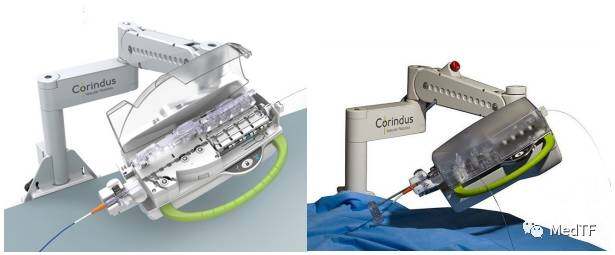
R&D Investment: 2.01 billion USDYuan, accounting for 8.7% of salesSiemens' huge R&D investment in the imaging field is beginning to pay off, but the cardiovascular field has suffered a major blow. The once-promising vascular interventionCorindus Robot, due to its technology being unable to meet genuine clinical needs, has no choice but to face exiting the cardiology business. SiemensCOrindus Future, Can Only Hope forPerformance in the field of neurointervention.
In the imaging field, multiple productsProducts have been approved for marketing. For example, the 1.5T mobile MRI Magnetom Viato.Mobile, the breast tomosynthesis X-ray Mammomat B.brilliant, and the mobile C-arm CIARTIC Move with autonomous driving functions, among others.
R&D Investment: 1.5 billion USDYuan, accounting for 6.3% of salesLast year was a significant downturn for Danaher's business, with sales dropping 24% compared to 2022. Meanwhile, the "King of M&A" embarked on a transformation. Last year, Danaher spun off its Environmental & Applied Solutions segment, allowing it to focus more on the life sciences and diagnostics fields, positioning itself as an innovator in these two areas.
Compared to Danaher's scale, its investment is relatively low. Therefore, no eye-catching new products were launched in 2023.
NO.8 Boco
R&D Investment: $1.41 billion, accounting for 9.9% of sales
Boco belongs toTop Twenty EnterprisesIn the industryOne of the most R&D-focused companies, it has had at least three products nominated for the Galien Award each year in the past five years. Meanwhile, Boston Scientific has also been the company with the most acquisitions in the past two years.One of the companies, its acquisition of Silk Road, Relevant Medsystems,Axonics, etc., these acquisitions effectively strengthen Boston Scientific's product line. However, compared to Johnson & Johnson's large-scale moves, Boston Scientific’s acquisitions are small but exquisite, focusing on differentiation.
Boston Scientific's annual investment of over 1 billion USD also facilitates the FDA approval and market launch of its products in multiple fields.
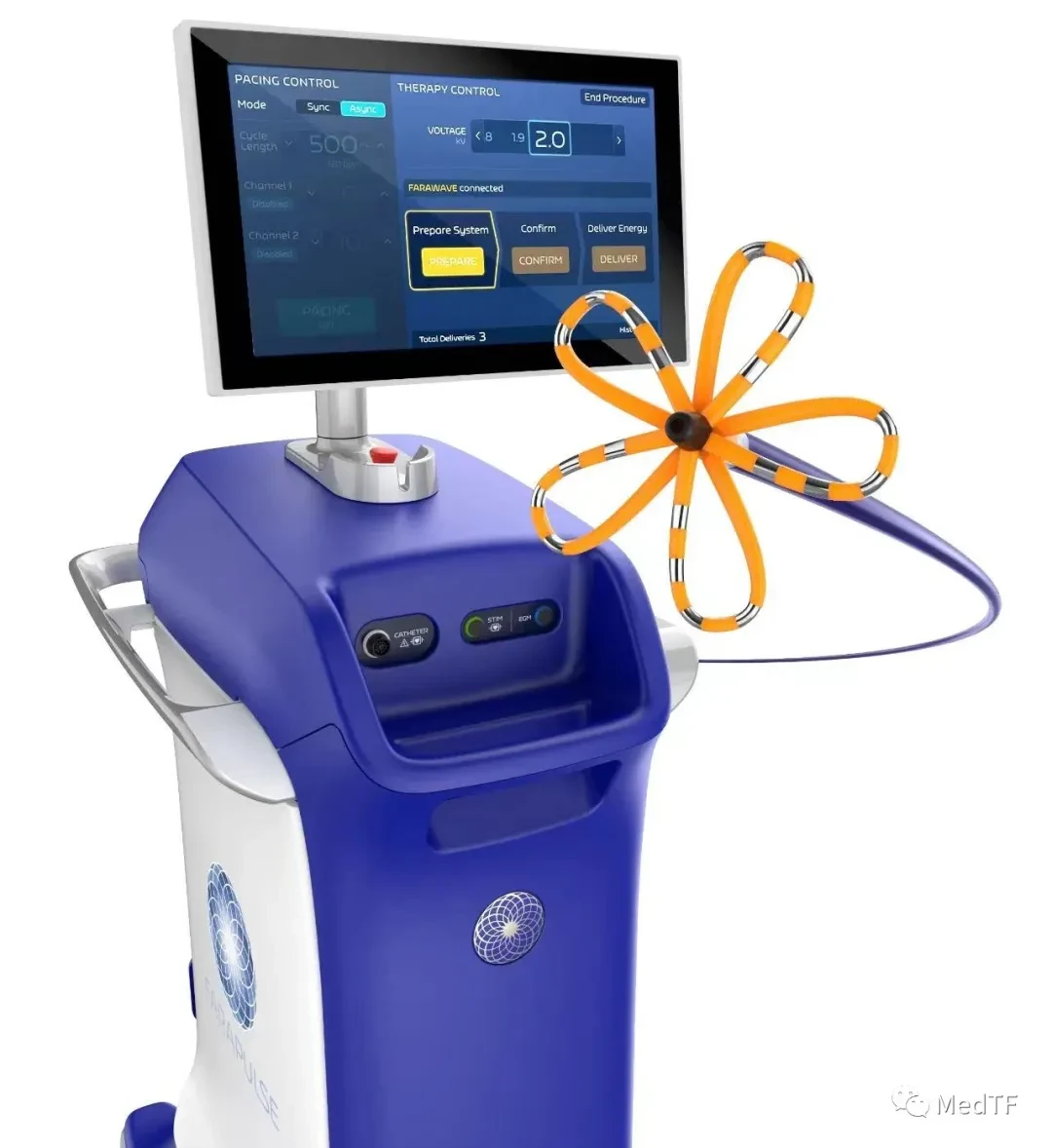
Boston Scientific pioneered the PFA treatment technology, and its first PFA product, Farapulse, has also received FDA approval for market release.The upgraded version of WATCHMAN, WATCHMAN FLX Pro, was震撼 launched last year.In addition to PFA and WATCHMAN, Boston Scientific's cryoablation balloon POLARx has also received FDA approval for market release, making Boston Scientific the company with the most comprehensive solutions for treating atrial fibrillation globally.Agent DCB Receives FDA Approval, Becoming the World's First Drug-Coated Balloon Approved for Treating In-Stent Restenosis in Coronary Arteries.Boston Scientific Launches LithoVue Elite, the World's First Single-Use Ureteroscope with Pressure Monitoring.
NO.9 Stryker
R&D Investment: 1.39 billion USDYuan, accounting for 6.8% of sales
Stryker is one of the best-performing medical device companies in recent years, with a market value reaching $130 billion, far surpassing the industry leader. However, its R&D investment is relatively low at only $1.39 billion, even less than Boston Scientific. Due to the lower investment, Stryker did not have any blockbuster products launched last year.
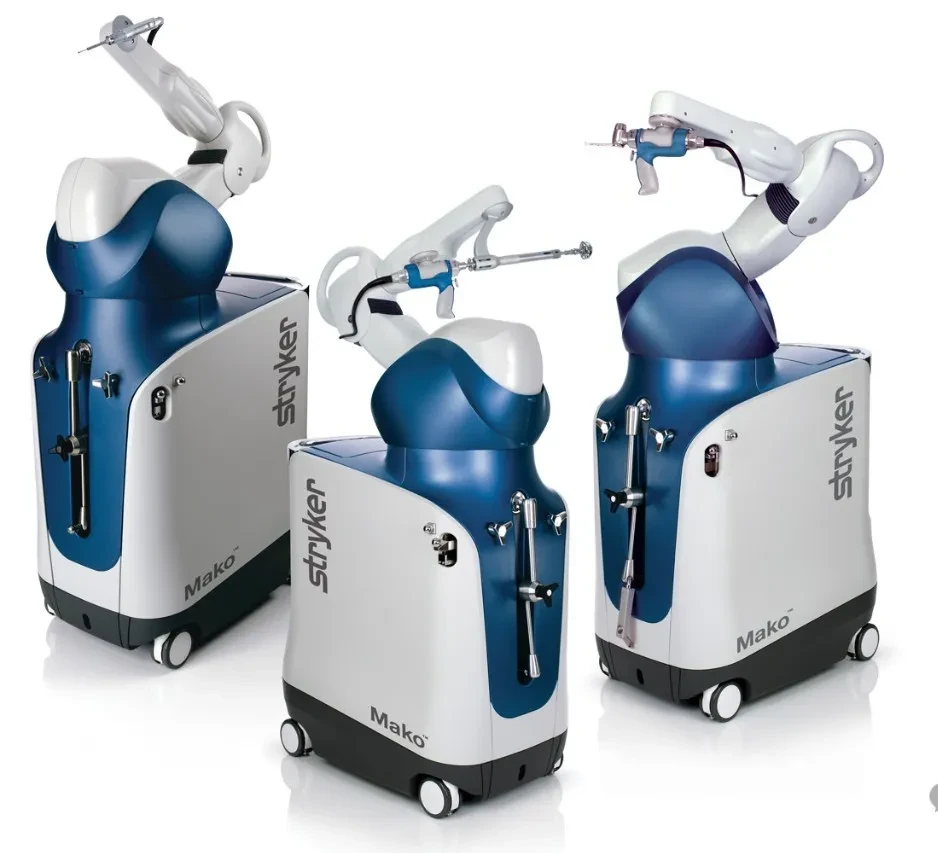
Looking forward to Stryker launching new indications for Mako this year --- the release of Mako Spine, the spinal robot, and the Mako shoulder surgery robot.
NO.10 BD
R&D Investment: 1.24 billion USDYuan, accounting for 6.4% of sales
BD's R&D output last year was the same as Stryker's, with no groundbreaking products launched. Only a few small products received FDA approval.Launch, such as the MiniDraw fingerstick blood collection system and the Onclarity HPV self-collection kit for cervical cancer screening.However, this year BDAcquisition at a Price of $42 BillionEdward's Critical Care Product Line(Critical Care ), this acquisitionEnhance BD's portfolio in smart, connected care solutions.
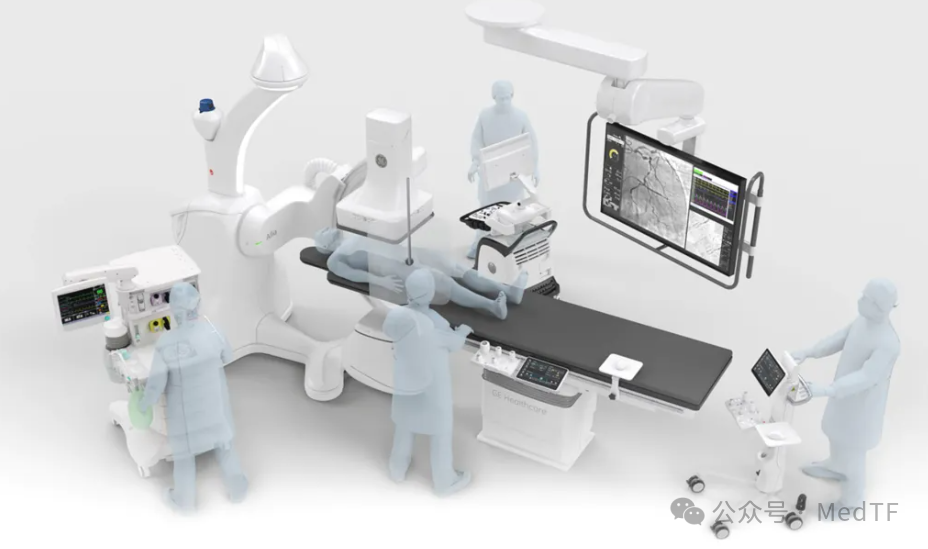
R&D Investment: 1.21 billion USDYuan, accounting for 6.2% of salesOnce the leader in GPS, it now ranks at the bottom. Besides the previous poor management, insufficient investment in R&D and acquisitions is also one of the reasons for its decline. It is expected that GE Healthcare will regain its peak after the spin-off and independent operation.Despite limited investment, GE also launched some new products last year. For example, the hybrid operating room robot Allia IGS Pulse system, and the head magnetic resonance (MR) Signa Magnus, among others.
R&D Investment: 1.07 Billion USDYuan, accounting for 17.8% of salesEdward is undoubtedly the company with the highest R&D investment ratio among medical device giants, reaching 17.8%. Such substantial R&D investment has also led to rapid sales growth, with a year-on-year increase of 12% last year.
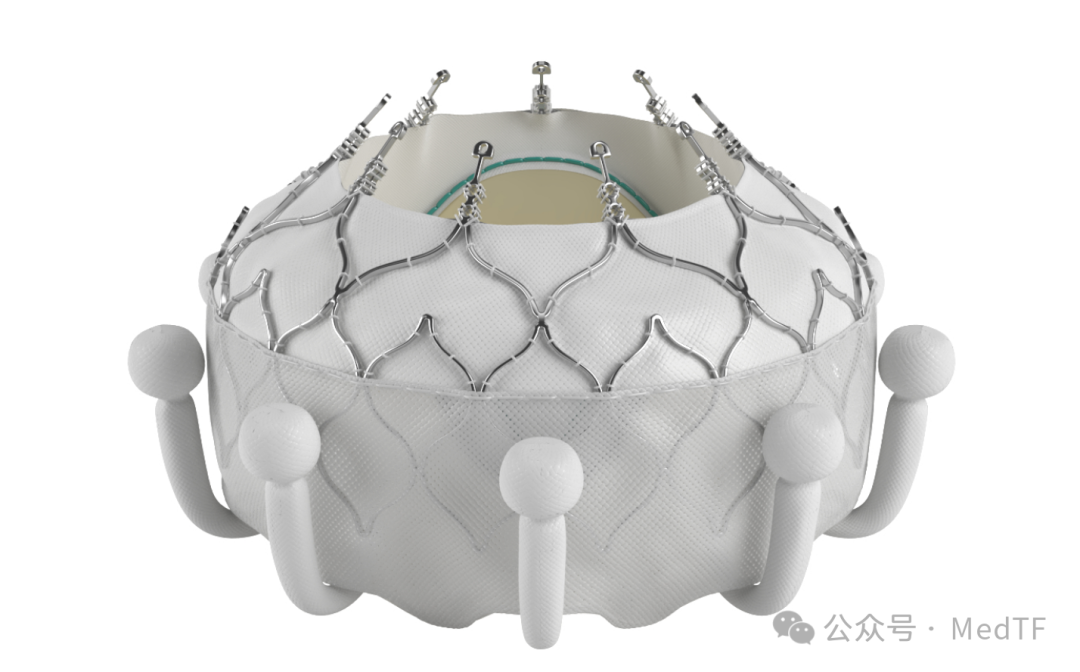
High R&D investment has also enabled Edwards to launch several star products, among whichEVOQUE is undoubtedly the star among stars.EVOQUE: The first transcatheter tricuspid valve replacement product receives FDA approval for marketing, aimed at improving the health condition of patients with symptomatic severe TR. The launch of EVOQUE will also enable Edwards to maintain rapid growth.
R&D Investment: 1 billion USDYuan, accounting for 14% of salesFacing the increasingly competitive soft tissue surgical robot market, Intuitive is widening the gap with its competitors by continuously increasing investment.
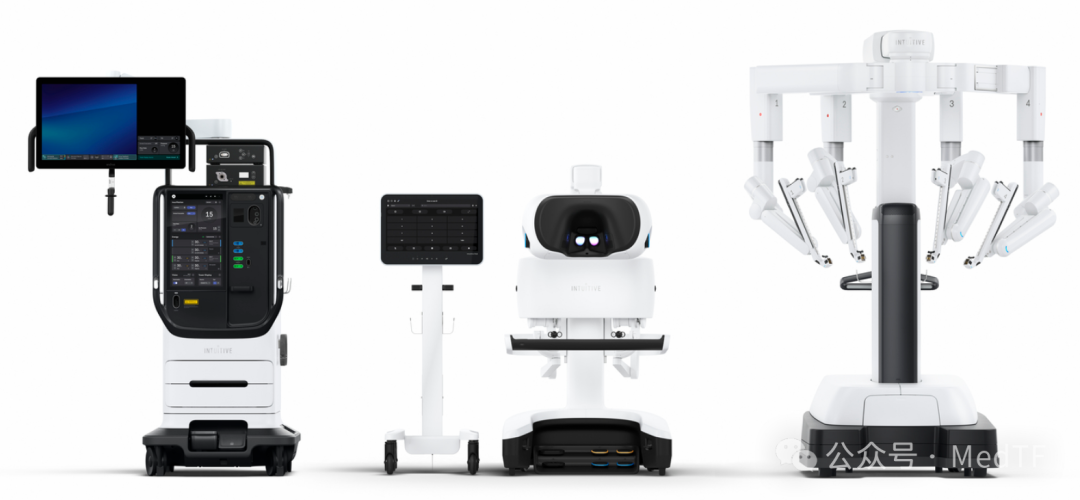
Intuitive has made significant investments over the past decade, launching the groundbreaking soft tissue surgical robot Da Vinci 5 earlier this year. Da Vinci 5 boasts over 150 technological innovations compared to the Da Vinci Xi and, more importantly, establishes a generational technological gap with its competitors.
Thereby achievingDa Vinci 5 Captures the High-End Market,Da Vinci Xi Cuts Price to Capture the Low-End Market.