25 Biotechs Acquired in H1 2024 with Autoimmune Disease Leading the Way

Johnson & Johnson
Medical Device R&D and Manufacturer

In the drug development process, commercial transactions are as crucial as scientific breakthroughs.
Many of today's "most profitable" drugs, such as Keytruda and Enbrel, only came to the public and achieved their current success through mergers and acquisitions. Perhaps among the M&A cases in the first half of this year, a "blockbuster" star drug may emerge.
In the first half of 2024, 25 biotech companies have been acquired, as follows (sorted by time):
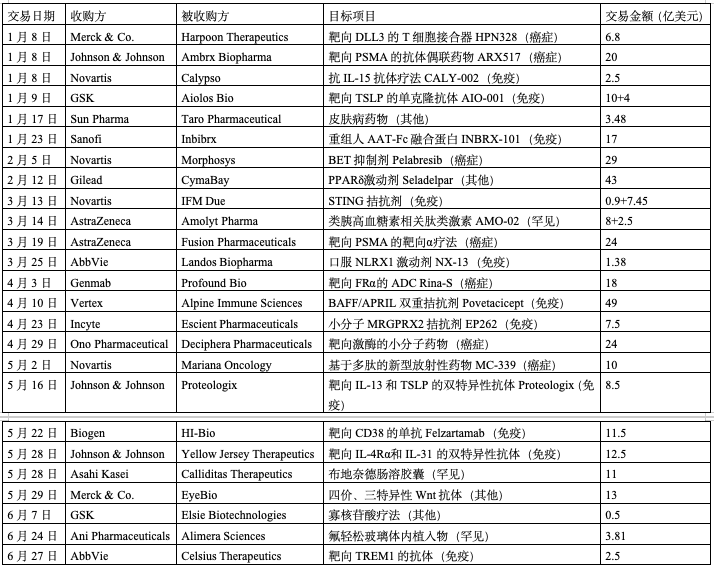
As can be seen from the table, among the 25 Biotech M&A deals, the three largest acquisitions by value were Vertex’s acquisition of Alpine (USD 4.9 billion), Gilead’s acquisition of CymaBay (USD 4.3 billion), and Novartis’ acquisition of MorphoSys (USD 2.9 billion). Six M&A deals exceeded USD 2 billion, and 15 M&A deals surpassed USD 1 billion, spanning across fields such as cancer, immune diseases, rare diseases, retinal diseases, and liver diseases. From this, we can seeM&A activities are not only concentrated in the fields of oncology and immune diseases but also expanded to liver diseases, ophthalmic diseases, and rare diseases.。Secondly, multinational pharmaceutical companies value new drug technologies., such as bispecific/trispecific antibody therapies, ADC drugs, targeted radiopharmaceuticals, RNA drugs, etc.
01
$680 Million: Merck Acquires Harpoon
On January 8, MSD announced the acquisition of Harpoon Therapeutics for $680 million. MSD will obtain a series of T-cell engager therapies under research, including HPN328, which is in Phase 1/2 clinical development, further expanding its oncology R&D pipeline.
HPN328 (hereinafter referred to as MK-6070) is a DLL3-targeting T-cell engager constructed based on the TriTAC platform, which activates T cells through targeting and kills tumor cells expressing DLL3. DLL3 is an inhibitory Notch ligand that is highly expressed in small cell lung cancer (SCLC) and neuroendocrine tumors. Currently, HPN328 is in clinical development for the treatment of SCLC/NEPC and other neuroendocrine tumors. Other drug candidates include HPN217, a B-cell maturation antigen (BCMA)-targeting T-cell engager currently in Phase I clinical development for the treatment of patients with relapsed/refractory multiple myeloma, as well as several preclinical candidates, including HPN601, a conditionally activated epithelial cell adhesion molecule (EpCAM) target for treating certain EpCAM-expressing tumor patients.
02
$2 Billion: Johnson & Johnson Acquires Ambrx
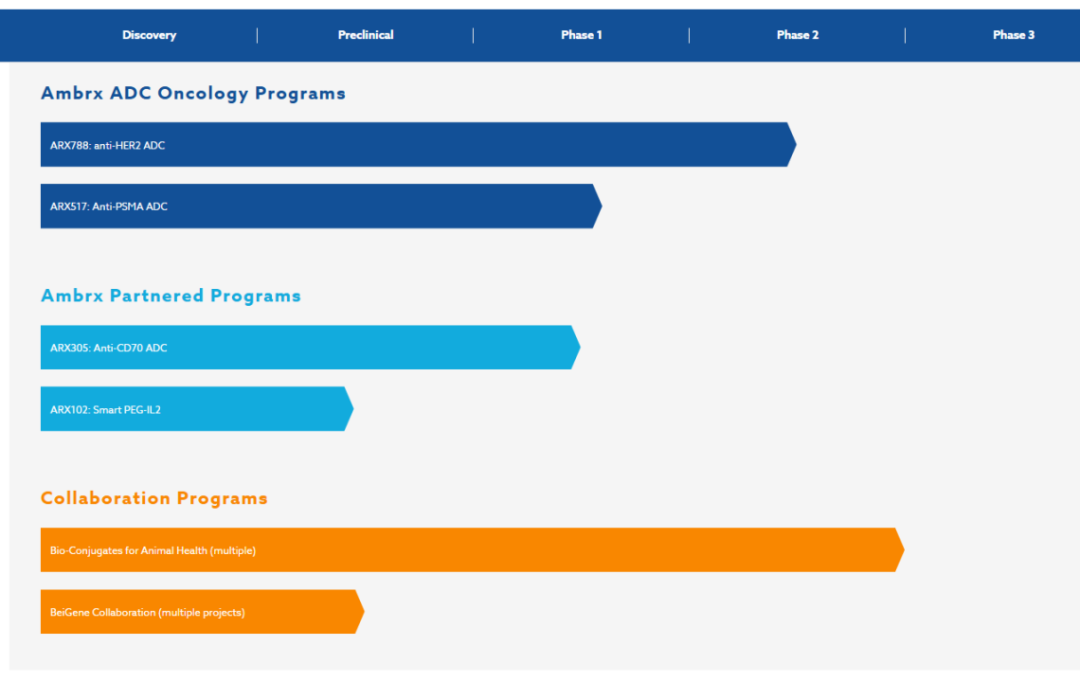
On January 8, Johnson & Johnson announced that it had reached a definitive agreement with Ambrx Biopharma to acquire Ambrx for $2 billion. The focus of this acquisition by Johnson & Johnson is to accelerate the progress of the Phase 1/2 trial APEX01 of ARX517 in advanced prostate cancer, while advancing a series of novel candidate products.

ARX517By humanized anti-PSMAMonoclonal Antibody andAmbrxProprietary potent microtubule inhibitorAS269Connected. In preclinical studies,ARX517Cancer Cell-Killing PayloadAS269It exhibits strong cytotoxicity when released into cancer cells via monoclonal antibodies.ARX517The site-specific conjugation, stable conjugate chemical properties, and non-cleavable linker makeADCWith a uniform drug-to-antibody ratio, biophysical properties similar to monoclonal antibodies, and excellent stability. Therefore,AmbrxThe company believesARX517Can promote highly specific killing of tumor cells while minimizing off-target toxicity.ARX517Has the potential to become "first-in-class" and "best-in-class"Anti-PSMA ADC, to meet the needs of metastatic castration-resistant prostate cancer (mCRPC) The significant unmet medical needs of patients.
03
$250 Million: Novartis Acquires Calypso
On January 8, Novartis announced that it would acquire Calypso Biotech for $250 million and pay up to $175 million in development milestone payments. Through this acquisition, Novartis will obtain Calypso's only project, CALY-002.

CALY-002 is a potential best-in-class therapeutic antibody that binds to and neutralizes IL-15. IL-15 is a broad, untapped immune axis that controls barrier function and downstream immune cascades in many chronic autoimmune diseases. CALY-002 is currently being evaluated in a Phase 1b trial in patients with Celiac disease and eosinophilic esophagitis.
04
$1 Billion: GSK Acquires Aiolos
On January 9, GSK announced that it had reached an acquisition agreement with Aiolos, a company focused on addressing respiratory and inflammatory diseases. GSK will pay Aiolos an upfront payment of $1 billion and up to $400 million in regulatory milestone payments upon success. This acquisition grants GSK access to Aiolos' candidate drug AIO-001 (SHR-1905), expanding GSK's respiratory disease pipeline.

AIO-001 is a potential "best-in-class" long-acting anti-thymic stromal lymphopoietin (TSLP) monoclonal antibody. Due to its differential efficacy and long half-life, it only requires dosing once every 6 months. TSLP is a clinically validated target for asthma treatment, regardless of the patient's biomarker status. Targeting the TSLP pathway addresses a key driver of major allergic and inflammatory responses. AIO-001 is currently in Phase II clinical trials for the treatment of adult asthma and has the potential for use in other indications, including chronic rhinosinusitis with nasal polyps.
05
$348 Million: Sun Pharma Acquires Taro
On January 17, Sun Pharma, India's largest generic drug giant, officially acquired Taro Pharmaceutical, an Israeli veteran dermatology generic drug company, for $348 million. Prior to this, Sun Pharma already owned 78.5% of Taro’s shares.
Taro Pharmaceutical Industries is a research-based pharmaceutical manufacturer listed on the New York Stock Exchange. The company develops, manufactures, markets, and distributes high-quality generic drugs, branded prescription medicines, and over-the-counter products. With over 200 products, it primarily focuses on various therapeutic areas including dermatology, analgesics, gastrointestinal medicines, central nervous system, and cardiology.
06
$1.7 Billion: Sanofi Acquires Inhibrx
On January 23, Sanofi announced that it had reached a definitive agreement with Inhibrx, a clinical-stage biopharmaceutical public company, to acquire Inhibrx for an equity value of $17 per share and contingent value rights of $196 million, expanding Thermo Fisher's single-domain antibody sector.

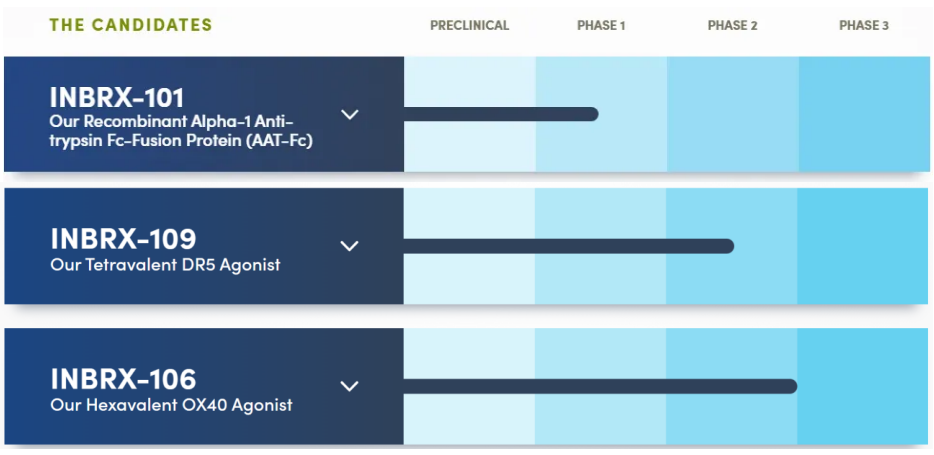
INBRX-101 is a recombinant human AAT-Fc fusion protein composed of two recombinant human AAT molecules linked to the human lgG4 Fc domain. It has been optimized for a longer half-life and higher exposure compared to pdAAT, preventing loss of activity due to oxidation. INBRX-101 is currently under development for the treatment of Alpha-1 Antitrypsin Deficiency (AATD) and received FDA "Orphan Drug" designation in March 2022, followed by FDA Fast Track designation in June 2023. Inhibrx's clinical pipeline also includes a DR5 agonist and an OX40 agonist.
07
$2.9 Billion: Novartis Acquires MorphoSys
On February 5, Novartis announced an all-cash acquisition agreement with MorphoSys for a purchase price of 2.7 billion euros, approximately 2.9 billion US dollars. The focus of this acquisition by Novartis is Pelabresib – currently the most advanced BET inhibitor globally (Pelabresib). This acquisition will further strengthen Novartis' presence in the oncology field.

The bromodomain and extra-terminal domain (BET) protein family includes four proteins (BRD2, BRD3, BRD4, and BRDT), which function as epigenetic modifiers capable of regulating a series of gene expression pathways involved in abnormal oncogenic signaling. Pelabresib is a BET inhibitor that selectively binds to BET proteins, reducing the expression of abnormally expressed genes in cancer, thereby inhibiting tumor development. Currently, BET inhibitors have been shown to target multiple MF-driving mechanisms and exhibit synergistic effects when combined with JAKi therapy. The Phase III study of pelabresib combined with ruxolitinib for treatment-naïve myelofibrosis patients has met its primary endpoint.
08
$4.3 Billion: Gilead Acquires CymaBay
On February 12, Gilead Sciences and CymaBay Therapeutics announced that they had reached a definitive agreement under which Gilead will acquire CymaBay for a total of $4.3 billion. Gilead will obtain CymaBay's core pipeline.PPARδAgonist Seladelpar to Expand Its Liver Product Line.
Seladelpar is an investigational, oral, potential "first-in-class" potent selective peroxisome proliferator-activated receptor (PPARδ) ExcitementDose。PPARδExpressed in various cell types in the liver, it regulates multiple genes involved in bile acid synthesis, inflammation, and fibrosis processes. On February 12, the date the acquisition agreement was reached, CymaBay announced that the U.S. FDA had accepted the New Drug Application (NDA) for seladelpar to treat patients with primary biliary cholangitis, including its pruritus symptoms, granting it Priority Review status. The PDUFA target date for this drug is August 14, 2024.
09
$90 Million: Novartis Acquires IFM Due
On March 13, Novartis announced that it would acquire IFM Due, a subsidiary of privately-held IFM Therapeutics. IFM Due will receive a $90 million upfront payment and is eligible for up to $745 million in milestone payments. Under the acquisition agreement, Novartis will obtain full rights to IFM Due's STING antagonist portfolio.

IFM Due focuses on developing small-molecule oral candidate drugs targeting abnormal inflammatory responses of the innate immune system triggered by the cGAS-STING pathway. The cGAS-STING pathway plays a role in the innate immune system by detecting DNA in the cytoplasm (cellular danger signals) and initiating STING-dependent inflammatory responses. Abnormal activation of this pathway, caused by mutations or mitochondrial dysfunction, can lead to excessive interferon/cytokine signaling, resulting in various severe inflammatory diseases. Currently, immunotherapies that inhibit the cGAS/STING pathway are still in the preclinical stage.
10
$800 Million: AstraZeneca Acquires Amolyt
On March 14, AstraZeneca announced that it had reached a final agreement to acquire Amolyt Pharma for $1.05 billion, including an $800 million upfront payment and $250 million in specific milestone payments. This acquisition will give AZ access to Amolyt's R&D program Eneboparatide (AZP-3601).
Eneboparatide is an investigational therapeutic peptide designed to bind with high affinity to a specific conformation of the parathyroid hormone (PTH) receptor to produce sustained and stable calcium levels in the blood, thereby managing the symptoms of hypoparathyroidism and limiting urinary calcium excretion by restoring renal calcium reabsorption, preventing progressive renal function decline and the development of chronic kidney disease. Amolyt Pharma announced on May 2 that Eneboparatide has received Fast Track designation from the FDA, and the Phase III Calypso trial is being conducted at over 50 centers across the United States, Europe, Canada, and the United Kingdom.
11
$2.4 Billion: AstraZeneca Acquires Fusion
On March 19, AstraZeneca announced that it would spend $2.4 billion to acquire Fusion Pharmaceuticals, a biopharmaceutical company focused on developing the next generation of radiopharmaceutical conjugates (RDC). This acquisition represents another significant move by AstraZeneca in the field of nuclear medicine.
Fusion's core product, FPI-2265, is a targeted drug aimed at Prostate-Specific Membrane Antigen (PSMA), currently in Phase II clinical development for the treatment of metastatic castration-resistant prostate cancer (mCRPC). The development of this drug highlights the significant potential and unique advantages of radiopharmaceuticals in cancer therapy. Another clinical-stage product under investigation is FPI-1434, targeting IG expression.F-1R(IGF-1R is a receptor overexpressed in many types of tumors) cancer cells and deliver α-emittingMedical isotopes are currently in Phase I clinical development.
12
$138 Million: AbbVie Acquires Landos
On March 25, AbbVie announced that it would acquire Landos Biopharma to obtain its inflammatory bowel disease R&D pipeline NX-13. AbbVie will pay $137.5 million in cash and $75 million in milestone payments.

NX-13 is an oral NLRX1 agonist developed for the treatment of ulcerative colitis and Crohn's disease. NX-13 can reduce the inflammatory cycle through both extracellular and intracellular pathways, exerting a dual mechanism with the potential for anti-inflammatory effects and promoting epithelial repair. It is currently in Phase II clinical trials, and the Phase II clinical data for ulcerative colitis is expected to be available in the fourth quarter of 2024.
13
$1.8 Billion: Genmab Acquires ProfoundBio
On April 3, Genmab and ProfoundBio jointly announced the signing of a definitive agreement, under which Genmab will acquire ProfoundBio for $1.8 billion in cash. This acquisition will grant Genmab global rights to three clinical development candidates, including rinatabart sesutecan (Rina-S), as well as ProfoundBio's novel antibody-drug conjugate (ADC) technology platform.

Rina-S is a novel, next-generation, potential best-in-class Topo1 ADC targeting folate receptor α (FRα).。FRαIt is overexpressed in a series of solid tumors and has limited expression in normal tissues, making it an attractive target for ADC. Rina-S is derived from humanFRαA monoclonal antibody, a novel cleavable hydrophilic linker, and a topoisomerase 1 inhibitor payload Exatecan. A phase 1/2 first-in-human study is currently recruiting patients with advanced solid tumors. In addition, other ADCs in Protheon's pipeline include an ADC targeting CD70, an ADC targeting PTK7, and a bispecific ADC targeting EGFR and cMET.
14
$4.9 Billion: Vertex Acquires Alpine
On April 10, Vertex announced that it would spend $4.9 billion to acquire Alpine Immune Science, gaining the company's lead product Povetacicept (ALPN-303) and expanding its business in kidney and immune system diseases.

Povetacicept is a BAFF/APRIL dual antagonist. BAFF/APRIL promotes the activation, differentiation, and survival of B cells, T cells, and myeloid cells, playing a key role in the pathogenesis of various autoimmune diseases, including but not limited to systemic lupus erythematosus (SLE) and IgA nephropathy. Currently, Povetacicept has three clinical pipelines: Phase II for autoimmune glomerulonephritis, Phase I for systemic lupus erythematosus (SLE), and Phase II for autoimmune cytopenia.
15
$750 Million: Incyte Acquires Escient
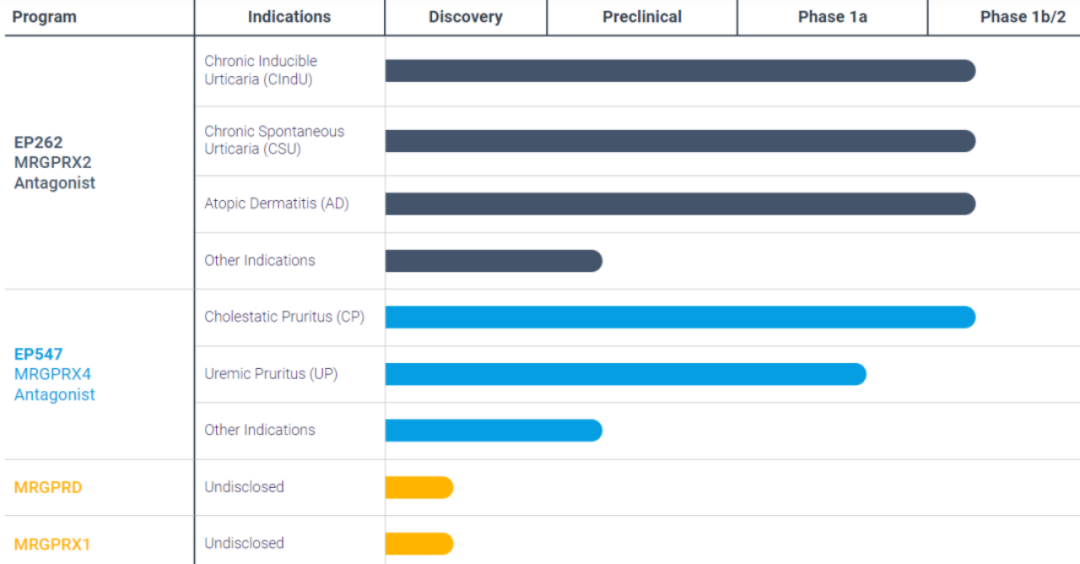
On April 23, Incyte and Escient Pharmaceuticals announced a definitive agreement whereby Incyte agreed to acquire Escient for approximately $750 million, gaining access to two of the company’s potential first-in-class (FIC) small molecule therapies, EP262 and EP547, thereby expanding its R&D pipeline in the fields of inflammation and autoimmune diseases.
EP262 is a potent, highly selective, once-daily small molecule MRGPRX2 antagonist that has the potential to treat various mast cell-mediated diseases, including atopic dermatitis (AD), chronic inducible urticaria (CIndU), and chronic spontaneous urticaria (CSU), by blocking MRGPRX2 and mast cell degranulation. It is currently in Phase I clinical trials. EP547 is a potent, highly selective small molecule MRGPRX4 antagonist that can block the activation of MRGPRX4 by various bile acids, bilirubin, and urobilin, and is expected to become a potentially effective therapy for cholestatic and uremic pruritus.
16
$2.4 Billion: Ono Pharmaceutical Acquires Deciphera
On April 29, ONO Pharmaceutical announced a $2.4 billion acquisition of Deciphera Pharmaceuticals, after which Deciphera will become a wholly owned subsidiary of ONO Pharmaceutical. This acquisition will strengthen ONO Pharmaceutical's oncology R&D pipeline.

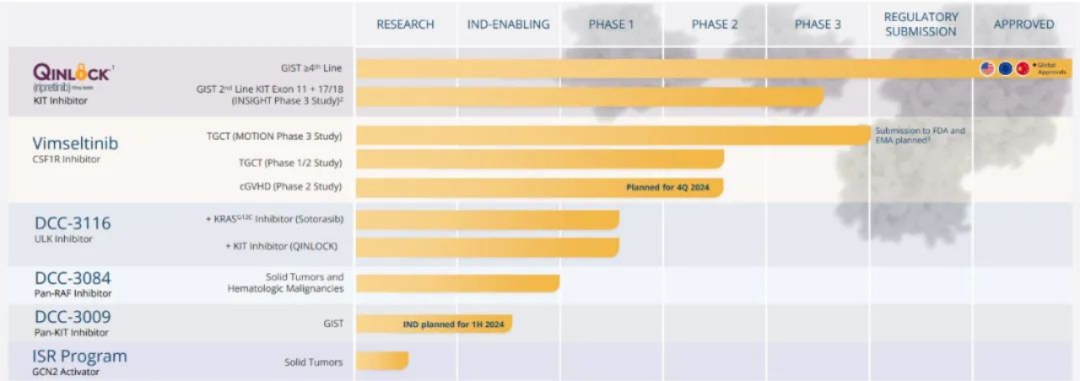
DecipheraThe company specializes in kinase drug discovery and development. Its small molecule inhibitor, Qinlock, has been approved for marketing in the United States and over 40 other countries and regions for the treatment of previously treated gastrointestinal stromal tumor (GIST) patients. Deciphera also has a robust pipeline including CSF-1R inhibitors, ULK inhibitors, pan-RAF inhibitors, pan-KIT inhibitors, GCN2 activators, and more, featuring candidates such as Vimseltinib, DCC-3116 (an ULK inhibitor), and several other oncology drug candidates.
17
$1 Billion: Novartis Acquires Mariana
On May 2, Mariana Oncology, a biotechnology company focused on developing novel radioligand therapies (RLT), announced that Novartis will acquire the company for an upfront payment of $1 billion and potential milestone payments of up to $750 million. This acquisition combines Mariana Oncology's innovative radiopharmaceutical pipeline and platform with Novartis' established clinical development and commercialization expertise.
Mariana was founded in 2021 by Atlas Venture, Access Biotechnology, and RA Capital Management and has raised additional funding from other top investors, including Deep Track Capital and Forbion.
Mariana Oncology has developed a series of novel peptide-based radiopharmaceuticals for the treatment of various solid tumor cancers. The company has invested in production capacity, an extensive isotope supply chain, and new formulations to enhance the shelf life of the final product. Its lead program, MC-339, is a radiolabeled therapeutic (RTL) specifically targeting small cell lung cancer.
18
$850 Million: Johnson & Johnson Acquires Proteologix
On May 16, Johnson & Johnson announced the acquisition of Proteologix, a private biotechnology company focused on developing bispecific antibodies for immune-mediated diseases, for $850 million. A definitive agreement has been signed, with the potential for additional milestone payments.

Proteologix's R&D pipeline includes PX128, a bispecific antibody targeting IL-13 and TSLP, which is preparing to enter Phase I development for moderate to severe atopic dermatitis (AD) and moderate to severe asthma. Another investigational therapy, PX130, is a bispecific antibody targeting IL-13 and IL-22, currently in preclinical development for moderate to severe AD. Since AD and asthma are heterogeneous diseases, with different patient subgroups driven by different signaling pathways, targeting multiple signaling pathways may achieve better efficacy and disease relief.
In addition to PX128 and PX130, the acquisition will also provide Johnson & Johnson with other bispecific antibody research and development projects. These projects can be applied to various other diseases, further enhancing the company's capabilities in developing novel bispecific therapeutic solutions.
19
$1.15 Billion: Biogen Acquires HI-Bio
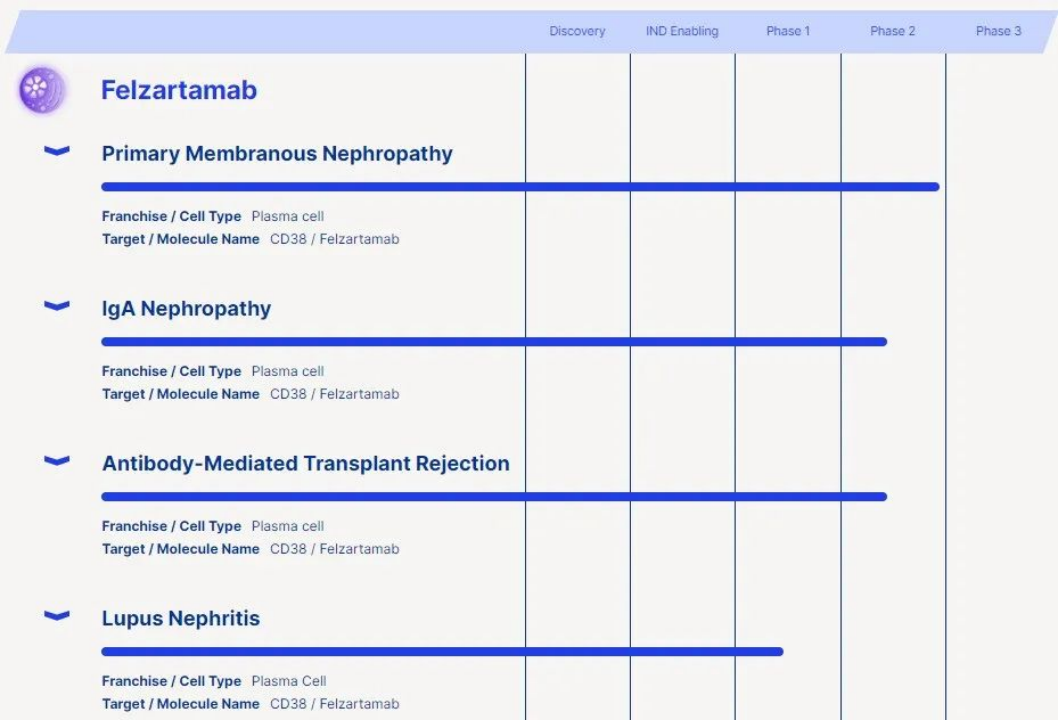
On May 22, Biogen and immunotherapy company Human Immunology Biosciences (HI-Bio) announced that the two companies had reached an acquisition agreement. Under the terms of the agreement, Biogen will pay HI-Bio an upfront payment of $1.15 billion. If certain development milestones for the Felzartamab project are achieved, HI-Bio is also eligible to receive up to an additional $650 million, bringing the total transaction value to a potential $1.8 billion.

HI-Bio's main asset, Felzartamab (Fizertumab), is a monoclonal antibody targeting CD38, primarily developed for autoimmune indications. Currently, Felzartamab is in Phase II clinical trials for primary membranous nephropathy, antibody-mediated rejection, and IgA nephropathy, while lupus nephritis is in Phase I clinical trials.
In addition to Felzartamab, HI-Bio's pipeline also includes izastobart/HIB210, a C5aR1-targeting antibody currently in Phase I clinical trials, which has the potential to treat a range of complement-mediated diseases. HI-Bio also possesses a mast cell-targeting pipeline in the discovery stage, which also holds potential for application in various immune-mediated diseases.
20
$1.25 Billion: Johnson & Johnson Acquires YJT
On May 28, Johnson & Johnson announced that it had reached a definitive agreement with Numab Therapeutics to acquire its wholly-owned subsidiary, Yellow Jersey Therapeutics (YJT), for approximately $1.25 billion in cash. YJT will be spun off to Numab's shareholders, securing the global rights to its novel, first-in-class bispecific antibody NM26.

NM26 is a first-in-class bispecific antibody for the treatment of atopic dermatitis (AD), targeting two clinically validated pathways in AD - IL-4RαAnd IL-31, the former triggers Th2-mediated skin inflammation, while the latter affects skin itching and subsequent scratching, thus worsening the condition. In addition to potentially changing the treatment standard for AD, NM26 also shows efficacy for other inflammatory skin diseases involving Th2 inflammation and itching.
21
$1.1 Billion: Asahi Kasei Acquires Calliditas
On May 28, Japanese company Asahi Kasei Corporation proposed to acquire Swedish pharmaceutical company Calliditas Therapeutics for 11.8 billion Swedish kronor (approximately 1.1 billion US dollars). The acquisition aims to expand its product portfolio in the fields of kidney and autoimmune diseases, establish operations in Europe, and enrich its R&D pipeline. On the same day, Calliditas announced that it had accepted the acquisition offer from Asahi Kasei, which was supported by the Calliditas board of directors.

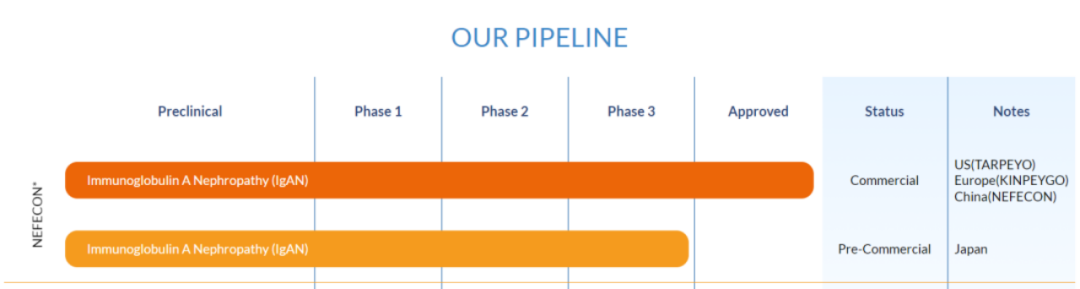
Calliditas' marketed product is Nefecon (Budesonide Enteric-Coated Capsules). As the world's first approved therapy for IgA nephropathy, Nefecon utilizes a special manufacturing process to target the release of budesonide in the mucosal B cells of the terminal ileum. After the capsule dissolves, the triple-coated pellets provide sustained and stable release of budesonide, achieving high concentration coverage across the entire target area, thereby reducing the production of galactose-deficient IgA1 antibodies that trigger IgA nephropathy, effectively treating the disease.
Currently, Calliditas' leading investigational drug is Setanaxib, a NOX1/4 inhibitor (potential First-in-Class drug). This product is used to treat a range of rare fibrotic diseases and solid tumors. It is expected that results from three Phase II clinical studies will be announced this year, targeting Primary Biliary Cholangitis, Idiopathic Pulmonary Fibrosis, and Head and Neck Squamous Cell Carcinoma, respectively.
22
$1.3 Billion: Merck Acquires EyeBio
On May 29, Merck & Co., Inc. (MSD) and EyeBiotech Limited (EyeBio) jointly announced that the two companies have reached a definitive agreement under which MSD will acquire EyeBio through a subsidiary for an upfront payment of $1.3 billion and potential milestone payments of up to $1.7 billion. The total potential value of this acquisition is $3 billion.
Through this acquisition, Merck will gain EyeBio's lead candidate drug Restoret (EYE103), a novel late-stage candidate for the treatment of diabetic macular edema (DME) and neovascular age-related macular degeneration (NVAMD), as well as a preclinical pipeline targeting retinal diseases.
Restoret is a tetravalent, trispecific Wnt antibody that can simultaneously bind to the receptors LRP5 and FZD4, activating the Wnt signaling pathway. The Wnt signaling pathway plays a crucial role in restoring and maintaining the blood-retinal barrier. Preclinical studies have shown that Restoret can durably reduce retinal vascular leakage associated with DME and NVAMD. Restoret is expected to enter pivotal studies for diabetic macular edema in the second half of 2024.
23
$50 million: GSK acquires Elsie
On June 7, GSK announced the acquisition of Elsie Biotechnologies for $50 million. Elsie Biotechnologies is dedicated to the development of oligonucleotide therapies. This acquisition allows GSK to integrate Elsie’s oligonucleotide discovery, synthesis, and delivery technologies to enhance the R&D capabilities of the GSK platform.
Elsie's discovery platform is an ultra-high-throughput proprietary process capable of comprehensively evaluating the chemical space of oligonucleotides. By applying proprietary encoding technology, Elsie can assess all potential sequences or chemical modification patterns, aiming to enhance activity, reduce toxicity, and improve the delivery of oligonucleotide therapeutic candidates. Additionally, Elsie utilizes proprietary P(V) chemistry technology, including a set of novel reagents and processes, to synthesize a variety of oligonucleotide therapies through precise synthetic control.
24
$381 Million: ANI Acquires Alimera
On June 24, generic drug company ANI Pharmaceuticals (ANI) announced the acquisition of Alimera Science for $381 million.
Alimera It is a global pharmaceutical company specializing in the commercial development of prescription drugs for the treatment of retinal diseases, and is well-known for its two main products:IluvienAn injectable, non-biodegradable fluocinolone acetonide intravitreal implant for the treatment of diabetic macular edema.(DME) , and chronic non-infectious uveitis(NIU-PS);YutiqIs a fluocinolone acetonide intravitreal implant, treatmentNIU-PS。
25
$250 Million: AbbVie Acquires Celsius
On June 27, AbbVie announced the acquisition of Celsius Therapeutics for a payment of $250 million. AbbVie will obtain a potential "first-in-class" drug candidate, CEL383.

CEL383 is an experimental antibody targeting TREM1, which has completed Phase I clinical studies for the treatment of inflammatory bowel disease (IBD). TREM1 has been identified as a key pathogenic gene in IBD and is primarily expressed on inflammatory monocytes and neutrophils. In these and other cell types, TREM1 is located upstream of multiple known inflammatory pathways and can amplify inflammatory responses. CEL383 has been shown to inhibit TREM1 signaling and reduce the levels of various inflammatory mediators with high clinical relevance under inflammatory conditions.
In Conclusion
In the first half of 2024, there were 25 M&A cases in the biopharmaceutical industry, from which we can seeTransactions concentrated in cancer (7 cases) and immune system diseases (11 cases).Above, the transaction amount rises with the value of the drug research and development platform, the clinical progress of the pipeline, and significant clinical outcomes.
For multinational pharmaceutical giants, mergers and acquisitions can acquire high-quality assets, fill the sales gap caused by the patent cliff, and break into emerging fields, reshaping their product pipelines and sales systems.
For Biotech companies, exiting through mergers and acquisitions not only brings returns to shareholders but also provides an exit channel for early investors in Biotech. It also implies that they will hardly face uncertainties in the capital market and challenges in the funding chain.
How to Facilitate M&A Deals?The above-mentioned successful M&A cases show that,Companies with innovative technology platforms and R&D pipelines are more preferred.Such as Elsie's oligonucleotide synthesis platform, Mariana's innovative radiopharmaceutical pipeline and platform, and Ambrx's site-specific incorporation of non-natural amino acids technology platform.Therefore, in the face of a market downturn, Biotech companies need to focus on core competencies, evaluate their pipelines, and avoid being limited to me-too or fast-follow drugs.
Source:Company official website, consulting subscription account