FDA Grants Accelerated Approval to Epkinly (Epcoritamab), a Subcutaneous CD3×CD20 Bispecific Antibody, for Relapsed/Refractory Follicular Lymphoma

Genmab
Differentiated Antibody Therapy Developer

AbbVie
Innovative Drug Developer

Recently, AbbVie and Genmab jointly announced that the U.S. FDA has granted accelerated approval to their co-developed bispecific antibody therapy, Epkinly (epcoritamab), for the treatment of adult patients with relapsed or refractory follicular lymphoma (FL) who have received at least two prior systemic therapies. This marks the first FDA-approved subcutaneous T-cell engaging bispecific antibody.
Currently, multiple bispecific antibodies have received FDA approval, with nine of them approved in the past two years for cancer treatment. The growing momentum of accelerated approvals for bispecific antibodies is becoming evident.
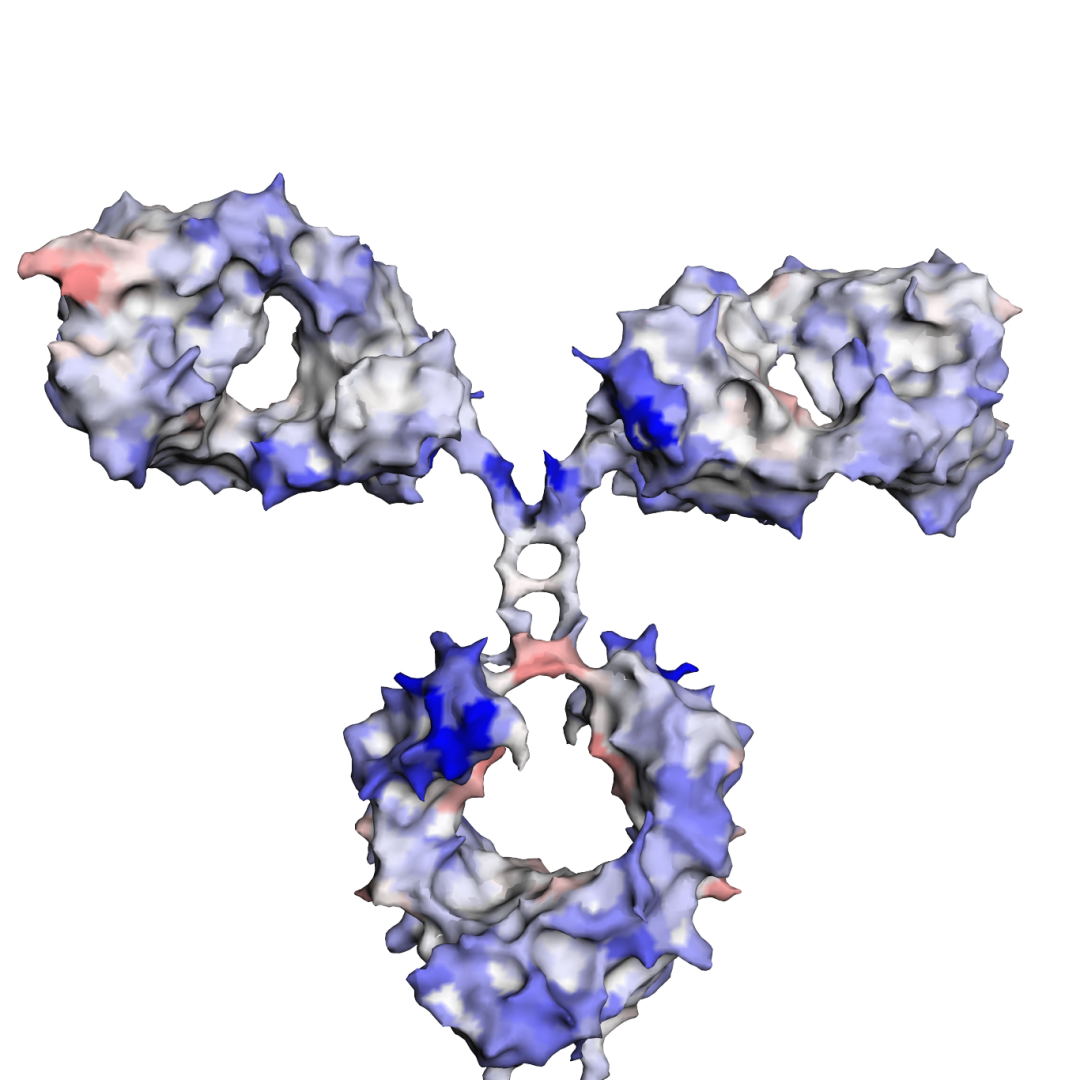
Follicular lymphoma is one of the more common types of non-Hodgkin lymphoma, accounting for 20-30% of all patients with non-Hodgkin lymphoma. Follicular lymphoma is the second most common type of non-Hodgkin lymphoma (NHL), comprising approximately 20-30% of all NHL cases. Current standard treatments cannot completely cure FL, and patients often face the issue of disease recurrence. As the number of treatments increases, the durability of the patient's response to treatment may decrease.
Bispecific antibody therapy leverages multiple mechanisms of action simultaneously, offering therapeutic potential beyond traditional monoclonal antibodies, demonstrating promising efficacy results, and holding significant promise in addressing unmet clinical needs.
Epkinly (Epcoritamab) is a subcutaneously administered drug that can simultaneously bind to CD3 on T cells and CD20 on B cells, inducing T cell-mediated killing of CD20-positive cells. Epkinly was first approved by the U.S. FDA in May of last year for the treatment of R/R DLBCL and was listed by the industry media Evaluate as one of the top ten potential blockbuster therapies of 2023.
According to clinical research data recently published in The Lancet's subsidiary journal, Lancet Haematology, after patients used Epcoritamab for a period of time, the overall response rate reached an astonishing 82%, with a complete response rate of 60%. This includes 67% of patients achieving minimal residual disease (MRD) negativity. Moreover, at the time of data analysis (with a median follow-up of 14.8 months), over half of the patients who responded were still experiencing ongoing improvement in their condition.
"One generation of new drugs replaces the old ones." Bispecific antibodies, with their stronger antigen-binding capabilities, affinity, and therapeutic effects, are crucial in the treatment of complex diseases. They have become the undisputed new protagonists in the field of antibody drug research and development and will occupy a larger market scale in future drugs.The development process has become a key factor in the success of bispecific antibody development, directly affecting drug research and development quality, cycle, cost, and risk.
AlfaCell Platform of Greater Bay Biologics, as the world’s first commercially available targeted integration cell line construction platform, demonstrates significant advantages in promoting the efficient development of various products. The platform transfects the target gene into AlfaCell parent cells via homologous recombination, followed by recovery and pressure application, and then uses sorting equipment for plating. Typically, only one 96-well plate is required to obtain a monoclonal cell line that meets submission requirements, with RCB obtained within 1.5 months. The AlfaCell platform has successfully delivered over 20 bispecific antibody construction projects, covering various structures including full-length, non-full-length, symmetric, and asymmetric types, with expression levels reaching up to 12g/L and mismatch rates generally below 20%.
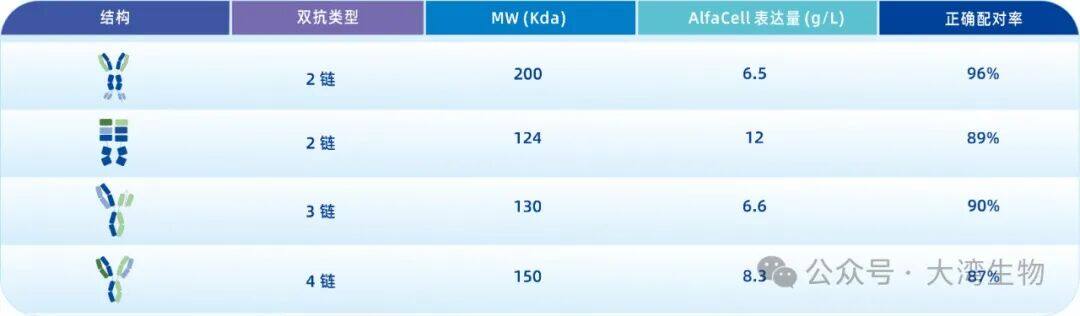
▲AlfaCell Platform Empowering Some Bispecific Antibody Product Cases
▲Scan the QR code to receive the 2024 American Society of Clinical Oncology (ASCO) Annual Meeting report materials
END
Phone: 400 079 8808
18926497707 (Same number on WeChat)
Email: BD@greatbay-bio.com