

Puxin Medical Files for IPO: Revolutionizing PFO Treatment with Suture-Based HaloStitch® System for 300 Million Patients in China

Conmind
Cardiovascular and Cerebrovascular Interventional Products R&D and Manufacturer
In China, almost one in every four people suffers from incomplete closure of the foramen ovale.[1]
The heart, as the pumping center of the human body, has four chambers. The two partitions between the left and right atria are the atrial septum and the ventricular septum, respectively, with the oval-shaped foramen ovale located at the central position of the atrial septum.
The Foramen Ovale: A Vital Channel During Fetal Development
PFO, as a common cardiac structural abnormality, has a prevalence rate as high as 25% in Chinese adults.[1]An increasing number of studies have shown that PFO is associated with clinical syndromes such as stroke, transient ischemic attack, migraine, platypnea-orthodeoxia syndrome, sleep apnea syndrome, myocardial infarction with normal coronary arteries, and decompression sickness. As a treatment method, PFO closure has been proven by evidence-based medicine to effectively reduce the risk of stroke recurrence.
On June 18, 2024, the team of Professor Pan Xiangbin, Professor Li Shiguo, Professor Guo Jianzhou, Professor Lu Yaoxing, Professor Ouyang Wenbin, and Professor Chen Wenbin from Fuwai Hospital Shenzhen, Chinese Academy of Medical Sciences, successfully applied HaloStitch from Hancore Medical, a subsidiary of Conmind, under zero radiation and pure ultrasound guidance.®Transcatheter PFO Closure System Successfully Treats Patent Foramen Ovale (PFO).
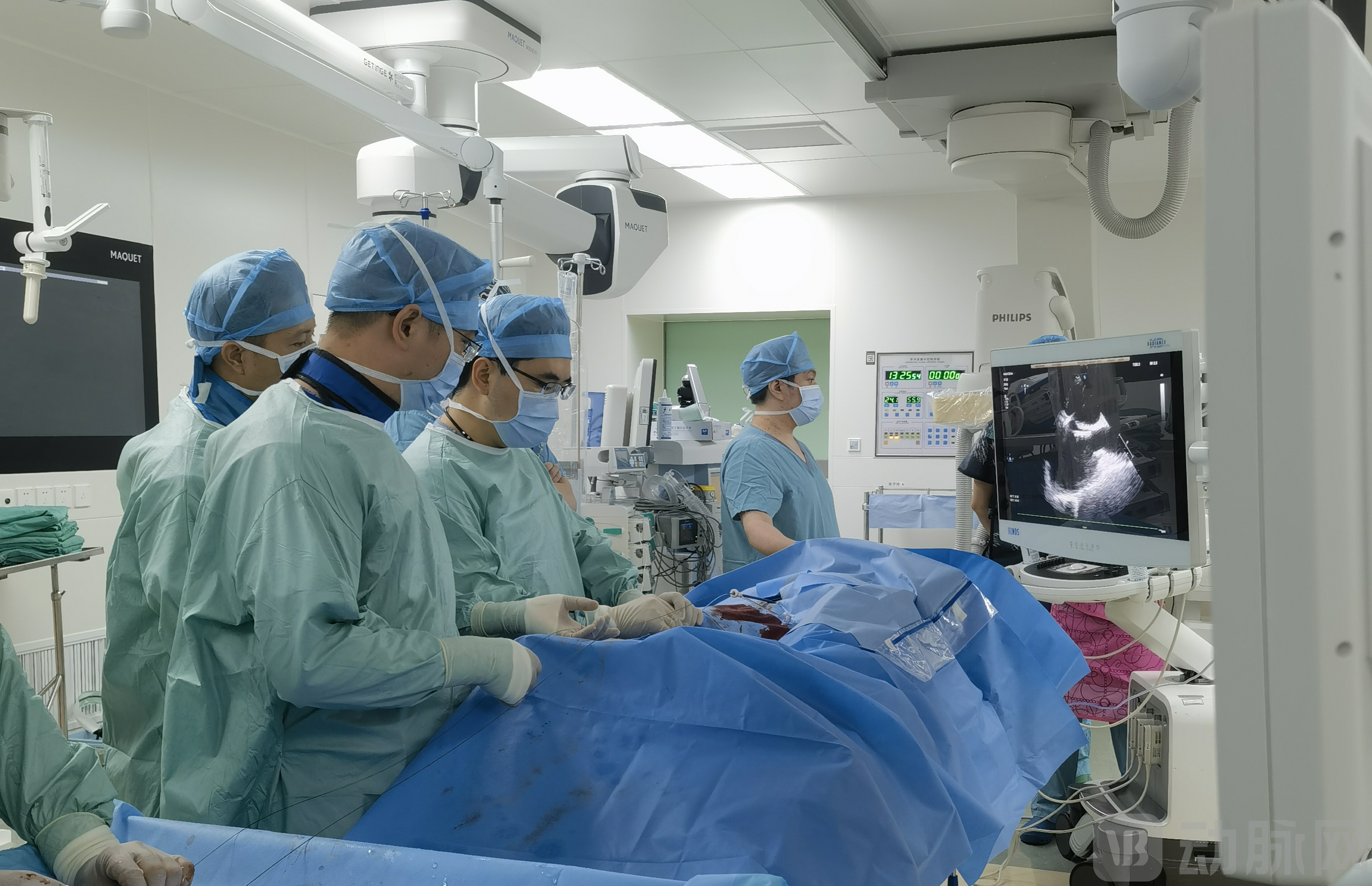
It is worth noting that this is not only HaloStitch®The transcatheter PFO closure system successfully completed the first patient enrollment in a clinical trial for treating patent foramen ovale (PFO). This marks the world's first PFO interventional surgery performed under zero radiation and guided purely by ultrasound. It is also the first technology in China that can close PFO via a femoral vein approach using a suture method, opening up an entirely new technical pathway for PFO treatment.
PFO Closure Under Pure Ultrasound Guidance:
Avoiding Device-Related Cardiac Erosion and Perforation, Preserving Safe Access for Future Atrial Septal Puncture
Currently, the research and development directions of new PFO occluders in China include degradable, puncturable, reduced metal, and non-implant suture types. Among them, HaloStitch, independently developed by Hancore Medical, a subsidiary of Conmind.®The transcatheter PFO closure device adopts an implant-free suture pathway.
The system draws on the solution approach of traditional surgical suturing, successfully overcoming core technical challenges such as capture method design, suture mechanism optimization, and precise coordination between components. Using a unique suturing device, it separately sutures two sets of suture lines onto the free membranes of the secondary septum and primary septum. Subsequently, a rapid knotting device is used to tighten the two sets of suture lines, thereby closing the PFO and completing the locking and trimming of excess suture.
Compared with existing metal occluders, HaloStitch®The suture system is made of medical polymer materials, with no metal implants, no nickel ion release, no risk of allergic reactions, and no MRI risks. Due to HaloStitch®The suture system is similar to surgical suturing methods, with implants consisting only of sutures and knots. This fundamentally avoids issues associated with occluders, such as poor wall apposition, displacement/falling off, erosion with endocardial tissue, atrial perforation, impact on adjacent tissues, and incomplete endothelialization. Consequently, it also prevents postoperative complications like cardiac perforation, cardiac tamponade, pericardial effusion, arrhythmias, etc., eliminates the risk of thrombosis, removes the need for long-term anticoagulation therapy, does not obstruct the atrial septum, does not affect electrophysiological conduction, and preserves the possibility of future atrial septal access surgeries.
Compared with absorbable occluders, HaloStitch®The suture system implant consists only of threads and knots, with excellent biocompatibility, small size, and rapid endothelialization, avoiding risks such as thrombosis, atrial perforation, and embolism caused by the uncontrollable degradation rate of absorbable materials.

HaloStitch® Transcatheter PFO Closure System
HaloStitch®The transcatheter PFO closure system is suitable for routine PFOs with diameters of 4-7mm and tunnel lengths of 8-10mm. It is not suitable for complex PFOs such as multi-hole PFOs, soft large atrial septal aneurysms accompanied by right-to-left shunts, etc.
The preoperative examination steps are basically the same as those for traditional PFO occluder surgery. However, since this is a suture-based procedure, the intraoperative steps are completely different from traditional occluder procedures, except for guidewire positioning. This system innovatively achieves PFO closure via a femoral vein approach using sutures. Typically, doctors can become proficient after completing just one animal experiment. The entire surgery can be completed within 30 minutes. Moreover, because the procedure only requires ultrasound guidance without X-ray assistance, this product can be utilized in a wide range of grassroots hospitals across China.
For patients, using HaloStitch®The Transcatheter PFO Closure System treats PFO with the entire surgical procedure performed under ultrasound guidance, without the use of contrast agents or radiation. The procedure is less invasive, allows for quicker recovery, and eliminates the need for long-term anticoagulant medication, reducing both the economic burden and long-term risks of treatment. It is safer, more effective, and more economical.
In addition to the aforementioned HaloStitch®In addition to the transcatheter PFO closure system, Conmind Medical has also laid out the J-Tube™ flow diverter stent, Kapflex™ intracranial stent system, and HaloChord.®Transcatheter Mitral Chordae Repair System.
Among them, the J-Tube™ Flow Diverter Stent is suitable for endovascular treatment of intracranial aneurysms in adult patients. It consists of a stent and a delivery system. The stent is braided from platinum-cored cobalt-chromium alloy wires made of DFT material, and the delivery system includes a delivery wire and an introducer sheath, with the stent preloaded into the introducer sheath via the delivery wire. Its highlights include a cobalt-chromium core wrapped in platinum wire braiding design throughout the stent, enabling full radiopacity for precise positioning; an ultra-thin overall delivery system designed to be compatible with 0.021" microcatheters, allowing easier access to distal intracranial vascular lesions; and a smooth spherical end + short skirt design at the stent ends to avoid irritation to the vessel wall and prevent displacement during stent deployment and after implantation.
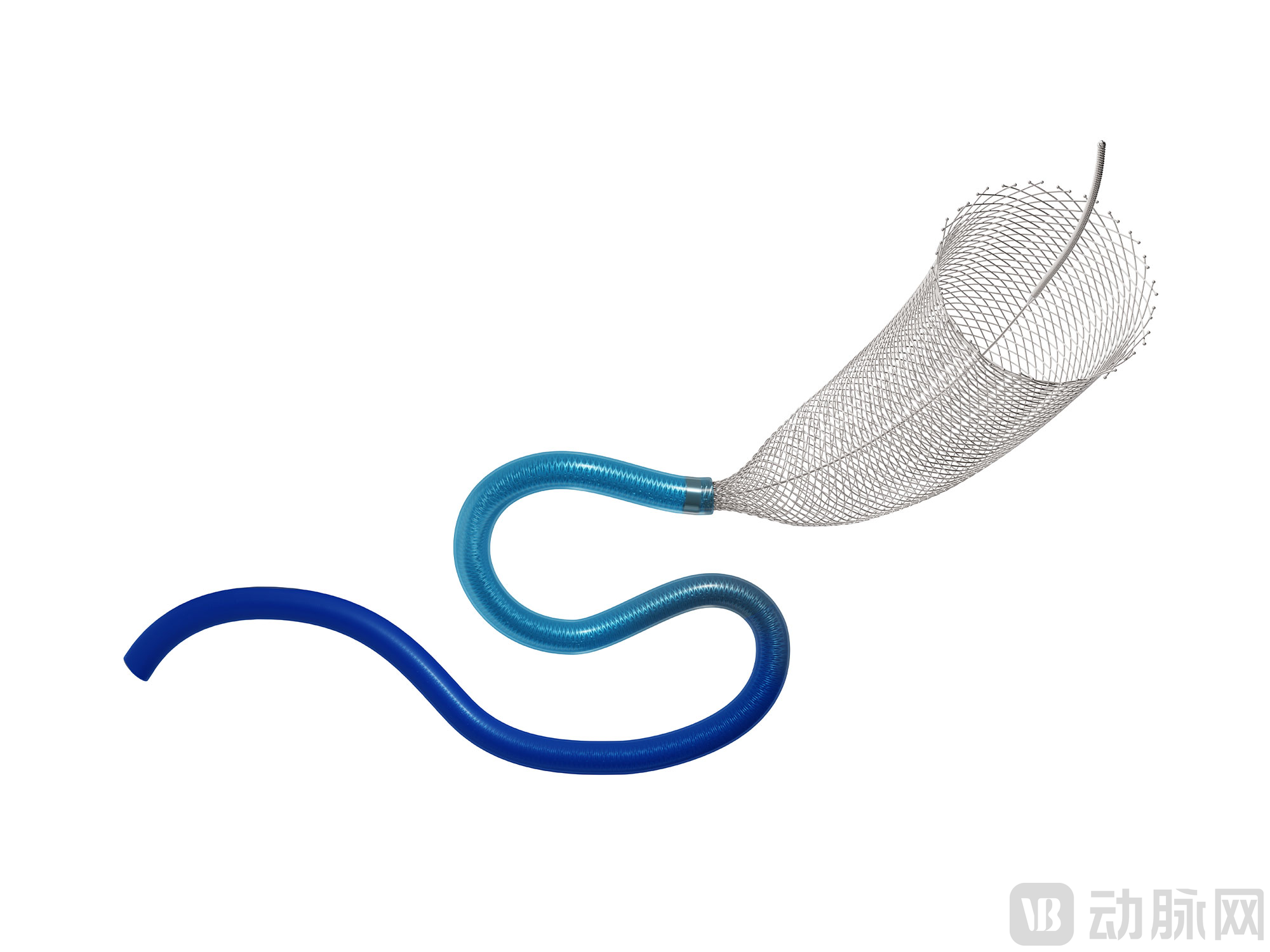
J-Tube™ Flow Diverter Stent has completed all clinical case implantation trials in China and is currently in the active follow-up phase.
HaloChord®The HaloChord Mitral Valve Repair System is designed for mitral valve repair in cases of mitral regurgitation, particularly degenerative mitral valve prolapse and regurgitation caused by chordae tendineae elongation or rupture, and papillary muscle rupture. Compared to traditional open-heart surgery, HaloChord®The Transcatheter Mitral Chordae Repair System employs minimally invasive interventional surgery to place one or more "threads" inside the heart without the need for extracorporeal circulation, and the procedure is performed while the heart continues to beat, reducing physiological interference to the patient’s entire body. This minimally invasive surgical method is particularly beneficial for elderly or physically weaker patients, offering significant advantages in minimizing surgical trauma, accelerating postoperative recovery, and reducing the risk of complications.
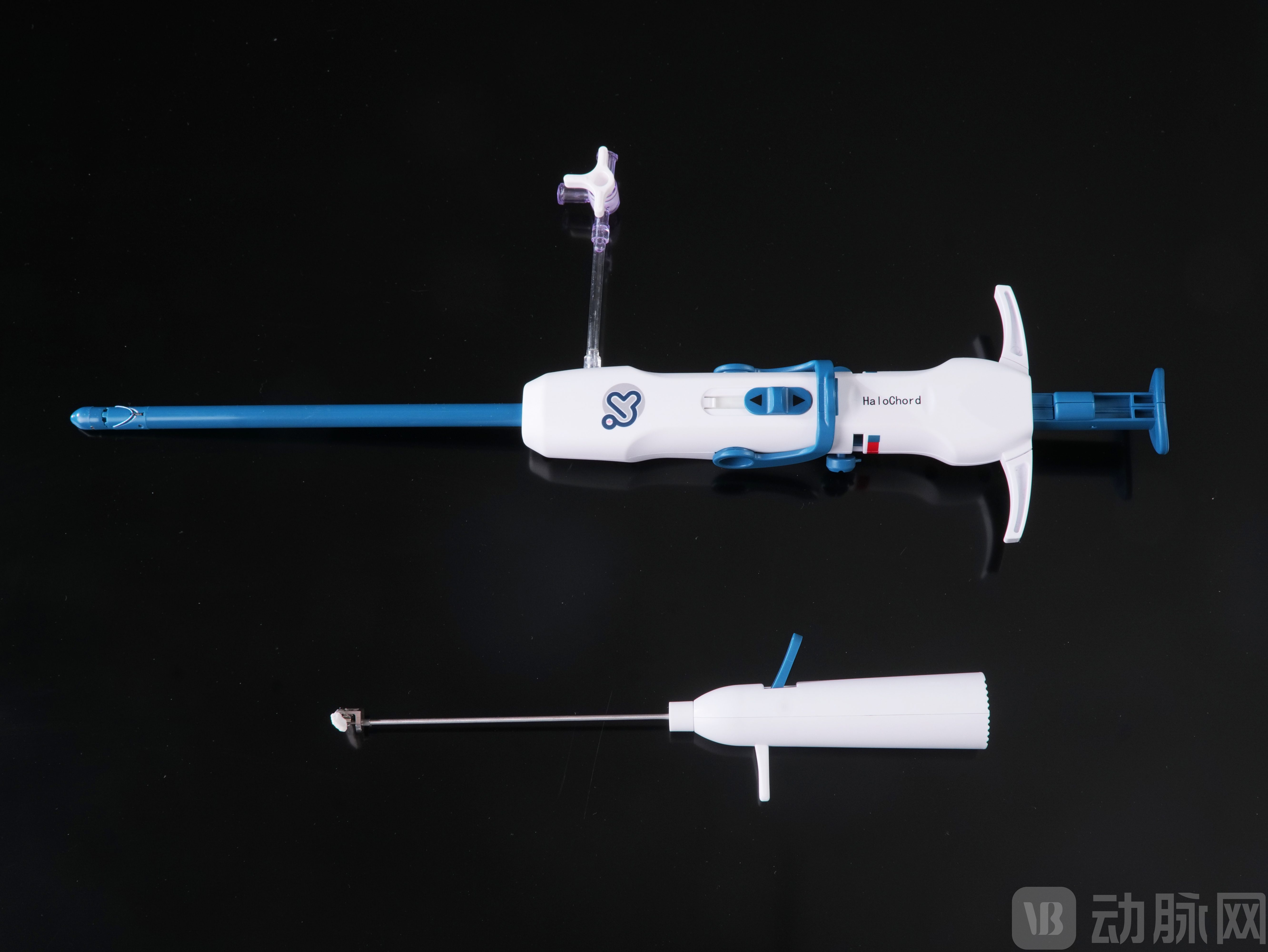
HaloChord®Transcatheter Mitral Chordae Repair System Passed the NMPA Innovative Medical Device Special Review Process in November 2023
Kapflex™ Intracranial Stent System, based on clinical needs, features an open-loop design that ensures precise anchoring in blood vessels while providing better support, excellent flexibility, and wall apposition. The proximal end includes 12 sets of closed-loop structures, offering more connection points for enhanced stability during stent delivery. Compatible with a 1.7F microcatheter across all specifications, it reaches further into distal vessels. Notably, the core patented technology CN115212019B, which has been authorized, effectively addresses the issue of rapid endothelial coverage after stent implantation, reducing the risk of thrombosis.
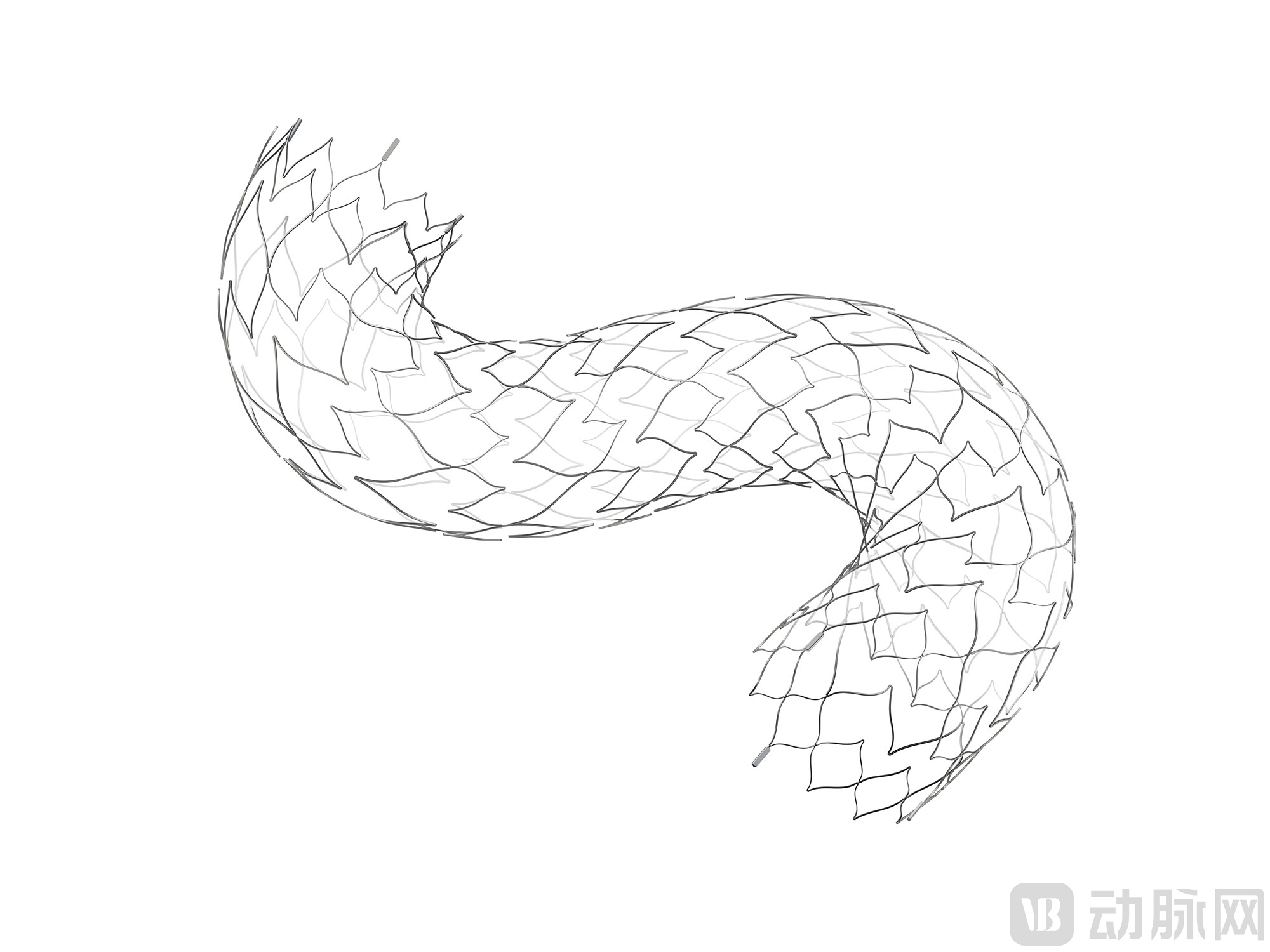
Kapflex™ Intracranial Stent System Completes First Patient Enrollment in Clinical Trial in June 2024
Conmind, based on the concept of "treating the heart and brain together," has developed two major technological platforms: neurointervention and structural heart disease, achieving modular design of its products. Currently, the company has received NMPA approval for eight neurointerventional devices, with several other products entering clinical trials.
In the field of cerebrovascular diseases, Conmind focuses on the comprehensive treatment of aneurysms, aiming to build a treatment network without blind spots. Huang Hui, co-founder of Conmind, told VCBeat: "We hope that no matter which blood vessel or location the aneurysm is in, including those currently untreatable by intervention and those with high recurrence rates, there will be corresponding devices available to complete the interventional treatment."
In the field of structural heart disease, Conmind has made breakthroughs in valvular disease and cardiogenic stroke, precisely deploying a series of innovative medical device products with strong targeting and significant effects, providing patients with more comprehensive and effective treatment options.
Although there are other companies in the market that also focus on treating both the heart and brain, Conmind's differentiated advantage lies in its unique PFO closure system, which ingeniously connects the treatment fields of "heart" and "brain." As a device for preventing cardioembolic stroke, cardioembolic stroke typically originates in the heart but manifests in the brain. Conmind achieves seamless integration of diagnosis and treatment between neurology and cardiology through this product, deeply practicing the concept of "treating the heart and brain together," driving in both directions to comprehensively promote the treatment and development of cardiovascular and cerebrovascular diseases.
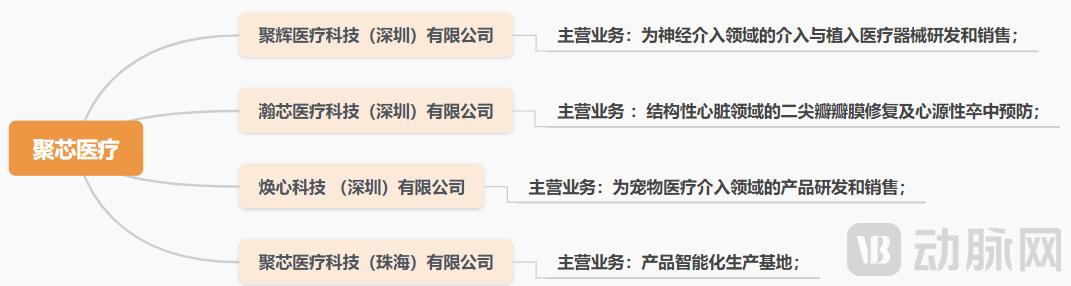
Overview of Conmind's Wholly-Owned Subsidiaries and Main Business, Chart by VCBeat
It is worth mentioning that, in August 2023,Conmind Completes Nearly RMB 100 Million B-round Financing Jointly Invested by Turing Asset Management, Zhuhai High-tech Investment, Chengdu Chuanghe Ruixin, and Guochuang Qinzhi Angel Fund.
Finally, Huang Hui concluded: "Interventionalization is a major trend in surgical operations, but currently, there are still many diseases that cannot be treated through intervention, such as neurosurgery. Conmind hopes to achieve the replacement of traditional surgeries with minimally invasive interventions by innovating more devices. This innovation does not involve exploring on the existing interventional basis but capturing and developing new opportunities that can be transformed into minimally invasive interventional treatments based on surgical procedures in collaboration with doctors."
References:
[1]《Chinese Expert Consensus on Preventive Closure of Patent Foramen Ovale》
[2]《【Guidelines and Consensus】Chinese Expert Consensus on Standardized Diagnosis and Treatment of Patent Foramen Ovale》, Chinese Journal of Cardiology
[3] "World's First Seamless Closure! Professor Pan Xiangbin's Team from Fuwai Hospital Shenzhen Completes the World's First Case of PFO Closure System under Zero Radiation and Pure Ultrasound Guidance", Yanda Medical Network