Hengrui Pharma and Qilu Pharmaceutical Successfully Conclude the 3rd Forum on Randomization and Investigational Product Management

Hengrui Pharma
Innovative and High-Quality Pharmaceutical Developer

Qilu Pharmaceutical
Specialty Formulations and Active Pharmaceutical Ingredients (API) Developer

The 3rd Forum on Randomization and Drug Administration

FORUM
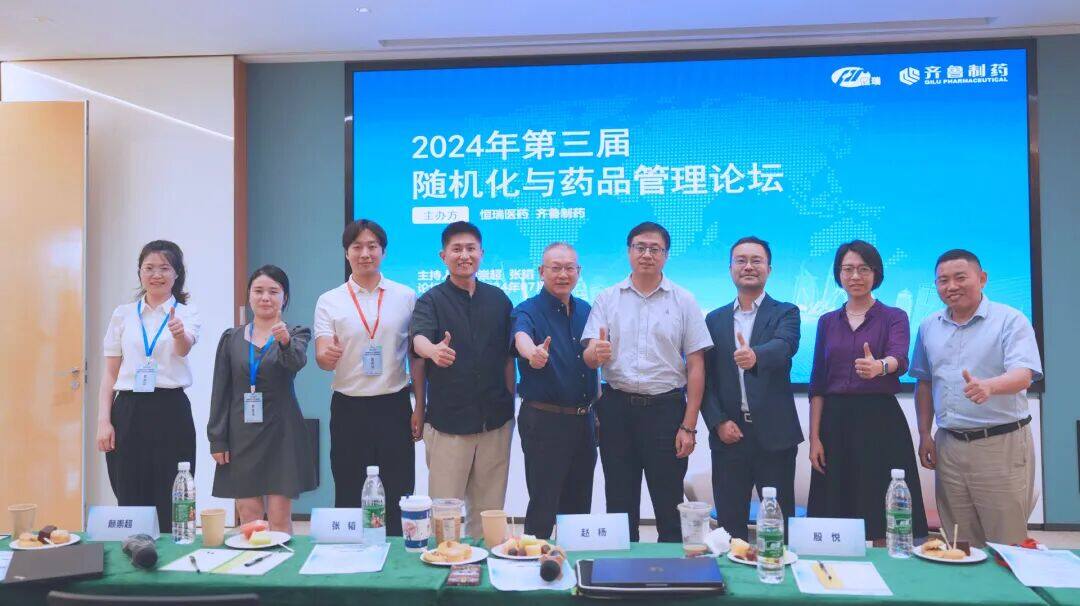
On July 5, 2024, the 3rd Randomization and Drug Management Forum 2024, co-hosted by Hengrui Pharma and Qilu Pharmaceutical, was successfully held in Shanghai. From the perspective of sponsors, this forum shared experiences from recent projects that underwent inspections by national authorities, introduced technologies currently in use for generating blind codes, and discussed the processes for blinded drug supply, providing solutions to standardize randomization and blinding management in clinical research.
Drop
Curtain

Dr. Chongchao Yan, Head of Hengrui Pharma's Clinical Data Science Center, delivered a welcome speech, expressing heartfelt gratitude and warm welcome to more than 60 colleagues from the industry who braved the scorching sun to attend this forum. Dr. Tao Zhang, Head of Statistics and Programming Department at Qilu Pharmaceutical, introduced the upcoming forum agenda and grandly introduced the attending guest, Professor Yang Zhao from Nanjing Medical University.
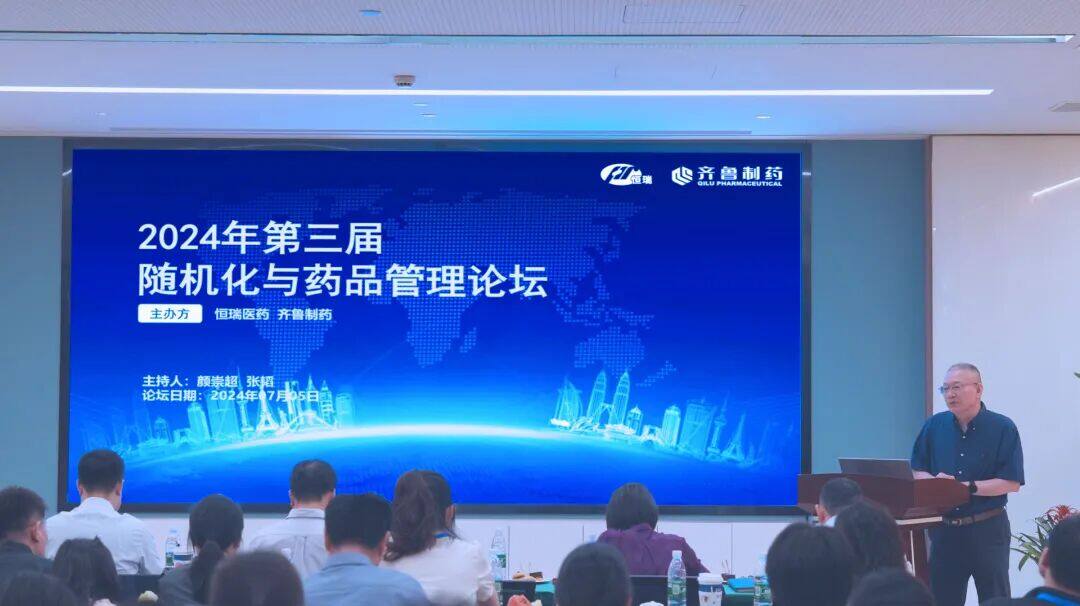
Dr. Yanchao Yan
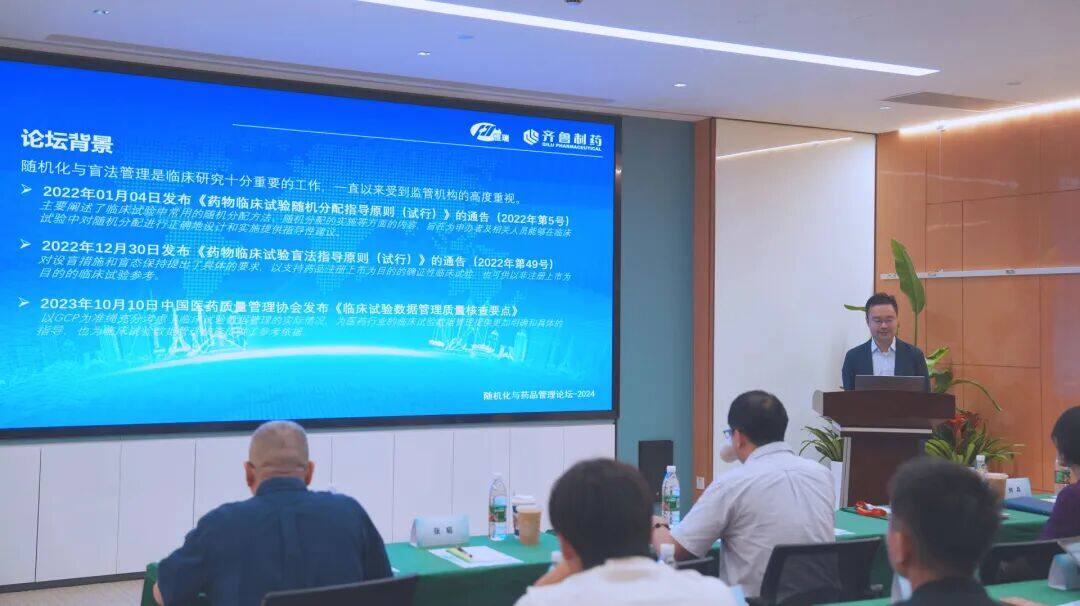
Dr. Zhang Tao
01
Understanding Randomization from the Perspective of Verification

Professor Zhao Yang gave a presentation titled "Inspection and Randomization," interpreting randomness from the perspective of inspection. He shared insights on the basic considerations for formulating inspection points, the fundamental structure of statistical inspection points, and the key aspects of inspection related to randomization and blinding.
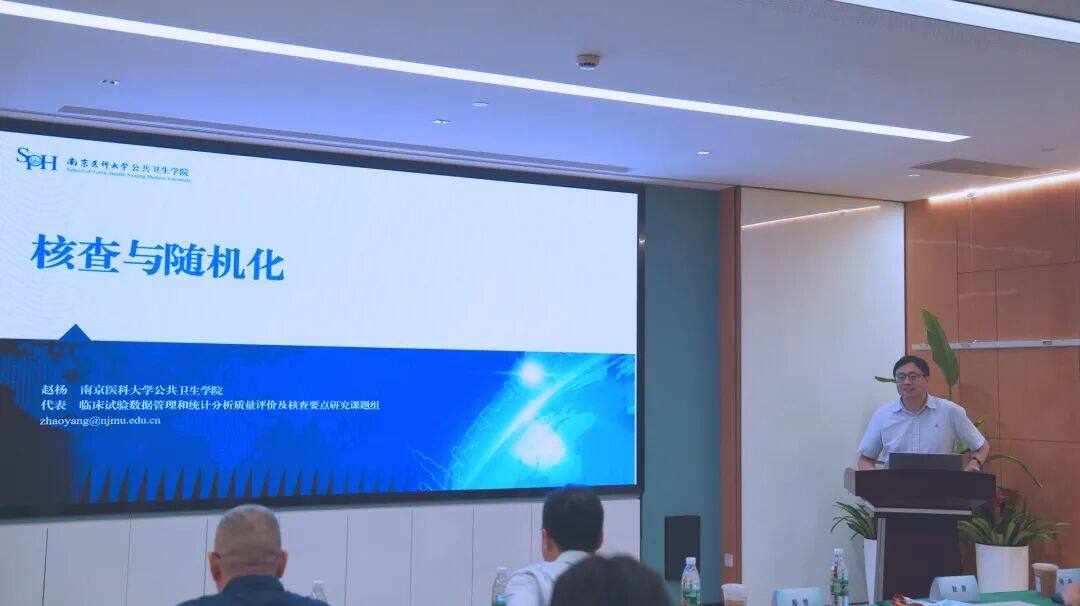
Professor Yang Zhao
Professor Zhao Yang emphasized the core role of randomization in ensuring the reliability of clinical trial results, as it helps control confounding factors, achieve balance between groups, and thereby infer causal relationships.
In the implementation of statistics — randomization and blinding checks, key points include a clear randomization plan, reproducibility of randomization results, detailed blind coding records, explicit regulations for various unblinding methods, and corresponding records. In essential documents for statistical analysis, randomization and blinding-related documents play a crucial role.
It is also crucial to develop and follow Standard Operating Procedures (SOPs) to ensure compliance in the randomization process and the integrity of data. Professor Zhao Yang emphasized: Randomization is only the starting point of experimental design; maintaining randomness is the key to the success or failure of clinical trials and a critical element that needs to be continuously maintained throughout the entire research process.
02
Experience Sharing on National Bureau Inspection from the Sponsor's Perspective

Chen MiMi, Senior Manager of Randomization at Hengrui Pharma, shared insights on "Experience Sharing of National Medical Products Administration Inspection from the Sponsor's Perspective," focusing on key randomization issues during inspections, explorations for process improvement, and practical experiences in participating in inspections.

Teacher Chen Mimi
Chen Mimi stated that the National Medical Products Administration (NMPA) inspection focuses on the reproducibility of the randomization process, validation of the randomization system, independence of the randomization schedule, and the standardization of drug supply management. She proposed that the interface-based randomization generator developed and used by Hengrui Pharma can optimize the generation of randomization schedules and workflow management, as well as timely archiving of randomization documents to ensure the authenticity, consistency, compliance, and reliability of the randomization process. Lastly, she shared practical experiences from NMPA inspections, emphasizing the importance of electronic system validation, access control, and audit trails in the NMPA’s inspection of randomization and drug management.
03
Common Strategies for Supplying Medications in Blind Trials

Qilu Pharmaceutical's Randomization Director Bai Xiaolong Shared on "Common Supply Strategies for Blinded Clinical Trial Drugs," covering supply scenarios in clinical research, key considerations in the supply process, common supply methods, and setup under different supply scenarios.
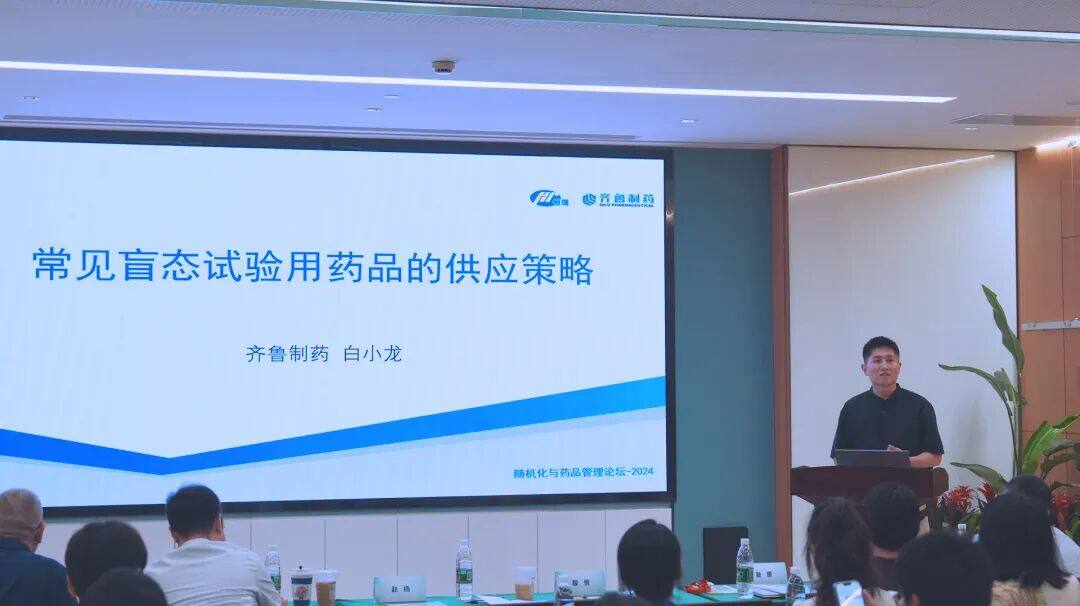
Teacher Bai Xiaolong
Due to the varying number of research centers, supply frequencies, stages, drug dispensing frequencies for subjects, and inter-group ratios, the supply scenarios for blinded trial medications are more diverse. In addition to ensuring continuous drug availability and cost control during the supply process, the protection of blinding is particularly crucial. Issues such as flawed blind design and supply design defects can lead to a fragile blinding.
Mr. Bai Xiaolong shared the logic and potential risks of supply algorithms such as Predictive Only, Buffer Only, and Predictive & Buffer through specific examples. Additionally, he discussed supply strategies in different supply scenarios (e.g., multiple shipments + single dispensing + non-proportional, multiple shipments + multiple dispensing + proportional + multi-center + ongoing phase), demonstrating how to adjust supply strategies based on different situations. He also showcased how to efficiently and economically manage drug supply in clinical trials while maintaining the blind state.
04
Automation Process of Random Generator

Hengrui Pharma's Senior Manager of Randomization, Wu Jie, Shared & Demonstrated the Automated Process of "Random Generator" Self-developed by Hengrui, Fully Introducing the Randomization Generation Platform of Hengrui’s Clinical Data Science Center. This platform can generate blind bottom files of different random types by filling in the required random parameters on a web page and running SAS programs in the background. Since 2016, the platform has evolved from manual SAS programming to an intelligent online platform, improving efficiency and accuracy.
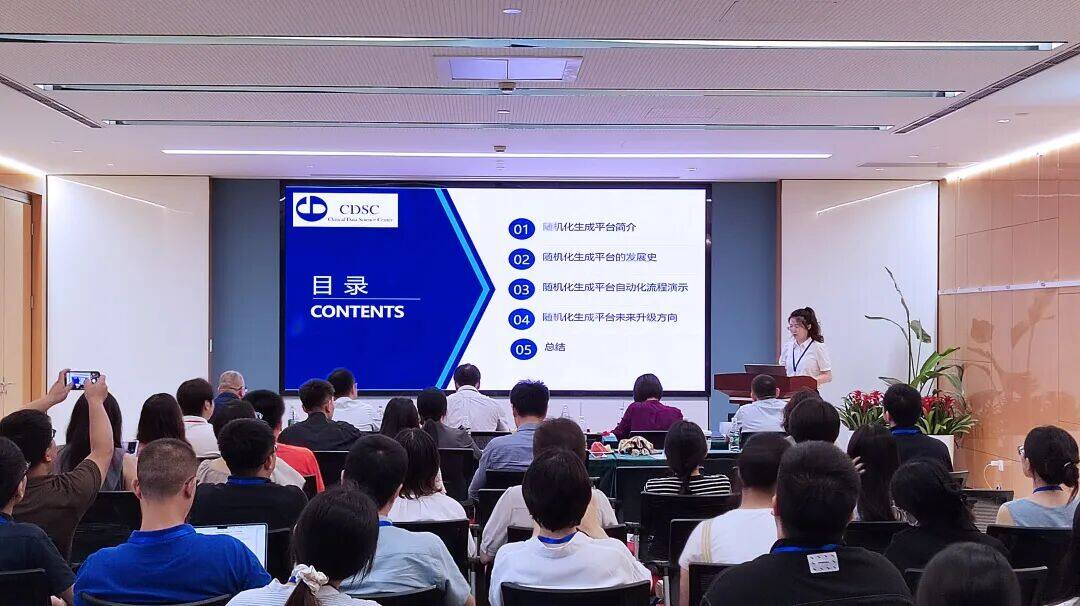
Teacher Wu Jie
Ms. Wu Jie demonstrated the platform's automated processes, including integration with the Clinical Data Total Management System (CDTMS) and Randomization System (RTSM), as well as enhancing operational convenience and compliance through additional functions such as QC review, online email sending, and user permission management. The system also automatically retains work evidence to support subsequent audit requirements.
As the needs of clinical research continue to evolve, the randomization generator platform will keep optimizing to provide more intelligent, integrated, and personalized services, bringing more innovation and development to clinical research.
05
Method for Blind Management of Clinical Trial Data

Hengrui Pharma's Technical Operations Director Haihuai Yan Discusses the Background, Principles, and Blinding Process of Clinical Data Masking Management in "Methods for Blind Management of Clinical Trial Data."
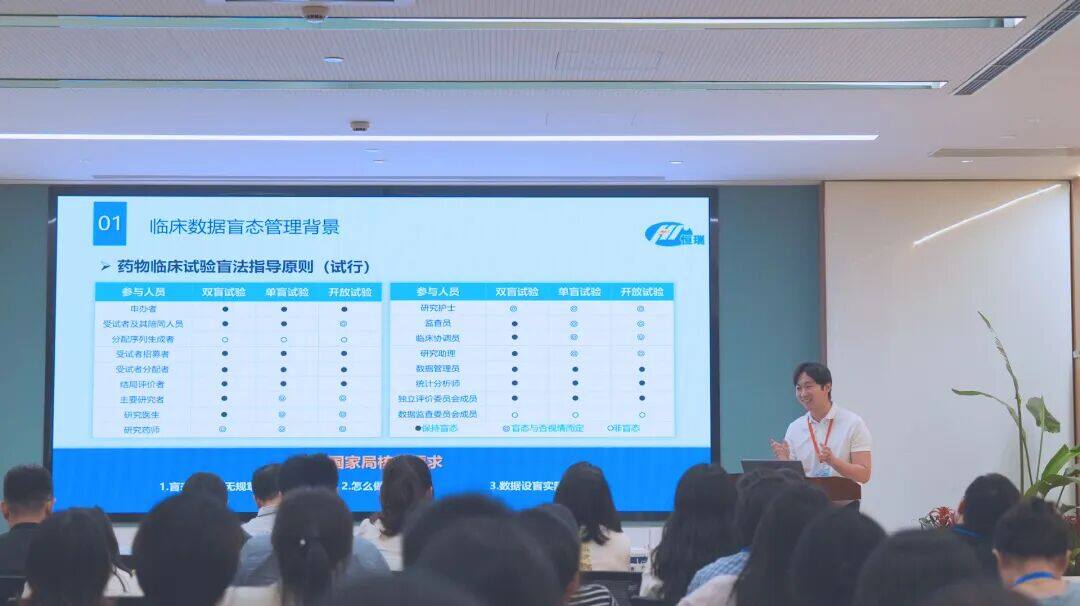
Teacher Yan Huaihai
Teacher Yan Huaihai emphasized that, based on the primary efficacy endpoints, roles such as statistical programming, medical, pharmaceutical, and statisticians must be blinded to avoid impacting the trial progress and intervention trial results; with the further enhancement of inspection requirements by national authorities, sponsors need to focus on the standardization of blinding management.And establish SOP. The blind management of clinical data must be carried out according to the clinical trial project protocol and the blinding plan written by the project statistician. In practice, key attention should be paid to blinding variables, blinding subjects, and blinding methods.
Teacher Yan Huaihai demonstrated in detail the entire process of Hengrui Pharma’s clinical data blinding. By utilizing Hengrui's full-process clinical data management system, the blinding process for clinical data (including external data) has been made online and electronic. This not only improves efficiency and saves labor costs but also fully meets the requirements for verification. In the future, with higher demands on clinical trial protocols, further exploration and improvement are still needed on how to integrate data management processes through more IT-based methods to meet regulatory requirements.
06
Clinical Trial Randomization and Blinding Implementation Verification
Key Points Discussion

Dr. Chongchao Yan, Head of Hengrui Pharma Data Science Center; Dr. Tao Zhang, Head of Statistics and Programming Department at Qilu Pharmaceutical; Professor Yang Zhao from Nanjing Medical University; Yuan Geng, Head of Biostatistics and Data Management at Daiichi Sankyo China; He Bing, Head of Statistical Programming at Hengrui Pharma, engaged in an insightful discussion on "Key Points for Inspection of Randomization and Blinding in Clinical Trials," sharing their experiences and addressing industry pain points.

Roundtable Discussion


Q&A Session
Experts emphasized that first, work should be brought forward to maximize the perfection of SOPs and strictly enforce them. Second, make good use of information systems to ensure the integrity of work trajectories. Finally, strengthen internal quality control to improve work quality and meet verification requirements in all aspects.
CDE Issues Separate Guidelines and Policies for Randomization and Blinding to Enhance Professionalism in Clinical TrialsIn this context, Hengrui Pharma and Qilu Pharmaceutical aim to use the Randomization and Drug Management Forum as a platform to connect with more outstanding peers in the industry. They hope to facilitate broad exchanges and share experiences in implementing blinding practices, strengthen and expand professional knowledge and skills, consolidate and improve the professional standards of randomization and drug management, thereby promoting the healthy and long-term development of this field.
A New Journey, A New Opportunity: Looking Forward to Reuniting Next Year!