Artiva Biotherapeutics Goes Public with $167M IPO to Advance Allogeneic NK Cell Therapies for Autoimmune Diseases and Cancer

Artiva Biotherapeutics
Cancer Treatment Drug Developer

NK Cells: Part of the Innate Immune SystemNK cells regulate their activity through the activation and inhibition of receptors on their surface that interact with the environment, including target cells. This balance enables NK cells to recognize and kill abnormal cells while suppressing cytotoxic responses to normal tissues, thereby providing a set of immune effector cells to defend against cancer and virus-infected cells.
Over the past decade, cell therapy has shown great promise in hematologic malignancies and has been the subject of numerous studies in various B-cell-driven autoimmune diseases.
Recently, Artiva Biotherapeutics (Nasdaq: ARTV), a biotechnology company, announced the pricing of its initial public offering. Artiva is committed to developing effective, safe, and accessible cell therapies for patients suffering from devastating autoimmune diseases and cancer. All shares of common stock are issued by Artiva. Prior to deducting underwriting discounts, commissions, and estimated offering expenses payable by Artiva,Artiva Biotherapeutics, Inc. is expected to raise approximately $167 million in gross proceeds from this offering.
One of the key roles of the immune system is to attack pathogens, but knowing when to stop the attack is equally crucial. If immune cells perceive the body's own tissues as a threat, they will attack normal cells and cause harm. Autoimmune diseases are characterized by loss of immune tolerance, high chronicity, high morbidity, and high mortality.
For more than 50 years, researchers have been attempting to tame autoimmune diseases (such as Type 1 diabetes, lupus, and multiple sclerosis). Most approved therapies suppress the entire immune response, and conventional immunosuppression or targeted disease-modifying therapies (DMT) often require repeated administration. While this can alleviate symptoms to a certain extent, it increases the risk of infections and even cancer.
Immunologists have long hoped to find ways to restore the immune system's ability to ignore antigens within the body while appropriately attacking those that do not belong. Some researchers have also attempted to selectively eliminate problematic cells or introduce inhibitory immune cells designed to target these cells.
In recent years, novel cell therapies, including mesenchymal stromal cells (MSC), chimeric antigen receptor T cells (CAR-T), and regulatory T cells (Treg), have been successfully applied in the treatment of autoimmune diseases.
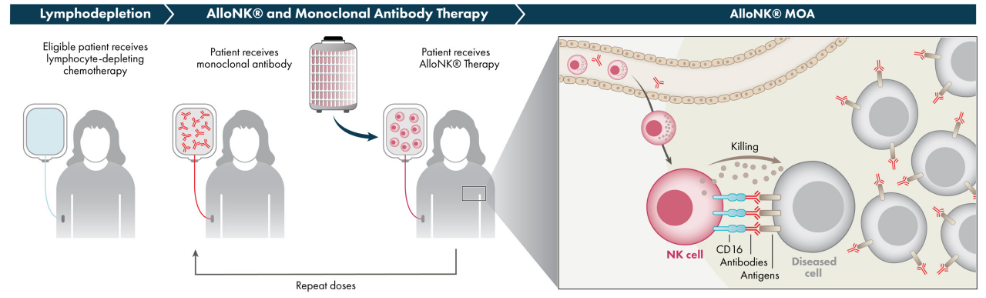
NK Cells: A Rising Star in Cell TherapyNK cells can naturally collaborate with antibodies. The antibody first binds to a target on the diseased cell, then connects with NK cells via the CD16 receptor on the cell surface; CD16 binds with the antibody to trigger an ADCC (antibody-dependent cell-mediated cytotoxicity) response.
Compared with T cells used in CAR-T cell therapy and other cell therapies, NK cells tend to have more advantages because they can be used as allogeneic therapies. That is, NK cells from the same donor can be administered to one or multiple patients without requiring genetic editing or other genetic manipulations.
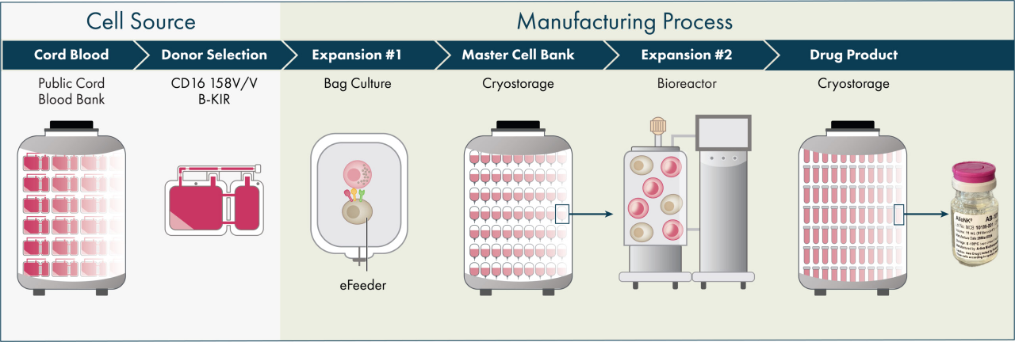
However,One of the biggest technical challenges in the NK cell therapy field is the large-scale, scalable "industrialized" manufacturing process.Large-scale scalability means the ability to produce enough products to treat tens of thousands of patients each year, in other words, requiring millions or even trillions of NK cells. Industrialization means that the product has good characteristics, with consistency between batches and donors, allowing for efficient production.
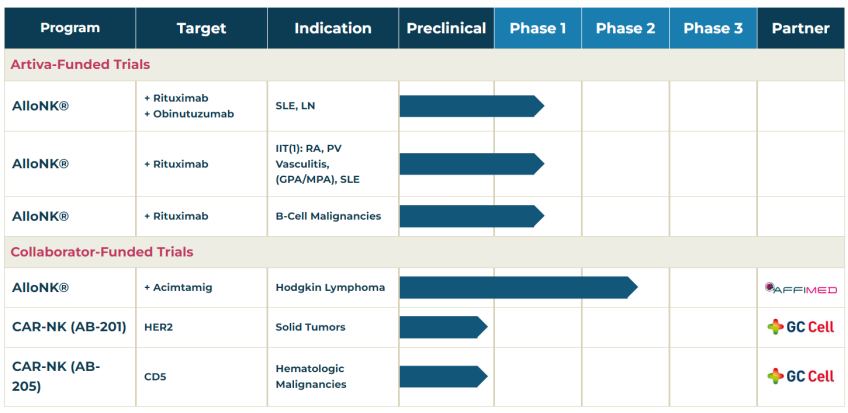
AlloNK® (also known as AB-101) is a cutting-edge research and development project by Artiva Biotherapeutics.An allogeneic, ready-to-use, non-GMO, cryopreserved NK cell therapeutic candidate, which can enhance the antibody-dependent cellular cytotoxicity of monoclonal antibodies, thereby driving B-cell depletion. AlloNK is currently undergoing clinical trials for systemic lupus erythematosus, applicable to patients with or without lupus nephritis.
AlloNK is also conducting an investigator-initiated basket trial for multiple autoimmune indications. In addition, researchers are evaluating its use in treating non-Hodgkin lymphoma, as well as its combination with Affimed's innate cell engager Acimtamig for the treatment of patients with relapsed/refractory CD30-positive lymphoma.
Reference Source:
1. NK Cell Therapies: How Artiva Biotherapeutics Leverages Its "Manufacturing First" Approach. April 24, 2024
2. https://www.artivabio.com/
3. Greco, Raffaella, et al. "Innovative cellular therapies for autoimmune diseases: expert-based position statement and clinical practice recommendations from the EBMT practice harmonization and guidelines committee." EClinicalMedicine 69 (2024).


Disease Control Rate Nearly 90%, Can RMC-6236 Achieve a "Universal Kill" for KRAS?