

Indapta Therapeutics Receives FDA Clearance for Phase 1 Trial of Off-the-Shelf G-NK Cell Therapy IDP-023 in Progressive Multiple Sclerosis

Indapta Therapeutics
Allogeneic Cell Therapy Developer


August 8, 2024
eMedClub News
On August 6 local time, Indapta Therapeutics (hereinafter referred to as "Indapta") announced,FDA Approves Phase I Clinical Trial Application for Indapta Therapeutics' Investigational Cell Therapy IDP-023IDP-023 is aG-NK Cell Therapy, intended to be applied in the treatment ofProgressive Multiple Sclerosis (MS)。


Meeting Name:2025 IBI EXPO Conference
Meeting Time:March 1-2, 2025
Meeting Location:Suzhou International Expo Center
Limited Time Benefit
Scan the code to register for free attendance and exhibition.



At that timeWill convene
The 7th Symposium on Tumor Immunotherapy and Cell Therapy Techniques
Welcome to register for the conference.
Registration Hotline: Manager Yang 15517201185 (same number for WeChat)
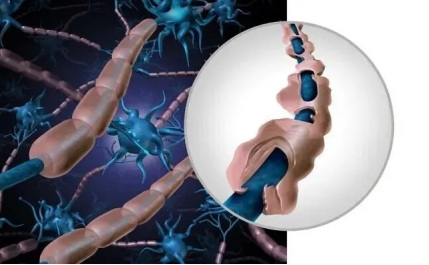
▲ Multiple Sclerosis Leads to Myelin Damage
IDP-023 is aAllogeneic Differentiated G-NK (FcRγ-deficient NK) Cell Therapy, is based on Indapta Therapeutics, Inc.Allogeneic G-NK Cell Therapy PlatformGenerated. G-NK cells are a subset of natural killer cells formed after specific epigenetic changes (such as exposure to cytomegalovirus, CMV), possessing enhanced immune activation and cytotoxic capabilities. Compared with conventional NK cells,G-NK cells can release more immune-activating cytokines and cytotoxic compounds, demonstrating higher efficacy in anti-tumor and anti-viral activities.Preclinical studies have shown that, compared with traditional NK cells, IDP-023 canReduce tumors by more than 99%。
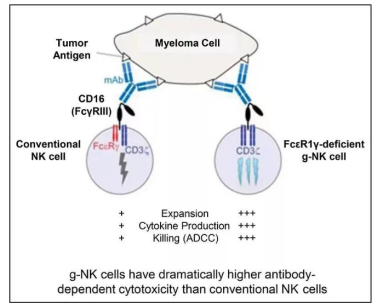
▲ Comparison of NK Cells and G-NK Cells
During the development of IDP-023, Indapta Therapeutics utilized its proprietary cell expansion technology to preferentially expand G-NK cells from healthy donors. Through multiple mechanisms (such as antibody-dependent cell-mediated cytotoxicity (ADCC), targeting HLA-E expressing cells via the NKG2C receptor, and the intrinsic antiviral activity of g-NK cells), IDP-023 achieves highly efficient killing of target cells. Additionally, IDP-023 can be combined with anti-CD20 monoclonal antibodies (e.g., ocrelizumab) to enhance B-cell depletion, thereby further improving disease symptoms.

Dr. Lawrence Steinman, Professor of Medicine at Stanford University and Principal Investigator, said: "I am excited to be involved in this clinical trial. G-NK cells may influence the biology of MS through multiple potential mechanisms. Not only can they deplete B cells by engaging with B cell-directed monoclonal antibodies, but they can also kill autoreactive T cells and B cells expressing HLA-E. Additionally, G-NK cells have potent antiviral activity and thus may also address the EB viral reservoir that is implicated in disease onset."
Dr. Mark Frohlich, CEO of Indapta Therapeutics, stated: "The approval of this IND represents another milestone achievement for our team in recent months. We look forward to initiating this trial in the second half of this year and continuing to advance our Phase I/II trial of IDP-023 for patients with hematologic cancers."
Notably, Indapta Therapeutics, Inc. is currently conductingPhase I/II Clinical Trial of IDP-023 in Patients with Non-Hodgkin's Lymphoma and Multiple Myeloma, with Preliminary Efficacy ObservedThese clinical data not only validate the potential of IDP-023 in the treatment of hematologic malignancies but also provide strong support for its application in autoimmune diseases (such as MS). Meanwhile, this also indicates that certain "special" subsets in NK cell therapy possess significant potential and promising prospects.
Exciting Live Broadcast Preview
Press and hold to scan the QR code and participate immediately ↓
Recommendation
1
August 13th (Tuesday) 15:00-16:00
Application of Ultra-fast Cytosine Conversion Technology in Epigenomics Research of Trace Samples

Recommendation
2
August 15th (Thursday) 14:00-16:00
A Summer of Exploration, Insight into True Knowledge:Waters Large Molecule Chromatography Columns Cloud Meeting



Dian Dian "Share”、“Like" and "In View",Give me a little recharge.~