

Genentech Discloses Phase 1 Failure of HER2-Targeting ADC DHES0815A Due to Irreversible Toxicity

Genentech
Pharmaceutical R&D Manufacturer
In the field of oncology treatment, the development of antibody-drug conjugates (ADCs) is a challenging journey. HER2-positive breast cancer is an aggressive form of cancer that poses a serious threat to patient survival. Despite the approval of various HER2-targeted therapies, advanced disease remains difficult to cure. DHES0815A, a novel HER2-targeting ADC, demonstrated efficacy against HER2-positive and HER2-low cancers in preclinical studies. However, safety concerns in clinical trials led to their premature termination. Dr. Gail D. Lewis from Genentech’s oncology research and development team recently disclosed their findings on the DHES0815A ADC, including the setbacks encountered during Phase I clinical trials, offering valuable lessons for the entire industry.
Research Background
In the treatment of breast cancer, HER2-positive patients have always faced severe challenges. The overexpression of HER2 is closely related to disease recurrence and reduced patient survival rates. Since the advent of the first HER2-targeted drug, Trastuzumab, significant progress has been made in the treatment of HER2-positive breast cancer. However, as treatment progresses, the issue of resistance to existing therapies among patients has gradually become apparent, creating an urgent need for the development of new treatment approaches.
Against this backdrop, the emergence of DHES0815A is seen as a new hope for the treatment of HER2-positive breast cancer. DHES0815A is a novel HER2-directed ADC composed of the antibody 7C2, which does not compete with trastuzumab or pertuzumab for binding, linked via a stable hindered disulfide bond to a reduced-toxicity PBD (pyrrolobenzodiazepine) dimer payload. The PBD dimer is a potent cytotoxin capable of alkylating and cross-linking DNA, but the PBD dimer in DHES0815A has been modified to alkylate DNA without cross-linking, aiming to widen the therapeutic window.
In preclinical studies, DHES0815A demonstrated in vivo efficacy in HER2-positive and HER2-low cancer models and was well-tolerated in cynomolgus monkey safety studies. Its mechanism of action includes induction of DNA damage and apoptosis, activity against non-dividing cells, and a bystander effect (Figure 1). These characteristics provide DHES0815A with potential advantages in treating HER2-positive breast cancer.
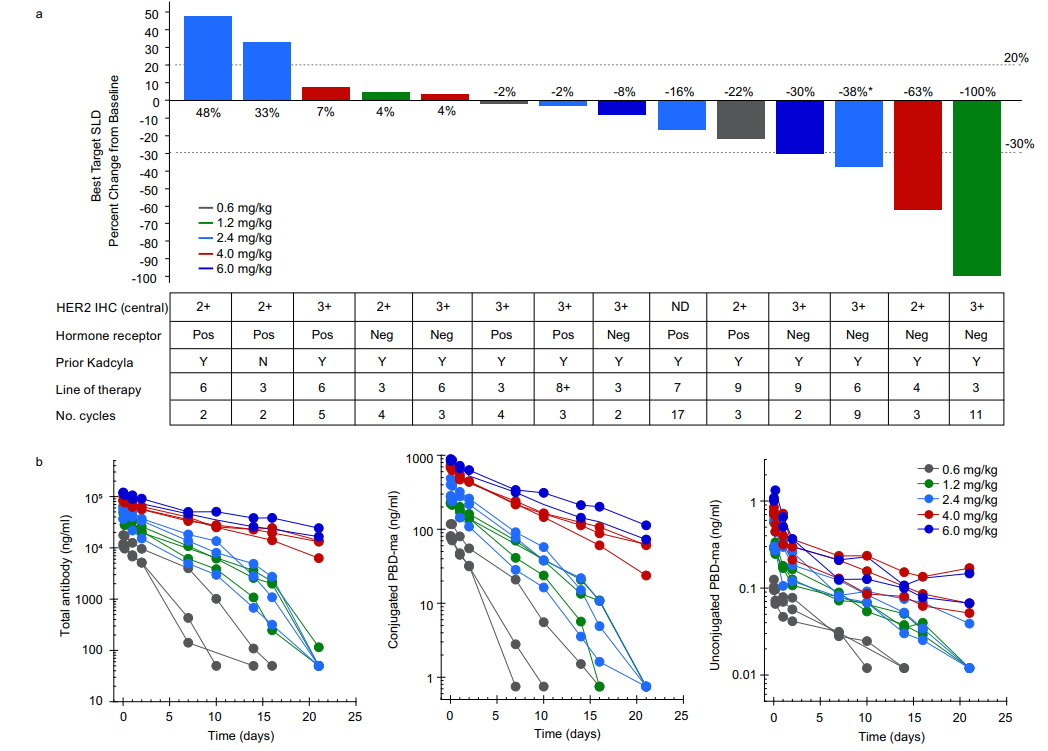
Figure 1. Clinical Activity and Preclinical Pharmacokinetic Data
Clinical Trial Results
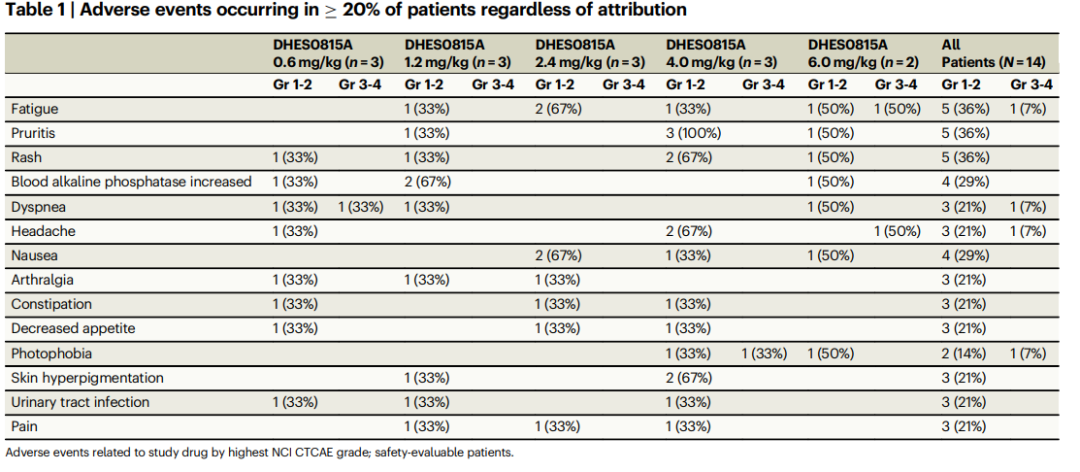
However, DHES0815A did not perform as expected in clinical trials. An open-label, multicenter, traditional 3+3 dose-escalation study (ClinicalTrials.gov: NCT03451162) was designed to evaluate the safety and tolerability of DHES0815A in patients with HER2-positive metastatic breast cancer. Although signs of antitumor activity were observed at lower doses, at higher doses, patients experienced persistent, irreversible skin, ocular, and pulmonary toxicities (Table 1), which ultimately led to the premature termination of the clinical trial.
Table 1. Adverse events occurring in at least 20% of patients, regardless of attribution
 This outcome is an important lesson for the medical community. Although DHES0815A demonstrated promising efficacy in preclinical models, its safety issues in human patients indicate that researchers still need to improve their understanding and predictive capabilities regarding ADC drugs. This also suggests that when developing novel HER2-targeted therapies, potential toxicity risks must be evaluated with greater caution.
Moreover, through in-depth analysis of failed clinical trial results, potential directions for future research have been identified. For example, in the design of ADC drugs, more attention may need to be paid to their metabolic processes in the body and toxicity release mechanisms. The toxicity issues of DHES0815A may be related to its DNA damage mechanism. Although PBD-monoamide does not cause DNA cross-linking, repeated dosing may lead to cumulative DNA damage, triggering toxic reactions. Additionally, selecting the patient population and optimizing the dosage are also key points for future research.
The termination of clinical trials is a heavy blow to both patients and researchers. The contrast between patients' expectations for new therapies and the challenges during the treatment process underscores the need to pay more attention to patient experience and quality of life when developing new treatments.
Conclusion and Prospect
In summary, the development process of DHES0815A reminds us that despite significant advancements in medical research, numerous challenges remain. Future studies need to gain a deeper understanding of disease mechanisms, more accurately evaluate drug safety and efficacy, and pay greater attention to individual patient differences and treatment experiences.
Lewis GD, Li G, Guo J, et al. The HER2-directed antibody-drug conjugate DHES0815A in advanced and/or metastatic breast cancer: preclinical characterization and phase 1 trial results. Nature Communications. 2024;15:466
Typesetting Editor: Oncology News-Kelly