

Puzon Discovery Secures $1B+ Global Out-Licensing Deal for Novel Anti-TF ADC ADCE-T02

Multitude Therapeutics
Innovative Drug Developer

ADCendo
Developer of Novel Anti-Cancer Drugs
On August 20, Puzhong Discovery Pharmaceutical Technology (Shanghai) Co., Ltd. and Danish company Adcendo ApS ("Adcendo") jointly announced that they have reached a licensing agreement for ADCE-T02 (Puzhong Discovery's R&D code: AMT-754), a novel and highly differentiated antibody-drug conjugate (ADC) targeting tissue factor (Anti-TF). Adcendo will obtain exclusive global development and commercialization rights outside mainland China, the Hong Kong Special Administrative Region, the Macao Special Administrative Region, and Taiwan, China, while Puzhong Discovery will retain the development and commercialization rights in these regions.
According to the financial terms of the agreement, Puzhong Discovery Pharmaceutical Technology (Shanghai) Co., Ltd. will receive an upfront payment worth tens of millions of US dollars. Upon achieving subsequent development, regulatory, and commercial milestones, the company will be entitled to total milestone payments exceeding 1 billion US dollars (approximately 7.1 billion yuan). Additionally, it will receive sales royalties in the range of single-digit to low double-digit percentages based on global net sales (excluding Greater China).
This is Puzhong Discovery's second out-licensing deal. Two years ago, Puzhong Discovery entered into a licensing agreement with OncoCytoma Biotherapeutics to exclusively authorize the development and commercialization of a potentially highly differentiated, Second-in-Class antibody-drug conjugate (ADC) targeting CDH6 outside of Greater China.
ADCE-T02 has been submitted for clinical trial in Australia and is expected to file for U.S. IND soon.
The pipeline ADCE-T02 involved in this transaction is a novel and highly differentiated Anti-TF ADC. According to the announcement, its unique antibody design can reduce the impact on the coagulation pathway. Meanwhile, the T1000-exatecan linker-payload technology platform has been proven by research to amplify the "bystander effect," enhance linker stability, and possess the potential to overcome drug resistance mechanisms. These differentiated characteristics are expected to translate into higher clinical response rates, longer duration of efficacy, and better safety, offering a superior therapeutic window.
TF, also known as coagulation factor III, is a transmembrane single-chain glycoprotein composed of 263 amino acid residues. Multiple studies have shown that TF is positively expressed in various solid tumors, including cervical cancer (100%), non-small cell lung cancer (34%-88%), endometrial cancer (14%-100%), ovarian cancer (75%-100%), etc. The high expression of TF may contribute to the growth and survival of tumor cells, angiogenesis, and metastasis. Therefore, it is considered a highly promising target for cancer treatment.
Currently, there are relatively few TF ADC projects under research and development globally. Only one drug, Tivdak (Tisotumab Vedotin), co-developed by Seagen and Genmab, has been approved by the FDA. It is used to treat adult patients with recurrent or metastatic cervical cancer whose disease has progressed during or after chemotherapy. In 2022, Zai Lab introduced this drug with an upfront payment of $30 million and it has already been approved in Macao, China.
ADCE-T02 adopts Puzhong Discovery's proprietary linker technology, T moiety. T-Moiety is a highly hydrophilic self-cleaving linker modification technology used to develop novel Linkers for ADCs. The T-Moiety linker exhibits superior "hydrophobic shielding effect" and stability, with lower toxicity compared to PEG modification, and also utilizes Exatecan as the toxin, demonstrating better resistance to drug tolerance than Dxd. The previously licensed AMT-707 from Oncostem Pharmaceuticals also originates from this technology platform.
On the T-Moiety platform, Puzhong Discovery Pharmaceutical Technology (Shanghai) Co., Ltd. further developed the T1000 linker, which can overcome the difficulty of Exatecan being unable to directly conjugate with antibodies due to its excessive hydrophobicity, while also enhancing the bystander effect and tumor infiltration capabilities of ADCs. The relevant research findings were published in *Cancer Discovery* (IF=38.272).
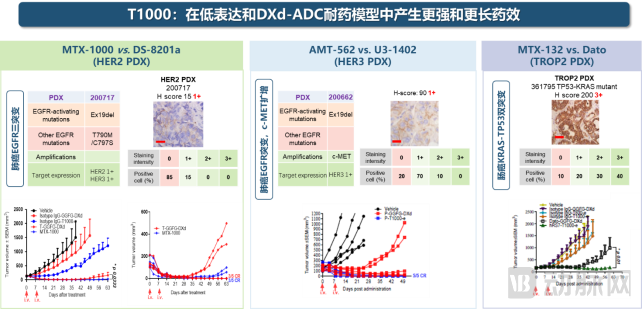
According to previous disclosures, ADCE-T02 has demonstrated significant efficacy in various CDX and PDX models of ovarian cancer, bladder cancer, lung cancer, and cervical cancer. Additionally, ADCE-T02 has been submitted for clinical trial approval in Australia and is expected to file for U.S. IND approval soon.
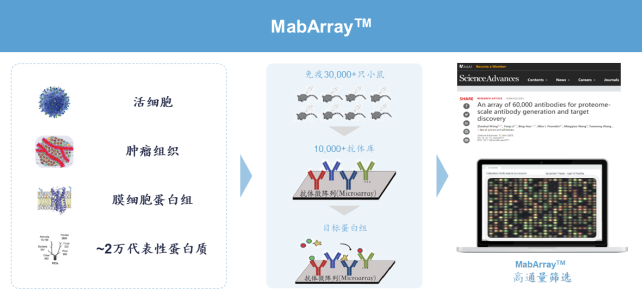
In addition, Puzhong Discovery Pharmaceutical Technology(Shanghai) Co., Ltd. has another core technology platform — the MabArray industrial-grade antibody chip platform. With an ultra-high-density antibody chip library of 100,000 levels, it can achieve high-resolution antigen screening that traditional methods cannot accomplish, and identify challenging antigens such as multi-transmembrane, special conformation, and glycoproteins, covering ~50% of human cell surface membrane proteins (potential drug targets) in one go, pushing cell surface antigen recognition to a new level.
At the beginning of this year, Puzhong Discovery Pharmaceutical Technology (Shanghai) Co., Ltd. reached a collaboration with Wuxi Xelaplink, the leading ADC CDMO, based on T-Moiety, aiming to build a more efficient ACD R&D platform.
Multiple ADC drugs enter clinical trials, advancing simultaneously in China, the US, and Australia
Previously authorized to OncoC4, the CDH6 ADC drug AMT-707 (now called CUSP06) has demonstrated the strength of Puzhong Discovery's two core technology platforms. In early 2024, OncoC4 announced the completion of a $100 million Series A financing round to advance the development of its core pipeline, the CDH6 ADC — which originates from Puzhong Discovery. Currently, CUSP06 received FDA approval for clinical trials in the U.S. in the third quarter of 2023 and is initiating Phase I clinical trials in the United States.
Since its establishment in 2019, Puzhong Discovery Pharmaceutical Technology(Shanghai) Co., Ltd. has completed four rounds of financing, with investors including Merck Investment, Cowin Venture Capital, and Northern Light Venture Capital. According to public information, multiple ADC drugs from Puzhong Discovery have simultaneously entered clinical trials in China, the United States, and Australia, targeting FRα, HER3, PTK7, MUC18, and CDH6. In addition to AMT-707, which has granted exclusive development and commercialization rights outside of Greater China to OncoC4, Puzhong Discovery has three other ADC pipelines that have entered clinical stages.
AMT-151
AMT-151 Targets Folate Receptor Alpha (FRα) and Has Already Been Approved for Clinical Trials in China and Australia. AMT-151 Antibody is a Recombinant Humanized Antibody Independently Developed by Puzhong Discovery Pharmaceutical Technology (Shanghai) Co., Ltd. The Payload is the Novel Toxin Molecule DUO-5, and the Linker Adopts the CytomX K-lock Site-specific Conjugation Technology.
ELAHERE® (mirvetuximab soravtansine-gynx), developed by ImmunoGen, is the first and currently the only approved ADC drug targeting FRα. It received accelerated FDA approval in November 2022 for the treatment of FRα-positive, platinum-resistant epithelial ovarian cancer, fallopian tube cancer, or primary peritoneal cancer patients who have undergone 1 to 3 prior therapies. In 2020, Huadong Medicine acquired exclusive clinical development and commercialization rights for the drug in Greater China for $305 million.
AMT-253
AMT-253 targets MUC18, consisting of a humanized anti-MUC18 IgG1 antibody and the topoisomerase I inhibitor exatecan conjugated via a self-immolative T linker. It exhibits a high therapeutic index and favorable pharmacokinetic properties. It has currently received implied approval for clinical trials from the CDE.
In preclinical studies, AMT-253 demonstrated specific cytotoxicity against MUC18-positive tumor cells, exerting its effects through DNA damage and apoptosis mechanisms, and exhibiting a potent bystander effect, resulting in robust antitumor activity against melanoma cell lines and patient-derived xenograft models.
AMT-562
AMT-562 targets HER3, consisting of a novel anti-HER3 antibody Ab562 and a modified self-immolative PABC spacer (T800), used to conjugate the cytotoxic drug exatecan to the antibody.
In xenograft models with low HER3 expression and heterogeneous patient-derived xenograft/organoid models, AMT-562 demonstrated effective and durable anti-tumor responses, both as a single agent and in combination. Furthermore, compared to Patritumab-GGFG-DXd, AMT-562 exhibited superior pharmacokinetic and safety profiles, with no severe toxicity observed at the highest dose of 30 mg/kg in cynomolgus monkeys.
ADCendo ApS: Fully Advancing uPARAP ADC in Collaboration with Duality Biologics
ADCendo ApS was founded in 2017 by a team of scientists from the University of Copenhagen and Rigshospitalet, focusing on the development of ADC drugs for cancer treatment. So far, ADCendo ApS has completed three rounds of financing, with a total amount reaching 98 million euros. The investment institutions include Gilde Healthcare, Novo Holdings, RA Capital Management, and others.
ADCendo ApS currently has only one pipeline, an ADC targeting the uPARAP receptor. uPARAP is a cell surface receptor highly expressed in various stromal cancers, including soft tissue sarcoma, osteosarcoma, gastrointestinal stromal tumor (GIST), and malignant gliomas (such as glioblastoma).
ADCendo ApS's uPARAP-targeting ADC has demonstrated potent antitumor activity against glioblastoma multiforme (GBM) in preclinical models and exhibited cytotoxicity against GBM cancer cells in vitro. These data suggest that the uPARAP-targeting ADC could be a potential novel therapeutic option for patients with GBM.
In 2023, Adcendo ApS partnered with China-based ADC pharmaceutical company DualityBio to collaborate on an ADC technology platform, obtaining a license for DualityBio's proprietary tumor ADC platform "DITAC" to support its uPARAP ADC project targeting mesenchymal tissue tumors. Four months later, the scope of cooperation was expanded, granting Adcendo ApS the option to develop ADCs targeting two specified innovative targets based on the DITAC platform.
From the end of 2023 to now, BD has become the main source for Chinese innovative pharmaceutical companies to "recover vitality," with ADC being the most popular project. In the first half of 2024, the total transaction volume in the global ADC field increased significantly, with disclosed transactions exceeding 16 billion US dollars, a year-on-year increase of 65%. Among these, Chinese companies participated in nearly half of the transactions.
Reference Article:
Puzhong Discovery Pharmaceutical Technology(Shanghai) Co., Ltd., the More Low-key, the More Successful? bioSeedin