ZEISS Launches Next-Gen Kinevo 900 S Robotic Surgical Microscope System

Carl Zeiss
Manufacturer of Optical Systems, Industrial Measurement, and Medical Devices

Medical Device Media Reporting Pioneer
Share Professional Medical Device Knowledge
Recently,Carl Zeiss Meditec Releases New Kinevo 900 S Robotic Surgical Microscope System for NeurosurgeryThe system is characterized by excellent digital visualization, intelligent collaboration functions, and interconnected technology, aiming to enhance the precision and efficiency of complex neurosurgical procedures while also being applicable to other surgical fields.
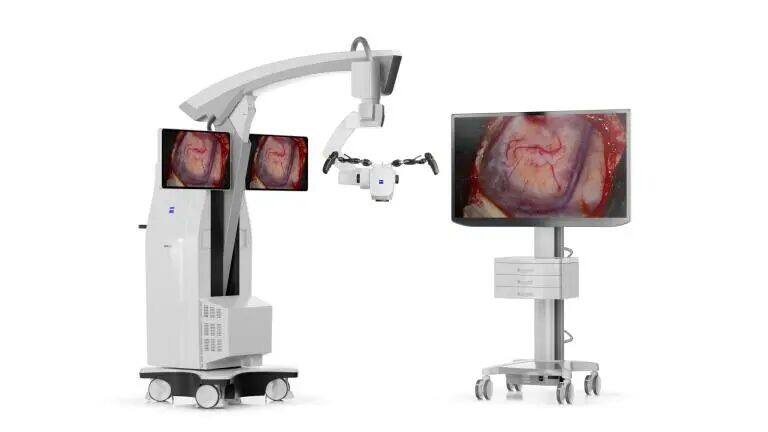
Kinevo 900 S
Kinevo 900 S is an upgraded version of the Kinevo 900 platform introduced by Carl Zeiss in 2017.Magnus Reibenspiess, head of the company's medical technology microsurgery strategic business unit, said: "The new system represents a revolutionary evolution based on the Kinevo 900, meeting the higher demands of today's neurosurgical procedures and providing an innovative solution tailored to customers."
It is reported that Carl ZeissThe prototype of the first-generation surgical microscope —— OPMi-1,It was developed by Carl Zeiss in the early 1950s under the guidance of Dr. Hans Littmann. This is a microscope equipped with coaxial illumination and used as a colposcope and otoscope, which is still in use today.
Since then, Carl Zeiss has been at the forefront of innovation, leading technological advancements in the field of microsurgery. In 2017, Carl Zeiss launchedThe world's first microsurgical platform with robotic multi-intelligent control assistance, Kinevo 900,Can be linked with the navigation system to efficiently perform intraoperative displacement and real-time tumor tracking.
In the past, Kinevo 900 has been hailed as the most advanced surgical microscope system by Carl Zeiss. With the launch of the brand-new Kinevo 900 S, it will carry on the legacy of its predecessor and become the latest pinnacle of Carl Zeiss in the field of microscopic surgery.
According to Carl Zeiss,Kinevo 900 S is equipped with advanced 4K 3D digital imaging technology, capable of delivering the highest standard of digital visualization.With the most cutting-edge technology, its enhanced 4K camera can precisely display clearer detail lines, higher resolution, and richer colors. Meanwhile, the newly launched DepthPro mode further enhances depth-of-field selection, optimizing the field of view during surgery.
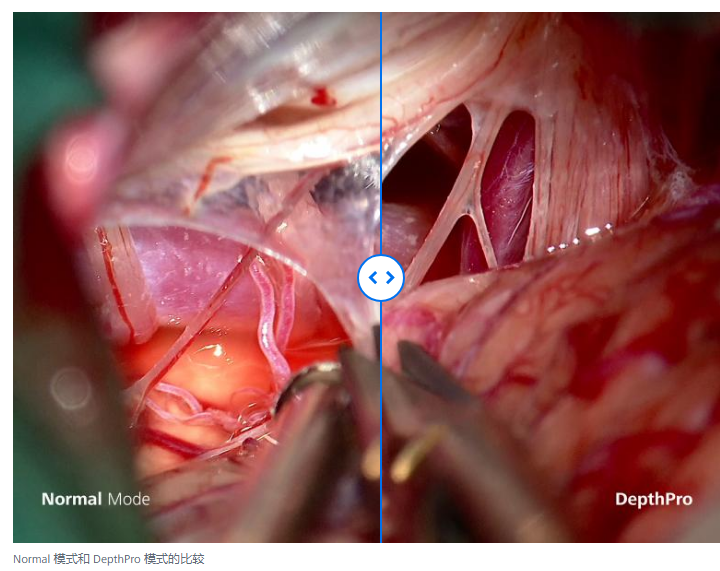
The hybrid visualization design of the system ensures the continuity of the surgical process, greatly enhancing the smoothness and comfort of the operation.Each member of the surgical team can receive the same high-definition 3D video images as the lead surgeon. This means that students and assistants can clearly see every step of the surgery on an external monitor, fully synchronized with the lead surgeon’s field of view, even when operating through the eyepiece.
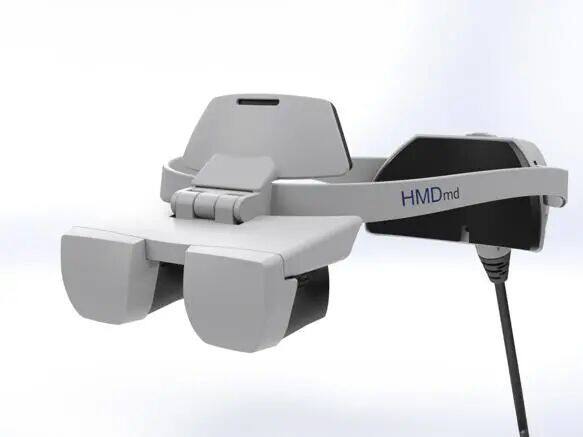
HMDmd CR3 Wearable Display
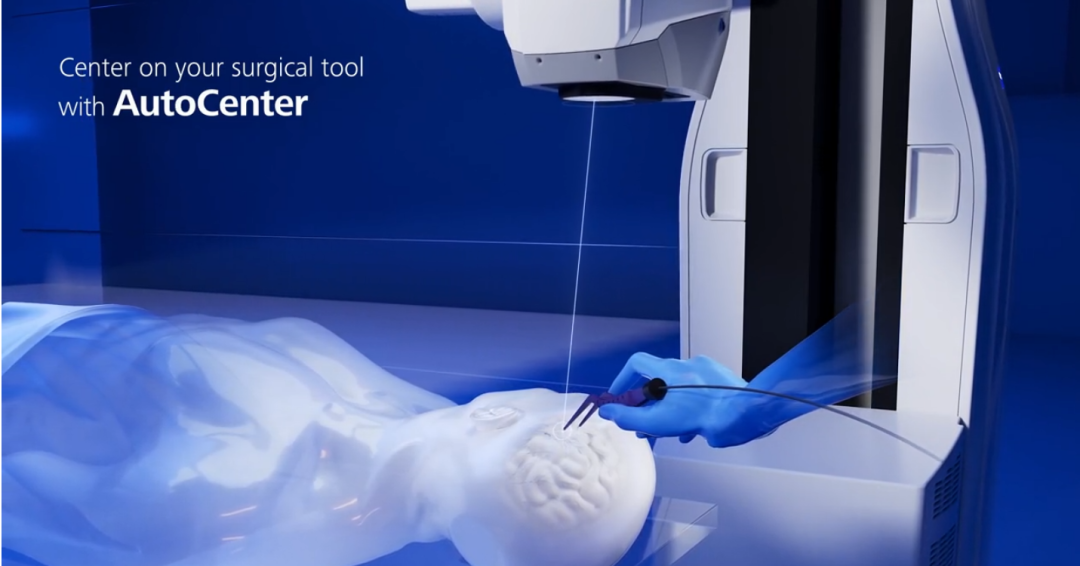
It is worth noting that,Kinevo 900 S is equipped with AI-supported automation features, including the PointLock and PositionMemory positioning systems, as well as the AutoCenter automatic centering function.Can precisely position the surgical area at the center of the field of view, further optimizing the illumination and visualization effects of the surgery.
In addition,Carl Zeiss AG also provides a wealth of complementary services through its digital platform.Such as Carl Zeiss Surgical Cloud and Carl Zeiss live streaming functions, which facilitate real-time sharing of clinical cases, data management, and educational collaboration.
Dr. Julius Höhne, a neurosurgeon at Nuremberg Hospital, spoke highly of the new system: "The Kinevo 900 S elevates the technical standards of neurosurgical microscopic procedures to an entirely new level, surpassing our expectations."
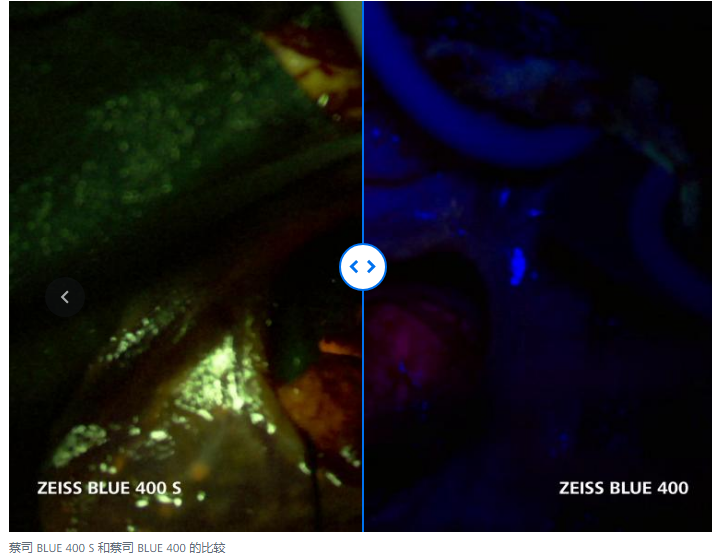
It is worth mentioning that,Kinevo 900 S has also updated the fluorescence imaging module, from the previous Blue 400 to Blue 400 S.Aimed at helping surgeons more accurately identify and differentiate various tissue structures during surgery.
It is reported that,Blue 400 S combines fluorescence and white light imaging technologies,Particularly suitable for observing tissues associated with high-grade gliomas (such as Grade III and IV gliomas). The key advantage lies in its high-quality imaging capabilities, especially in the visualization of non-fluorescent tissues, with effects close to those of white light.
This imaging mode reduces the frequent switching between fluorescence and white light modes, allowing surgeons to more continuously and intuitively identify tumors and the surrounding normal tissue during the procedure.
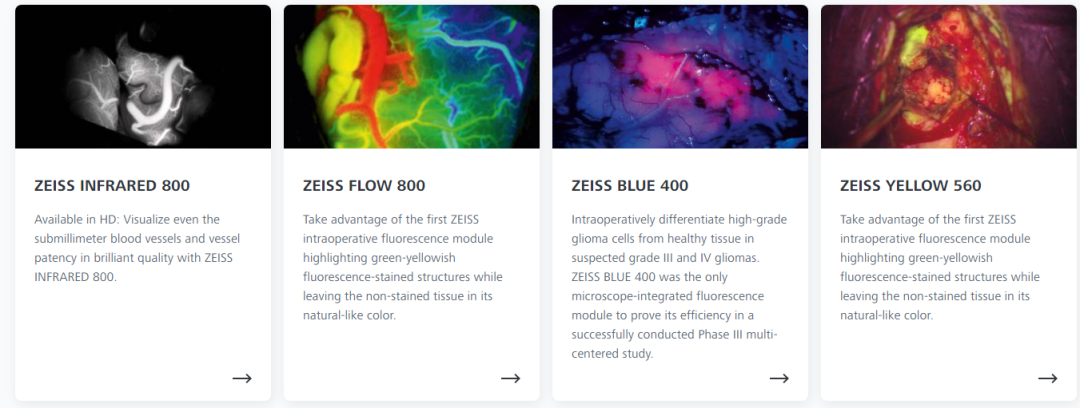
In addition,Kinevo 900 S also supports other fluorescence module options from Carl Zeiss.Such as Infrared 800, Flow 800, Blue 400, Yellow 560, etc., each module represents different fluorescence imaging technologies and applications, capable of meeting the needs of various surgical procedures.
Infrared 800:Mainly used for vascular imaging and monitoring, helping surgeons clearly visualize blood vessels and blood flow through near-infrared fluorescence imaging technology. It is commonly used in cardiovascular surgeries and tumor resection procedures.
Flow 800:Focused on dynamic blood flow monitoring, it can evaluate blood flow conditions in real time, suitable for surgeries that require monitoring of blood flow changes, helping surgeons better manage surgical risks.
Blue 400:Mainly used in neurosurgical procedures, providing high-contrast visualization of tumors and their boundaries to assist surgeons in making more precise decisions during operations.
Yellow 560:Used for tumor identification and visualization, helping to identify specific types of tumor tissue through its specific fluorescent wavelength, suitable for various surgical applications.
In the field of surgical operations, microsurgery is undoubtedly the technological high ground.Microsurgery refers to the use of optical magnification equipment and microsurgical instruments to perform complex and precise operations within a very small range.
In recent years, with the increasing clinical demand for minimally invasive surgery and the emergence of surgical procedures with high operational requirements, a new type of surgical platform, the microsurgical robot, has emerged. This surgical robot not only enhances the visualization of the surgery but also significantly improves the flexibility and accuracy of surgeons during delicate operations, paving a new way for the future development of microsurgery.
As microsurgical robotic operations are still in their infancy, there is significant room for growth. Data shows,The global microsurgical robotics market was approximately US$1 billion in 2020 and is expected to grow at a compound annual growth rate (CAGR) of over 15% in the next five years, with the potential to exceed US$15 billion by 2025.
According to another sourceMedical MicroinstrumentsPrediction,By 2028, the market for microsurgical robots will grow from 3 million units per year to 22 million units.
From the perspective of market competition, as an innovative field, the number of companies involved in microscopic surgical robots is relatively small compared to other surgical robot fields.
In overseas markets,Carl Zeiss, Sony, Medical MicroinstrumentsCompanies such as Carl Zeiss AG have laid out their strategies here, and products have already been implemented.Domestic Market,Antai Precision, Disi MedicalA group of companies, including [company names], have entered the track and continue to receive financing support, accelerating forward.
Sony
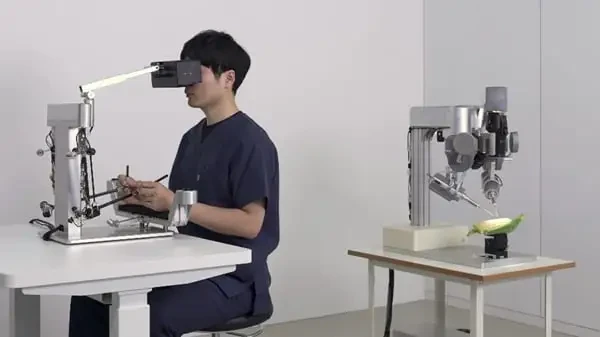 Prototype of Microsurgical Robot
Sony announced in May this year that it would develop a new type of microsurgical assistance robot, marking Sony's first entry into the surgical robot market.
Reportedly, this new type of robot can not only automatically exchange surgical instruments but also achieve precise control. Its prototype made its debut on May 13, 2024, at the Sony booth during the 2024 IEEE International Conference on Robotics and Automation (ICRA 2024) held in Yokohama. Sony stated that the robot aims to provide higher efficiency and precision for microsurgical procedures, particularly showcasing its exceptional performance in complex and delicate surgeries.
Ontai Precision
Antai Micro Precision, as the builder of the world's first robotic platform focused on small-scale precision surgeries, has also successfully achieved a tremor-free operation throughout the surgical robot system.The core difficulties in product development have been overcome.
It is reported that the diameter of its robot's head-end wrist-like structure instrument is less than 3mm, the smallest in the world, capable of precisely anastomosing with 0.3mm blood vessels, lymphatic vessels, and nerves. It meets the requirements in otorhinolaryngology, neurosurgery, vascular surgery, plastic surgery, ophthalmology, etc.To meet the entire surgical field's needs within China, completing procedures that require high precision and cannot be achieved by existing medical robots (such as orthopedic robots, endoscopic robots, vascular interventional robots, etc.).
Dishi Medical
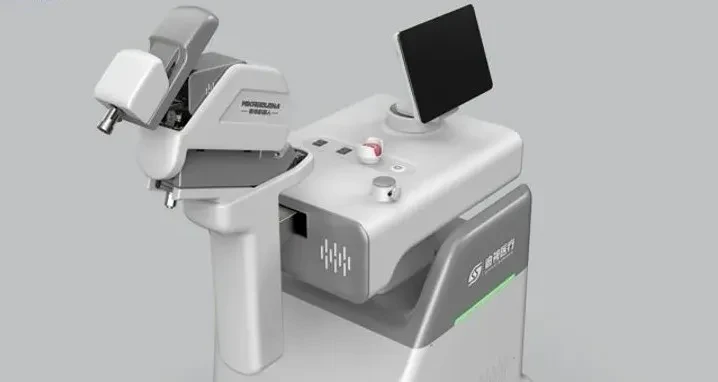
"Di Shi Micro-edge" Ophthalmic Surgical Robot by Hangzhou Di Shi MedicalThe first product from the independently developed microscopic surgical robot platform by Biotechnology Co., Ltd., and also the first ophthalmic surgical robot product in China to enter the multi-center registration clinical trial stage.
"Di Shi Wei Feng" Ophthalmic Surgical Robot Aims to Reduce the Gap in Doctor-Patient Ratio for Retinal Surgeries, Extend the Careers of Frontline Surgeons, Improve Surgical Success Rates, and Minimize Complications, While Providing a Powerful Delivery Tool for Gene and Cell Therapies.Early animal clinical data shows that, compared to the 85.5% success rate of manual operations by clinicians, the success rate of subretinal injections assisted by the "Di Shi Wei Feng" ophthalmic surgical robot can be increased to 100%.
--
As an optical giant, in recent years, Carl Zeiss has been following the trend of the times and moving forward towards digitalization and intelligent development. Not long ago, the company alsoA cooperation agreement has been reached with the Swiss AR/VR company Creal, and both parties will base their efforts on light field display technology,Jointly develop a brand-new digital vision healthcare platform, planning to completely revolutionize existing vision diagnosis and treatment procedures.
This timeKinevo 900 S Update: Carl Zeiss AG Once Again Integrates Head-Mounted Display Technology, Setting a New Benchmark for Visualization and Operation in Microsurgery.Looking to the future, what room for imagination and development will there be in the integration of Carl Zeiss' virtual reality and medical technology? Instrumentation will continue to follow.
More exciting content
Welcome to follow WeChat Video Channel


China's First Pediatric Magnetoencephalography Joint Laboratory Established in Shanghai
"Chinese Medtronic" Officially Announces: Second-Generation Harvard Returnee Takes Over
Fuwai and Anzhen Support: This High-End Medical Device Included in Medical Insurance
Over 30 Billion Yuan in Debt Pressure, Pharmaceutical Giant May Change Hands
China-produced Endoscopic Ultrasound Leader Completes New Round of Financing
The debut of Jingfeng® Single-port Robot SP1000 Plus and the release of the world's first "three-in-one" solution
Multiple Hospitals: "Not Accepting Imported" Surgical Robots
Back to the Top! Shanhua Mountain Hemodialysis Machine Market Share Retains Industry Leadership
7.8 Billion, the Heavy Bet of the Ninth Largest Device Company
The King of Orthopedic Market Value, the Seventh Acquisition This Year

BusinessBusiness cooperation email: qxzj@landianyiliao.com