

Jiyin Bio Achieves First-in-Class Complete Remission in Relapsed/Refractory B-ALL with In Vivo CAR-T Therapy

Genocury
Developer of Novel Therapies in Oncology Genetics and Cell Therapy
Click to follow? | Focus on Global Biomedical Investment
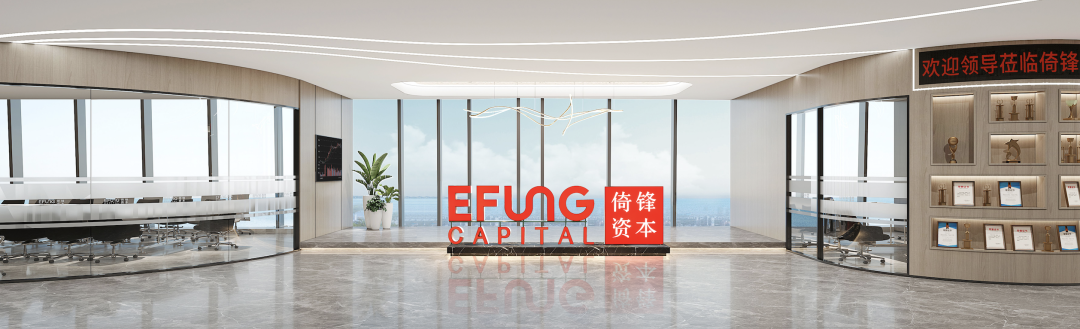
Recently,Shenzhen Jiinno Biotechnology Co., Ltd. (hereinafter referred to as "Jiinno Bio") announced significant progress in the field of cellular immunotherapy.The core pipeline product developed by the company —— Targeted CD19 In Vivo CAR-T Cell Therapy —— successfully treated a patient with relapsed and refractory acute B lymphoblastic leukemia (B-ALL) in an investigator-initiated clinical study (IIT), achieving complete remission (CR).This is the first disclosed clinical data of in vivo CAR-T therapy for relapsed/refractory B-ALL.Yifeng Central China Fund participated in the investment of Ji Yin Bio in 2022.
Jiyin Bio's CD19-targeted In Vivo CAR-T pipeline product is currently undergoing IIT at the 920th Hospital of the Joint Logistics Support Force of the Chinese People's Liberation Army. A relapsed/refractory B-ALL patient enrolled in this clinical study had relapsed after receiving seven rounds of chemotherapy in previous treatments. One month after receiving In Vivo CAR-T therapy, the patient achieved complete remission (CR) with no minimal residual disease (MRD-negative) detected in the bone marrow. During the treatment process, no grade 2 or higher cytokine release syndrome, neurotoxicity, or other common side effects associated with CAR-T therapy were observed. The treatment showed significant efficacy, good safety, and stable vital signs, and the patient has been successfully discharged.
New Hope for Universal Cell Therapy —— In Vivo CAR-T
In recent years, traditional autologous CAR-T cells prepared in vitro have demonstrated potent efficacy in the field of cellular immunotherapy. However, these autologous CAR-T therapies are personalized treatments, and issues such as high costs, complex in vitro preparation processes, and long waiting times have significantly limited their widespread application. In contrast, in vivo CAR-T (In Vivo CAR-T), as a novel universal cell therapy, has garnered significant attention for its potential to reduce costs and enhance efficiency.
Currently, several autologous CAR-T cell therapies that have been approved in China all require the initial collection of immune cells from the patient. These extracted cells are then taken to the laboratory, referred to as the "major modification workshop," for alteration. Through genetic engineering technology, these T cells are equipped with a special "weapon," known as the chimeric antigen receptor (CAR), which transforms ordinary T cells into CAR-T cells.
These CAR-T cells are like equipped with a navigation system, able to precisely locate cancer cells and then launch a fierce attack on them. Moreover, they do not harm normal cells in the body, making them one of the most promising treatments for tumors currently available. However, due to the complex preparation process of autologous CAR-T, the cost has remained as high as millions of yuan per injection.
Autologous CAR-T therapy first requires cell collection, a process that necessitates specialized equipment and technology to ensure the collection of sufficient quantity and quality of T cells. After collection, the cells are transported to a dedicated laboratory where they undergo a series of complex genetic modifications and cultivation processes. This step demands stringent quality control and a sterile environment. Once enough CAR-T cells are cultivated, they must pass rigorous testing to ensure their safety and efficacy before being reinfused into the patient’s body. The entire procedure involves multiple steps and prolonged transportation, operation, and monitoring.
Unfortunately, many patients are unable to access this most advanced treatment method due to long waiting times for treatment or high costs.
In contrast, as a new generation of cell therapy technology, in vivo CAR-T does not require extracting the patient's cells for modification outside the body. Instead, it directly works inside the patient’s body, using special carriers that act like tiny "delivery agents" to transport CAR molecules into the patient’s T cells. The transformation of T cells into CAR-T cells is then completed within the body. This innovative therapy greatly simplifies the manufacturing process and treatment procedure, reduces treatment costs, eliminates waiting time, and ensures the drug is always ready for use — representing an innovative universal cell therapy.. The genuine hope of achieving the beautiful vision of curing cancer with a single injection, without imposing excessively high manufacturing costs on patients, is on the horizon. Currently, multiple biotech companies both in China and abroad are competing to develop this technology, but most remain in the preclinical stage.
Recently, INT2104, the in-vivo CAR-T therapy developed by Interius BioTherapeutics, received clinical trial approval from Australia's Therapeutic Goods Administration (TGA). Additionally, Umoja Biopharma announced that its investigational CD19-targeted in-situ generated CAR-T cell therapy, UB-VV111, has received FDA IND application approval. These developments highlight the rapid global advancement and promising application prospects of the in-vivo CAR-T field.
Current Status of Treatment for Acute B-Lymphoblastic Leukemia
Acute B lymphoblastic leukemia (B-ALL) is a severe malignant hematological disease originating from B lymphocytes. Its pathogenesis is associated with multiple factors, among which chromosomal abnormalities and gene mutations play crucial roles. These intrinsic genetic alterations disrupt normal cell proliferation and differentiation mechanisms, leading to the malignant transformation and excessive proliferation of B lymphocytes.
Among numerous treatment methods, CAR-T cell therapy is a highly groundbreaking emerging approach. In the treatment of B-ALL, CAR-T cells can precisely identify specific antigens on the surface of leukemia cells, such as the CD19 antigen. Once successfully identified, they activate the body's immune system, thereby initiating an efficient and powerful attack on leukemia cells. For patients with relapsed or refractory acute B lymphoblastic leukemia, CAR-T cell therapy has demonstrated remarkable efficacy, with many patients achieving complete remission after treatment.
Currently, there are two CAR-T products available in China for B-ALL. One is Najiolumab Injection, which was approved in November 2023 for adult patients with relapsed or refractory B-ALL and is priced at 999,000 yuan. The other is Axicabtagene Ciloleucel Injection, which, although approved in June 2021 for lymphoma, can also be used for adult patients with relapsed or refractory B-ALL and is priced at 1.2 million yuan. Both of these are autologous CD19 CAR-T cell therapies, offering new hope for B-ALL patients, particularly those with relapsed or refractory conditions.
First Breakthrough, In Vivo CAR-T Successfully Treats Relapsed/Refractory B-ALL
The clinical research data disclosed by JiYin Bio this time represents the first-ever clinical data on in vivo CAR-T reported in the industry.This injection, relying on JiYin Bio's proprietary VivoExpress platform, utilizes specific targeted lentiviral delivery technology to achieve the preparation of CAR-T cells in vivo, thereby realizing targeted therapy for leukemia. Preliminary clinical data show that this therapy has good safety and efficacy. This innovative breakthrough not only verifies the feasibility of in vivo CAR-T technology but also highlights its tremendous therapeutic potential.
Jiyin Bio stated: "The outstanding performance of the company's CD19-targeted in vivo CAR-T cell therapy in clinical trials is an exciting development. We are deeply gratified to see patients receive effective treatment and be discharged smoothly. Moving forward, the company will continue to rapidly advance the clinical trial process of its in vivo CAR-T therapy, focusing on collecting more comprehensive data to scientifically and rigorously verify its long-term safety and efficacy. At the same time, we will actively explore and optimize production processes, aiming to further reduce costs while maintaining high therapeutic efficacy, truly achieving the goal of 'reducing costs and increasing efficiency.' Our mission is to make this universal cell therapy product more accessible and affordable, benefiting a broader patient population."
An early exploratory clinical study (IIT) on the safety, tolerability, and preliminary efficacy of Jiyin Biotechnology's targeted CD19 in vivo CAR-T cell therapy for the treatment of relapsed or refractory B-cell leukemia is currently being conducted at the 920th Hospital of the Joint Logistics Support Force of the Chinese People's Liberation Army.
About Jiin Biotech
Shenzhen Jiin Biotechnology Co., Ltd. is a research and development-oriented biotechnology company dedicated to developing universal cell and gene therapies, aiming to provide the most promising clinical treatment options for a wide range of patients. The company has developed an in-house proprietary in vivo CAR-T technology platform. It has completed preclinical efficacy and safety evaluations of CD19-targeted in vivo CAR-T and is advancing investigator-initiated clinical trials (IIT). The company operates a 1,400-square-meter R&D and GMP facility, with over 70% of its staff being researchers, capable of meeting comprehensive needs such as drug discovery, CMC, registration, and clinical trials.
About the Joint Logistics Support Force of the Chinese People's Liberation Army
The 920th Hospital
The 920th Hospital of the Joint Logistics Support Force of the Chinese People's Liberation Army (formerly Kunming General Hospital of the PLA, formerly 43rd Hospital) is a large comprehensive Grade A tertiary hospital with a glorious tradition and long history of 73 years. The Department of Hematology can be traced back to the 1960s. After the efforts of several generations of academic leaders, it became an independent department of hematology in 2013. The director of the department is Dr. Wang Sanbin, Chief Physician, and Doctoral Supervisor. Dr. Wang Sanbin has rich clinical experience and skilled treatment techniques. He is a well-known expert in the field of hematology in China, Chairman of the Hematology Branch of the Yunnan Medical Association, and has won numerous awards including the First Prize of Yunnan Provincial Science and Technology Progress Award, the First Prize of the Chinese Laboratory Animal Society Science and Technology Award, two Third Prizes of Yunnan Provincial Science and Technology Progress Award, one First Prize of Kunming Science and Technology Plan Project, and the Famous Doctor Special Talent of Yunnan Province's "Xing Dian Talent Plan." Main research areas: (1) Hematopoietic stem cell transplantation; (2) Gene therapy for thalassemia; (3) CAR-T cell therapy.
✦
Recommended Reading
✦

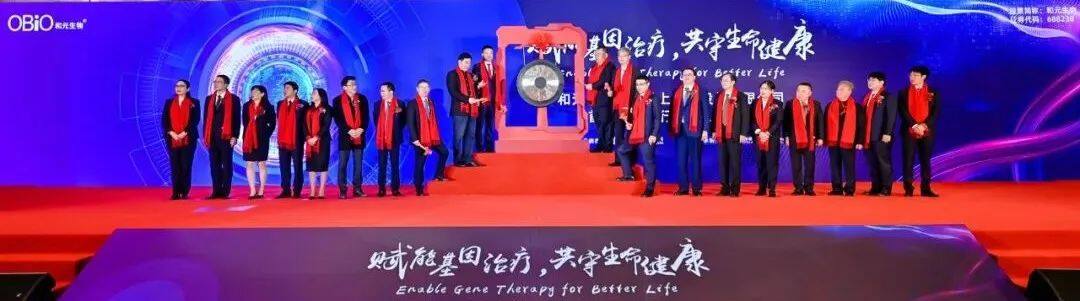
Ten Years of Honing a Sword, Its Blade Will Surely Gleam When Drawn

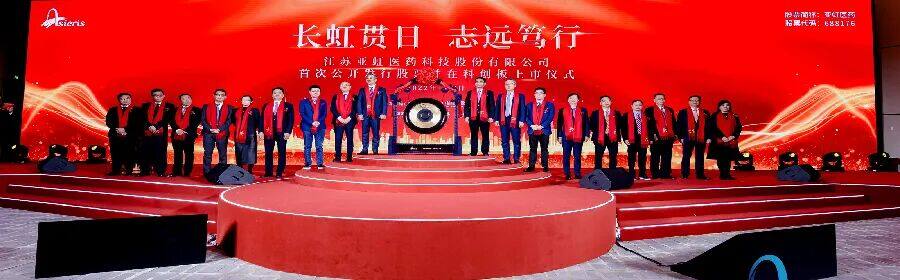
Asia Pharma's STAR Market IPO
Looking forward to your
Share
Like
In View