Weekly Medical Device News Roundup (Oct 14–20): FDA Breakthrough Designations, New Product Approvals, and Funding Highlights

Sigma Squares
Intelligent Vision Equipment and Software Developer, Provider of Comprehensive Enterprise-level Vision Solutions


01
Sigma Squares Completes Hundreds of Millions in FinancingSeries B Financing: Empowering Medical Device and Pharmaceutical Production with Smart Manufacturing
On October 17, Sigma Squares (Beijing) Tech Co., Ltd. announced the completion of a multi-hundred million yuan Series B financing round. This round was led by Top Alliance Capital, with participation from Oriza Hua, Yahu Investment, Yunhui Capital, Xiangcheng Golden Control Capital, Entropy One Capital, and Boxin Capital. Sigma Squares (Beijing) Tech Co., Ltd. began formal operations in early 2018, with products including industry intelligent vision equipment, machine vision and industrial data platform software, as well as enterprise-level solutions providing comprehensive visual solutions for industrial manufacturing companies.
02
Jiangsu Tongren Technology Co., Ltd. Secures Tens of Millions in Angel Financing, Accelerating R&D and Production
On October 10, Jiangsu Tongren Technology Co., Ltd. secured an angel round of financing worth tens of millions of yuan, with the investor being Suzhou Jiahong Medical Fund. The funds will be used for product research and development and production. Established in 2022, Jiangsu Tongren Technology Co., Ltd. is a service provider of AI-powered myopia prevention and control medical solutions. By combining an AI-driven decision-making system with distributed detection and real-time precision intervention medical devices, Tongren Technology has launched a cloud-based myopia prevention and control medical system: the OOUAI Cloud Optometry System, which focuses on myopia prevention and control medical solutions.
03
Hologic Hologic Acquires Gynesonics for $2.5 Billion
Recently, Hologic announced that it has reached an acquisition agreement with Gynesonics to acquire the company for approximately $350 million (about 2.5 billion RMB). Gynesonics is a private medical device company focused on developing minimally invasive solutions for women's health. Its Sonata® system is an FDA-approved medical device in the United States used for diagnostic intrauterine imaging and transcervical treatment of certain symptomatic uterine fibroids. Earlier, in July 2024, Hologic announced the completion of its $310 million (approximately 2.247 billion RMB) acquisition of the UK-based company Endomag. The Sonata system from Gynesonics combines intrauterine ultrasound with advanced radiofrequency ablation technology, enabling precise targeting and ablation of uterine fibroids through the vagina without the need for uterine incisions.

04
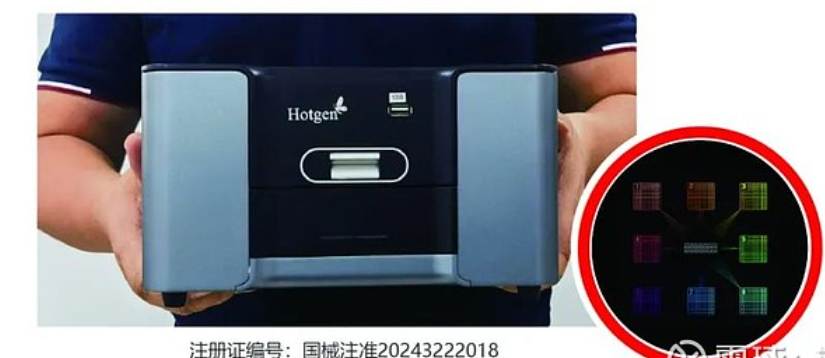
Hotgen (Langfang) Biotech Co., Ltd.F16 Real-Time Fluorescence Quantitative PCR Analyzer" Obtains Class III Registration Certificate, Suitable for Multi-Scenario Use
On October 15, Hotgen (Langfang) Biotech Co., Ltd. launched the new generation F16 Real-Time Fluorescence Quantitative PCR Analyzer, which obtained a Class III registration certificate. It features rapid operation, touch control, portability, stability, multiple options, and a stable light source, making it suitable for various scenarios.
05
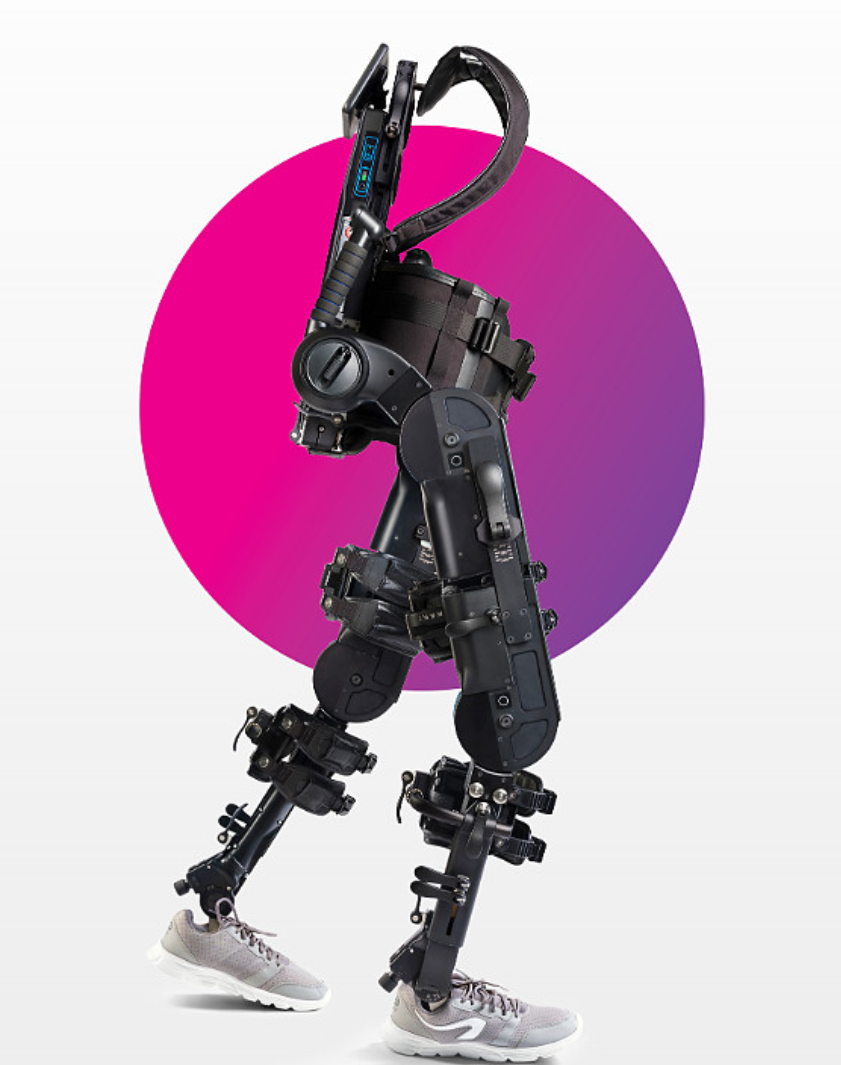
AIBO Robotics "Clinical TrialsMIZAR-005" Initiated for Rehabilitation Training
On October 15, AIBU (Shanghai) Artificial Intelligence Technology Co., Ltd. (hereinafter referred to as "AIBU Robotics") successfully obtained the first Class II medical device registration certificate in Shanghai for its innovative EA-II Exoskeleton Rehabilitation Robot, a lower limb walking machine-assisted training device (Shanghai Medical Device Registration Certificate No. 20242190273).
06
SugarJi Medical's Self-Developed Gastric Bypass Stent System Receives U.S.FDA "Breakthrough Medical Device Designation"
Recently, the gastric bypass scaffold system independently developed by Hangzhou Tangji Medical Technology Co., Ltd. has successfully obtained the FDA's "Breakthrough Device Designation." This not only fully demonstrates the breakthrough achievements and leading position of the gastric bypass scaffold system in the field of metabolic disease treatment, but also means that the gastric bypass scaffold system will receive priority review rights before marketing, laying a solid foundation for its rapid entry into the U.S. medical market. The "Breakthrough Device Designation" is a special certification provided by the FDA for certain medical devices with potential breakthrough treatments, diagnostics, or monitoring functions, aiming to accelerate the market entry process of urgently needed clinical products, ensuring patients can access safe treatments more quickly and effectively.
07
Clinical Results of China-Made Transapical Mitral Valve Replacement System Released
Recently, the NMPA registration clinical trial results of MitraFix®, a transapical mitral valve interventional replacement product independently developed by Shanghai Yixin Medical Device Co., Ltd., were officially published inJACC: Cardiovascular Interventions The research was conducted across four centers in China and included a total of 10 patients who were unable to receive traditional surgical treatment due to high surgical risks. These patients exhibited excellent clinical outcomes after being treated with the MitraFix system. The MitraFix® Transapical Mitral Valve System is a transcatheter mitral valve replacement system that requires only full ultrasound guidance during the procedure, without the need for angiography or radiation, ensuring no radiation exposure. The operation time is only 20 minutes, with a short learning curve for doctors, allowing for rapid promotion.

08
Morgan Stanley Releases Brain-Computer Interface Research Report
Recently, Morgan Stanley released a research report titled "Brain-Computer Interfaces: The Next Big Healthcare Technology Opportunity?" which provided a detailed forecast and analysis of the U.S. BCI market. It pointed out that the commercialization of BCIs for medical purposes would take approximately five years. The FDA categorizes medical device approvals into three risk categories, and BCI devices typically fall under the high-risk category. The FDA has implemented several programs, such as the Early Feasibility Study (EFS) program and the Breakthrough Devices Program, to expedite the development and approval process for novel medical devices. Recently, the FDA launched the TAP program to accelerate collaboration with companies, thereby facilitating faster approval of such devices. Regarding market acceptance and willingness to pay, the report noted that while some patients may be hesitant about devices implanted in the brain, for many severely disabled patients, BCI technology could offer hope for improving their quality of life.
09
Guoyao Imaging Park Officially Launched
Recently, the "High-Performance Medical Device Innovation Conference and Sinopharm Duocai Zhanpeng Member Day at Sinopharm Imaging Event" was held at the Sinopharm Imaging Industrial Park in Guangming District. The conference, themed "Bay Area Attraction, Gathering in Pengcheng," brought together industry experts and leading enterprises to focus on the technological development trends of high-end medical imaging equipment and explore innovations in high-performance medical devices. It aimed to contribute wisdom and empowerment to the construction of a digital and intelligent medical device industry ecosystem and new productive forces. As the highlight of the conference, the Sinopharm Imaging Park and the Sinopharm Medical Device Imaging Joint Innovation Base were officially launched. After four phases of renovation, the Sinopharm Imaging Park has fully completed its decoration and infrastructure construction. Currently, the park not only features a multifunctional integrated system for production, research and development, and sales but also is equipped with modern production and office facilities.
10
Abbott's Diagnostic Revenue Declines in Q32%
Recently, Abbott reported that its diagnostic revenue in the third quarter decreased by nearly 2% year-over-year. In the three months ended September 30, the company, headquartered in Abbott Park, Illinois, reported total revenue of $10.64 billion, a 5% increase from $10.14 billion a year ago, surpassing Wall Street's consensus estimate of $10.55 billion. Abbott's diagnostic revenue in the third quarter fell from $2.45 billion in the previous quarter to $2.41 billion. The company stated that excluding COVID-19 test sales, the diagnostic business grew 3% on an organic basis year-over-year. In diagnostics, core laboratory revenue was essentially flat at $1.31 billion in the third quarter; molecular revenue declined 4% from $133 million to $128 million; point-of-care revenue increased 4% year-over-year from $140 million to $146 million; rapid diagnostics revenue dropped 4% from $862 million to $824 million.
11
Abbott Strengthens Localized Production of Products in China
Recently, Abbott’s domestically produced immune module Alinity i and automated laboratory line GLP have officially started localized production at Abbott Diagnostics' Hangzhou factory. Alinity i is a fully automated chemiluminescence immunoassay analyzer that offers advantages such as a smaller footprint, higher testing throughput, fewer resource requirements, and faster test reporting, effectively helping laboratories improve operational efficiency. The GLP laboratory automation system can significantly enhance sample turnaround time, ensure accurate clinical decision-making, reduce staff workload, and make full use of space, meeting the growing needs of laboratories from multiple dimensions. According to reports, with strong support from the local government, the Alinity i localization project took only 9 months from formal initiation to approval.

12
The review time for medical device registration certificates has been significantly shortened, with an average reduction.50% Time Limit
On October 13, Guangdong issued the "Action Plan for Further Promoting the High-Quality Development of Guangdong's Biopharmaceutical Industry," which significantly accelerates the review and approval of medical devices, reducing average timelines by 50%, and supports innovative R&D and registration, aiming to drive high-quality development in the biopharmaceutical industry, promote technological advancement, and industrial upgrading.
13
Issued by the National Medical Products Administration7 Medical Device Recall Notices
Recently, the National Medical Products Administration releasedSeven Medical Device Recall Notices: Products include Total Knee System - Zirconium Niobium Alloy Femoral Condyle (Registration No. 20153132542), Disposable Integrated Biopsy Needle (Registration No. 20202140405), Prothrombin Time Test Card (Electrochemical Method) (Registration No. 20202400275), Microguidewire (Registration No. 20183031934), Excimer Laser System (Registration No. 20153163346, 20153243346), etc. Reasons for recall include packaging issues, product malfunctions, etc., all classified as Level 2 recalls.
14
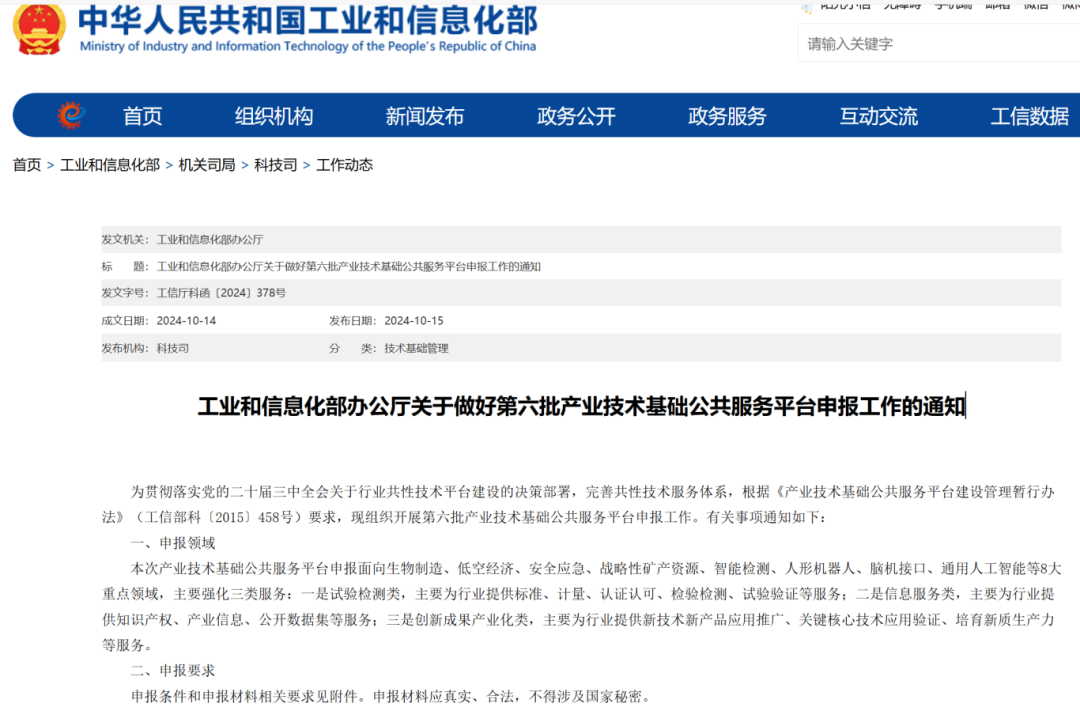
Notice on the Application for the Sixth Batch of Industrial Technology Basic Public Service Platforms by the Ministry of Industry and Information Technology of China
Recently, the General Office of the Ministry of Industry and Information Technology released the "Notice on Doing a Good Job in the Application for the Sixth Batch of Industrial Technology Foundation Public Service Platforms." The Notice proposes that, in order to improve the common technology service system, the MIIT will carry out the application process for the sixth batch of industrial technology foundation public service platforms. The deadline for this application process is...November 15. The Notice emphasized that the application for this industrial technology foundation public service platform is open to eight key areas: bio-manufacturing, low-altitude economy, safety and emergency, strategic mineral resources, intelligent inspection, humanoid robots, brain-computer interface, and general artificial intelligence. It will mainly strengthen three types of services: first, testing and experimentation, primarily providing services such as standards, metrology, certification, inspection, and experimental validation to the industry; second, information services, mainly offering intellectual property, industry information, and open datasets to the industry; third, innovation achievement industrialization, primarily serving the industry by promoting the application of new technologies and products, validating key core technologies, and fostering new productive forces.
15
Shaanxi Drug Regulatory Department Investigates and Handles "Two Products and One Device" Cases: 2,805
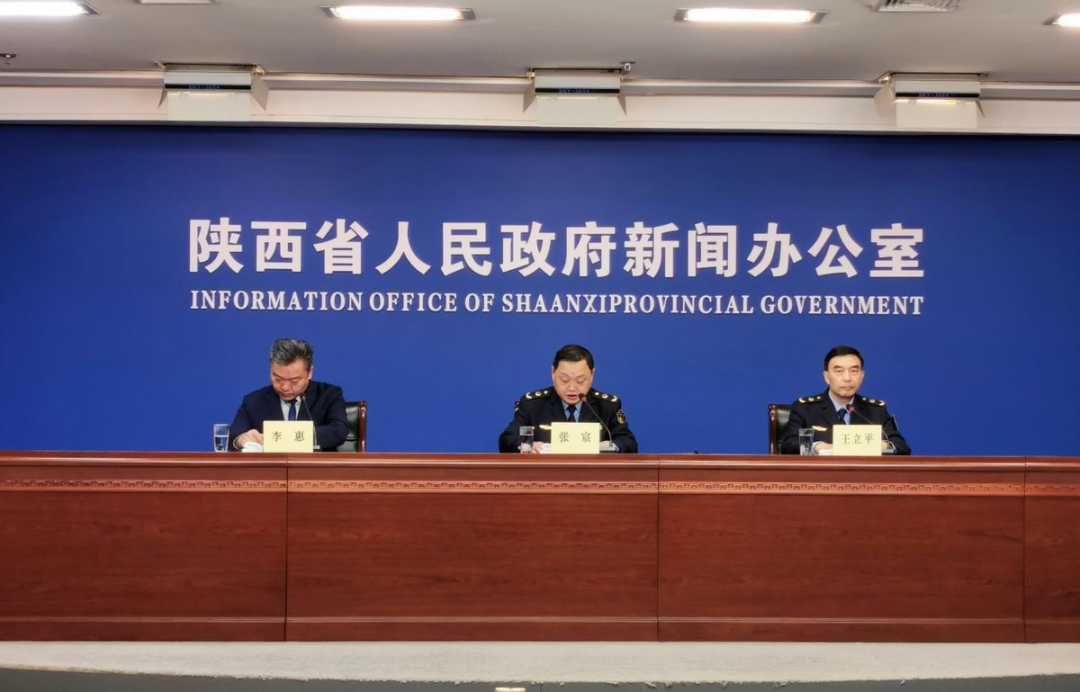
Recently, the News Office of the Shaanxi Provincial Government held a press conference. The Shaanxi Provincial Drug Administration identified 34 risk items across nine areas in the "two products and one device" field, establishing the "Work Ledger for Preventing and Resolving Major Drug Safety Risk Hazards Province-wide." Through methods such as checklist systems and cancellation systems, they aim to eliminate risk hazards. On one hand, they are vigorously promoting the "Inspection and Investigation Combination" and "Sampling and Inspection Separation" reforms. Via the "Inspection and Investigation Combination," they have discovered and transferred 150 case leads, referred 38 case leads to public security organs, and tested 44 batches of "two products and one device" through the sampling green channel. On the other hand, they are making full use of the Shaanxi Province Drug Safety Supervision Comprehensive Business System, establishing 1.58 million enterprise files, 11,000 product files, and 120,000 "key personnel" files for "two products and one device." This enables core operations like licensing (filing), inspections, sampling, investigations, and credit rating for "two products and one device" at the provincial, municipal, and county levels to be conducted entirely online with "full-process online handling" and "approval without face-to-face meetings."
16
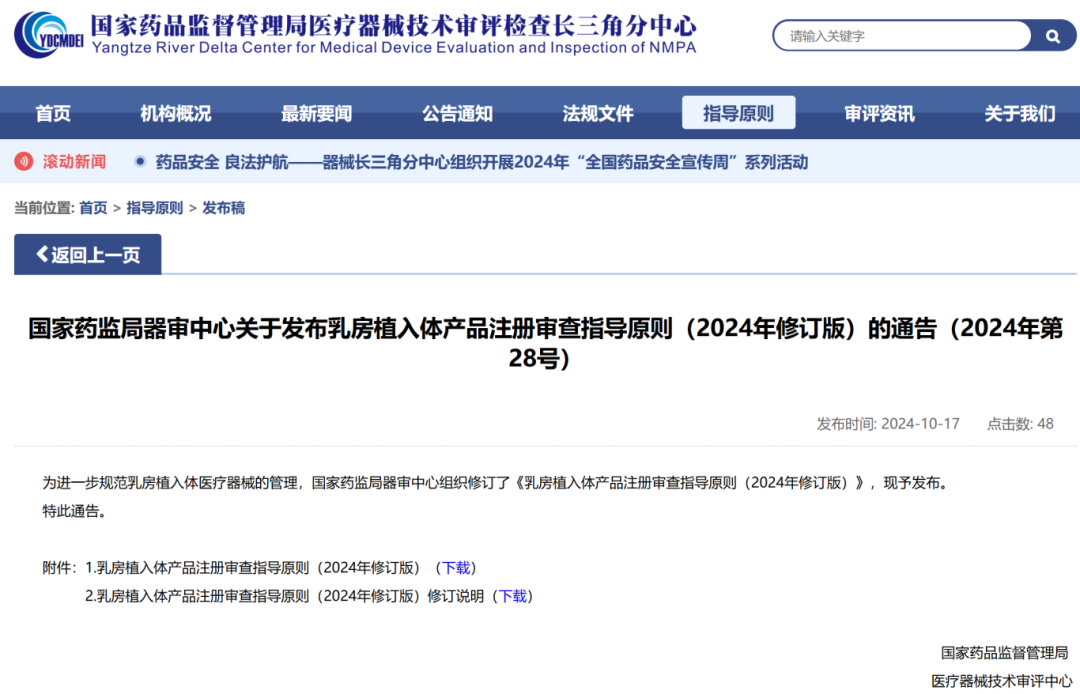
NMPA CMDE Releases "Guiding Principles for Registration Review of Breast Implant Products (Revised Edition 2024)
Recently, in order to further standardize the management of breast implant medical devices, the Center for Medical Device Evaluation of the National Medical Products Administration has organized the revision of the "Guiding Principles for the Registration Review of Breast Implant Products (2024 Revised Edition)." The breast implants covered by this guiding principle refer to those used in breast reconstruction and augmentation (excluding filling materials without a silicone rubber shell), mainly including the following types: 1. Silicone gel-filled breast implants, where the outer layer is a silicone rubber shell primarily made of polysiloxanes (e.g., polydimethylsiloxane, polymethylphenylsiloxane), filled with a certain amount of silicone gel. 2. Other filled breast implants, where the outer layer is a silicone rubber shell primarily made of polysiloxanes (e.g., polydimethylsiloxane, polymethylphenylsiloxane), filled with saline or other substances.
17
Shandong Province Launches Special Inspection of Medical Devices in Operating Rooms
Recently, the Sixth Branch of the Shandong Provincial Drug Administration launched a special inspection campaign for operating room medical devices, focusing on surgical shadowless lamps and electric operating tables. In this special inspection, the Sixth Branch formulated an inspection plan based on product risk points identified through supervisory sampling, adverse event reports, and complaints. The key aspects of the inspection include enhancing the competency of key personnel, the operation of quality management systems, and the ability to control product quality and safety. A comprehensive and in-depth inspection has been carried out. So far, the Sixth Branch has inspected medical device manufacturers producing operating room equipment.14 companies, proposed rectification opinions on the identified issues, effectively enhancing the quality and safety awareness of medical device manufacturers for operating rooms and ensuring product quality and safety.
18
FDA Releases Draft Guidance on Chemical Analysis for Biocompatibility Assessment of Medical Devices
Recently,FDA Releases Draft Guidance Document on Chemical Analysis for Biocompatibility Assessment of Medical Devices. Based on the FDA's experience in reviewing market entry application documents, this guidance document focuses on extraction studies in chemical characterization and recommends chemical analysis methods for assessing the biocompatibility of medical devices. The aim is to enhance the consistency and reliability of chemical analyses, thereby demonstrating the biocompatibility of medical devices. In accordance with ISO 10993-18, chemical characterization is used to identify substances that may be released from medical devices into the body, addressing certain risks in the biological evaluation process. For instance, combined with toxicological assessments (RTA) per ISO 10993-17, chemical characterization can replace certain biocompatibility tests. Alternatively, as part of a bioequivalence evaluation, it can involve comparing the chemical equivalence with previously biocompatible devices.
19
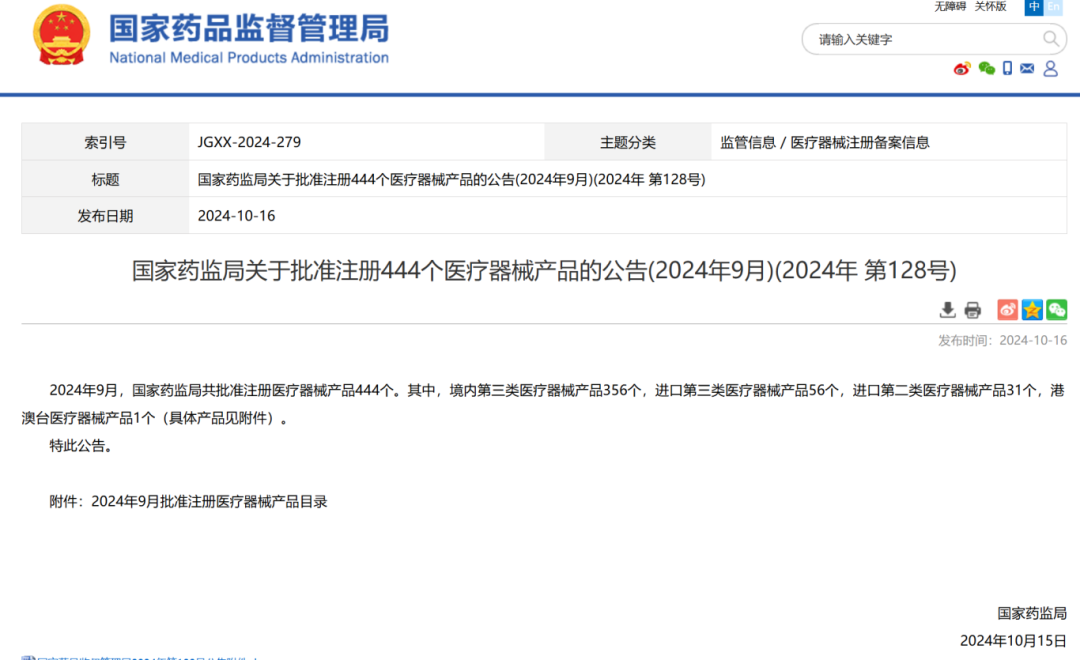
National Medical Products Administration444 Medical Device Products Approved for Registration in September
Recently, the National Medical Products Administration (NMPA) has approved the registration of medical device products.444 products. Among them, 356 are Class III medical device products manufactured in China, 56 are imported Class III medical device products, 31 are imported Class II medical device products, and 1 is a medical device product from Hong Kong, Macao, or Taiwan (specific products are listed in the attachment). Some of the products are as follows: Tuberculosis Mycobacterium-Specific Cellular Immune Response Detection Kit (Fluorescence Immunochromatography), Navigation and Positioning Microwave Ablation System, Toxoplasma IgM Antibody Detection Kit (Direct Chemiluminescence), X-ray Computed Tomography Equipment, Pneumatic External Counterpulsation Device, Gene Sequencer, Human ALDH2 Gene Polymorphism Nucleic Acid Detection Kit (PCR-Fluorescent Probe Method).
20
Jiangxi Province"Medical Device and Cosmetic On-site Inspection Management System" Selected as a Classic Case of Smart Drug Regulation in China
Recently, the "Pharmaceuticals, Medical Devices, and Cosmetics On-site Inspection Management System" developed by the Jiangxi Provincial Drug Certification and Evaluation Center stood out among 79 typical cases selected by the Information Center of the National Medical Products Administration over the past six years. It was successfully chosen as one of the four classic cases of smart pharmaceutical regulation in China. The Pharmaceuticals, Medical Devices, and Cosmetics On-site Inspection Management System is centered on the core concept of "5G + Inspection + Supervision," covering standardized processes such as technical evaluation, plan formulation, on-site inspection, and comprehensive assessment. After more than a decade of upgrades and improvements since its full operation, the system has been practically applied in 4,496 on-site inspections. It innovatively established a "Five Databases, Three Terminals, One Platform" architecture (Five Databases: Regulatory Standards Information Database, Enterprise Basic Information Database, Enterprise On-site Inspection Deficiency Database, Enterprise On-site Inspection Materials Database, Enterprise Product Supervisory Sampling Results Record Database; Three Terminals: Center Management Terminal, Enterprise Terminal, Inspector Terminal; One Platform: Enterprise-Center-Inspection Team Information Communication Platform), achieving full lifecycle electronic process closed-loop coverage for on-site inspections of pharmaceuticals, medical devices, and cosmetics.
21
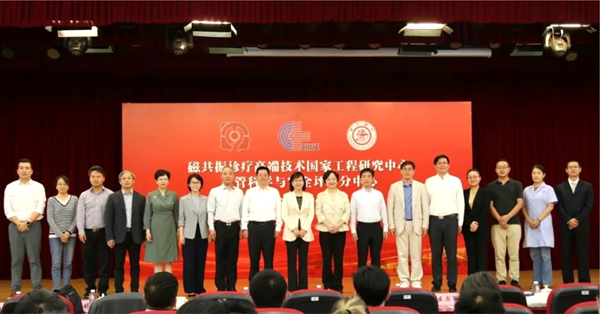
The Regulatory Science and Safety Evaluation Sub-center of the National Engineering Research Center for Advanced MRI Diagnostic and Therapeutic Technologies Established
Recently, the "Regulatory Science and Safety Evaluation Sub-center of the National Engineering Research Center for Advanced MRI Diagnostic and Therapeutic Technologies" was officially established at the Shanghai Medical Device Inspection and Research Institute. The establishment of this sub-center marks a significant collaborative advancement in the field of MRI regulatory science by the Engineering Center, following the Clinical Brain Imaging Sub-center. Future efforts will focus on developing standards for MRI-related medical device products, establishing safety evaluation systems, and researching innovative product development. Based on the principle of "complementary advantages and common development," the National Engineering Research Center for Advanced MRI Diagnostic and Therapeutic Technologies and the Medical Device Institute will jointly tackle technical challenges.
22
Heilongjiang Province Releases Detailed Rules for the Implementation of Medical Device Industrialization Reward Policies (Draft for Comments)
Recently, Heilongjiang Province has formulated implementation rules to encourage the rapid establishment of industrial scale for high-end innovative medical devices and actively expand the market. These rules are based on the "Several Policy Measures of Heilongjiang Province to Support the High-Quality Development of the Bioeconomy" and the relevant provisions regarding the optimization, adjustment, and application of policy outcomes from key performance evaluations. The medical device products referred to in the implementation rules are those that comply with the provisions of the "Regulations on the Supervision and Administration of Medical Devices" and the "Measures for the Administration of Medical Device Registration and Filing.""Products listed in the Heilongjiang Province Innovative Medical Device Application Demonstration Project" refer to products that meet the requirements of the Implementation Plan of the Heilongjiang Province Innovative Medical Device Application Demonstration Project and are included in the Implementation List of the Heilongjiang Province Innovative Medical Device Application Demonstration Project. The implementation of the reward policy adheres to the principle of universality. Any applicant unit that meets the conditions stipulated by the policy will enjoy policy support in a fair, open, and just manner.
23
NMPA CMDE Releases Guiding Principles for Registration Review of Imaging-Type Ultrasound Diagnostic Equipment (Class III)
Recently, the Center for Medical Device Evaluation of the National Medical Products Administration has formulated the "Guiding Principles for Registration Review of Imaging Ultrasound Diagnostic Equipment (Class III)" ((Revised Edition 2023)》,The Guideline aims to guide registration applicants in the preparation and writing of registration application materials for imaging-type ultrasound diagnostic equipment (Class III), while also providing reference for technical review departments in reviewing registration application materials. The Guideline applies to the registration applications of Class III imaging-type ultrasound diagnostic equipment, including ultrasonic pulse-echo imaging equipment (classification code 06-07-01), ultrasonic echo Doppler imaging equipment (classification code 06-07-02), ultrasonic probes (classification code 06-08-04), and ultrasonic electronic endoscopes (06-17-04). It does not include intravascular ultrasound systems (IVUS) or ophthalmic ultrasound diagnostic equipment. For color Doppler blood flow imaging systems within Class II imaging-type ultrasound diagnostic equipment, applicable sections of the Guideline may be referenced.
24
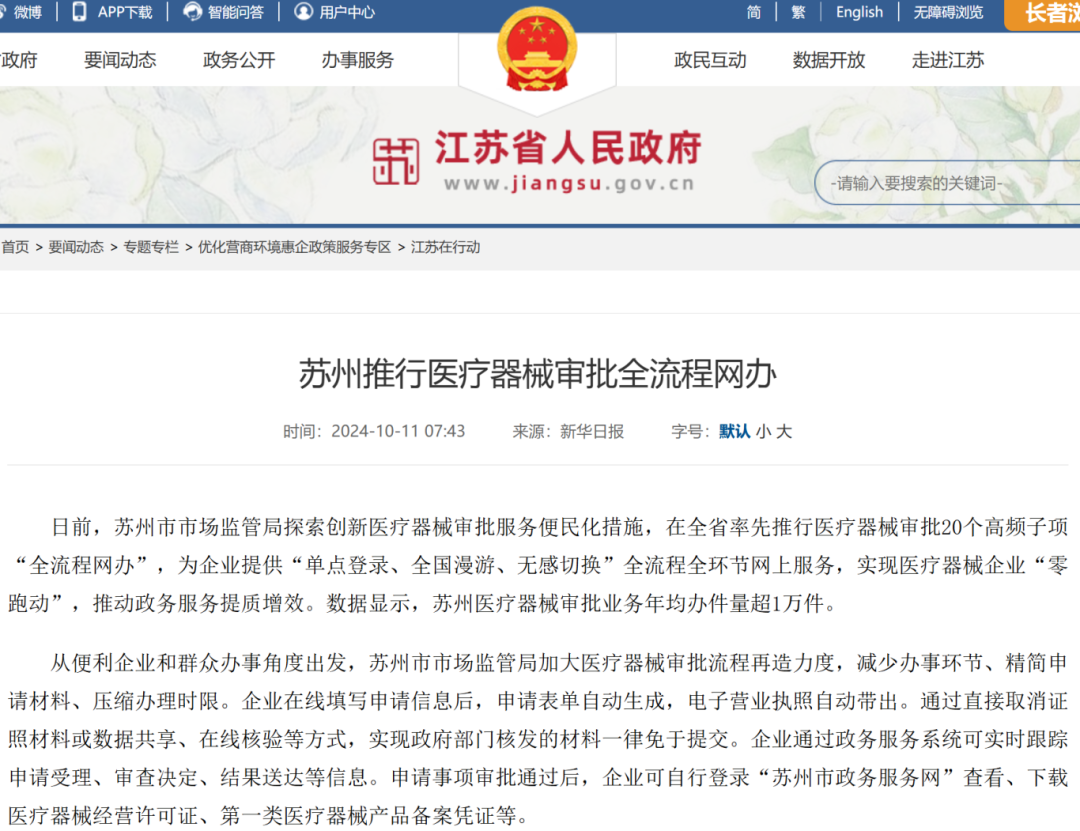
Suzhou City, Jiangsu Province Implements Full-process Online Approval for Medical Devices
Pioneering the Implementation of Medical Device Approval in the Province20 High-Frequency Sub-items Achieve "Full Process Online Handling". After enterprises fill in the application information online, the application form is automatically generated, and the electronic business license is automatically displayed. By directly canceling certificate materials or through data sharing and online verification, all materials issued by government departments are exempt from submission. Enterprises can track in real time the application acceptance, review decision, result delivery, and other information through the government service system. After the application is approved, enterprises can log in to the "Suzhou Government Service Website" to view and download the Medical Device Operation Permit, the First-Class Medical Device Product Filing Certificate, and others. The handling of high-frequency medical device approval items for enterprises has shifted from "reduced trips" to "zero trips," and the processing time for the Medical Device Operation Permit has been reduced from 20 working days to 5 working days.
25
NMPA Center for Medical Device Evaluation Solicitation"Research on Evaluation Technology of Tissue Engineering Medical Device Products for Abdominal Wall Soft Tissue Defect Repair" Company
Recently, in order to actively promote the key projects of the drug regulatory science system construction, the pre-market research project tasks for medical devicesResearch on the Evaluation Technology of Tissue Engineering Medical Device Products for Abdominal Wall Soft Tissue Defect Repair" Related Work: Research and optimization of evaluation methods for the physical and mechanical properties of such products, animal models for evaluating the efficacy of abdominal wall defect repair and regeneration, and supporting methodologies. The Center for Medical Device Evaluation (CMDE) of the National Medical Products Administration (NMPA) is now soliciting participating organizations. Enterprises inside and outside of China with research experience in this type of product are encouraged to participate actively. Interested enterprises and organizations should fill out the information collection form and submit it to the CMDE by email before October 18, 2024. The email subject should be named in the format "Abdominal Wall Soft Tissue Repair + Organization Name."
26
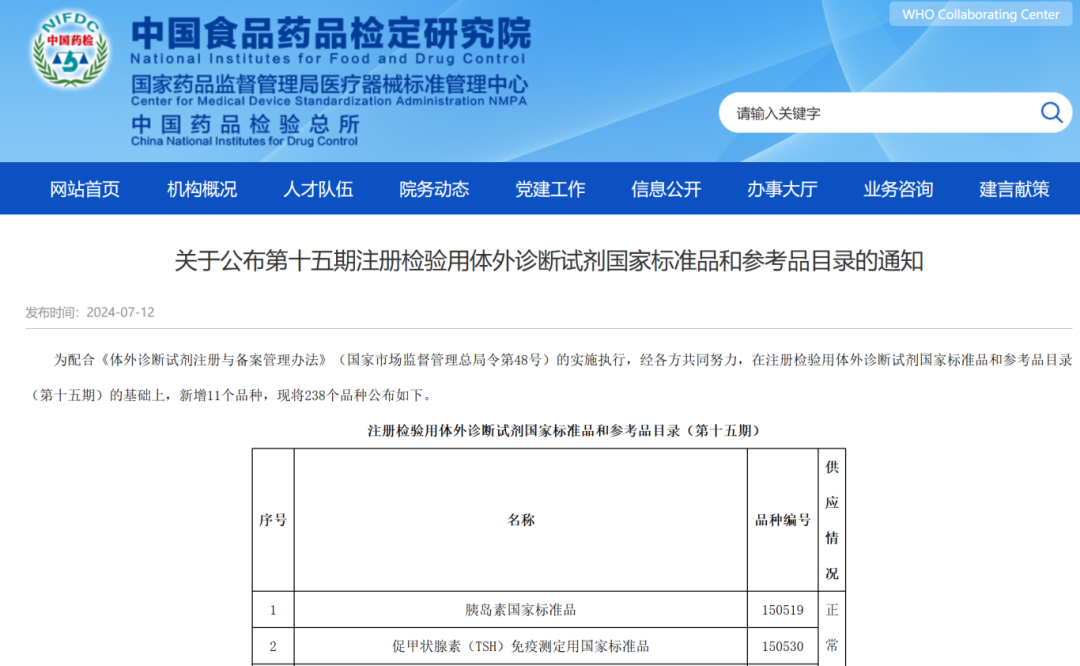
11 New Varieties Added to the IVD National Reference Catalog
Recently, the National Institutes for Food and Drug Control (NIFDC) released a notice about"Notice on the Publication of the 15th List of National Standards and Reference Materials for In Vitro Diagnostic Reagents for Registration Testing," the specific content is as follows: To implement the "Administrative Measures for the Registration and Filing of In Vitro Diagnostic Reagents" (Order No. 48 of the State Administration for Market Regulation), with the joint efforts of all parties, 11 new varieties have been added based on the 15th list of national standards and reference materials for in vitro diagnostic reagents for registration testing. For details on the 238 varieties, please refer to the website of the National Institutes for Food and Drug Control (NIFDC).
Note: The information in this article is compiled based on online news.

END