

LTZ Therapeutics Founder Dr. Robert Li: How Myeloid Cell Engagers Address the Challenges of the Post-PD-1 Era
LTZ Therapeutics
Immunotherapy Developer

Recently, Jinze Li, the founder and CEO of LTZ Therapeutics, in an exclusive interview with PharmR&D, explained the reasons for choosing myeloid cell engagers as the research direction when establishing the company. He further pointed out that he hopes myeloid cell engagers can bring valuable clinical responses to patients while creating linkage and synergistic effects with clinically validated treatment methods, truly transforming cancer into a chronic disease. He also shared that another key strategy of LTZ Therapeutics is business development, exploring diverse forms of collaboration.
Reprinted with permission from Qiming Venture Partners' WeChat Official Account.
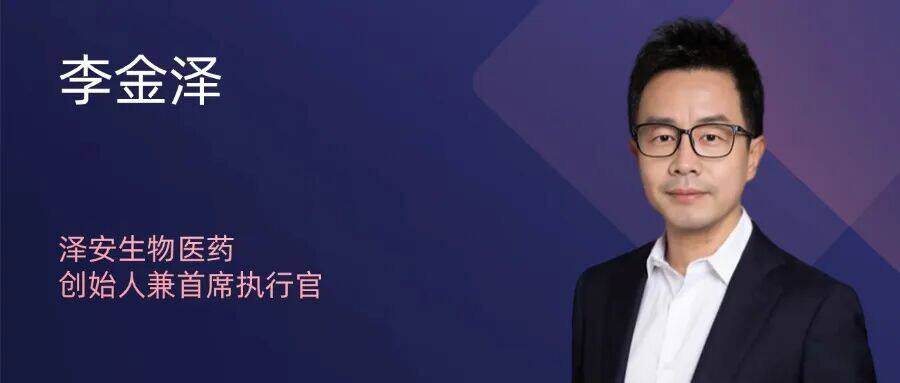
At 7:30 AM Beijing Time, LTZ Therapeutics in Silicon Valley, USAFounder and CEO, Dr. Jinze Li(Robert Li)On time. Since founding the company in early 2022, he has embarked on a "frequent flyer" routine, shuttling between China and the U.S.This international layout and global integrated development strategy leverage the comparative advantages of key regulatory markets, becoming a significant advantage for LTZ Therapeutics in the capital market.
In the past three years, this rising company has completed one round of financing each year, with a total financing of approximately 50 million US dollars. The investors include well-known institutions such as Qiming Venture Partners. Currently, LTZ Therapeutics has not only validated its myeloid cell engager in various preclinical testing systems.Technology platform, and has advanced the first product, LTZ-301, to the IND-enabling stage.
It is reported that currently, the only company competing with LTZ Therapeutics globally is Dren Bio. "We have also been striving to maintain our leading edge," said Li Jinze. Just in July this year, Novartis entered into a strategic collaboration with Dren Bio, utilizing the latter’s targeted myeloid cell engager and phagocytosis platform to discover and develop bispecific antibody therapies. The collaboration involves a total amount of up to $3 billion plus tiered sales royalties. As Novartis’ move into this niche field has come to light, myeloid cell engagers have started to capture industry attention.
In the past decade, immunotherapy has become one of the mainstream treatment methods, but its limitations are also very obvious: on the one hand, during the development process, a series of new immune checkpoint inhibitors(ICI)Although impressive data from animal models are often difficult to replicate in the human immune system, leading to a low clinical translation rate and drugability; on the other hand, in clinical practice, the drugability of ICI.(such as PD-1 inhibitors)Universally face challenges such as low response and high drug resistance, especially in the treatment of solid tumors. The lack of clinical relevance and clinically relevant evaluation models are key factors.
So, how to address these clinical pain points in the post-PD-1 era? In 2022, renowned immunologist and Nobel laureate Professor James Allison published an editorial in a subsidiary journal of *Science*, pointing out: "In view of the many failures experienced in the numerous ongoing clinical trials, we need to adopt a 'reverse translational approach.'"(Reverse Translational Approach)"By using longitudinal patient data, we can understand the evolving immune responses within the tumor microenvironment."
LTZ Therapeutics was born based on the vast amount of clinical data accumulated during the development and application of a wide variety of ICIs. It is reported that,Li Jinze led the team, starting from clinical relevance and guided by "Reverse Translational Medicine" and "Tumor Microenvironment Biology," to strategically determine the R&D direction of LTZ Therapeutics – myeloid cell engagers, aiming to enhance the clinical translation rate and response rate of next-generation immunotherapies.
02/
Why Choose Myeloid Cells
Effector Cells in Immunotherapy(Effector Cell)It is usually a type of immune cell, such as T cells, NK cells, or myeloid cells. LTZ Therapeutics chose myeloid cells based on their unique advantages:
First, a large number of studies have shown that, in the tumor microenvironment, myeloid cells(Especially macrophages)Highly enriched,For drug molecules to kill target cells(such as tumor cells)Prepared a vast array of "weapons."
Second,Even in the tumor microenvironment of end-stage patients, the expression of "activating receptors" on myeloid cells remains abundant and stable.Providing a wealth of "handles" for drug molecules to "pick up" "weapons" and eliminate target cells.
Third,The enrichment and receptor adequacy of myeloid cells span not only across tumor types but also across therapeutic areas."Whether it's a hot tumor or a cold tumor, myeloid cells are much more abundant than other types of immune cells within the tumor microenvironment. Additionally, aside from tumors, myeloid cells are also highly enriched in autoimmune diseases," said Li Jinze."This provides a solid clinical biological basis — myeloid cells can serve as a highly effective type of 'effector cell' for the broad treatment of tumors."(especially for solid tumors with low response rates to existing drugs), a series of broad-spectrum indications including autoimmune diseases."
03/
Why Choose "Connector"
After clarifying the use of myeloid cells as effector cells, it is also necessary to determine the form of drug to regulate myeloid cells. For example, myeloid cell engagers and immune checkpoint inhibitors such as CD47 antibodies are both related to macrophages but exhibit different mechanisms of action—CD47 antibodies restore the natural phagocytic function of macrophages by relieving immunosuppression.(Release the brake), while the myeloid cell engagers directly activate immune cells such as macrophages and promote their direct killing of target cells.(Step on the gas)。
Among various drug forms,LTZ TherapeuticsThe selection of "adapters" has its special considerations. According to Li Jinze,LTZ TherapeuticsThe founding team, during their tenure at large multinational pharmaceutical companies, were all deeply involved in the research and development of the first generation of immune cell engagers.(Immune Cell Engager,ICE)——T Cell Engager(TCE), accumulating rich industrial experience in the "connector" class of drugs. Currently, multiple TCEs have been approved for marketing in Europe and America. Another type of ICE—NK cell connector(NKCE)Has also entered Phase 2 clinical trials. This providesLTZ TherapeuticsThe myeloid cell connector provides a referenceable example.
On the other hand,The mechanism of action of ICE is simple and direct, following a "binding-activation-killing" trilogy—provided there are sufficient effector cells physiologically present and they express adequate activating receptors, the binding of effector cells to target cells leads to activation, and activation triggers killing.This is expected to significantly improve the low clinical translation rate and low druggability caused by "species differences" from animal models to human trials, as well as the low response rate formed by traditional drug formats regulating complex signaling pathways, thereby becoming one of the effective solutions to the clinical pain points in the "post-PD-1 era."
"Of course, many diseases require a combination of various treatment methods to achieve the best results. Combination therapy is one of the important strategies to enhance efficacy. Therefore, we hope that the myeloid cell engager can bring valuable clinical responses to patients, while also creating linkage and synergistic effects with clinically validated treatment methods, truly transforming cancer into a chronic disease," said Li Jinze.
04/
Entering the clinical stage next year
Starting from clinically relevant information,LTZ TherapeuticsDesigned a myeloid cell engager platform and molecules, and evaluated them with clinically relevant drug assessment systems whenever possible.(such as 3D organoid models)Conduct screening and evaluation. According to reports,LTZ TherapeuticsThe first molecule, LTZ-301, has demonstrated significant therapeutic advantages in preclinical studies, including potent killing efficacy and phagocytic efficiency, broad-spectrum activity across effector cell subtypes, universal applicability across targets and cancer types, and a substantially reduced "efficacy-to-target ratio" threshold; meanwhile, it exhibits good safety.
In terms of the potential for indication expansion, since LTZ-301 targets an antigen specifically expressed on B cells, this molecule can effectively kill and deplete B cells, endowing it with a dual-function capability—treating both B-cell lymphoma and autoimmune diseases mediated by B cells.LTZ TherapeuticsThe candidate drug is expected to enter Phase 1 clinical trials early next year.
Next,In addition to further verifying the technology platform in clinical settings and rapidly advancing pipeline development,LTZ TherapeuticsAnother important strategy is business expansion.It is reported that, with data continuously being generated, accumulated, verified, and cross-validated, the company is gaining increasing attention worldwide, especially from multinational pharmaceutical enterprises. It has already initiated dialogue with potential partners. The company remains open to various forms of collaboration, including but not limited to strategic partnerships on technology platforms, licensing of ongoing pipelines, combination therapies with other molecules, and more.
05/
The Long-Awaited Entrepreneurship
For Li Jinze Yu, entrepreneurship is a must, with an innate entrepreneurial spirit rooted in his genes.When the accumulation of professional skills and management abilities transforms from quantitative to qualitative, entrepreneurship becomes a natural outcome.
As a seasoned expert in new drug development, Li Jinze has successively served as a senior executive at several large multinational pharmaceutical companies such as BMS, Genentech, and VIR. He has led functional divisions including preclinical efficacy evaluation, translational medicine, early clinical development, and overall project design and execution. His expertise spans small-molecule targeted anticancer drugs, large-molecule cancer immunotherapies, and various forms of immune disease treatment drugs, leading teams to complete the development of multiple blockbuster molecules. When Li presented his entrepreneurial blueprint to Xianfeng Qiyun and Qiming Venture Capital, the two firms were actively seeking investment opportunities in the ICE field, where they had already developed a deep understanding and substantial experience. This mutual convergence marked the starting point of their collaboration.LTZ TherapeuticsThe first historic step in the entrepreneurial journey.
LTZ TherapeuticsThe two co-founders——Dr. Martin Treder and Dr. Jianhui Zhou, also immediately agreed upon receiving his invitation. Currently,LTZ TherapeuticsThe team has expanded to 30 industry elites and welcomed a Scientific Advisory Board composed of six international industry leaders.
Now,LTZ TherapeuticsThe ship of original innovation is sailing forward on the vast ocean of new drug development, braving the wind and waves. In this sea of innovation, there are thousands of sails racing and hundreds of boats competing, as well as pulling together and achieving win-win cooperation. A new round of breakthroughs and achievements is quietly gathering momentum.

Qiming Venture Partners was founded in 2006.Currently, Qiming Venture Partners manages 11 US dollar funds and 7 RMB funds, with total managed assets under management reaching 9.5 billion US dollars. Since its establishment, it has focused on investing in outstanding companies in the early and growth stages of the Technology and Consumer (T&C) and Healthcare industries.
As of now, Qiming Venture Partners has invested in more than 530 rapidly growing innovative companies, of which over 200 have been listed on exchanges such as the New York Stock Exchange, NASDAQ, Hong Kong Stock Exchange, Shanghai Stock Exchange, and Shenzhen Stock Exchange, or exited through mergers and acquisitions. More than 70 of these companies have become unicorns or super unicorns recognized within their industries.
Among the portfolio companies of Qiming Venture Partners, many have grown into the most influential companies in their respective fields, including Xiaomi Corporation (01810.HK), Meituan (03690.HK), Bilibili (NASDAQ:BILI, 09626.HK), Zhihu (NYSE:ZH, 02390.HK), Roborock (688169.SH), Gan & Lee Pharmaceuticals (603087.SH), Tigermed (300347.SZ, 03347.HK), Zai Lab (NASDAQ:ZLAB, 09688.HK), CanSino Biologics (688185.SH, 06185.HK), Schrödinger (NASDAQ:SDGR), Hithrone Medical (688617.SH), New Horizon Health (06606.HK), Sanyou Medical (688085.SH), AmoyDx (300685.SZ), Berry Genomics (000710.SZ), Sinocelltech (688520.SH), UBTECH Robotics (09880.HK), Yuanxin Technology, Caidya, Belief BioMed, WeRide, and Biren Technology, among others.