China's First Gene Therapy Success for Foreign SCD Patient by Bonray Bio Marks Global Milestone

BRL Medicine
Cell and Gene Therapy Drug Developer
December 20242The other day, BRL Medicine Inc. (hereinafter referred to as "BRL Medicine"), which focuses on gene and cell therapy, announced,Its target is sickle cell anemia (SCD (short for "sickle cell disease") gene therapy product (pipeline code: BRL-102) in an investigator-initiated clinical trial (IIT) conducted in collaboration with the First Affiliated Hospital of Guangxi Medical University,The first patient successfully completed the infusion treatment, achieved neutrophil and platelet engraftment, and was discharged smoothly on December 2, 2024, meeting the discharge criteria. This is also the first successful case in China of a foreign patient with sickle cell anemia treated by gene therapy.It is also worth mentioning that this product is a new indication expanded by BRL Medicine based on its first gene therapy product, BRL-101. The successful treatment of the first patient in this case once again verifies the safety and effectiveness of BRL Medicine's hematopoietic stem cell gene therapy. This means that BRL Medicine is once again in a leading position in the field of gene therapy for hereditary blood diseases, and will bring more accessible and effective treatment options to patients worldwide.
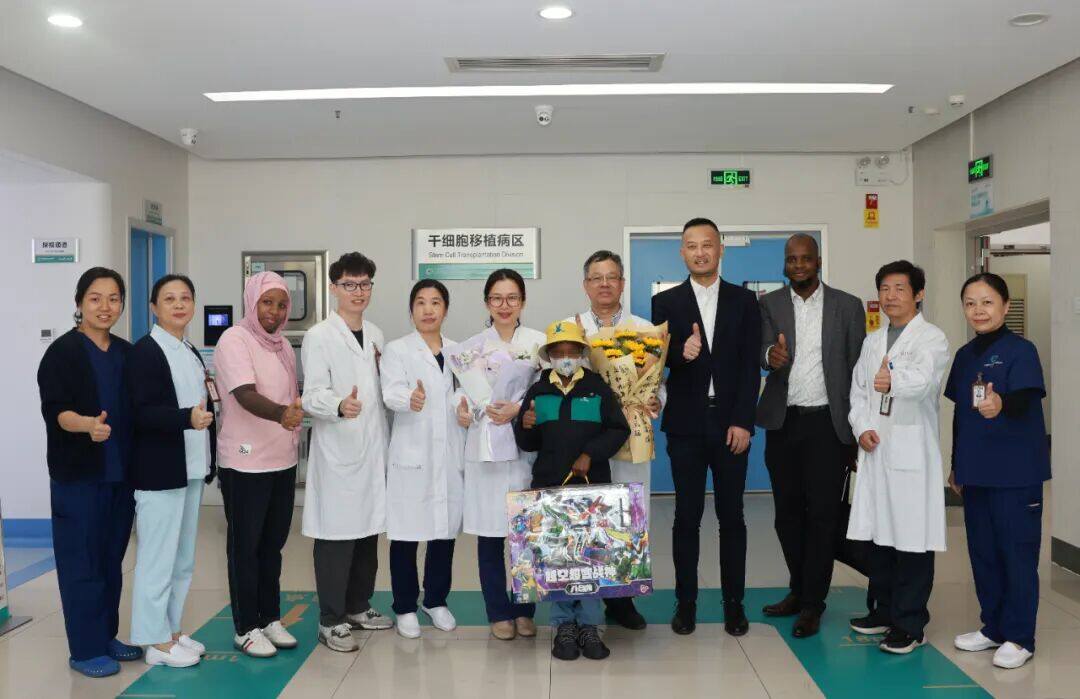
The First Foreign Patient with Sickle Cell Anemia, "Philip," Treated by BRL-102 Gene Therapy Successfully Discharged, Poses for a Photo with the Medical Team Including Chief Physician Lai Yongrong (8th from left) and Liu Rongrong (6th from left) of the First Affiliated Hospital of Guangxi Medical University, and Wang Xiaocheng (9th from left), Clinical Vice President of BRL Medicine.
Hemoglobinopathy is a monogenic hereditary disease with a wide global distribution, affecting a large population and posing serious threats to life and health. It mainly includes thalassemia and sickle cell anemia (commonly referred to as thalassemia and sickle anemia). Hemoglobinopathies are widely distributed in areas such as the Mediterranean coast, the Middle East, Africa, and Southeast Asia. In China, it is highly prevalent in southern provinces such as Guangdong, Guangxi, Hainan, Yunnan, and Guizhou. Among these diseases, sickle cell anemia is an autosomal dominant hemoglobin (Hb) disorder where the substitution of glutamic acid by valine at position 6 of the β-globin chain results in abnormal hemoglobin S (HbS), giving red blood cells their characteristic sickle shape. Clinical manifestations include chronic hemolytic anemia, susceptibility to infections, and recurrent pain crises leading to chronic localized ischemia, causing organ and tissue damage.
Currently, there are over 300,000 patients with sickle cell disease (SCD) worldwide, with a global incidence rate of 8/100,000. This disease is commonly seen among Black populations in Africa and the Americas. For instance, the incidence rate is 1/600 among African Americans and 1/1400 to 1/1000 among Hispanic Americans. At present, SCD patients are primarily treated with methods such as blood transfusions and medications. Without adequate medical care, most patients die before the age of 30. Allogeneic hematopoietic stem cell transplantation is the only effective treatment for SCD, but it is expensive, and less than 18% of patients can find matched related donors. Therefore, gene therapy, which involves transplanting genes ex vivo into autologous hematopoietic stem cells for therapeutic purposes, offers the potential for a "one-time treatment, lifelong cure" for patients with SCD.
The first patient in the IIT clinical trial of BRL Medicine's BRL-102 is Philip, an 11-year-old boy born in 2013 from Guinea, a country in West Africa.(Pseudonym)。Born with anemia, his hemoglobin (Hb) level was found to be between 50~82g/L, mostly at 75g/L. Moreover, due to his rare Rh-negative blood type (commonly known as "panda blood"), Philip's regular blood transfusions were extremely challenging. Before receiving BRL-102 gene therapy, he had only undergone two blood transfusions. It is reported that Philip began experiencing intermittent bone pain symptoms at the age of four. In recent years, acute pain episodes have frequently occurred, such as repeated joint swelling and pain (in finger joints, lower limb joints, elbow joints, etc.) or bone pain. He had used non-steroidal anti-inflammatory drugs, which carry a high risk of infection. Therefore, for 11-year-old Philip and his family, finding a safe and long-term effective treatment has become an urgent priority. Eight years ago, Philip’s family moved to Guangzhou for work and life, and they have been under the long-term follow-up care of Director Feng Xiaoqin from the Pediatric Hematology Department of Nanfang Hospital. Through BRL Medicine, Director Feng learned that the First Affiliated Hospital of Guangxi Medical University had approved and initiated clinical research on gene therapy for sickle cell anemia. To save the young patient's life as soon as possible, Director Feng immediately referred him to the hospital, completing this "relay of love" to treat the young foreign patient.
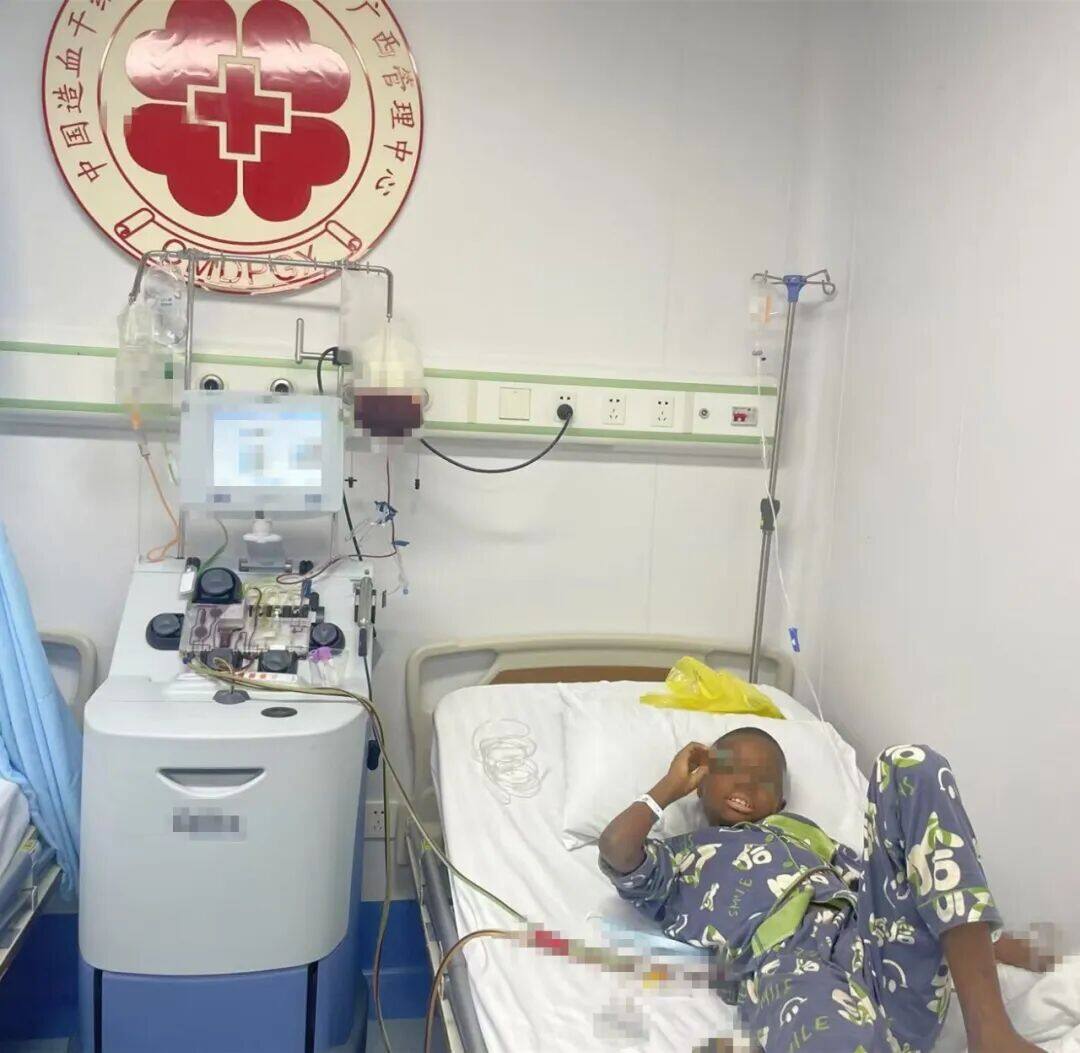
Preparation for the First Sickle Cell Anemia Patient "Philip" to Receive BRL-102 Treatment
This is an IIT clinical trial conducted by BRL Medicine in collaboration with Director Lai Yongrong from the First Affiliated Hospital of Guangxi Medical University, "aimed at evaluating the safety and efficacy of a single intravenous infusion of BRL-102 for treating sickle cell anemia."Before formally accepting BRL-102 gene therapy, due to the particularity of sickle cell disease, the clinical team of BRL Medicine and the research team from Guangxi Medical University made thorough preparations in advance. They not only professionally evaluated Philip's eligibility for enrollment and conducted various indicator tests but also organized multiple literature study discussions.On October 25, 2024, Philip completed the first infusion of BRL-102 cell injection. Neutrophil engraftment was rapidly achieved on the 17th day, and platelet engraftment was successfully achieved on the 35th day.Clinical results showed that the patient had initially demonstrated significant efficacy one month after the cell infusion.The proportion of fetal hemoglobin (HbF) increased from a baseline of 4.6% to 26.1%, and the total hemoglobin rose from 52 g/L to 104 g/L within nearly 3 weeks without red blood cell transfusion.Given the overall positive condition, Philip has successfully met the discharge criteria and will continue to be observed outside the hospital for the efficacy and safety of BRL-102. Notably, Philip did not experience any severe adverse events throughout the treatment process. This medical journey in China was also a weighty decision for Philip and his family.Philip's mother said, "This has been an unforgettable journey of exploration. Thank you to BRL Medicine and the medical team from China for showing so much care. It's absolutely incredible how gene therapy has been able to treat Philip's condition so quickly."
The successful treatment of the first sickle cell anemia patient, Philip,Chief Physician of the Department of Hematology, First Affiliated Hospital of Guangxi Medical UniversityLai YongrongThe professor said"This is the first successful case of gene therapy for sickle cell anemia in China. Sickle cell anemia and β-thalassemia both belong to hemoglobin disorders caused by genetic abnormalities. The most effective treatments are hematopoietic stem cell transplantation and gene therapy, with the key to gene therapy being the efficiency and safety of gene-editing technology. Additionally, due to its unique geographical distribution, sickle cell anemia is more prevalent in Latin American countries, and because of the nature of the disease, treating it poses a significant challenge. We are very pleased that this clinical study was conducted in collaboration with BRL Medicine, a company that possesses world-leading gene-editing technology, which enabled the successful treatment of this patient, marking the first such case in China."
In addition,Chief Physician of the Department of Hematology, First Affiliated Hospital of Guangxi Medical UniversityLiu RongrongIndicates:"Based on the current treatment outcomes, the patient's recovery after receiving the BRL-102 cell injection has been very promising. The dual engraftment criteria were achieved in just 35 days, with hemoglobin levels continuously rising and no significant abnormalities observed in liver and kidney functions or other indicators. This successful clinical case demonstrates the tremendous potential of gene therapy in treating hereditary blood disorders and signifies that gene therapy capabilities in China are gradually aligning with international standards. It is hoped that through the joint efforts of all parties, gene therapy can be brought to market as soon as possible for the benefit of a wide range of patients."
In response to this,BRL MedicineCEOZheng BiaoDr. also said"The successful treatment and discharge of the first foreign patient in the IIT clinical trial of BRL-102 brings us one step closer to our goal of providing a ‘one-time cure’ therapy for patients with hereditary blood diseases worldwide. In the future, we will accelerate the clinical translation of this gene therapy product and the regulatory submission process in both China and the U.S., pushing for its swift commercialization. As one of the earliest companies globally to engage in the research and application of gene-editing technology, we will continue to leverage our increasingly robust industry layout and global R&D network to advance the development and implementation of multiple product pipelines. This effort aims to offer better and more accessible treatment options for patients suffering from genetic disorders, malignant tumors, and autoimmune diseases around the world."
Chairman of BRL MedicineLiu MingyaoThe professor said: "We are very pleased to see the success of the first sickle cell anemia patient treated with BRL Medicine's BRL-102 gene therapy. We sincerely thank the clinical experts, patients, and their families who participated in and supported this research, as well as everyone for their trust in BRL Medicine's gene therapy. Particularly, this case involved the treatment of a foreign sickle cell anemia patient whose condition and blood type were quite unique, presenting a significant challenge for the entire R&D and clinical medical team. Achieving such excellent results not only signifies another technological breakthrough for BRL Medicine’s gene therapy but also demonstrates its potential to effectively treat rare hereditary blood disorders, benefiting a wide range of patients. Moreover, whether it is thalassemia or sickle cell anemia, conventional treatment options carry a high risk of infection and lifelong blood transfusions are costly. In contrast, gene therapy can achieve the remarkable effect of 'one-time treatment, lifelong cure.' Additionally, BRL Medicine’s products will significantly reduce costs, making it a more accessible therapy for the public. Moving forward, we will fully advance the translation and implementation of this clinical research, hoping to benefit patients worldwide as soon as possible."
BRL-102 is a hematopoietic stem cell platform (ModiHSC) with independent intellectual property rights developed by BRL Medicine.®) developed gene therapy product, indicated for Sickle Cell Disease (SCD).ModiHSC®Mainly utilizing gene editing systems to genetically modify patients' hematopoietic stem cells, the modified hematopoietic stem cells are reinfused into the patient's body, where they rebuild the modified cell population through self-renewal and differentiation, thereby achieving the goal of treating hematological diseases.
It is worth mentioning that BRL Medicine previously based on ModiHSC®The first gene therapy product developed on the technology platform, BRL-101, for the treatment of transfusion-dependent β-thalassemia, received approval from the Center for Drug Evaluation (CDE) of the China National Medical Products Administration in August 2022.According to the latest clinical data released, BRL-101 has successfully enabled 15 patients with thalassemia worldwide to completely摆脱 transfusion dependence, achieving a one-time treatment with lifelong cure!At the same time, the average total hemoglobin of patients was greater than 120g/L, quickly restored to the level of healthy individuals, and the treatment effects were significantly better than foreign marketed products and domestic products under research in China.Moreover, BRL Medicine's BRL-101 product uses electroporation to deliver gene-editing materials, avoiding safety issues caused by random insertion of viral vectors into hematopoietic stem cells. Meanwhile, the gene-editing target has been extensively studied for off-target effects, and it has been proven that this target has no off-target effects, demonstrating high safety.
Currently, the first pediatric patient with severe thalassemia treated by BRL-101 gene therapy has been cured for over four years. This is also the world's first successful case of treating β0/β0 type severe thalassemia using CRISPR gene editing technology. The related research findings were published in 2022 in a top international medical academic journal.Nature MedicineUp.Overall, compared with other therapies, BRL Medicine's gene therapy is more efficient, convenient, and safer, with advantages such as good targeting, high safety, wide range of action, and significant therapeutic effects. It is expected to become a treatment that benefits more people. In the future, BRL Medicine will continue to work with clinical experts to jointly promote the clinical transformation and implementation of this gene therapy, hoping to bring benefits to patients with thalassemia, sickle cell anemia, and other rare hereditary blood diseases around the world as soon as possible.