SCG101: A Breakthrough TCR-T Therapy Achieves Functional Cure of Hepatitis B with Single-Dose Treatment

SCG Cell Therapy
Innovative Immunotherapy Developer
Recently, at the American Association for the Study of Liver Diseases (AASLD 2024) held in San Diego, USA, SCG Science (Dalian) Co., Ltd. (SCG) announced the latest breakthrough Phase I clinical research data for SCG101, the world's first T-cell receptor TCR-T cell therapy product targeting hepatitis B surface antigen (HBsAg).
Research data shows: A single treatment with SCG101 achieved a true functional cure for hepatitis B.
Functional Cure for Hepatitis B
SCG101, developed by SCG SCIENCE (DALIAN) CO., LTD, is an autologous T cell receptor TCR-T cell therapy specifically targeting hepatitis B surface antigen (HBsAg). Utilizing its proprietary GianTCR™ technology platform, SCG screens for high-affinity and highly active natural TCRs, effectively targeting intracellular antigens expressed through major histocompatibility complex (MHC) in solid tumors.
Preclinical and clinical research data show that SCG101 has tumor suppression and HBV cccDNA eradication effects, enabling both anti-tumor and antiviral functions (Figure 1 below). SCG101 has been approved by the U.S. Food and Drug Administration (FDA), China National Medical Products Administration (NMPA), Singapore Health Sciences Authority (HSA), and Hong Kong Department of Health (DOH) for clinical trials in hepatitis B virus-related advanced hepatocellular carcinoma. Currently, the Phase I/II clinical trial of SCG101 is ongoing (NCT05417932).
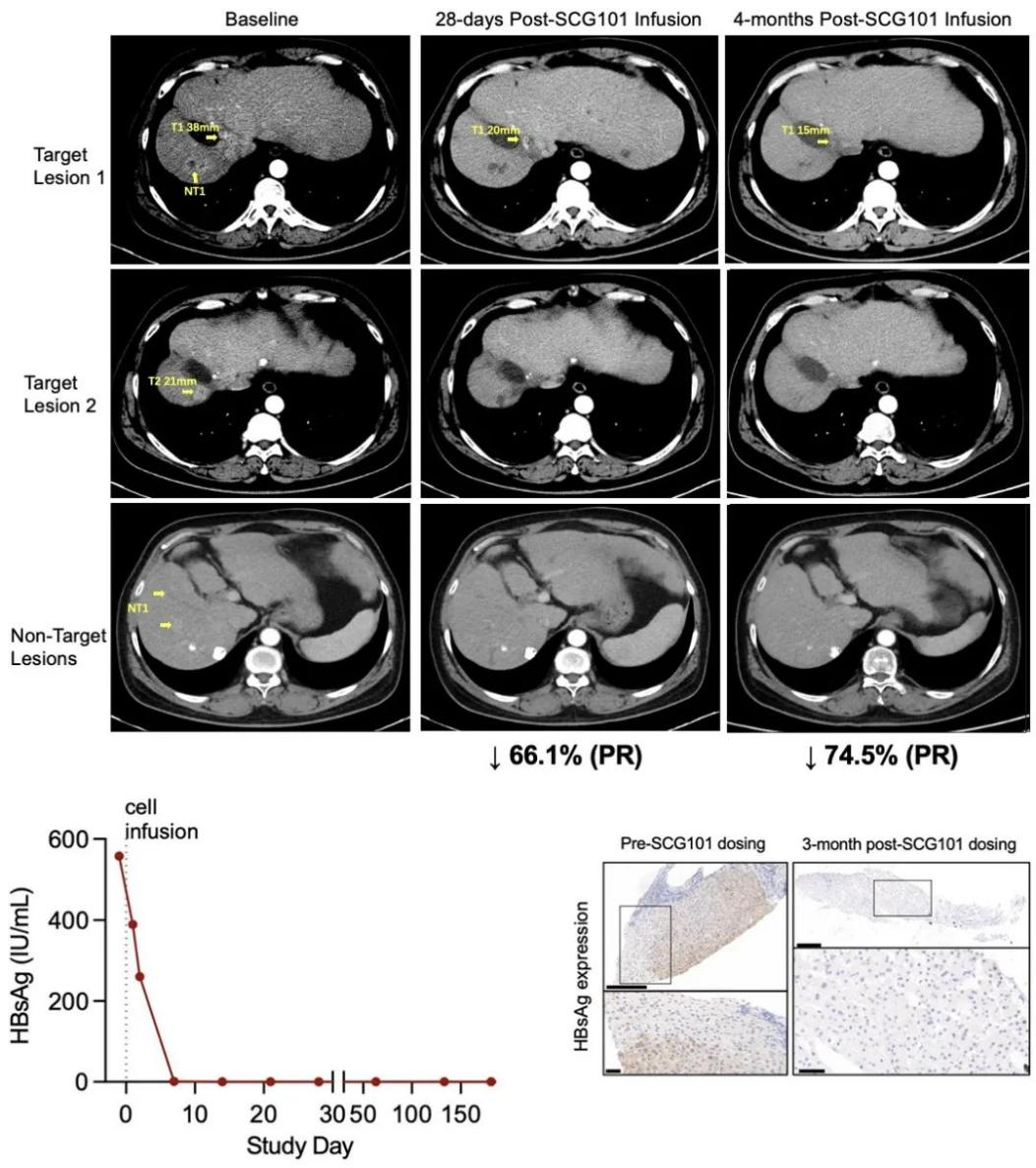
Figure 1 SCG101 Exhibits Both Antitumor and Antiviral Activity
Image Source: SCG
According to the published research data, among the 12 refractory patients with varying degrees of liver cirrhosis who received a single infusion of TCR-T cells, all patients experienced a rapid and dramatic decline in serum HBsAg. Up to 92% of the patients demonstrated significant antiviral activity, and during the one-year follow-up period, their HBsAg levels remained consistently low, meeting the criteria for discontinuation of treatment.
Among them, 4 patients (accounting for 1/3) achieved HBsAg clearance within 21 days after receiving a single dose treatment. The effect was significant in the short term and lasted continuously, remaining in the cleared state throughout the follow-up period; the root cause of the viral infection was eliminated, achieving a thorough clearance without rebound, reaching an impressive and remarkable therapeutic effect. A single treatment achieved a true functional cure for hepatitis B.
Billion-Yuan Hepatitis B Market
Chronic Hepatitis B (CHB) is a chronic inflammatory liver disease caused by persistent infection with the Hepatitis B Virus (HBV). The "2024 Global Hepatitis Report" indicates that HBV infection is a worldwide epidemic, with viral hepatitis being the second-largest infectious disease "killer." In 2022, approximately 254 million people globally were chronically infected with HBV, with 1.2 million new cases reported, of which 83% of viral hepatitis-related deaths were attributed to Hepatitis B.
China is a country with a high prevalence of hepatitis B, with one-third of the world's hepatitis B patients residing in China. In 2022, the number of HBV-infected individuals in China reached 79.74 million, including 20 to 30 million chronic hepatitis B patients. In the past decade, approximately 1 million new cases of chronic hepatitis B have been reported annually. Compared with developed countries, there is a significant gap in the diagnosis and treatment rates of HBV patients in China. Many existing patients have not received adequate treatment, leading to progression to liver cirrhosis or even liver cancer.
Despite progress in the diagnosis and treatment of HBV infections in China, the current diagnosis rate and treatment rate among infected individuals are only 19% and 11%, respectively. This is significantly lower than the World Health Organization's (WHO) target of achieving a 90% diagnosis rate and an 80% treatment rate for hepatitis viruses by 2030, indicating a substantial demand for HBV drugs in China.
China's hepatitis B drug market is large and growing, with Frost & Sullivan projecting it to reach 72.33 billion yuan by 2030 (see Figure 2 below).
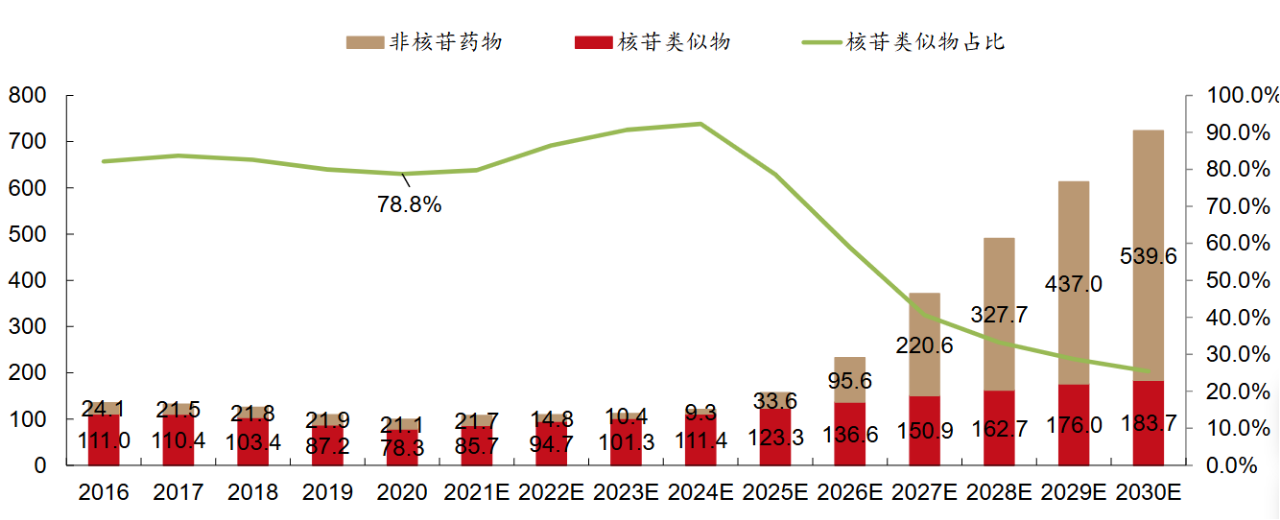
Figure 2: 2016-2030 Market Size and Forecast of Hepatitis B Treatment Drugs in China (Unit: Billion Yuan)
Source of the image: Research report by Western Securities
Currently, hepatitis B treatment drugs are mainly divided into two categories: interferons and nucleosides. Nucleoside drugs include Entecavir (ETV), Tenofovir Disoproxil Fumarate (TDF), Tenofovir Alafenamide Fumarate (TAF), and Aimitenovir (TMF); interferons include Roche's Pegasys, MSD's PegIntron, and Amoytop Biotech's PegBio, which occupy a larger market share (Figure 3 below).
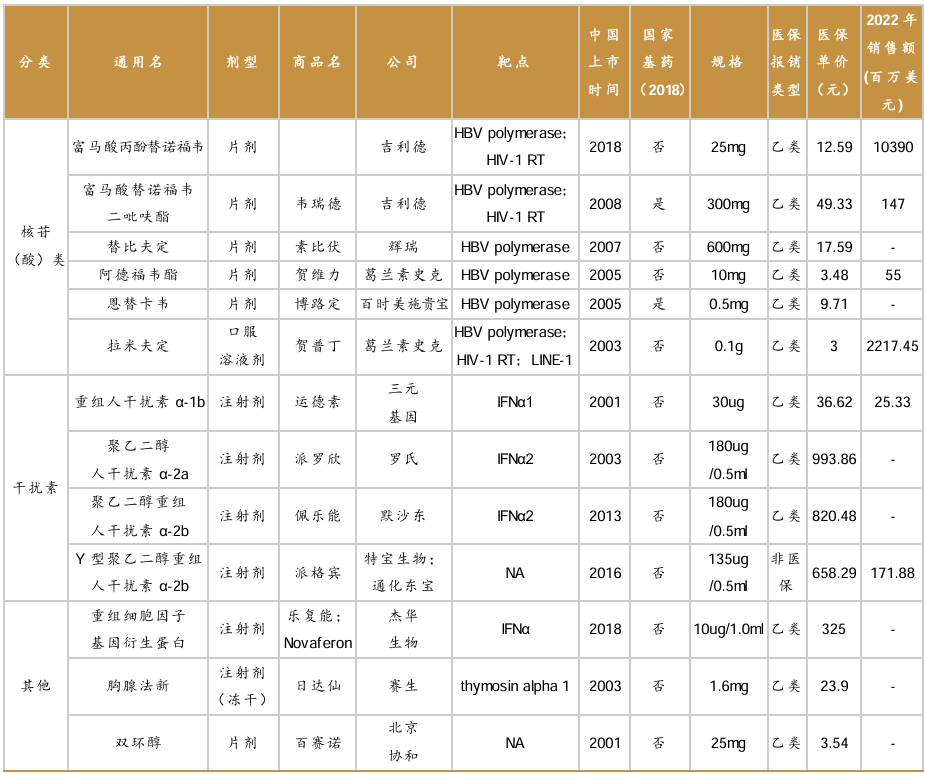
Figure 3: Hepatitis B treatment drugs already on the market in China
Source of the image: Southwest Securities Research Report
Among them, the Tenofovir Alafenamide Fumarate Tablets produced by Huluwa Pharmaceutical reached a sales volume of 1 billion yuan in China's three major terminals and six major markets in 2023; Pegbea, the only long-acting interferon drug marketed in China, achieved sales of 1.79 billion yuan in 2023, covering approximately 50,000 patients. In addition, the supplemental New Drug Application for Pegbea in combination with nucleos(t)ide analogs for the clinical cure of chronic hepatitis B was accepted by the NMPA in March 2024.
From Functional Cure to Cure
The types of HBV cure include virological cure (complete cure) and functional cure (clinical cure).
Complete cure means that serum HBsAg is undetectable, intrahepatic and serum HBV DNA are cleared (including cccDNA and integrated DNA), serum anti-HBc remains persistently positive, with or without the presence of anti-HBs. Due to the persistent and stable existence of cccDNA, and the current lack of specific targeted drugs for cccDNA, a complete cure is difficult to achieve.
Clinical cure refers to the condition after completing a limited course of treatment, where serum HBsAg and HBV DNA remain undetectable, HBeAg turns negative, with or without HBsAg seroconversion. Residual cccDNA may persist, while liver inflammation is alleviated and hepatic histopathology is improved.
The incidence of end-stage liver disease is significantly reduced, which is the ideal treatment goal recommended by current guidelines both in China and internationally. Unlike complete cure, clinical cure can be achieved in advantageous CHB populations through optimized treatment regimens (see Figure 4 below).
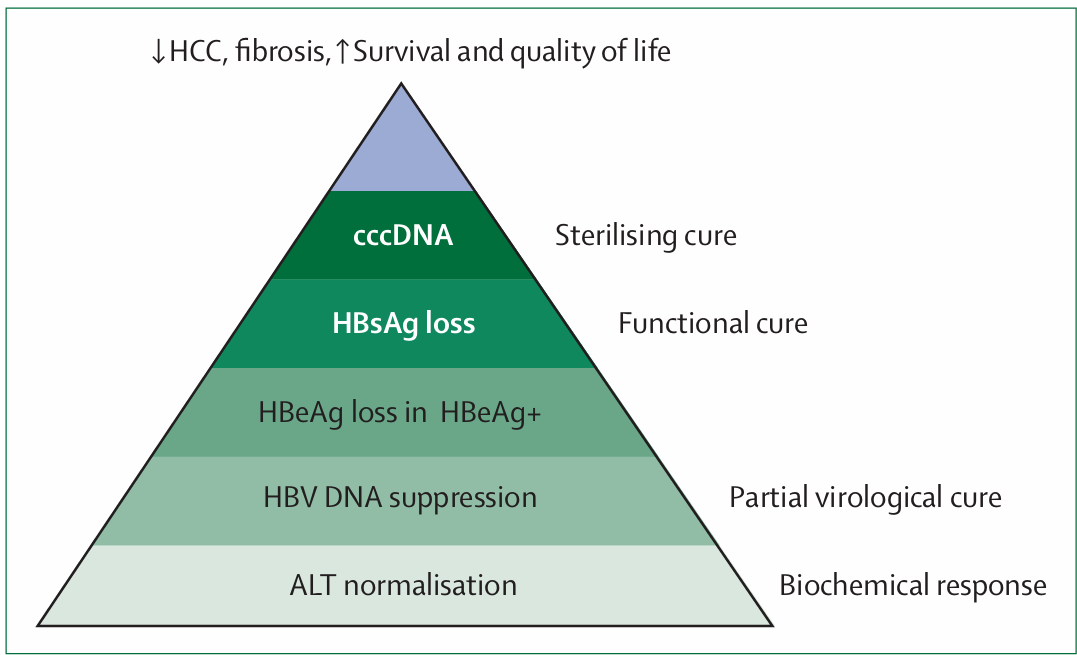
Figure 4 Treatment Goals for Patients with HBV Infection
Image Source: Targets and Future Direct-Acting Antiviral Approaches to Achieve Hepatitis B Virus Cure
Due to the different impacts of nucleoside analogs and pegylated interferon on innate and adaptive immunity, and the potent viral replication suppression by nucleoside analogs can assist the immunomodulatory effects of pegylated interferon, the combination of the two can integrate potent viral inhibition with the restoration of host immune response, representing the most promising treatment strategy for achieving clinical cure at this stage.
Multiple clinical studies have shown that after using nucleoside analogs and pegylated interferon in combination or sequential treatment, some patients can achieve sustained immune capacity, obtaining clinical cure in the true sense and achieving safe discontinuation of medication. Therefore, the new strategy for the next era is to pursue functional cure through combination therapy of immunomodulators with different mechanisms and direct-acting antiviral drugs.
Conclusion
Looking ahead, a series of emerging drug therapies, such as zinc finger nucleases (ZFNs) and gene editing technologies, have the potential to inhibit viral transcription and replication by blocking cccDNA transcription.
As CRISPR/Cas in Huh-7 cell models, it can reduce HBsAg and HBcAg and disrupt the HBV expression template. Transcription activator-like effector nucleases (TALENs) can target the ORF of the S or C region, causing mutations in 35% of cccDNA; moreover, by targeting the conserved region, they can also reduce the production of HBeAg, HBsAg, HBcAg, and pregenomic RNA, thereby lowering the level of cccDNA.
In addition, second-generation sulfonamide drugs (CCC-0975, CCC-0346) have also demonstrated the ability to inhibit HBV cccDNA. These new mechanism-based drug therapies are expected to advance hepatitis B treatment from functional cure towards a complete cure.
References
[1]Du Sunda,et al.SCG101 TCR-T Cell Therapy Achieves Rapid and Sustained HBsAg Reduction with>40%HBsAg Loss in HBV-Related Hepatocellular Carcinoma Patients.AASLD 2024 No.5026.
[2]Asselah T,Loureiro D,Boyer N,Mansouri A.Targets and future direct-acting antiviral approaches to achieve hepatitis B virus cure.Lancet Gastroenterol Hepatol.2019 Nov;4(11):883-892.doi:10.1016/S2468-1253(19)30190-6.
[3] Zhang Wenhong "Functional Cure of Hepatitis B: How Far from Concept to Reality?"
[4] Guidelines for the Prevention and Treatment of Chronic Hepatitis B (2022)
[5] SCG official website, Western Securities Research Report, Southwest Securities Research Report, various public materials, etc.

Editor: Liuli
Disclaimer: The views expressed in this article are solely those of the author and do not represent the position of PharmNet. We welcome discussions and additional insights in the comment section; for reprints, please be sure to credit the author and source. If the content, copyright, or other issues are involved, please leave a message on this platform, and we will address it promptly.