Since November, many biotech companies in China have submitted listing applications to the Hong Kong Stock Exchange, including Leads Biolabs, B&K CORPORATION, Wuhan AITai Management Consulting Co., Ltd., XZenith Biopharm, and Shanghai Cell Therapy Group, among others. The following is a brief overview of these enterprises.
Hankthink Aitai Biotechnology
The flagship product of Wuhan AITai Management Consulting Co., Ltd. (Hankthink Aitai Bio) is the PD-1/SIRPα bispecific antibody HX009, which, if successful, will mark a significant breakthrough in the CD47 target field. The company is also developing the CTLA4/SIRPα fusion protein HX044 and the multi-target kinase inhibitor HX301, the latter targeting key signaling pathways such as CSF1R, ARK5, FLT-3, and CDK4/6. Clinical studies indicate that the activity of HX009 in lymphoma may be associated with OX40 levels, potentially providing complementary logic for the design of the OX40-targeted technology platform.
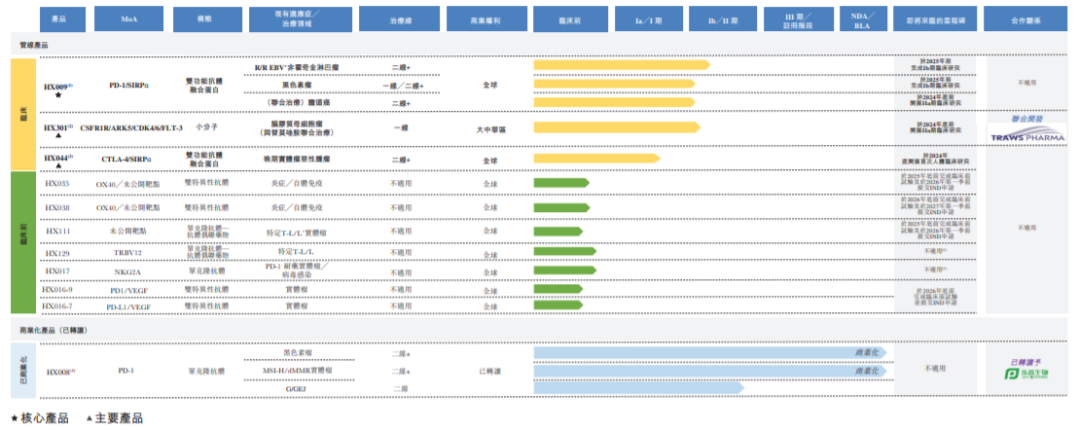
Currently, Wuhan AITai Management Consulting Co., Ltd. has licensed HX008 to LePu Biotech. With the rapid growth of HX008 sales revenue, the income prospects for Wuhan AITai Management Consulting Co., Ltd. through profit-sharing are promising.
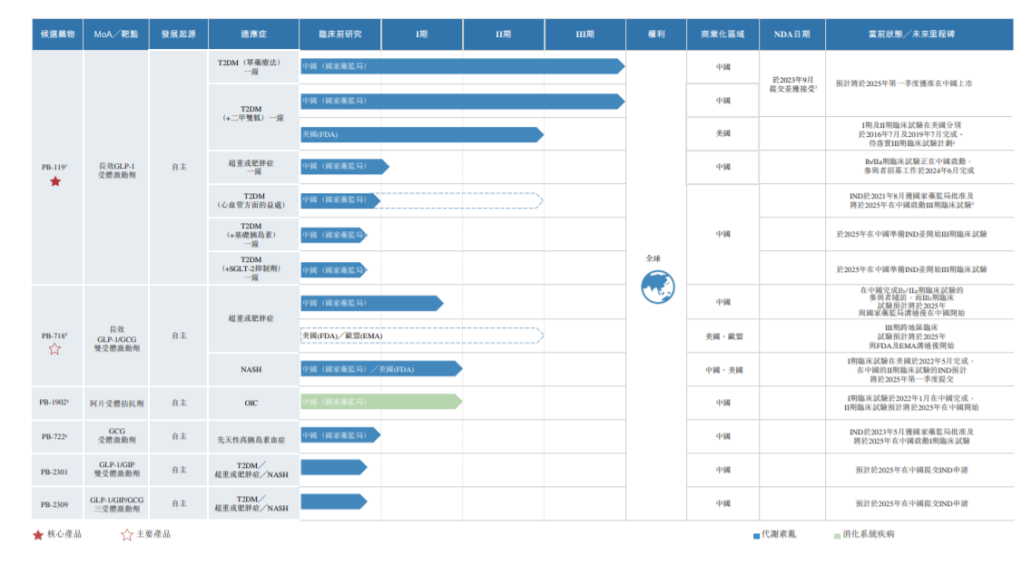
As GLP-1 drugs gain popularity, PegBio has also entered this competitive field. The company submitted its IPO prospectus for the second time this year, with its leading product PB-119 being a competitor to semaglutide, expected to be approved for marketing by 2025. Previously, PegBio had collaborated with Tasly, but the partnership was terminated due to Tasly's strategic adjustments. In September this year, the company reached a new licensing agreement with another pharmaceutical enterprise in China.
PegBio employs PEGylation technology, which covalently bonds PEG with drugs (such as GLP-1) to improve their physicochemical and biological properties, extend the drug's half-life in the body, enhance efficacy, and reduce immunogenicity and toxic side effects.
Another core product of the company, PB-718, is a GLP-1/GCG receptor dual agonist, which is in a追赶地位 in the competition for the same target as Masetude peptide from Innovent Biologics.
In addition, the company has also developed PB-1902, an opioid receptor antagonist designed to alleviate opioid-induced bowel dysfunction while maintaining analgesic effects.
XZenith Biopharm, spun off from Four Rings Medicine, has shifted from the STAR Market to the Hong Kong stock market. The company faces the challenge of covering its expenses through revenue in a highly competitive market.
XZenith Biopharm's marketed products include the proton pump inhibitor KBP-3571 (Sodium Anaprazole), used for treating duodenal ulcers in adults. Despite KBP-3571's advantages as a second-generation proton pump inhibitor and its inclusion in the national medical insurance program in the same year of its market launch, it still faces competition from other PPI drugs in the Chinese market. There are already seven proton pump inhibitors available in China, including both first- and second-generation products.
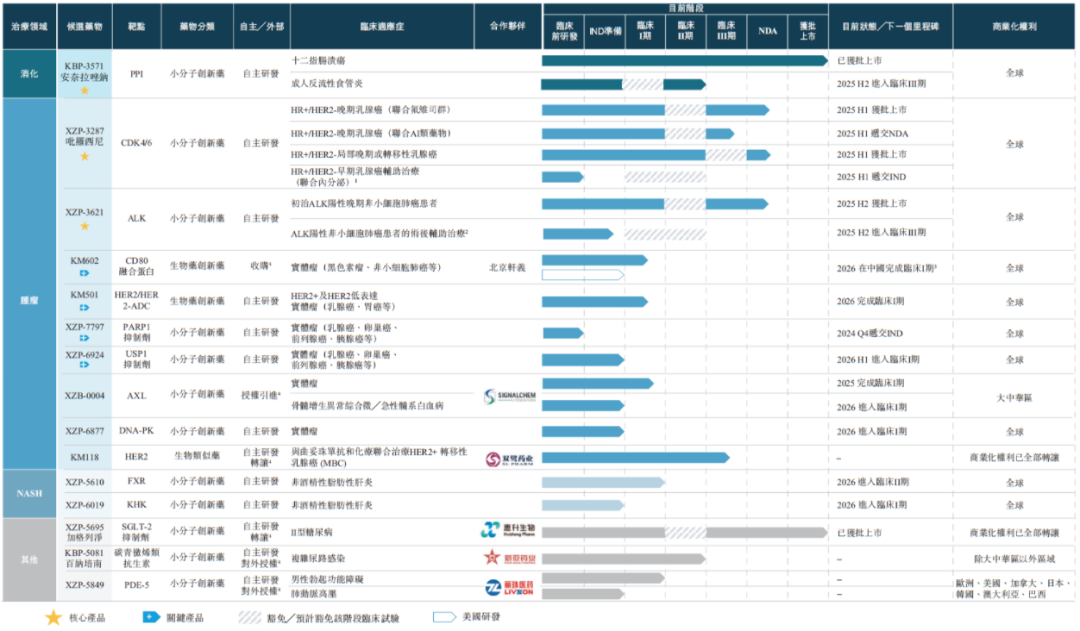
The company's other two clinical-stage products, XZP-3287 and XZP-3621, also face the same competitive issues.
B&K Corporation submitted its prospectus for a Hong Kong IPO in April this year, but it expired in October due to the need for additional materials. In November, the company resubmitted its prospectus.
The company's main technology pipeline focuses on epidermal damage repair. The core products, Pro-101-1 and Pro-101-2, are both PDGF-based drugs that utilize pH-responsive hydrogel technology, aiming to extend the half-life of PDGF by modulating pH levels. The company also holds patents for mRNA and ASO technologies.
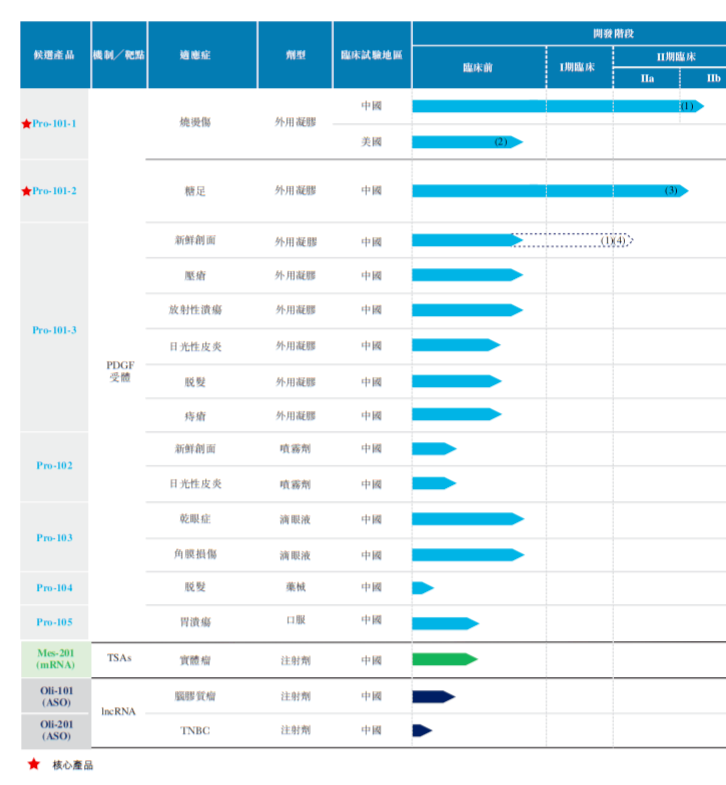
B&K CORPORATION is currently facing the problem of almost no revenue, with administrative expenses exceeding R&D costs, posing a certain financial risk. Considering the terms of the wager agreement, which requires the company to either go public by 2026 or be acquired at a price no less than 3 billion yuan, this presents a severe challenge to the company’s strategy and clinical progress.
Shanghai Cell Therapy Group
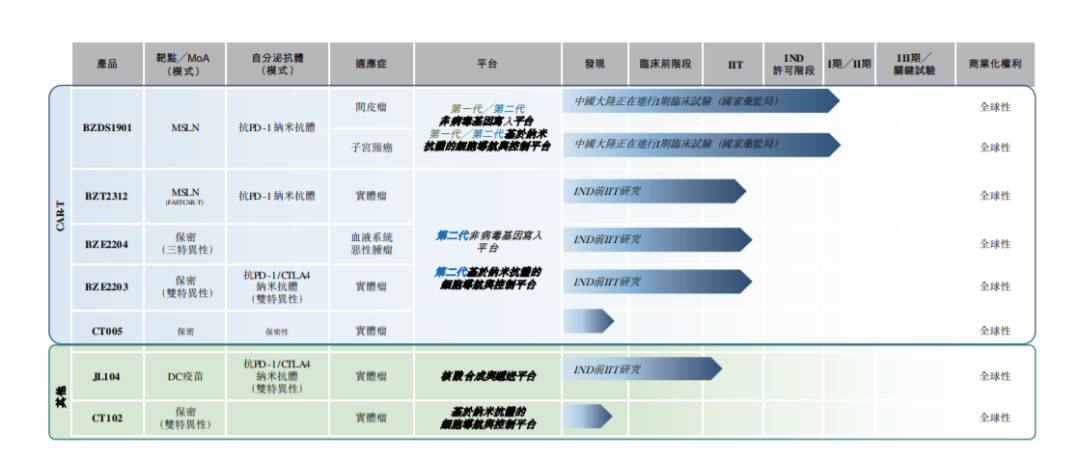
Shanghai Cell Therapy Group Submits Another IPO Application to the Hong Kong Stock MarketShanghai Cell Therapy Group has once again submitted an IPO application to the Hong Kong stock market. The company's main highlight lies in its PD-1-armed CAR-T technology, which is the world’s first PD-1 nano-armed CAR-T targeting solid tumors. The company stated that multiple patients have achieved complete remission (CR) in IIT studies. Moreover, the company can reduce the preparation time of CAR-T from 10 days to as little as 30 or even 6 hours, with the dosage lowered to 1/20–1/40 of traditional levels, significantly cutting down personalized production costs and patient waiting times.
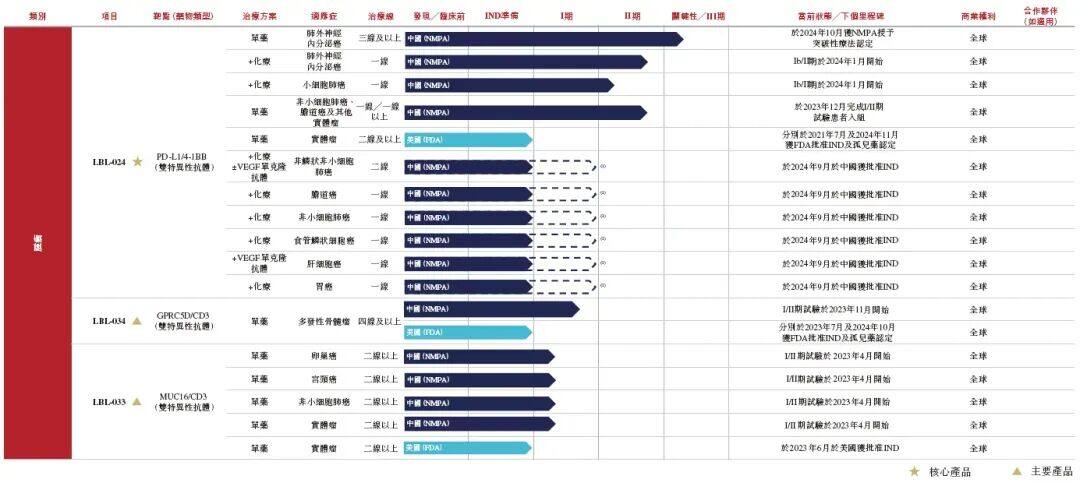
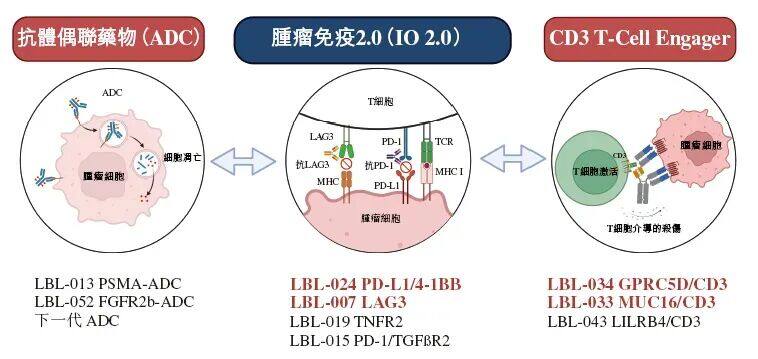
Leads Biolabs is known for its rich pipeline and technology platform, with clinical progress at the forefront of the industry. The company’s most advanced program, LBL-024, is a PD-L1/4-1BB bispecific antibody that has entered Phase III clinical trials. The initial indication is extrapulmonary neuroendocrine tumors, with subsequent expansion to non-small cell lung cancer and small cell lung cancer.
The company's second-largest pipeline, LBL-034, is the world's second-most clinically advanced GPRC5DxCD3 bispecific antibody. LBL-033 is one of only two MUC16/CD3 antibodies to have entered clinical stages globally, while LBL-007 ranks among the top three in terms of clinical progress for LAG3 monoclonal antibodies currently in clinical trials worldwide.
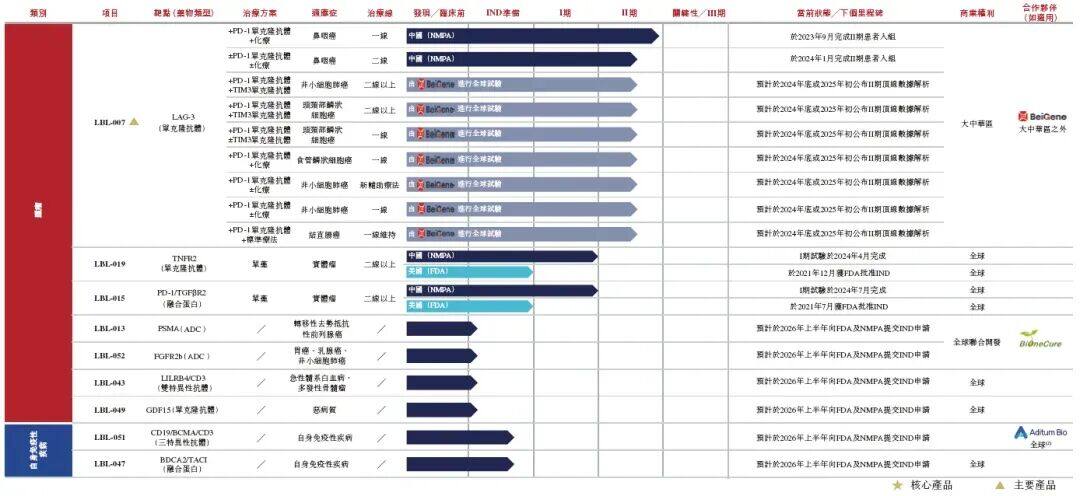
In addition to the TCE pipeline and multi-antibody pipeline, Leads Biolabs has also established an ADC technology platform. Given the company's multiple licensing partnerships and dual filings in China and the U.S., it is well-positioned for more business development collaborations in the future.
Since November 11, the wave of Biotech companies going public may be coincidental or a result of the vigorous development of the Biotech industry over the past decade. These companies have chosen to go public, and it is hoped that they will have a smooth journey ahead, bringing benefits to patients.
Reference Source:
https://www1.hkexnews.hk/app/appindex.html?lang=zh