Recently, Professor Yin Xiushan's team from ROC ROCK Biotechnology, in collaboration with Director Liu Qiaofei, Director Liao Quan, and Academician Zhao Yupei's team from Peking Union Medical College Hospital, Chinese Academy of Medical Sciences, published a research paper in the journal Molecular Cancer, titled "Chimeric antigen receptor macrophages targeting c-MET (CAR-M-c-MET) inhibit pancreatic cancer progression and improve cytotoxic chemotherapeutic efficacy." ROC ROCK Biotechnology is the co-corresponding organization of this paper. Its founder, Professor Yin Xiushan, alongside Director Liu Qiaofei, Director Liao Quan, and Academician Zhao Yupei from Peking Union Medical College Hospital, served as corresponding authors. Doctoral candidate Zheng Huaijin from Peking Union Medical College Hospital, Chinese Academy of Medical Sciences, and Master’s candidate Yang Xinzhe from Shenyang University of Chemical Technology are the co-first authors. This study demonstrated the therapy's potent anti-cancer effects and safety both in vitro and in vivo, providing a solid scientific basis for future clinical trials.
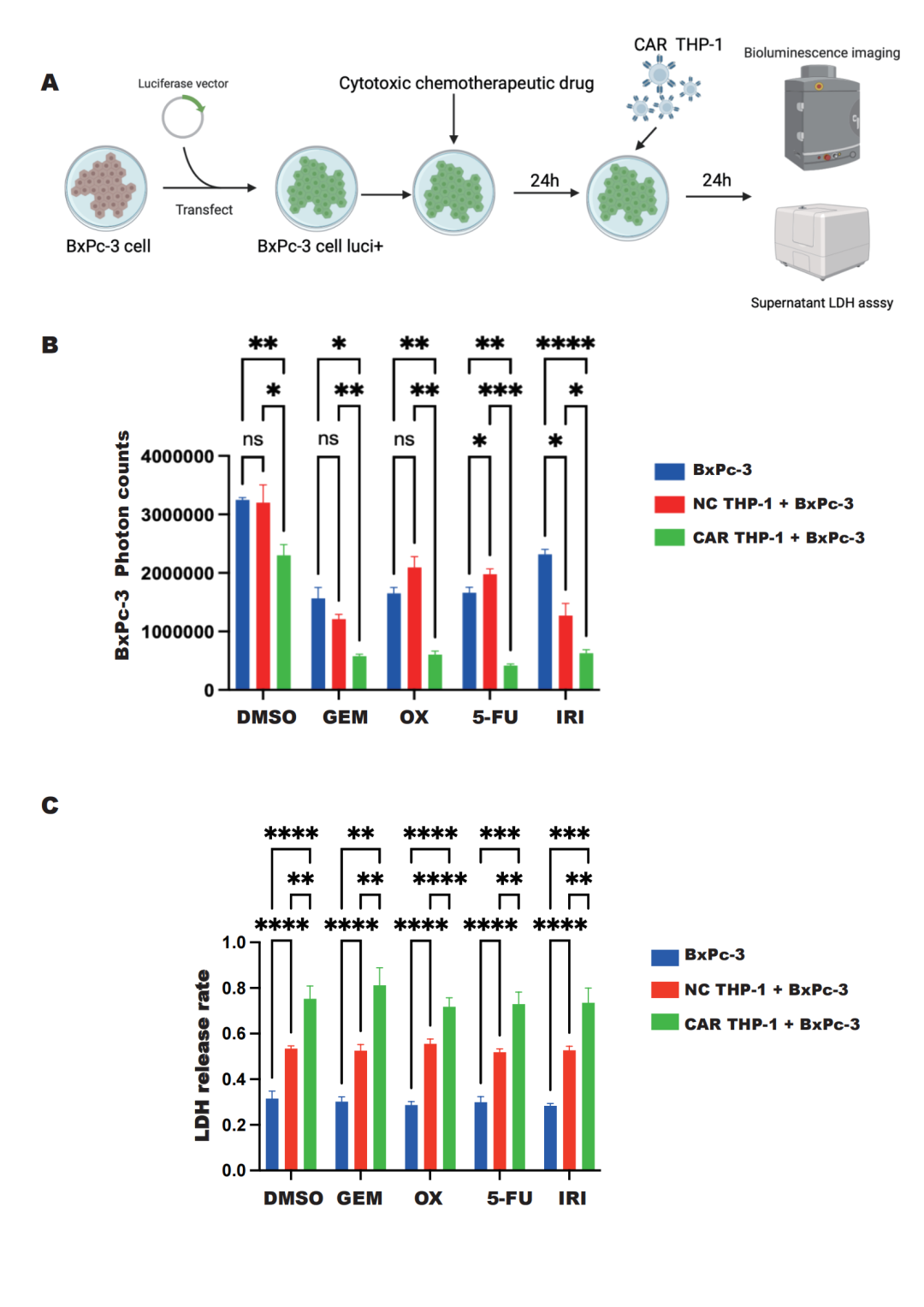
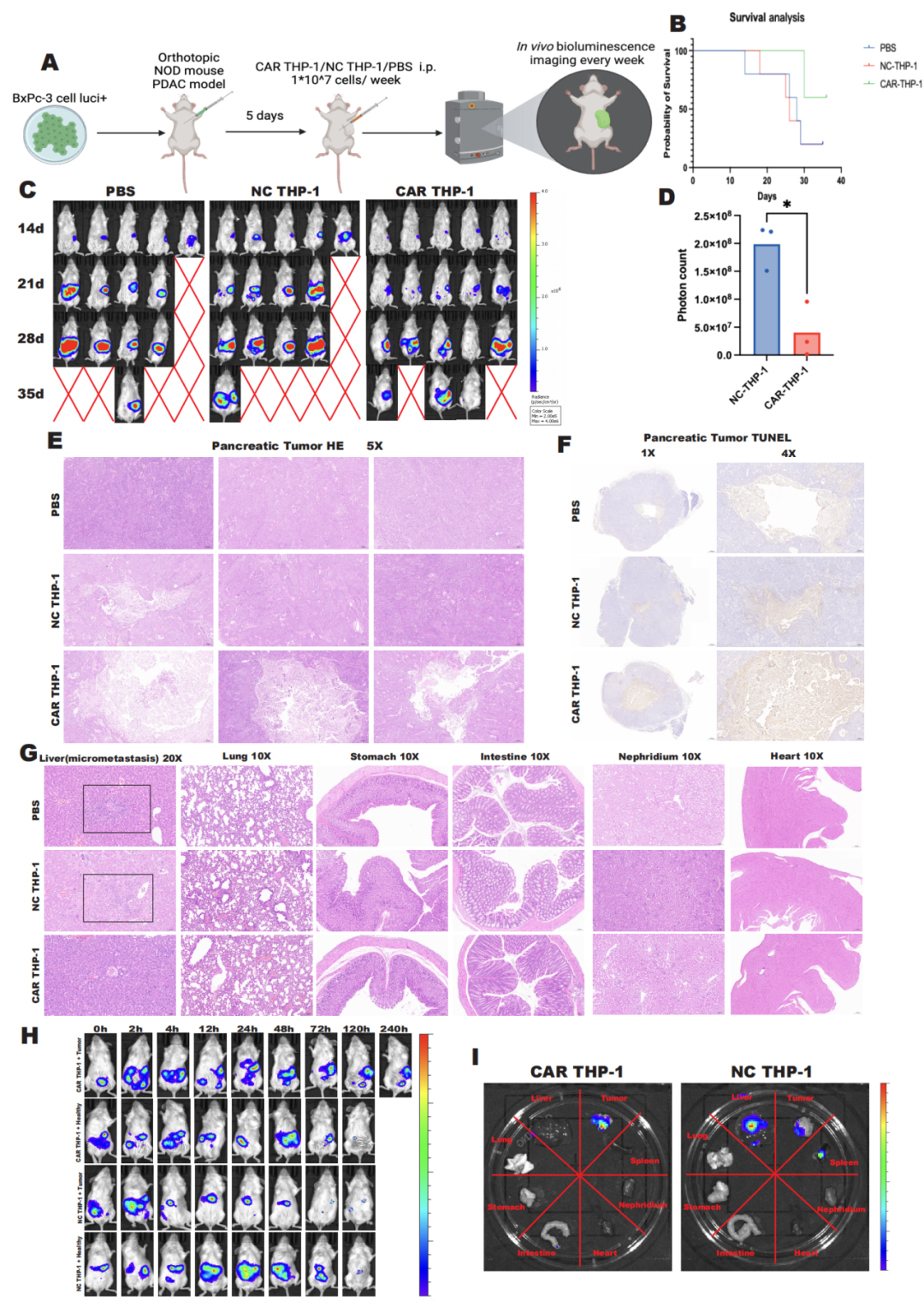
In this study, researchers focused on the application of c-MET-targeted chimeric antigen receptor macrophages (CAR-M) in pancreatic cancer treatment. They observed that the expression level of c-MET was significantly higher in pancreatic cancer tissues compared to corresponding non-cancerous tissues, and this high expression was associated with shortened patient survival. Based on this, the researchers utilized the human monocyte cell line THP-1 to develop a c-MET-specific CAR-M cell (CAR-M-c-MET). The engineered macrophages demonstrated highly specific recognition and binding ability toward pancreatic cancer cells, and exhibited stronger phagocytic activity and cytotoxicity compared to normal macrophages. Additionally, when combined with various chemotherapeutic drugs, CAR-M-c-MET cells showed synergistically enhanced anti-tumor effects.To verify the in vivo efficacy of CAR-M cells, researchers utilized a pancreatic cancer model in NOD/SCID mice and administered CAR-M-c-MET cells via intraperitoneal injection. They found that CAR-M-c-MET cells rapidly localized to the tumor area and effectively controlled tumor progression, with no significant adverse reactions observed throughout the process.
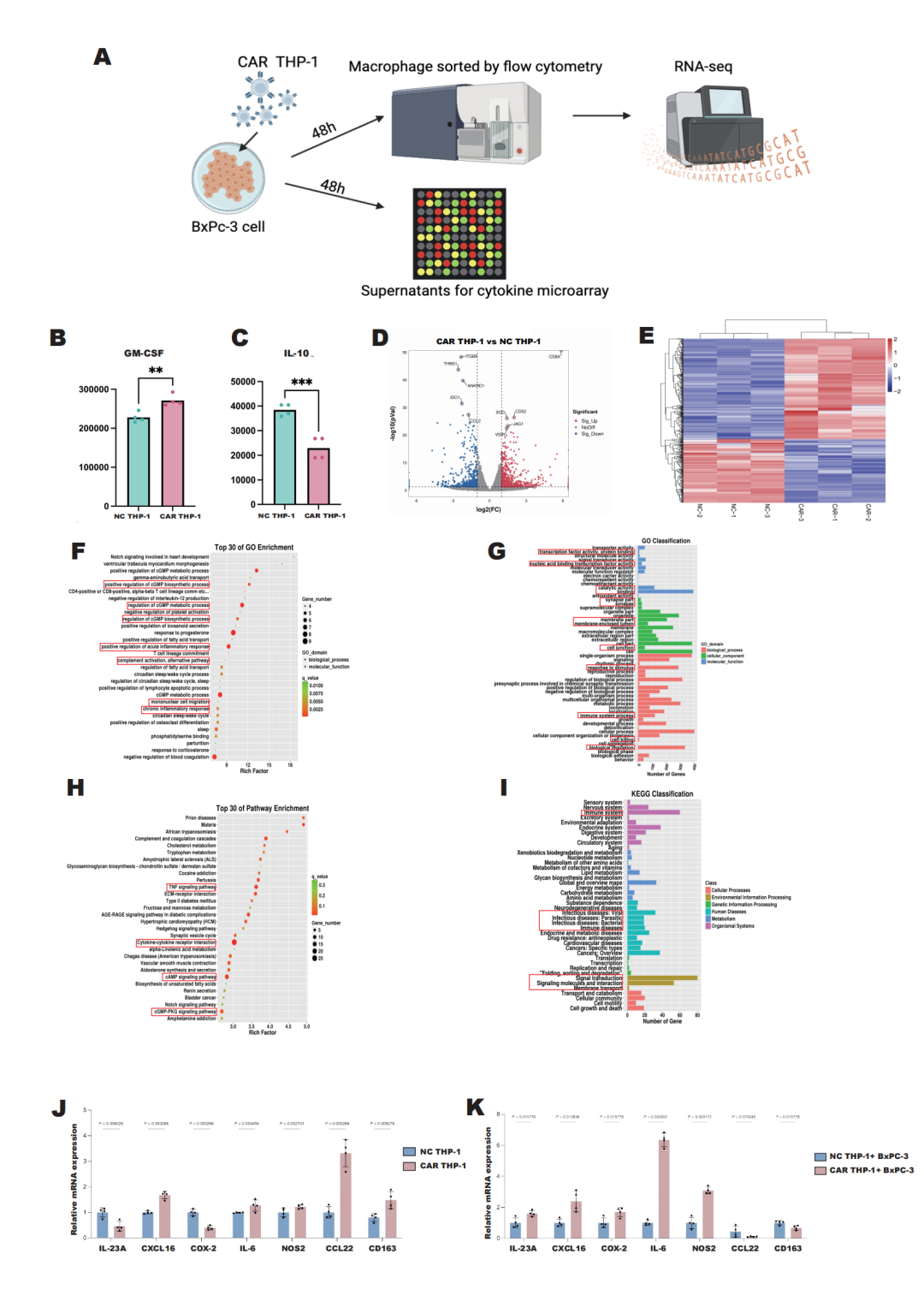
Further cytokine analysis and mRNA sequencing results showed that CAR-M-c-MET cells produced higher levels of immune-activating factors compared to control macrophages. This study provides strong data support for the safety and efficacy of CAR-M cell therapy in pancreatic cancer treatment, confirming that CAR-M-c-MET not only effectively inhibits the progression of pancreatic cancer but also enhances the therapeutic effects of chemotherapy drugs, with good safety and no significant side effects observed.
Conclusion: In this study, CAR-M-c-MET cells demonstrated both safety and efficacy in the treatment of pancreatic cancer in both in vitro and in vivo experiments. CAR-M-c-MET cells not only effectively inhibited the progression of pancreatic cancer but also enhanced the cytotoxic effects of chemotherapy drugs, with no significant toxic reactions observed in the experimental mice.Pancreatic cancer is the seventh leading cause of cancer-related deaths globally, with its mortality rate being very close to its incidence rate. The early diagnosis rate of pancreatic cancer is relatively low, accounting for less than 5%, and approximately 60% of patients already have metastases at the time of their initial visit.【1】In 2020, the number of new cases worldwide was 495,773, with 466,003 deaths, and the five-year survival rate ranged between 9% and 11%.【2】posing a serious threat to human health. According to data released by the National Cancer Center of the Chinese Academy of Medical Sciences, in 2022, China is expected to have 134,374 new cases of pancreatic cancer and 131,203 deaths, with the incidence ranking eighth among all tumors and the mortality rate ranking sixth.【3】Despite advancements in pancreatic surgery and cytotoxic chemotherapy enabling more patients to safely undergo surgical treatment and improving survival rates, the overall 5-year survival rate for all patients remains below 10%, and is only approximately 40% to 45% for localized pancreatic cancer without lymph node metastasis. Moreover, the response rate to the standard four-drug combination therapy (Folfirinox) is only about one-third. There is an urgent need for new therapeutic approaches to further improve these poor prognoses and treatment responses.[1] Owens DK, Davidson KW, Krist AH, et al. Screening for Pancreatic Cancer:US Preventive Services Task Force Reaffirmation RecommendationStatement. Jama.2019;322:438-444. doi: 10.1001/jama.2019.10232
[2] Siegel RL, Miller KD, Fuchs HE, et al. Cancer statistics, 2022. CA Cancer 」Clin.2022;72:7-33.doi: 10.3322/caac.21708.
[3] Xia C, Dong X,Li H, et al. Cancer statistics in China and United States,2022: profiles, trends, and determinants. Chin Med J(Engl). 2022;135:584590.doi: 10.1097/cm9.0000000000002108.
Previous article recommendations:
Review of 41 Stem Cell Therapy Companies and Their Technology Pipelines Worldwide
China's First Nucleic Acid Drug CDMO Base Officially Begins Operations
Belief BioMed's AAV Gene Therapy BBM-H901 Phase III Clinical Trial Results for Adult Hemophilia B Patients Officially Announced
First in China! New Drug for Diabetes Treatment Using Pluripotent Stem Cell-Derived Islet Cells Approved for Clinical Trials
€100 Billion Acquisition of CGT CDMO Leader Formally Approved by EU
Precision Bio's First Autoimmune CAR-T Product for Systemic Lupus Erythematosus Approved for Clinical Trials
Hengrui Medicine Subsidiary's First mRNA Gene Therapy Topical Drug Approved for Clinical Trials
Shanghai Releases the "Regulation on Pharmaceutical and Medical Device Management of Shanghai Municipality (Draft)" for Public Comment
A Cell Therapy Company's Stock Price Surges Over 400%!
Umbilical Cord Blood Stem Cell Therapy RegeneCyte™ Receives FDA Approval for Market Launch
Peking University International Hospital "Hematological Tumor and Cell Therapy Center" Established, Focusing on New Models and Trends in Diagnosis and Treatment
First Case in China! Bioraygene Gene Therapy Helps Foreign Patient with Sickle Cell Disease Gain New Life!
Annual output value reaches 2.8 billion yuan, covering an area of 30,000 square meters: A GMP production base for nucleic acid drugs in China commences construction
A Chinese Cell Therapy Company Goes Public in Hong Kong
Four Departments Including the National Health Commission and the Ministry of Commerce Issue Document: Nine Provinces and Cities to Pilot Allowing Wholly Foreign-Owned Hospitals, but with Restrictions on Experimental Treatments Involving New Technologies like Tumor Cell Therapy
$1.5 Billion! Roche Acquires a Cell and Gene Therapy Company
Shanghai Releases "Science and Technology Innovation Action Plan" Cell and Gene Therapy Special Project Approval Notice
Phase I Clinical Data of iPSC-Derived CAR-T Cell Therapy for Lupus Erythematosus Released
George Church's Team Develops mRNA Anti-Aging Therapy, Reversing Skin Aging
Focusing on the Cell and Gene Therapy Field, a Research and Industrial Base in China Completed and Commissioned
CSPC Initiates Phase I Clinical Trial of CAR-T Cell Therapy for Systemic Lupus Erythematosus
Ministry of Commerce: Plan Ahead for Key Industries Such as Cell and Gene Therapy, Support Suzhou Industrial Park in Launching Pilot Programs for Open Innovation Across the Entire Biomedical Industry Chain
Breaking Through Solid Tumor Limitations: Latest 'Nature' Publishes CAR-T Clinical Trial Results for Deadly Brain Tumors
CDE Releases "Technical Guideline for Clinical Pharmacology Studies of Cell Therapy Products (Trial)"
A Biotech Company in Guangdong Officially Opens, Focusing on Cell and Gene Therapy Fields
Breakthrough in AAV Payload Limit: Research on StitchR™ RNA Assembly Technology and Its Application in Treating Muscular Dystrophy Published in "Science"
The World's First In Vivo CAR Gene Therapy Approved for Phase I Clinical Trial Completes First Patient Dosing
Total investment of approximately 3 billion yuan, with a construction area of 100,000 square meters, a cell therapy drug research and development and production base in China has officially started construction.
SoundNote: The content is sourced from the official website of the Shanghai Municipal People's Government., this articleFor the purpose of knowledge sharing, all content is for reference only and does not constitute any advice.