Source: Eye Future; Editor: SophiaReprint Requirements: Can be reprinted 24 hours after the first publication, source must be credited.
Global Ophthalmology Conference Registration
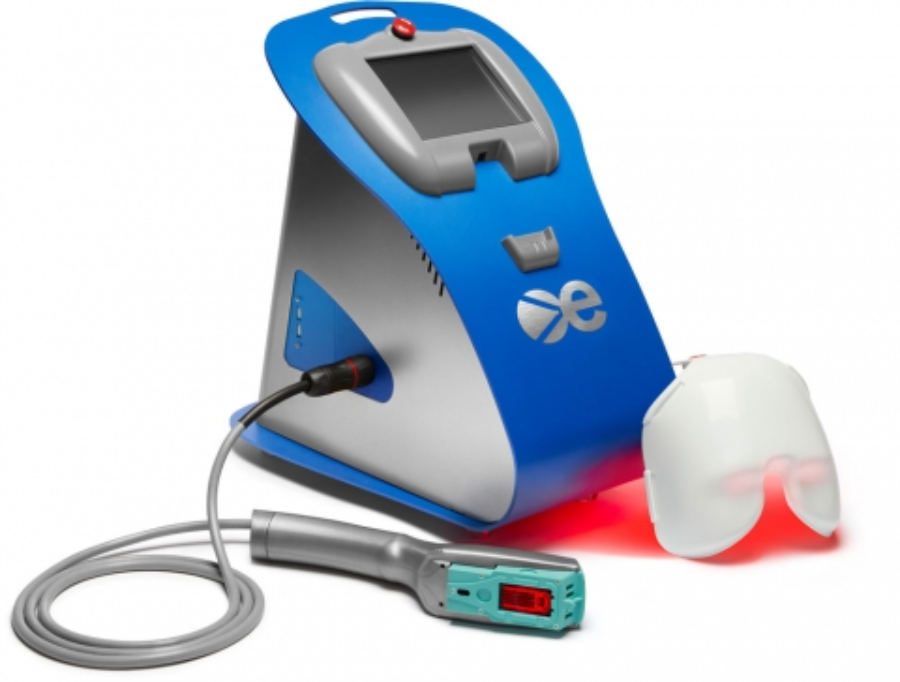
Recently, EssilorLuxottica, the world's leading ophthalmic optics companyEssilorLuxottica(EssilorLuxottica)Announced the signing of the acquisitionEspansione GroupAgreement。EssilorLuxottica isOne of the largest eyewear lens manufacturers in the world, with a wide range of products including vision correction lenses, sunglasses lenses, photochromic lenses, progressive multifocal lenses, and special lenses.Espansione Group is an Italian company,Founded in 1981,Business spans more than 40 countries worldwide,Focus on designing and manufacturing products protected by international patentsNon-invasive Medical Device,These instruments are used for the diagnosis and treatment of dry eye, ocular surface diseases, and retinal diseases.. It hasPhotobiomodulation (PBM) Technology,The product mainly utilizes LM™ light modulation Low-Level Light Therapy (LLLT) and OPE™ Intense Pulsed Light (IPL) technology, with applications in various medical fields such as ophthalmology and dermatology.
# PBM and Eye Disease TreatmentThe main difference between PBM therapy and other medical laser or LED devices lies inIntensity of the light used. In fact,PBM uses moderate and non-destructive light intensity, itsCharacterized by specific wavelengths, energy densities, and power densities. The irradiation used in PBM treatment falls within the visible and near-infrared spectrum range and is absorbed by endogenous chromophores in the target tissue.This absorption triggers various photophysical and photochemical reactions at different biological scales, andWill not cause thermal damage, can be used for includingTreatment of Dry Eye and Ocular Surface Diseases, Age-Related Macular Degeneration (AMD), Diabetic Retinopathy, Myopia, Amblyopia, Retinopathy of Prematurity, and Glaucoma。Dry eye syndrome, as a multifactorial disease involving tear film dynamics, ocular surface inflammation, and neuropathic abnormalities, includes aqueous-deficient and evaporative types, the latter often associated with meibomian gland dysfunction.Photobiomodulation therapy has become a potential treatment for meibomian gland dysfunction,PBM stimulates ATP production in the meibomian glands, thereby inducing endogenous heating and promoting meibum flow.。The mechanism by which PBM slows the progression of myopia is not yet fully understood. A meta-analysis published in December 2023 showed that, compared with the control group,PBM Treatment Shows Statistical Significance in Controlling Axial Length and Spherical Equivalent in MyopiaA secondary analysis of data from a multicenter randomized controlled trial highlights the correlation between PBM treatment and increased macular choroidal thickness.Ivandic's research explored the effectiveness of LLLT in treating 178 patients with amblyopia, with an average of 3.5 treatment sessions. The study showed,LLLT Can Enhance Vision in Adults with Amblyopia, Over 90% of Treated Eyes Show Significant ImprovementIn amblyopic eyes secondary to refractive errors or strabismus, 56.2% and 53.6% of the vision improved by 3 lines or more, respectively, with treatment effects lasting at least 6 months.- Age-related Macular Degeneration
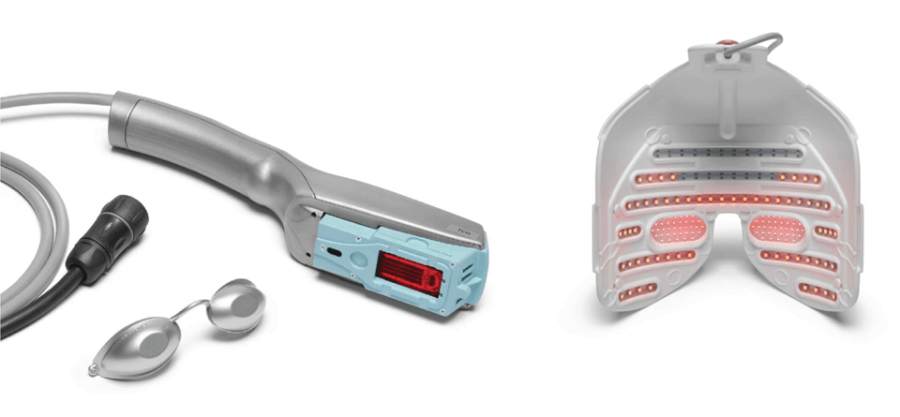
Photobiomodulation is emerging as a potential treatment for dry AMD. The initial report on using PBM to treat AMD dates back to 2008, when a prospective study involved 203 patients with dry and wet AMD, showing results that indicated,The vision of both diseases has improved, while the conditions of metamorphopsia, scotoma, and color blindness have also decreased., the edema and hemorrhage in wet AMD patients improved. The visual acuity improvement lasted for 3 to 36 months after treatment. Notably, there was no change in visual acuity in the control group.A study by Chen et al.Safety and Efficacy of PBM in Treating Diabetic Macular EdemaThe author observed improvements in vision, retinal outcomes, and thickness, indicating positive results and encouraging further exploration of PBM's potential in this field. Kaymak et al. reported that using the Valeda multi-wavelength PBM method also led to similar improvements in vision and retinal outcomes for patients with diabetic macular edema.A study of 20 glaucoma patients divided into two groups showed,The intraocular pressure of the group receiving "Thera-Red" PBM treatment significantly decreased, while there was no significant decrease in intraocular pressure in the placebo group.Moreover, a patient with geographic atrophy associated with neurodegenerative diseases showed neurological improvements and positive outcomes, including reduced intraocular pressure, after receiving non-invasive PBM treatment not directly applied to ocular tissues. In a mouse model of induced acute glaucoma attack, PBM treatment demonstrated a protective effect on ganglion cells, with a significant increase in cell count and less reduction in the thickness of the ganglion cell layer compared to untreated models.# Espansione Core Productseye-light®is a multifunctional device that combines OPE™ and LM™ technologies, has obtained the CE (MDR) mark and can be used for treatment.Dry Age-Related Macular Degeneration (AMD) and Extended Anterior Segment Lesions。eye-light®UtilizePhotobiomodulation (PBM) Technology, especially light-modulated low-intensity light therapy (LM®LLLT),Using light of specific wavelengths to stimulate cellular activity, reduce inflammation, and promote healing。- LM™ Photomodulation Low-Level Light Therapy (LLLT) UsageRed light or near-infrared lightTo enhance mitochondrial ATP production, cell signaling, and growth factor synthesis, while reducing oxidative stress.
OPE™ Intense Pulsed Light (IPL) is aIntense light emitted in pulses, which is polychromatic, non-coherent, and non-parallel. Its thermal pulse is calibrated through software to ensure emission at an appropriate intensity, precisely targeting the intended tissue without the need for gel, further enhancing the safety and efficacy of the treatment.。
In February 2024, a study published in the British Journal of Ophthalmology focused on LM.®The Role of LLLT (Light Modulation Low-Intensity Light Therapy) in Enhancing Patient Care Capabilities, Particularly in PreventionIatrogenic Dry Eye Disease (DED)Applications.Study Design:
This prospective, interventional, randomized, controlled, double-blind clinical trial involved 153 healthy patients who receivedUnderwent cataract surgery and were randomly assigned to receive two LM®LLLT Group.The treatment plan was conducted one week before and one week after the cataract surgery, with patients receiving LM once each time.®LLLT Treatment.
Research Results:
Ocular Surface Disease Index (OSDI) Score:LM®Patients treated with LLLT showed significantly lower OSDI scores (9.0±9.0 vs 18.2±17.9), indicating milder ocular surface disease symptoms in the treatment group.
Non-Invasive Break-Up Time (NIBUT) Value:The NIBUT values of the treatment group were higher (12.5±6.6 seconds vs 9.0±7.8 seconds in the control group), indicating better tear film stability in the treatment group.
Meiboscore Value of Meibomian Gland Loss (MGL):Compared with the control group, LM®The Meiboscore value of MGL in the LLLT group was significantly reduced, indicating that LM®LLLT treatment helps maintain the integrity of the ocular surface.
Despite the limitations of OSDI scores for cataract patients with impaired vision and the relatively short follow-up period, this study is the first to highlight the potential role of LLLT in preventing iatrogenic DED.
# Expanding the Ophthalmology Territory Significantly
July 2024,EssilorLuxotticaAnnounced the acquisition of Heidelberg Engineering in Germany80% of the shares。According to the terms of the acquisition,Heidelberg EngineeringWill continue to operate independently under the existing brands within the Essilor Group. ThisThe acquisition marksIntegration of Optical and Medical TechnologyA major development that is expected to advance ophthalmic care solutions worldwide.
Christoph Schoess, co-founder and managing director of Heidelberg Engineering, outlined the goals for the future,Including improving image resolution, expanding imaging technology applications, and integrating artificial intelligence solutions into the HEYEX healthcare IT platform.。Essilor Chairman and CEO Francesco Milleri and Deputy CEO Paul du Saillant expressed optimism about this acquisition in a joint statement, emphasizingHeidelberg Engineering's Expertise in Early Detection and DiagnosisConducive toStrengthen Essilor's Influence in the Medical Technology Field。They emphasized that they are committed toLeverage Essilor's global capabilities in logistics, manufacturing, and distribution to support the development of Heidelberg Engineering.。Heidelberg Engineering offers a series of ophthalmic diagnostic devices and solutions, including:
SPECTRALIS® Diagnostic Imaging Platform:This is an expandable diagnostic imaging platform that combines scanning laser ophthalmoscopy and high-resolution OCT technology.
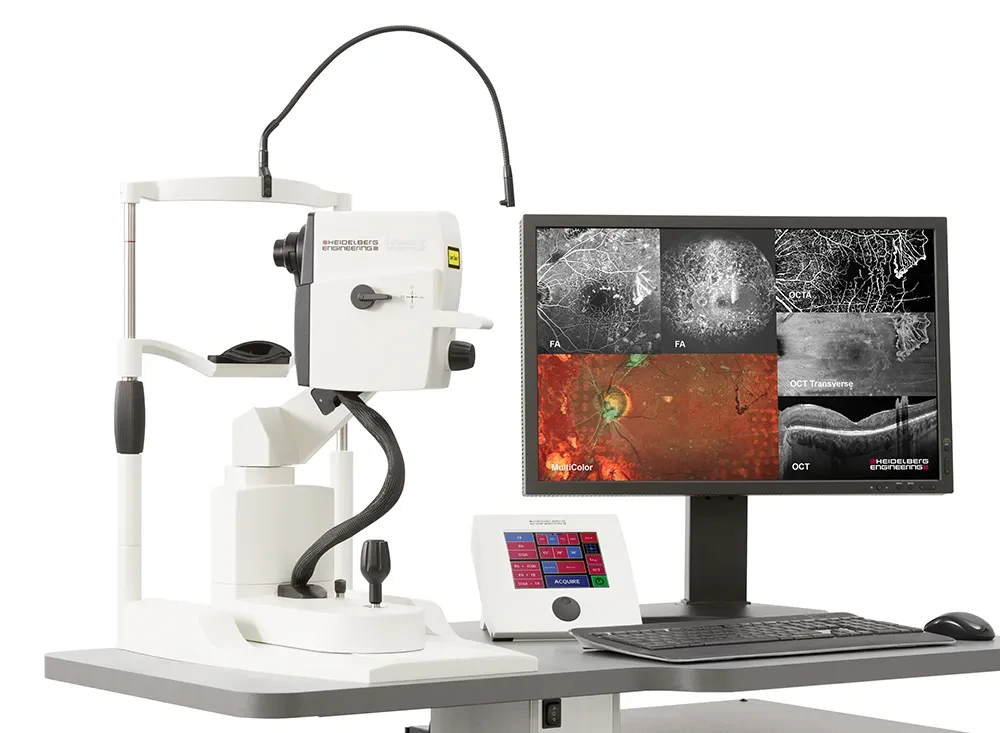
SPECTRALIS® Diagnostic Imaging Platform
SPECTRALIS HRA+OCT Multi-Modal Imaging Diagnostic Platform,Equipped with 8 imaging modules, including fluorescein fundus angiography,IndoleFundus Fluorescein Angiography, Fundus Autofluorescence Imaging, Red-free Imaging, Infrared Imaging, Multicolor Imaging, OCT Tomography, OCT Angiography, etc.All Fundus Imaging Examinations, covering planar and tomographic, invasive and non-invasive, structural and functional imaging modalities.
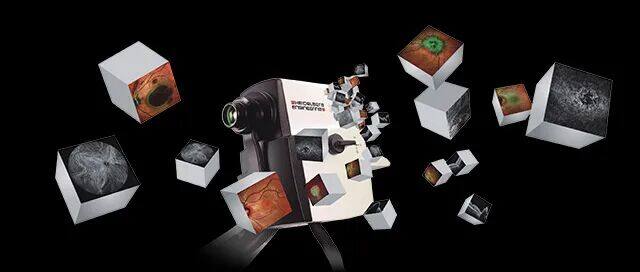
SEELUMA™:This is a fully digital surgical visualization platform designed specifically for ophthalmic surgeons, offering next-generation imaging technology that combines innovative design and 3D techniques to enhance surgical precision and surgeon comfort during procedures.
Multimodal Image Management Solution:Including Picture Archiving and Communication System (PACS), Electronic Medical Record (EMR), and large-scale data analysis.
Heidelberg Engineering also provides other ophthalmic diagnostic devices, such asCorneal Topographer, Fixed and Table-Mounted Ophthalmic Instruments, Ophthalmoscope,SLOOphthalmoscope, slit lamp camera, etc.
Long-term cooperation with Meta achieved
In September 2024, EssilorLuxottica announced that it had reached an agreement with Meta, the parent company of Facebook and Instagram,US social media giant Meta Platforms reaches a new long-term agreement, according to the agreement, both parties will cooperate in development for the next decadeMulti-generation Smart Glasses ProductionProduct.
The two companies have been successfully cooperating since 2019, launching two generations of Ray-Ban branded smart glasses. By combining EssilorLuxottica's expertise, its global retail and wholesale network, and Meta's technology,Ray-Ban Meta Glasses Have Become a Mainstream Product, and is sold in many European countries/regions such as the United States, Canada, the United Kingdom, Australia, Austria, Belgium, Denmark, Finland, France, Germany, Ireland, Italy, Norway, Spain, and Sweden.

Ray-Ban Meta Smart Glasses
Meta and Ray-Ban (a subsidiary of EssilorLuxottica) jointly released the Ray-Ban Meta smart glasses ($299) in September last year.Sales broke through the million mark in less than a year.. According to the Financial Times,Meta Plans to Spend Billions of Dollars to Acquire About 5% of EssilorLuxottica's Shares, the negotiation for this investment has entered the final stage.Google has recently also reached out to the leadership of EssilorLuxottica., to discuss incorporating its Gemini AI assistant into future smart glasses.
In the actual sales process, many consumers choose to experience smart glasses through Ray-Ban's traditional eyewear channels.This indicates that consumers care not only about the high-tech features of products but also about traditional needs related to glasses., such as optometry services, the possibility of insurance coverage, and where to find physical stores for an in-person experience.This is precisely why Meta chose to collaborate with Ray-Ban, valuing the strong channel capabilities and brand recognition of its parent company, EssilorLuxottica, in the traditional eyewear market. Meta selected some classic Ray-Ban styles, incorporating smart hardware elements while ensuring that the fashionable appeal of smart hardware products is maintained. This allows for long-term wear in daily life without feeling out of place and enables convenient purchase processes at traditional eyewear stores.Essilor Group is a global leader in the vision care industry,Focus on designing, manufacturing, and selling lens products.。The group has five major R&D centers worldwide, with over 500 researchers and more than 9,500 patents (including applications).Patents in China). The group (including joint venture partners) has more than 69,000 employees in 70 countries and regions worldwide, providing products and services to over 100 countries and regions globally, and serving approximately 350,000 customers with lenses and lens manufacturing equipment, etc.Lens Brand:The flagship lens brands of Essilor Group include Varilux, Crizal, Transitions, Eyezen, X-Power, and Bolon.
Lens Manufacturing Equipment and Optometric Instruments:The group also develops and sells lens manufacturing equipment, optometry-related instruments, etc., and provides corresponding services.
In the third quarter of 2024, the company's total quarterly revenue was 6.437 billion euros., an increase from 6.294 billion euros in the same period last year. Of this, revenue from professional solutions was 3.017 billion euros, compared to 2.978 billion euros in the same period last year; revenue from consumer business was 3.42 billion euros, compared to 3.316 billion euros in the same period last year.