Ophthalmic Diagnostic Services and Equipment Provider

February 5, 2025Notal Vision Announces Positive Results from a Key Study Evaluating an Artificial Intelligence (AI) Algorithm for Estimating Critical Biomarkers in Neovascular Age-Related Macular Degeneration (nAMD) Using a Home-Based Optical Coherence Tomography (OCT) System. The study results were recently published in the journal *Ophthalmology Science*.
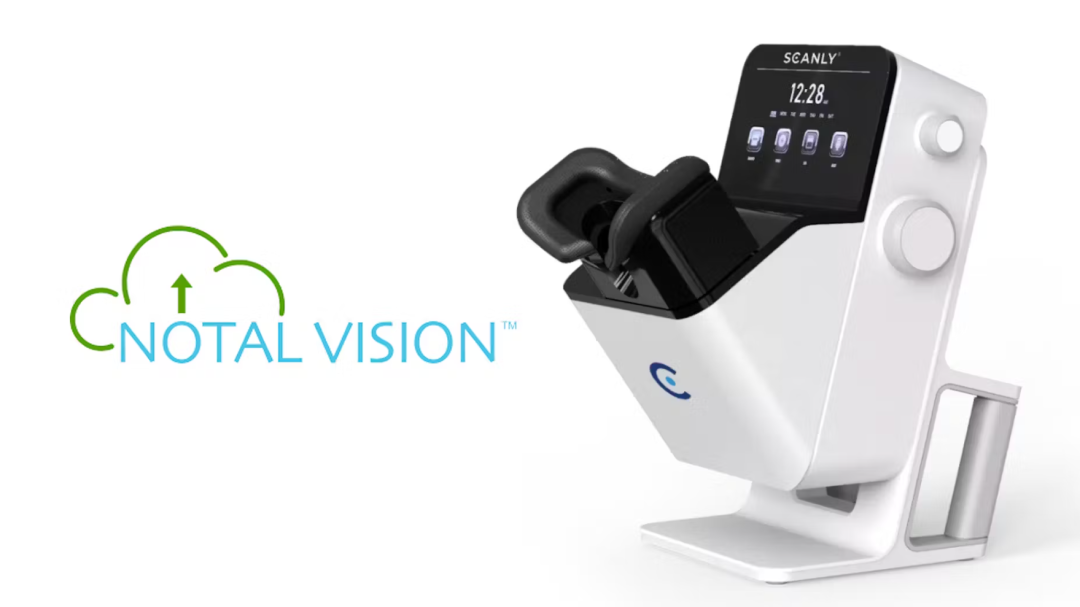
As of February 2025, Notal Vision is in communication with Medicare regarding the coverage and payment for the SCANLY Home OCT-related billing codes.
Study Design: Evaluation of AI in Home OCT ImagingThis study enrolled 336 nAMD patients from six U.S. retina clinics, covering a variety of coexisting pathological features. Notal Vision stated that this diversity poses a significant challenge for AI-based segmentation of nAMD-related biomarkers.Key Research MethodsImaging Process: Each patient independently captured four images using two home-based OCT devices without the assistance of a technician.Comparative Imaging: For comparison, the patient also completed imaging on the clinic's OCT device.Algorithm Objective: The AI algorithm aims to detect hypo-reflective spaces, including subretinal and intraretinal spaces, and quantify the total volume of these areas.Image Analysis: Expert graders analyzed home and clinic OCT images to evaluate the accuracy of the AI algorithm.Main Findings: Comparison of AI with Expert RatersThis study mainly focuses on the following two key performance indicators:1. Reproducibility of AI Algorithms in Estimating the Total Volume of Low-Reflective Spaces in Home OCT Images.2. Consistency between AI and expert raters in segmenting hypo-reflective spaces.Main FindingsHigh Reproducibility: AI algorithms show extremely high reproducibility in estimating low-reflectance spatial volume in home-based OCT images.Home-based Imaging Outperforms Clinic-based Imaging: AI-based Home OCT Scans Show Greater Repeatability in Estimating Low Reflectivity Space Volume Compared to Clinic-based Imaging and Expert Grading.High Consistency Between Algorithm and Experts: The consistency between AI and expert graders in segmenting low-reflectivity spaces has reached a level comparable to the consistency among human graders.Expert Opinion: The Significance of AI in Retinal Disease ManagementEric Schneider, M.D. (the senior author of the study), emphasized the importance of these findings: "This is one of the most significant studies related to [AI] and retinal disease management, as it contributed to the first AI algorithm for OCT gaining approval. This achievement should give retina specialists more confidence in adopting this patient monitoring solution."
SCANLY Home OCT Product Introduction
In May 2024, Notal Vision's SCANLY Home OCT device received De Novo authorization from the U.S. Food and Drug Administration (FDA).It is the first home retinal imaging device in its class.The devicePowered by artificial intelligence, specifically designed for home monitoringNeovascular Age-Related Macular Degeneration (nvAMD)。In addition, the device has also received the "Breakthrough Device" designation for patients with wet AMD (nAMD). With the FDA approval of SCANLY Home OCT, retina specialists now have a validated, AI-supported home monitoring tool to better remotely monitor patients and track disease progression.
Main Features
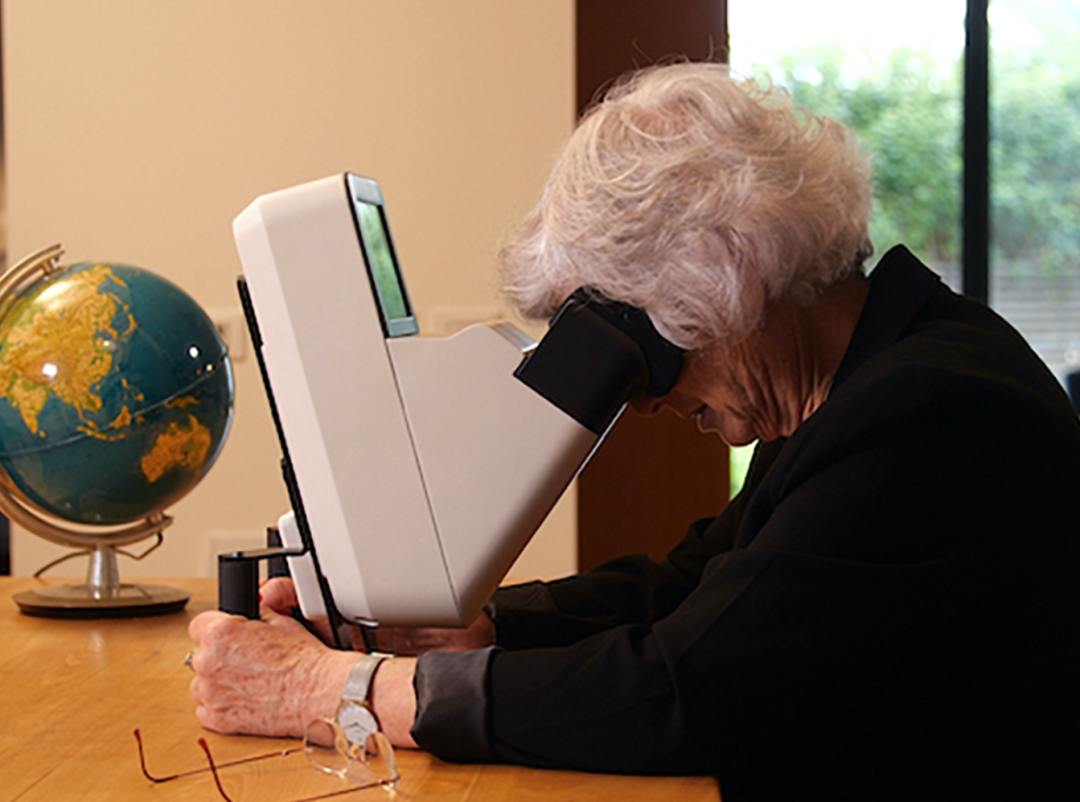
Self-Operation: Patients can capture spectral-domain OCT images for each eye in less than a minute at home.
Imaging Area: Captures a 10x10° area centered on the fixation point.
AI Analysis: The Notal OCT Analyzer (NOA) uses artificial intelligence to segment and estimate the volume of hyporeflective spaces (HRS), an important biomarker in the management of nvAMD.
Remote Monitoring: Images are wirelessly transmitted to the Notal Health Cloud for analysis, enabling doctors to monitor disease activity between clinic visits.
Clinical Manifestations
A longitudinal key study involving nvAMD patients with an average age of 77 showed:
97% of participants successfully obtained OCT images at home
97% of imaging attempts were successful.
Compliance Rate with an Average of 5.9 Scans Per Week
The average self-imaging time was 48 seconds.
Benefits for Doctors
High-resolution OCT images and AI-based analysis biomarkers can be accessed between clinic visits.
Able to set specific eye notification criteria and receive alerts via a HIPAA-compliant web portal.
Has the potential to provide improved personalized care for patients with wet AMD