Overall survival period up to33.57months, nearly 3 years! Compared to the previous first-line drug sorafenib, which had a median overall survival of 10.7 months, this is more than triple! The FDA has approved Guangzhou Laien Biological Medicine Co., Ltd.'s novel mRNA-encoded T-cell receptor (TCR)-T cell therapy product Liocyx-M004, initiating an international multicenter Phase 2 clinical trial. This significant progress further solidifies Lion TCR’s leading position in the mRNA-based TCR-T field and provides a strong boost to the liver cancer treatment landscape.Liver Cancer, Especially Hepatocellular Carcinoma (HCC), Has Been a Global Challenge in the Field of Cancer. Chronic Hepatitis B or C, Heavy Alcohol Consumption, Fatty Liver, and Liver Damage Caused by Toxic Foods Such as Aflatoxins Are the Main Causes of Liver Cancer, Among Which HBV-Related Liver Cancer Is the Most Severe. Statistics Show That More Than 420,000 People Worldwide Develop HBV-Related Liver Cancer Each Year, Accounting for At Least 50% of Global Cases, With the Situation Being Most Serious in Asia, Where At Least 80% of Patients Have HBV-Related Liver Cancer!
Despite recent advancements in systemic treatments for advanced hepatocellular carcinoma and the gradual establishment of a targeted combination immunotherapy framework, there remains a significant gap in precision treatment for HBV-related hepatocellular carcinoma. HBV-specific T cells in patients with HBV-related hepatocellular carcinoma are often functionally exhausted, preventing the immune system from effectively eliminating infected hepatocytes and hepatocellular carcinoma cells, leaving treatment in a challenging position. There is an urgent clinical need for new therapies targeting this large patient population!
Recently, there is good news from the FDA,Approval of Laien Bio's Novel mRNA-Encoded T Cell Receptor (TCR)-T Cell Therapy Product Liocyx-M004 to Initiate International Multicenter Phase 2 Clinical Trial.
Overall Survival in Advanced Liver Cancer Extended 3-fold! FDA Approves Novel TCR-T Therapy for Phase II Clinical TrialsLiocyx-M004, as the world's first mRNA-encoded TCR-T cell therapy for HBV-related hepatocellular carcinoma, can be achieved through engineered T cells.Accurate Identification of Cytotoxicity Expression in HBV Tumor Cells, has been used in clinical trials for the treatment of HBV-related liver cancer and recurrent HBV-related liver cancer after liver transplantation.
"More than 20 T-cell infusions were successfully performed on two liver transplant patients, with no treatment-related adverse reactions observed in either patient. One of the patients experienced a reduction in the size of distant metastatic liver cancer tumors!" said Dr. Thinesh Lee Krishnamoorthy.LioCyx-M Demonstrates Outstanding Clinical Data in Phase 1 Study (NCT03899415) for the Treatment of Unresectable Hepatitis B Virus (HBV)-Related Hepatocellular Carcinoma (HCC) at the 2021 Best Liver Cancer Summit!
As of April 30, 2020, a total of 8Patients with unresectable HBV-related hepatocellular carcinoma (HCC) who have no curative treatment options receivedLioCyx-M Therapy.The results showed that among the 7 evaluable patients, 3 patients had stable disease, including one patient with a significant reduction in the size of the liver tumor.30%The above, and maintained30 months!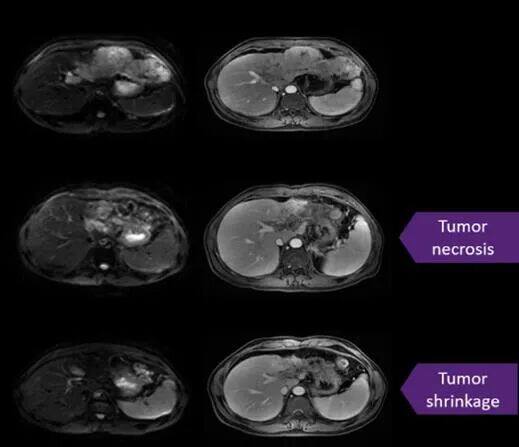
More encouraging is that,LioCyx-M TherapyMedian Overall Survival is33.57 Months,The median overall survival of the FDA-approved first-line drug sorafenib is only10.7 months (Llovet et al., N Engl J Med, 2008), more than tripled!In addition, the follow-up period was 47.9 months, and 4 patients were still alive at the data cutoff.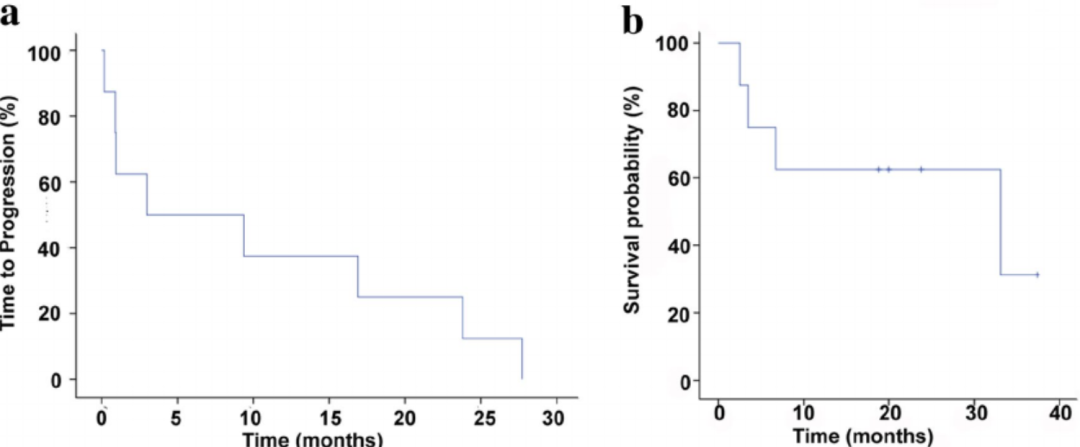
The researchers said excitedly,Given that 80% of hepatocellular carcinoma cases in Asia are currently associated with HBV, this approach could lead to significant breakthroughs in improving survival rates and quality of life for patients with this disease.。The good news is that the international multicenter Phase 2 clinical trial recently approved for initiation by the FDA will also evaluate the efficacy of Liocyx-M004 as a monotherapy and in combination with lenvatinib. As a standard first-line treatment for advanced hepatocellular carcinoma, lenvatinib can improve the tumor immune microenvironment, and when combined with Liocyx-M004, their complementary advantages are expected to further enhance patients' anti-tumor efficacy. The launch of this trial is also expected to accelerate the global market entry of Liocyx-M004. We look forward to the early approval and market launch of this innovative therapy, which significantly improves the prognosis of HBV-related hepatocellular carcinoma, benefiting more patients.
Tina Wang, Chief Medical Officer and Chief Operating Officer of Lion TCRPh.D.Explanation: "In patients with HBV-related hepatocellular carcinoma, HBV-specific T cells are often functionally exhausted, significantly impairing their ability to eliminate liver cancer cells and HBV-DNA integrated HBV-infected hepatocytes. Our research shows that HBV-specific TCR-T cells can effectively target and destroy these cancer cells. This makes the adoptive transfer and replenishment of autologous HBV-specific TCR-T cells a promising therapeutic strategy, with the potential to restore the pool of HBV-specific T cells in patients."This method can specifically kill hepatocellular carcinoma cells expressing HBV antigens and infected hepatocytes, offering a new therapeutic option for HBV-related hepatocellular carcinoma.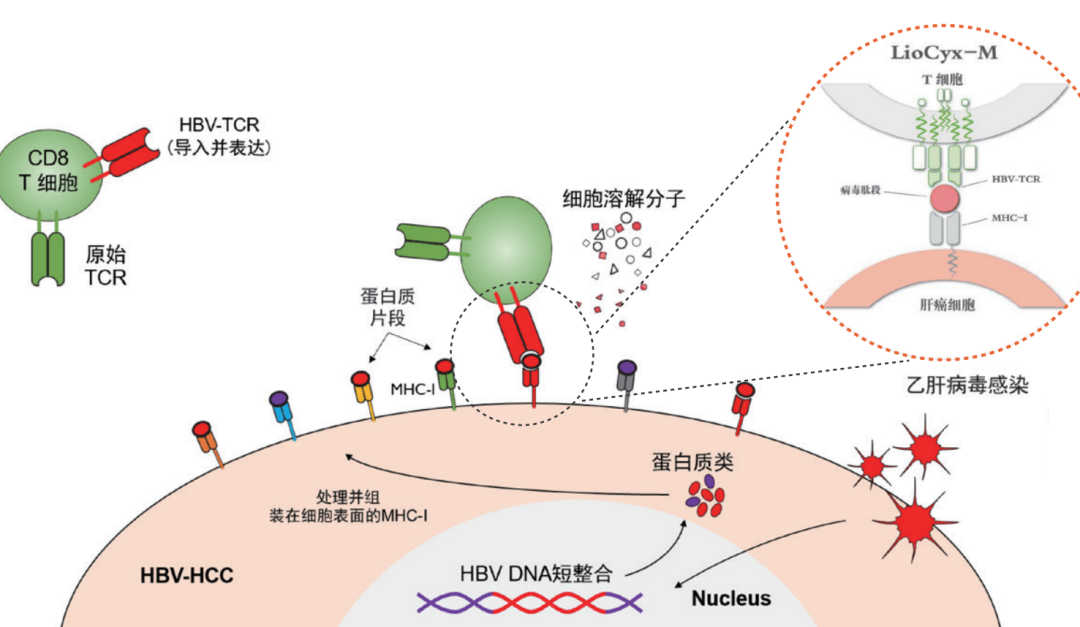 Although significant progress has been made in recent years in the systemic treatment of advanced hepatocellular carcinoma, including the development of targeted combination immunotherapy, precise treatment for HBV-related hepatocellular carcinoma remains limited.By studying the combination of Liocyx-M004 and lenvatinib, we aim to further improve the response rate and survival outcomes for these patients.FDA Approval of This International Multicenter Phase 2 Clinical Trial Is an Important Milestone, Enhancing Our Confidence and Commitment to Advance mRNA-Encoded TCR-T Therapy for Hepatocellular Carcinoma.Looking ahead, we will accelerate the trial progress and collect clinical data to bring this innovative therapy to patients as soon as possible.”How Can Liver Cancer Patients in China Access TCR-T Therapy?The good news is,This revolutionaryThe therapy is currently undergoing clinical trials in China, and has alreadyA large number of patients have successfully enrolled through the Global Oncology Doctor Network to reverse their conditions.In addition, multiple TCR-T therapies in China are undergoing clinical trials.Patients who wish to apply can submit their medical records to the Medical Department for evaluation, 4006667998.If eligible, patients will have their blood drawn to extract their own lymphocyte T-cells. Then, in the laboratory, the T-cells are selected, re-engineered, and manufactured.T cells expressing HBV-specific TCR, and finally reinfused them back into the patient's body.The process is as follows:
1. The patient underwent leukapheresis to isolate white blood cells.2. T cells from patients are expanded and activated in the laboratory.3. The genetic material encoding HBV virus was introduced into activated T cells by electroporation.4. At this time, the patient's T cells are able to express TCRs specific to HBV-related cancer cells.5. After phenotypic and functional validation, the TCR-engineered T cells are infused back into the patient.Liver cancer is actually a systemic disease. For patients with advanced liver cancer, the medical community now advocates comprehensive treatment through various therapeutic methods, including local radiotherapy and chemotherapy, targeted therapy, and immunotherapy, which need to be comprehensively considered and customized according to the specific conditions of the patients.These new immunotherapies undoubtedly offer new options and hope for patients with advanced liver cancer who have run out of treatment alternatives.We look forward to a series of therapies, such as Liocyx-M004, bringing more surprises in subsequent clinical trials and offering truly effective treatment options for liver cancer patients worldwide.
This article is original from Global Cancer Doctors Network. Reprinting is strictly prohibited without authorization.



Scan to Add Patient Group
Cancer News|New Technologies|New Drug Development|Authoritative Experts
Join the group to receive free anti-cancer resources