Iridex Corporation Highlights Cyclo G6® Laser System with Over 180,000 Glaucoma Patients Treated Globally

IRIDEX
Medical Device R&D and Manufacturer

Robotrak Technologies
Ophthalmic Medical Device R&D Developer



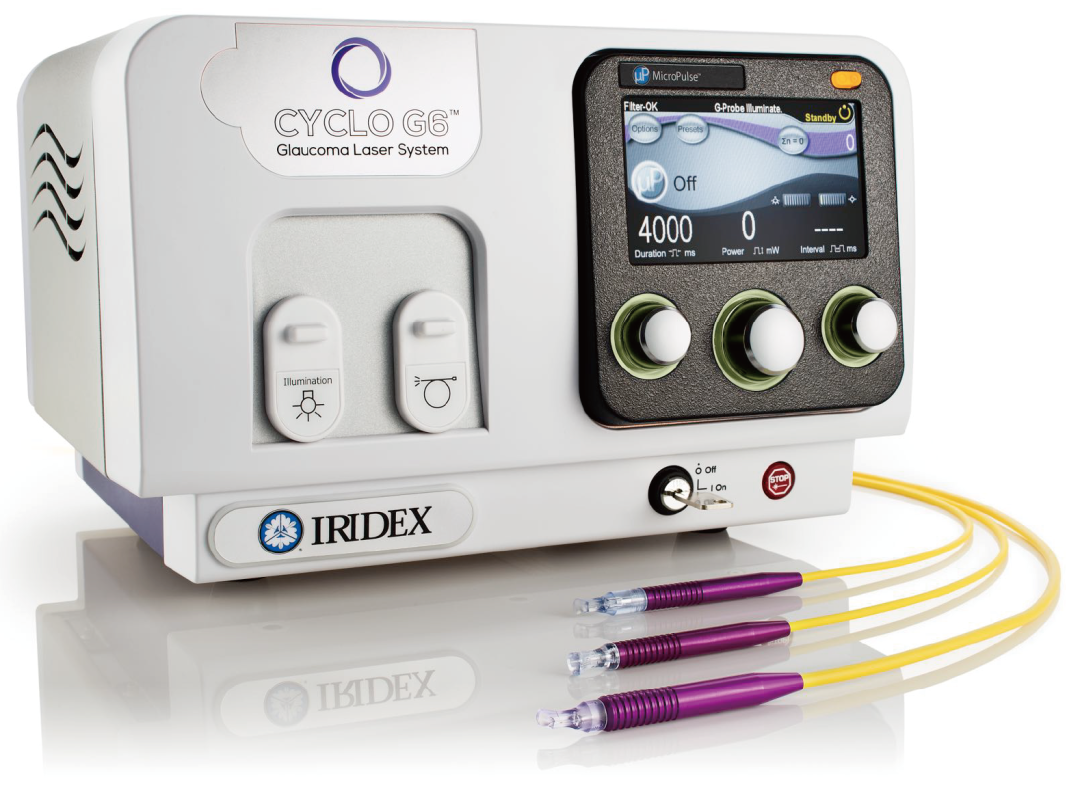
IRIDEX Cyclo G6 Laser Equipped with MicroPulse P3 Infrared Probe
According to statistics from the U.S.-based research firm Fortune Business, the global market for laser and other photonic medical devices was approximately $4.15 billion in 2021.The compound annual growth rate is expected to be 16.8% in the next eight years.(Data includes only equipment, excluding services).
At present, the laser and other optoelectronic medical devices in China are mainly imported, and the localization ratio of key devices is relatively low. In the market for ophthalmic laser treatment equipment,ZEISS, IRIDEX, Robotrak TechnologiesRanking in the top three.In the field of ophthalmic semiconductor laser treatment machines,Only five manufacturers' products have been approved in China., namely IRIDEX, Nidek, Guangtai Healthcare, Chengxian Technology, and the domestically produced company Robotrak Technologies.
# Research Details
Research Methods
This study was conducted by Dr. Ronald de Crom and colleagues from the Ophthalmology Clinic at Maastricht University in the Netherlands,The study involved 165 eyes.(Including eyes before and after cataract surgery) that were treated between 2016 and 2019, of which 112 eyes completed the 5-year follow-up.
Research Results
The average intraocular pressure (IOP) was reduced by 32.5%., statistically significant (p<0.001).
A significant reduction in the need for IOP-lowering drugs(p<0.005)。
Low complication rate, suitable for a wide range of glaucoma types and severities.
During the 5-year follow-up period,Only 38% of eyes required retreatment.Patients who underwent repeat treatments achieved a similar level of success as those receiving initial treatment, with no significant increase in the risk of complications.
Clinical Significance
Cyclo G6® Laser
The product consists of a laser main unit, a foot pedal switch, and a disposable laser fiber optic cable, used for reducing intraocular pressure in glaucoma patients whose eye pressure cannot be controlled by medication or surgery. The fiber optic cable is composed of a connector, fiber transmission body, and application end, available in two models: G probe and MicroPulse P3.
MicroPulse P3 Second Generation Probe
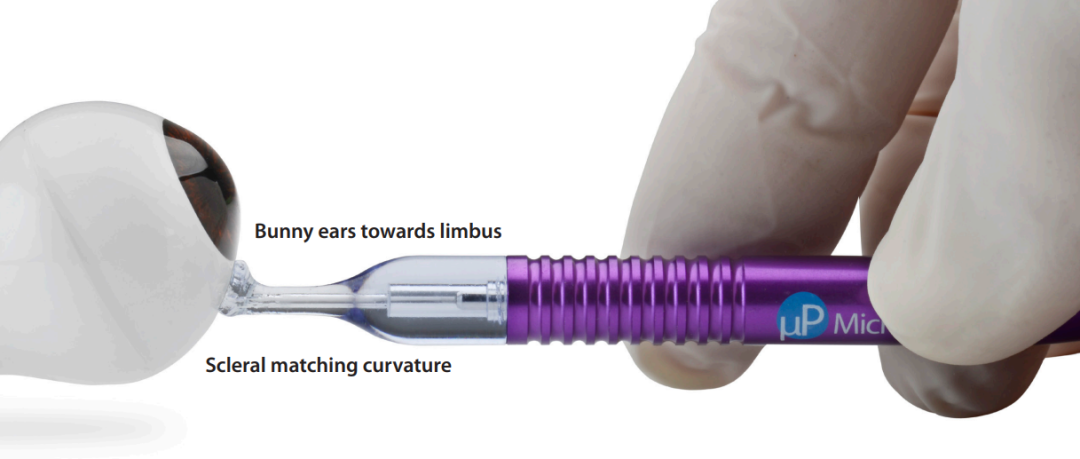
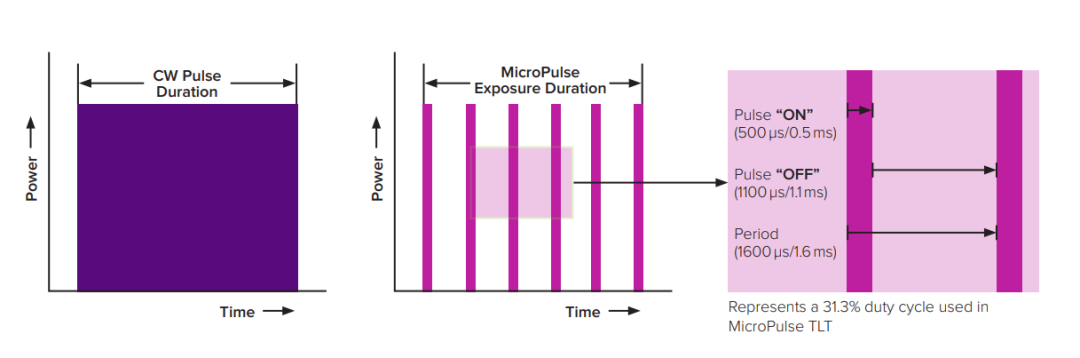
Peribulbar or retrobulbar anesthesia can be used during anesthesia. An appropriate amount of viscous liquid coupling agent (e.g., methylcellulose) is applied to the conjunctiva.A drop of liquid is applied to the front surface of the probe, ensuring the liquid covers both the eye and the probe tip. Set the laser to the following mode: Power 2000mW; Duty Cycle 31.3% (0.5ms ON & 1.1ms OFF).Translate the MP3 probe along the limbus for 15 seconds over a 150-degree arc of one hemi-eye or for 7 seconds over a 75-degree angle (1/4 of the eye), repeat 5-6 times.80 seconds per hemisphere, totaling 160 seconds of pulse envelope. Check if the probe direction is correct. The circular surface at the probe notch should face the limbus, and the flat surface should face the eyelid. Place the probe 1mm away from the limbus and tilt it towards the center of the eyeball. See Figure A.
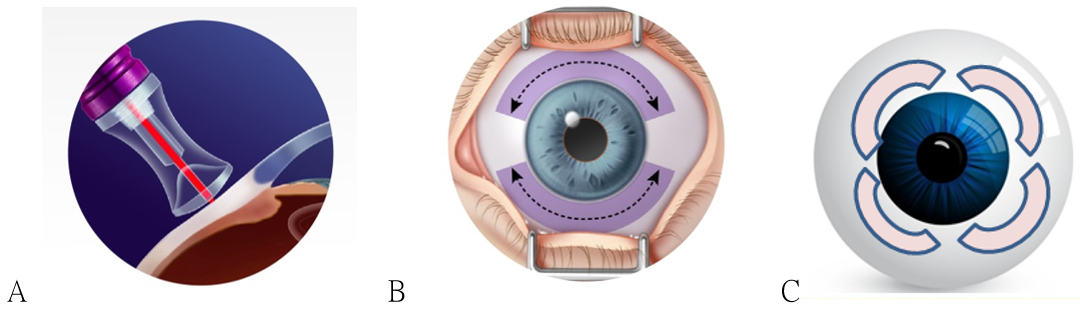
By sweeping/sliding and using appropriate pressure (similar to the pressure of writing with a pen on paper), move the probe over the upper and lower parts of the eyeball (avoiding the 3 and 9 o'clock positions), as shown in Figures B and C. Continue this motion consistently throughout the entire treatment process. At the same time, remember to use a viscous or liquid interface to prevent laser beam diffusion and ensure proper energy transmission.
Complete a 160-second treatment session (80 seconds each for the upper and lower parts of the eyeball). After laser treatment, apply anti-inflammatory eye drops for 1 to 2 weeks postoperatively.
# About IRIDEX

Iridex Corporation was founded in 1989, originally named IRIS Medical Instruments, and renamed Iridex Corporation in 1995, focusing onDeveloper, manufacturer, and seller of ophthalmic medical systems, delivery devices, and disposable instruments, for the treatment of glaucoma and retinal diseases。

GOC2025 Zone


Ophthalmology Solutions Case


Ophthalmic Instruments Industry Research