

Capstan Medical Announces Successful Completion of World’s First Robotic-Assisted Transcatheter Mitral Valve Replacement

Capstan Therapeutics
Biotechnology Developer
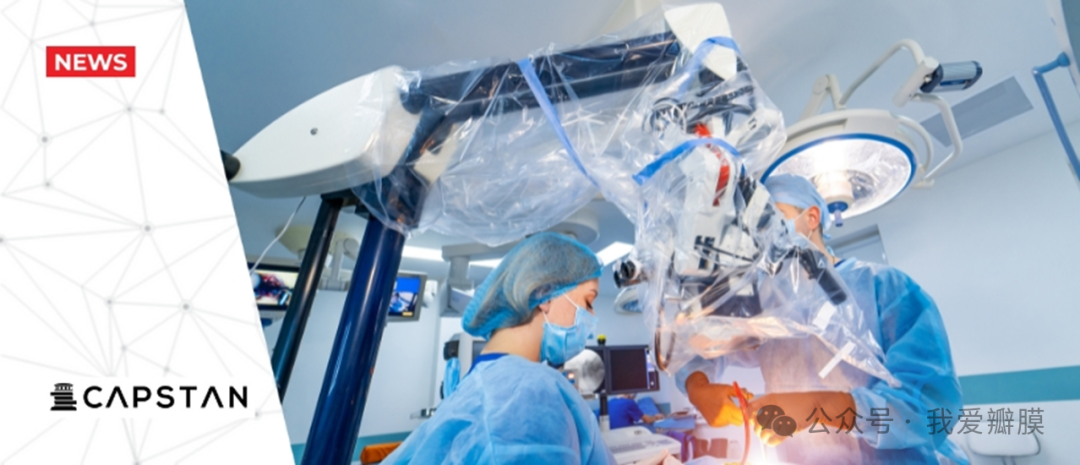
Debut of Robot-Assisted TMVR System: A Medical Breakthrough in Chile
In the era of rapid advancements in medical technology, robot-assisted surgery is gradually becoming a focal point in the healthcare field. In February 2025, Gonzalo Martinez, Director of the Endovascular Therapy Center at the Catholic University of Chile, and his team,Successfully completed the first human case using a robotic-assisted transcatheter mitral valve replacement (TMVR) system, marking a breakthrough that brings new hope for the treatment of cardiovascular diseases.The Capstan system used in this surgery, developed by Capstan Medical, marks a new phase in TMVR technology.
Capstan System: The "Xbox Master" in Surgical Robotics
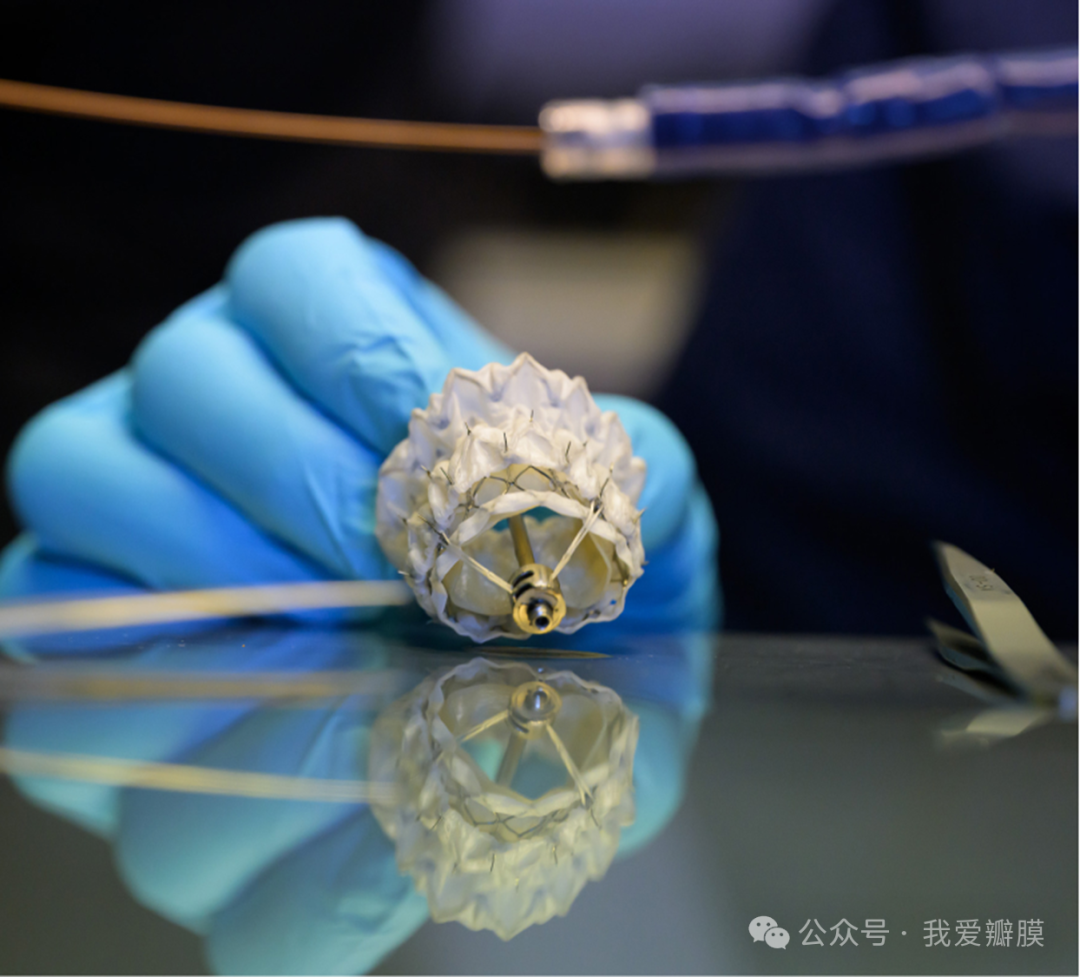
Capstan System: An Innovative Model in the Field of Cardiovascular Interventional SurgeryThe Capstan system is an innovative model in the field of cardiovascular interventional surgery, with its components working together to provide a strong guarantee for the precise implementation of the procedure. The system consists of three key parts: the mitral valve implant, the delivery catheter, and the catheter control system.
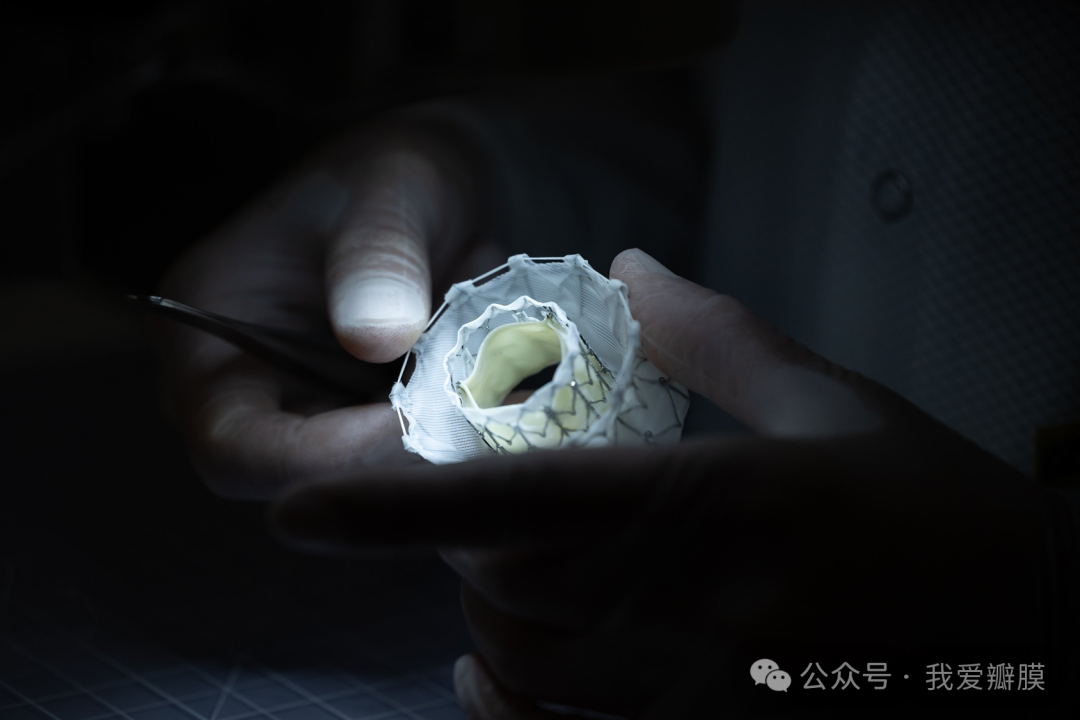
The mitral valve implant adopts a unique "dual-stent" system, with a valve housing unit of 27 millimeters that provides an effective orifice area (EOA) of 3.3 square centimeters. This design allows the implant to better match the anatomical structure of the human mitral valve, effectively improving cardiac hemodynamics. The delivery catheter, sized at 33Fr, acts as a precise "lifeline," responsible for safely and accurately delivering the mitral valve implant to the target location. The catheter control system serves as the "intelligent brain" of the entire Capstan system, ensuring exact control over the surgical procedure.
The most talked-about aspect of the Capstan system is its unique design that utilizes an Xbox controller for operation. Imagine doctors no longer wielding traditional surgical instruments but instead performing complex surgical procedures by manipulating an Xbox controller, much like operating a game console. This design is not merely for novelty but offers numerous practical advantages.The interface of the Xbox controller is simple and intuitive, allowing doctors to easily navigate the mitral valve anatomy through familiar buttons and joystick operations, achieving precise control of surgical instruments. This significantly reduces the difficulty of surgical operations, making the surgical process smoother and more efficient.At the same time, this design also increases the flexibility of doctors' operations. During the surgery, they can adjust the trajectory, depth, and position of the catheter at any time according to the actual situation, ensuring the safety and success rate of the surgery.
Human Case Details: The Technical Strength Behind a Successful Surgery
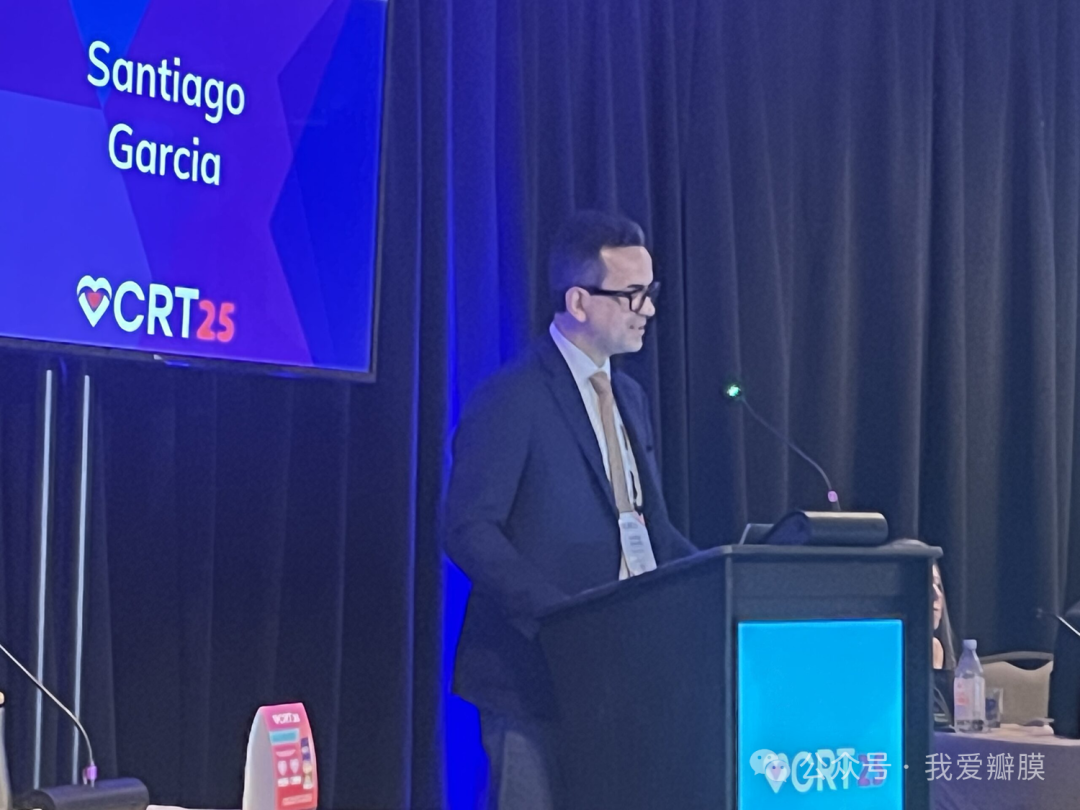
At the 2025 Cardiovascular Research Technologies (CRT) conference, Santiago Garcia from Christ Hospital in Cincinnati, U.S., provided a detailed introduction of the two landmark surgeries. The first patient was not a suitable candidate for traditional surgery due to multiple comorbidities. However, with the assistance of the Capstan system, the doctors offered new hope.
During the surgery, the doctor precisely controlled the Capstan system via an Xbox controller. Skillfully utilizing the controller’s buttons and joysticks, they guided the delivery catheter along a complex vascular path with the precision of operating sophisticated equipment, accurately delivering the mitral valve implant to the diseased area.The entire process is like a tense yet orderly "surgical game," where the doctor focuses intently on the screen, continuously adjusting the trajectory, depth, and position of the catheter based on real-time imaging feedback to ensure that the implant perfectly matches the patient's mitral valve anatomy.
This surgery took approximately 120 minutes and ultimately achieved a "very good" outcome. Postoperative examinations showed no evidence of paravalvular leakage (PVL), mitral regurgitation (MR) was completely eliminated, and the patient's cardiac function significantly improved.
The second surgery performed the next day was also successful, with the operation time shortened to 90 minutes.This not only reaffirms the effectiveness and reliability of the Capstan system but also highlights the efficient operational capabilities of the medical team after mastering this technology. In this surgery, the doctors successfully completed the mitral valve replacement with the precise control provided by the Capstan system. The patient recovered well post-operation, with all indicators normal.
The success of these two surgeries is not only a victory for medical technology but also a blessing for countless patients. They have opened up a new treatment path for patients who were previously unable to undergo traditional surgery due to complex conditions. The application of the Capstan system has shown us the enormous potential of robot-assisted surgery in the field of cardiovascular disease treatment. With its precision and minimally invasive characteristics, it brings patients smaller trauma, faster recovery, and better treatment outcomes. We believe that in the future, as this technology continues to develop and improve, more patients will benefit from it and regain a healthy life.
Expert Opinion: Medical Revolution Brought by Technological Innovation
The emergence of the Capstan system has sparked widespread attention and heated discussions in the field of cardiovascular disease treatment. Many experts have highly praised this innovative technology, believing that it will bring profound changes to the treatment of cardiovascular diseases.
Dr. Johnson, an authoritative expert in the cardiovascular field and a professor at a well-known American medical school, pointed out: "The successful application of the Capstan system is an important milestone in the history of cardiovascular disease treatment. It breaks the limitations of traditional surgery and provides new treatment options for patients who cannot undergo traditional surgery. This robot-assisted surgical method not only improves the precision and safety of surgery but also significantly reduces the operation time and patient recovery period."
From a professional perspective, the impact of the Capstan system on the treatment of cardiovascular diseases is multifaceted. At the technical level, it addresses many of the challenges present in traditional TMVR surgeries. In conventional procedures, doctors are required to operate within the complex structure of the heart based on extensive experience and advanced skills, which demands an extremely high level of technical expertise and carries significant surgical risks. However, with the assistance of robotics, the Capstan system enables precise control of surgical instruments, greatly reducing the difficulty and risks associated with the operation.
In terms of patient benefits, the advantages brought by the Capstan system are even more significant. For patients with complex conditions who cannot tolerate traditional surgery, the Capstan system offers them a new lease on life. Its minimally invasive nature allows patients to recover more quickly after surgery, reduces the occurrence of postoperative complications, and improves their quality of life. Take the two surgical patients in Chile as examples; after receiving TMVR surgery assisted by the Capstan system, their cardiac function significantly improved, and their quality of life was greatly enhanced.
In addition, the emergence of the Capstan system has also positively driven the development of the cardiovascular disease treatment field. It has encouraged more researchers and medical institutions to engage in the research and development of robot-assisted surgical technologies, accelerating technological innovation and progress in this field. At the same time, it has also introduced new requirements for talent cultivation in the cardiovascular disease treatment field, prompting doctors to continuously learn and master new technologies to enhance their professional expertise.
Future Outlook: The Infinite Possibilities of Robot-Assisted Surgery
The successful application of the Capstan system represents only a阶段性成果 in the development of robot-assisted surgery. In the long term, the future research plans and application prospects of the Capstan system are very broad. At the technical level, the research and development team will continuously optimize the system's performance and functionality, improving the precision and safety of surgeries. For example, further enhancing the system’s navigation capabilities to enable more accurate identification and avoidance of complex anatomical structures; strengthening the system’s stability to reduce the risk of errors during surgery.

In terms of clinical application, the Capstan system is expected to play an important role in the treatment of more cardiovascular diseases, such as mitral stenosis and aortic valve disease. Meanwhile, with the maturity and improvement of the technology, the Capstan system may also expand to other surgical fields, such as neurosurgery and urology, bringing good news to more patients.
From a broader perspective, robot-assisted surgery represents the future development trend in the medical field. It will gradually transform traditional surgical models, making surgeries more precise, minimally invasive, and efficient. In the future, with continuous advancements in technologies such as artificial intelligence and machine learning, robot-assisted surgical systems will possess stronger autonomous learning and decision-making capabilities. They will be able to automatically adjust surgical plans based on individual patient differences and real-time conditions during surgery, achieving truly personalized surgical treatment.
In addition, robot-assisted surgery is also expected to break geographical limitations and achieve remote surgery. Through high-speed communication technologies such as 5G, experts can perform surgeries on patients in remote areas from thousands of miles away, allowing high-quality medical resources to benefit more people. This can not only address the uneven distribution of medical resources but also save patients significant amounts of time and economic costs. In emergency rescue scenarios, robot-assisted surgery can also play an important role, buying precious treatment time for patients.
However, we must also soberly recognize that robot-assisted surgery still faces some challenges in its development. The high cost of technology is a prominent issue, making it difficult for many medical institutions to afford, thus limiting the popularization of the technology. At the same time, operating robot-assisted surgery systems requires specialized technical personnel, and the training requirements for doctors are relatively high, which also restricts the promotion of the technology to a certain extent. In addition, robot-assisted surgery also involves ethical and legal issues, such as the definition of surgical responsibility and the protection of patient privacy, necessitating the formulation of comprehensive laws and regulations by relevant departments to regulate these aspects.
Despite numerous challenges, the future of robot-assisted surgery remains highly promising. With continuous technological advancements and improvements, as well as the joint efforts of all parties, it is believed that robot-assisted surgery will play an increasingly vital role in the future of medicine, making greater contributions to human health.