LY6G6D: A Promising Tumor-Specific Target for pMMR/MSS Colorectal Cancer Therapy

Genentech
Pharmaceutical R&D Manufacturer
Colorectal cancer (CRC) is recognized as one of the most common malignant tumors that seriously damage health and lifespan, with an increasing proportion of advanced-stage cases and a trend towards younger patients.[1]With the deepening of targeted therapy and genotyping research, targeted drugs have become a first-line solution for personalized treatment and comprehensive treatment of colorectal cancer. However, there are still many adverse reactions and drug resistance issues, making it imperative to seek new treatment methods.
LY6G6D, full name Lymphocyte antigen 6 family member D, also known as Ly6-D, belongs to the LY-6 family. The human LY-6 family genes are located within the MHC III gene cluster on chromosome 6, participating in the division and growth of tumor cells, promoting the emergence of cancer types that are more prone to metastasis, drug-resistant, and difficult to treat.[2]。
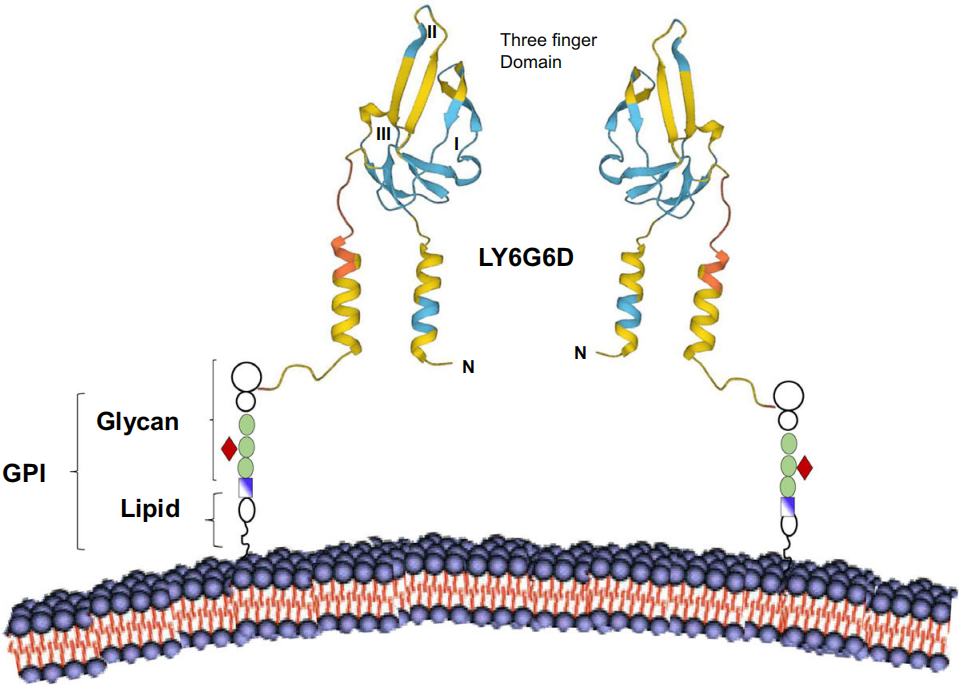
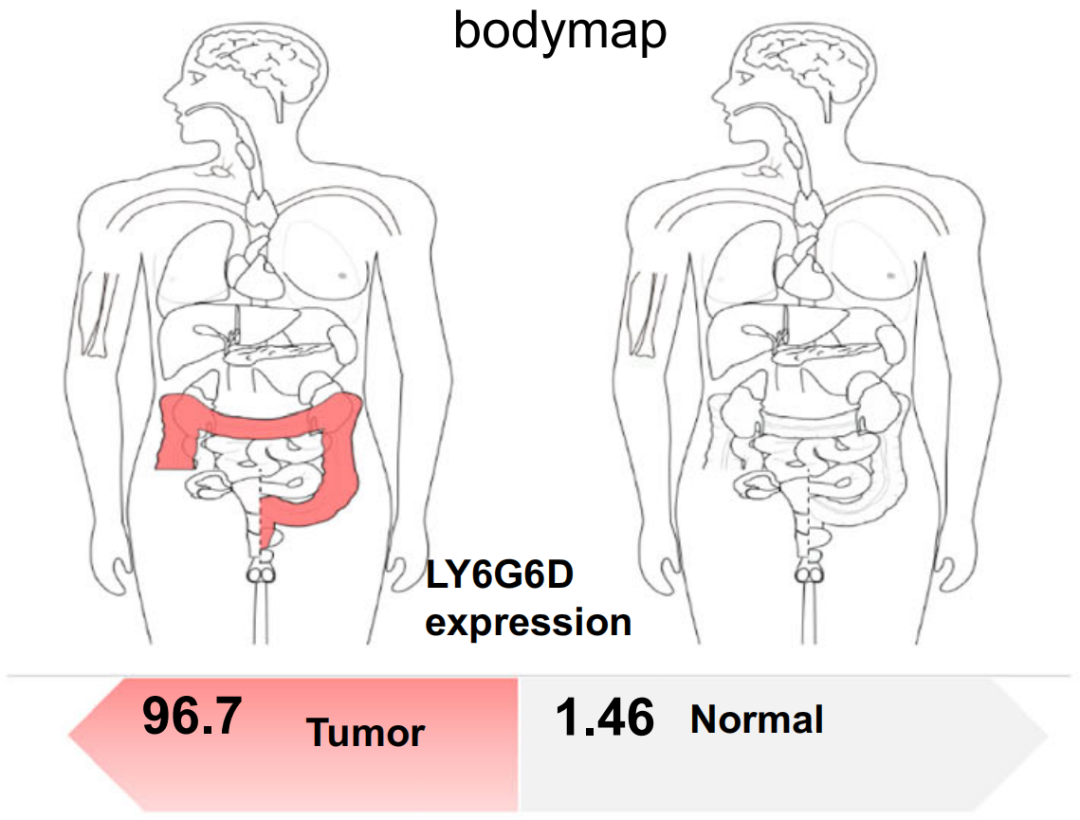
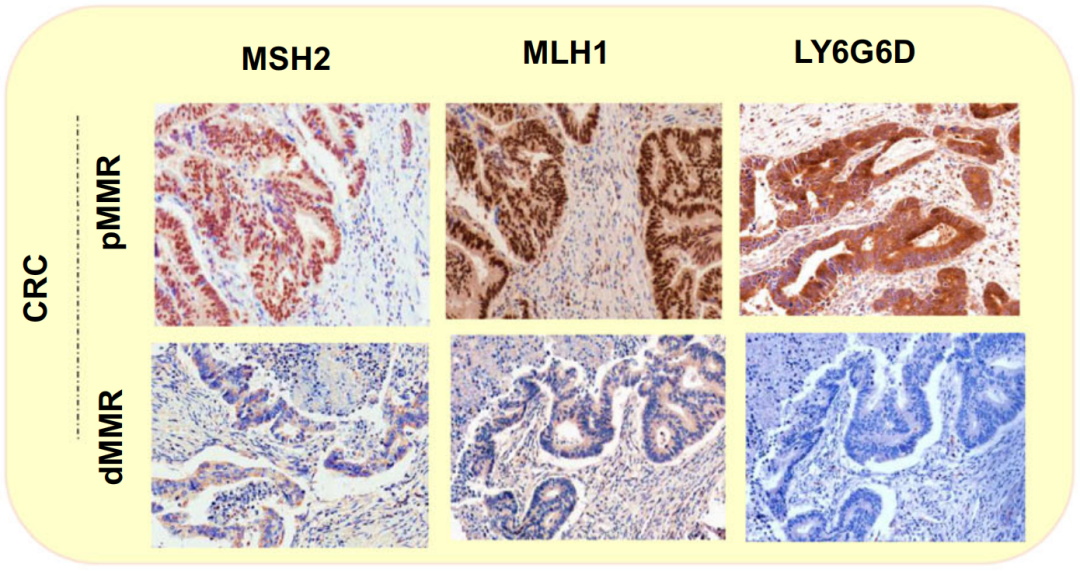
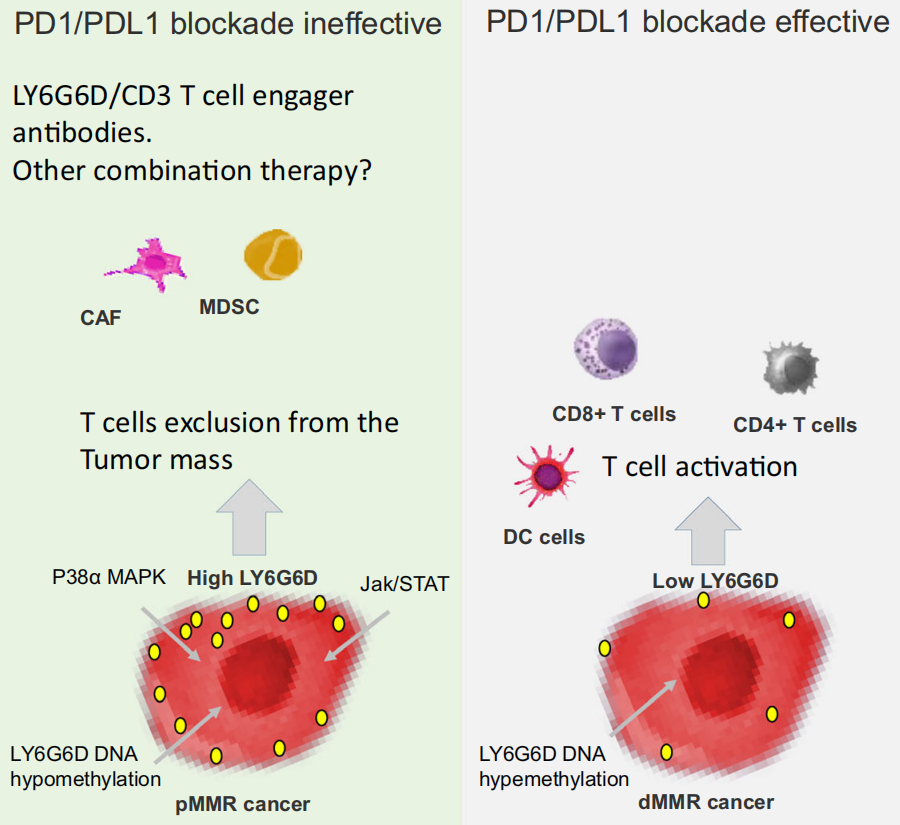
The expression of LY6G6D is regulated by epigenetics. In pMMR CRC, the methylation level of the LY6G6D gene is low, and the protein expression level is high. Cancer-associated fibroblasts (CAFs) and myeloid-derived suppressor cells (MDSCs) are predominant, while T cells are excluded, hindering anti-tumor immune responses. This process involves the p38α MAPK and JAK-STAT signaling pathways.Ultimately rendering tumors insensitive to immunosuppressants such as PD-1 or PD-L1. InMismatch Repair-Deficient Colorectal Cancer(dMMR CRC), the situation is reversed. These regulatory patterns indicateDifferent Subtypes of CRC andTumor-related epigenetic mechanisms are closely linked, and epigenetic-related characteristics can provide important references for personalized treatment strategies for patients.
The specificity of LY6G6D expression in intestinal tissues makes its targeted drug indications focus on colorectal cancer, with active development of bispecific antibodies and ADC drugs.
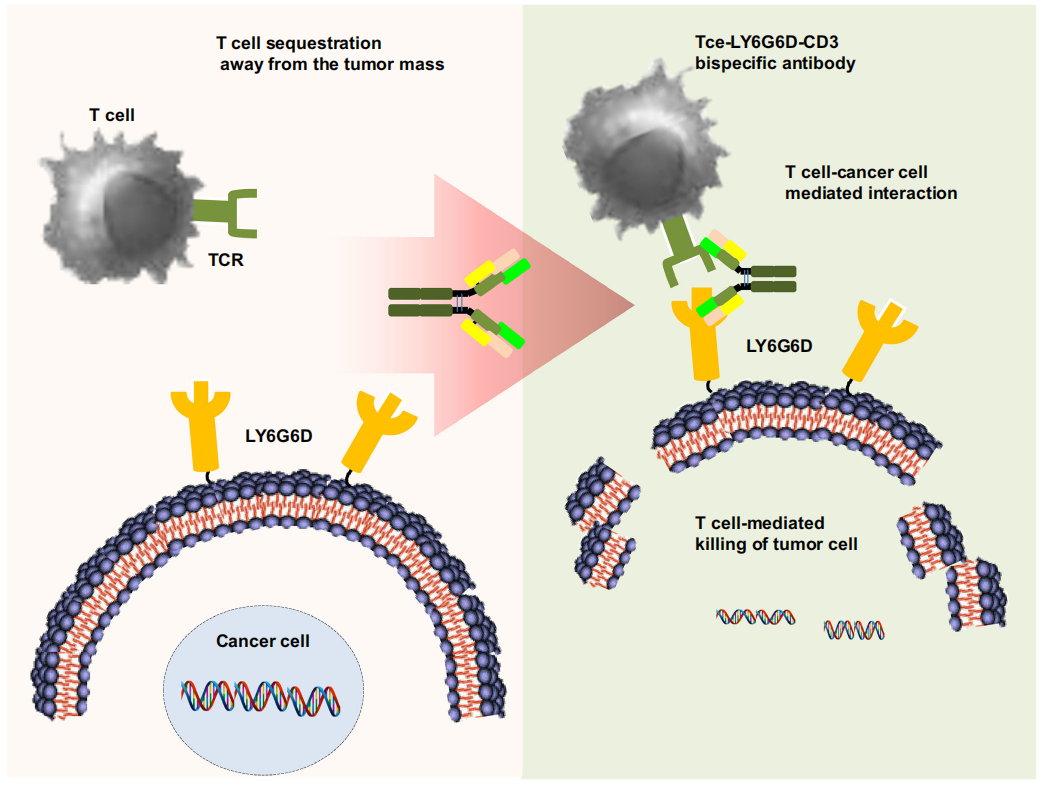
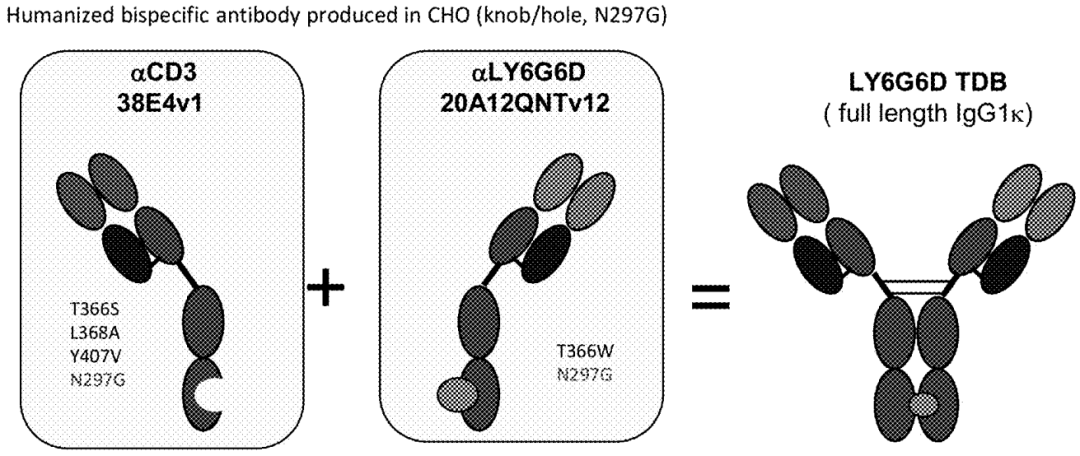
LY6G6D-TDB is a full-length bispecific antibody based on IgG1 developed by Genentech. Structurally, it adopts an asymmetric 1+1 format, utilizing Knob-In-Hole technology to prevent heavy chain mispairing. It can simultaneously bind to the membrane-proximal region of LY6G6D (Asp95-Asn103) and CD3E. This mode of binding to a membrane-proximal epitope overcomes steric hindrance effects, promoting effective contact formation and T cell-mediated target cell lysis. Additionally, due to the restricted expression of LY6G6D in normal tissues, LY6G6D-TDB has been engineered with higher CD3 affinity, demonstrating enhanced antitumor activity both in vitro and in vivo.[4][5]。
In addition, Qilu Pharmaceutical's TCE drug QL335 has shown promising results.QL335 adopts a 2+1 structure and reduced CD3 affinity design, which can mitigate CRS risk. Roche's TCERG6286 was removed from the pipeline due to efficacy not meeting expectations. However, the exploration of LY6G6D has not stopped because of this failure, and it is believed that other forms of LY6G6D-targeted drugs will emerge in the future.。
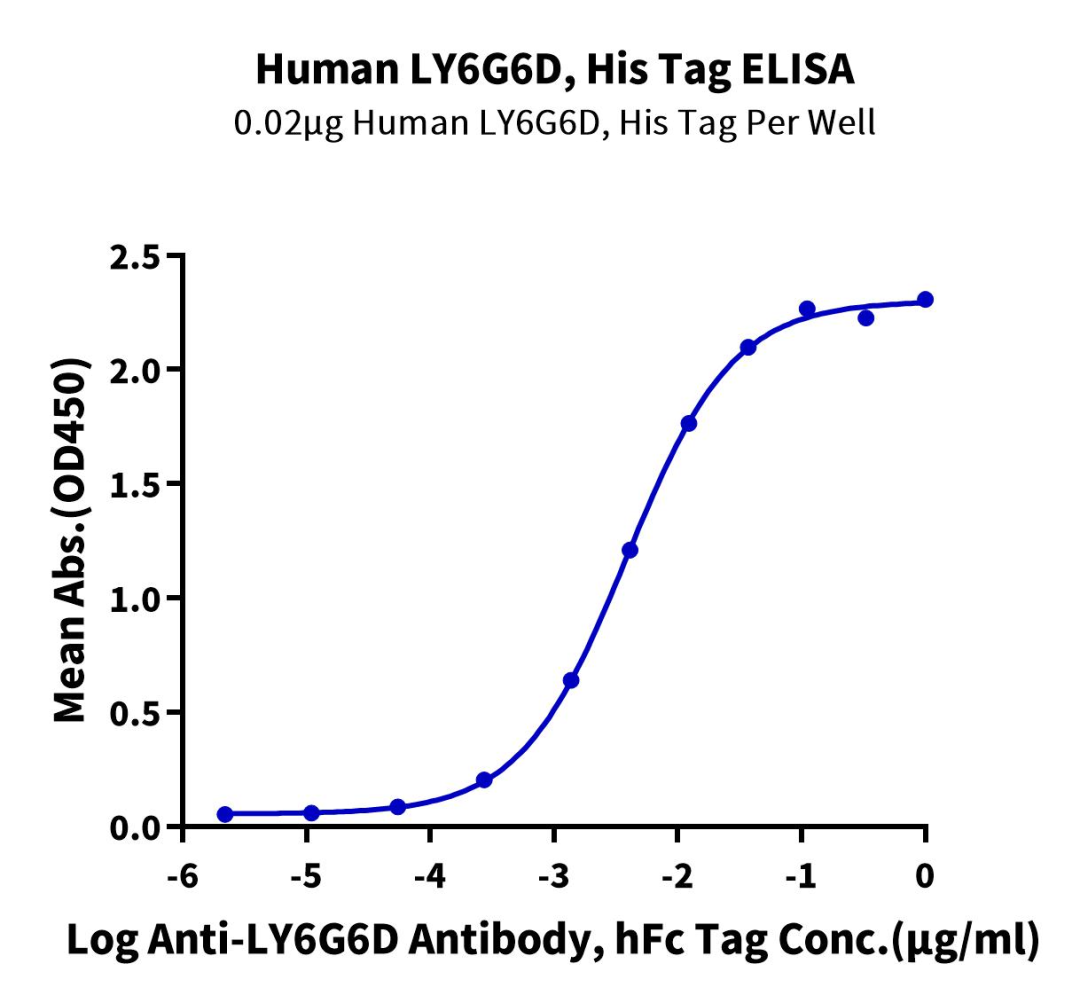
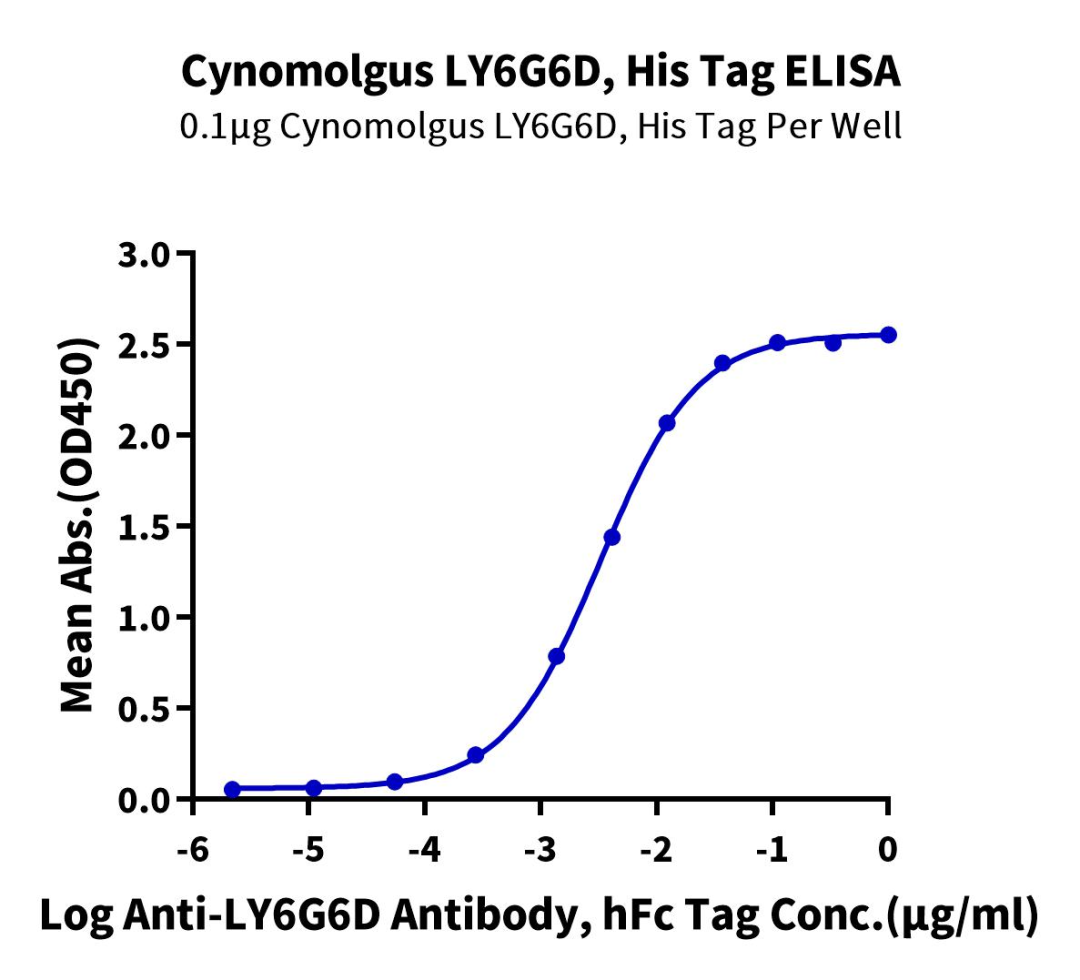
pMMR/MSS CRC accounts for about 85% of CRC cases. These patients struggle to benefit from conventional immunotherapy, presenting a significant treatment gap. Therefore, there is a need to develop more effective treatment methods. Kactus Biosystems provides high-quality recombinant LY6G6D protein, available in multiple species and tag designs, and undergoes rigorous quality testing to support LY6G6D-related drug development.
Data Example:
Product List:
| Catalog Number | Product Information |
|---|---|
| LYD-HM1GD | Human LY6G6D, C-His Tag |
Biotinylated Human LY6G6D, His-Avi Tag | |
Human LY6G6D, C-hFc Tag | |
Cynomolgus LY6G6D, N-His Tag | |
| LYD-CM26D | Cynomolgus LY6G6D, hFc Tag |
| LYD-MM16D | Mouse LY6G6D, N-His Tag |
| LYG-HM26F | Human LY6G6F, C-hFc Tag |
Click on the catalog number to view product details.
References(Swipe up and down):
[1] Sung H, Ferlay J, Siegel RL, Laversanne M, Soerjomataram I, Jemal A, Bray F. Global Cancer Statistics 2020: GLOBOCAN Estimates of Incidence and Mortality Worldwide for 36 Cancers in 185 Countries. CA Cancer J Clin. 2021 May;71(3):209-249.
[2] Luo L, McGarvey P, Madhavan S, Kumar R, Gusev Y, Upadhyay G. Distinct lymphocyte antigens 6 (Ly6) family members Ly6D, Ly6E, Ly6K and Ly6H drive tumorigenesis and clinical outcome. Oncotarget. 2016 Mar 8;7(10):11165-93.
[3] Giordano G, Pancione M. MHC class III lymphocyte antigens 6 as endogenous immunotoxins: Unlocking immunotherapy in proficient mismatch repair colorectal cancer. WIREs Mech Dis. 2023 Oct 11:e1631.
[4] US20210179715A1.
[5] Wang P, Sun LL, Clark R, Hristopoulos M, Chiu CPC, Dillon M, Lin W, Lo AA, Chalsani S, Das Thakur M, Zimmerman Savill KM, Rougé L, Lupardus P, Piskol R, Husain B, Ellerman D, Shivva V, Leong SR, Ovacik M, Totpal K, Wu Y, Spiess C, Lee G, Leipold DD, Polson AG. Novel Anti-LY6G6D/CD3 T-Cell-Dependent Bispecific Antibody for the Treatment of Colorectal Cancer. Mol Cancer Ther. 2022 Jun 1;21(6):974-985.