World's First: Antwise Microsurgical Robot Successfully Completes Radical Resection of Giant Dermatofibrosarcoma Protuberans

KouTech
Developer of Microsurgical Robots
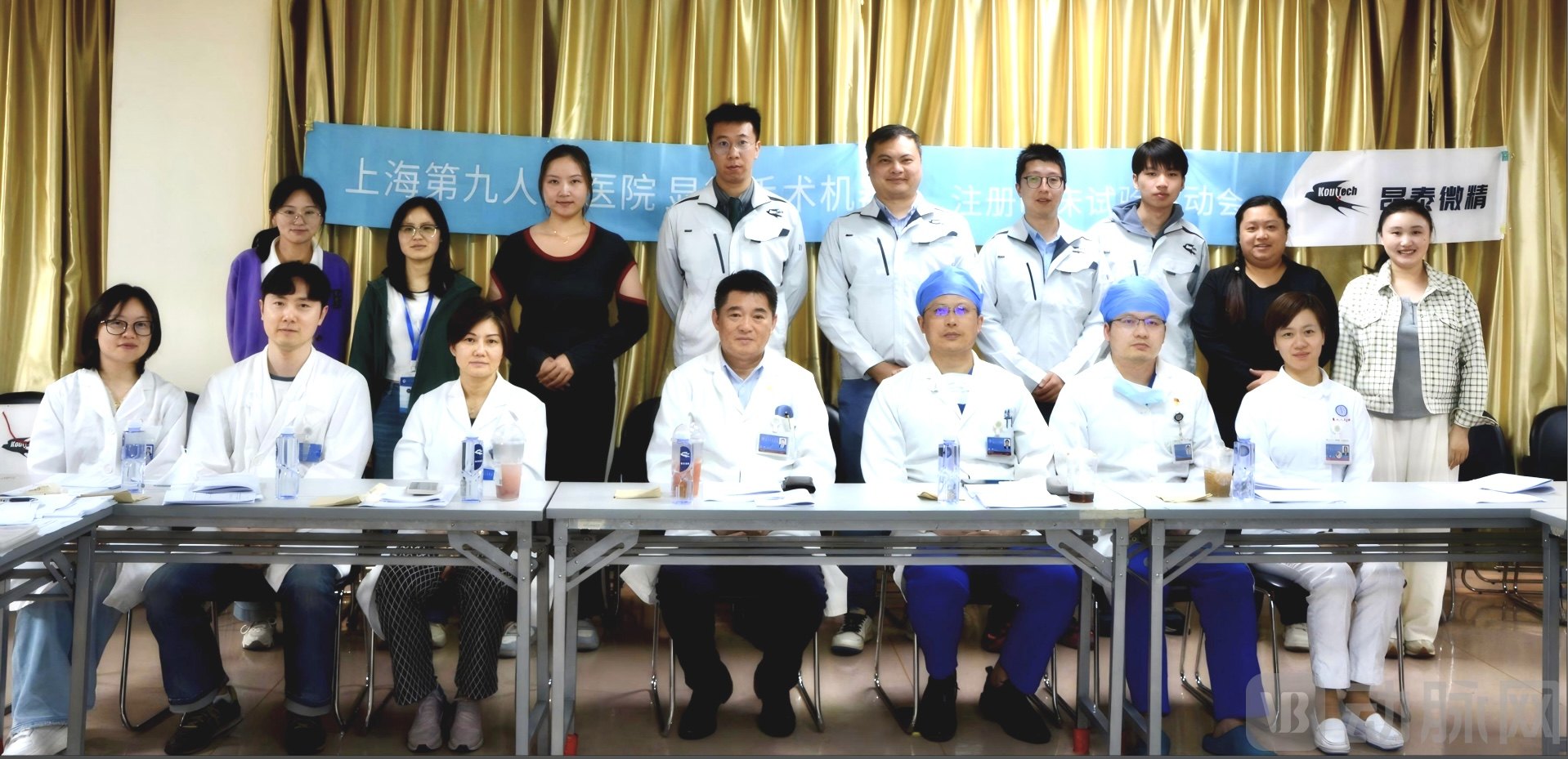
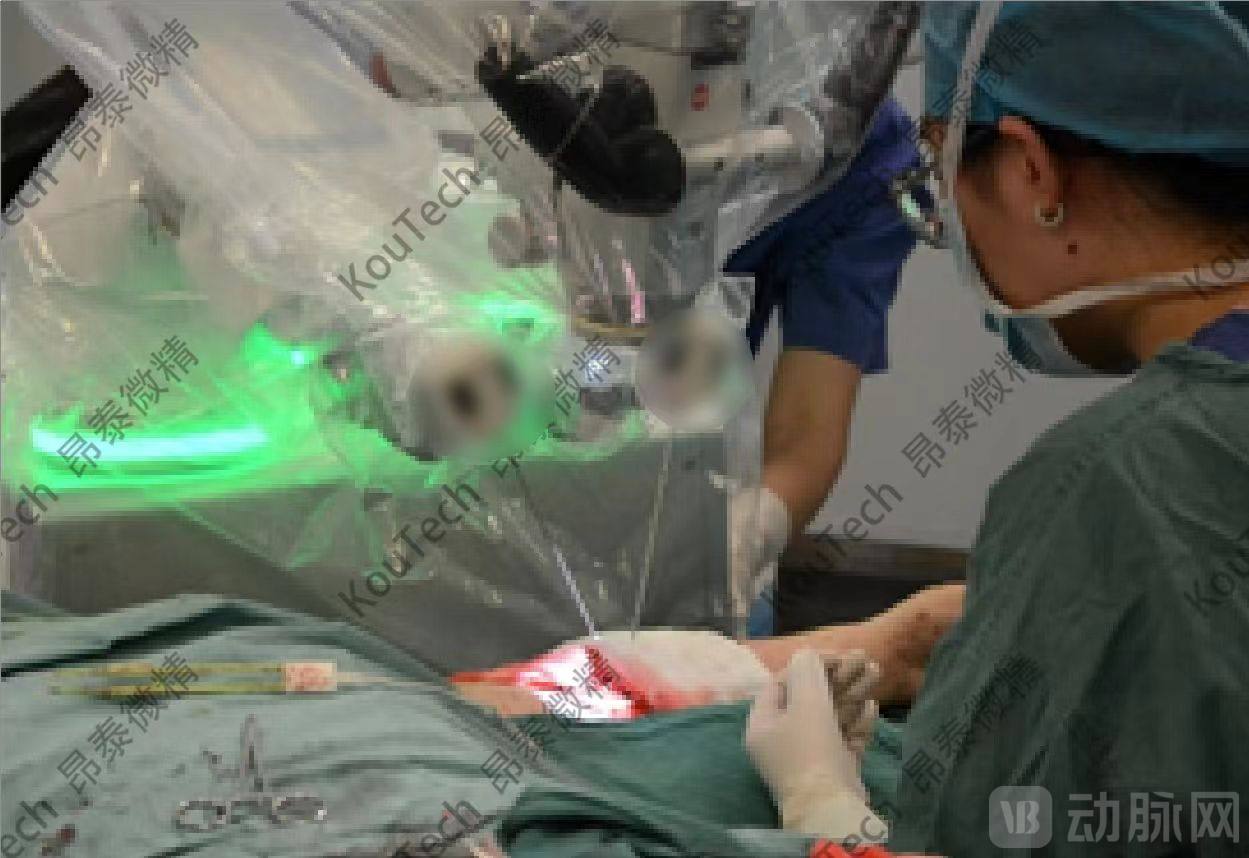
May 27, 2025, Director of the Center for Reconstructive Microsurgery, Department of Plastic and Reconstructive Surgery, Ninth People's Hospital, Shanghai Jiao Tong University School of MedicineProfessor Zhang YixinLed by, adoptingKouTech's self-developed Kai Microsurgery Robot Completes World's First Robot-Assisted Radical Resection and Reconstruction of Complex Elbow Tumor.
This surgery was successfully performed on a 29-year-old female patient.Radical resection of a giant protuberant dermatofibrosarcoma on the left elbow (20cm×20cm) with microsurgical free transfer repair using an ALT perforator flap from the right thigh.The successful implementation of this surgery not only represents a significant advancement for KouTech in the field of micro-reconstruction technology but also marks the formal entry of domestically produced micro-robotic systems into the clinical application stage.
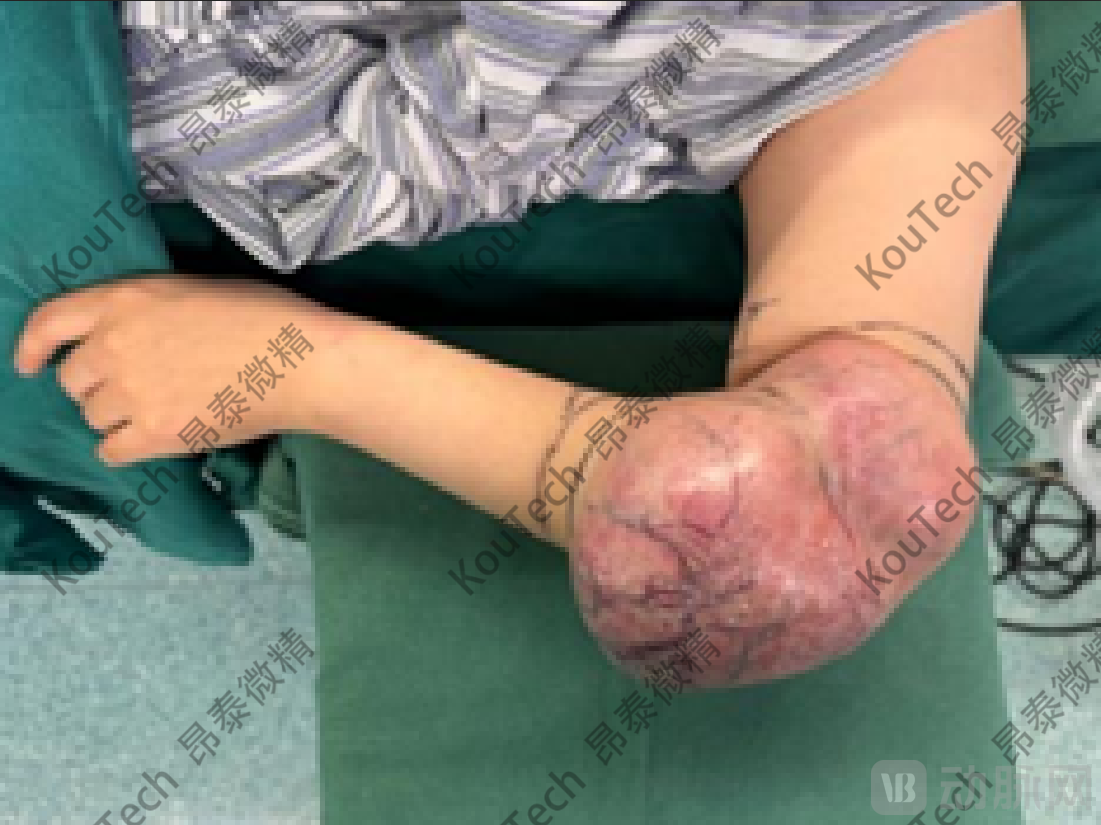
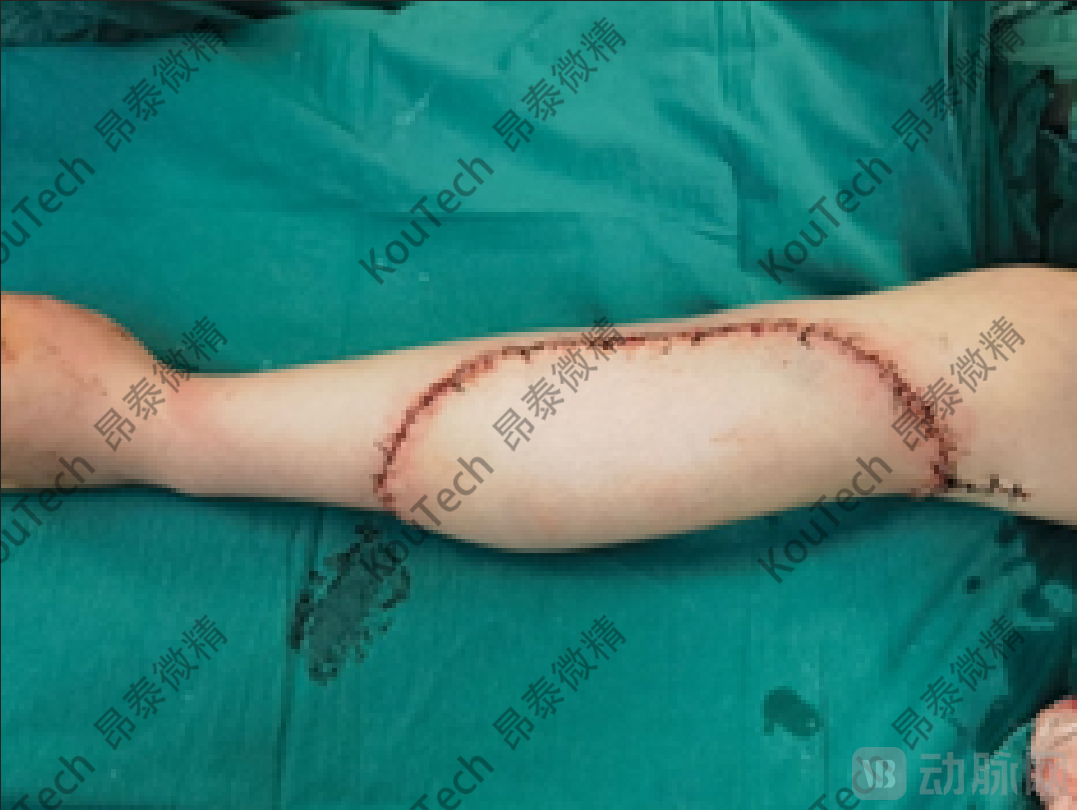
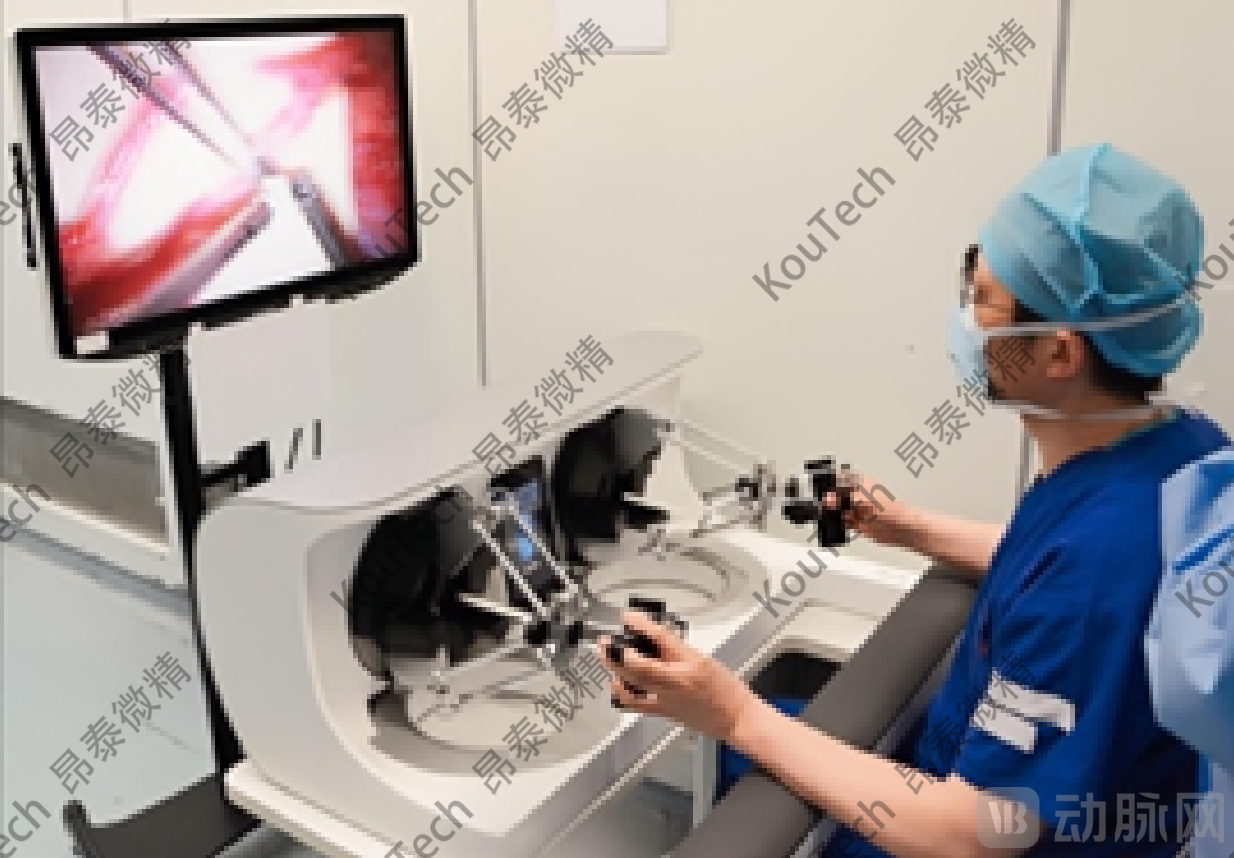
It is reported that the plastic surgery team, under the guidance of Professor Zhang Yixin and operated by Deputy Director Feng Shaoqing using the Kai Microsurgical Robot System completed the surgery. The operation set three milestones:
1. China's First Nationally Approved Clinical Trial of Microsurgical Robotics
The surgery was performed under the GCP clinical research framework, with full-process monitoring by an independent third party. Key procedural steps were recorded in frame-level video to ensure compliance, data authenticity, and traceable results.
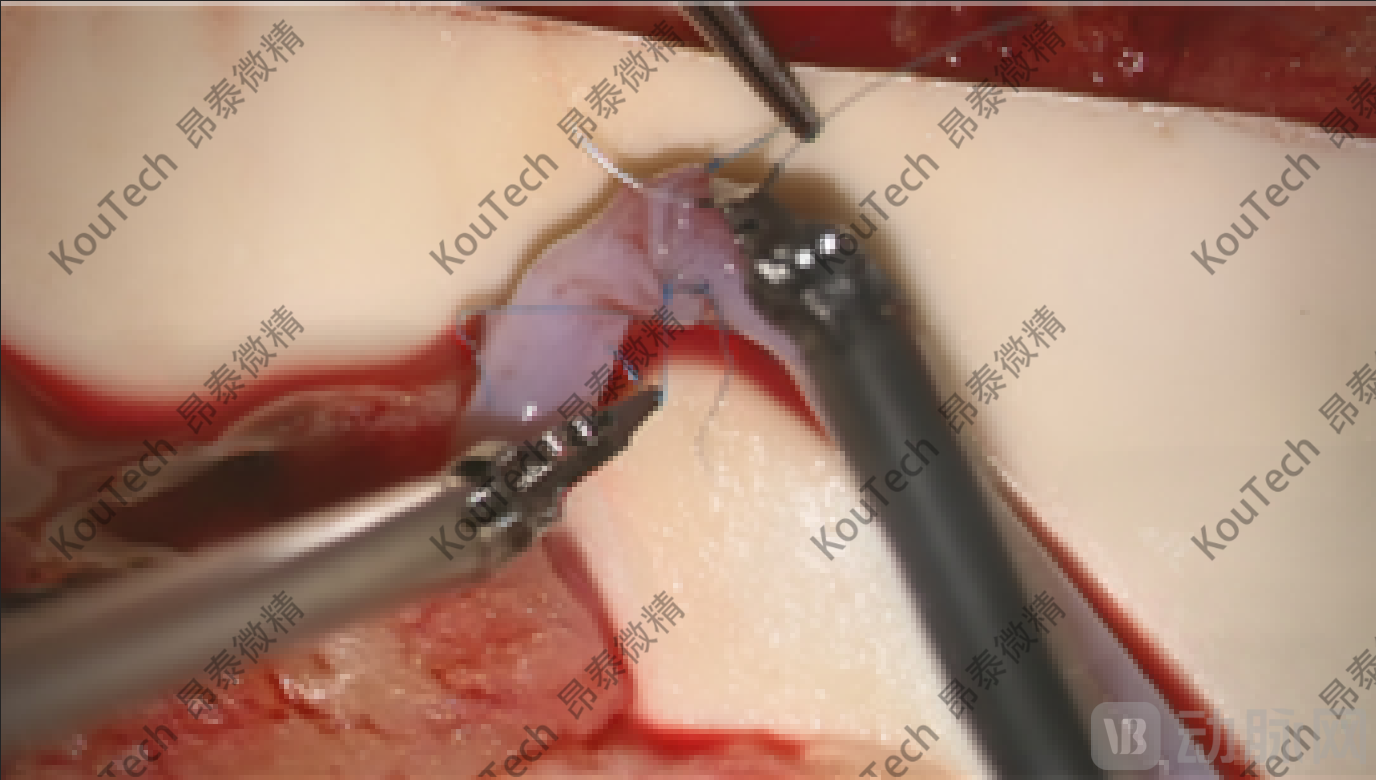
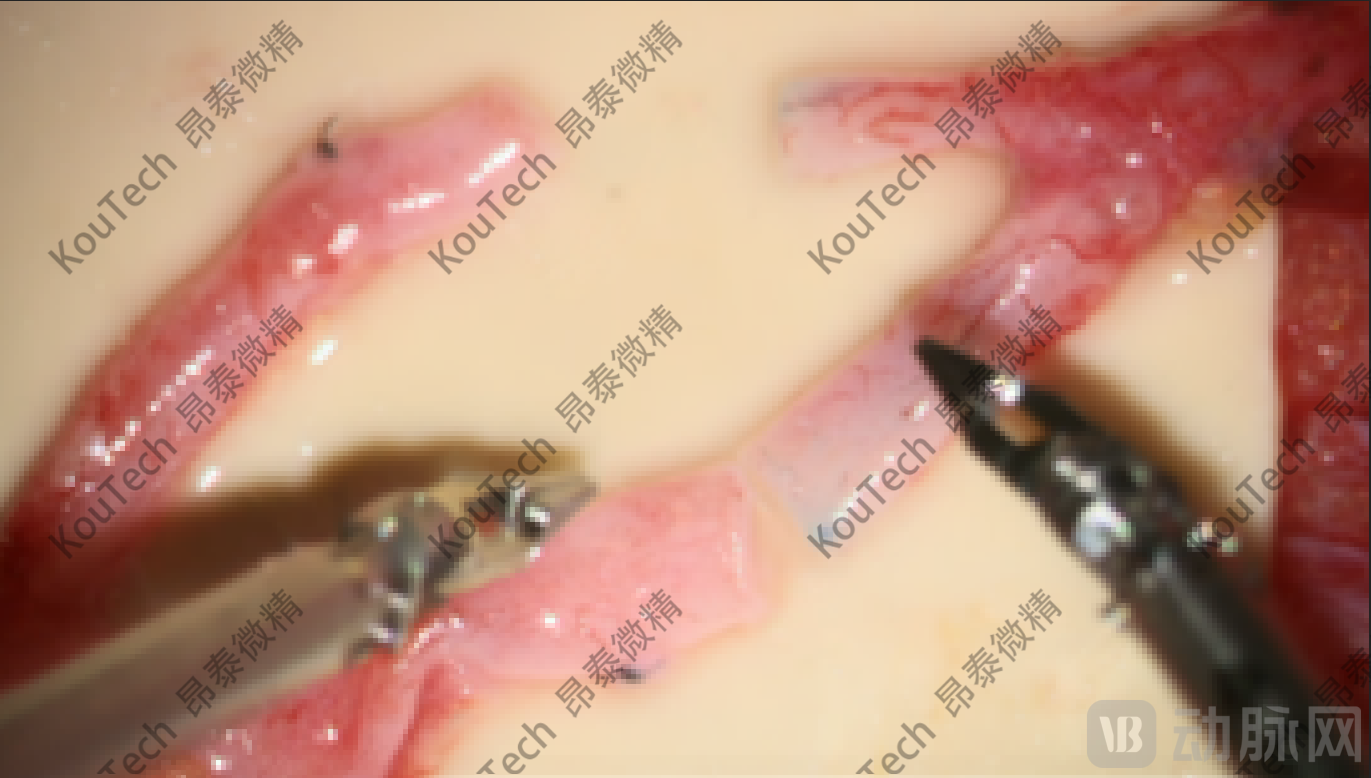
2. China-Made Microsurgical Robot Completes Clinical Validation of 0.5mm-Level Vascular Anastomosis for the First Time
Kai System Successfully Completes Ultra-Microvascular Anastomosis, Marking That China's Self-Developed High-Precision Surgical Robot Has the Capability to Replace Human Hands in Critical Anastomosis Procedures, Reaching an Internationally Advanced Level.
3. Construction of "Full-process Digital Tracking System for Microvascular Anastomosis"
For the first time, real-time tension control during the anastomosis process, motion trajectory recording, operation duration collection, and other multi-parameter automated data acquisition have been achieved, providing systematic data support for AI training, surgical evaluation, and teaching simulation.
Traditional microsurgery faces three major challenges:
1. Breakthrough in Anatomical Taboos: The tumor invades the elbow joint area with a high density of nerves and blood vessels, and after resection, an irregular wound surface reaching the periosteum is formed;
2. Microrepair Limit: High-precision anastomosis needs to be completed on perforating vessels (diameter 0.5-1.2mm) with a mutation rate exceeding 30%;
3. Functional Survival Challenge: The flap in the active area needs to withstand both mechanical traction and hemodynamic fluctuations simultaneously.
KouTech System Demonstrates Revolutionary Performance During Surgery:
1. Sub-millimeter vascular anastomosis precision;
2. Intelligent Dynamic Tremor Elimination Technology eliminates operational tremors;
3. 3D exoscope achieves high-magnification field of view;
4. 12 hours of continuous and stable operation with zero error.
Specifically, the Kai microsurgical robot can be used through3D Exoscope High Magnification Field of View,Achieving precise anatomy and accurate resection, and itsSub-millimeter anastomosis accuracy and intelligent dynamic tremor elimination technology, which can ensure the stability and precision of the operation. In addition, the Kai Microsurgery Robot is capable ofOperate continuously and stably for 12 hours, achieving zero error, further ensuring the blood supply of the flap and postoperative functional recovery.
The successful application of the Kai Microsurgery Robot in completing the world's first robot-assisted radical resection and reconstruction surgery for a complex elbow tumor highlights the clinical value and innovation of this technology:
• Standard Establishment: KouTech Creates the PROBAST 9-Level Difficulty Surgical Robot Operation Standards
• Quality Control: Independent monitors verify吻合 quality frame by frame throughout the process.
• Data Closed-loop: Full-dimensional digital archiving from instrument motion trajectory to vascular tension
In this regard, Professor Zhang Yixin further pointed out"The introduction of microrobotic technology not only significantly enhances the precision and stability of submillimeter vascular anastomosis but also provides us with a new tool capable of surpassing the 'upper limit of the surgeon’s ability.' It greatly improves the safety, standardization, and reproducibility of complex reconstructive surgeries. In the future, with the development of related algorithms and the improvement of data systems, this technology is expected to play a role in more scenarios such as surgical automation and telemedicine, bringing profound changes to surgical treatment methods."
The successful implementation of vascular anastomosis in this case demonstrates the significant advantages of robotic technology in enhancing the safety, precision, and stability of surgical procedures. This provides valuable experience and a paradigm for exploring an intelligent microsurgery system in China, further promoting the transition of key technologies from experimental research to clinical application. The success of this case highlights the "medical-engineering integration" innovation model of China, offering an important paradigm for the global development of microsurgery. KouTech will continue to drive technological transformation, allowing more patients to benefit from precision repair technology.