

Qihan Bio's Off-the-Shelf Dual-Target iPSC-CAR-NK Therapy QN-139b Marks a Breakthrough in Autoimmune Disease Treatment

Qihan Biotech
Gene Editing Technology Developer
 —The application for each award has started successively, stay tuned—
Systemic Sclerosis(Systemic sclerosis,SSc)Diffuse cutaneous systemic sclerosis is a chronic autoimmune disease characterized by vascular abnormalities, immune activation, and progressive tissue fibrosis, and its clinical treatment has long been challenged by limited drug efficacy, irreversible fibrosis, and high disease heterogeneity.(dcSSc)The patients are particularly challenging, with limited efficacy of conventional drugs and poor prognosis.
Despite autologous hematopoietic stem cell transplantation(HSCT)OrCAR-TCell therapy has made initial progress in some refractory cases, but its application is still limited by high toxicity reactions.(such as cytokine release syndromeCRS、Immune Effector Cell-Associated Neurotoxicity SyndromeICANS), the complexity of individualized preparation and the challenges of production standardization make it difficult to promote in a broader population with autoimmune diseases.
Source:Cell
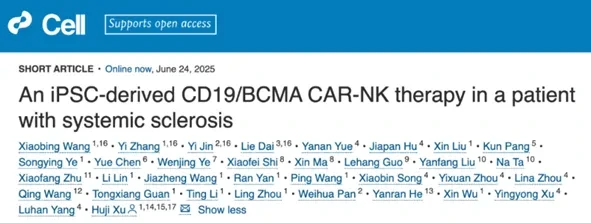
6Month24Day,CellJournal Publishes Induced Pluripotent Stem Cells Developed by Hangzhou Qihan Biotech Co., Ltd.(iPSC)Universal Dual-Target from SourceCAR-NKCell Products(QN-139b)In collaboration with the clinical team at Shanghai Changzheng Hospital, breakthrough clinical results have been achieved in the treatment of refractory systemic sclerosis. This marks the world's firstiPSCSource of immune cell therapy achieves significant breakthrough in the field of treating autoimmune diseases, demonstrating the capability of Hangzhou Qihan Biotech Co., Ltd.“Off-the-shelf”Global Leading Technological Advantages in Cell Therapy for Treating Autoimmune Diseases.
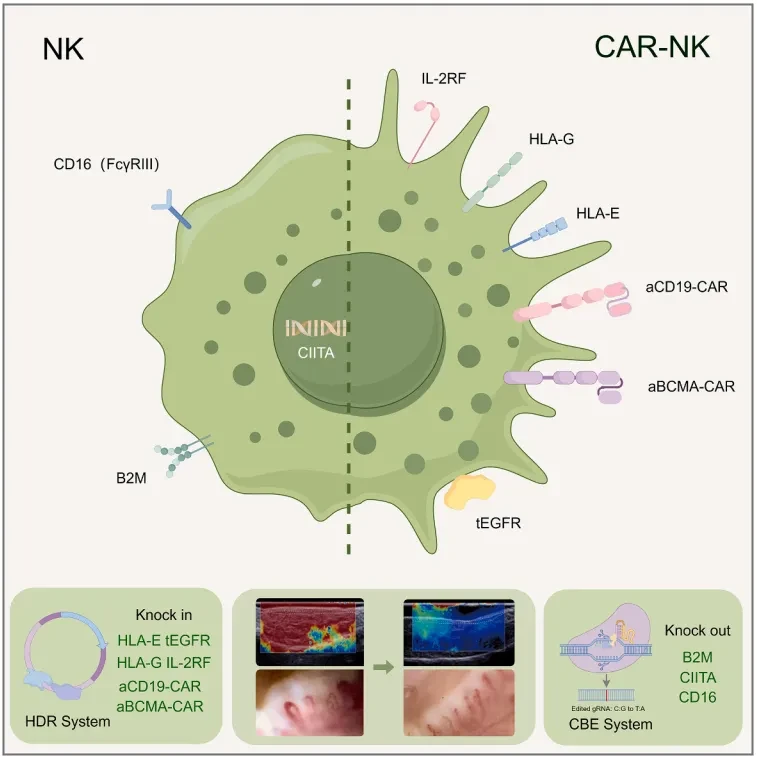
Figure1. QN-139bSchematic Diagram of the Research Process
QN-139bIs a method that simultaneously targetsCD19AndBCMA, to eliminate pathogenicityBOff-the-shelf cell products of cells and plasma cells.
In gene editing strategies, researchers have made precise modifications to cells: knock-in6Gene(HLA-E、tEGFR、HLA-G、IL-2RF、aCD19-CAR、aBCMA-CAR)And knockout3Gene(B2M、CIITA、CD16)To ensure safety, the research adopted a non-cutting type gene editing tool to avoid genomic rearrangement, and inserted the transgene at a specific site in the genome.“safe harbor”Sites, and use sequenced-verified monoclonal stem cells for differentiation and expansion, minimizing the risk of genomic toxicity.
In product design, researchers introducedtEGFRAs a safety switch, and innovatively knock outCD16Molecules, to reduceNKCells may increase the risk of autoimmune diseases. Meanwhile, by integrating proprietary intellectual propertyNKCell survival elements and reduce immunogenicity, significantly enhancingQN-139bThe amplification capacity and therapeutic effects in patients.
'%20fill='%23FFFFFF'%3E%3Crect%20x='249'%20y='126'%20width='1'%20height='1'%3E%3C/rect%3E%3C/g%3E%3C/g%3E%3C/svg%3E)
Figure2. Cell Preparation Process
In the clinical trial, one case36Years, nearly20Patients with a history of refractory systemic sclerosis for years2024Year8Month4Accepted for the first time in JapanQN-139bTreatment, the therapeutic dose is6×108Cells, administered in four doses(The0、3、7、10Day)。
After6Months follow-up,QN-139bDemonstrated good overall safety, with no specific discomfort reported by the patient. Clinical evaluation showed significant improvement in subjective symptoms and objective indicators: a marked decrease in autoantibody levels, complement returning to normal, and modifiedRodnanSkin Score(mRSS)Significantly Reduce, American College of Rheumatology Combined Lupus Research Group Composite Response Index(ACR-CRISS)Significantly improved.
Figure3. dcSScClinical effects of patients after medication
Peripheral blood monocyte analysis and proteomic analysis confirmed,QN-139bSuccessfully cleared the patient's pathologicalBCells, effectively suppressed inflammation and fibrosis progression, cleared infiltrating lymphocytes in the affected skin, and promoted skin microvascular remodeling. These results indicate thatQN-139bSuccessfully induced immune resetting in the patient.
Figure4. dcSScChanges in Immune Cells Before and After Medication
In summary, this off-the-shelf product developed by Hangzhou Qihan Biotech Co., Ltd.CD19/BCMADual TargetsiPSC-CAR-NKCell ProductsQN-139bExhibited extremely low toxicity in patients with refractory systemic sclerosis, not only reversing skin fibrosis and restoring skin and vascular structure, but also significantly reducing autoantibodies and clearing pathological conditions.BCells, and successfully induced immune reset, showing great therapeutic potential.
Expert Interview
Founder and Chief Executive Officer of Hangzhou Qihan Biotech Co., Ltd.
MedCubePro:QN-139bIs the world's first for the treatment of autoimmune diseasesiPSCDual Targets of OriginCAR-NKCell therapy, what do you think is its greatest scientific breakthrough?
Dr. Luhan Yang:QN-139bThe biggest breakthroughs are in three aspects:
1) This is the first dual-target product in the current现货型 cell product lineup, capable of simultaneously eliminating harmfulBCells and plasma cells.
2)NKThe expansion of cells is limited and they are prone to rejection. Therefore, we need to design this product to extend its lifespan as much as possible.NKThe survival time of cells, such as the use of low immunogenicity and persistence components, etc.
3) Despite the general belief thatNKThe cells are safe, but after multiple edits, is there a risk of tumor formation?NKThe risks associated with the cells themselves still need attention. In gene editing, we have modified9A gene, all monoclonal, and useddeaminase(Deaminase) andsafe harbor(Safe Harbor) technology to ensure security. ThroughADCCThe design of the component ensures that it functions as intended, enhancing both safety and targeted efficacy.
PharmaCubePro: WhyQN-139bThe first indication chosen is systemic sclerosis (scleroderma), an autoimmune disease?
Dr. Luhan Yang:There are many types of autoimmune diseases, and scleroderma is a very complex area with unmet clinical needs, where no new drugs have emerged in the past decade. It is often regarded as a disease cursed by God, and we are very pleased about this breakthrough.
PharmaCubePro: Compared to autologousCAR-TAndTCEWhat are the potential advantages of universal off-the-shelf cell therapies?
Dr. Luhan Yang:Now everyone sees that immune resetting can lead to long-term remission for patients with autoimmune diseases without the need for medication, whether it is autologousCAR-T, Off-the-shelf cell therapy, orCD3AndCD19Both dual-antibody and multi-antibody approaches are moving in this direction. The advantages of universal off-the-shelf cells lie in their low production costs, and as cells, they have an edge in deeply penetrating tissues to eliminate bad cells. The downside is that they may still be rejected, and it remains to be seen whether immune resetting can enable universal cells to produce long-term effects. However, we believe that ultimately, different treatment modalities will emerge to serve patients.
MedCubePro: Currently, many companies worldwide are entering the off-the-shelf cell therapy赛道 for autoimmune diseases. What are the differences and unique advantages of Hangzhou Qihan Biotech Co., Ltd.'s technical platform?
Dr. Luhan Yang:Hangzhou Qihan Biotech Co., Ltd. has the following advantages in technology, science, and clinical pipeline:
1)Technology: Off-the-shelf cells require modifications to multiple genes, which must comply with the basic requirements of regulatory authorities for drug development and adhere to the principle of commercial reproducibility. We are not only able to modify9A gene, and we have also had in-depth exchanges with regulatory agencies in China and the United States. Hopefully, in the near future, everyone will see relevant news about our clinical trial applications.
2)Science: The key to off-the-shelf cells lies in how to resist rejection. The company started with xenotransplantation and moved on toNKCells, and then toTCells, systematically explored hundreds of genes and established a unique monkey research and development platform to help us understand rejection responses and which gene edits can resist rejection, thereby better serving patients.
3)Clinical Pipeline: We have observed positive signals in refractory systemic sclerosis, while other pipelines are also advancing simultaneously. For instance, breakthroughs are expected to be achieved successively in diseases such as systemic lupus erythematosus, hemolytic anemia, and myasthenia gravis.
PharmaCubePro: ExceptQN-139bBesides, what are the representative pipelines of Qihan Biotech? Can you briefly introduce them?
Dr. Luhan Yang:Qihan's vision is to create a world where cell and organ therapies are accessible to every patient. In addition to stem cell-derivedNKCells, and stem cell-derivedTCells, and universal typeCAR-TCell products. The company currently has3A General-Purpose TypeCAR-TCell products have already shown some positive signals in clinical trials.
The ideal state of cell therapy is to achieve non-clearance, and currently we are preparing the second generation of universal type.CAR-TCell products, and has explored some strategies without clear rinsing in monkey models. The focus of the company's next stage is to explore how to safely and effectively apply these strategies in clinical settings.
MedcubePro: Future3-5What are the most anticipated breakthroughs in off-the-shelf cell therapy this year?Qihan BiotechWhat goals have been set for the advancement of the pipeline?
Dr. Luhan Yang:I believe that off-the-shelf cells can fundamentally solve the commercialization issues of cell therapy. The current bottleneck lies in how to engineer the cells so they can survive long enough to effectively eliminate pathological target cells within the body. We believe that autoimmune diseases will be an important breakthrough for off-the-shelf cells. This is because treating such diseases may not require the long-term persistence of universal cells—only a short-term ability to survive and expand in order to clear pathological cells from the blood and lymphoid tissues.BCells and plasma cells, thereby resetting the patient's immune system, similar to rebooting a computer, and ultimately achieving long-term remission or even cure without the need for medication.
In the future3To5Within this year, we hope to expedite the global submission of some outstanding products developed by our company and apply them clinically to patients. We have already observed some positive data in clinical settings and hope to expand the indications to serve more patients.
References:
Xiaobing Wang et al. An iPSC-derived CD19/BCMA CAR-NK therapy in a patient with systemic sclerosis. Cell(2025)
https://www.cell.com/cell/fulltext/S0092-8674(25)00625-7
PharmaCube Pro